
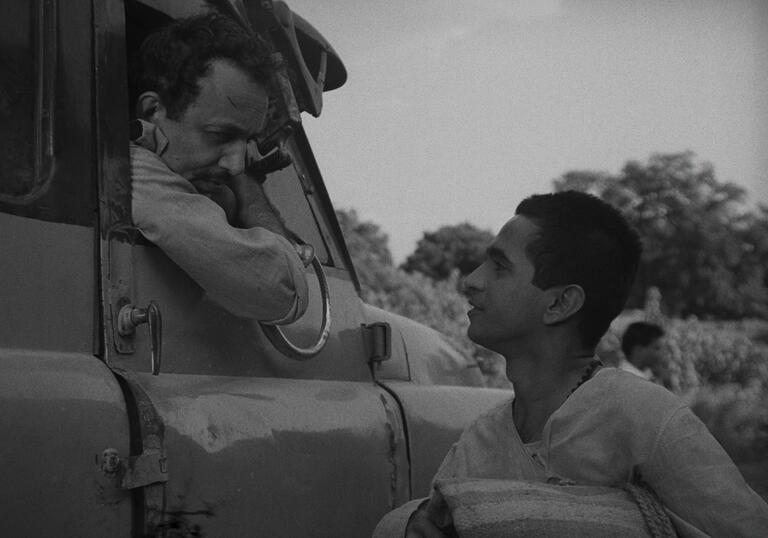
This summer, the Barbican revisited an interesting moment in queer film history with Queer 70s, a season spotlighting the increased visibility of LGBTQ+ lives in the decade after the 1969 Stonewall Riots. More than a celebration of representation, the programme marked a historic shift in cinematic storytelling; a moment when queer subjectivities began to take shape beyond the limiting, often derogatory caricatures that had long dominated mainstream cinema. As global queer liberation movements gathered momentum, filmmakers began crafting layered narratives that reflected a broader reimagining of identity, desire, and resistance.
The rise of Super 8mm and 16mm film during the 1970s also made filmmaking more affordable and accessible, enabling artists outside the studio system to pick up the camera. For the first time, queer filmmakers could explore complex, taboo themes on their own terms – somewhat freer from the censorship and commercial demands of the mainstream industry.
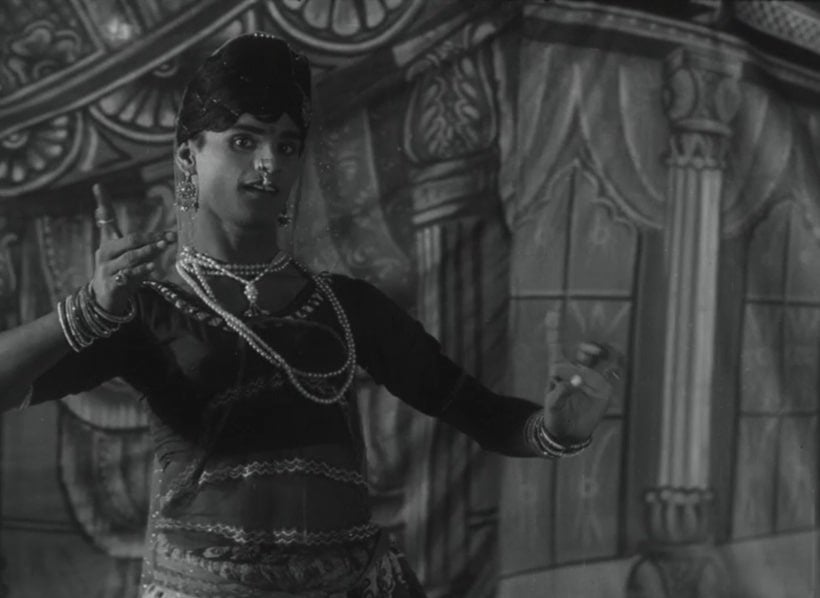
Among the season’s titles was Badnam Basti (Neighbourhood of Ill Repute), a 1971 Indian film directed by Prem Kapoor and adapted from Kamleshwar Prasad Saxena’s 1957 novel of the same name. Made during the rise of India’s Parallel Cinema movement – a wave of state-supported, socially conscious filmmaking that countered the spectacle and melodrama of Bollywood – Badnam Basti represented a more restrained visual style and a sharper social gaze.
Set in a small town in Uttar Pradesh, the film follows the emotional entanglements of Sarnam Singh (Nitin Sethi), a reformed bandit turned bus driver; Shivraj (Amar Kakkad), a young temple worker hired to clean his bus; and Bansuri (Nandita Thakur), a woman with ties to Sarnam’s past. The relationship between Sarnam and Shivraj is never explicitly defined as romantic, yet their tender interactions and emotional intensity speak to a deep, possibly homoerotic bond. At one point, Sarnam confesses: “I feel happy when Shivraj is around. It is the same feeling I experienced with Bansuri.” The comparison subtly collapses the boundaries between platonic and romantic, heterosexual and homosexual love, suggesting a more fluid understanding of desire.
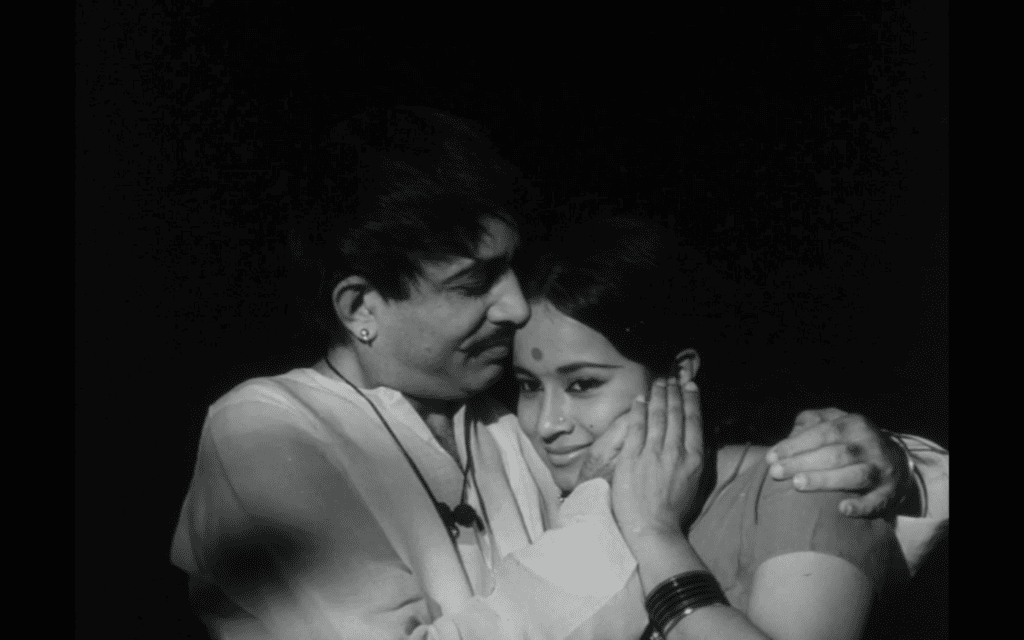
Rather than relying on declarative expressions of identity, Badnam Basti allows meaning to emerge through gesture. In a scene near the film’s end, the two men press their foreheads together – a moment of intimacy that transcends language. Their restraint becomes a form of expression, inviting an interpretation of queerness that is complex, ambiguous, and resistant to fixed labels. In this way, the film not only reflects the constraints of 1970s Indian society but offers a quietly radical reimagining of queer intimacy rooted in emotional connection and ambiguity.
The film’s historical significance is further amplified by its precarious survival. Like many of the roughly 200 titles produced during the Parallel Cinema era, Badnam Basti was long believed lost. Its 2019 rediscovery at Berlin’s Arsenal Institute for Film and Video Art – found accidently during a search for films by another director named Kapoor – feels like the reclaiming of a legacy that was always present but overlooked.
Badnam Basti’s long obscurity also reveals deeper issues in how queer film history is curated. Its South Asian origins likely contributed to its exclusion from the dominant queer canon, which has historically privileged Western narratives. Queer cinema from the Global South is too often marginalised, treated as an anomaly, or filtered through a Western lens that fails to recognise its radical potential.
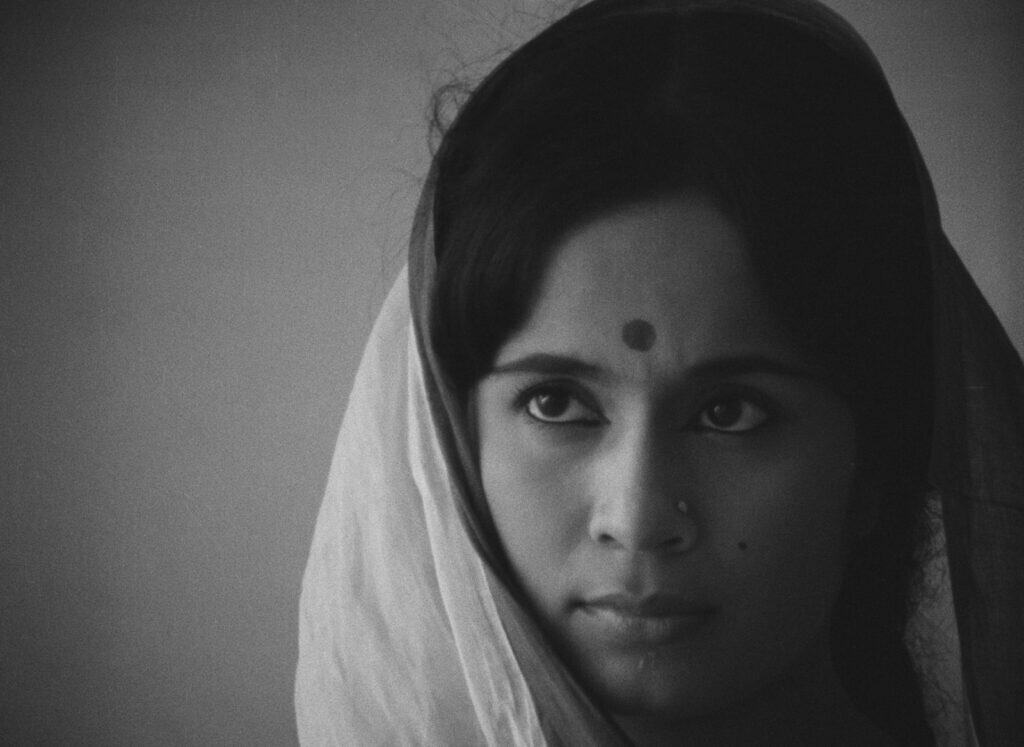
Within this framework, the subtlety of Badnam Basti might be misread as conservative or underdeveloped. But such readings ignore how cultural context shapes expression. To genuinely decentre the Western queer canon, programming like Queer 70s must not only include films from beyond the Euro-American sphere but also reframe the interpretive lens through which they are viewed.
Badnam Basti was screened at the Barbican on the 12th of December as the closing film of Rewriting the Rules: Pioneering Indian Cinema after 1970, curated by Omar Ahmed. It also featured in the Queer 70s season and is set to screen at the Melbourne Indian Film Festival during Pride Night on the 22nd of August. Its reemergence on screens is a reminder that queer histories are everywhere – sometimes coded, often silenced, but always present.


