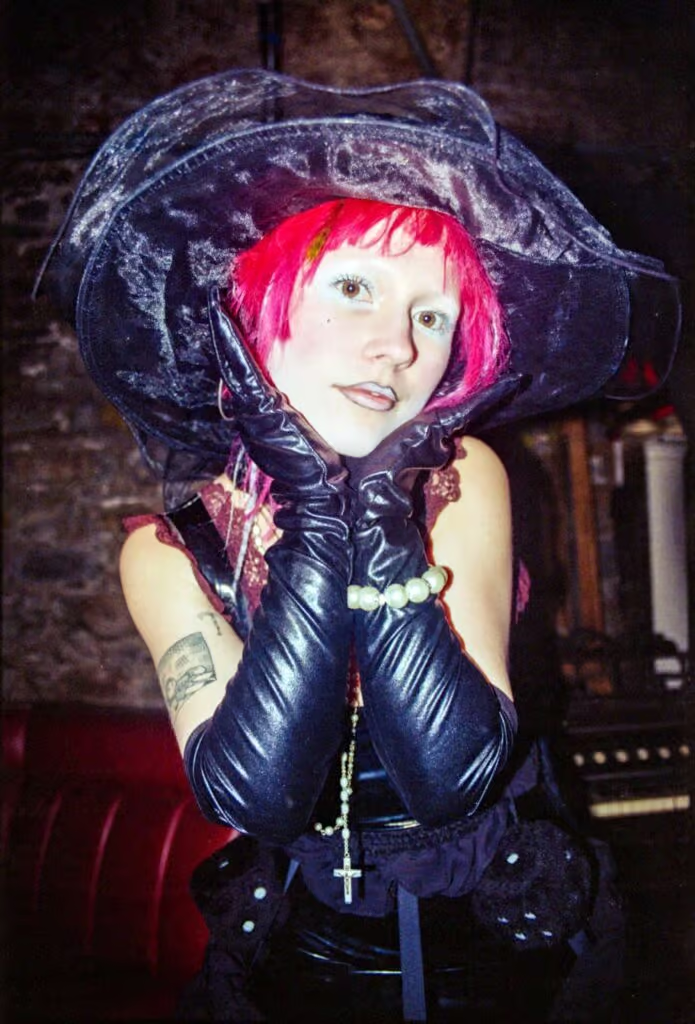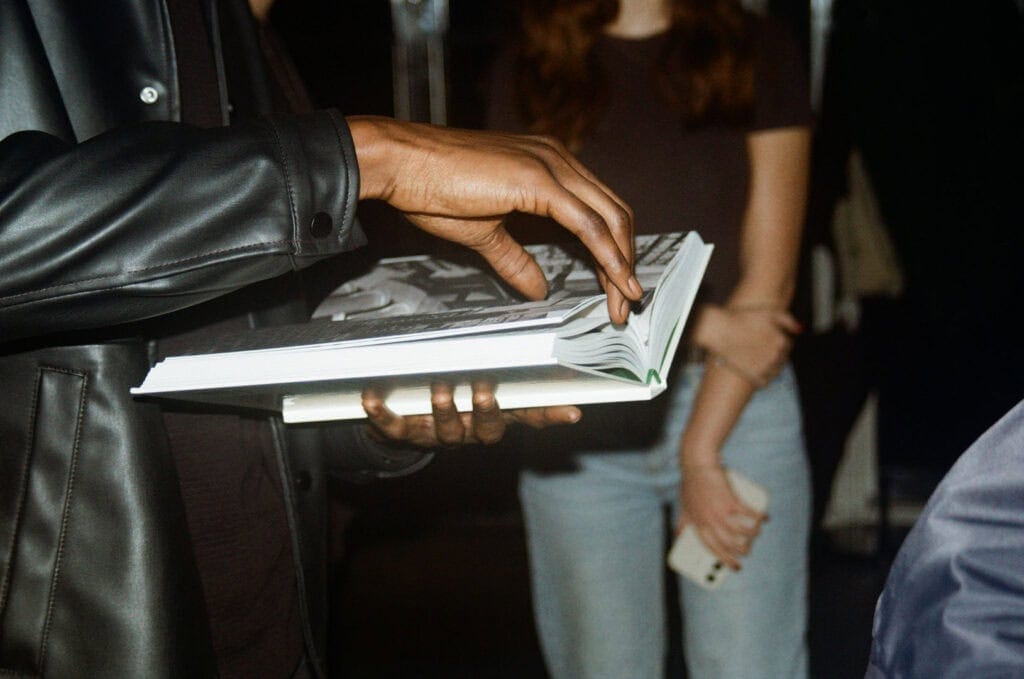
On November 13th, Exposure Gallery hosted the book launch of FROM SOMERSET TO THE WORLD: CLARKS A VISUAL HISTORY 1825–2025.
Commissioned by Clarks, the book was written and designed by Alexander Newman and published by One Love Books to celebrate the bicentennial history of Clarks. The book beautifully narrates the brand’s story from a small Quaker family business in Somerset to what ultimately positioned it to become a household name. The book includes never before seen images from the company archives.
Representative of the family, Peter Clark, spoke of how the family business was built on Quaker values. The focus has always been a commitment to quality over profit and giving back to their community. Since the beginning they have wanted to provide consumers with a shoe that would help with everyday tasks. They wanted to create shoes that were healthy for feet and accessible, not just built on aesthetics and trends.
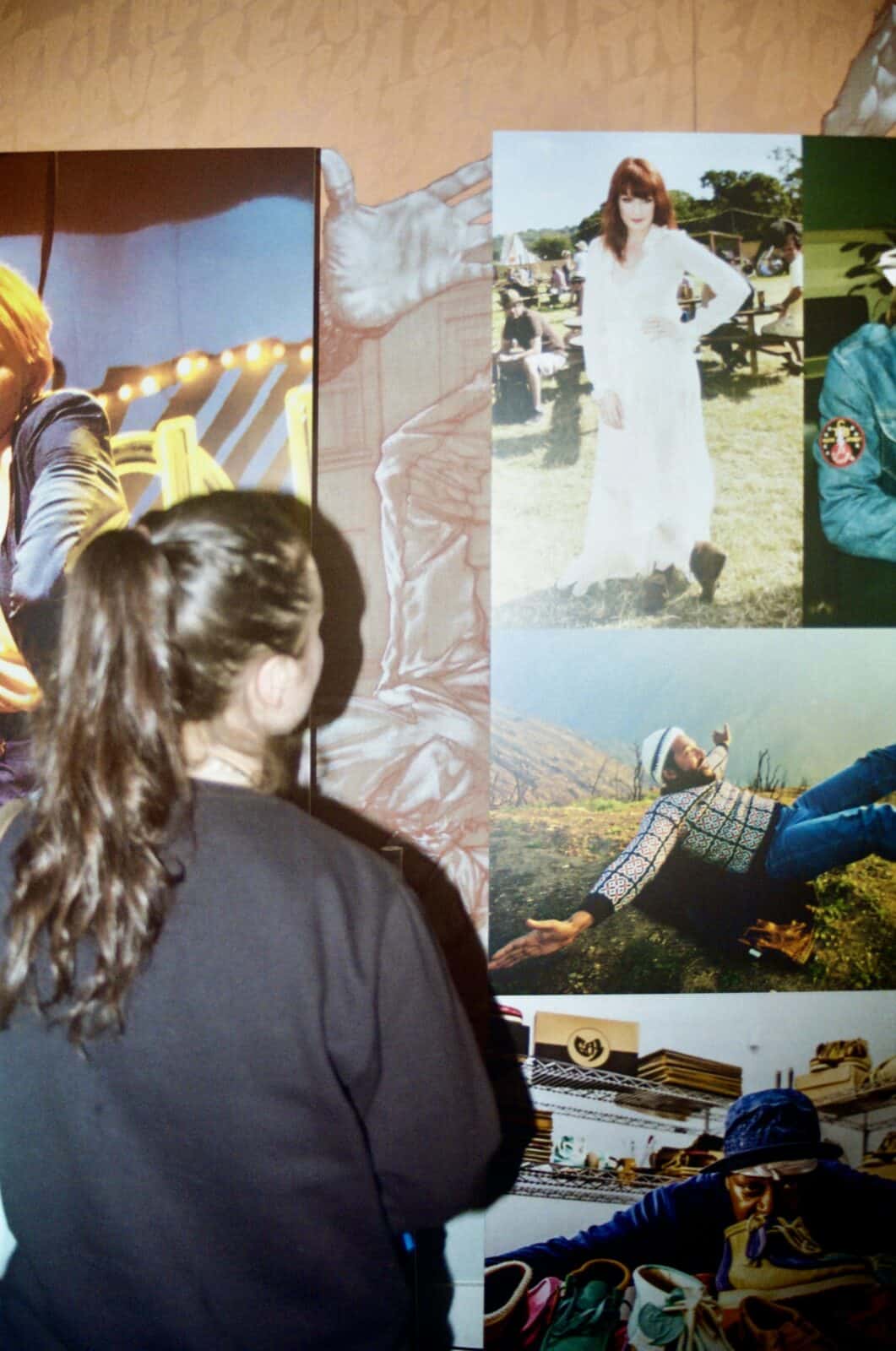
Originally starting as sheep skin manufacturers in 1800s Somerset, the Clark family has greatly prioritized documenting their history and archiving everything throughout the last 200 years. Clarks had its own internal newspaper to celebrate employees’ accomplishments, marriages, and news. This company culture highlights a family business mentality, with a strong foundation of protecting community and history.
Clarks became a huge part of Jamaican culture, specifically in the dancehall and reggae music scenes. Resulting in the cult classic Clarks in Jamaica (2012) by Alexander Newman. As it turns out, Clarks have been referenced in hundreds of songs. Their brand image grew in prestige as huge celebrities like Marvin Gaye, David Bowie, and Bob Marley, to name a few, were sporting the footwear. A 1974 photo of Marvin Gaye in the Hollywood Hills by Annie Leibowitz furthered the brand’s staying power.
Though, it has not always been smooth sailing over the last 200 years. As one could assume, maintaining family ties that interweave with business can make for complex dynamics and difficult decision making. There are now family representatives that hold voting power to even this out. Many decisions are made through long talks, which is shown in the careful execution of changes and progress in Clarks’ products. In the 1990s when they were approached by an outside buyer, the family almost fractured. A vote rejected the outside buyer, which led to a 16 member family council to prevent future turmoil.
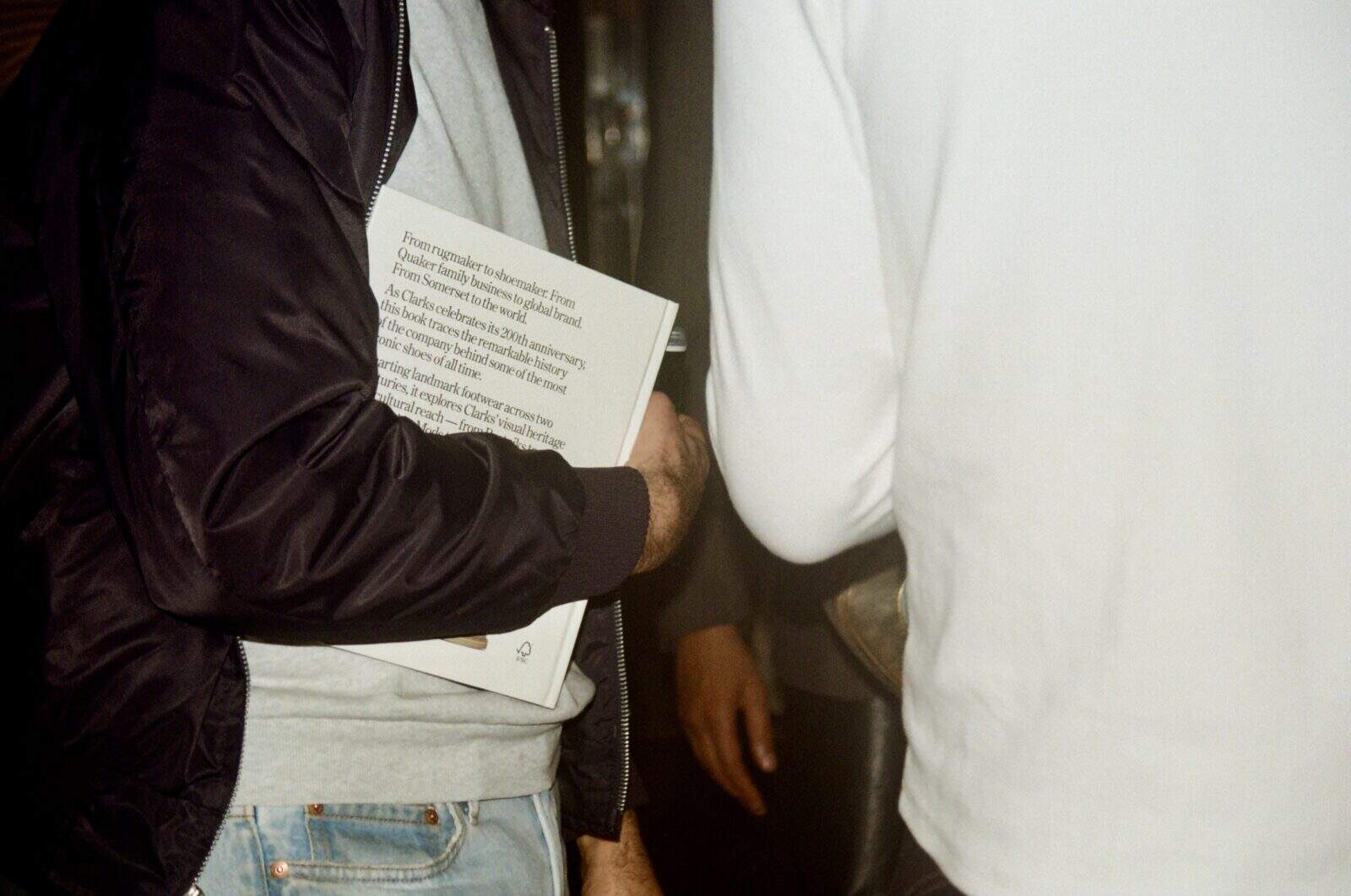
Peter Clark stated that “innovation is the driving force”. This was first seen when shoe manufacturers in America started creating better and newer shoes with their machinery. This led to Clarks innovation in the sole seamer process. Soles were originally sewn onto shoes, but post World War II, they used a new machine that used heat and pressure, allowing for a harder wearing shoe. This was all a part of the evolution of classic designs like the Desert Boot, Wallabee, Desert Trek, and Nature Trek. This focus on durability has helped Clark’s global reputation as a shoe that will last. Peter Clark succinctly confirmed this: “The best shoe we make is the next one”.
The ethos of the brand has always remained rooted in its Quaker origins, this was displayed when they were approached by the British Army during the Crimean War. At first they refused to be involved in any form of violence, but then as a compromise they used any profits made to build schools in affected areas. The Clarks were also early abolitionists. They boycotted slave labor in the 1800s, and only used free labor cotton in their products.
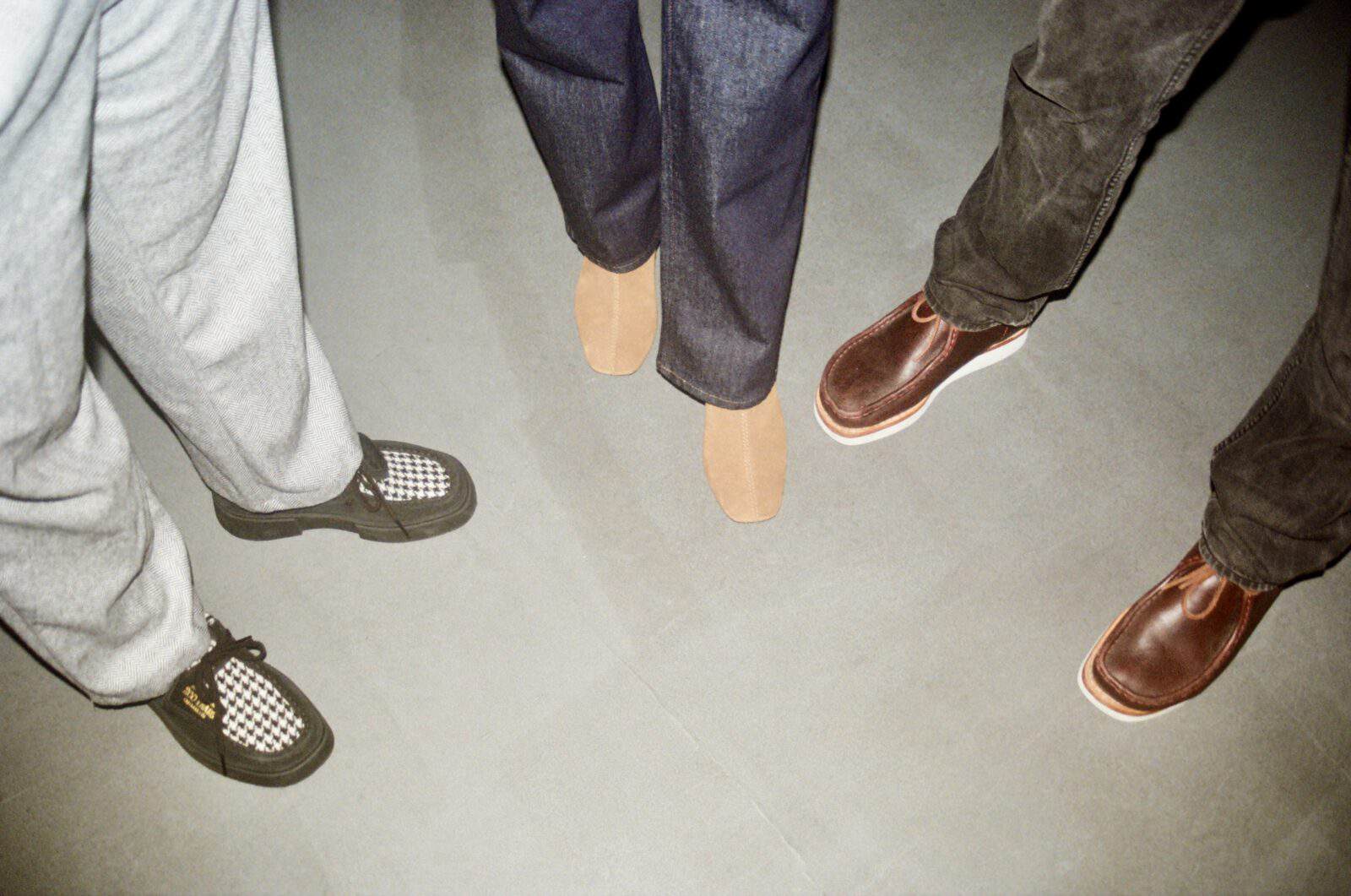
Clarks credits a lot of its success to being born in Somerset. Described as a quirky part of the world filled with innovative, creative rebels. The family company worked to nurture their village of Street, Somerset, including building swimming pools, worker housing, and schools.
The company also values emerging talent, and supporting the everyday person. Clark’s has been known to recruit from art colleges for their marketing and graphic design departments. While being a global brand, it still holds the ethos and culture of a small, family brand.
Peter Clark, when talking about the book at the event, said he was emotional. It felt like looking at a family photo album filled with memories and nostalgia. He said it’s humbling and breathtaking to see all his family’s history bound together in front of him.