WHILST THE WORLD WAS OBSESSED WITH PERFECTION AND EXPOSURE, MARGIELA DEFIED CONVENTION WITH HIS AW95 RUNWAY, PRODUCING A COLLECTION THAT’S STILL SPOKEN ABOUT TO THIS DAY FOR ITS UNAPOLOGETIC APPROACH
From supermodels to celebrities and singers to iconic ’90s makeup looks, 1995 was a year that everyone was obsessed with faces; everyone except one person in particular… Martin Margiela, the founder of the eponymous fashion label, Maison Margiela.
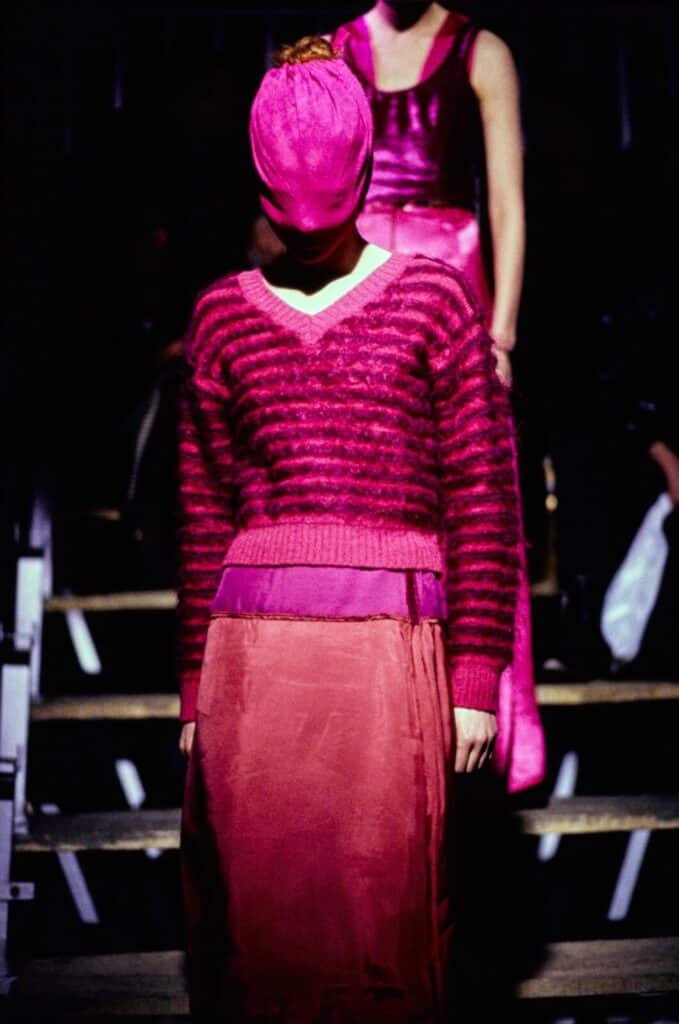
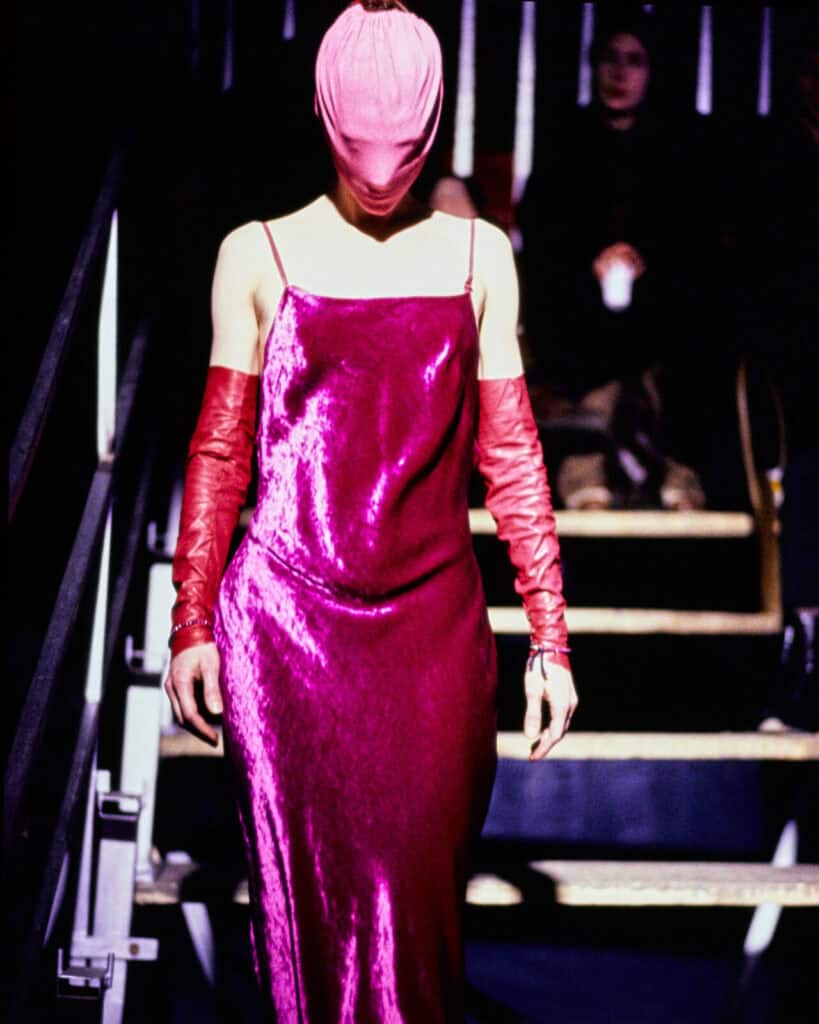
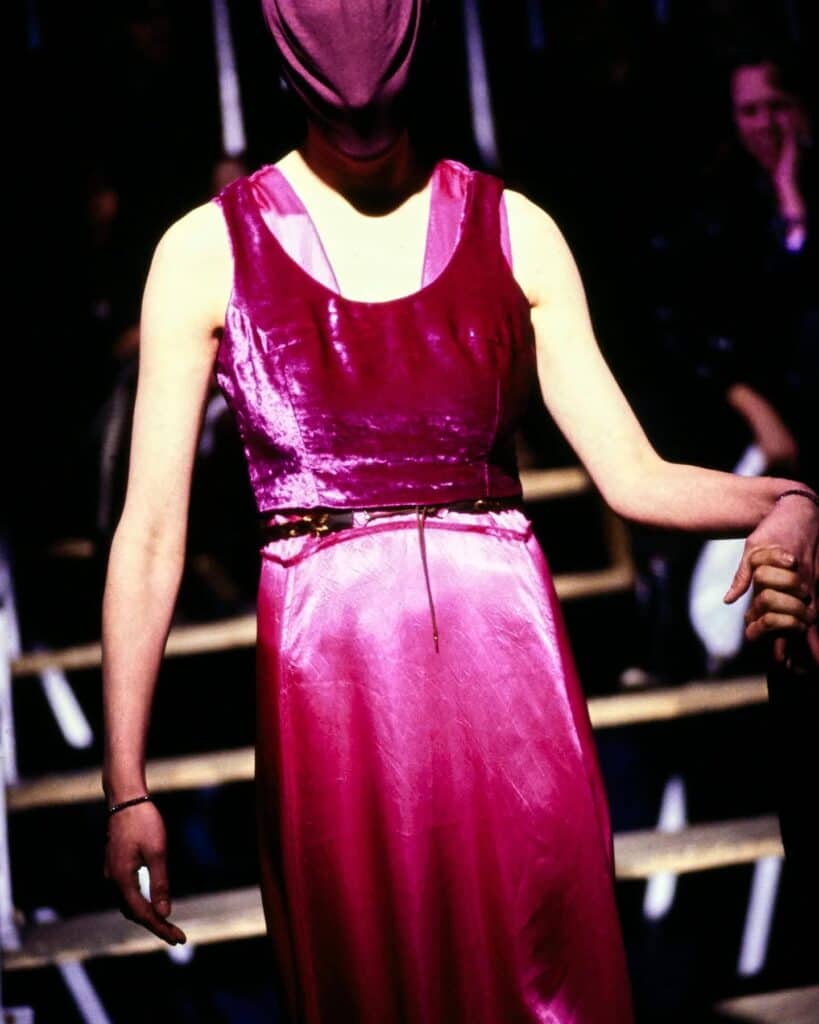
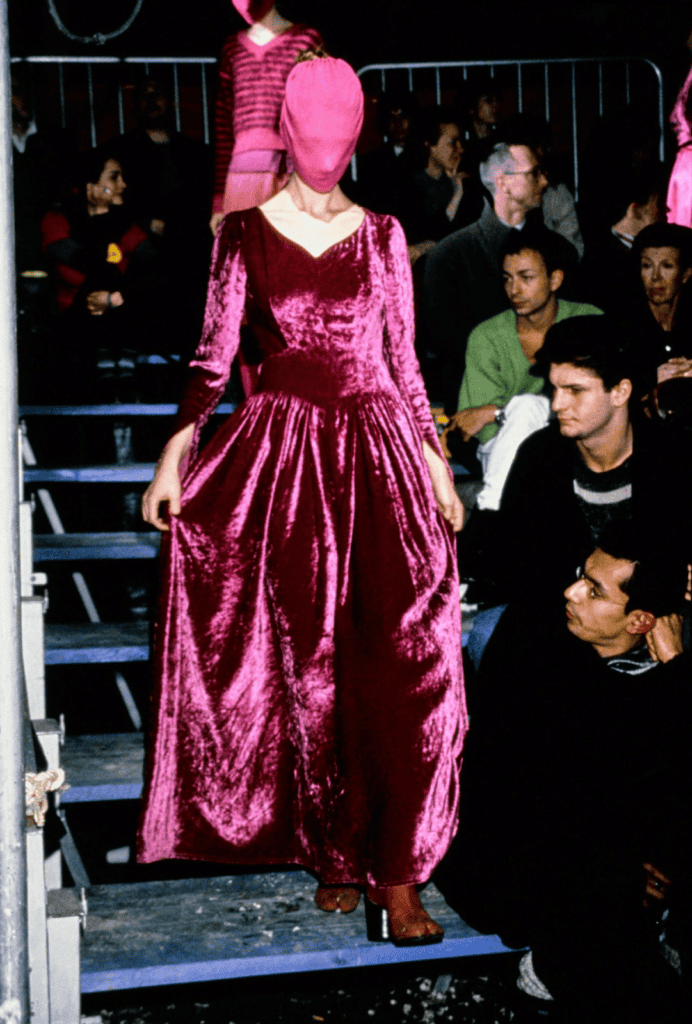
Taking place during Paris Fashion Week, the show was set amid a time when luxury fashion was becoming increasingly commercial and personality-led. And though the collection was in some ways abstract and indifferent to other shows of the zeitgeist, the atmosphere felt closer to that of a performance rather than a conventional defile the world had seen time and time again. Beyond anonymity, the ’95 collection also sharpened Margiela’s critique of luxury itself. At a time when fashion was increasingly defined by surface polish and recognisable branding, Margiela instead exposed the mechanics of dressmaking. Seams were left visible, silhouettes askew, and garments appeared worn or deliberately unfinished. Rather than offering the generic idea of aspirational perfection, the collection foregrounded quite the opposite, self-confident imperfection. In doing so, Margiela questioned how clothes were made, and how value/desirability were constructed within the fashion system. Everything felt deconstructed, a staple of Margiela’s brand image.
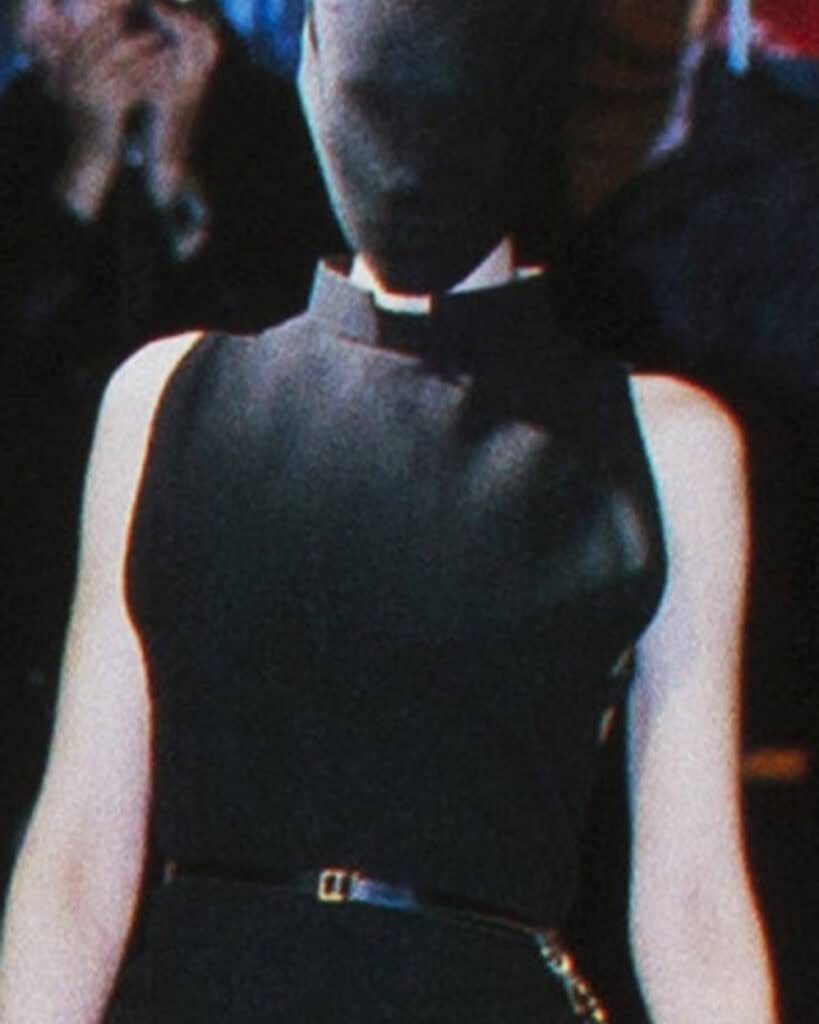
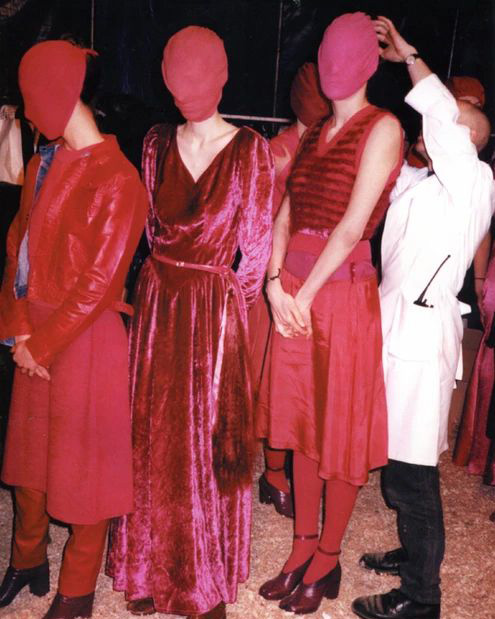
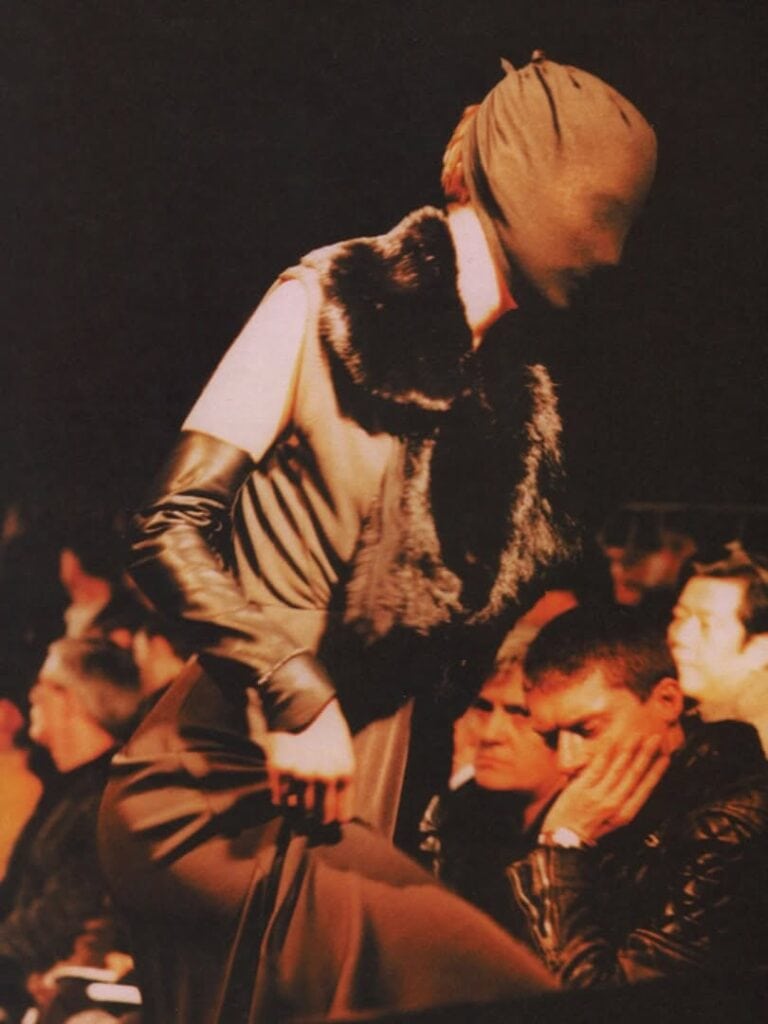
Anonymity was the overarching theme that the audience depicted from the designers’ Autumn/Winter ready-to-wear show with facial coverings galore. Visages obscured and often covered with fabric hoods or masks. Not one model showed their face throughout the entirety of the show, a protest of pro-fashion aesthetics and an example of how Margiela brought about the idea of postmodern runway presentations so early on in his career. Martin Margiela himself didn’t appear at the end of the show and gave no interviews, adding to this idea of the elusive nature of what the brand is known for within the bustling fashion industry.
The show was an extension of Margiela’s continual practice of experimentation and subversion, “letting garments, staging, and ideas carry the message rather than celebrity or designer publicity,” wrote Laird Borrelli-Persson for Vogue in 2018 as she looked back to the past at archival Margiela shows.
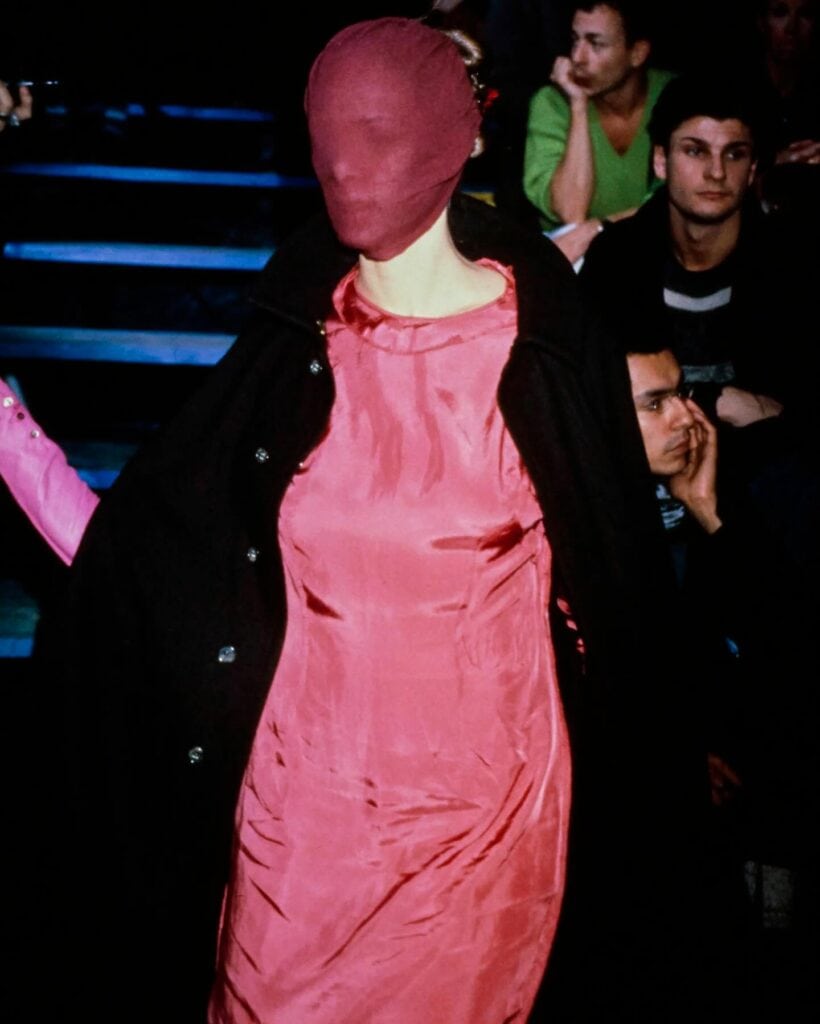
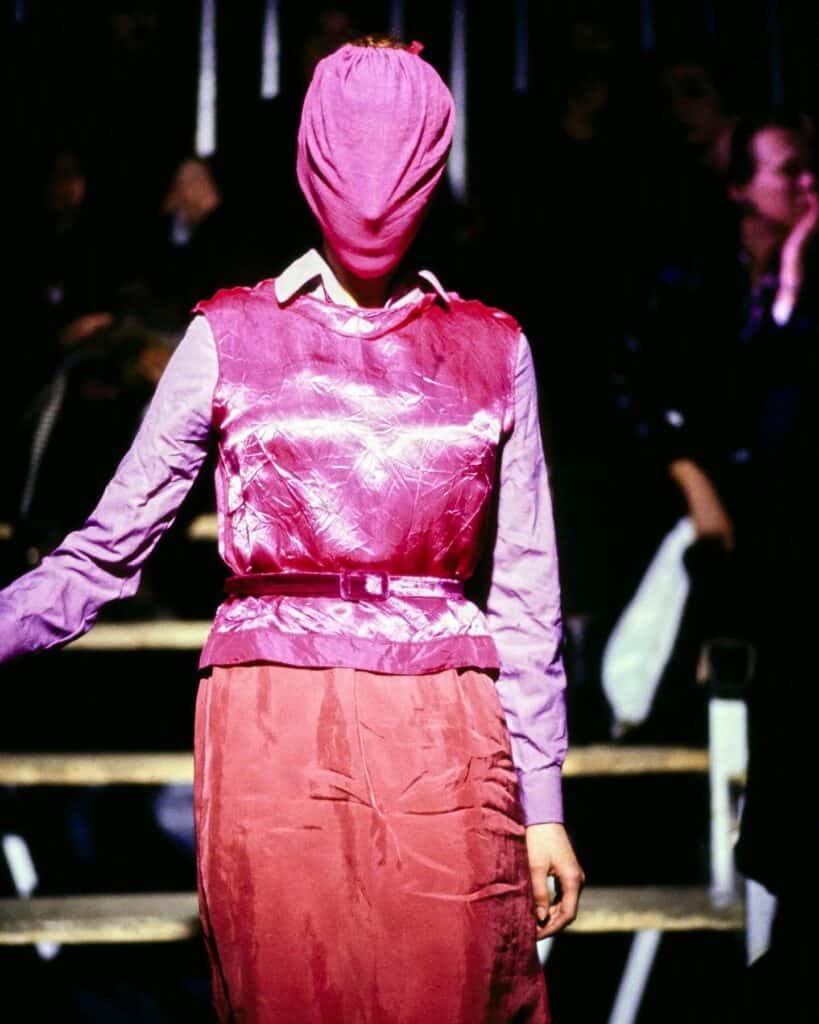
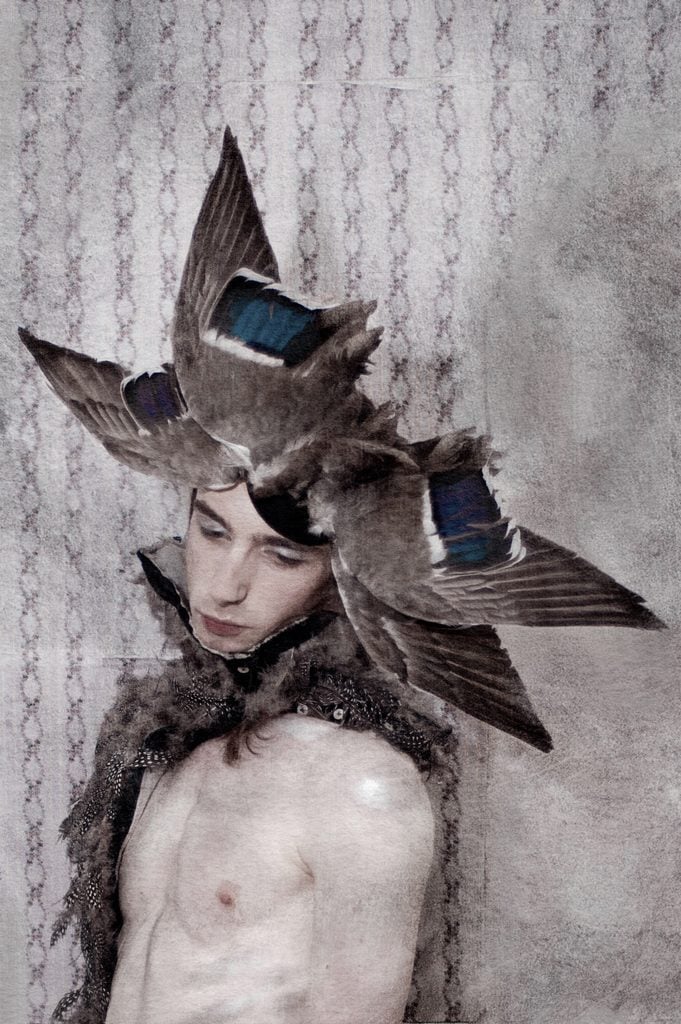
Glenn Martens reinstated this idea of anonymity within his mythical debut collection at the esteemed brand last year during Haute couture week, crafting embellished and print-laden face coverings for the models to wear as they walked the runway, some 30 years on since the iconic AW95 presentation.
In hindsight, the significance of the AW95 runway lies not in any single garment, but in the methodology it introduced. Margiela’s refusal of spectacle anticipated a shift that would only gain momentum decades later, influencing designers who similarly sought to destabilise fashion’s same-old conventions. What felt, at the time, disruptive and confrontational has since become a recognised foundational pillar within the design language of Maison Margiela. The show stands as a reminder that innovation doesn’t always have to announce itself loudly; sometimes it can deliver the same impactful and unique message quietly and half-finished.