

“Some people say they can’t get laid at readings, but I say this is a skill issue,” declares Victoria Comstock-Kershaw, an art critic and habitué of London’s literary scene who met her boyfriend at one such event. “We did drugs, made out in the bathroom, listened to bad incest poetry, and six months later we’re still together and happily in love!”
While I’ve only brushed past such circles, the underlying sexual tension is palpable. To find a lover whose short stories will be haunted by the Chanel N°5 spritzed on your neck – and preferably published in a magazine – is the holy grail. Girls in backless dresses whisk dates to candlelit poetry nights in Dalston. Lone boys loiter at the back hoping to steal a glance. All my graphomaniac friends revere Anaïs Nin’s unbridled diaries and erotica, and they’re out fishing for their Henry Miller.
Last year saw brouhaha aplenty about the scene, where creative writers read out their work to an audience. A girl from my alma mater rebuked it in Unherd as not a literary movement but a uniformly leftist circle with a tedious philosophy that anyone can write. In Prospect, Fonie Mitsopoulou questioned the appeal given that the attendees “literally do not care about the readings 90 per cent of the time.” In Vogue, the former Vice editor went to find out: where are all the eligible men? All three journalists are Oxbridge grads, if that hints at the makeup of the scene.
But a lover who writes is a double-edged sword. By the same pen, love letters can devolve into hexes. When most romances deteriorate, you fade to an anecdote. When you date a writer, you risk reincarnating as a villain. “Everything is copy,” went the mantra of American essayist Nora Ephron – perhaps the antecedent of “do it for the plot”. Life hands us material on a plate. She drew on her divorce for the roman à clef novel Heartburn (1983), which her ex threatened legal action over (unsuccessfully – it became a bestseller).
Similarly, my readings connoisseur housemate wrote a comedy play inspired by her breakup, to her ex’s dismay. Then she launched a Substack about her love life. Her dad erupted that a man would “have to be a sadomasochistic pervert” to go out with her. Yet she found a boy – also from the literary scene – who wrote a wry Substack in return.
Nimrod Kamer, author of The Social Climber’s Handbook: A Shameless Guide (2018), is a constant presence on the circuit. “I’m a matchmaker at readings,” he tells Cold. “I introduce random people to each other to hook them up then leave when the readings start.”
So here we have it: London’s hottest readings to find a lover who writes, for better or worse, this Valentine’s Day.
- Lost Property
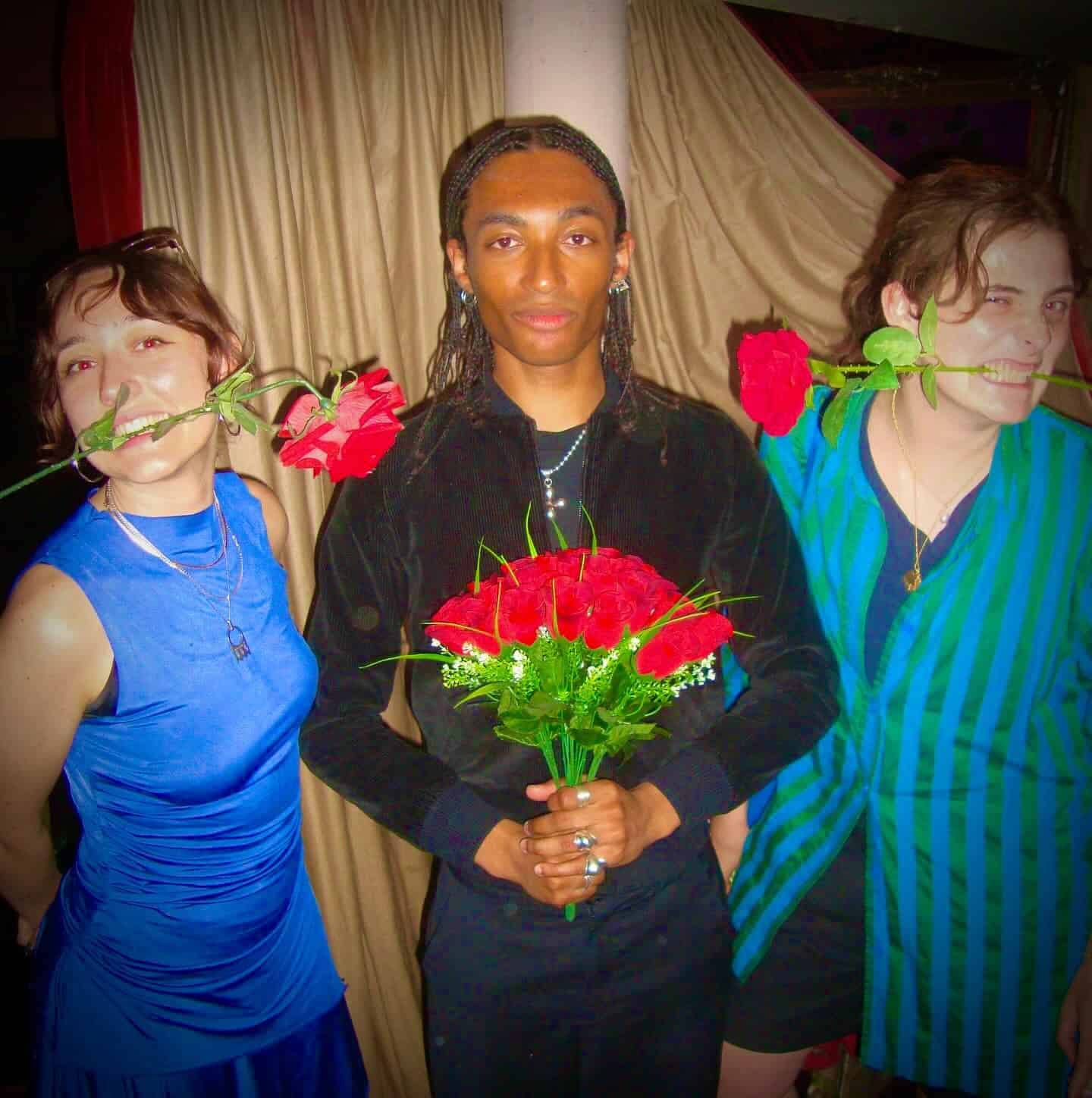
Lost Property is a series of miscellaneous lectures rabbit-holing down niche pockets of curiosity, hosted by Letty Cole. Past talks have explored Nietzsche’s typewriter, brooding frogs, fairytales, time-travelling, prickly pears, high heels and the impossibility of knowing.
“Lost Property has a unique offering, given that it is talks rather than readings (the only event of its kind on the circuit),” Letty tells Cold. “It’s therefore a great place to meet those with curious minds and an intellectual bent, without them necessarily being writers (which, as I’m sure we can agree, can be very dangerous).”
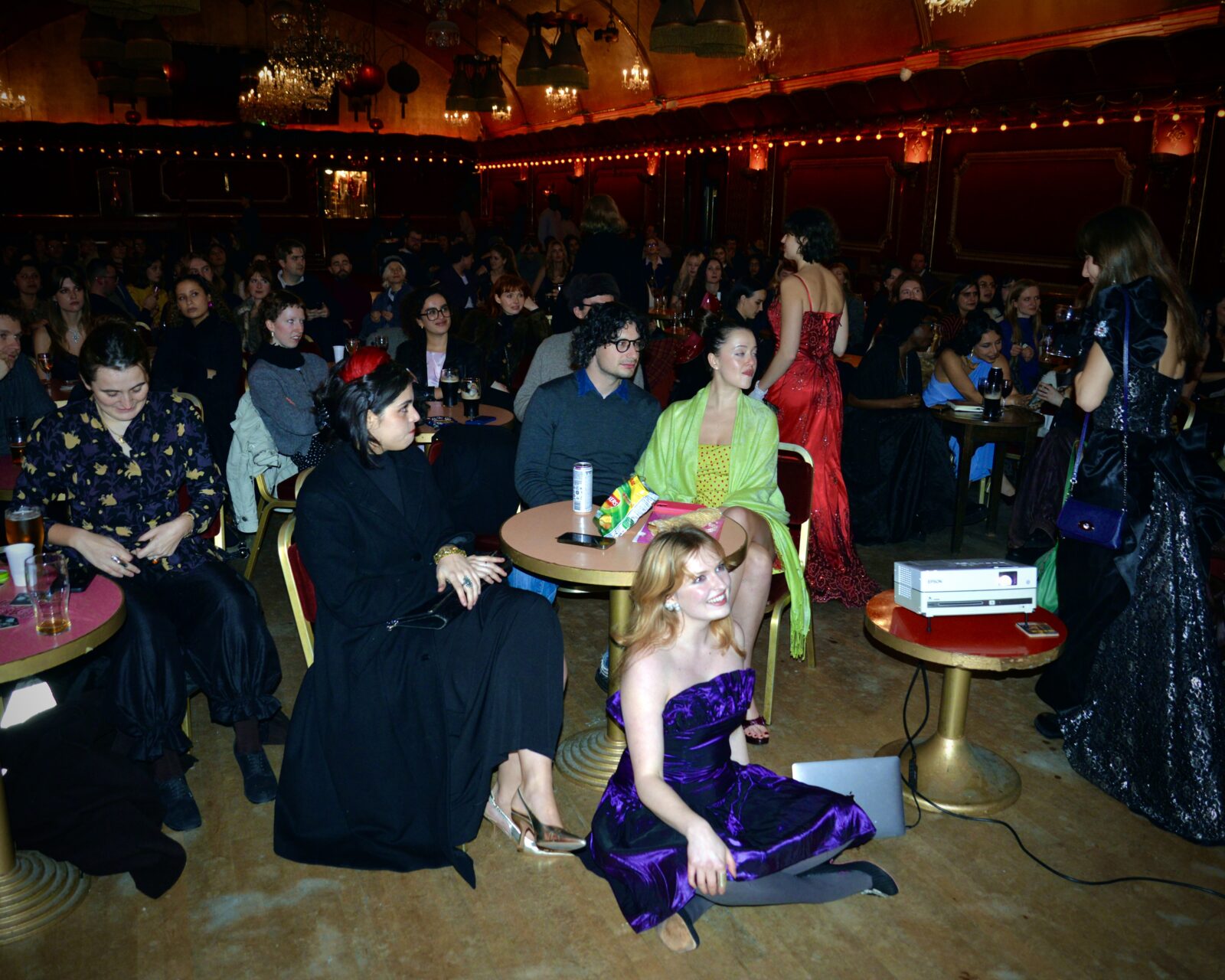
Since it launched in April 2025, it has been held at Dalston Boys Club. They also threw a winter ball with DIE QUIETER PLEASE at Rivoli ballroom, where the band of Black Midi’s former bassist, My New Band Believe, performed. Go to Lost Property to find a lover with a unique personal library and a dash of whimsy.
- Notch
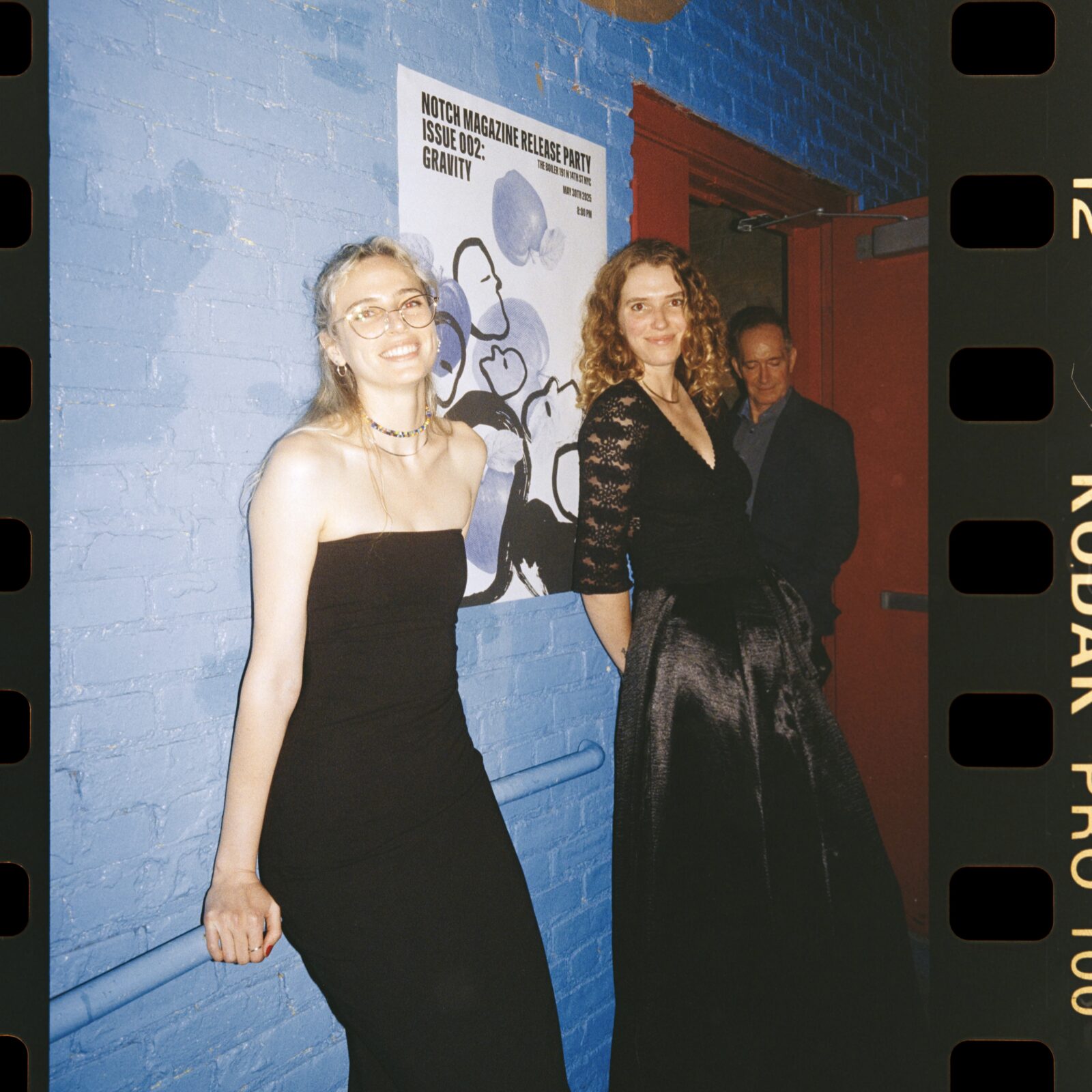
Notch is a truly cosmopolitan magazine. It originally launched in New York, then followed its co-founder Angela Black to other cities she’s called home: Paris and London. Go to Notch to find an American lover – all the NYC expats rocked up to the launch.
“Looking for weighted moments? Auspicious nights of love? Readings brimming with élan and juicy artist talks? Notch specialises in the kairotic – in print and at events alike,” says Angela. The events take all modes of artistic production seriously, featuring opera, DJ sets, nail art and code.
- Erotic Review
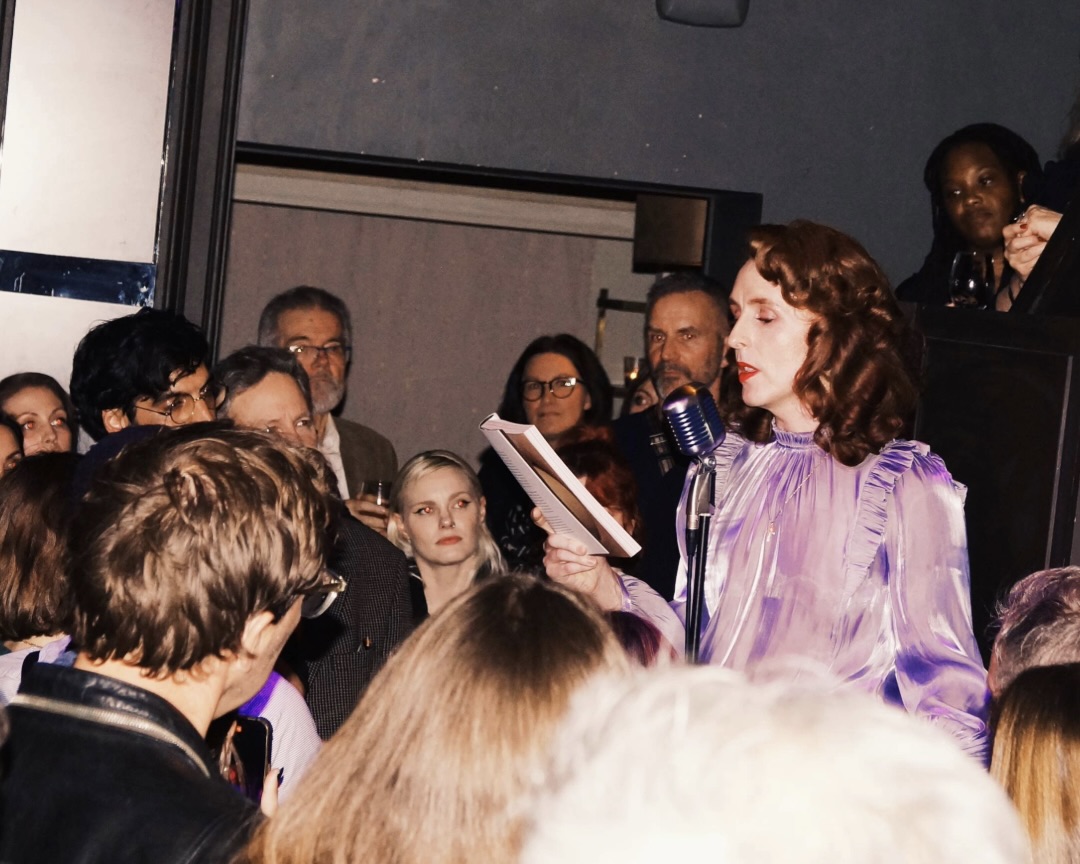
Originally founded in 1995, the Erotic Review previously had a rather different audience – Boris Johnson submitted a sketch of Lady Godiva riding a horse naked in 1998. The publication dwindled then relaunched in 2024 “with the explicit aim of moving away from the male gaze.” Now, it has 62 per cent female contributors and 38 per cent are LGBTQ+. The magazine hosts talks alongside supper clubs. Go to Erotic Review to find a lover whose love letters will explore their lust for you through a literary lens.
“The literary salons and events we hold in London and Berlin have become central to the whole Erotic Review project,” says Lucy Roeber, editor and publisher. “The energy people bring to the discussions is breathtaking. I’m so humbled by this serious, young, engaged, curious, sexy audience who really want to explore desire with like-minded people.”
- Lesbian Art Circle
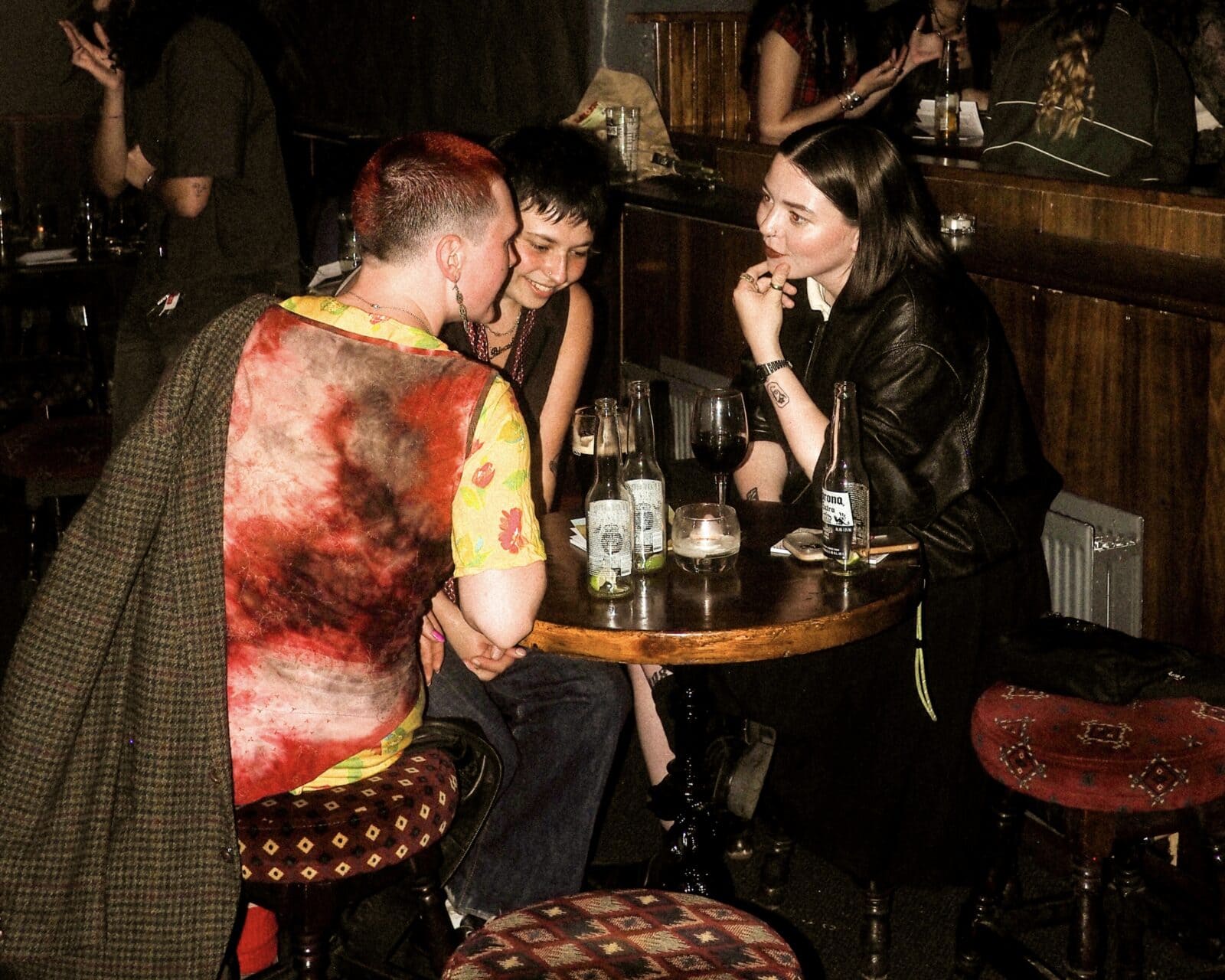
Lesbian Art Circle is a culture club and publication for queer readers and friends. Started in Dublin by writers Ava Chapman and Meredith Davis in 2023, it has since expanded to London and New York. The name pays homage to Lesbian Art Project, a feminist movement in 1970s Los Angeles. It’s also regarded as an opportunity to centre the word lesbian, which is declining in usage.
“Because of our Q&A setup, LAC attendees are encouraged to come curious; about the work and one another,” says Meredith. “It’s the perfect place to discover writers, meet new friends, or hit it off with someone over Eros the Bittersweet. Just play it cool when you bump into your ex.”
When I attended, the theme was fruits and dualities. For me, the most memorable reading was by the popular substacker of hot pursuit of pleasure about convivial dinners with friends as one of the purest forms of love.
- Agapius
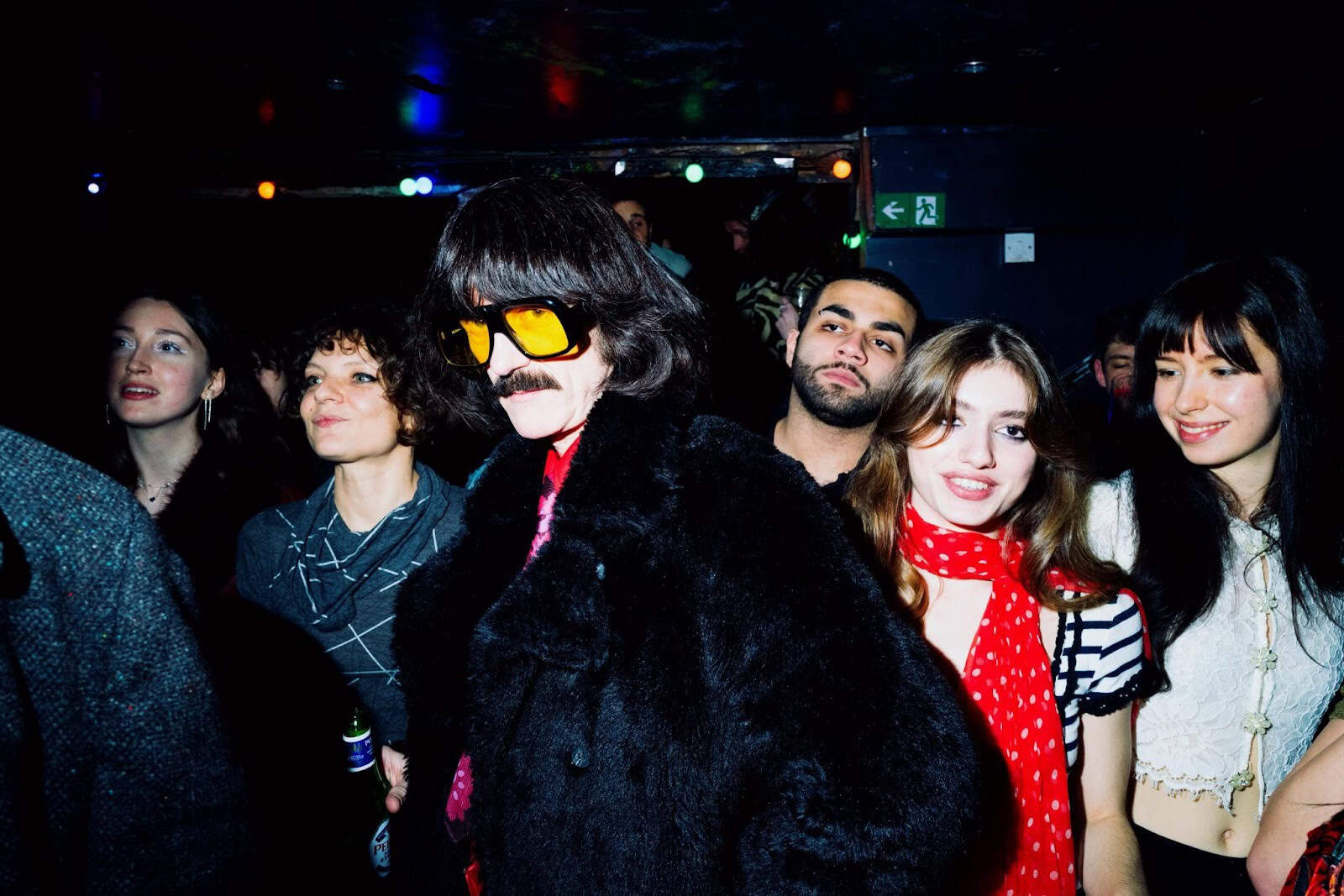
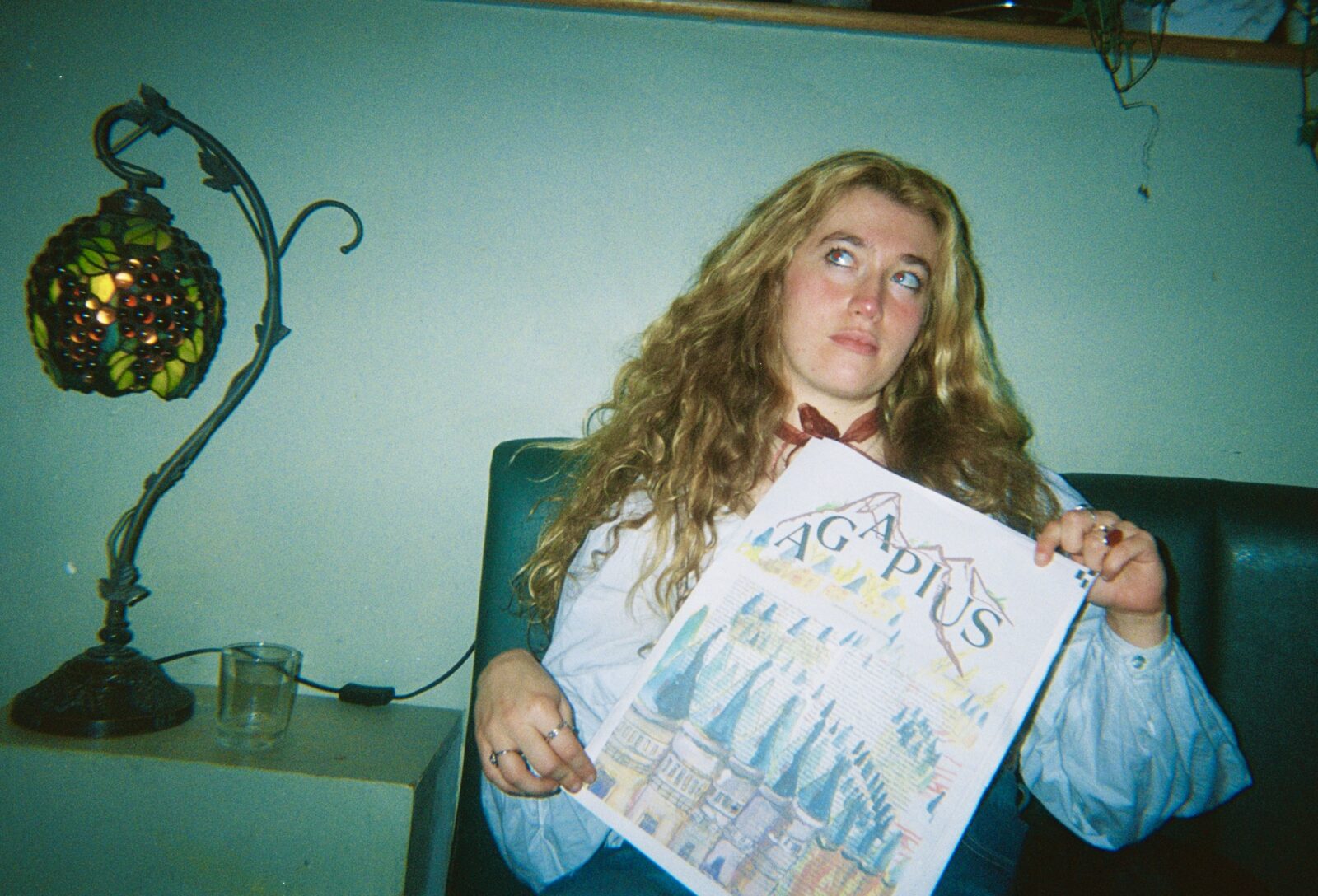
Agapius is a tabloid print newspaper. Depending on your pronunciation, it can contain agape (a Greek word for love). The paper debuted at Trisha’s, Soho, and the latest sold-out launch was at Helen of Troy, the spiritual home of the Mod youth culture renaissance. It’s typically a motley crowd – you might meet a ceramicist who sculpts unicorns, a professional poker player, a siren-like curator-catsitter who lives on a boat, or a lecturer on death-themed Parisian cabaret of the 19th century. Go to Agapius to find an erudite lover who’s a published novelist but keeps quiet about it.
Charlie Hills, editor-in-chief, tells Cold: “As a friend of the paper wisely said: ‘people are the thing.’ This couldn’t be more true. Somewhere between the publication and the people lies a unique conviviality, where one can live, love, and be very good without perfection.”
- Soho Reading Series
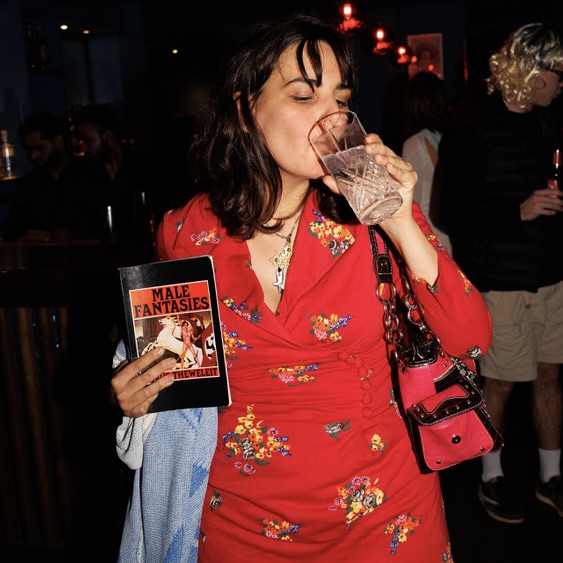
Soho Reading Series is somewhat marketed as a place to find love just as much as literature. Tom Willis, the gregarious founder with the air of an impresario, reportedly begins the event by jokingly suggesting that audience members get with someone they find attractive. Willis declined to comment. Cold recently published an article about Lost nightclub: a venue that kindly let him host readings there last year.
To some, it seems full of vainglorious scenesters. A user on Reddit writes: “I would recommend Soho Reading Series to social climbers and any waifish young women looking for artistic-yet-still-wealthy boyfriends.” What critics don’t appreciate is that it’s the envy of capitals lacking such community – in Paris the small, dusty literary pockets are about as erotic as a naturalism lecture.
The truly hot events are hosted at the Groucho (as a member of the club, please excuse my bias), such as the Psychoanalysts’ Ball. These are invite only, reserved for readers and their guests. It’s rumoured that half the writers under 30 in London only scrape together a one-page work of fiction to get on the guestlist.
- DIE QUIETER PLEASE
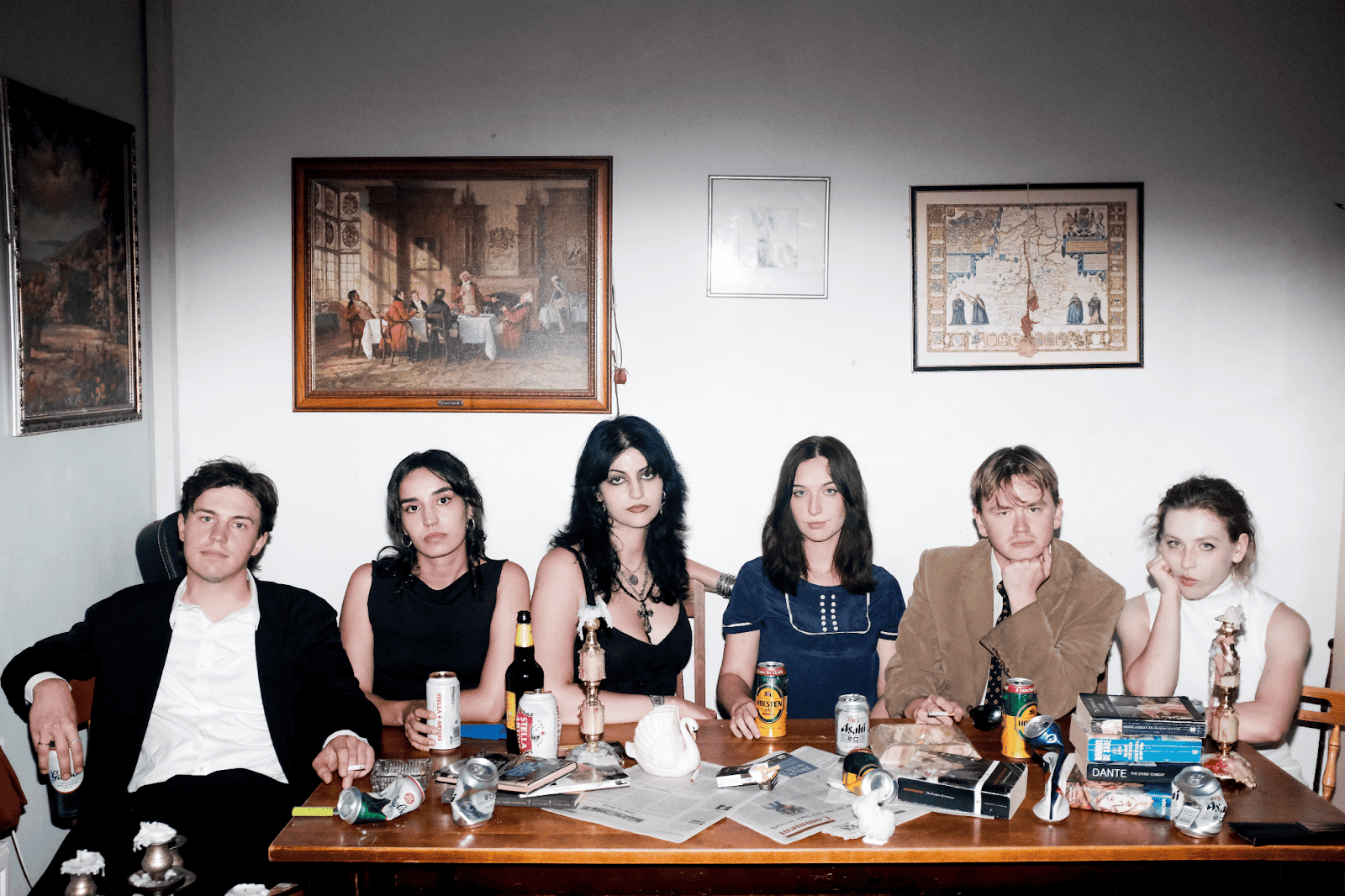
DIE QUIETER PLEASE is a bi-annual publication that also runs a monthly interview series with the city’s writers. “DIE QUIETER PLEASE is a literary magazine, not a singles night,” Frankie Faccion, the founding editor, tells Cold. “It’s unclear to me whether or not people cop off at our events. We do promote the heavy consumption of alcohol, which might work in your favour.”


