
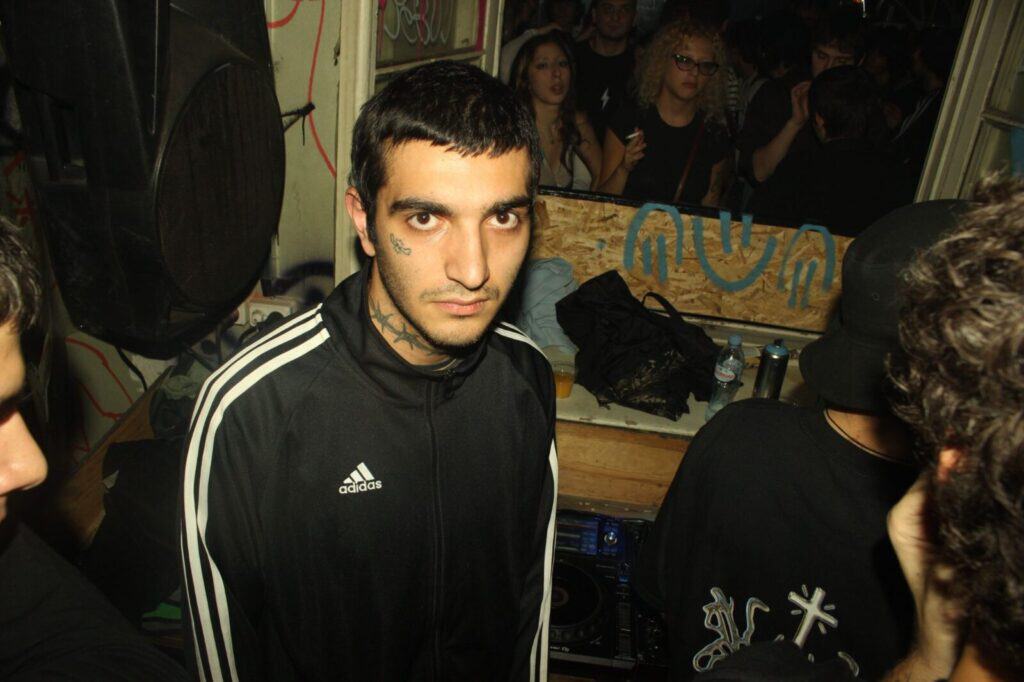
The “underground” is difficult to hold onto. Tbilisi’s nightclubs, such as Bassiani, have become some of the most visible techno destinations in the past decade. But they are simultaneously hideouts, home to queer communities and political activists that take shelter from clashes with riot police and socio-normativity in Georgia’s subterranean cracks. Can underground culture remain “underground” once it gains global exposure?
This question is particularly pertinent in Tbilisi, where a scene which is rooted in DIY values has become internationally recognised. In recent years, Tbilisi clubs have attracted great fanfare as alternative nightlife, their aesthetic frequently compared to Berlin. While flattering, these comparisons flatten the unique culture in Tbilisi while disregarding the conditions that shaped it.
Tourists encountering the scene from the outside too often ignore the political circumstances that invariably shape the underground culture. To many international observers, the distinct socio-political circumstances collapse into a single aesthetic. The scenes in Belgrade, Kyiv and Gdansk blur into one shape behind the long-ago parted iron curtain; if there is now an underground music scene where once existed oppression under hammer and sickle, it is assumed to take the same form in all these cities. Thus arises the fetishised clubbing image of an edgy movement that arose from the rubble of Soviet despair dressed in black and marching to an industrial thump, a sound reminiscent of the heavy hammer landing on a steel rail. A monotonous image inappropriately projected onto many Eastern and Central European subcultures.
The result is an influx of clubbing tourism which has brought in money and international visibility. But it has also caused a commodification of a scene that has far greater importance than just nightlife. Many of Tbilisi’s clubs started out as facilitators of social and political expression for marginalised groups. When the scene is consumed as an aesthetic experience alone, “a raw post-Soviet techno resistance”, its meaning is obscured. As the scene becomes increasingly visible, the meaning of “underground” is increasingly difficult to preserve.
Photographer: Gigla Gamtsemlidze
Photographer: Onsequence – Tita Abramishvili
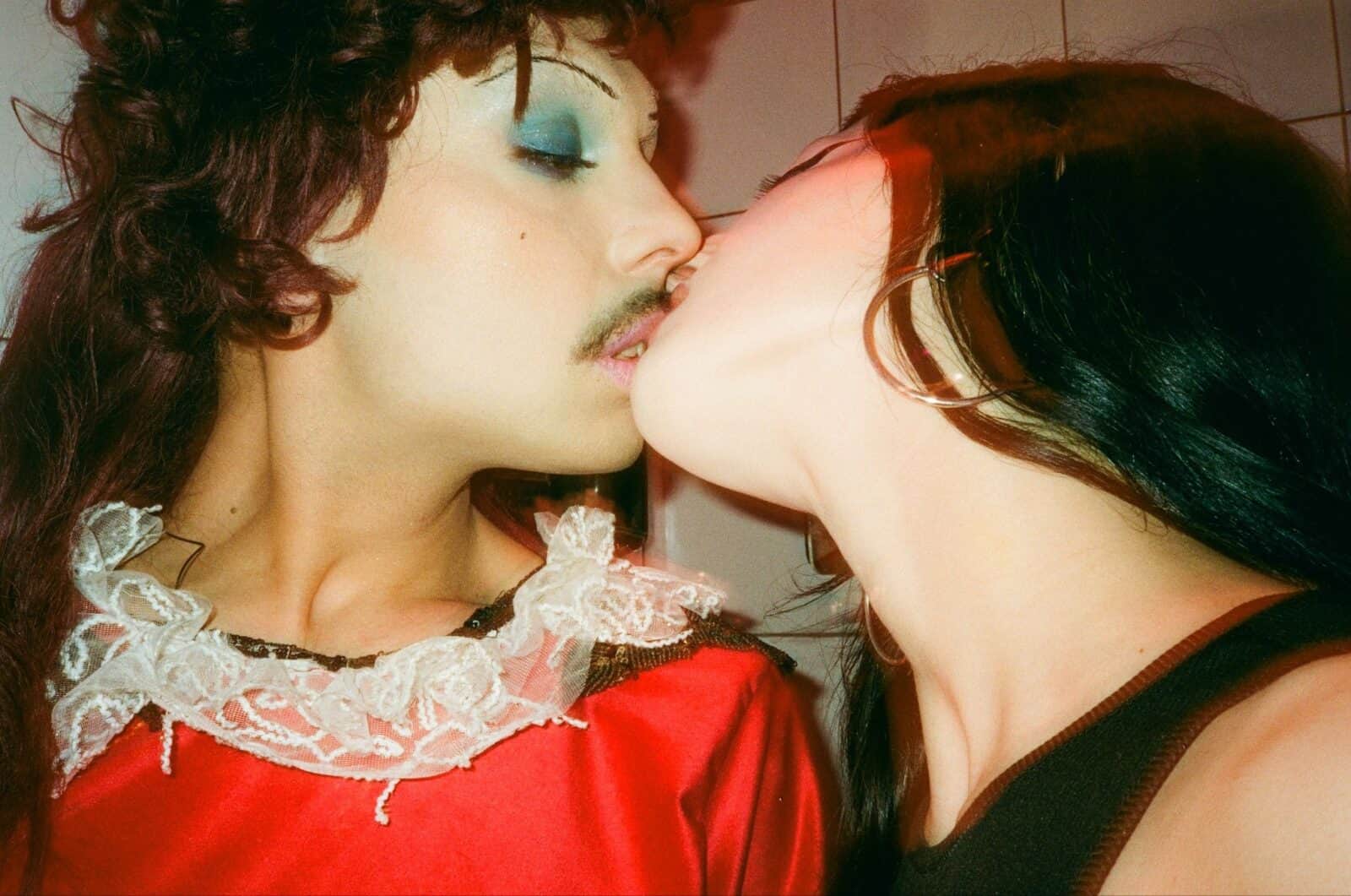
On a June evening in 2025, Cold went beyond the orange-lit security outpost at the entrance of once popular, now shut-down, nightclub TES, where a drag show was unfolding in the packed main room. One by one, performers took to the stage beneath flashing lights in extravagant handmade costumes. They lip-synced switching between displays of vulnerability and defiance. The crowd roared as they pushed closer to the stage.
A year later, in the summer of 2026, we visited once again. In light of the deteriorating political climate, the Georgian capital’s underground scene has taken on a renewed countercultural significance. If individuals can no longer express themselves freely on Tbilisi’s streets, its clubs provide alternative public spheres where identities and relationships that are pushed to the margins can continue to exist. More than mere entertainment, clubs offer an essential infrastructure where people can take political refuge.

Photographer: Onsequence – Tita Abramishvili
Photographer: Gigla Gamtsemlidze
Photographer: Onsequence – Tita Abramishvili
For those involved in the scene, the connection between culture and politics is inseparable. After recalling being detained at protests, influential DJ and sound artist, Esi, explains: “Politics and culture are deeply connected in Georgia. I wouldn’t say the scene exists solely as a reaction to politics, but political realities inevitably shape it. Cultural spaces are also spaces where civic values are practiced and defended.” He continues, “In a society where many people still face discrimination, clubs and cultural spaces often become places where individuals can express themselves freely and connect with others.”
Wesley Wise, friend of and co-resident of Left Bank and Mutant Radio with Esi, argues: “It is important, culturally, to stick together and communicate emotionally away from the government.” He then adds, “If you continue to grow the culture this can be the biggest weapon against the government…Keeping it alive can be a form of protest in itself and in the future.”
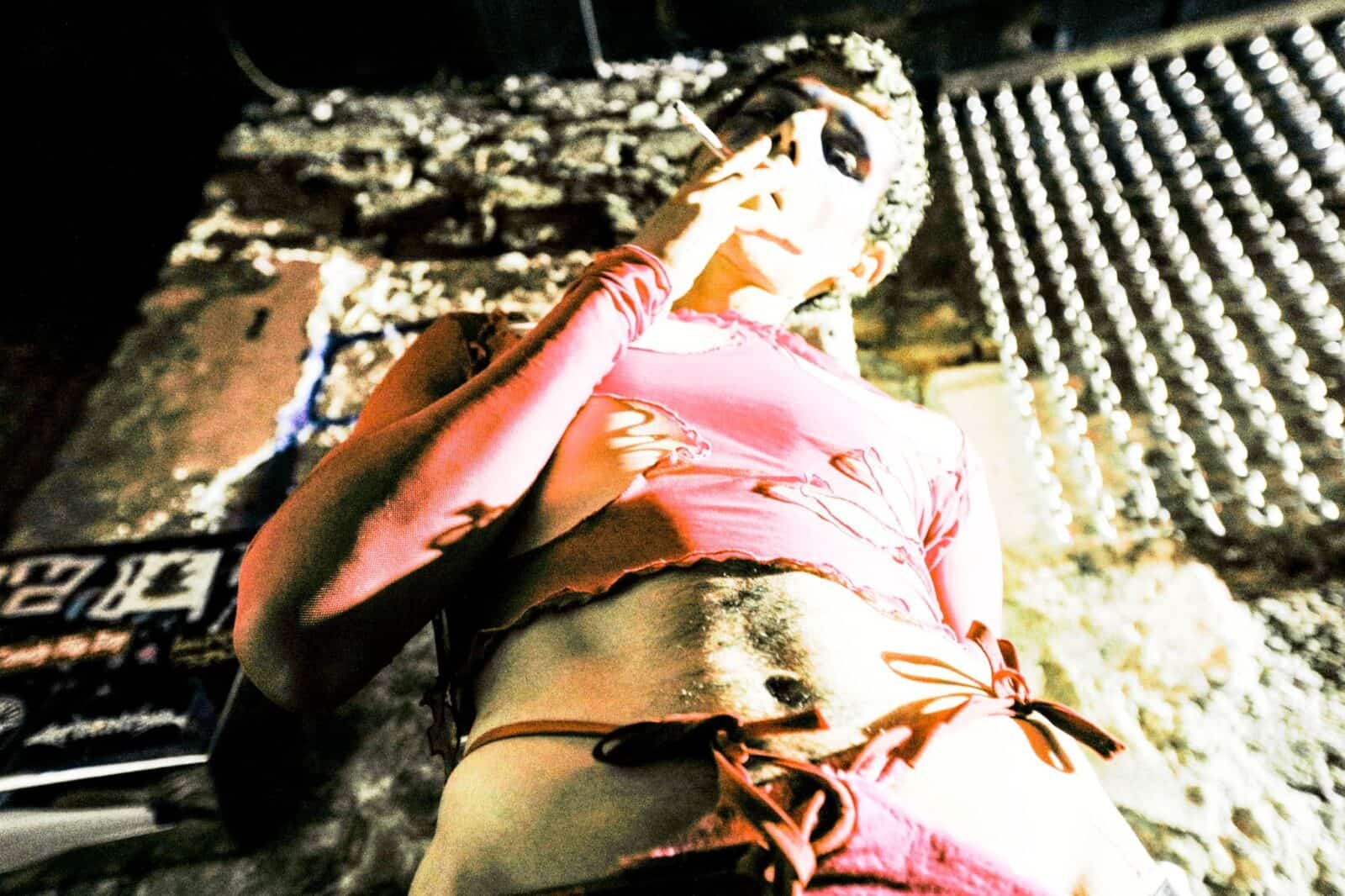
Photographer: Onsequence, Tita Abramishvili
Bassiani, one of Tbilisi’s most internationally recognised clubs, occupies the basement of a Soviet-built football stadium and is emblematic of this notion and the city’s commitment to LGBTQ+ inclusivity. Once you make it in, if you make it in (the club have adopted a strict door policy to maintain and protect the atmosphere it aims to nurture) you are faced with bold lettering that reads “Resist Anti-LGBT Laws”. The message is more than symbolic. Bassiani repeatedly aligns with protest movements and played a big role in the “We Dance Together, We Fight Together” demonstrations after the 2018 police raids on clubs, in doing so, cementing the city’s nightlife as a site of political resistance. This role has become more important as Georgia’s political climate has become more hostile towards LGBTQ+ communities.
In September 2024, the government passed legislation imposing discriminatory restrictions on queer individuals and introduced “The Law of Family Values and Protection of Minors”, which banned gender-affirming medical care for trans people, it banned both same-sex marriage and same-sex adoption and prohibited positive references to LGBTQ+ identities in literature and media. The laws reinforced fears that the Georgian Dream Party was re-adopting pro-Kremlin ideologies.
The legislation significantly restricts both the bodily autonomy and freedom of expression of people who identify as LGBTQ+, casting queer visibility as a foreign ideological import and a threat to traditional family values. In doing so, it restricts legal rights and reinforces conservative narratives, narratives that exist in opposition to the pluralistic values of Tbilisi’s underground music scene.
Hostility towards LGBTQ+ communities intensified. The day after parliament approved the legislation, prominent transgender model Kesaria Ambramidze was murdered in Tbilisi. While the circumstances of the killing were legally distinct from the legislation, activists pointed to the animosity that government rhetoric had bred. Earlier that year, the organiser of Tbilisi’s pride cancelled multiple events during pride month due to fear over potential violence.
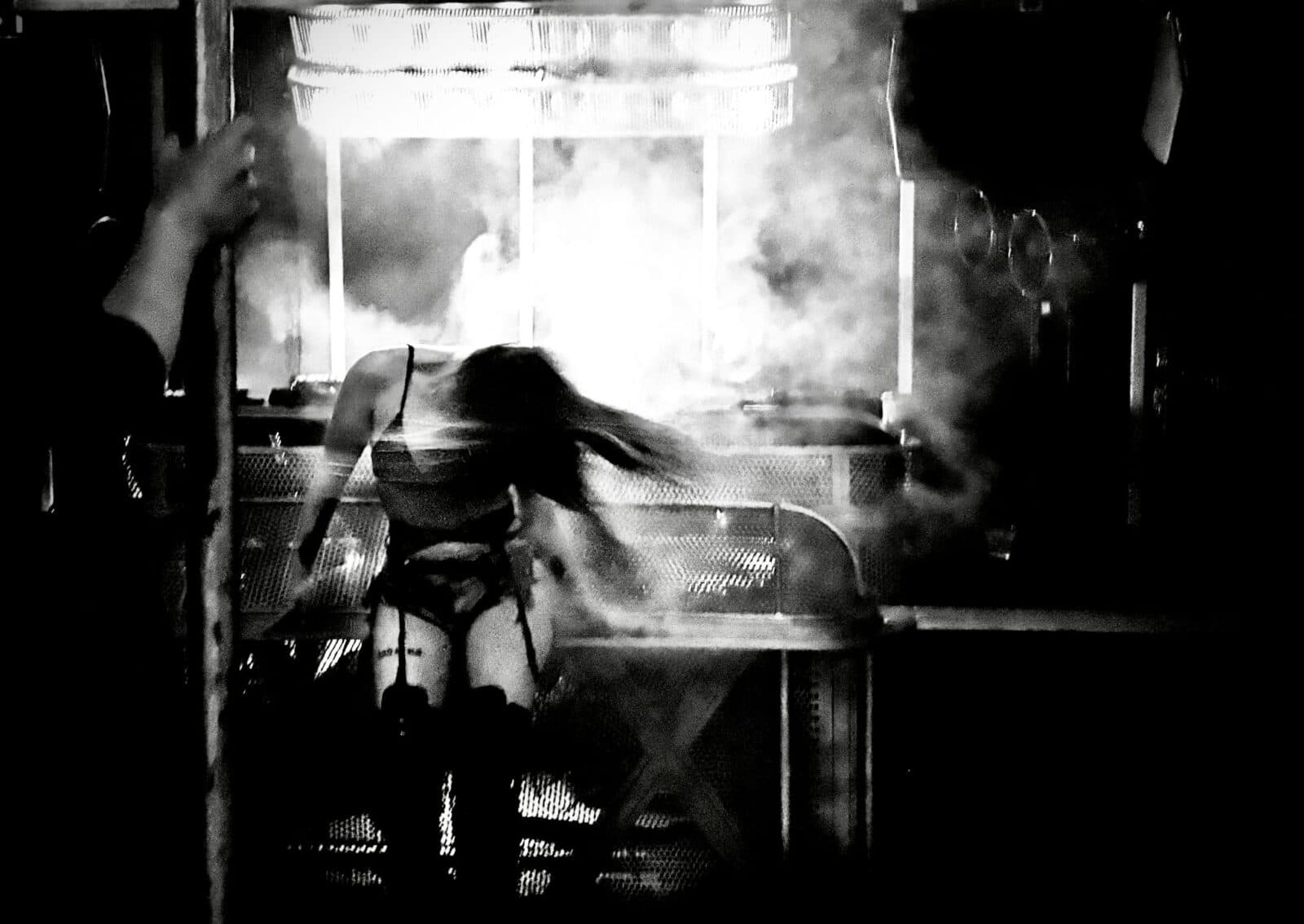
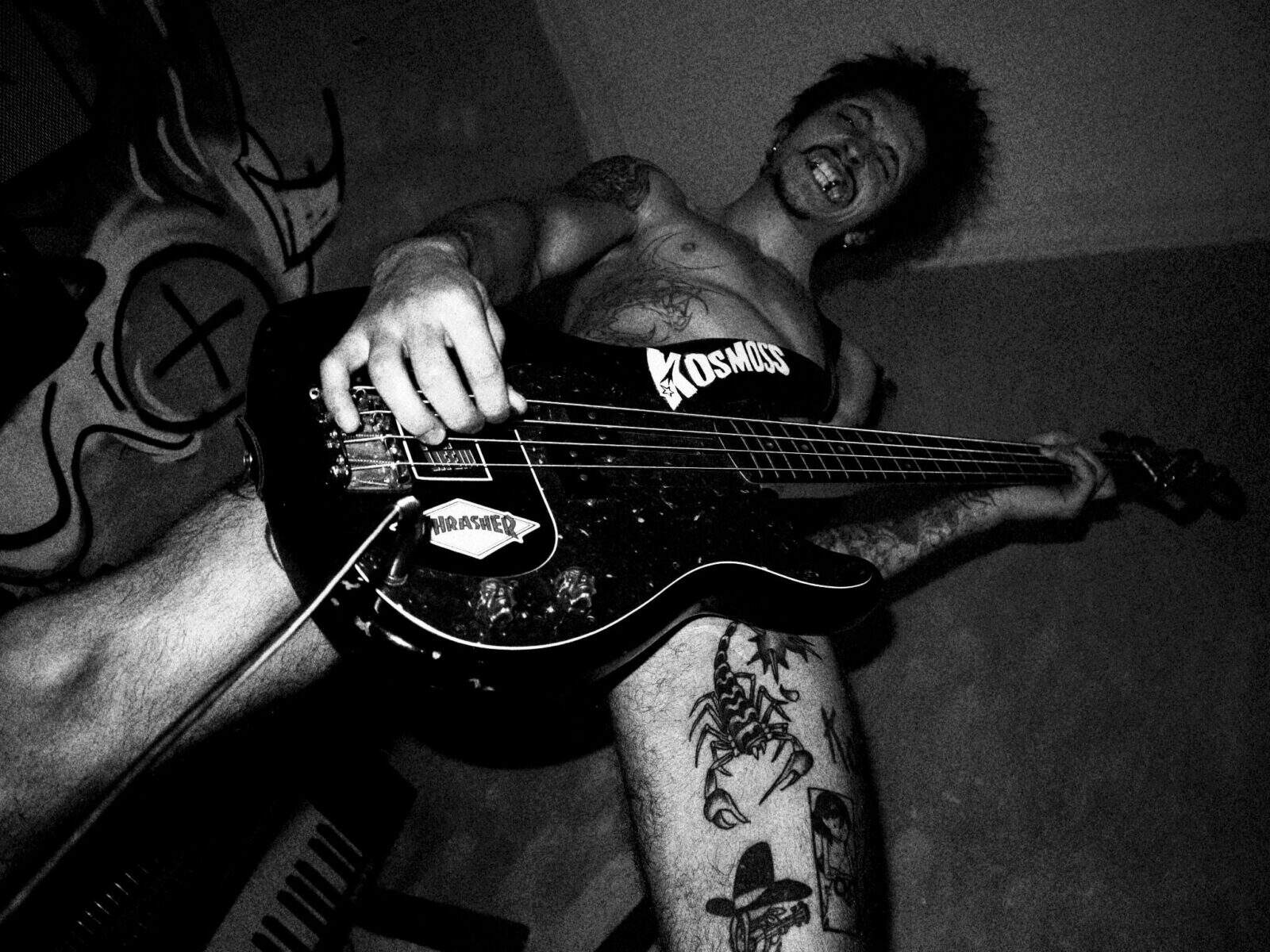
Photographer: Annonaki
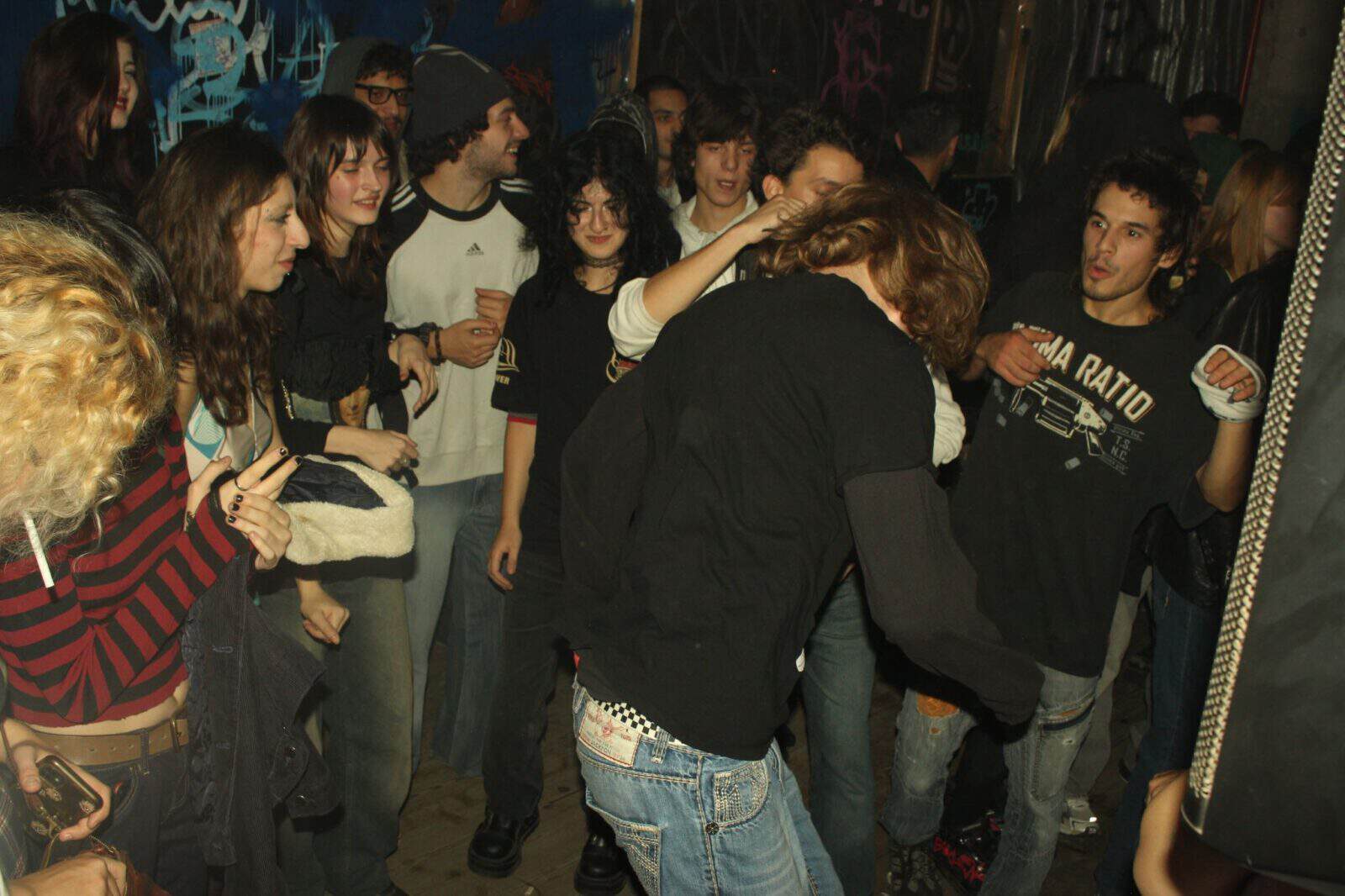
Photographer: Gigla Gamtsemlidze
Tourists often arrive in Tbilisi carrying pre-existing expectations of what its nightlife should be. They come searching for a misinformed image that they have encountered online. But cultural spaces rarely conform to the narratives projected onto them. They depend on shared norms and values, on shared input and participation, relying on a sense of unified and impassioned feeling stemming from a mutual source. New entrants who don’t understand these norms and cannot associate with these Tbilisi-rooted feelings can alter the social character of a space. The danger is that visitorial expectations themselves begin to reshape the culture they came to witness and consume.
Devi, who performs under the moniker Memotech, is another young DJ, who mixes vinyl at Left Bank by night and writes driven lyrics for a punk band by day. We spoke about the present and future of electronic music in the city. He emphasised the importance of maintaining a community of engaged listeners; people who contribute to the values of a space rather than just consuming it as an experience. “I feel the word ‘underground’ has largely lost its original meaning” he says. “In many cases what is described as underground culture has become part of a broader cultural and commercial system.” Wesley Wise supports this notion, preferring to perform to smaller audiences that really engage with the music being played.
Still, for Devi, the city’s clubbing scene extends beyond the significance of authenticity: “LGBTQ+ individuals still face discrimination in Georgia…so many cultural movements and spaces in Tbilisi were created by people looking for places where they could express themselves freely and be free.” He views the commitment to inclusivity as an inheritance from those origins, one that he is adamant must remain visible in clubs across the city.
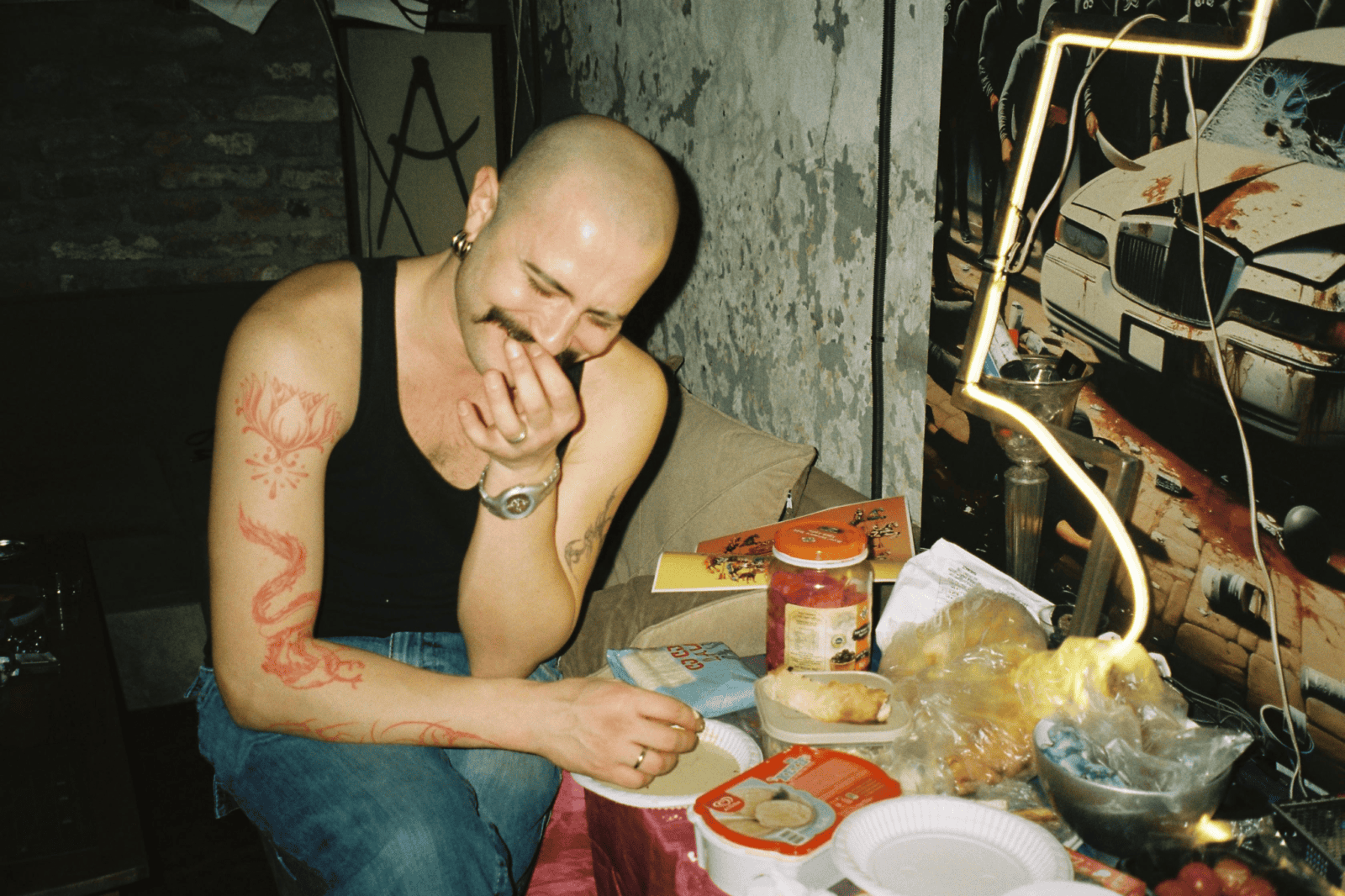
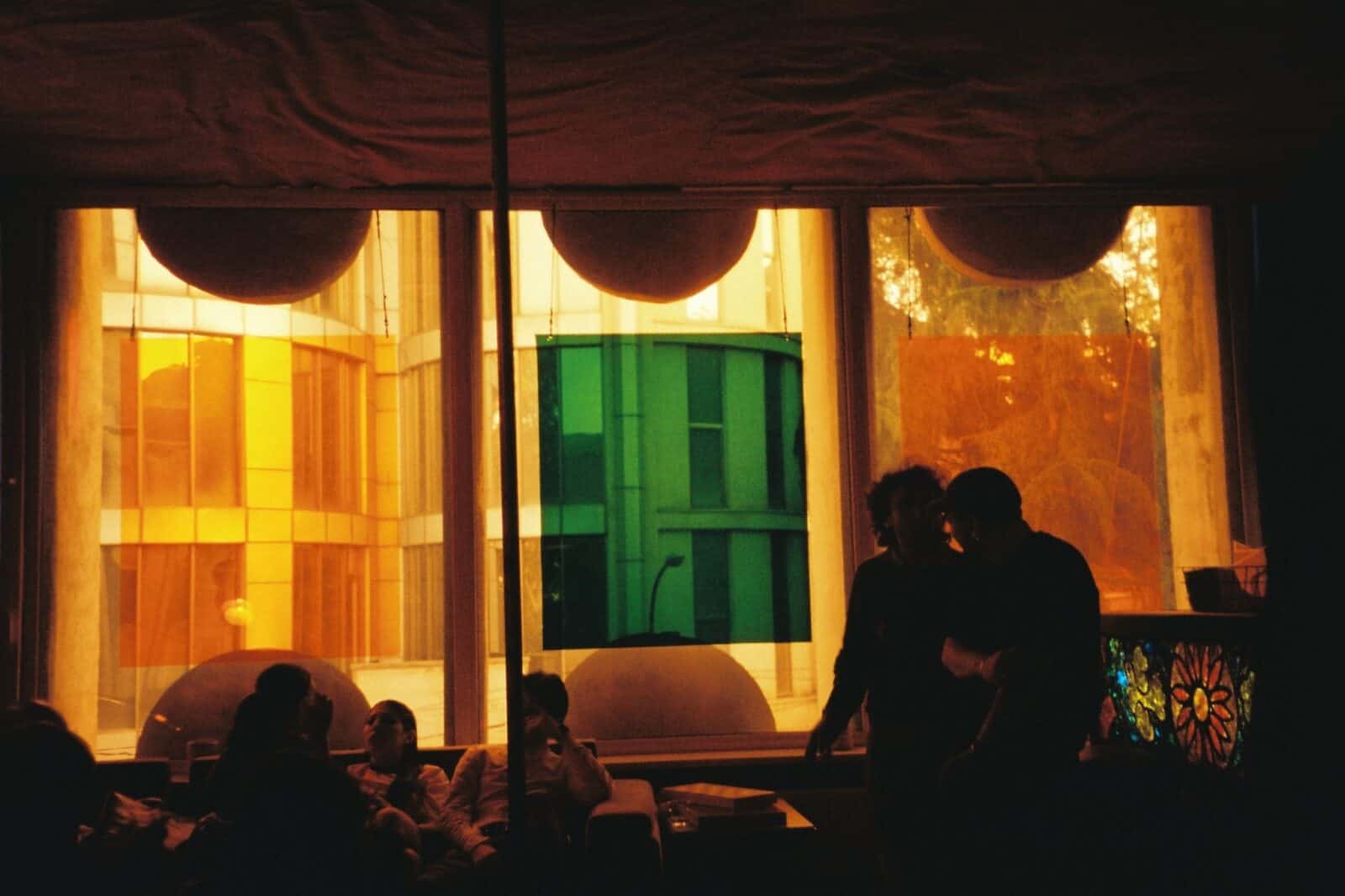
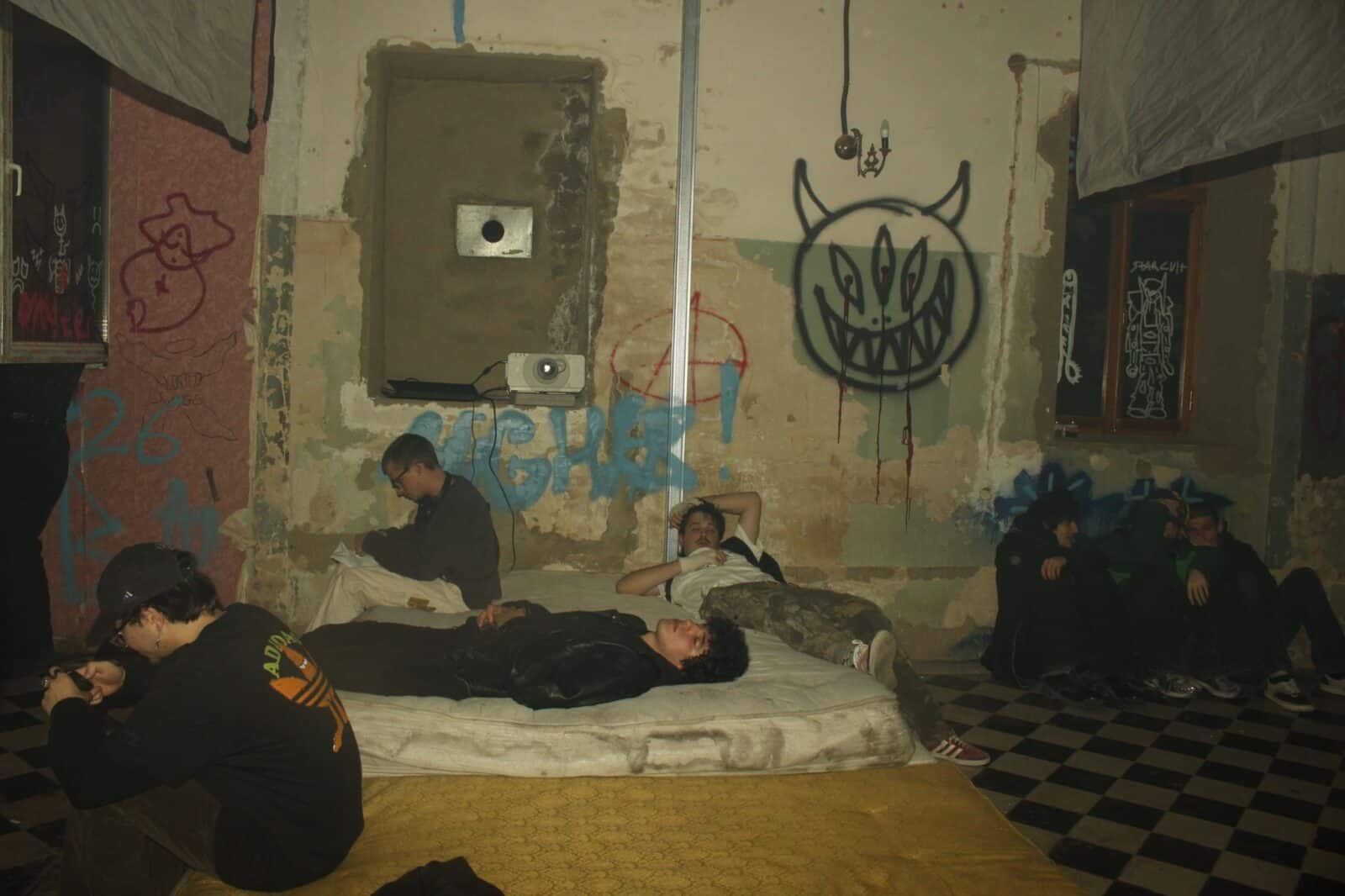
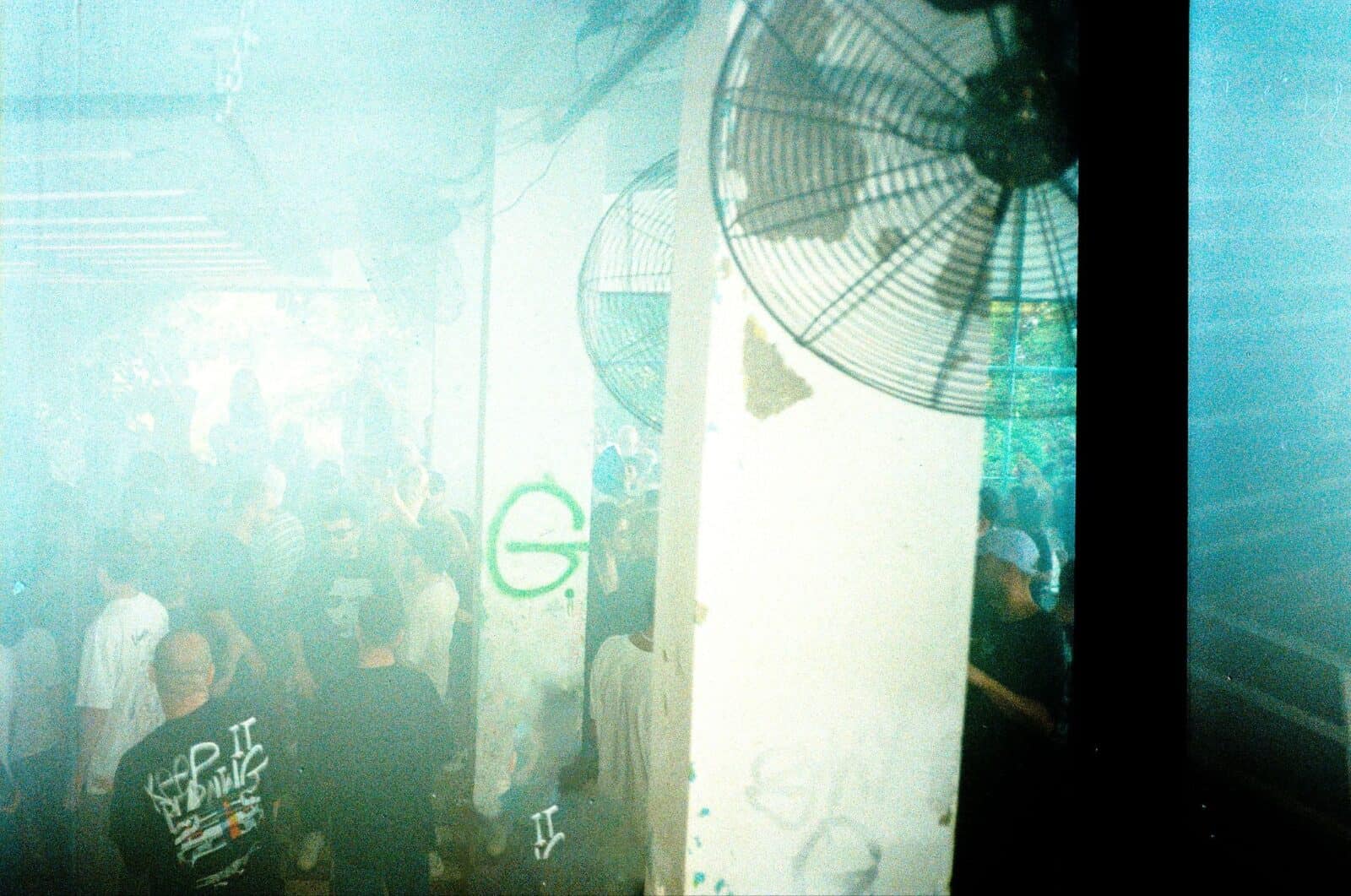
Tbilisi’s underground music scene acts as a kind of urban glue. It binds together the city’s corroding corners by reclaiming abandoned spaces and transforming them into sites of collective creativity. Venues such as Mutant Radio exemplify this. Occupying a former power station, the venue is now a makeshift bar and dance floor squeezed in between two crumbling walls, bouncing between which are echoes of electronic music and red flaring lights, physically embodying the DIY ethos that the city’s underground culture is built on.
Carving new soundscapes into repurposed buildings allows these spaces to become a place for both artistic expression and social connection, very often bringing together people that are ostracised in the city. But as the clubbing scene continues to face pressure from reactionary politics and commercialisation, which have accompanied Tbilisi’s growing international exposure, it remains fragile.
In January 2026, TES permanently closed and the owners opened Meteor Studio just up the road. This cycle of openings and closures is a testament to the instability of a more than necessary underground movement. In this context, grassroots initiatives that maintain core values while resisting over exposure are so important. As Esi explains: “It [the underground scene] means community and self-organisation. It’s a space where people create opportunities for themselves and for others rather than waiting for institutions to do it. So much of the scene has been created by DIY initiatives and collective efforts. It’s absolutely something I carry into my own projects.”
It’s the culture of self-organisation that constantly redefines Tbilisi’s underground, keeping it alive. Beneath the surface, an ever-bubbling network of ideas ensures that as one movement may become diluted or eaten up by commercialisation, another appears fresh faced but with the same values at its core.


