
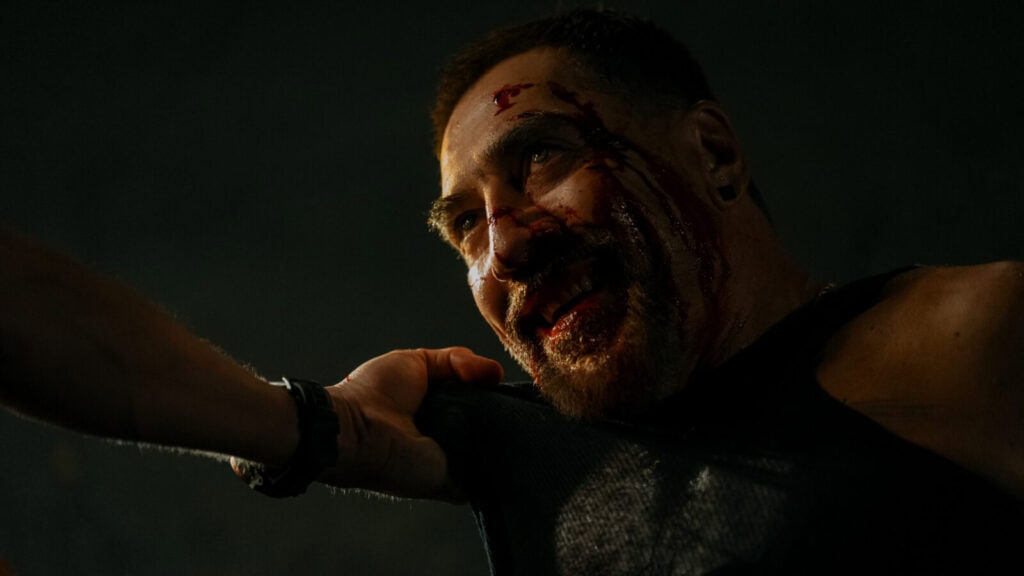
In writer-producer Nick Antosca’s reboot of Cape Fear, the Southern Gothic bogeyman gets a reset. The Apple TV+ incarnation reimagines Max Cady (Javier Bardem), as a more ambiguous figure than his predecessors, the certifiable psychopaths portrayed by Robert Mitchum in the 1962 original and Robert De Niro in Scorsese’s 1991 remake.
Antosca is no stranger to the TV or cinematic revisionism of iconic movie maniacs, with credits that include executive producer on Don Mancini’s madcap Chucky, writer and producer on Bryan Fuller’s underappreciated Hannibal and a commissioned but never made Friday the 13th script. All these roles have stood the producer in good stead to tackle one of the most memorable sadists in cinematic history.
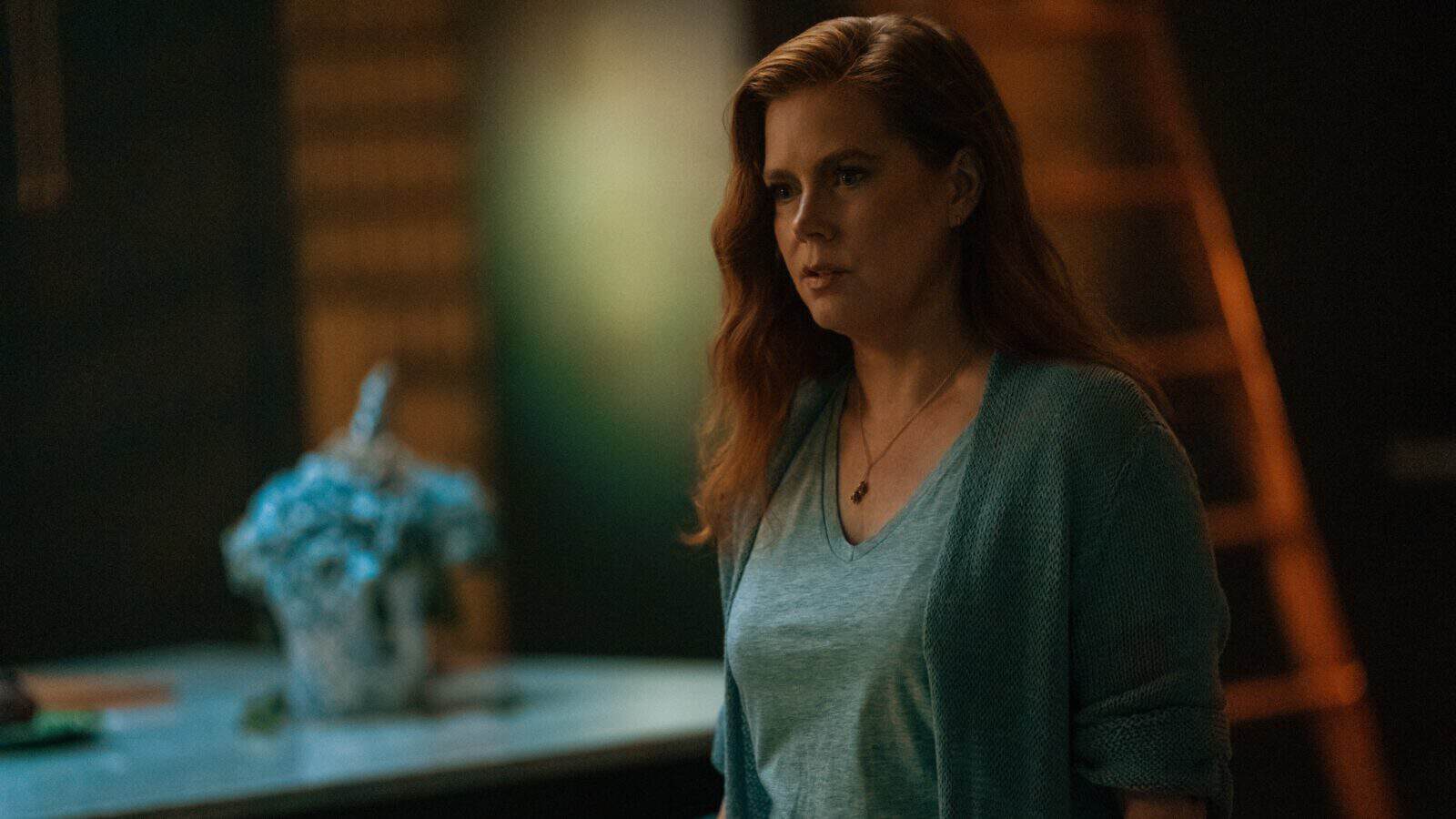
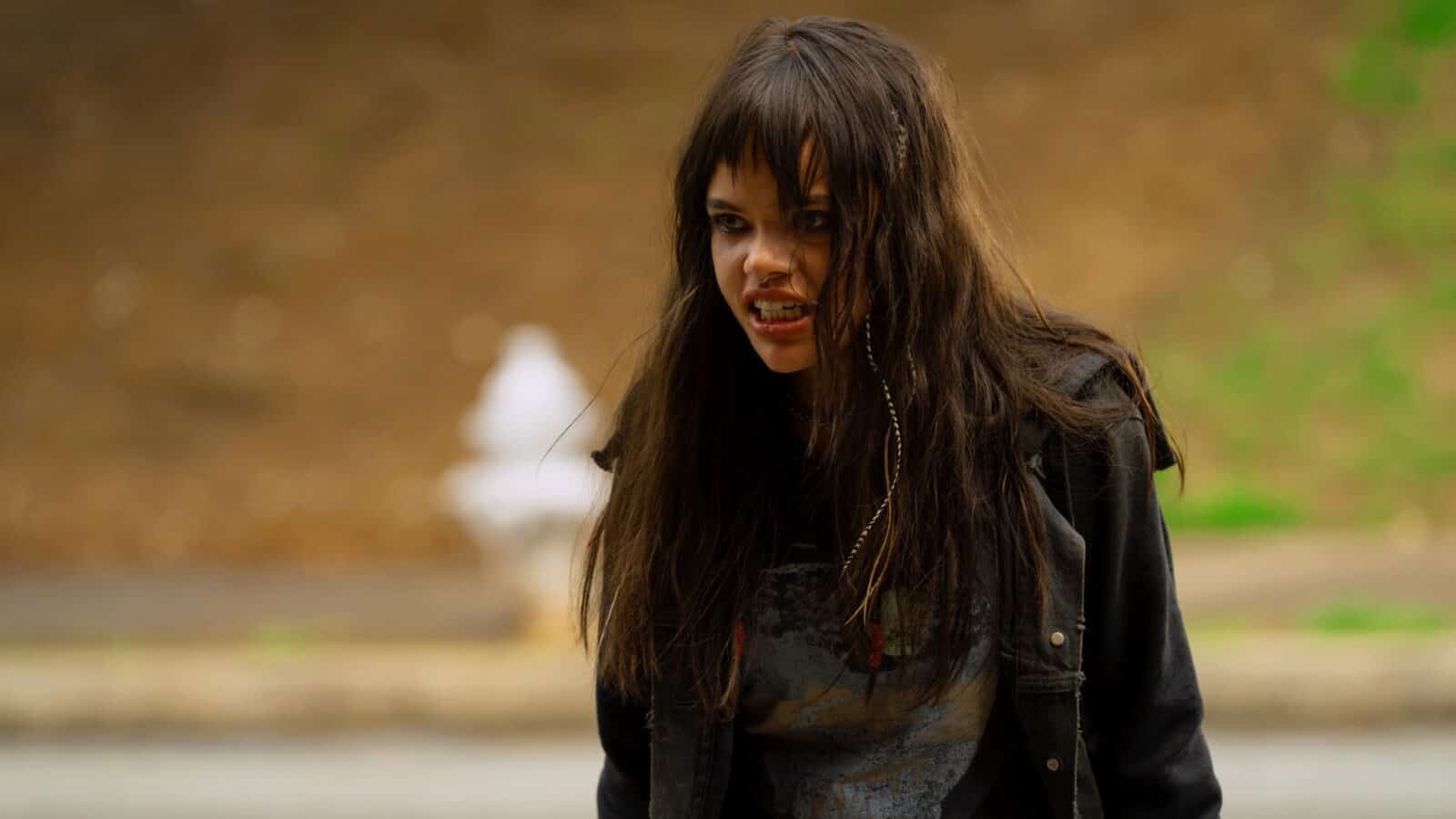
In Antosca’s slow-burning thriller, Anna (a steely Amy Adams) and Tom Bowden (Patrick Wilson) become entangled in a series of bizarre experiences, all coinciding with the exoneration and release of Anna’s former client, Max Cady. When sinister figures connected to Cady begin targeting their family – including Juliette Lewis’s emotionally-scarred stalker and Malia Pyle’s mysterious teenager Niveah – it begs the question: is Cady involved in the Bowdens’ harassment, or an innocent bystander?
Here, Antosca talks about his fascination with Cape Fear and Robert De Niro’s iconic performance, explains why they approached Cady differently this time and getting Juliette Lewis on board…
The Cold Magazine (CM): Nick, what made you want to reimagine Cape Fear as a miniseries?
Nick Antosca (NA): I had seen the 1962 film and the Scorsese version when I was very young. They really disturbed me, and not just because they’re good movies with iconic villain performances from Mitchum and De Niro. They capture a kind of elemental horror – especially the Scorsese one – that I can’t quite articulate except to say that it embodies the qualities of a nightmare. That’s what I’m looking for most of all in a movie – that it feels like a dream or a nightmare. It doesn’t have to make every kind of sense.
But it’s sticky in your brain, it touches a nerve deep down. Then a few years ago, I realized that it was in the Universal library. So I went to them, with my producing partner Alex Hedlund, and asked if they’d let me adapt it for the present day. I wanted to see what the nightmare would feel like today, and I wanted to use the storytelling tools of TV to play with the core story in a different way.
CM: How did the 1991 Scorsese film and The Executioners influence this version?
NA: The novel is the seed. I guess we adapted it in the way that we adapted creepypastas on Channel Zero. We had the freedom to evolve the story and explore. The Scorsese film is a more direct influence; that movie is so operatic, so gonzo, so lurid. It is really unlike the contemporary thrillers from that time. It’s not Presumed Innocent (1990) or Fatal Attraction (1987). It exists in a wildly heightened world. The camera is going nuts, leering and reeling and rolling and whipping around. The housekeeper turns around and it’s Robert De Niro in drag, and he strangles a man with a piano wire and then the family slips around in the man’s blood while they freak out, and then they flee the scene in their SUV, and Max Cady has strapped himself to the bottom of the car. It’s insane.
I wanted to make a TV series of Cape Fear that also had the freedom to be insane. There were other influences too. Giallo films in general — the vivid and bizarre cinema in them. The movie Borgman (2013). Haneke’s Cache (2005). The TV series The Curse (2022-2024).
CM: This incarnation of Max Cady is (initially) depicted as ambiguous. The viewer’s lack of clarity generates unease. Was it important as a writer to shade the character in ambivalence, to keep us in the dark about Cady’s true motives?
NA: Yes, we’ve seen the versions where he is a relentless brute. I love those versions – I wanted to do a different version. I think the version where he’s both terrifying and seductive and celebrated as a victim, with public sympathy, is interesting. It reflects an atmosphere of uncertainty and ambiguity that I feel in the world.
CM: You’ve worked on Hannibal and Chucky and now, Max Cady. What is it about cinematic bogeymen that gets your blood running?
NA: Oh, I don’t know. I like juicy villains. Who doesn’t? There’s something delicious about these figures.
CM: In Cape Fear, everyone has something to hide, with many characters fuelled by their secrets. It begs the question: is Max the catalyst, or are these people only ever a few steps away from having their worlds imploding…
NA: It does ask that question, doesn’t it? I don’t know. Aren’t we all only a few steps away from having our worlds implode?
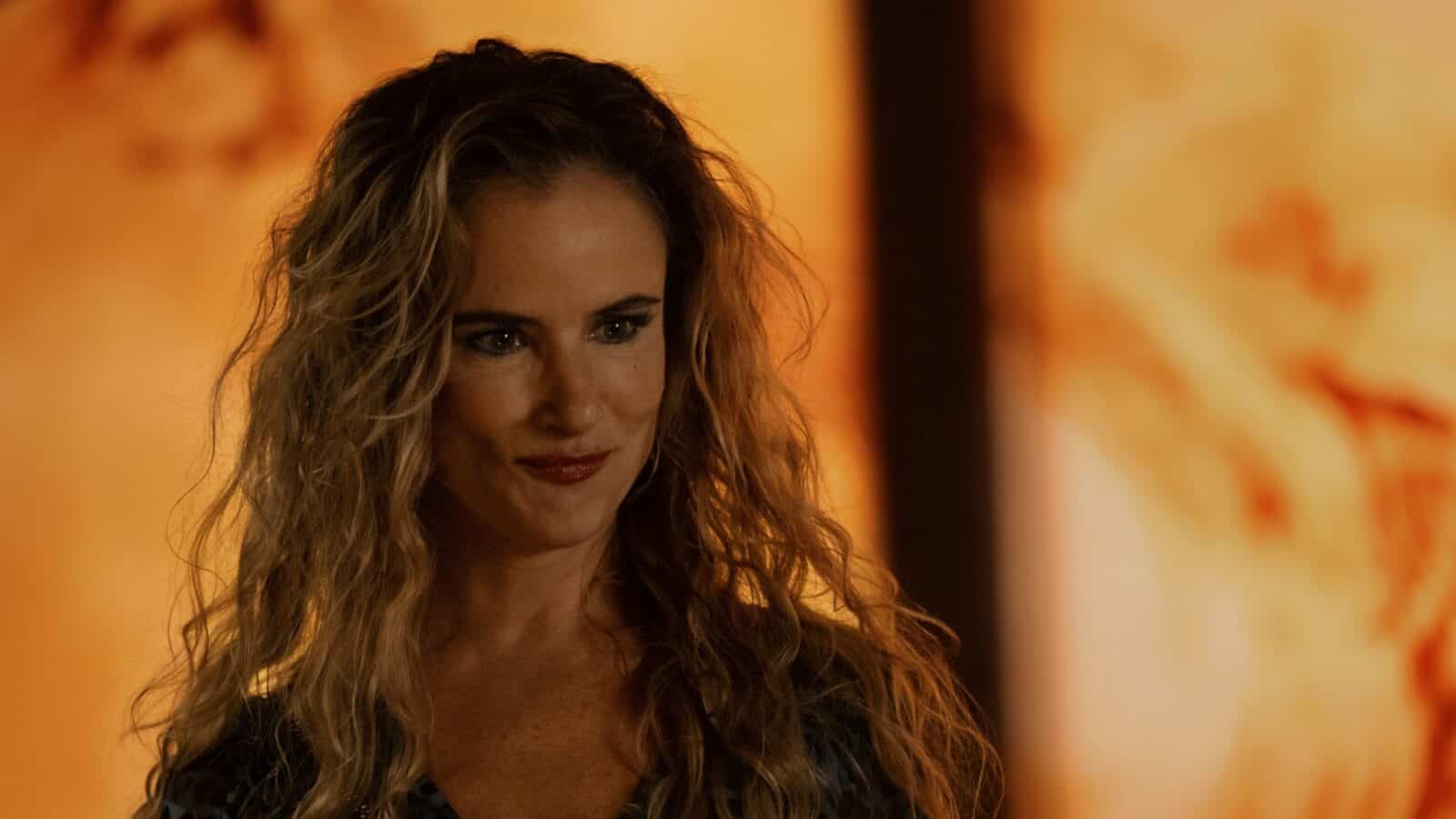
CM: I have to ask about Juliette Lewis, when did she come onboard?
NA: Juliette’s performance in the Scorsese film is one of the all-time great teenage characters. When I started thinking of doing this as a TV show, I was actually on set with Juliette, who was doing a guest star on one episode of The Act (2019). Go back and watch that episode, she’s so good! I always knew I wanted her to be in Cape Fear, the series, if we could get it made. Once we were in the writers room and figuring out the shape of the season, I reached out to her again.
CM: You’ve injected many horror elements into the show. Any plans to return to the genre?
NA: Some of the things that happen in the show are taken directly from anecdotes in life. I went home while we were writing the show and there were two creepy strangers in my backyard. One of the writers saw someone get hit by a car and just get up and run away without letting anyone help them.
I think the 1991 Cape Fear IS a horror movie. Max Cady looks like Freddy Krueger at the end when his face is burned. It’s a nightmare. I don’t think I’ve made it a horror story when it wasn’t… I just think it naturally is one.
And I think some of the “true crime” stories I’ve done are horror stories too. A Friend of the Family (2022) certainly is. Another story about a family making very bad decisions as a predator stalks them!
I love horror. I’d love to write more horror shows in the vein of Channel Zero, or write more horror movies.
CM: What other movie villains would you like to tackle?
NA: Well, years ago I wrote a Friday the 13th movie which was never made, and I loved writing a Jason story. Would do.
More recently – I guess I can talk about this now because a website reported it the other day – I wrote a draft of a Phantasm movie working with Don Coscarelli, who created it. That was incredibly fun. So, The Tall Man.
What else? I don’t know. There are a few that would be fun to play with. But I’d like to write original villains too. It’s very hard to get anything made in this industry. You have to run toward the light.
CM: Could you talk to me about your writing outside TV/film?
NA: Fiction, you mean? I started out writing short stories and short novels. I still write short stories sometimes. I recently wrote a short story called “New Mother” that was published in a great short fiction magazine called Volume 0. I recommend it – go subscribe! My story is in issue 14.


