
Sixty years ago, the Vatican abolished its ban on sexually explicit books. Yes, that is not a typo. Sections of The Catholic Church were still concerned with banning sexy books when The Rolling Stones were busy releasing Paint it Black and the U.S. was bombing Vietnam.
The Index Librorum Prohibitorum, a list of books that Catholics were discouraged, and, at various points, forbidden from reading, was still around in what was otherwise a very un-innocent age. For more than four centuries, the list served as a guide to texts considered blasphemous, dangerous, or immoral, including those deemed overtly sexual. However, now, the Index has been eradicated, and the floodgates have opened. Free love and the free press reign. Right?
In 2026, you wouldn’t be remiss for thinking that rock music, war, and Heated Rivalry had cured us of our overly staid morals, but book bans are more alive than ever. We’re still clutching at our collective pearls.
In 2024, The Guardian drew attention to a report from an associate professor of library and information studies at University College London (UCL), who found that, out of those polled, 53% of UK school librarians had been asked to remove books. LGBTQ+ titles were common targets and in more than a half of these removal requests the books disappeared from shelves.
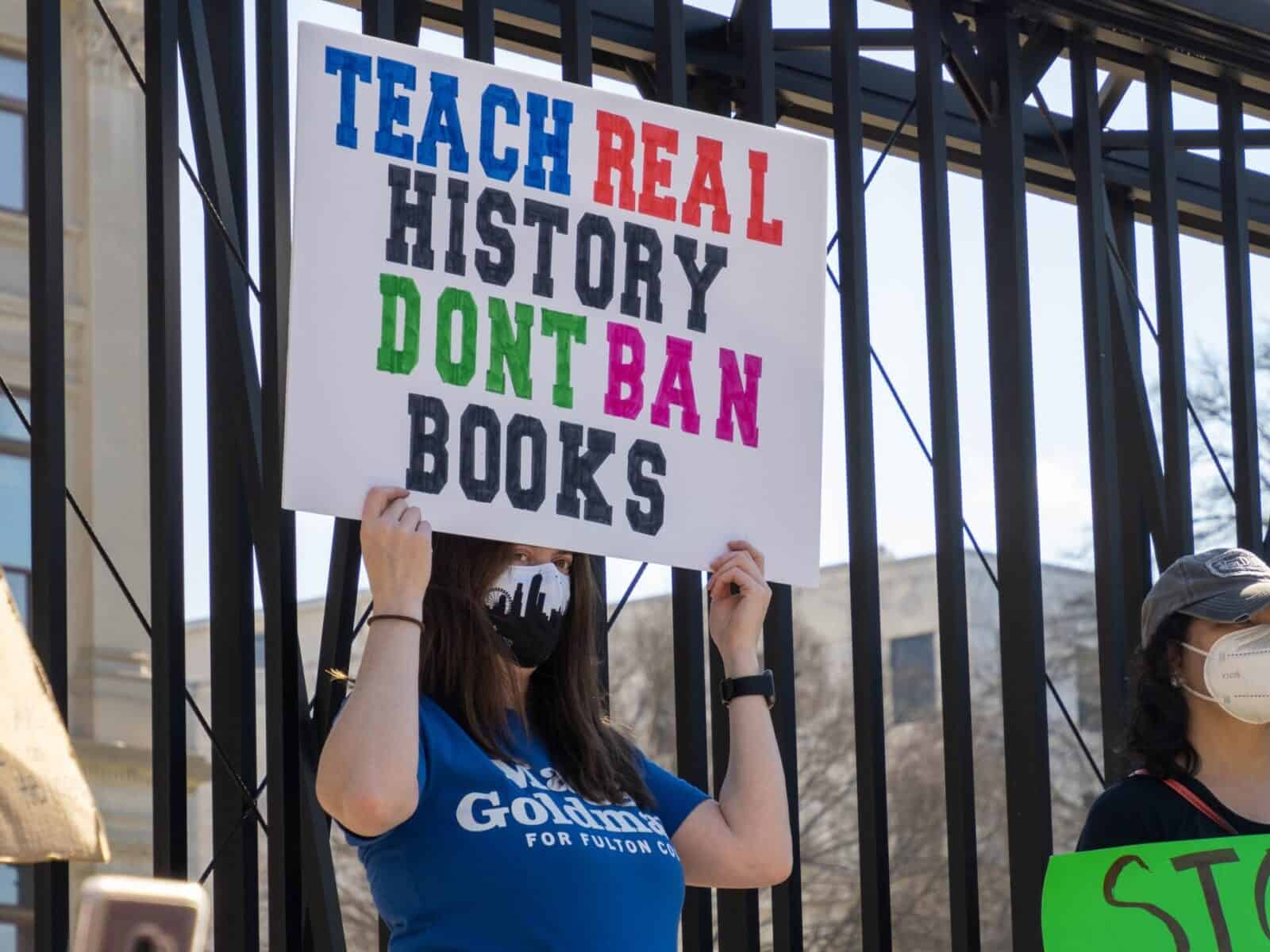
Book Banning Protest at the Georgia Capitol, Atlanta. Photographer: John Ramspott
Such censorship tactics are as old as the book itself but, in recent years, it seems that the religious fervour behind modern book bans has reached new heights. Far from being abated, book bans and other forms of censorship pose an increasing risk to books discussing sexual experience, gender identity, and race.
This is not a grassroots campaign made up of concerned mothers; rather, the modern book ban movement in America is being spearheaded by organised action groups with strong ties to the Republican party. In fact, these bodies make up over 72% of demands to censor books, according to the American Library Association.
The world has watched religious institutions block and threaten the publication of books before. Salman Rushdie’s The Satanic Verses was banned by governments worldwide between 1988 and 1989 due to its sarcastic depiction of The Prophet Muhammed. In 2022, Rushdie was stabbed fifteen times after the Iranian government placed a legal order calling for his death.
Morris Ernst (second from left) defending Gustave Flaubert’s November in court against charges of obscenity, New York City, 1935. Source: Harry Ransom Center, University of Texas at Austin
In 1923, James Joyce’s Ulysses was banned for supposedly being a little too liberal in its sexual metaphors, alongside references to masturbation and brothels. Five years later, D. H Lawrence’s Lady Chatterley’s Lover was also banned for its sexually explicit content by the UK, American, and other governments across the globe.
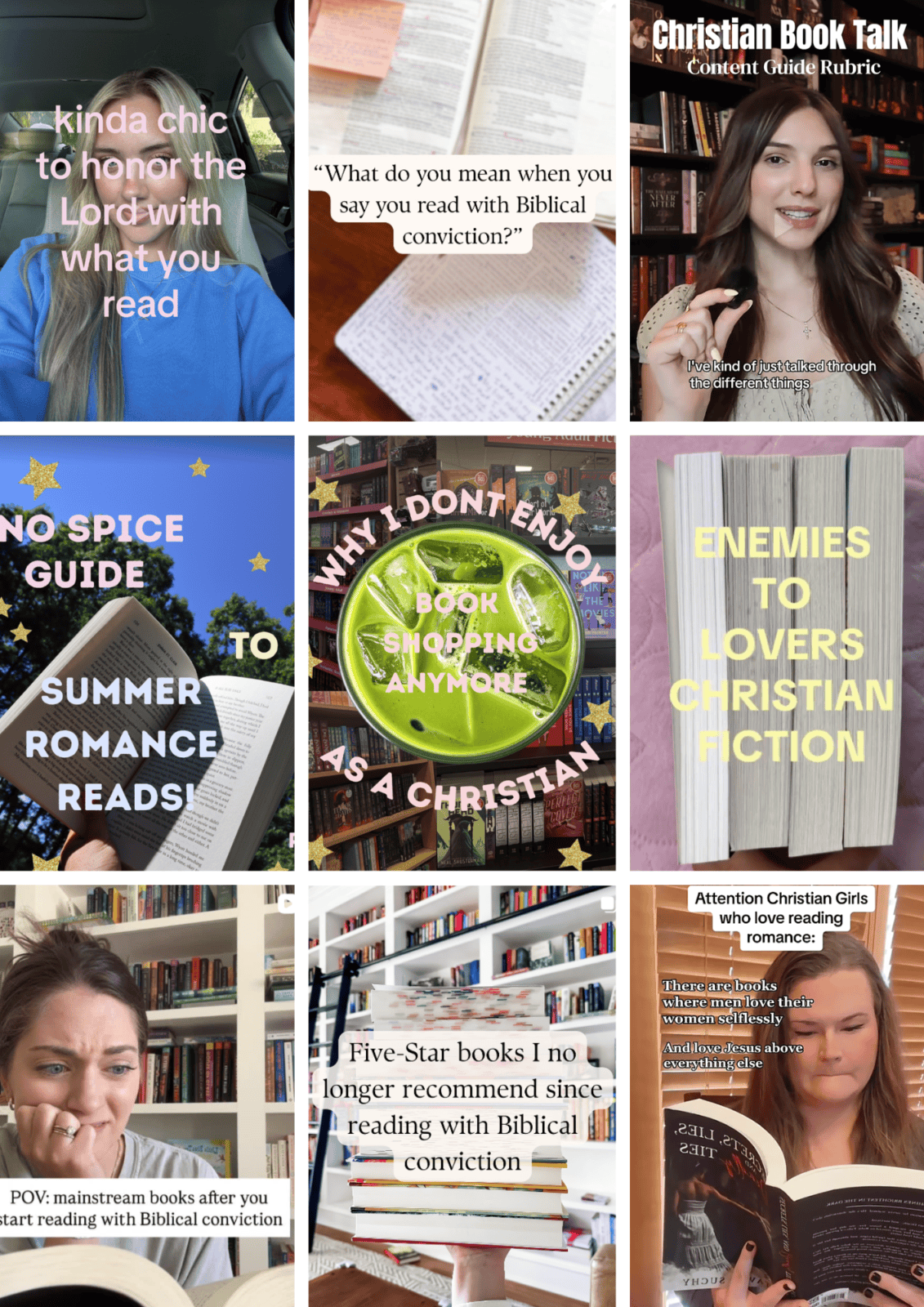
What scares me most about today’s bans is the use of social media. When I came across the Instagram profile of a digital creator named Book Case Beauty, I was alarmed to find posts from a young, American mother suggesting that Christians should stop reading books that are not written with “biblical conviction”. In one viral post, Book Case Beauty lists former reads of hers that she once rated 5-stars, only to now, with reformed eyes, regret engaging with these books at all. The Amityville Horror by Jay Anson? An “actual demon story”. The House in the Cerulean Sea by T.J. Klune? The gay protagonist’s relationship doesn’t “align with God’s design”.
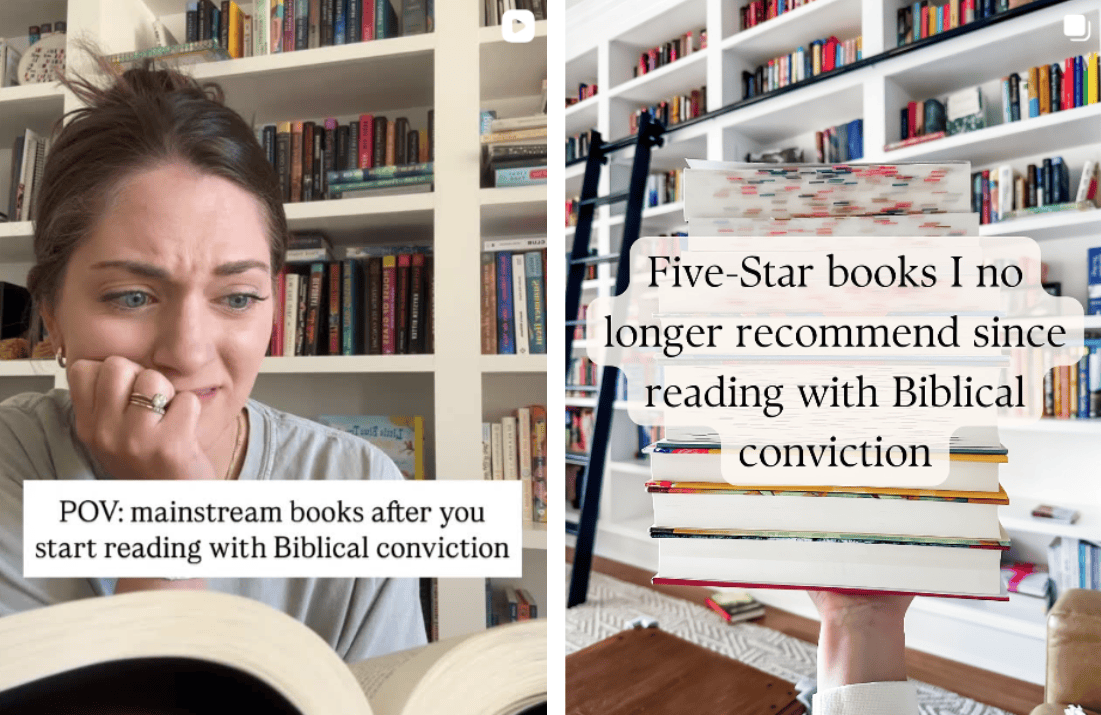
In another post, the creator cites the promotion of LGBTQ+ narratives by mainstream publishers, claiming that this is a form of “blasphemy” against “the order which God placed upon the universe”. But after recording that she was reading over 100+ books a year, Book Case Beauty admitted that she had never read the Bible in its entirety.
As a Christian myself, who has read the entire Bible, I think it’s misguided to spurn books based on what we interpret from the scripture, especially when these bans come from those who haven’t in fact even read the whole thing themselves.
But this American mom is just one of a growing number of influencers from across the US, often with considerable followings, who are promoting literary puritanism. Their demands are backed by notorious pressure groups like Moms for Liberty, MassResistance and Florida Citizens Alliance – all of whom advocate for the banning of thousands of books that include discussions on gender, sexuality, or race.
In 2022, The Arkansas Times reported that, in an audio recording from an anonymous source, a member of Moms for Liberty could be heard contemplating gunning down a school librarian whilst discussing what books were deemed appropriate for young readers.
MassResistance, led by the conservative activist Brian Camenker from Massachusetts, are actively lobbying against the rights of the LGBTQ+ community. Their footsoldiers have effectively lobbied schools to pull books out of their libraries, often claiming that literature that discusses homosexuality is “dangerous to kids”.
It is not uncommon for these groups to also have ties to state lawmakers in the US. Florida Citizens Alliance, a conservative advocacy group, produces statewide book veto policies that target books discussing gender and sexuality.
If books with sexual content, gay characters, and horror elements are being banned by groups like Moms for Liberty, what will be censored next? Books about women’s rights? Literature about the horrors of fascism, racism, and colonialism? Books by Toni Morrison, Margaret Atwood, John Green, and Judy Blume have all been on the chopping block.
Social media has not only allowed these groups to platform their views, but has also amplified influencers who are willing to encourage book censorship at a mass scale. Often this can come in very subtly worded posts.
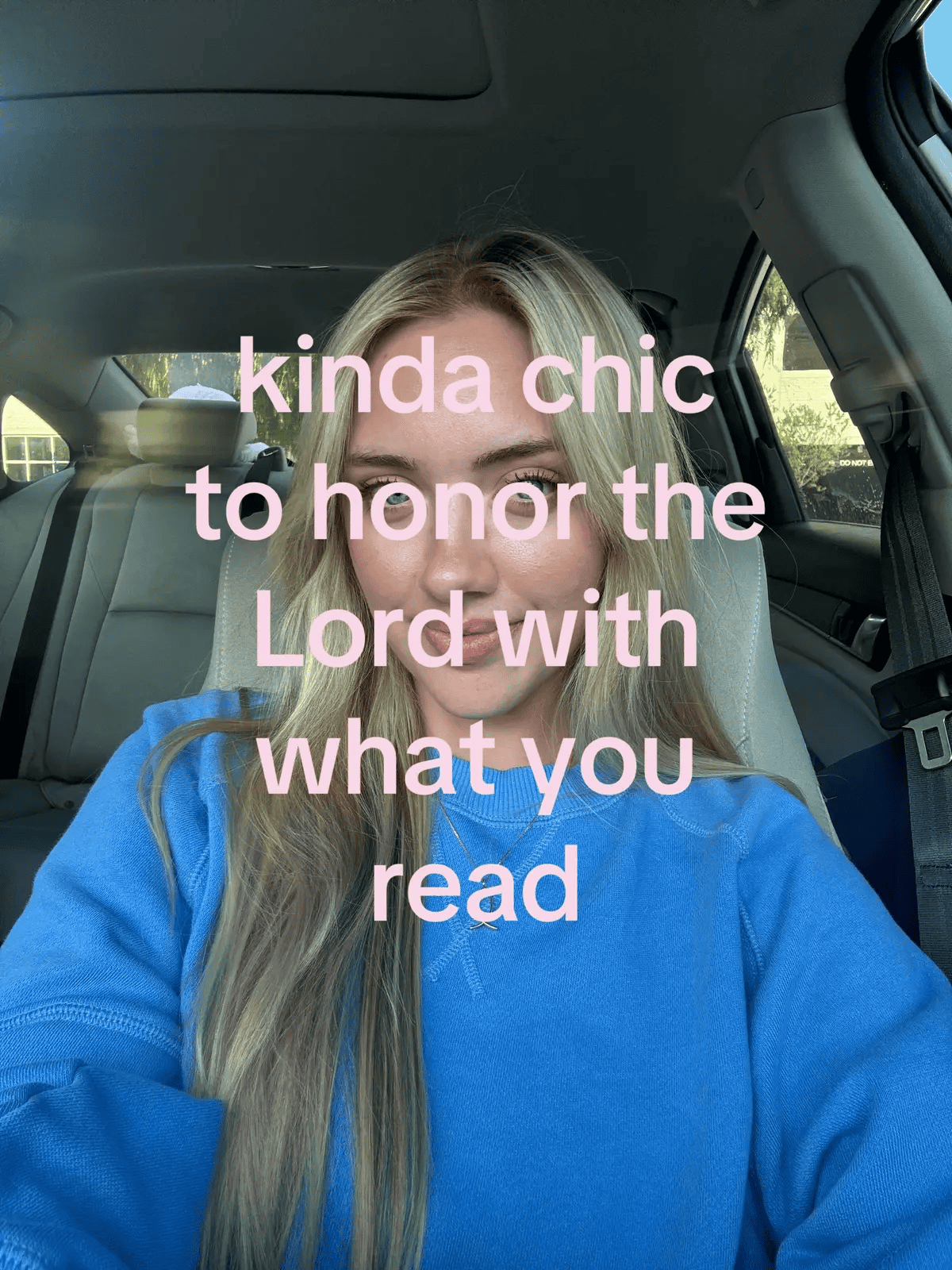
Another content creator named Kylie, who posts on TikTok, suggests that Christians must erase certain works of literature from their bookshelves to protect themselves. Self-presenting as a “Christian bookworm”, Kylie won’t read any sexual scenes, stories about witchcraft, or anything from the horror genre (say farewell to Stephen King). She creates reading guides and lifestyle content for those who hold the same convictions, and, with a healthy 16.9k followers, Kylie’s account is indicative of a growing subculture of Christian BookTokkers.
Moms for America have their own Instagram and TikTok channels of course. In a recent post, their spokeswoman Tiffany Justice appears within a short edit of an interview with journalist Joy Reid on MS NOW (formerly MSNBC), suggesting that “children don’t have complete access to the internet so they shouldn’t have unguided access to the library”.
The social media clip shows the speaker for Moms for Liberty interrupting, speaking over, and not allowing Reid to properly question her beliefs. And herein lies the dangers of social media: the ability for organisations like Moms for Liberty to present their discussions of book bans without showing the other side of the argument. Their online post only shows Justice factually claiming these books are “dangerous”, but a counterargument is never shown in the clip.
Engaging with literature, in particular the kind that challenges common belief systems, might inspire kids to practice empathy, to ask questions, to be more tolerant. Anyways, kids are always smarter than you think; they are more aware of what adults hide behind closed doors than we think they are. What always strikes me is how dangerously sexy the written word continues to be and why, precisely, do books scare the living hell out of people?


