
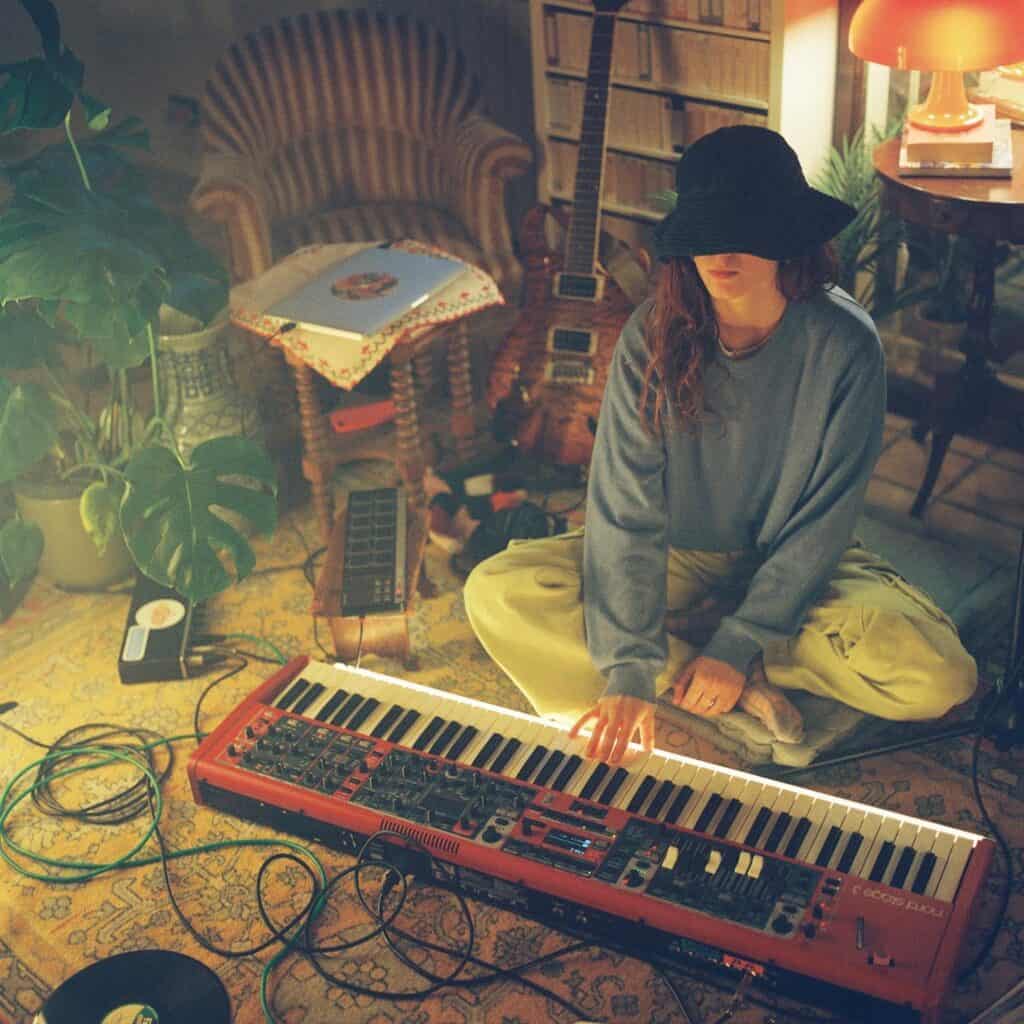
From the quiet of her grandparents’ countryside home to the magic of a creative process in constant transformation, Coca Puma reflects on the origins of her imagery, her harmony with Delicatoni, and the energy of a new artistic phase shaped by exploration, gratitude, and courage.
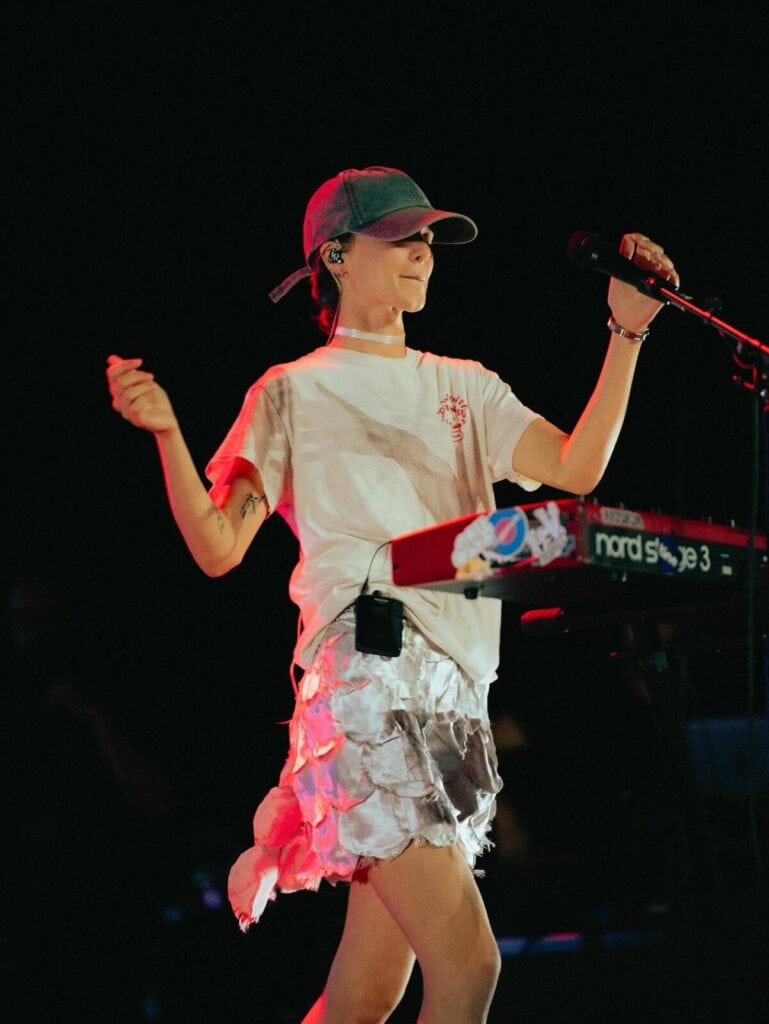
Do you remember the very first gesture that you now recognize as the beginning of Coca Puma? The first act in which you realized you were building your own system.
I remember that at some point I started developing a series of timbral images: I would imagine the sound, the arrangements, I could hear them in my head—even if not always clearly. From there, I tried to imprint those ideas onto the DAW as transparently as possible, letting myself be carried by the creative process. Little by little, I built something that felt like it truly represented me.
Your imagery blends the sacred, the pop, and animistic iconographies. Was there an original image—a symbol, an object, a creature—that you still recognize today as the matrix of your work?
Definitely my grandparents’ house in the countryside. It’s a place I’m deeply attached to because, beyond family and childhood memories, it became a refuge for me—somewhere to write that I didn’t feel I had anywhere else. For a while, it was almost like my own home: there was so much peace, and I felt soothed by being alone, taking care of that place, and writing music.
How do your visual universe and your musical one interact? Does image come first, or sound—or do they influence each other?
It depends! I’d say either one can influence the other; there’s no rule.
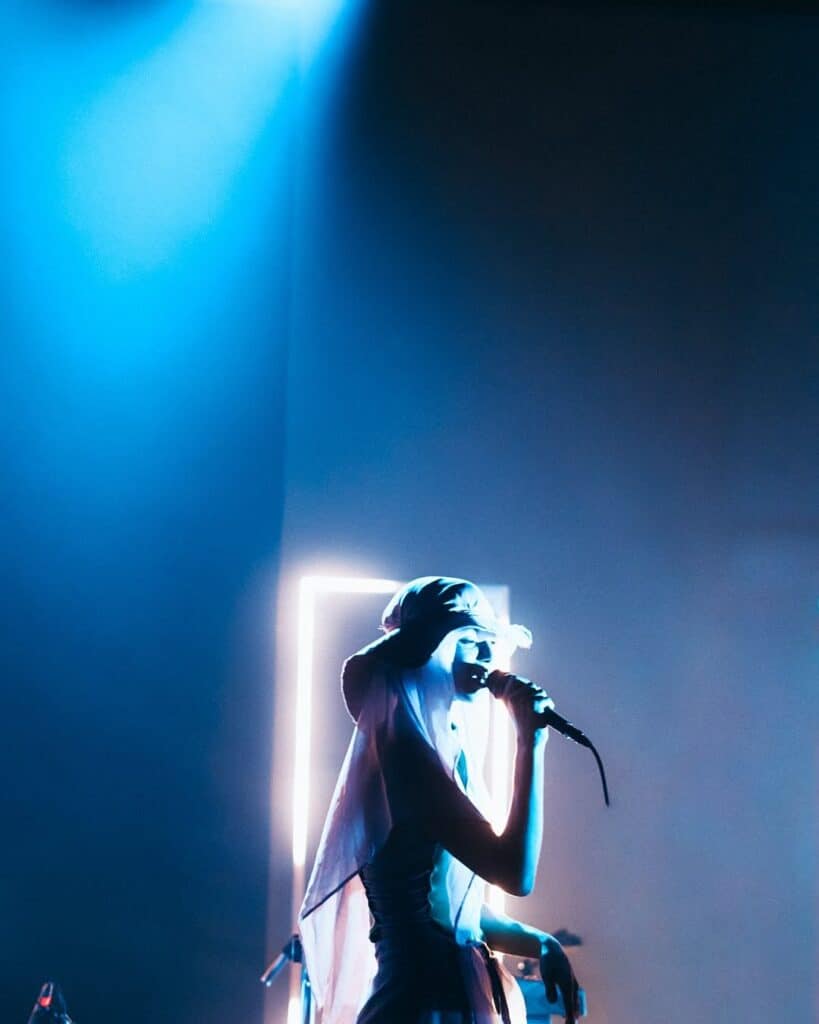
What did you find in Delicatoni that “clicked” with your way of expressing yourself? In what ways are you similar, and in what ways do you creatively clash?
I wouldn’t say there are any real creative clashes—maybe I just haven’t worked with them long enough for that to happen, ahah! When I met them, I immediately realized I had met special people I already cared about, so making music together just came naturally. I can’t tell you exactly what makes us alike, but when you meet the right people, you recognize each other.
On Thursday evening, at Linecheck, you’ll perform together with Delicatoni to present your new track “E se quando.” Can you tell us how it was born?
The first Delicatone I met was Giorgio, and even before meeting him in person, I came across a video of him playing a beautiful song on the guitar. I was struck by the beauty of that piece, its melody… So when they asked if I wanted to sing it with them, I was over the moon—and the days they came down to Rome to record were just as wonderful. I feel very lucky to have had the chance to collaborate with them and to sing that song.
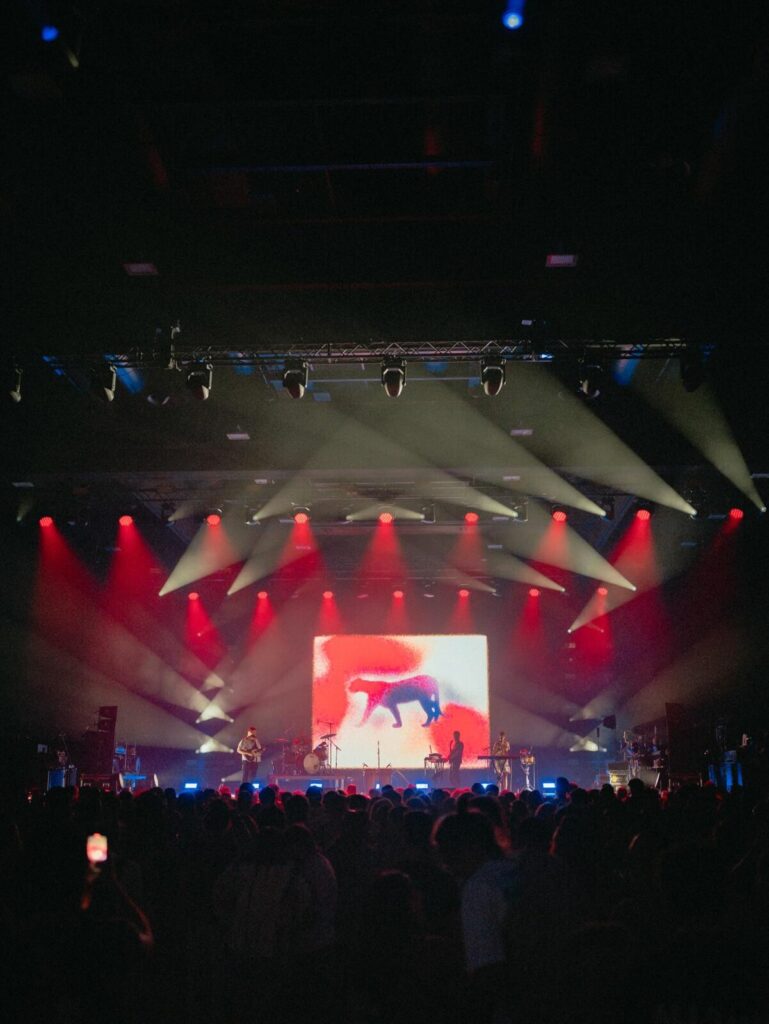
When you compose, do you arrive at the melody first or at the words? Is there a track where the process unfolded in a completely different way?
Every song follows a different process. Sometimes I start by humming a melody and only later work on the arrangement; other times I begin from the instrumental. There are moments when I feel I give my best when I’m working directly on the project, others when I only have my hands on the instrument, and others still when I’m doing something completely unrelated but find myself thinking about it. It’s true—some of the best ideas do come in the shower!
What phase do you feel you’re in today as Coca Puma? Is there something you’re consciously trying to let go of, or something new you want to welcome into your work?
I feel like I’m in a moment of transition—part of me is scared, but part of me loves it. After more than 80 shows across Italy and with a European tour coming up in January (Paris, London, Berlin, Groningen, Brussels), I feel so much excitement but also so much gratitude for the people working with me and investing their time and energy into this project. I also feel a strong urge to explore new ideas and spend more time in the studio again.
What has been the most important mistake in your artistic journey—the one you now recognize as necessary to bring you where you are?
I don’t feel like I’ve made mistakes—or at least I wouldn’t call them that. Making mistakes or taking unaware decisions teaches you a lot, but for me, staying true to myself, waiting for someone who genuinely believed in my ideas and wanted to invest in them, and refusing to throw myself into the hands of market-driven producers already saved me from a lot of errors. Of course, there are many small nuances I still feel I need to learn, but I think that’s just part of every journey.