

Copenhagen alt-pop is cool, big and happening now, said reels inundating my feed in 2025. These tight-knit Scandi (and Scandi adjacent) friendship groups went global while dodging the mainstream, carving out a unique sound that is as elusive as it is intoxicating.
Is it the subtle vocal delivery, the simple yet emotive lyrics, or the unpolished bedroom minimalism? Either way, the world scrambled to establish themselves as flag-bearers of a scene defined not by a genre but an indie music-making approach. Smerz, Maria BC, Erika de Casier, Astrid Sonne, Molina, Iceage, snuggle, Fine, Sassy 009 etc. frequently collab to make the crème de la crème of dream pop, folk and indie, and the Escho label is at the heart of the movement.
“I need to know what’s going on in Copenhagen,” demanded Amy Poehler (Regina George’s mum) on her podcast after Hayley Williams mentioned liking “all the stuff” coming out of the Danish capital. When asked to describe it, the Paramore singer said “it’s just a vibe”. Sounds gatekeep-y – there’s surely more to it.
The name is deceiving. Not all are from Denmark. You could feasibly say a song recorded in Texas is “so Copenhagen” without needing to explain yourself. Spotify’s “Cph+” playlist affirms this – the first song is by the US artist Quiet Light.
Their groundedness resonated with listeners last year. With faceless corps investing in AI music tech and capitalising on the latest micro trends, people are desperate to stan genuine artists whose image isn’t curated by a marketing team. Tie this in with Janteloven, the Danish cultural code of conduct valorising humility over boasting and personal achievement, and you see why people love these musicians.
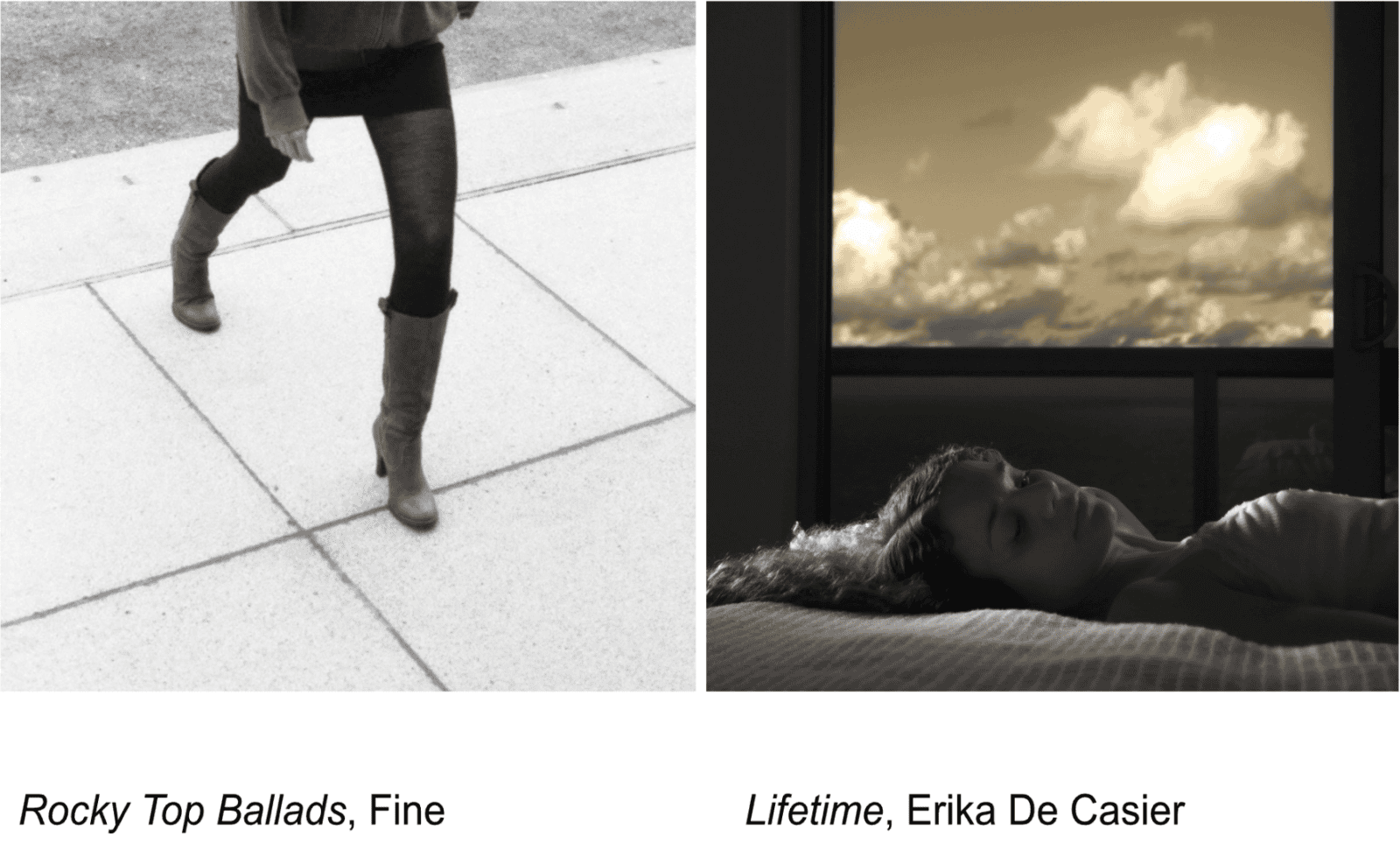
Supporting them doesn’t feel like the execs are extracting maximum profit out of you. It feels more like your mate saying “here, have an incredible album and by the way I’m going on tour if you’d like to see me no worries if not! ok tak :)”
Also, you can’t say Cph+ without the RMC. Many are graduates of the Rhythmic Music Conservatory (RMC): a progressive, free (for EU citizens) and very selective conservatory based in the city. Famed for its forward-thinking attitude towards teaching and contemporary music, it has produced a multitude of trendsetters that a more classical, historic institution would struggle to.
There are parallels between this scene and underground rap, which also boomed in 2025 with artists like Ledbyher and EsDeeKid. For example, blurry album covers and low-budget videos feature heavily in the visual output of both rapper fakemink and singer/songwriter Fine. These aesthetics give the viewer a deeper connection to the artist, as if they were getting exclusive access to their camera roll.

Both scenes have a DIY, bedroom sound to them, albeit in different ways. Instead of the raw distortion of underground rap, the Copenhagen artists lean more towards stripped back expressiveness. Take Smerz’s Big City Life which placed 11th in Pitchfork’s 2025 AOTY list. The vocals are out of tune, the drums are barely processed and, at times, the melodic lines seem to be erratically out of time (or maybe they’re operating on some experimental tempo that I don’t understand). Because of this, the album conveys a chaotic authenticity that songs with perfect studio takes could never achieve.
In Denmark, annual government spending on the arts is £1.84 billion, eclipsing the UK’s £1.5 billion to be spent on cultural organisations over five years. This more hospitable cultural climate has attracted talent from all over the EU, and has allowed a movement to naturally develop. Compare this with politicians in the UK nitpicking the miniscule grants awarded to musicians (Kemi Badenoch vs Kneecap) and it’s clear to see how the Danish government’s approach to arts funding has helped write the Copenhagen success story.
But the industry has its finger on the pulse. It will look towards the Copenhagen success story to build the framework for their next projects. They can’t manufacture “vibes”, so will be looking for tangible strategies to incorporate into their marketing pipelines.

As of 2024, Spotify-created playlists account for 34.3% of listening, so it’s undeniable that the birth of Cph+ spread the music to a wider, global listener base and bumped up streams in the process. Amazing for these artists’ exposure, but depressing to see so explicitly the power that Spotify holds given its recent controversies. We may see more hamfisted playlists pop up, as business heads try to forcibly package their artists into a “sound”.
Recent music marketing has attempted to narrow the star-fan gap, or at least give the impression of narrowing it (look at the Fred Again… or Charli XCX campaigns). Popstars nowadays don’t want to appear untouchable, and TikTok/Insta live have been instrumental in achieving this. Using Cph+ artists as a reference point, bigger stars may opt for unfiltered, personal visuals in their work to increase their all important relatability. I’m talking zoomed in selfies, digicam music videos, less trendhopping – anything to hide the presence of their marketing team.
On a more positive note, hopefully the industry (or government) will see the appetite for genuine singer/songwriters, realise that rampant self-promotion might be draining for them, and maybe allow them the money/time to produce their best work. Focusing on the music doesn’t seem like a revolutionary idea, but look at any “How To Make It As A Musician🤯” YouTube videos, and the quality of the music itself is a low priority.
I hope the Fines and Sonnes of the world can change this attitude. And hopefully, the exposure from Hayley Williams serves the scene well. Or maybe we’ll just see a “Cph+” spinoff playlist. “CPH÷”?