
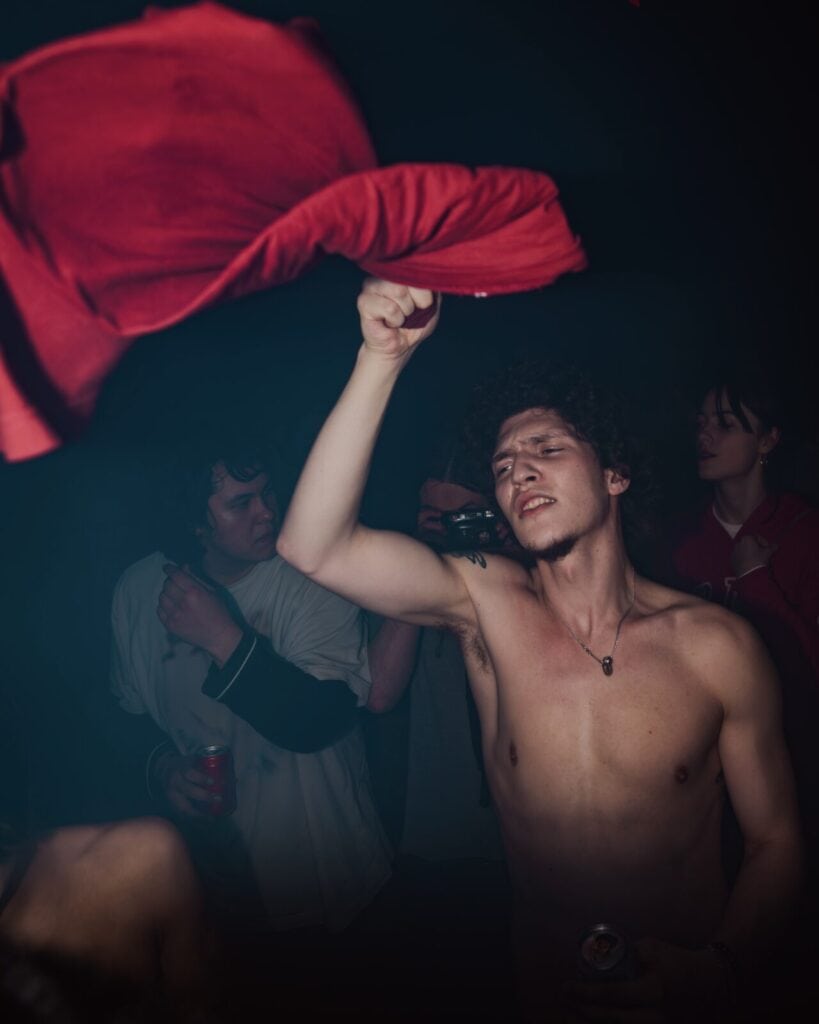
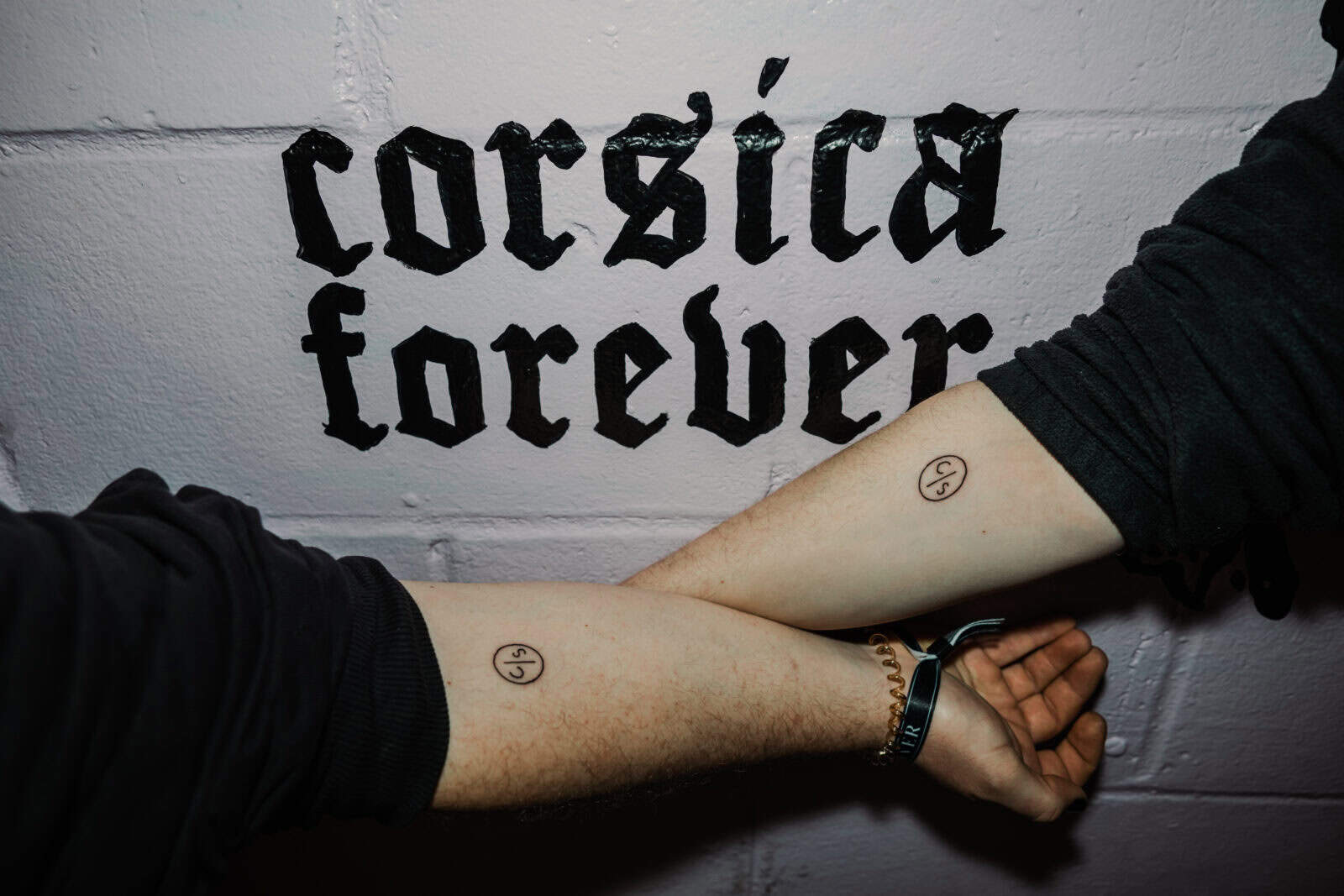
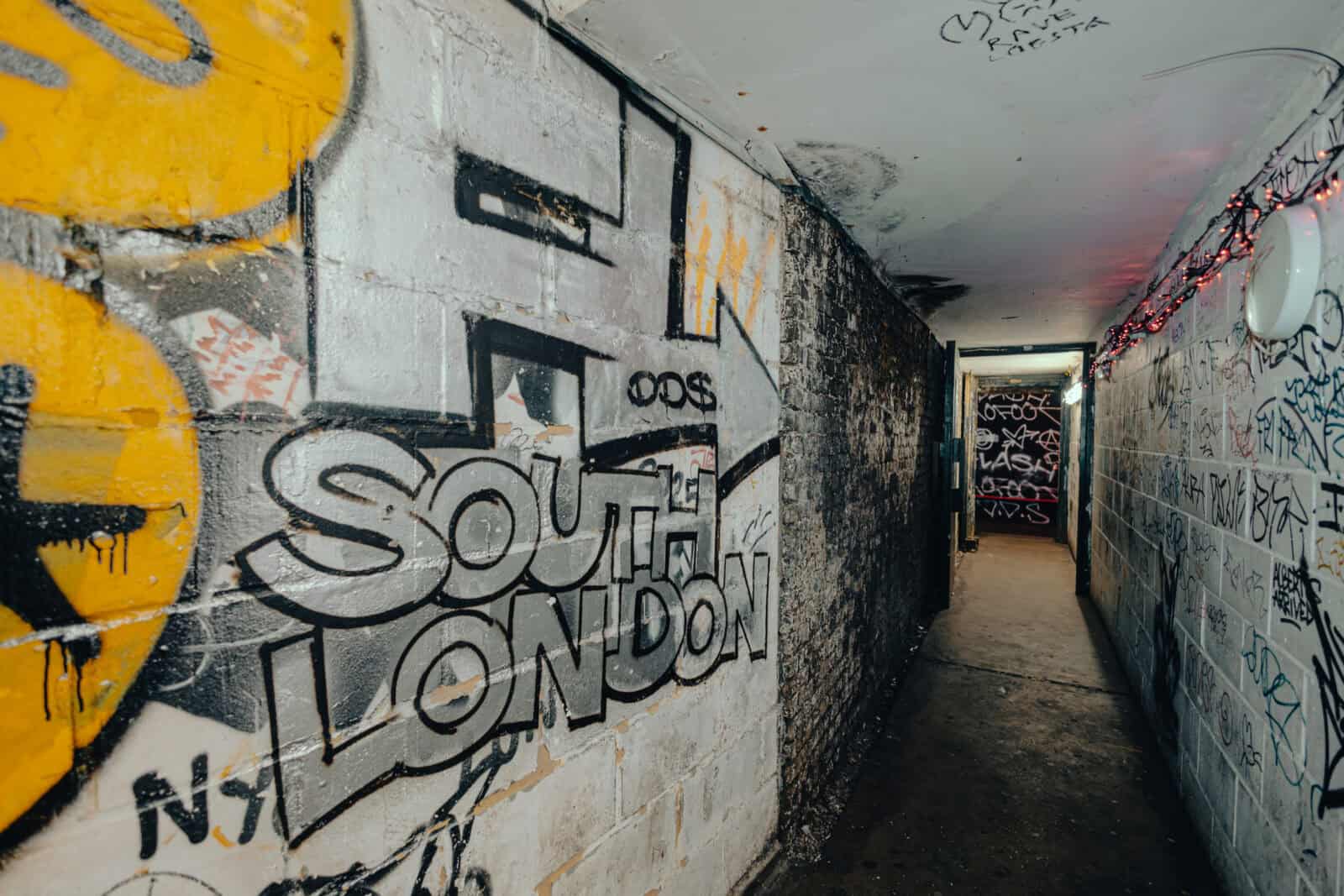
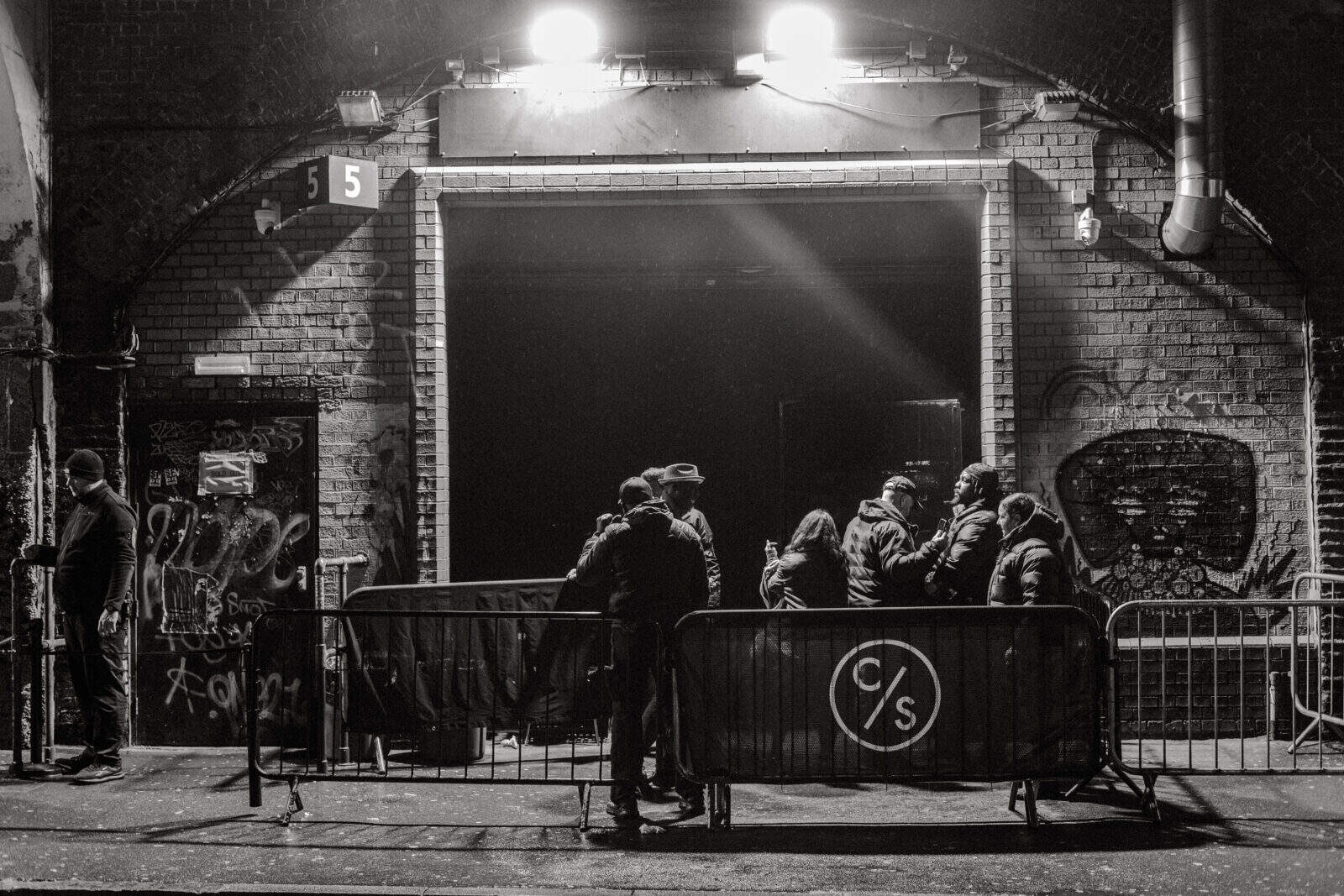
Like many ravers who came of age in the mid-2010s, I was introduced to the scene by Corsica Studios. The club, a staple of London nightlife since 2002, devastatingly closed its doors in late March with a massive 30-hour party, rounding off three months of farewell events. During those months I was inside Corsica Studios probably more than my own house, reminiscing with other members of the community about our memories there.
The smoking area was just five metres from new apartments being built by the council in its redevelopment of Elephant and Castle shopping centre. “You can stay as long as you want,” the club’s co-founder Adrian Jones recalls being told by the property developers. “You just can’t make any noise past April 1st.”
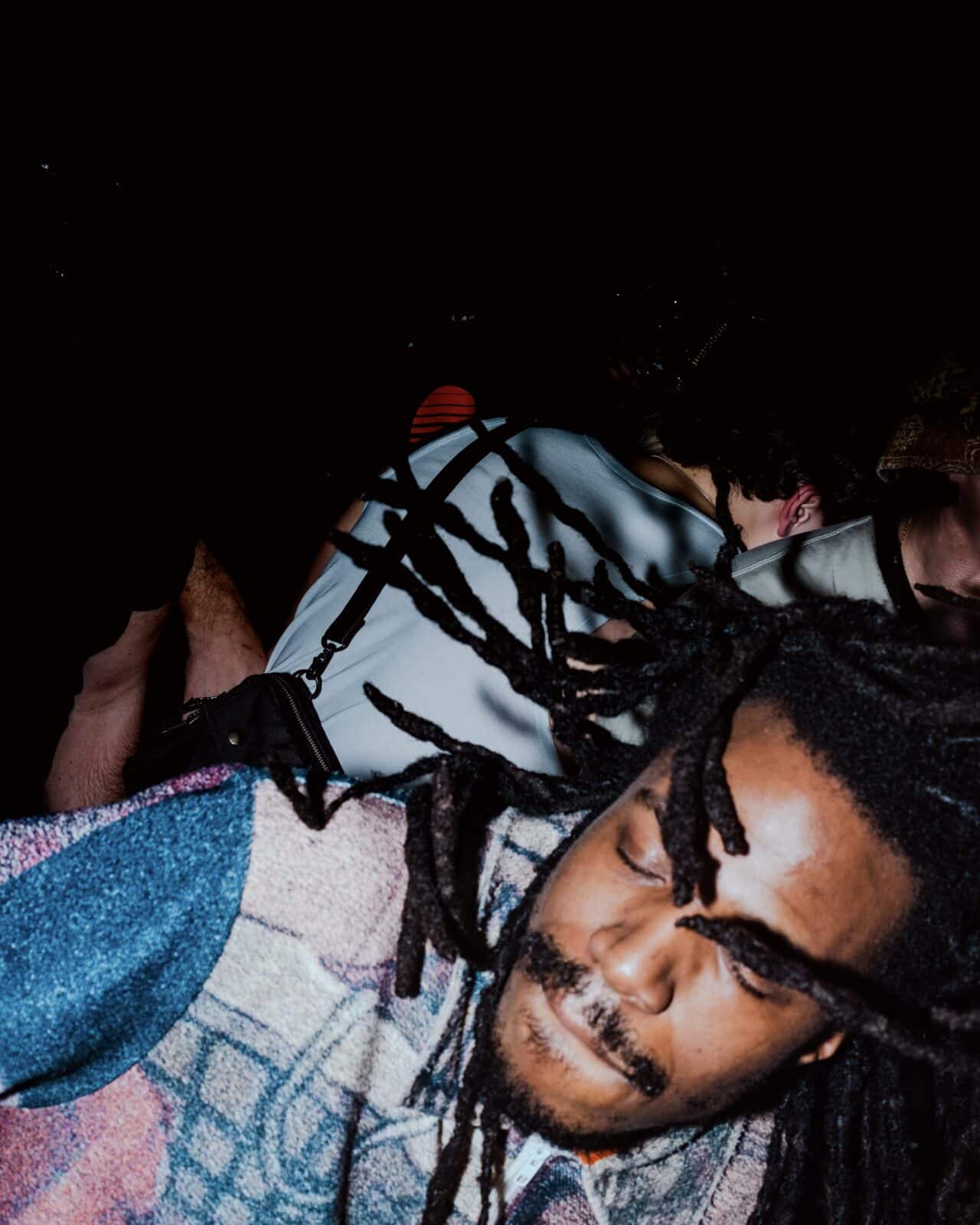
There are three things in the human experience that I think can be better than an orgasm (even those really good ones where you get the wall-plugin vibrator involved): completing a New York Times crossword without googling any of the answers; the first corner shop Buzzball on a Friday night, knowing you have a full weekend of debauchery ahead; and hearing a DJ play a song you love but have never heard on a night out before.
My first time experiencing the last one was at Corsica Studios in 2018 when Ivy Lab played James Blake’s ‘CMYK’, a drop I still remember to this day. A lot has changed in the years since that night, including the reluctant development of my frontal lobe which made me sensible against my own will (even though my true desires are to shag random men and get drunk on Tuesday nights). But even in my most boring, sensible, turning-down-a-drink-with-a-sexy individual-get-enough-sleep-before-my-9am-meeting era (honestly who am I?), I still live for A Big Night Out.
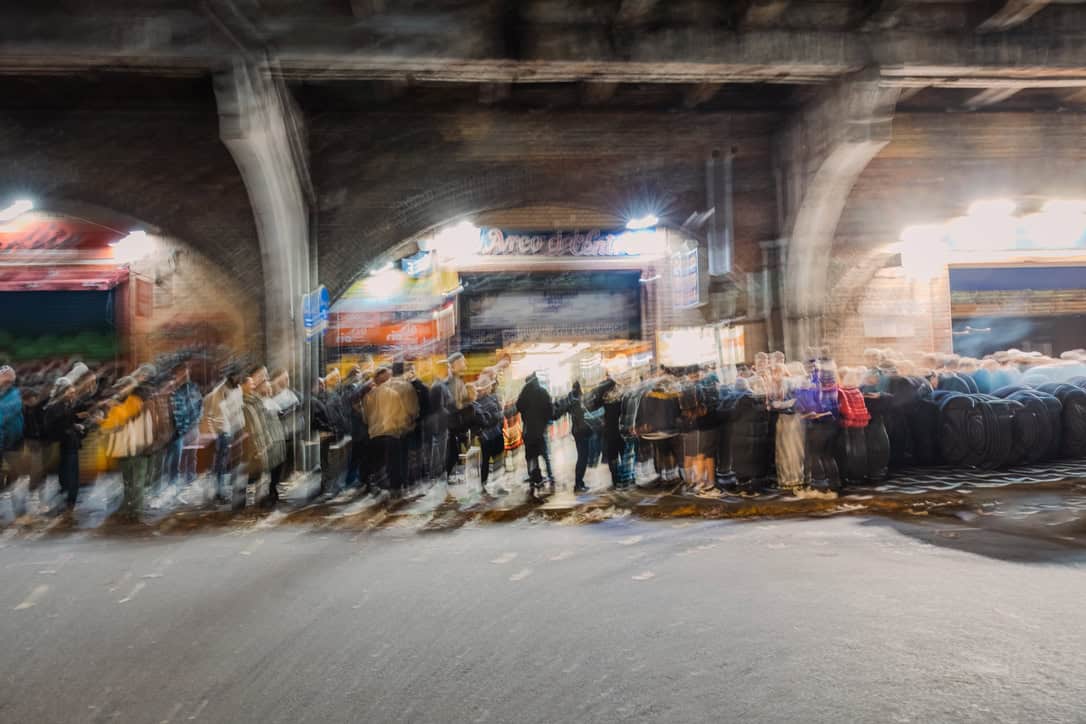
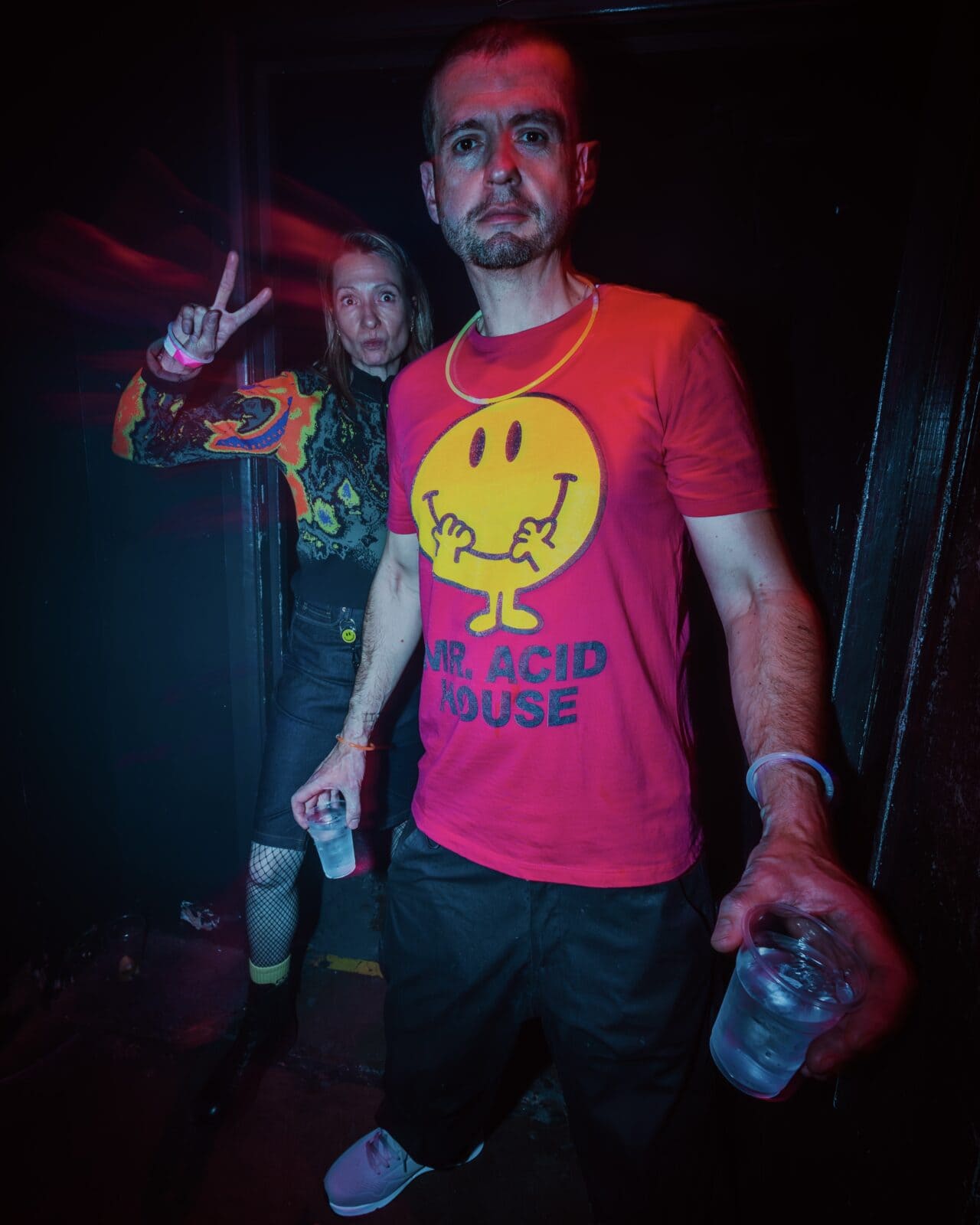
Nightlife is changing faster than we can handle it. Gone are the days of opening Resident Advisor in the pub, spontaneously buying a ticket and being at the club all within 45 minutes. The mass closing of venues (since 2020, one in five London late night bars and clubs have shut down) plus the popularisation of electronic music means there is quite literally not enough space for us all.
Alongside venue closures delivering devastating blows to the rave community, crowd attitudes have changed. DJs are increasingly treated like celebrities. This superstarification made me initially skeptical about some of Corsica’s closing shows. Last minute announcements of some of the biggest names in dance music like Bicep and Fred Again bred a sense of urgency to get the coveted tickets, which would sell out in minutes. Extreme FOMO and tickets being listed on resale sites for 10x their face value didn’t feel in the spirit of the no-frills rave venue.
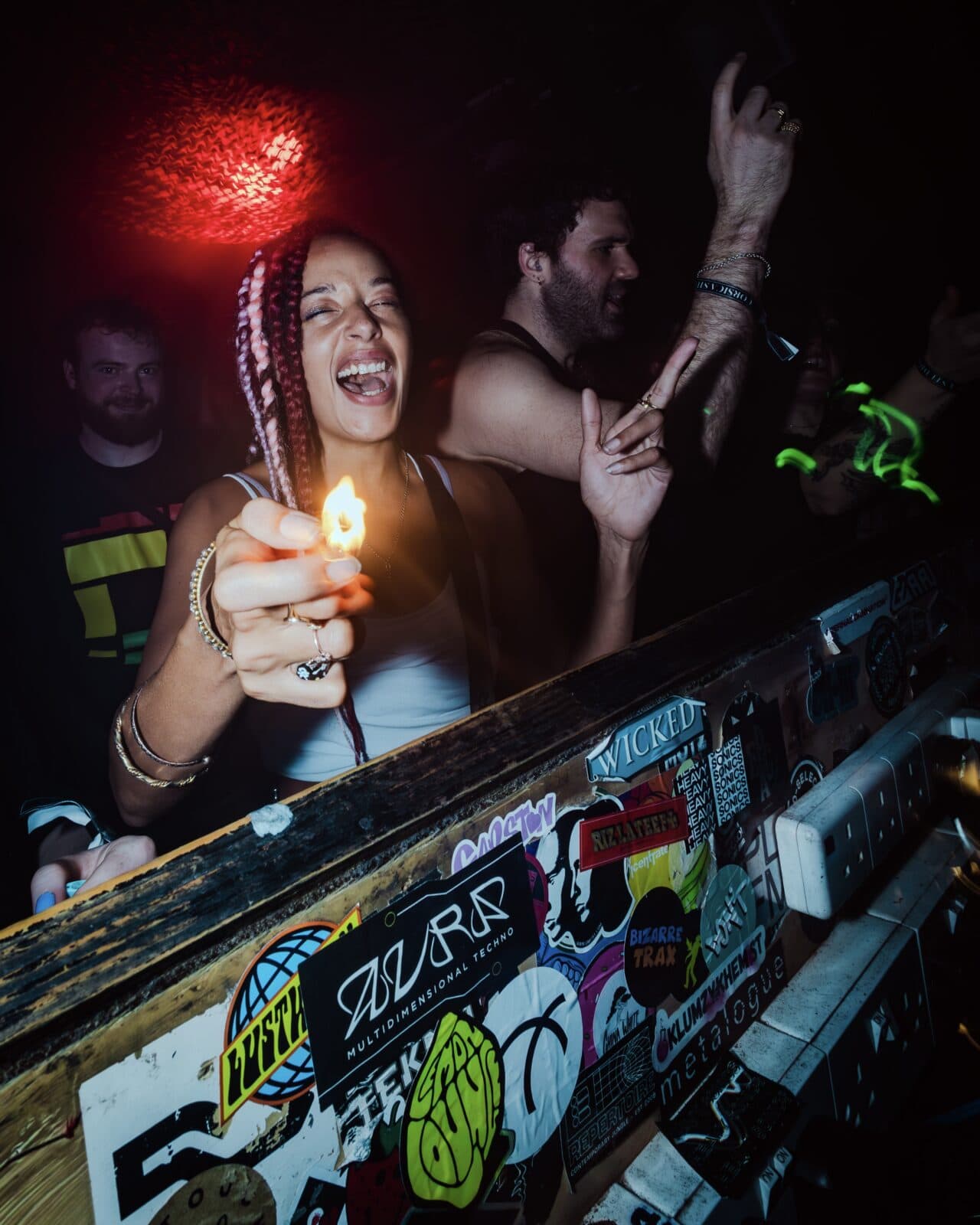
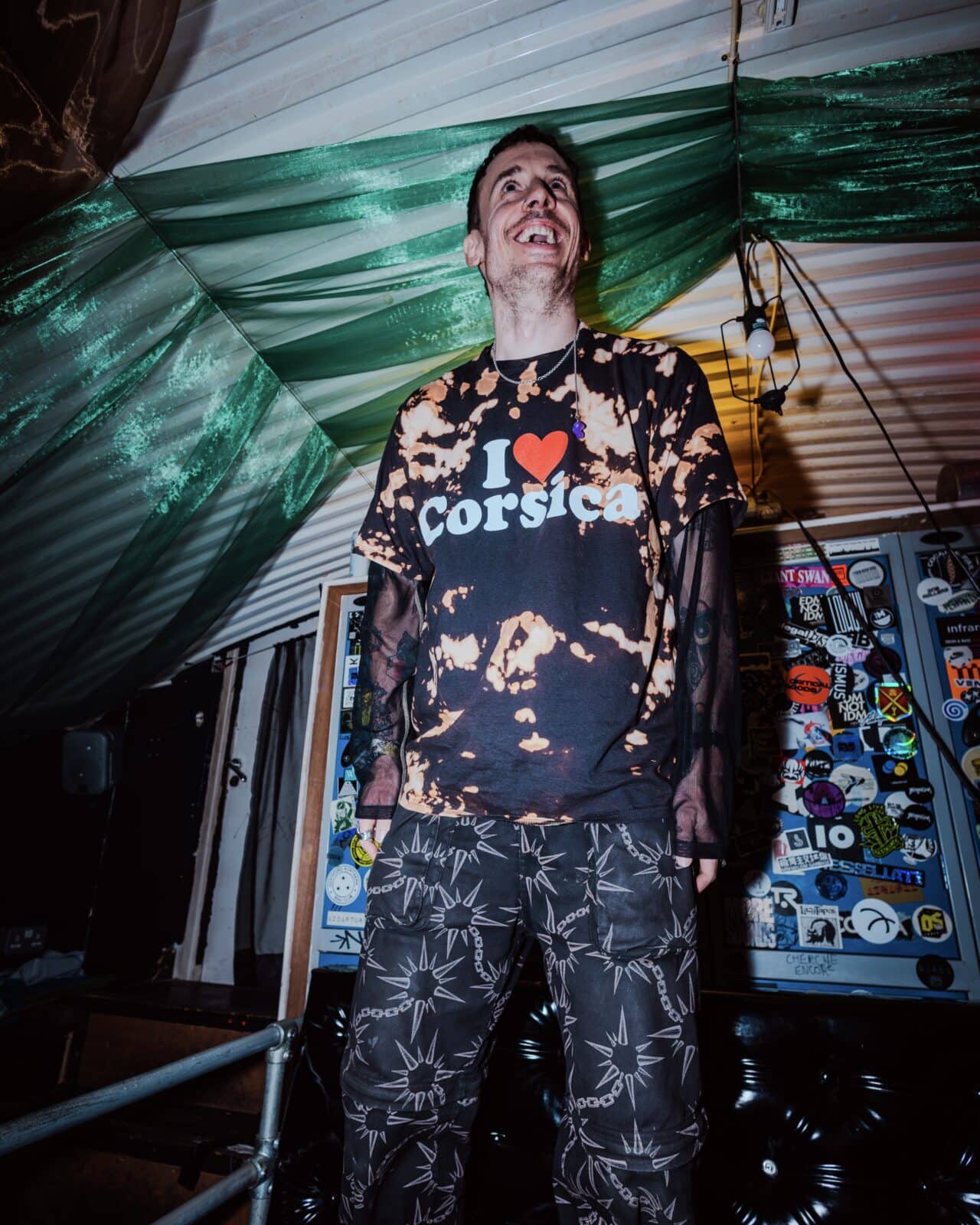
Corsica Studios was never a place that felt commercial. The hyped up closing shows with their matching limited edition t-shirt releases didn’t feel authentic to me at first. But through going to the events I realised this wasn’t coming from a place of money-making or hype, but the pure love of the venue itself. Of course some of the biggest names in electronic music would want to play a closing show and make a t-shirt to commemorate it – they loved the venue just as much as the ravers.
One of my Corsica smoking area chats was with Holly, who told me, laughing, about the night she got together with her partner in 2019 on the balcony next to the toilets after asking him “do you fancy me or not?”. Her story reminded me of so many of my own; those nights out back when raves were cheap, the community was thriving and you’d see the same people at events. It was even better when you fancied one of those people, bouncing with the anticipation of maybe snogging them after a few Red Stripes, trying not to look at every person entering the room in the hope it would be them.
Sophie, who had been frequenting Corsica Studios since moving to London from Cornwall a decade ago, recounted her first night out in the city after being used to 2am closing times at her locals beforehand. “It was the first club I ever stayed at until 6am, and coming out to sunlight felt so silly and special, one of those moments I couldn’t believe my luck that I’d actually made it to London and got to call it my home.” That feeling of wonder never left her, she said, sharing memories of nights at the venue which left her with the same feeling of appreciation for where her life had ended up.
It’s a feeling I’ve experienced many times as a London raver, the way that grabbing a friend’s arm excitedly when you hear a song you both love being mixed in can live in our memories forever and how a great night out can bring appreciation for the most simple parts of our lives.
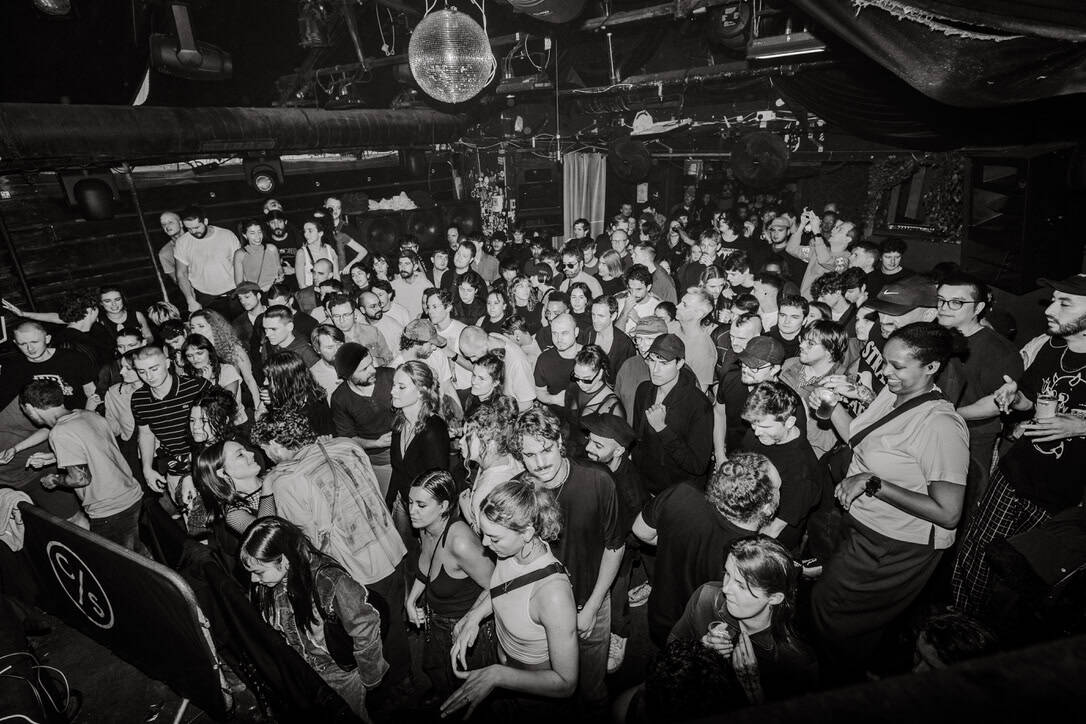
J, who credited Corsica Studios as being a venue he would “forever owe” his experiences of London nightlife to, alongside Fabric and Plastic People, a Shoreditch venue famed for its Dubstep parties such as FWD>> that closed its doors in 2015, said that Corsica’s closing could “mark the end of this era of London nightlife.”
Discussing Corsica’s 2026 send off, Sophie and J shared some of my nostalgia for raves gone by, with Sophie telling me she found the closing series “equally novel and frustrating”, noting the overcrowding at some of the parties as well as an influx of “Corsica casuals” wanting to experience it just because it was closing. Both agreed, though, that it couldn’t have been sent off with anything less. “The shows brought the community together, which is something that demonstrates the essence of what Corsica is,” J mused.
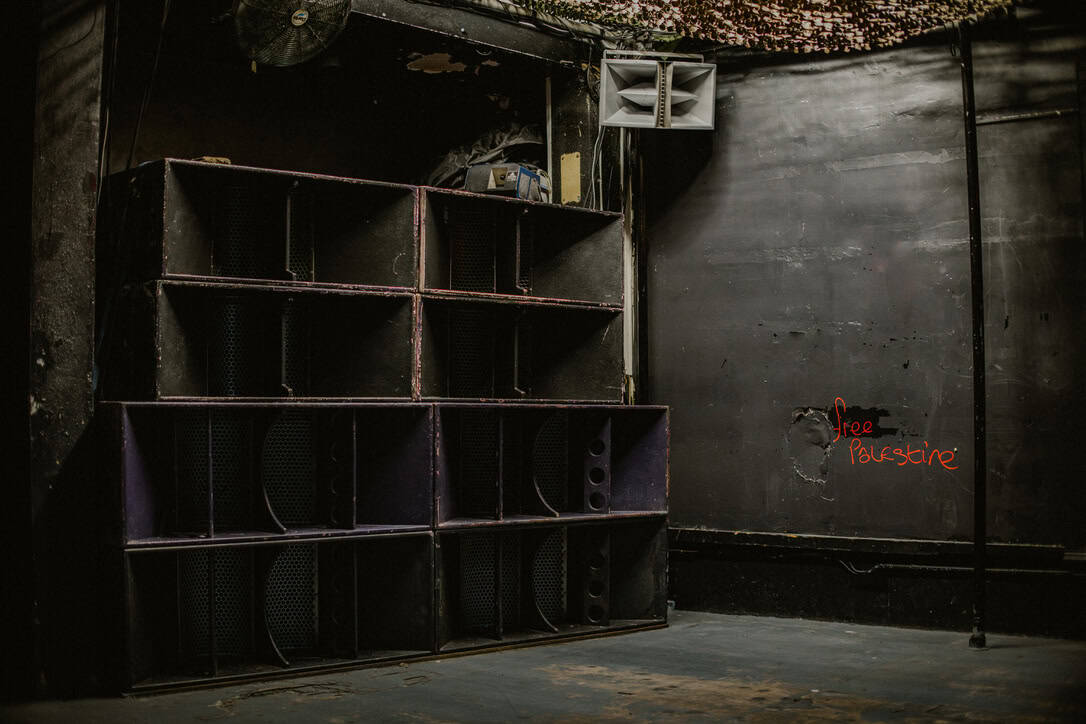
The club stayed true to itself until the very end, installing an extra subwoofer for some of the last events, reminding attendees that music has always been at the forefront for them. Entering Corsica Studios felt like stepping through a portal into the 2010s. It was always about the sound and the experience.
Brb, gonna go put some flowers outside 4/5 Elephant Road.