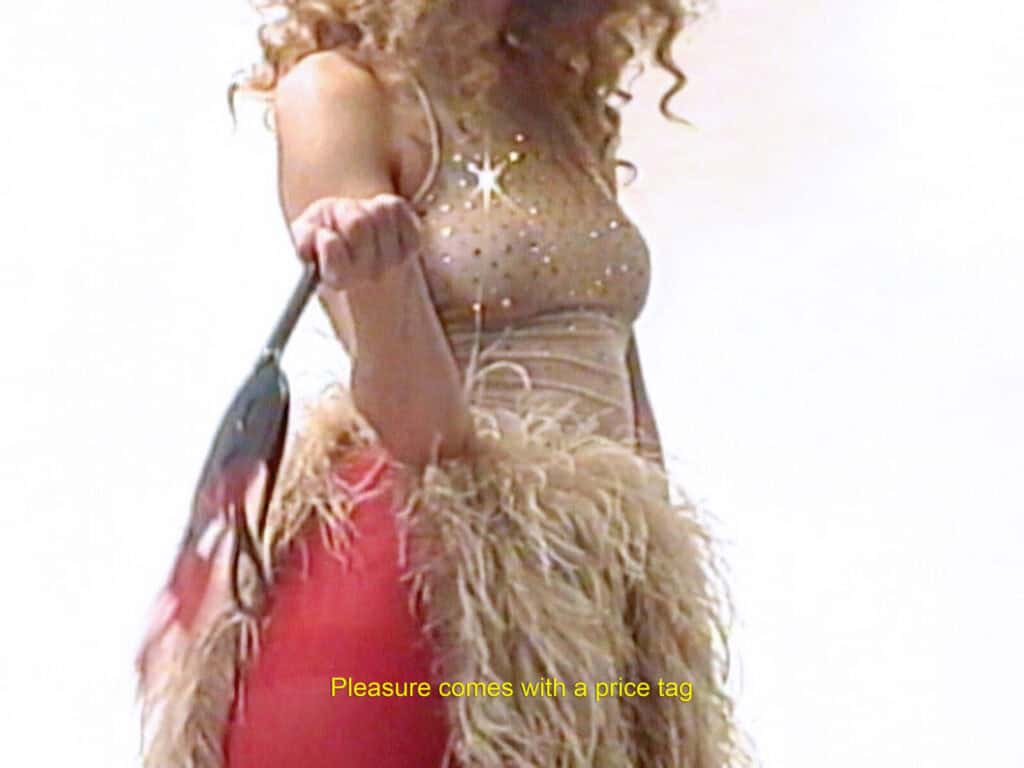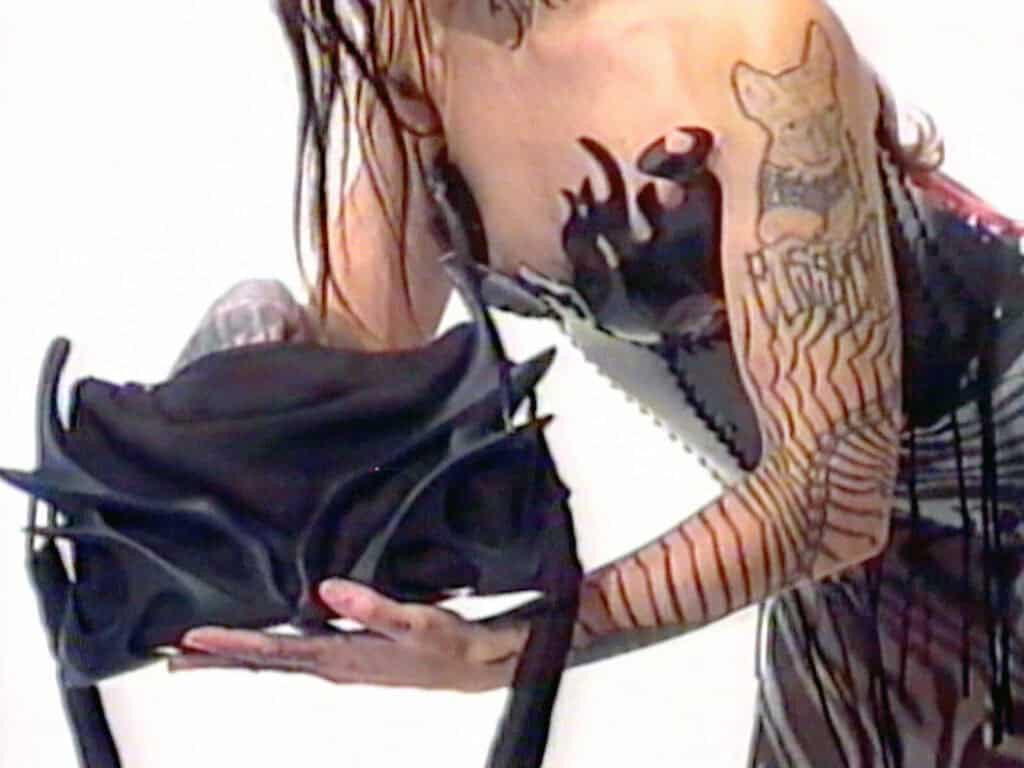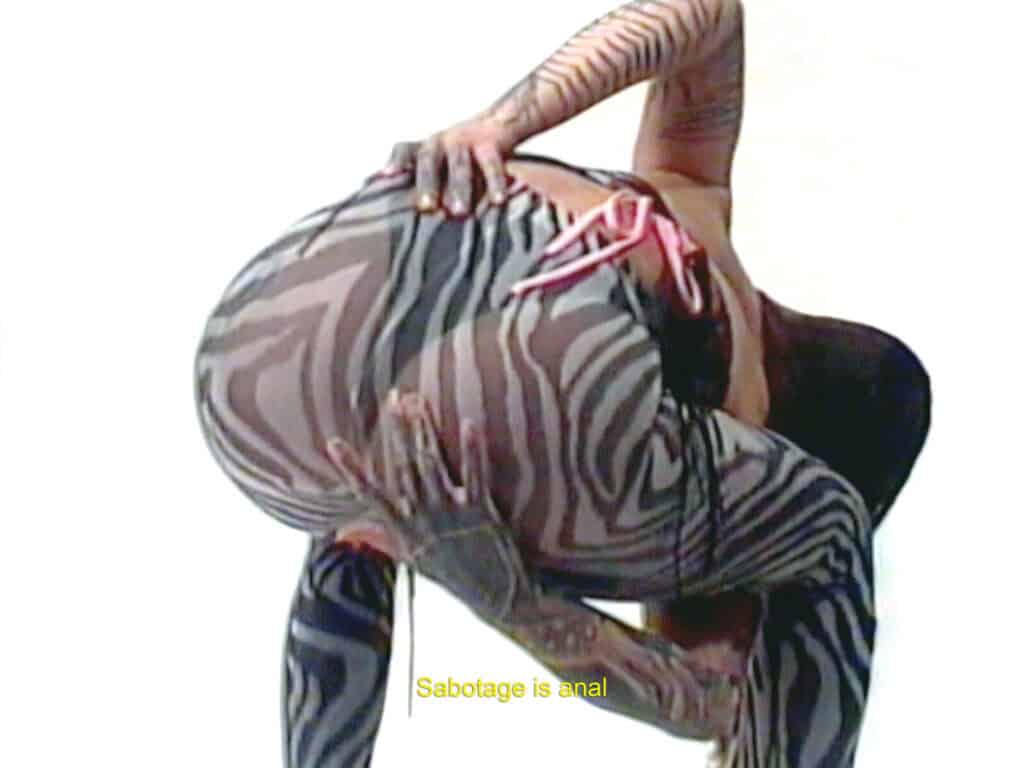
Cum Closer approaches proximity as an archival construct. Access is suggested, then withheld—echoing the mechanics of visual desire as they have evolved from analog adult cinema to contemporary digital imagery. The figures in the frame are not adult film actors, but interpretations: bodies styled to reference a visual history rather than represent lived experience.

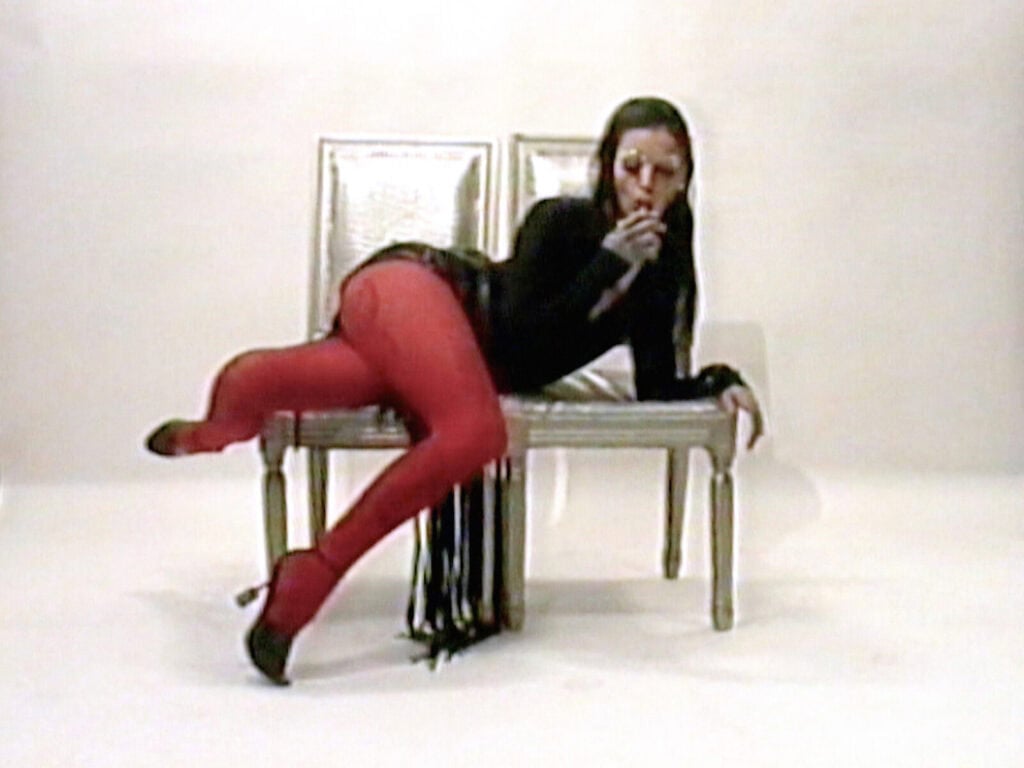

The project draws from the iconography of 1980s adult cinema, a decade in which pornography entered the realm of mass culture and visual excess became codified. Figures such as Ilona Staller functioned less as performers and more as symbols—carefully constructed identities operating between eroticism, media spectacle, and political presence. That era established a recognisable visual archive: frontal gazes, staged intimacy, saturated artificiality, and an overt awareness of being watched.
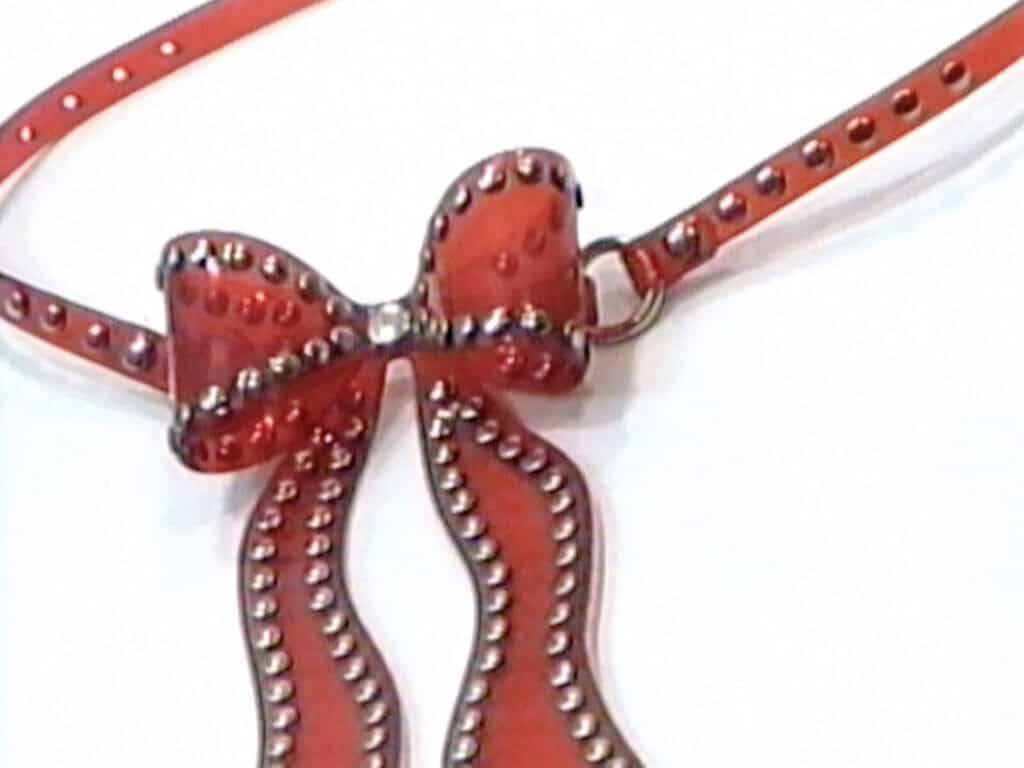
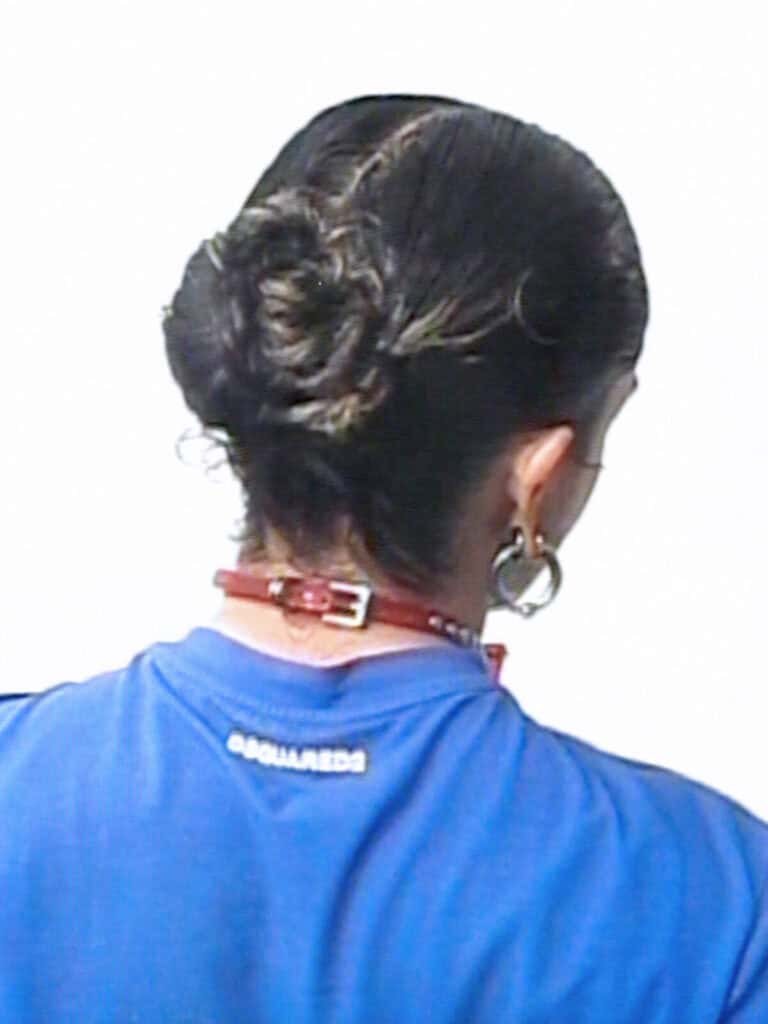


Cum Closer does not recreate this archive; it dissects it. The editorial extracts poses, attitudes, and framing devices from the visual language of the ’80s and subjects them to fashion’s discipline. The camera is static, the compositions controlled, the palette reduced. Where adult cinema once amplified fantasy, fashion here neutralizes it, transforming erotic codes into formal references.
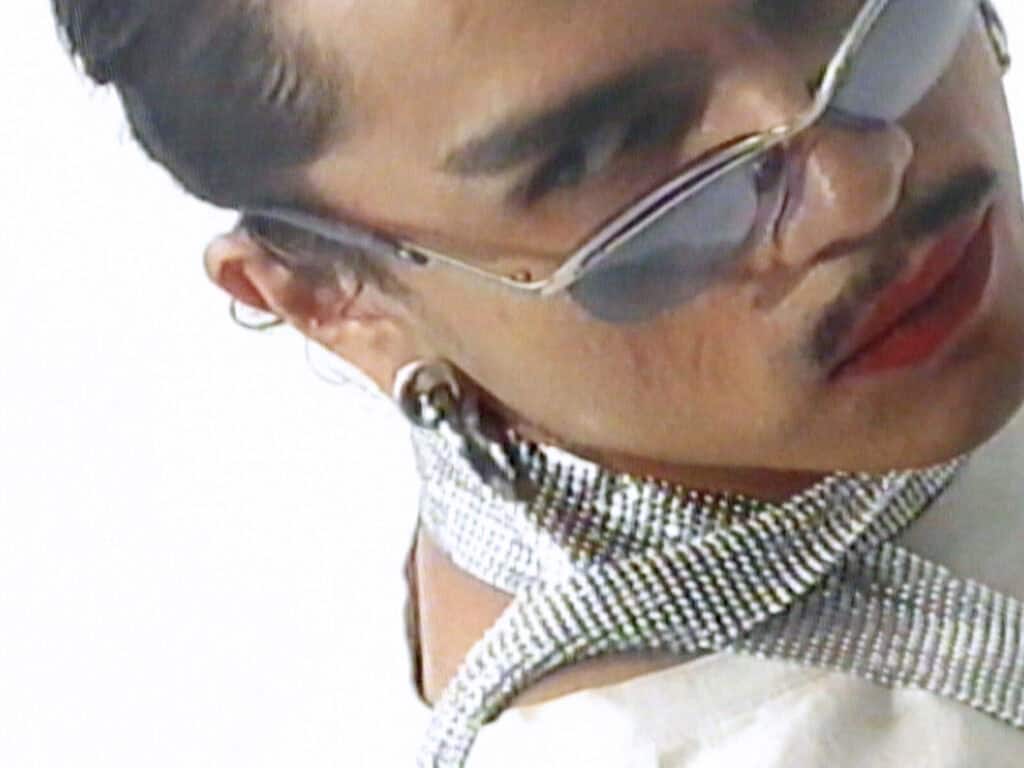
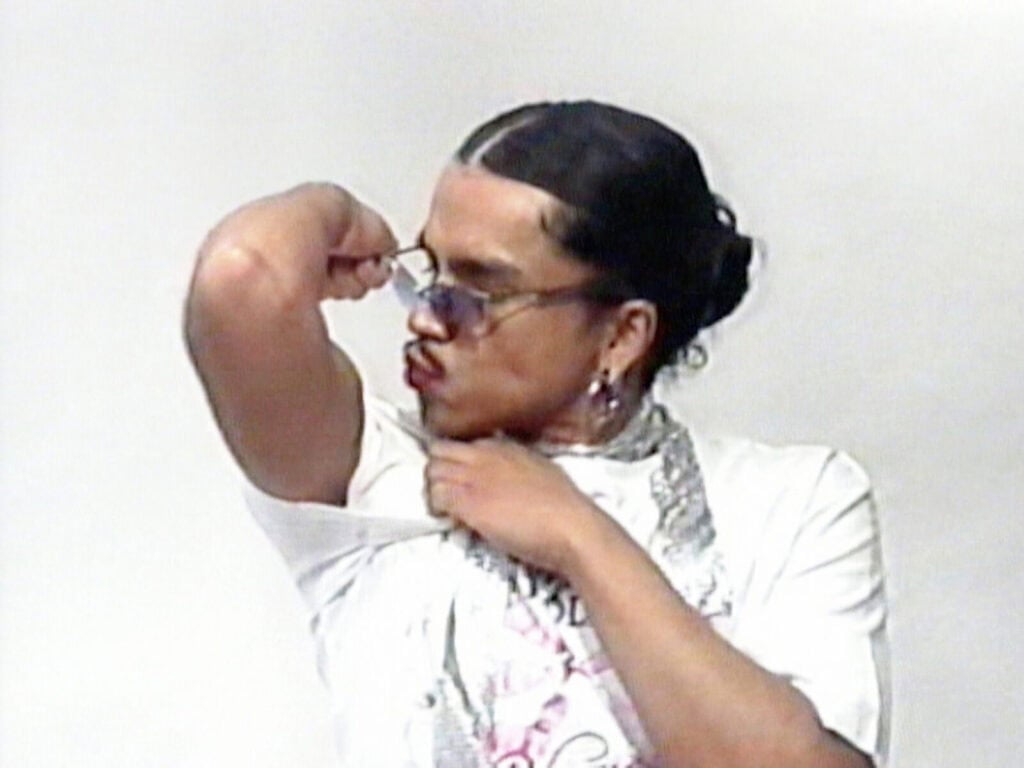
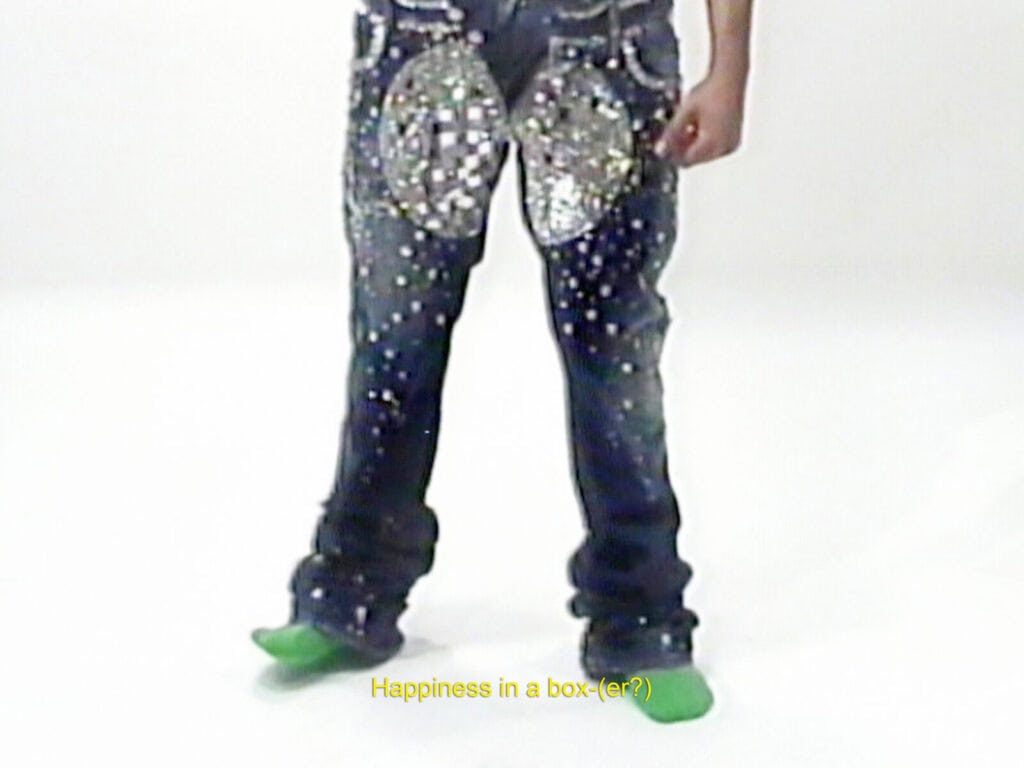
Styling functions as a critical tool. Clothing interrupts the expectation of exposure, replacing immediacy with structure. The body becomes a site of citation rather than consumption—an annotated surface carrying visual memory. Each image operates like a fragment, a still pulled from an imagined archive, detached from narrative and function.
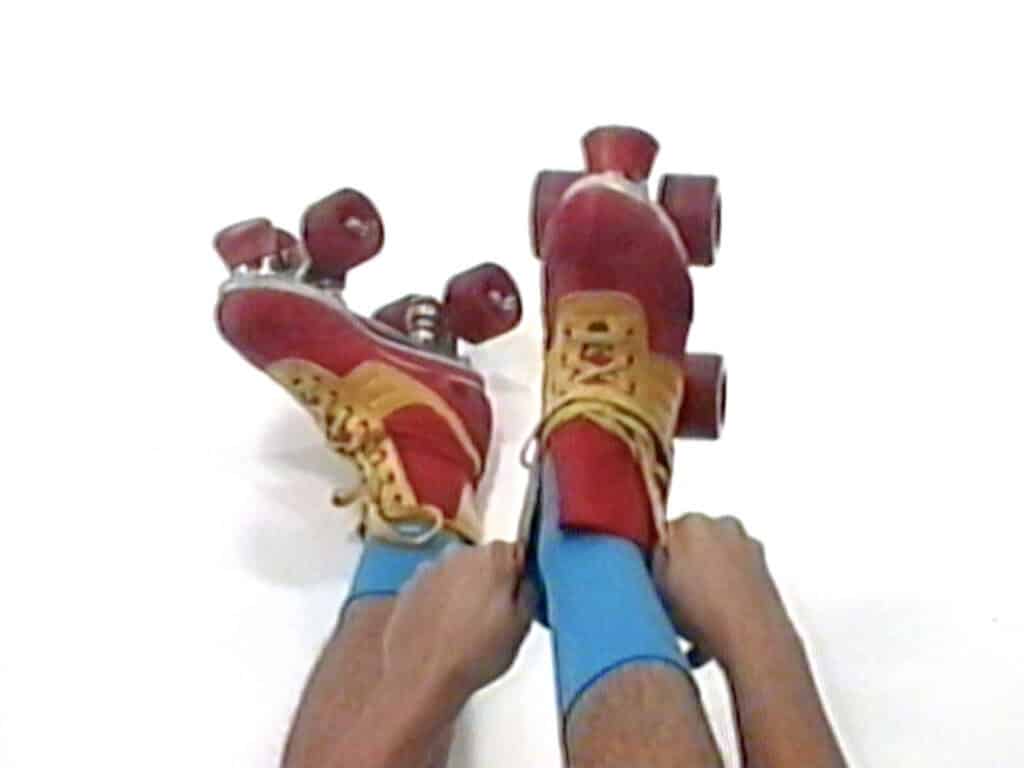

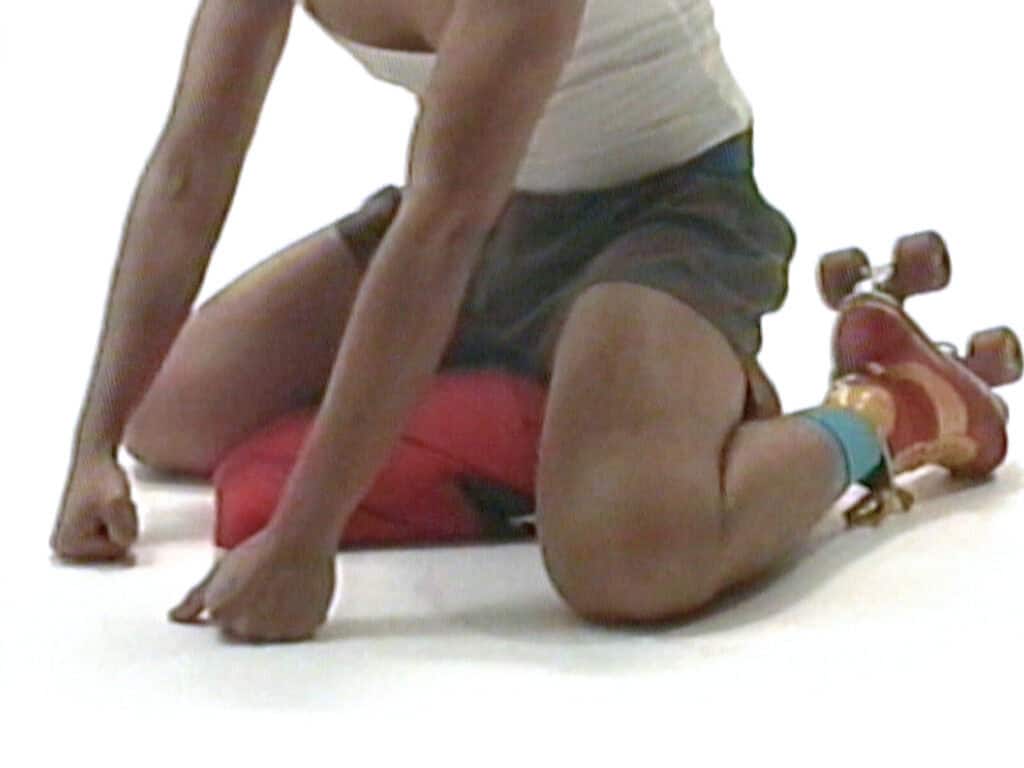



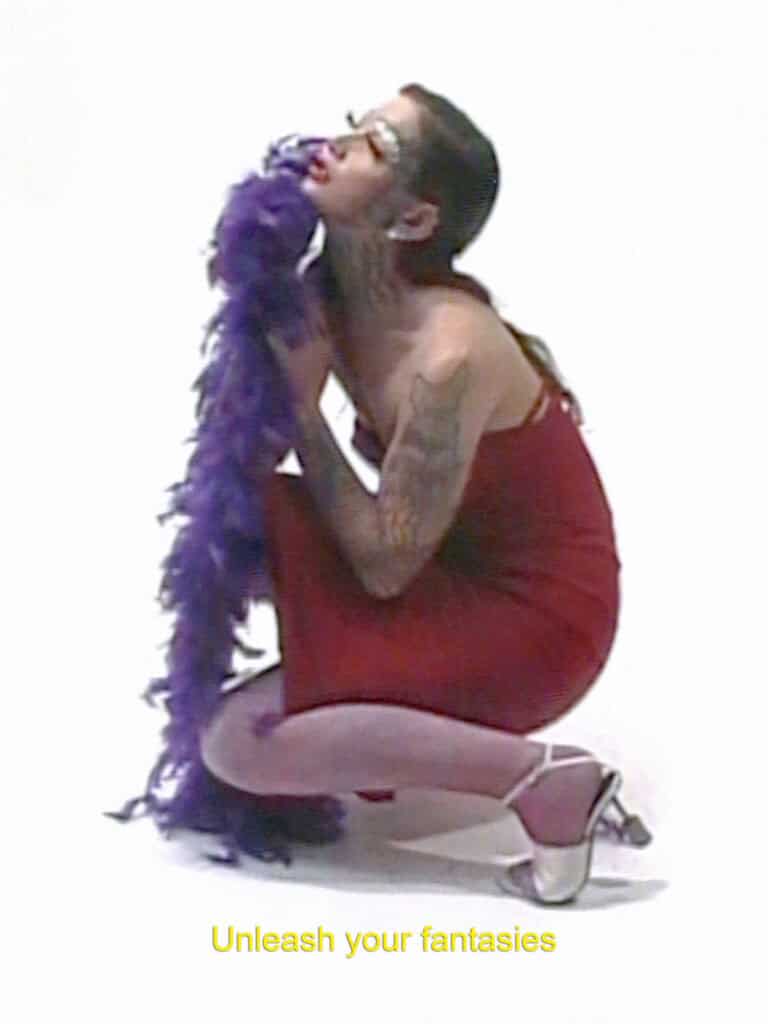
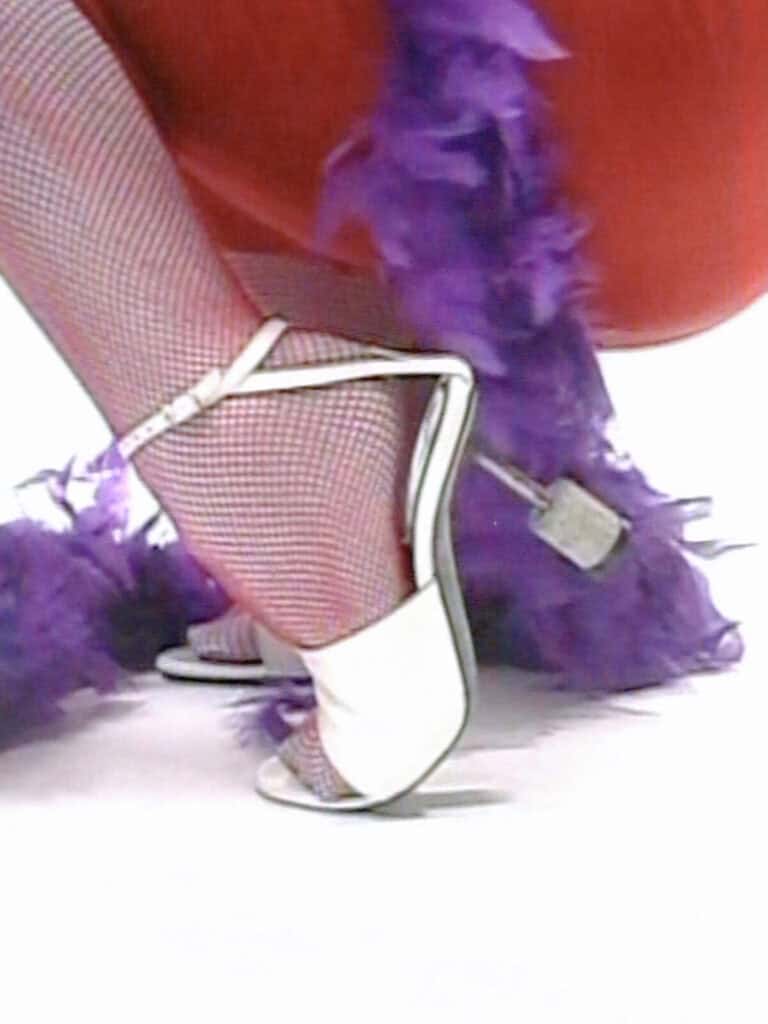
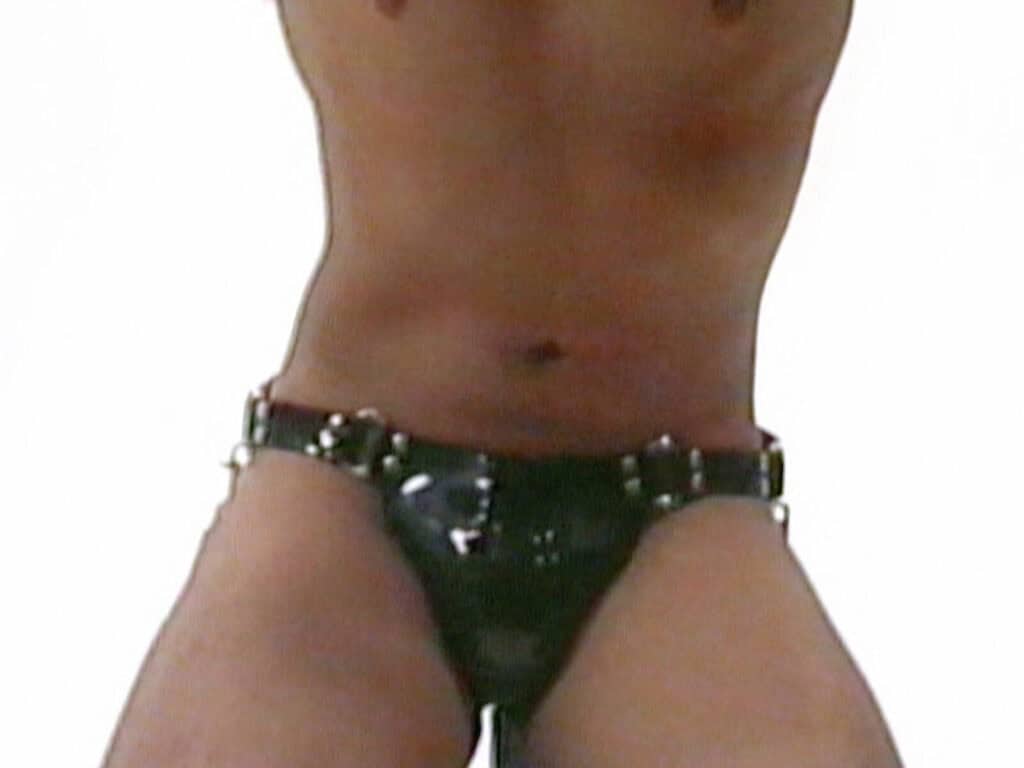
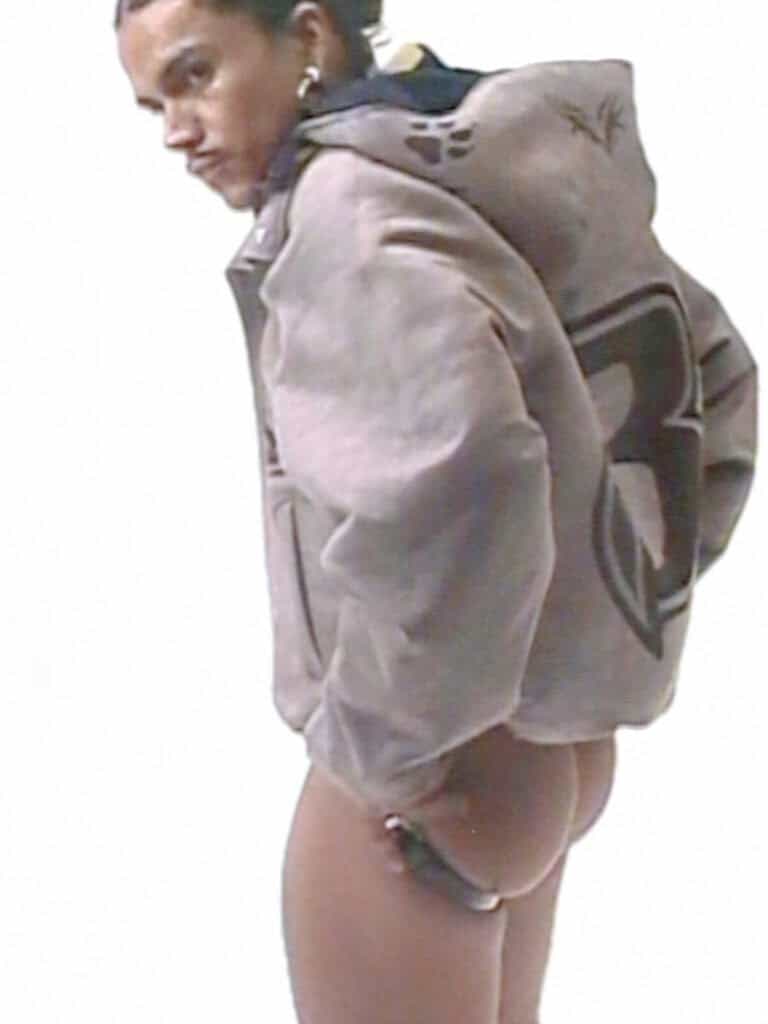


In this context, proximity becomes historical rather than physical. Cum Closer positions desire as a mediated artifact—something remembered, restaged, and stylized. The editorial does not seek intimacy, but distance: a controlled encounter with an inherited imagery where fashion reframes excess into restraint, and the screen becomes an object of study rather than a point of access.