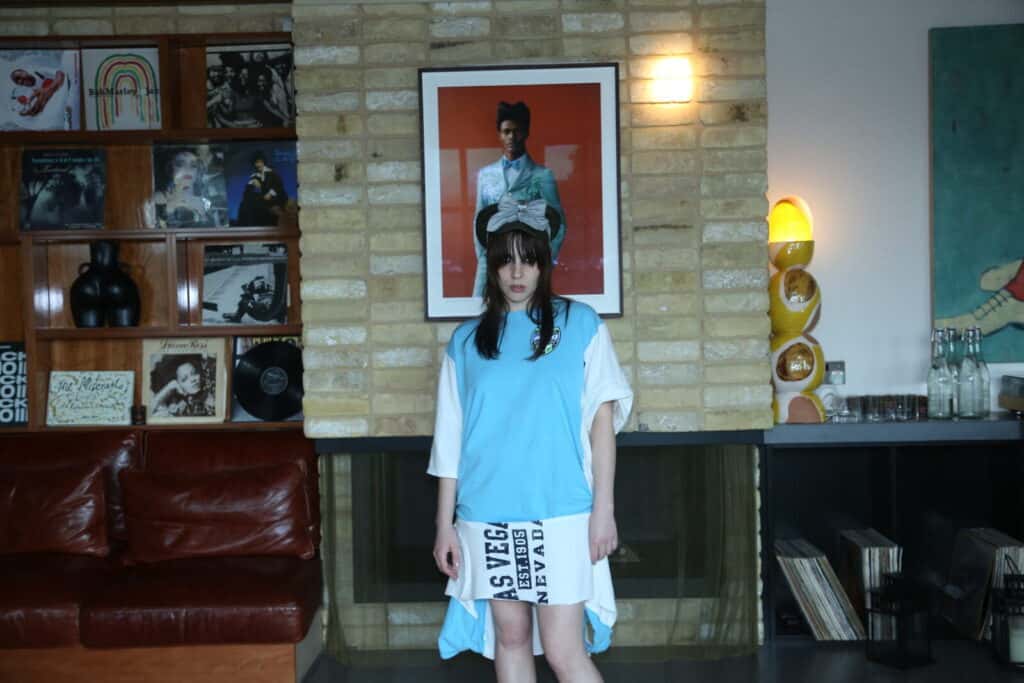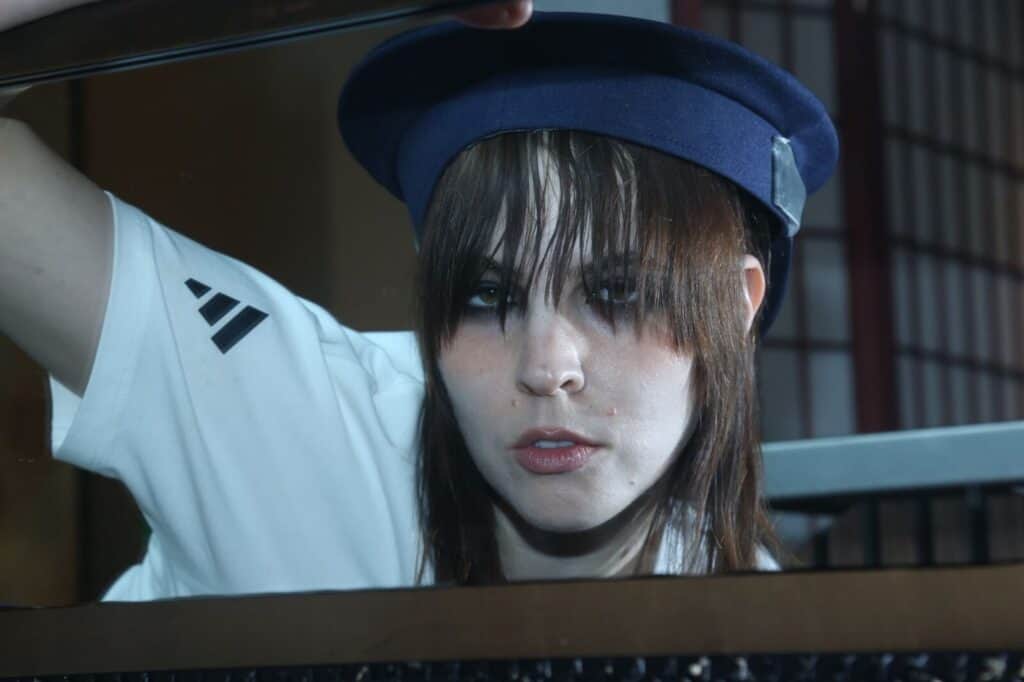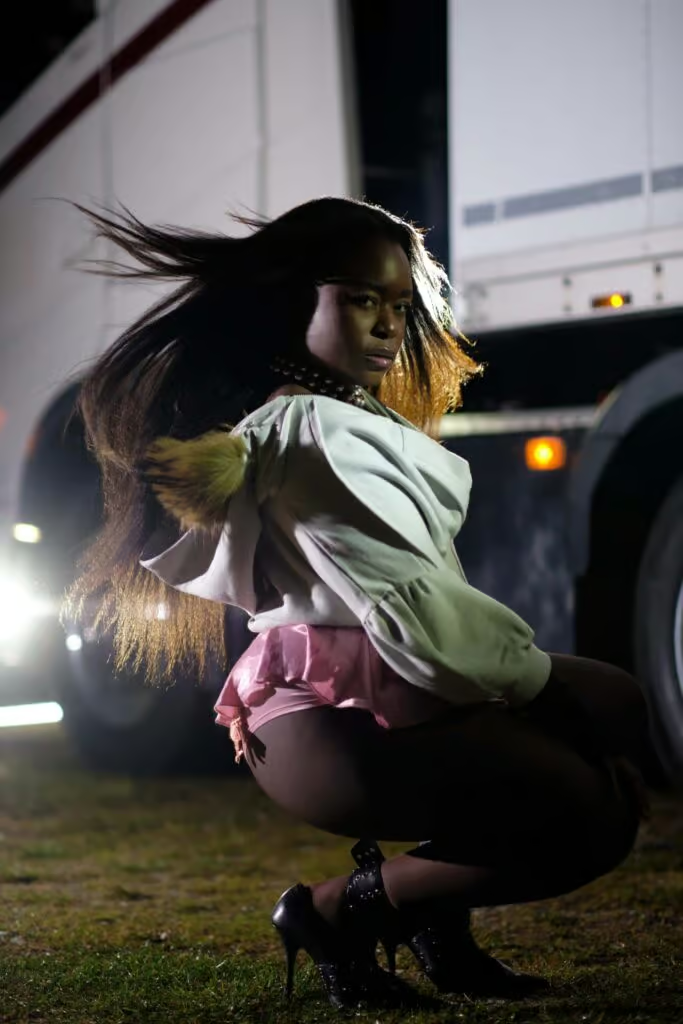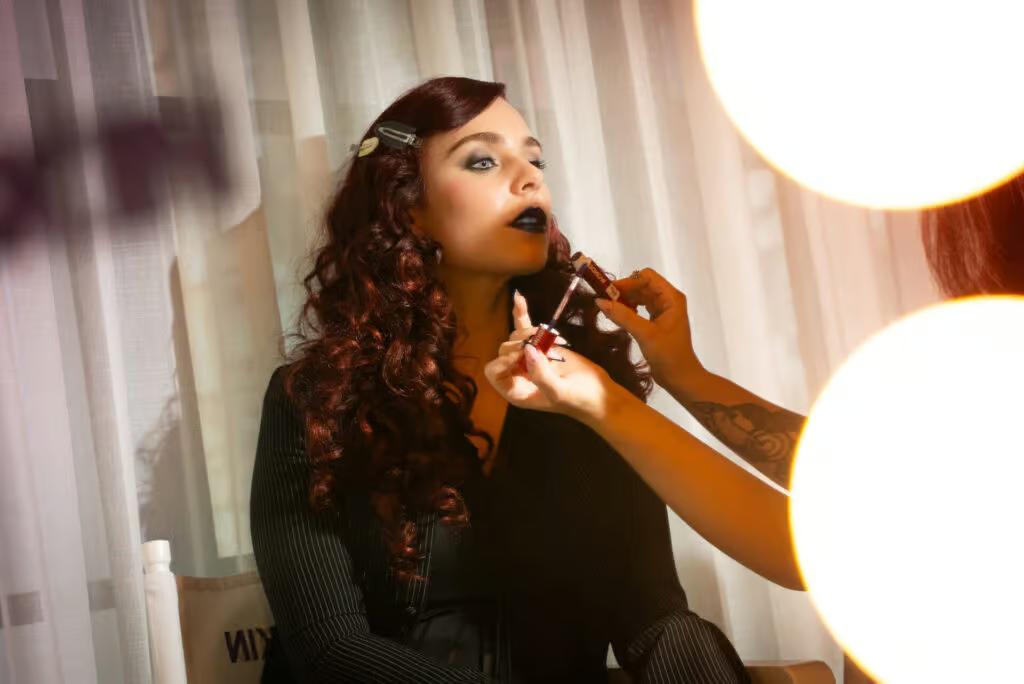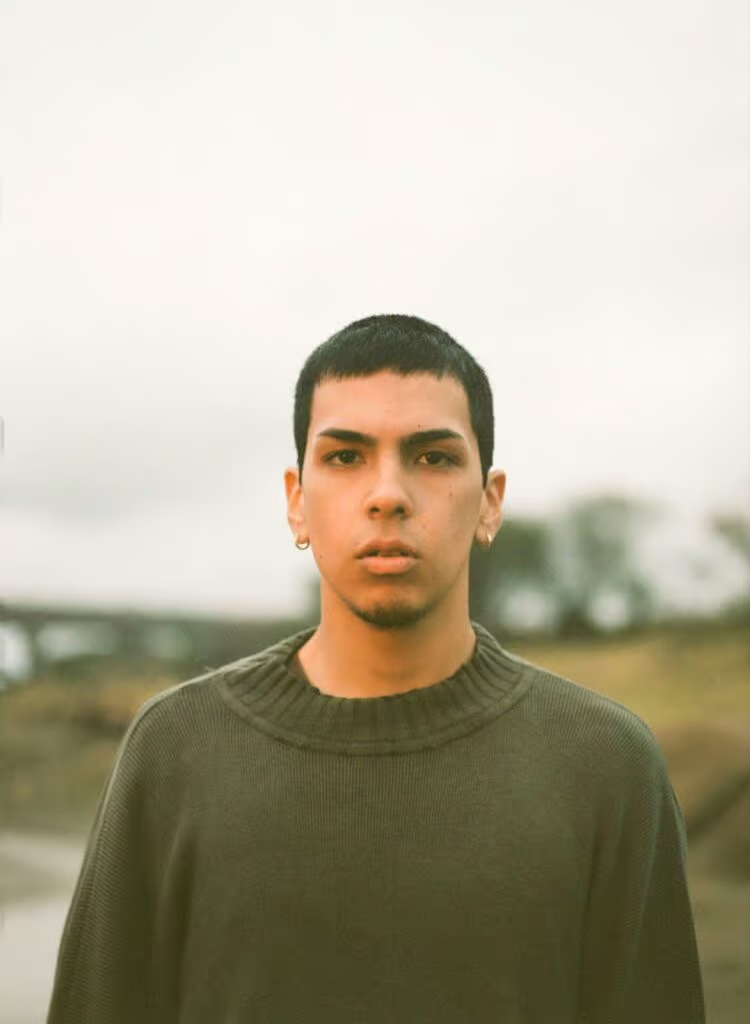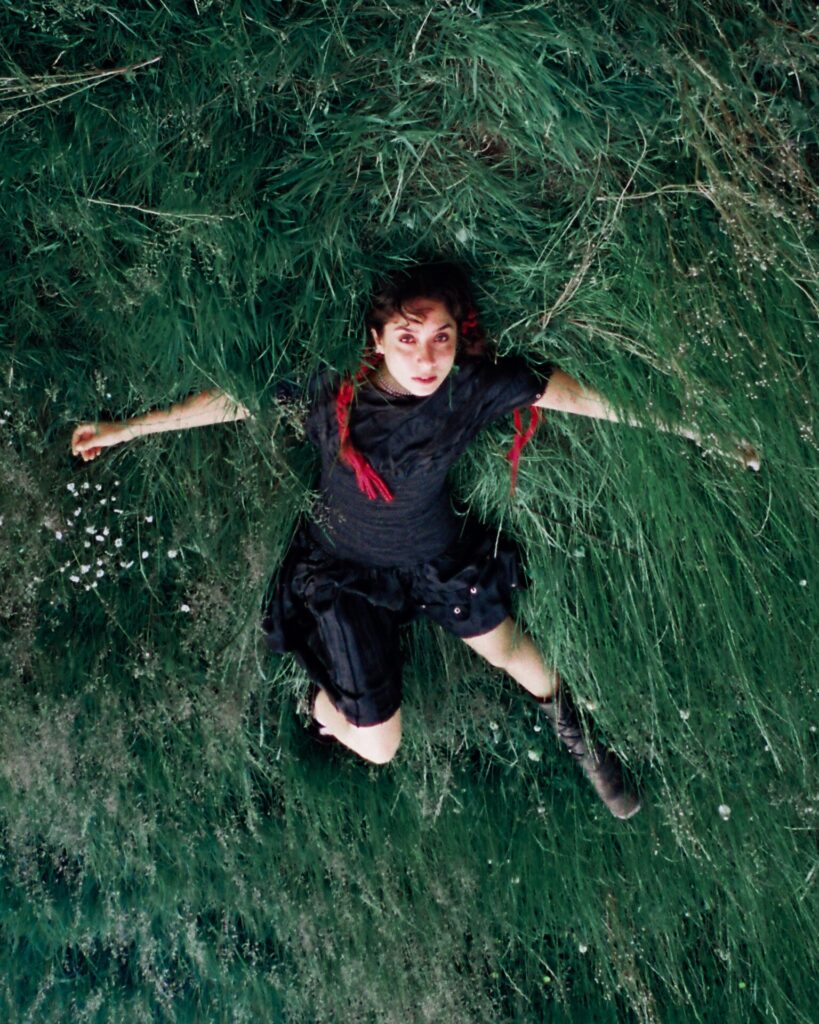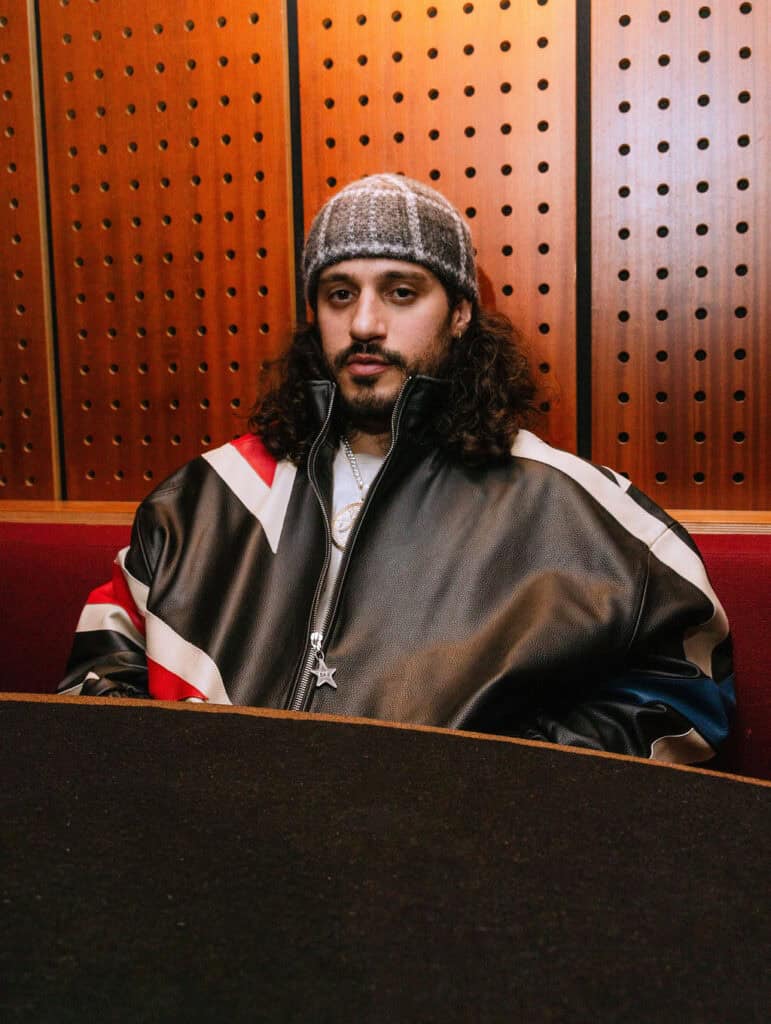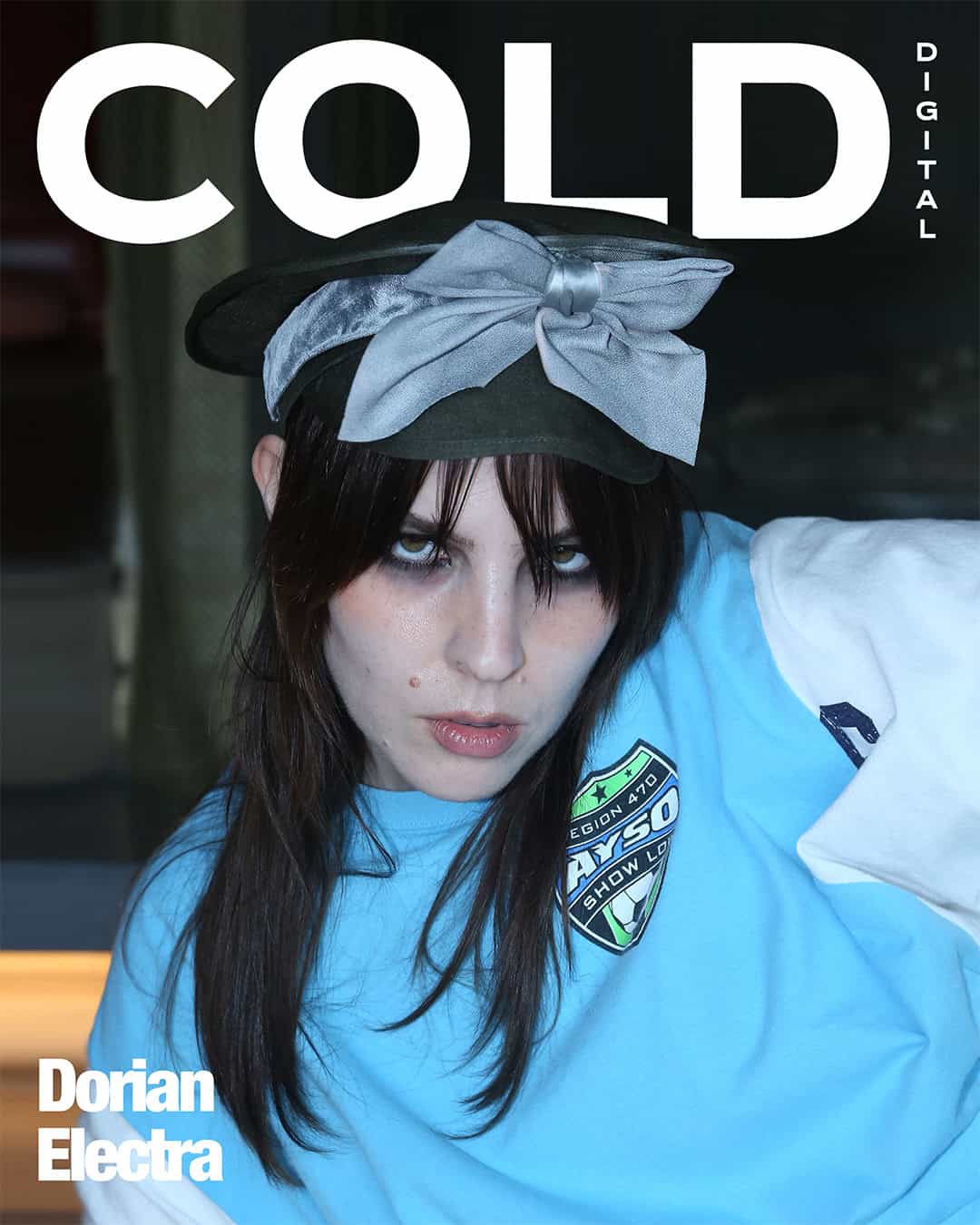
Dorian Electra is midway through a 2026 World Tour, whose fans have been showing up in costume – dressed, at Dorian’s invitation, as musical artists. There have been some strong David Bowie ones, they tell me. Others came with the drawn-on moustache and frilly collar from the Flamboyant era. But their favourite was in Warsaw: someone who arrived as Christian Girl Autumn, a bit Dorian did for their F The World music video in 2020, fully realised down to the fake Starbucks cup. “It’s just fun to see other people’s take on my past eras,” Dorian says. In the past, those eras were total. “When I was touring, I couldn’t be thinking about making the next music or the next fashion or the next video. I was just so in that one vibe.”
Their latest album, the eponymous Dorian Electra, has changed that. “It’s definitely freed me up,” they say. There is something in the cosplay that mirrors the work’s own logic of other people’s renditions of a version filtered through their own affection for it.
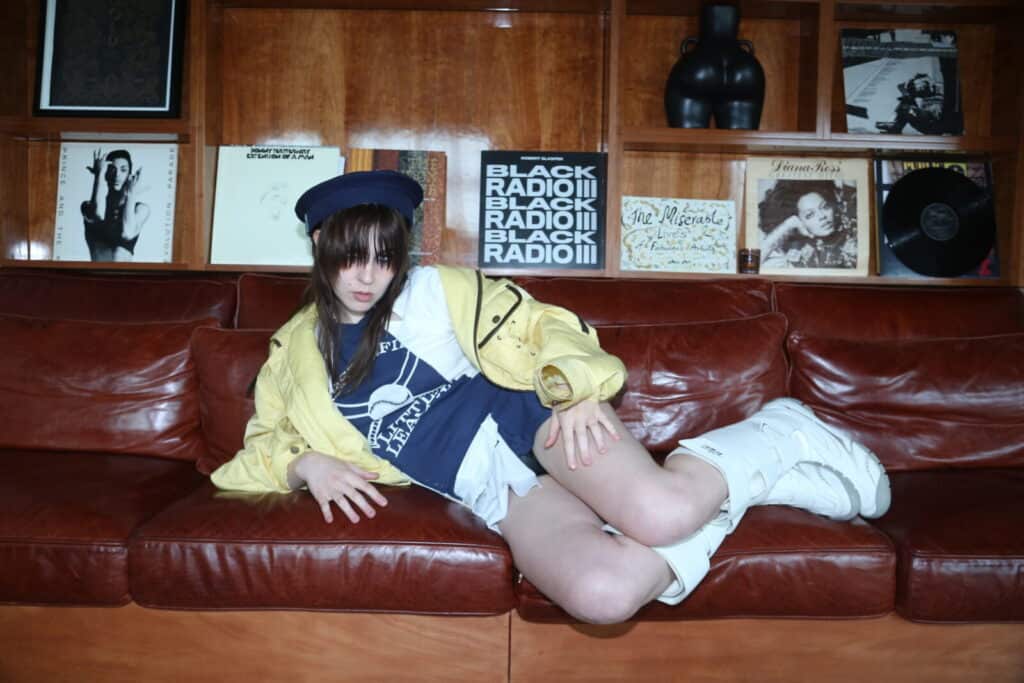
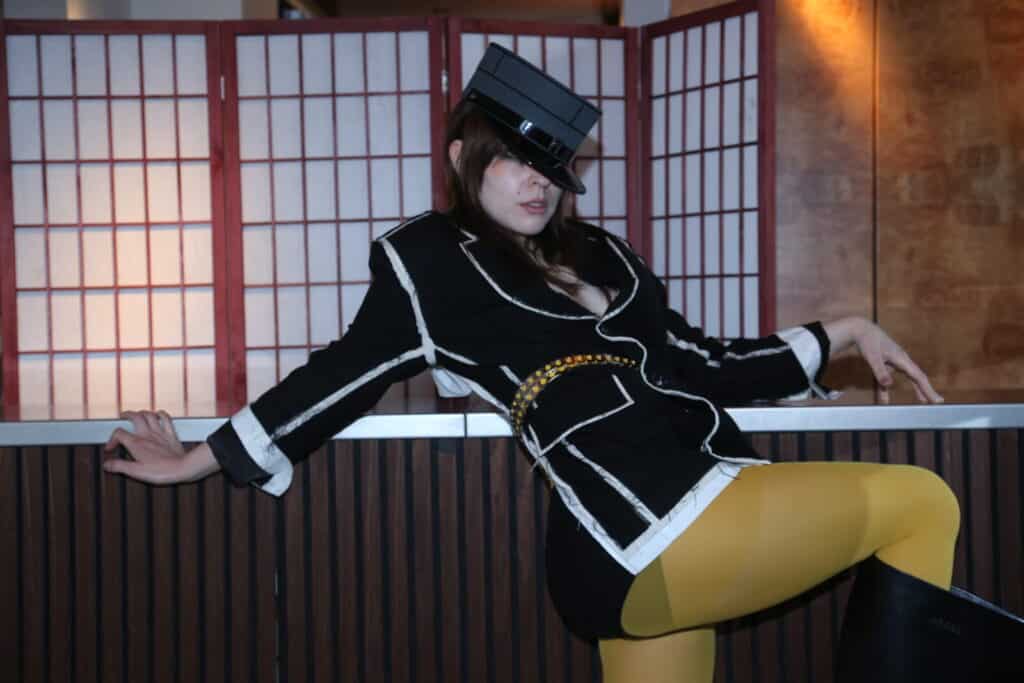
They’ve got a lot on in London. The American electro-pop artist joins Cold at the House of Koko and is due at Electrowerkz later that night for the final UK date of the run. In between, they’ll be dashing off to a recording slot for the third season of Tea Slur, the podcast co-hosted by London icon @czech.hunter.schafer. Dorian moves through it all with remarkable ease: “This one has been really fun,” they say of the tour. “Instead of draining me, even though I’m giving so much during the show, I get it back from the audience.”
That reciprocity has been refreshing. Dorian’s last tour was, by their own account, spectacular in the theatrical sense, involving multiple costume changes, choreography, backup dancers, and full set changes. This time around, they deliberately went smaller, performing in intimate venues with stripped production and no barricade between artist and crowd. “When shows are big enough, you stop seeing people as individuals.” The smaller rooms have dissolved this particular anxiety. “I have a lot of backlighting, so I’m seeing everybody’s faces, watching them watch me.”
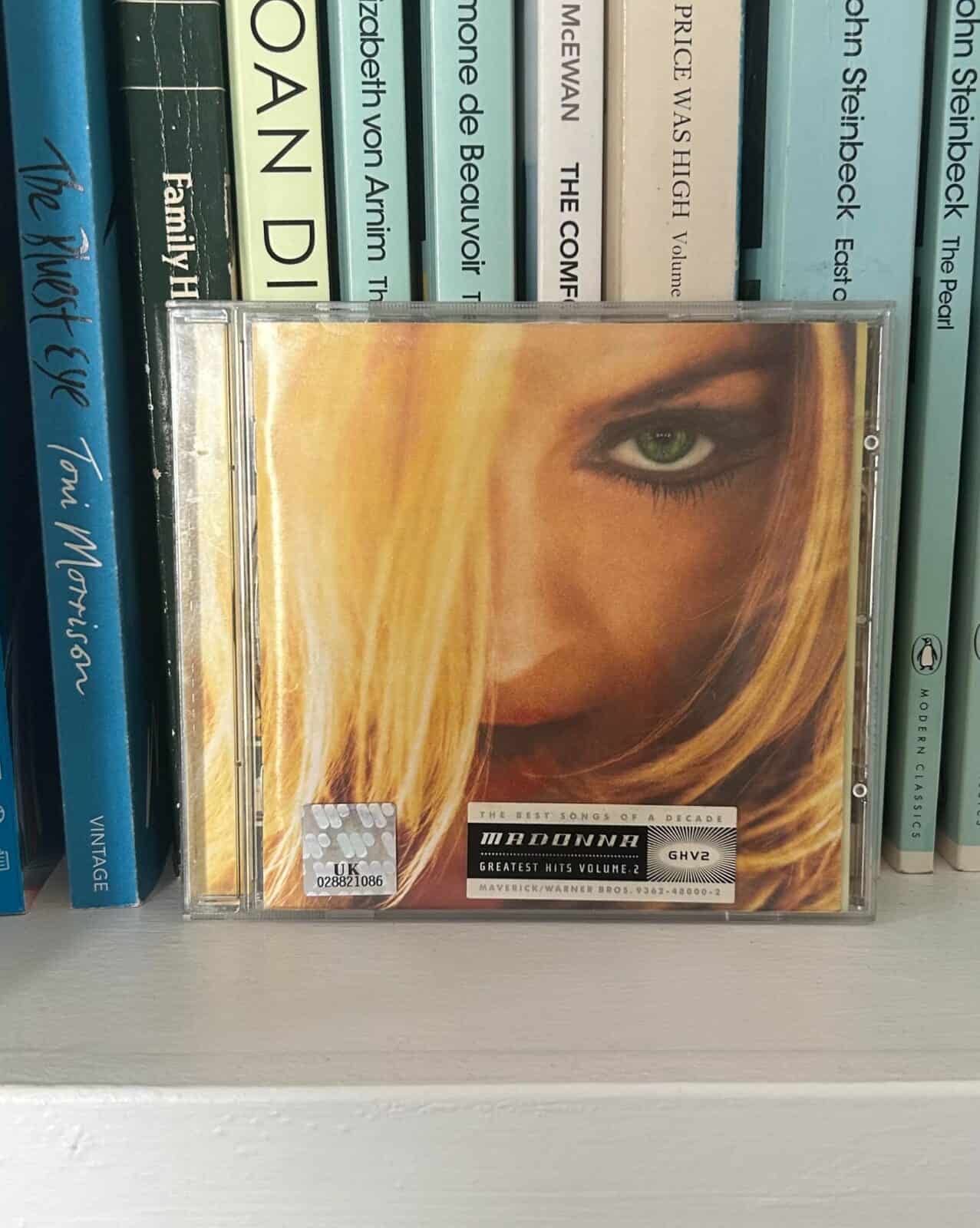
Dorian Electra is itself an exercise in intimacy, or at least in getting back to something essential. Released in April, the covers record contains a tracklist running from Bob Dylan’s Mr. Tambourine Man to Gorillaz’s Feel Good Inc. to Enya’s Caribbean Blue, with the decade-spanning eclecticism held together by Dorian’s instinct for off-kilter electropop. “It’s not just a song I’m obsessed with and want to do the same way,” Dorian says. “That doesn’t interest me at all. It had to be something I could do an interesting enough flip on.” A litmus test involved playing prospective tracks to their parents and their younger brother simultaneously: two very different demographics, and a useful check on whether something was genuinely widely known or just within their own cultural radius.
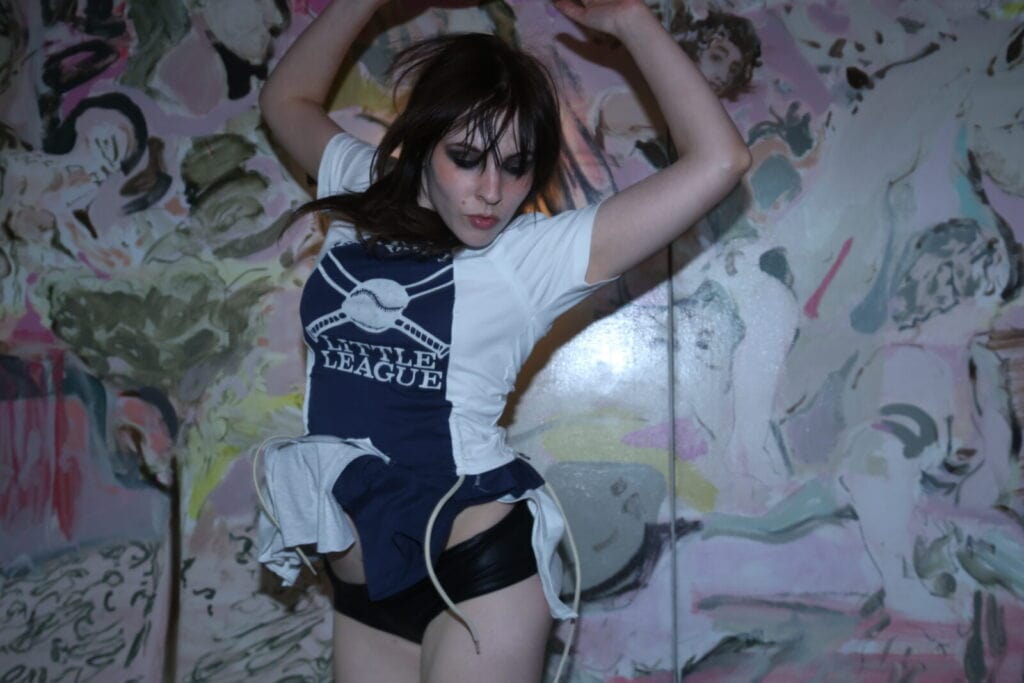
The philosophy behind the selection process is, characteristically, deeply considered. Dorian was philosophy club president in high school, went on to study economics, history of science, and philosophy at university, and brings an analytical rigour to their creative decisions that they are, somewhat wryly, actively trying to unlearn. “I used to write songs like an essay,” they say. “The chorus is the thesis, the intro is the opening paragraph, the verses are the body.” The covers album was partly a way of working from the outside in, subordinating the analytical impulse to something more instinctive.
It was also a response to a broader cultural moment. “Right now, there’s a bleakness in our culture where we don’t really see much of a hopeful future, politically, environmentally,” Dorian notes. “So people turn more towards the past; they want to take things that felt comfortable and romanticise them.” They reach, with astoundingly little effort, for the historical parallel: Romanticism emerging from the Industrial Revolution as a turn away from the mechanical towards the emotional and spiritual; the Enlightenment doing the opposite. “Studying history makes me feel more comfortable with the uncertainties of the present.” The covers album, then, was a decision to lean into nostalgia rather than resist it. “I feel like I carved out what I feel like is my sound again,” Dorian says. “And got to experiment with so many different sounds, and ways of using my voice.”
Some of those experiments have a very specific geography. The Feel Good Inc. video was filmed in Paignton, Devon, and features Dorian dancing the tecktonik, a French street dance that had a very particular grip on a certain generation of kids circa 2008. When I mention that I grew up in France and recognised it immediately from my own childhood, they laugh. They had been up the night before the shoot watching the infamous, 17-year-old tutorial by the two teenaged brothers that started the movement, deeply stressed about replicating it. “I’m not very good at it,” they grin. “But I tried.” The UK connection runs deeper than a Devon film shoot. A significant portion of the album’s visual material was shot here, and Dorian’s partner is English, which means a fair amount of their time in this country involves the two of them doing accents at each other.
The new album is already underway (started in January, to be finished this year). In July, they head to Oxford for three weeks on a continuing education programme in history. Dorian frames all of it as preparation rather than interruption. “I had so many ideas for music coming out of college,” they say. “I feel like I need to feed that part of myself again.” The next single is being built track by track as the tour moves through cities, recording crowds singing at each show something close to a football chant, which will be layered into an epic stack of crowd vocals. Tonight, London gets to contribute.