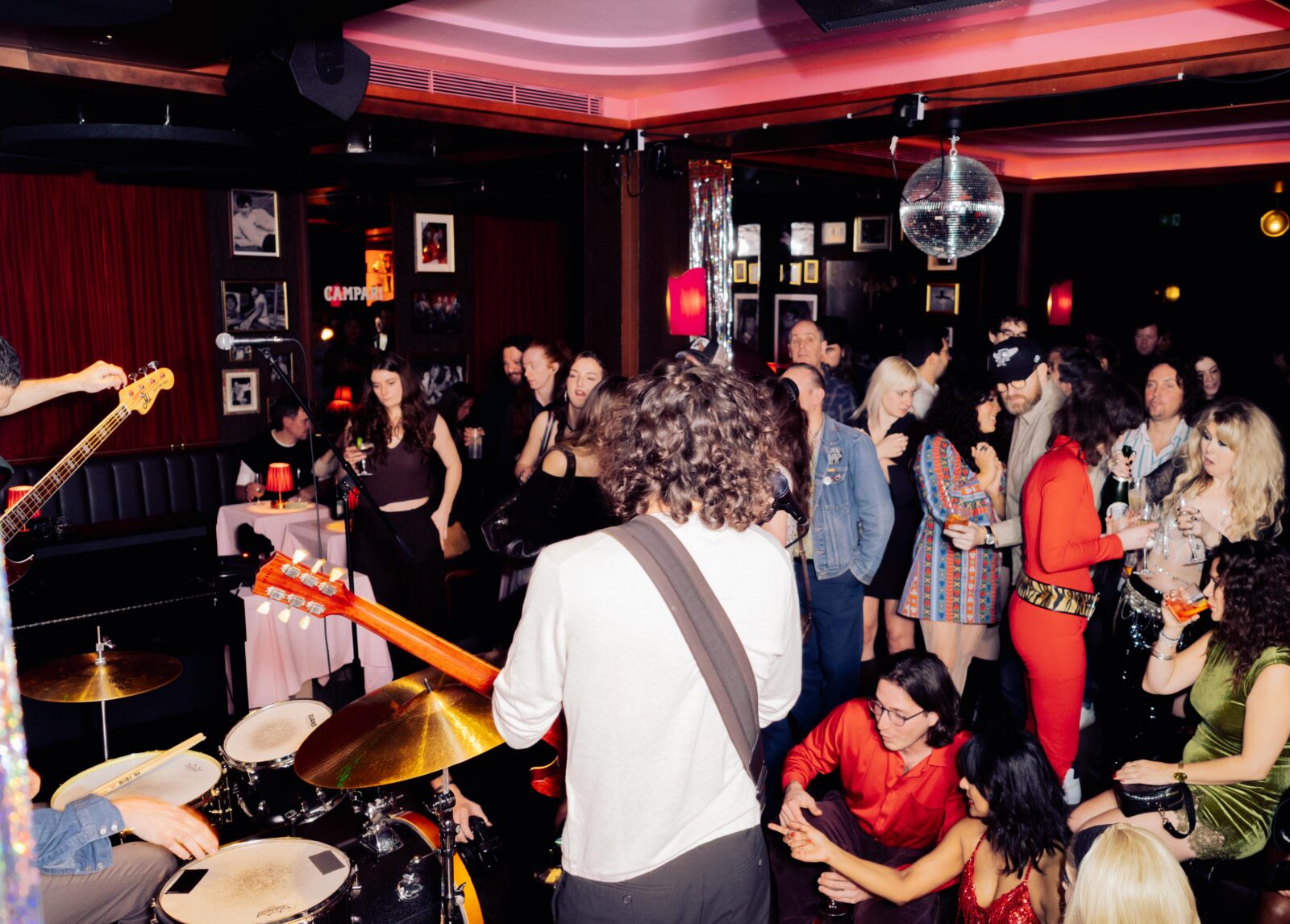
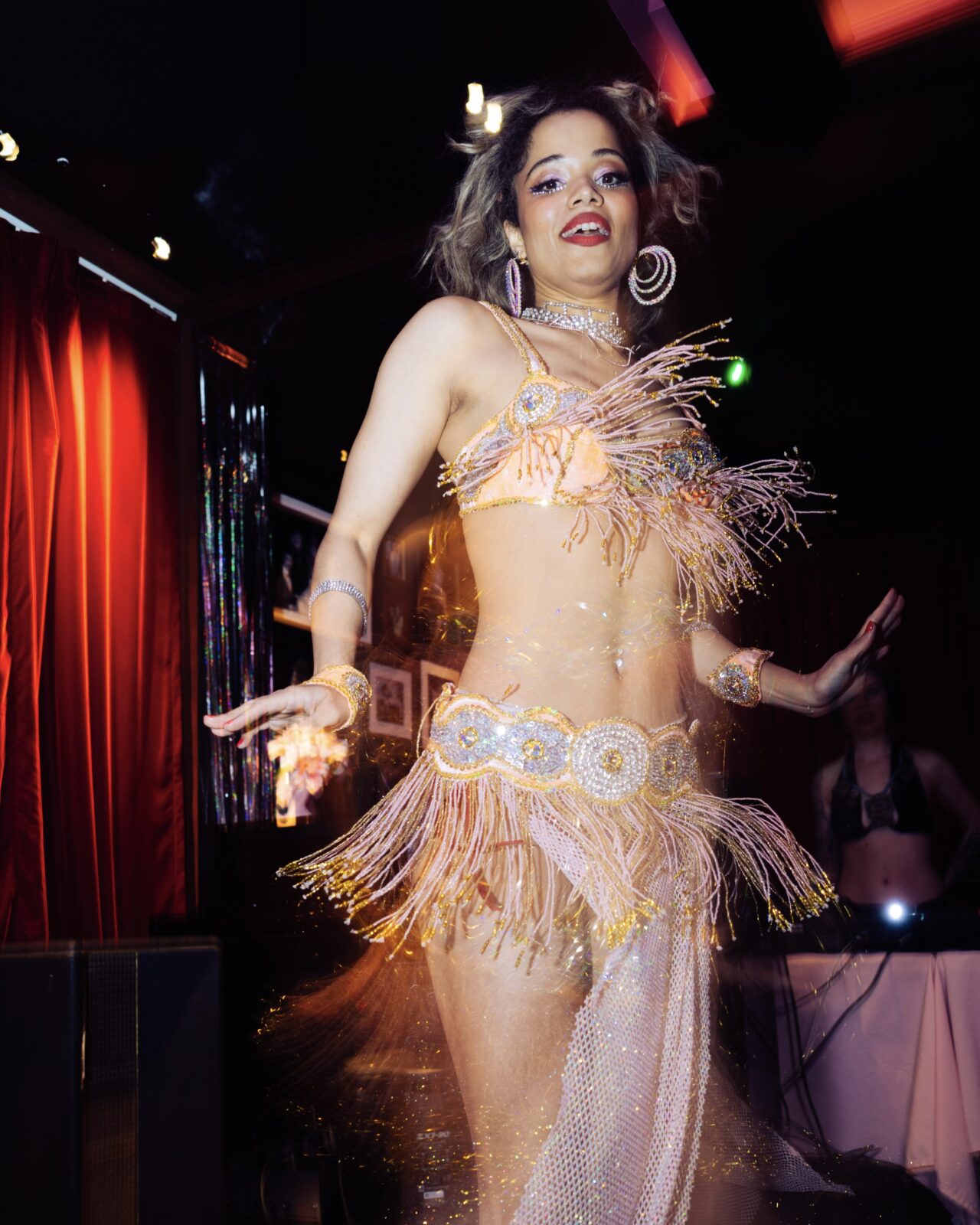
A burlesque dancer in a green feather boa vigorously shakes a bottle of champagne and pours it all over herself. I precariously stand on the seats to catch a glimpse as she smacks her gold-clad buttocks. The crowd goes wild. I’m at the Flamingo Club, a petite new jazz basement in Soho, and this lady is throwing a birthday party.
In pursuit of good jazz in London, where does one go? Live music basements once lined the streets, but gentrification washed most of them away. Ronnie Scott’s, if you have the cash and the patience to queue, is still a classic. Trisha’s is a cherished little den to mingle. Gerry’s reliably has shows on after midnight (if you know how to get in). Jazz After Dark, a devout Amy Winehouse shrine, is raging on.
Flamingo Club might well be a godsend for those thirsty for more “old skool” variety. Named after the historic nightclub which ran throughout the 1950s and 1960s, the owners call it a “love letter to Soho”. The original venue was a cradle of jazz and R&B. John Mayall, the “godfather of the British blues”, remembered the club as a “very dark and evil-smelling basement,” where pill-popping was part of the scene. He said you often had to scrape a couple of people off the floor before emerging onto the street at dawn.
Tonight I am on my way to Factory de Joie: a playground of hedonism and rock ‘n’ roll in collaboration with Hot Pants. It’s one of the first events since Flamingo opened its doors. The hostess is Hélène de Joie. Clearly beloved in the scene, this wild child of burlesque commands the room the way only someone in their second home can.
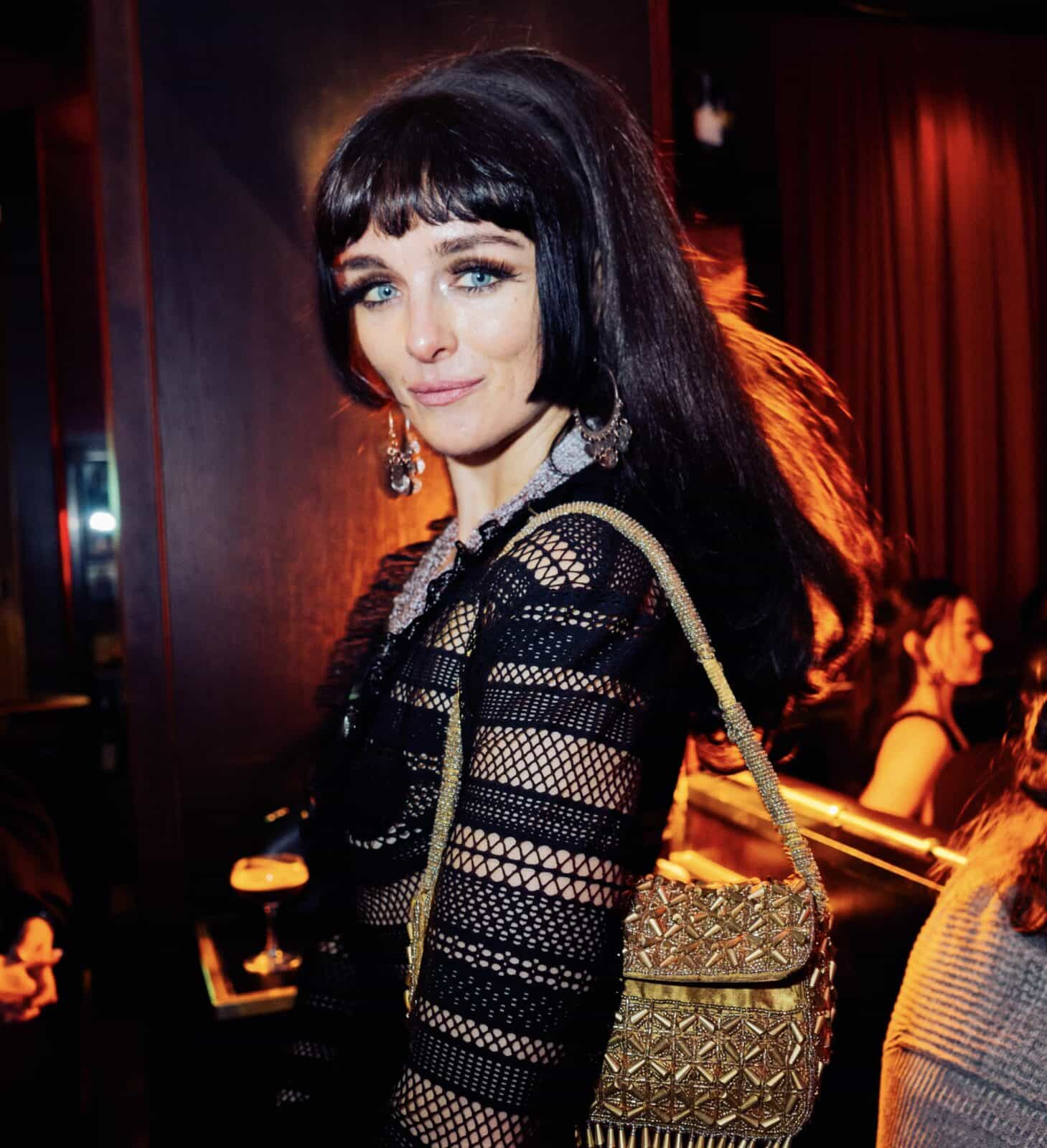
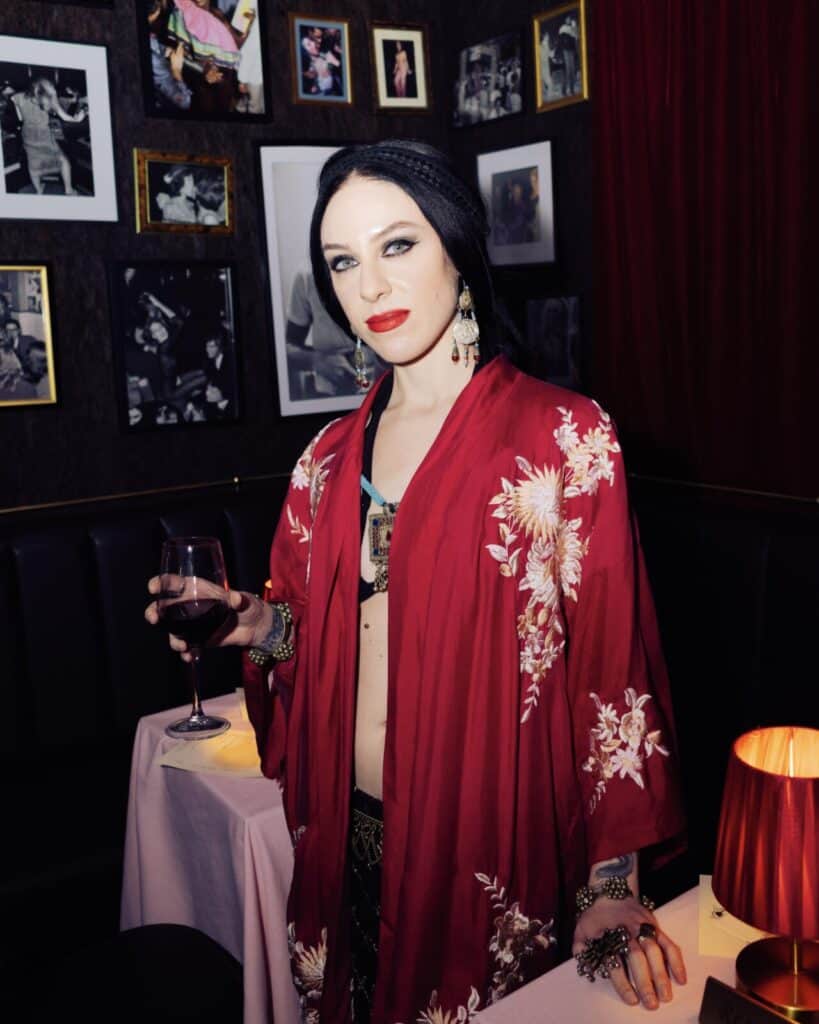
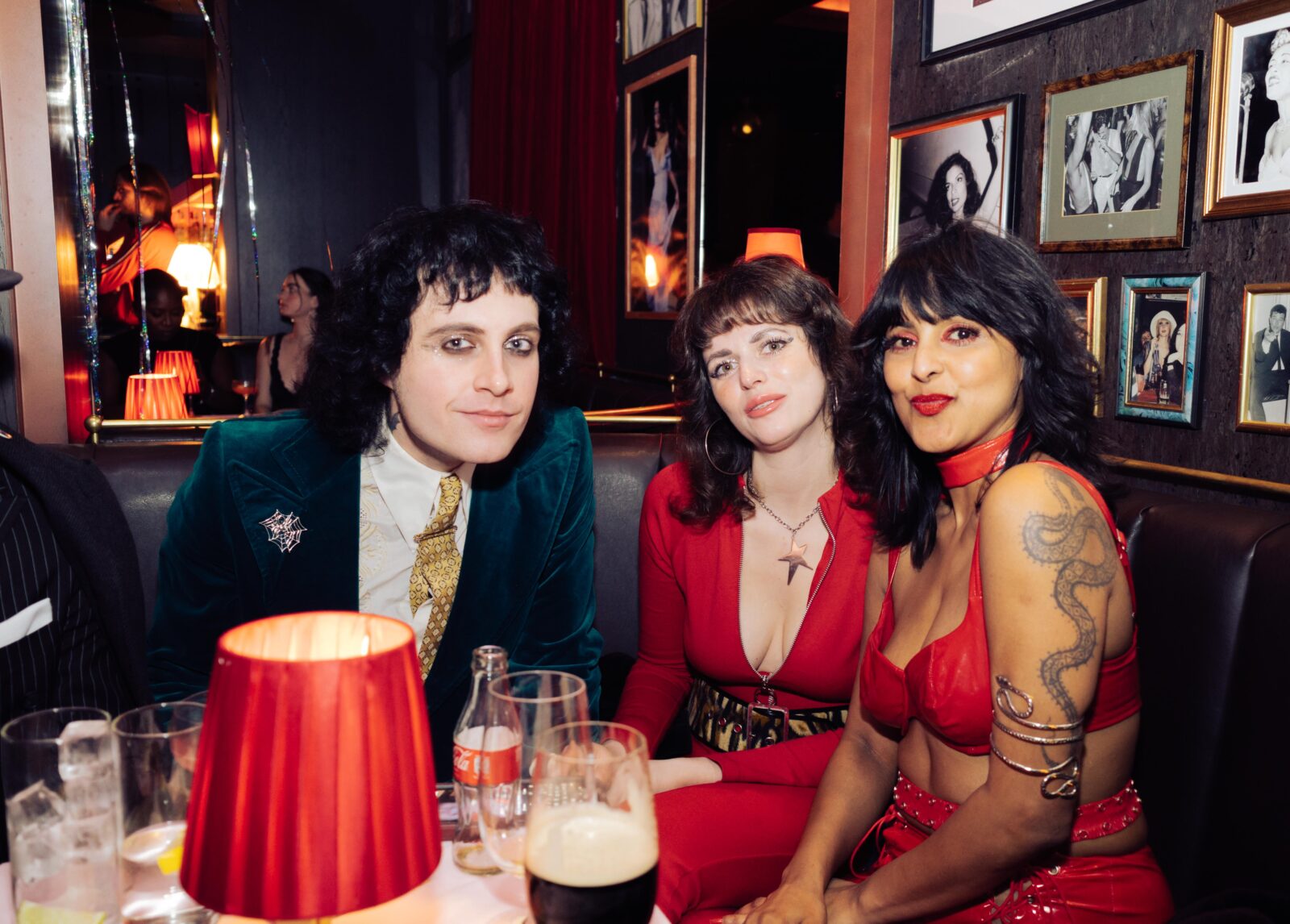
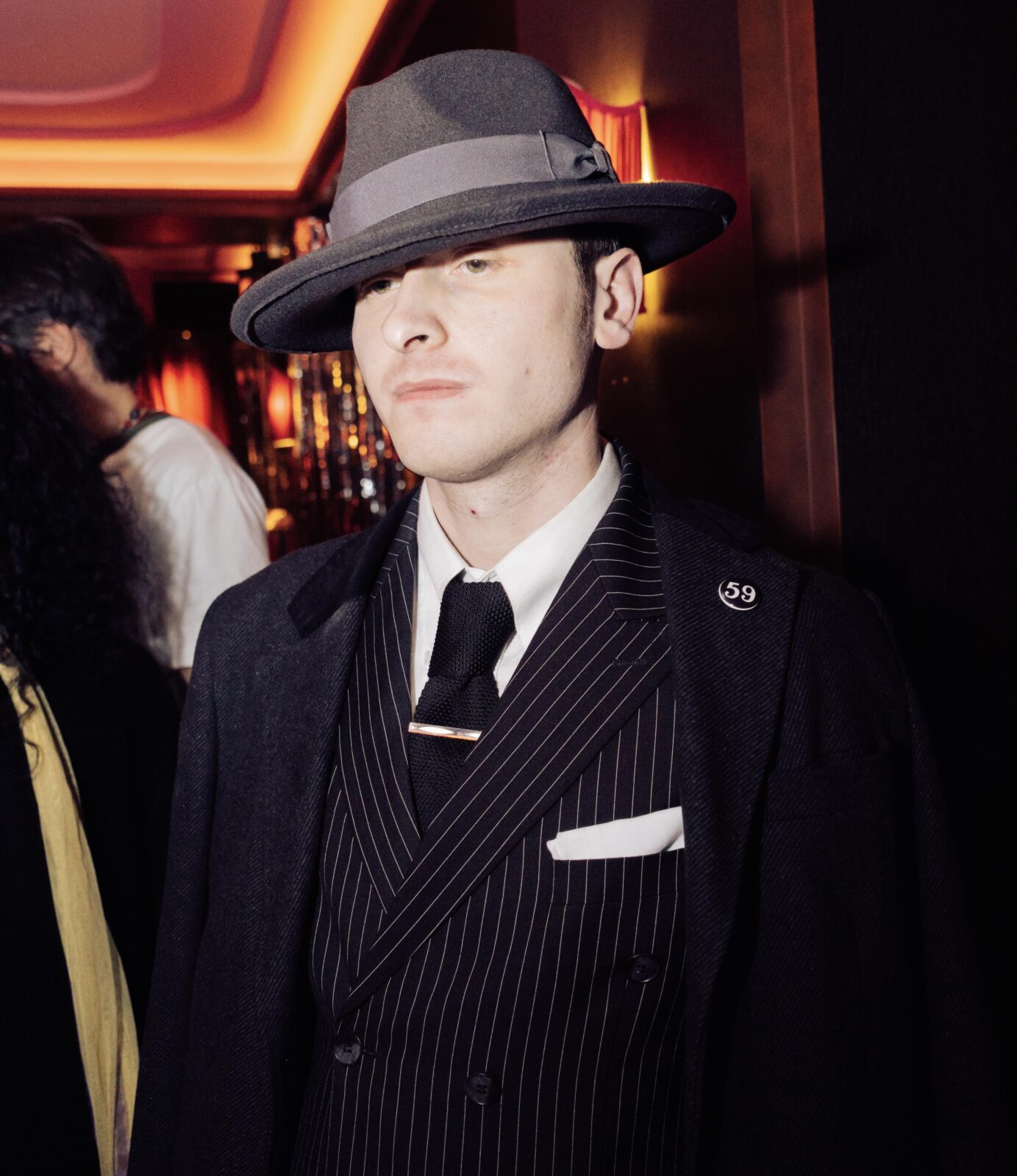
The room is buzzing with elegantly dressed Londoners right out of a classic noir thriller, tilted fedora and all. A sharply dressed Italian man who frequented the club in the 1960s has returned for the reopening. From the walls, framed black and white legends are smiling down at us. Women in vinyl red and faux fur reach across the bar to hug beneath red velour. Mod culture is alive and breathing. I am surrounded by golden tinsel and plush leather booth seating.
The original club wasn’t always on the fabulous Carnaby Street. From 1957, it was 33-37 Wardour Street that became the hub of British rhythm and blues and modern jazz. It was one of the first clubs to use fully amplified stage sound, with systems provided by Caribbean ska musicians, becoming a favourite haunt for musicians like the Who. In October 1962, it became the unlikely stage for a fight between jazz fans Aloysius Gordon and Johnny Edgecombe, both linked to Christine Keeler, a confrontation that would help expose the Profumo affair (the plot of the 1989 film Scandal starring John Hurt).
The Flamingo Club seems like a perfect Saturday-night choice for a man about the town like me. I’ve spent the last few years trying to find solace in partying and – while I’m not sure I found peace – I sure as hell found the best stories. Old school Soho has been generous to me in that way. It has offered some of my best unplanned nights out in years. I’ve shared cigs with up-and-coming singers in smoking areas, and had Lords buy me martinis before making me promise, after a third one, to name my first child after them.
Back inside, the MC says this is a night for the young and the beautiful. The interior certainly fits the brief as I clock the well stocked bar. I appreciate a well-thought-out cocktail list and I wasn’t disappointed by the fun choices (though I ordered a cheap beer because I am deep in my overdraft). The vibe of the club tells me it is not quite a party and not quite a gig, and I find myself wondering how the organisers imagined the ecosystem of the space unfolding.
“Are you ready for music that is gonna make you wet in the hole!” the MC announces, just as fusion belly dancers appear at the front of the room, though the view is mostly blocked by people standing. We are treated to a sensational rock and roll drum solo that shakes the room awake. The band, EYS, is a psychedelic rock power trio heavily reminiscent of AC/DC, Led Zeppelin and Heart’s 1977 ‘Barracuda’, but with a modern twist.
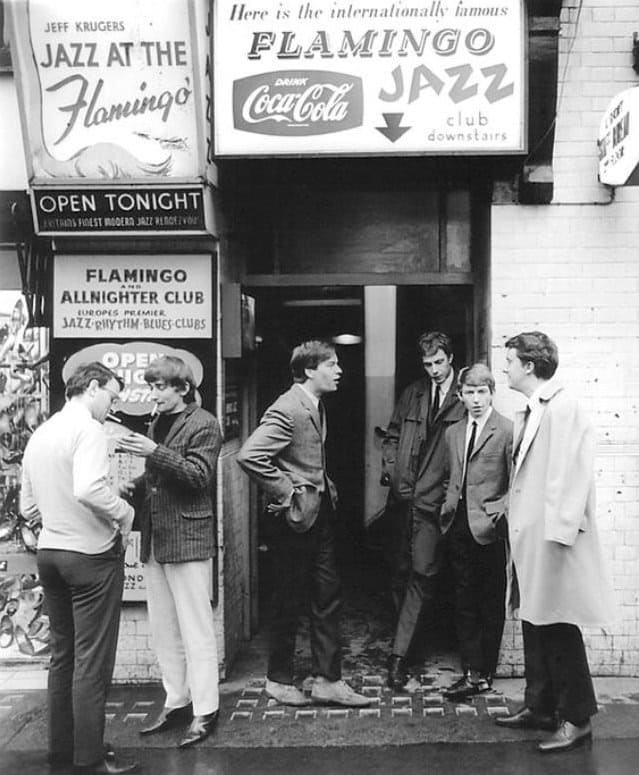
The original Flamingo Club from the 1950s and 1960s
A blonde rockstar in a beaded silver bra with smoky eyes and a husky voice takes the mic. I instantly want to follow her to war. She holds the room in the palm of her hand, wiggling and twirling to an addictive backbeat before disappearing after one song with: “That’s all you’re going to get out of me!”
When I first find out this mistress of the night is Hélène de Joi, I first hear it as Helen of Troy, which still feels accurate. After meeting her dancers, I understand why she is called the queen of the garage go-go girls. One of the go-go girls (Bunny, “like the animal,” she explains, while doing the most adorable hop) tells me she loves Hot Pants because it’s always a sexiest mix of hedonistic dancing. “We definitely wouldn’t be able to get away with some of what we do at other venues,” she laughs.
By 10pm, I’m tired and hungry so I depart back onto Carnaby Street. I am not sure if Factory de Joie and Hot Pants was the wildest party of 2026, or if I found the den of dirty hedonism I half expected. But in a Soho that feels increasingly fragile, if you are looking for good live music and a decent boogie, Flamingo Club might just be for you.