CLUB KID
Dir. Jordan Firstman
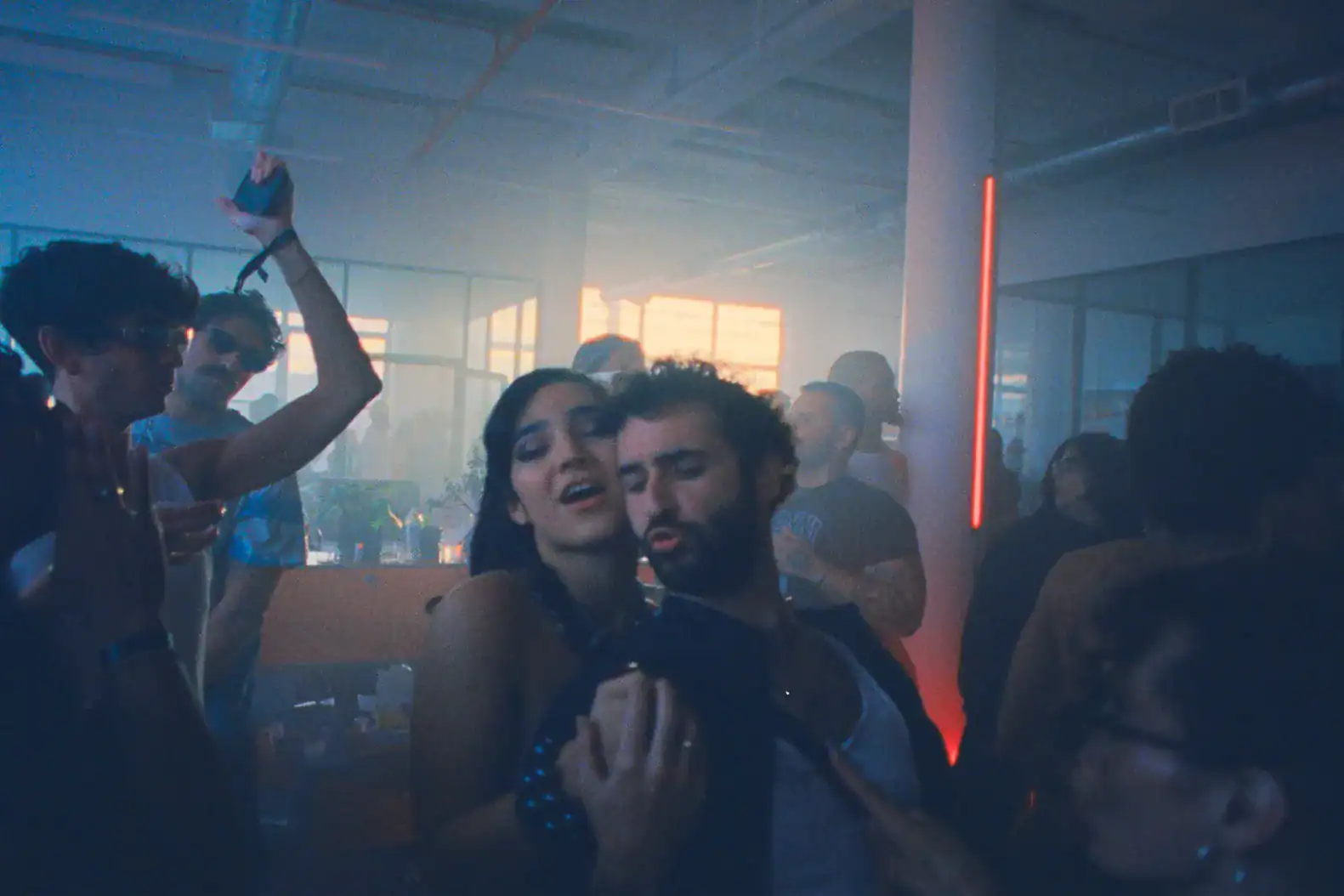
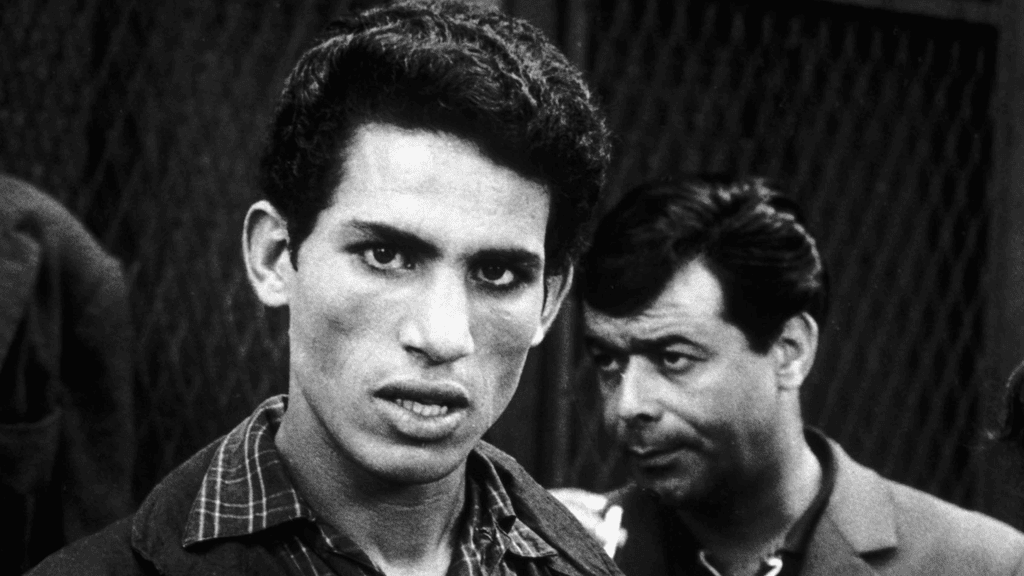
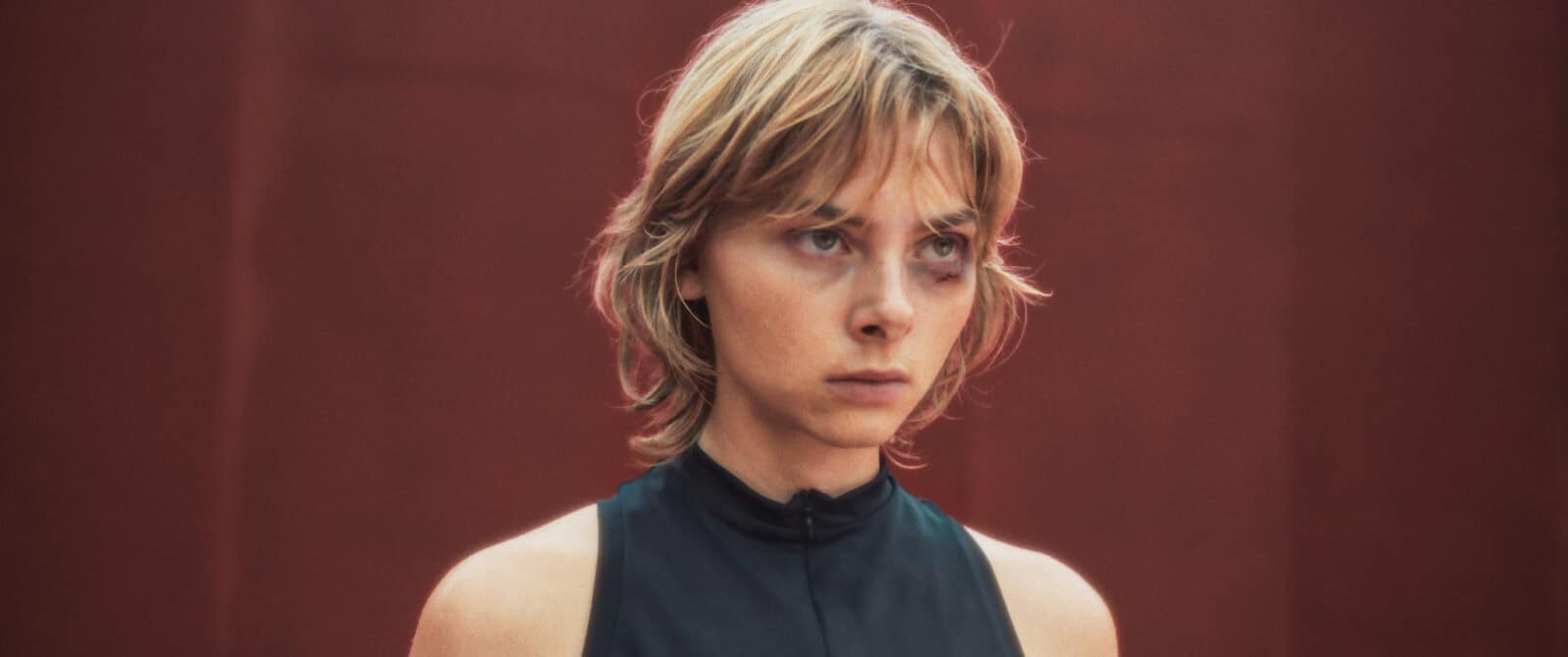
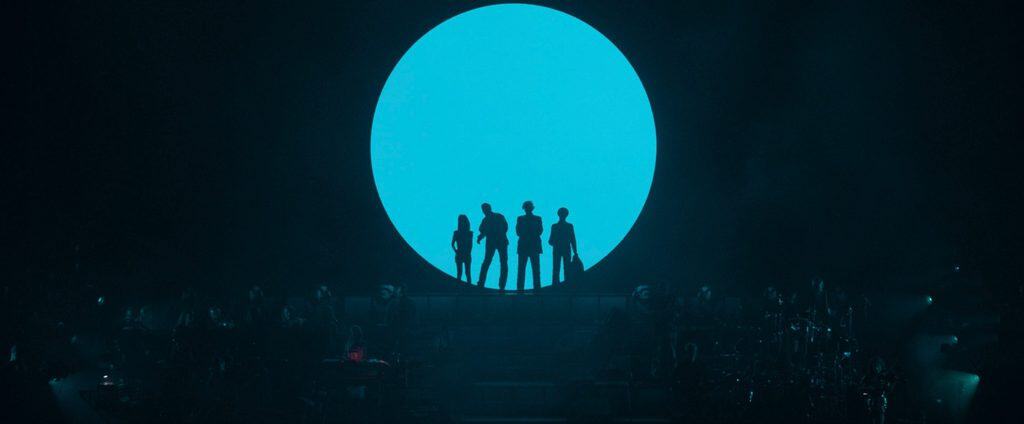
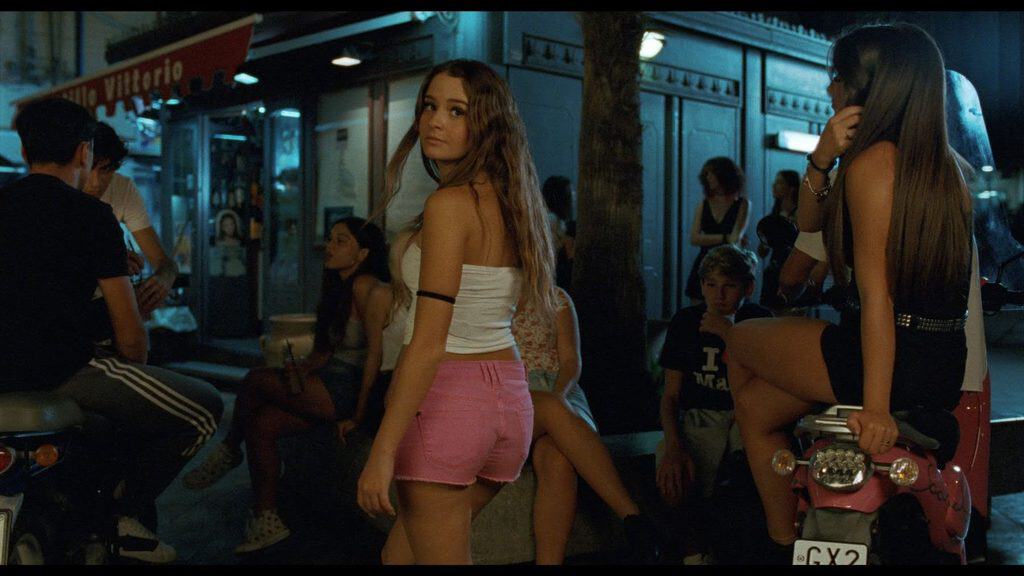
Jordan Firstman takes the lead as writer, director and star of his debut Club Kid – a move that may have people assuming it’s a self-indulgent, two-hour-long, ego-stroking TikTok bit. But no. Firstman is not to be underestimated as a storyteller, or actor at that. And Club Kid might just be the best film of Cannes 2026.
The New York-set film follows a regularly ketted up (aka kundled), early 30s party boy who learns he fathered a child on bleary darkroom night. Suddenly, Firstman’s Peter is saddled with the responsibility of caring for another human life while barely having a hold on his own.
The film is a fairytale of reformed fatherhood: sometimes a little light on reality, but hilarious, tender and tragic in all the right ways. The enigmatic script allows every character to shine, providing laugh after laugh — especially for those adjacent to the queer club scene. We’ll let Cara Delavigne’s accent slide, just this once.
8/10
HOPE
Dir. Na Hong-jin
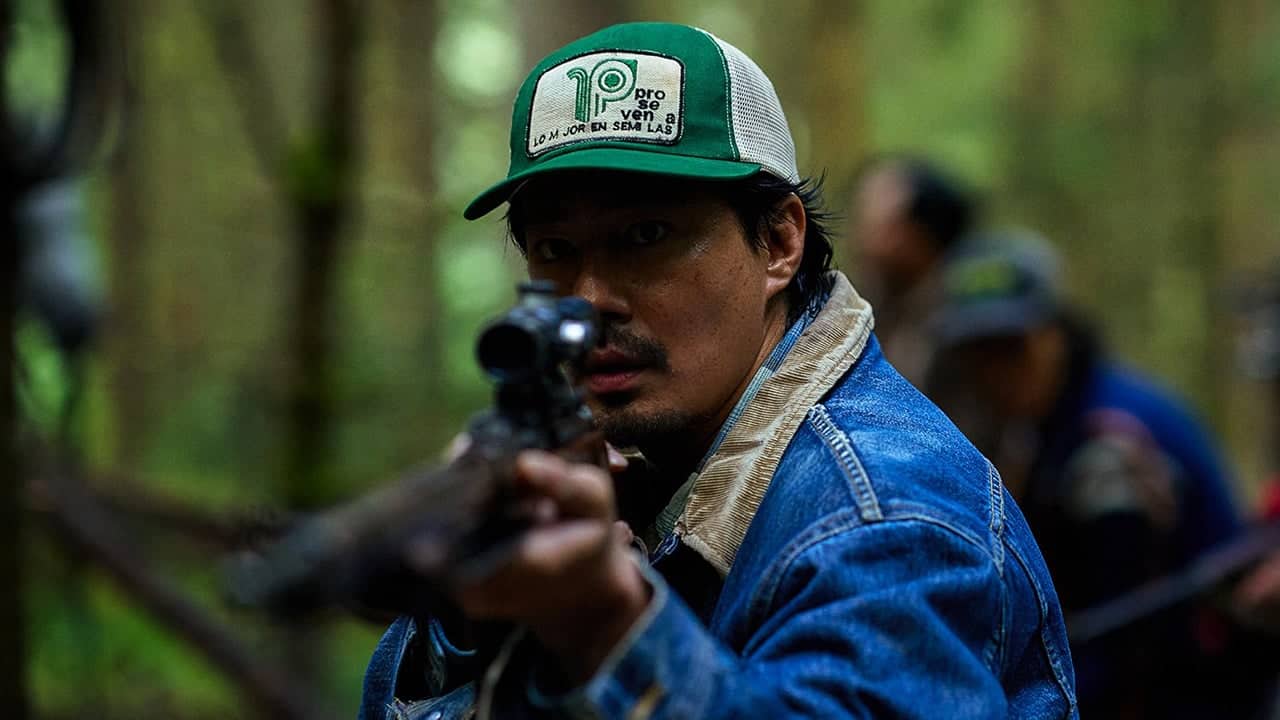
Undoubtedly the most controversial film of the festival, writer-director Na Hong-jin’s Hope has not stirred the pot for reasons profound or political, but because festival goers can’t agree if its brainrot or a masterpiece.
The first half an hour is a bombastic creature-feature romp set in a quiet South Korean village, reminiscent in moments of Bong Joon-Ho’s The Host. But when our creature is revealed, things tumble downhill. Poor CGI, repetitive beats and inconsistent tone give Hope the feel of a 160-minute video-game cut scene. Supposed stars Michael Fassbender, Alicia Vikander and Taylor Russel noticeably never appear in the flesh.
Sure, it’s not all bad. The cast are charismatic, the blood splatters gleefully, and a prolonged diarrhoea joke had an auditorium of critics in side-splitting laughter. But given the supposed calibre of Cannes, it’s hard to understand which elements warranted its place in competition.
4/10
FJORD
Dir. Cristian Mungiu
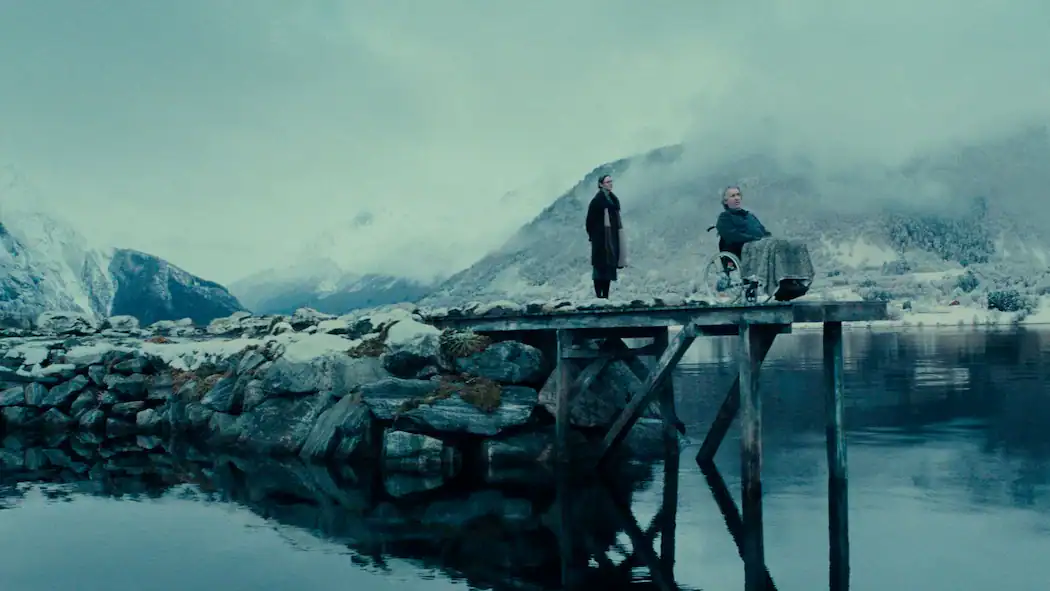
How far do we lean into policing people to ensure progressive values are upheld in society? Norway-set family drama Fjord begs that question.
The cast is led by Renate Rensive and an unrecognisable Sebastain Stan as a ‘traditional’ Romanian-Norwegian couple, who relocate to a small village. Schoolyard eavesdropping leads to accusations of child abuse in their home, and suddenly they find themselves battling the stringent Scandinavian legal system.
The film moves slowly, but is deft in its exploration of complex themes, making it more than a worthwhile watch.
8/10
SEX AND DEATH AT CAMP MIASMA
Dir. Jane Schoenbrun
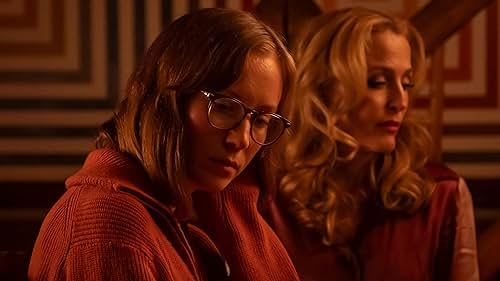
Nobody is doing meta narratives like Jane Schoenbrun, writer and director of acclaimed indie hit and trans-body-terror-tale, I Saw The TV Glow. This time, Schoenbrun’s self-insert character is an up-and-coming, pansexual-lesbian director named Kris, played by Hannah Einbender as you’ve never seen her before. Kris has been tasked with rebooting a slasher franchise and takes it upon herself to visit its OG final girl, a now 60-something Gillian Anderson living as a recluse.
Where I Saw The TV Glow directly tackled transness, Camp Miasma uses its meta-slasher narrative to explore the ways desire can manifest in people who feel a disconnect with their sexual selves. From the beginning to the end, the film loosens its grip on the initial premise and rides on themes far more than it ever does on plot – though quasi-villain Little Death does provide plenty of kills.
While it won’t speak to everyone, Schoenbrun’s endless vulnerability and ability to articulate ambiguous feelings make Camp Miasma definitely deserves a go.
8/10
You can read The Cold Magazine’s analysis of Schoenbrun’s work by purchasing our first print issue, available here
COLONY
Dir. Yeon Sang-ho
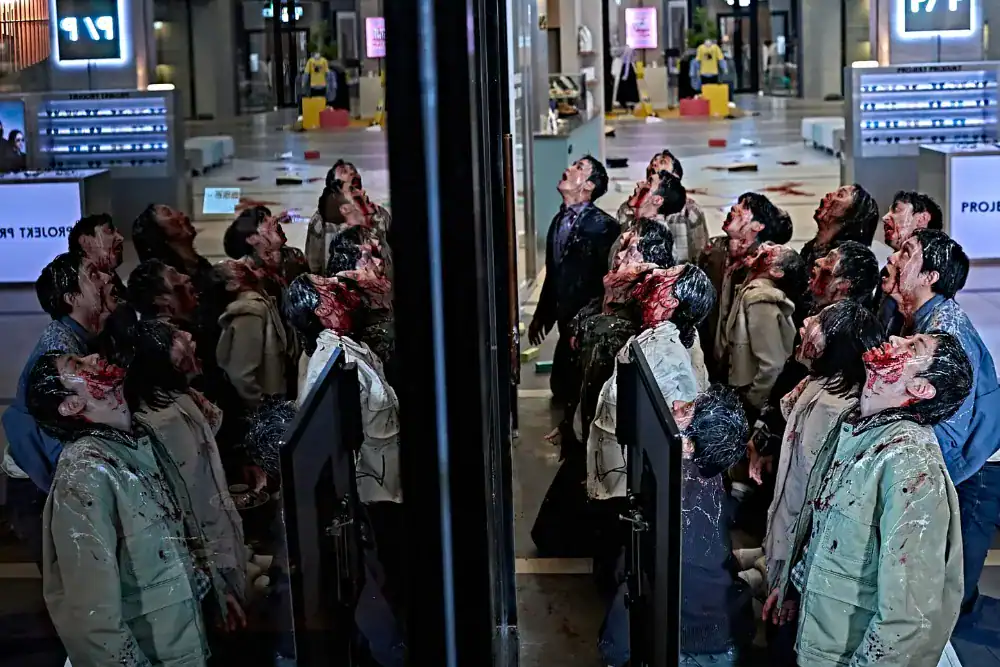
In 2016, South Korean director Yeon Sang-ho became a beloved figure in global horror with his zombie flick Train to Busan. In Colony, the zombies are back, but the heart, wit and grit of its predecessor are nowhere to be found.
Its premise is marginally more complex. A hive-mind virus is released unto the world by a scorned genius who believes humans are better off communicating in a continuous closed-loop network. A collective intelligence. His reason? “Imperfect communication is the source of all tragedy.”
What seems here like a thoughtful meditation on our perplexing inability to truly understand one another is utterly wasted in Colony. Characters are one-dimensional and idiotic, the rules of the game are inconsistent, and the imagery is uninspired.
3/10
VICTORIAN PSYCHO
Dir. Zachary Wigon
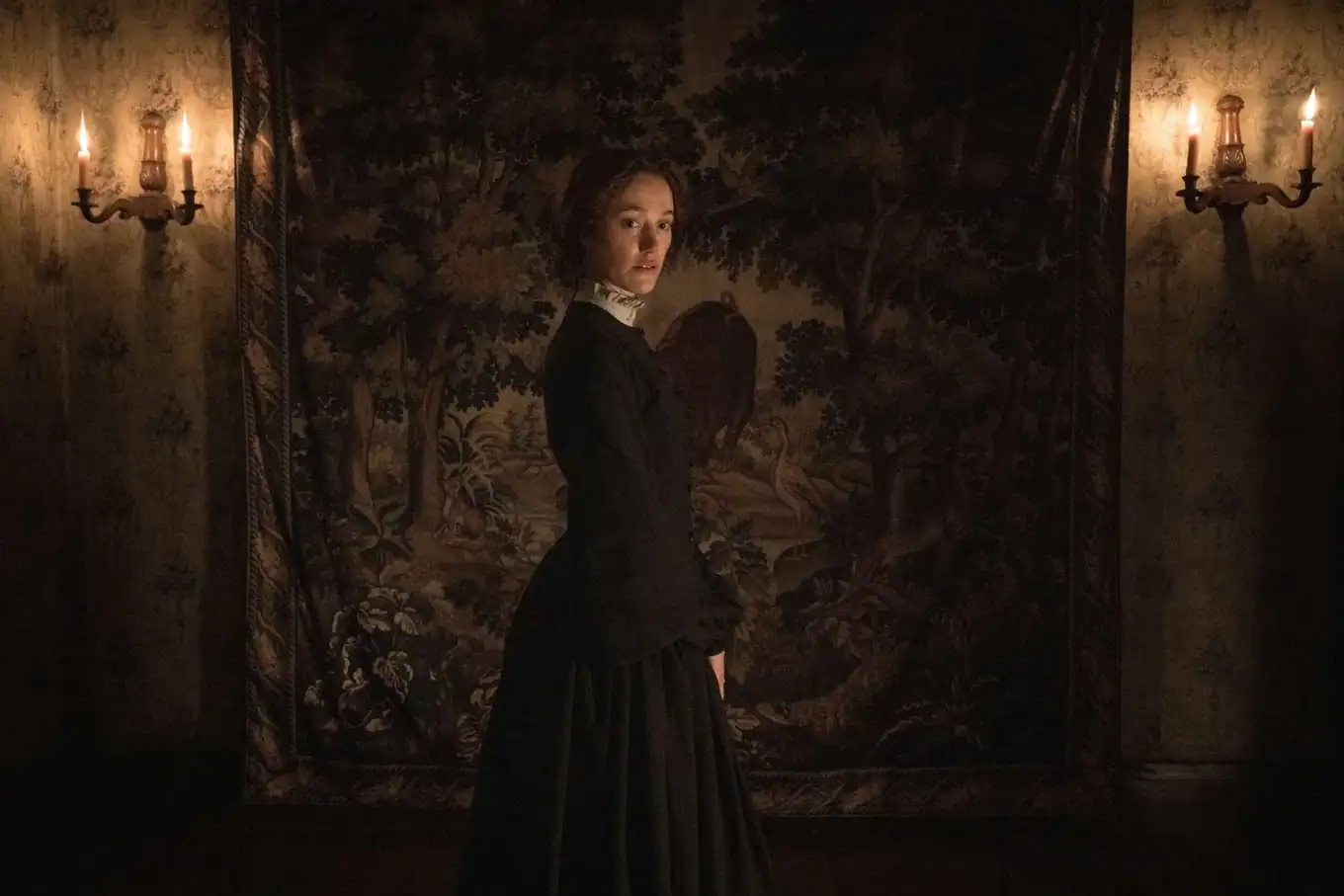
Author Virginia Feito takes on her own novel in this book-to-film adaptation but fails to flesh out its story of a murderous governess.
The film robs us of the “fat” lead of the book, replacing her with Maika Monroe in the titular role (who, in all fairness, gives a career best performance). Bizarrely, her entire backstory is cut and the central mystery is quickly brushed over, squandering the film’s potential to explore the maddening effects of having your position in society determined by men.
Rather, Wigon focuses on kooky humour and unconventional staging. This is a welcome approach early on, but as Victorian Psycho devolves into a literal montage, it becomes clearer than ever that the book was never substantial enough for a meaningful adaptation
5/10
HER PRIVATE HELL
Dir. Nicolas Winding Refn
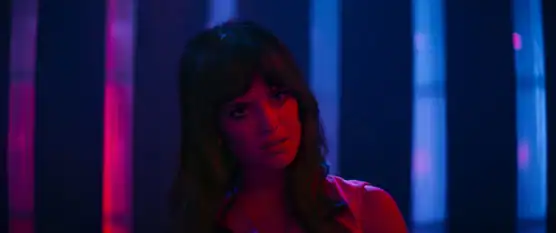
You’d think a Sophie Thatcher-led, dystopian thriller from visionary director Nicolas Winding Refn would be a shoe in for some good thrills – and yet, Refn’s fourth feature is undoubtedly the most tedious and dull film of the festival.
Alongside Charles Melton and Havana Rose Liu, Thatcher delivers lines in such a stilted manner that all meaning melts away. The neon metropolis aesthetic reads like a decade-old Tumblr feed. Scenes come and go with little consequence and almost zero entertainment value.
The film’s handling of its largely female cast also feels regressive. While depiction doesn’t equal endorsement, it’s hard to understand what we’re supposed to get out of a film where scantily dressed women do little more than crawl and kneel and caw “daddy” at a man twice their age.
Her Private Hell will have its fans, but there’s a point at which artistic preference cannot account for a director’s inability to string a story together.
2/10
You can keep up with Rachel’s work by following her YouTube channel, Girl on Film