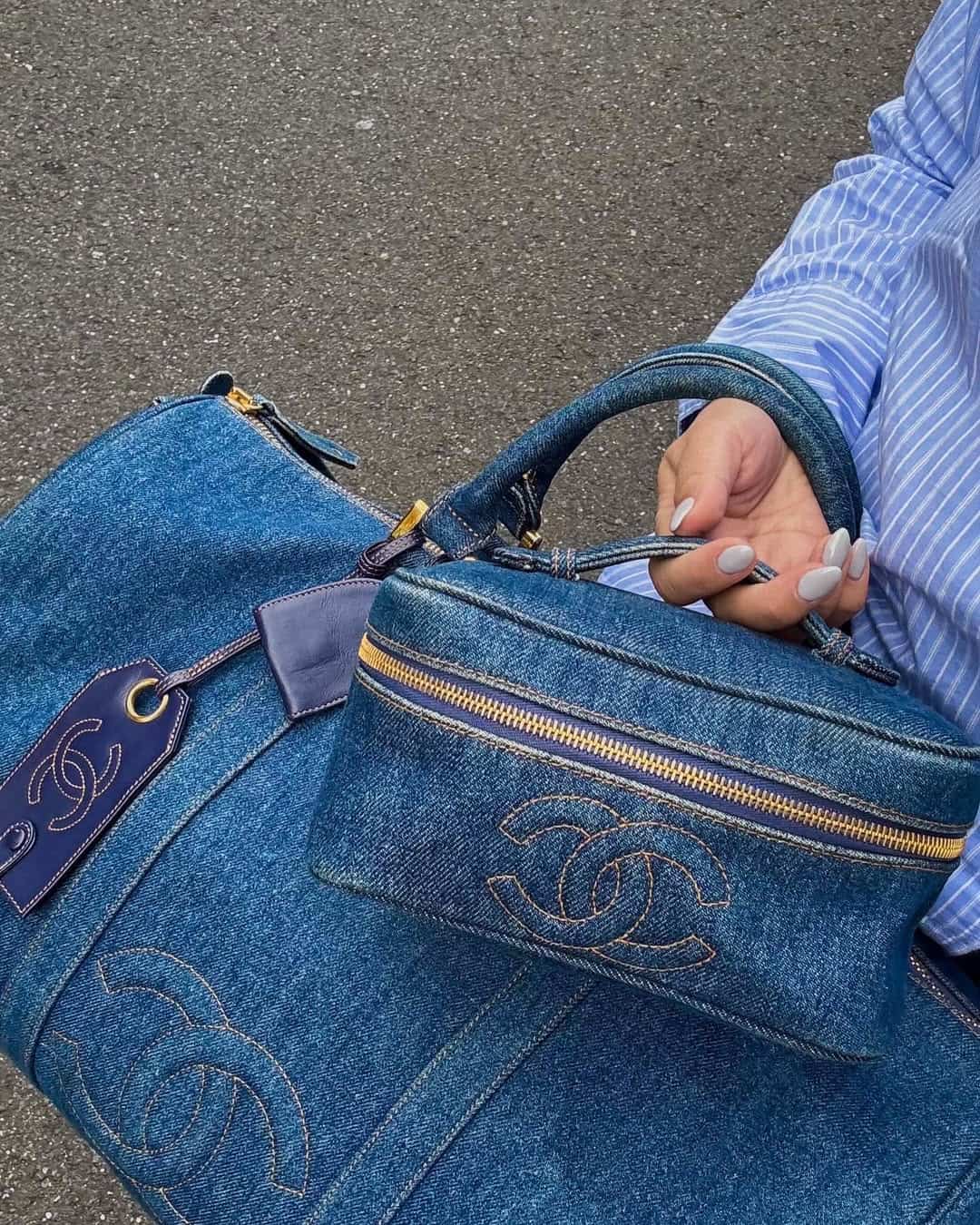
In recent years, hyper-consumption has increasingly torn apart the fashion sphere. Fast fashion companies continue to produce endless new pieces, flooding the market with clothing that is more likely to end up discarded rather than carefully preserved and loved over time.
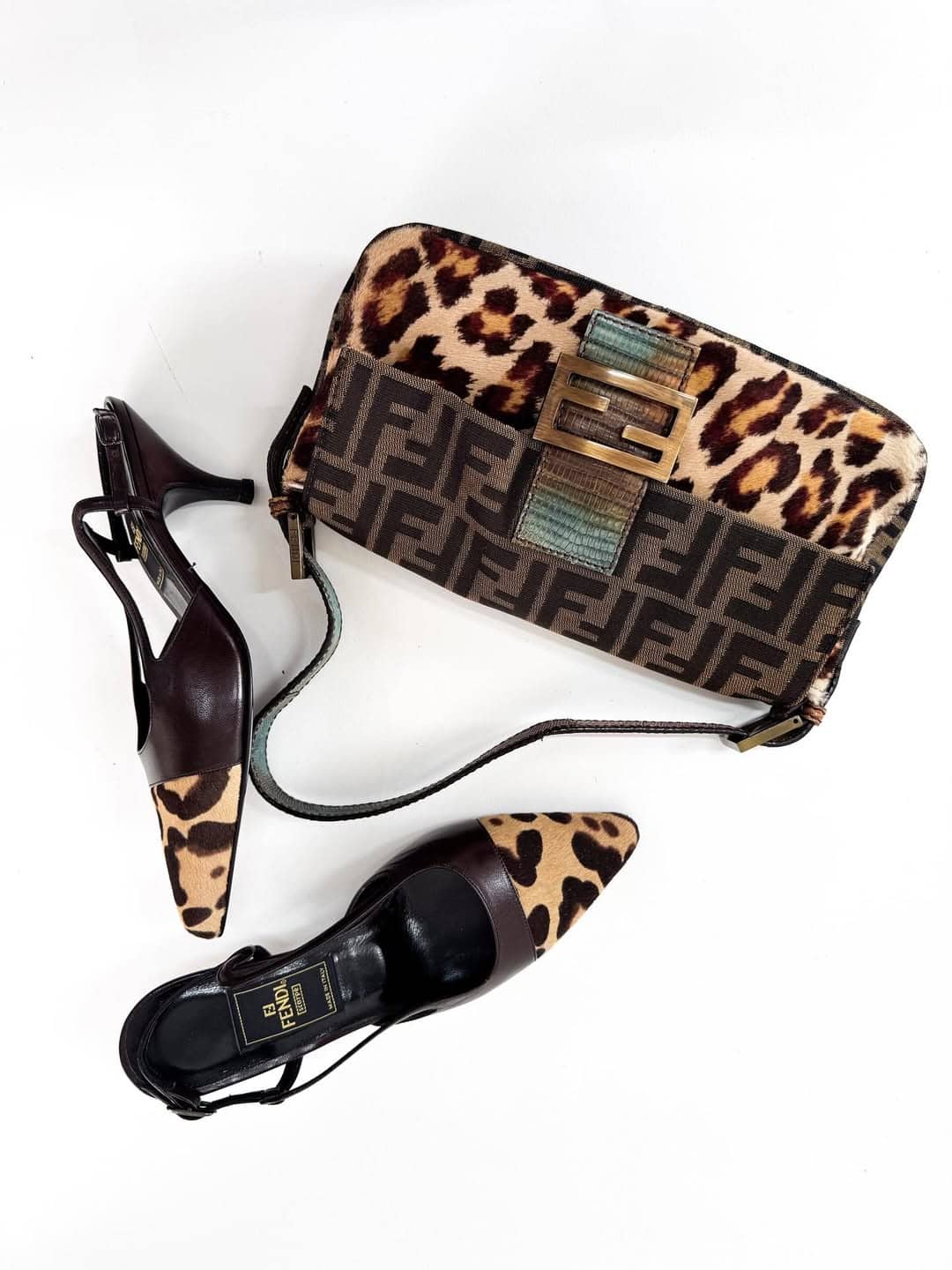
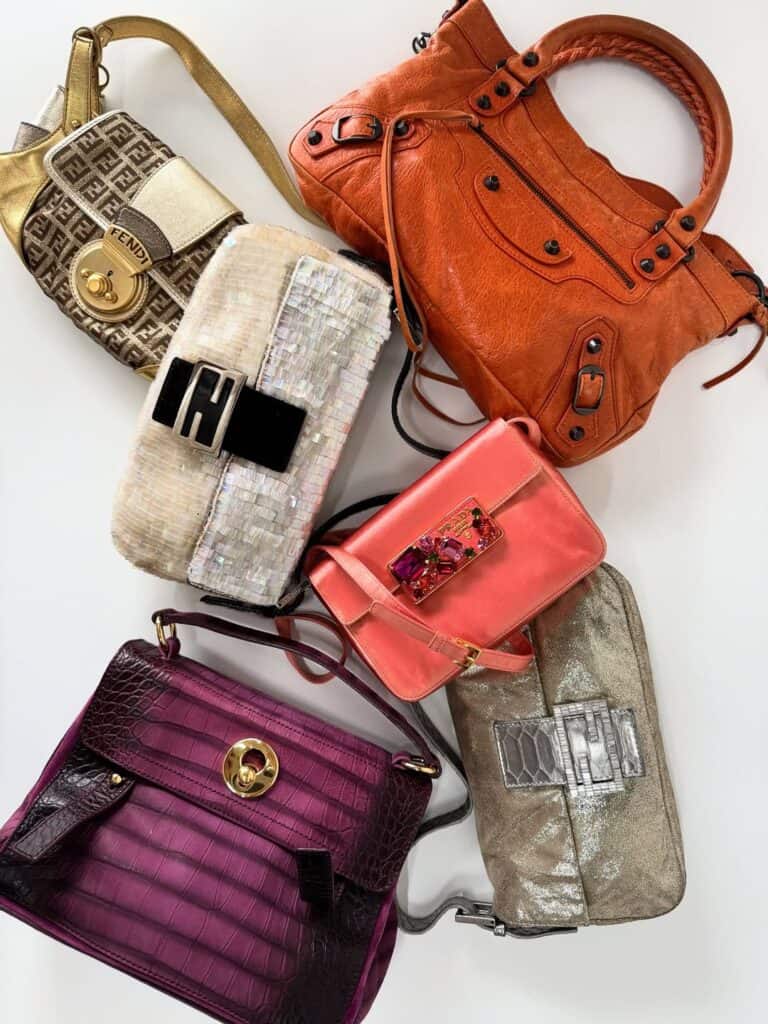
HIVE Preloved, a Japanese archive shop, is one of the companies pushing against the current of mass consumerism. With a collection of coveted pieces that would make most fashion lovers teary-eyed, HIVE Preloved is breathing life back into fashion again.
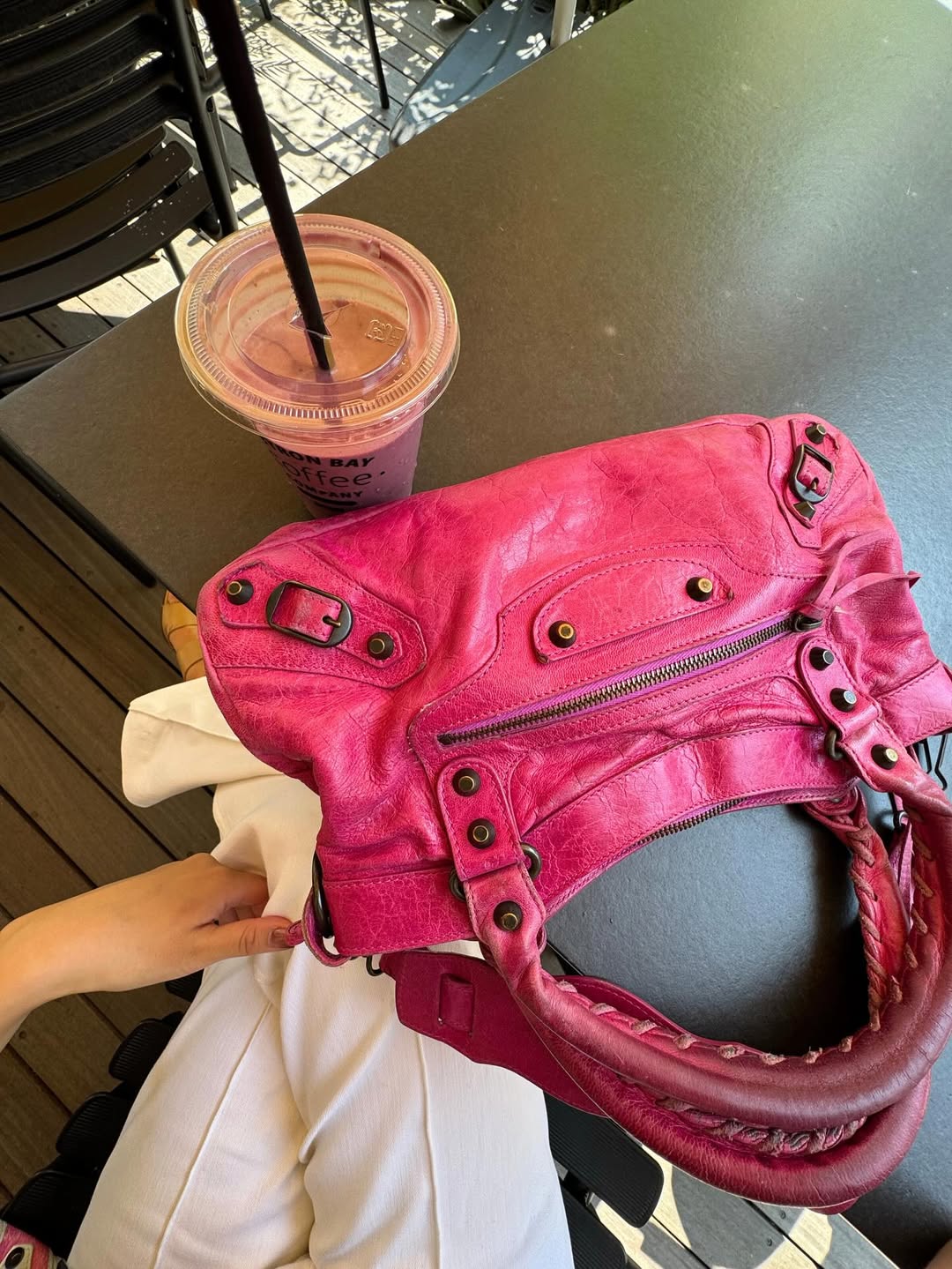
In Japan, the concept of mottainai, or the shame of being wasteful, embodies a cultural dynamic of care between a person and their possessions. In the space of archival fashion, this philosophy manifests in items that are preserved as objects of meaning rather than as dispensable garments.
While mottainai is a uniquely Japanese phrase, its influence is spreading across the world. Young fashion consumers are treating clothing as products of craftsmanship and as vessels of memory. Archives like HIVE Preloved’s act as living libraries to keep these pieces safe before being transferred to the hands of eager collectors.
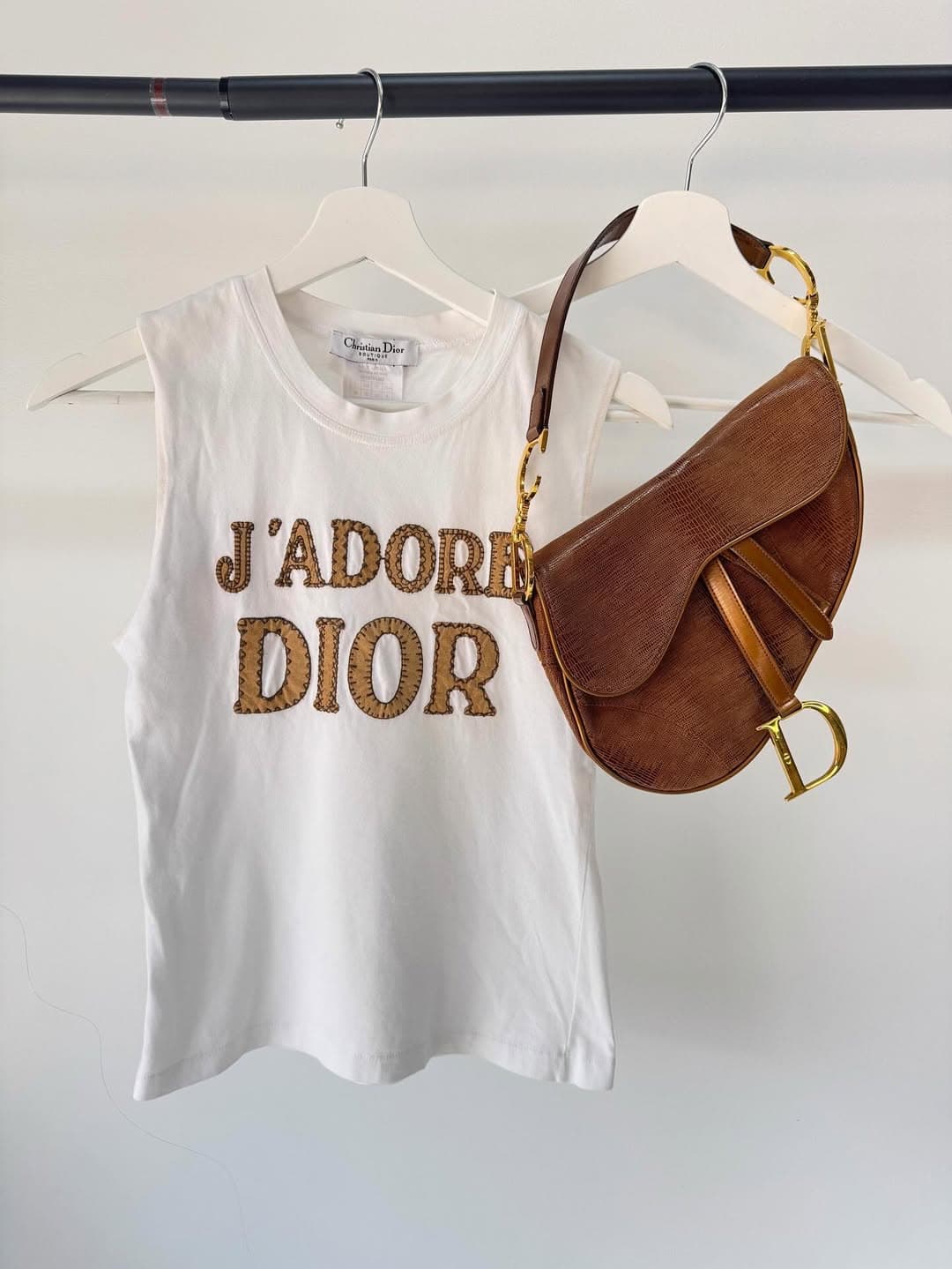
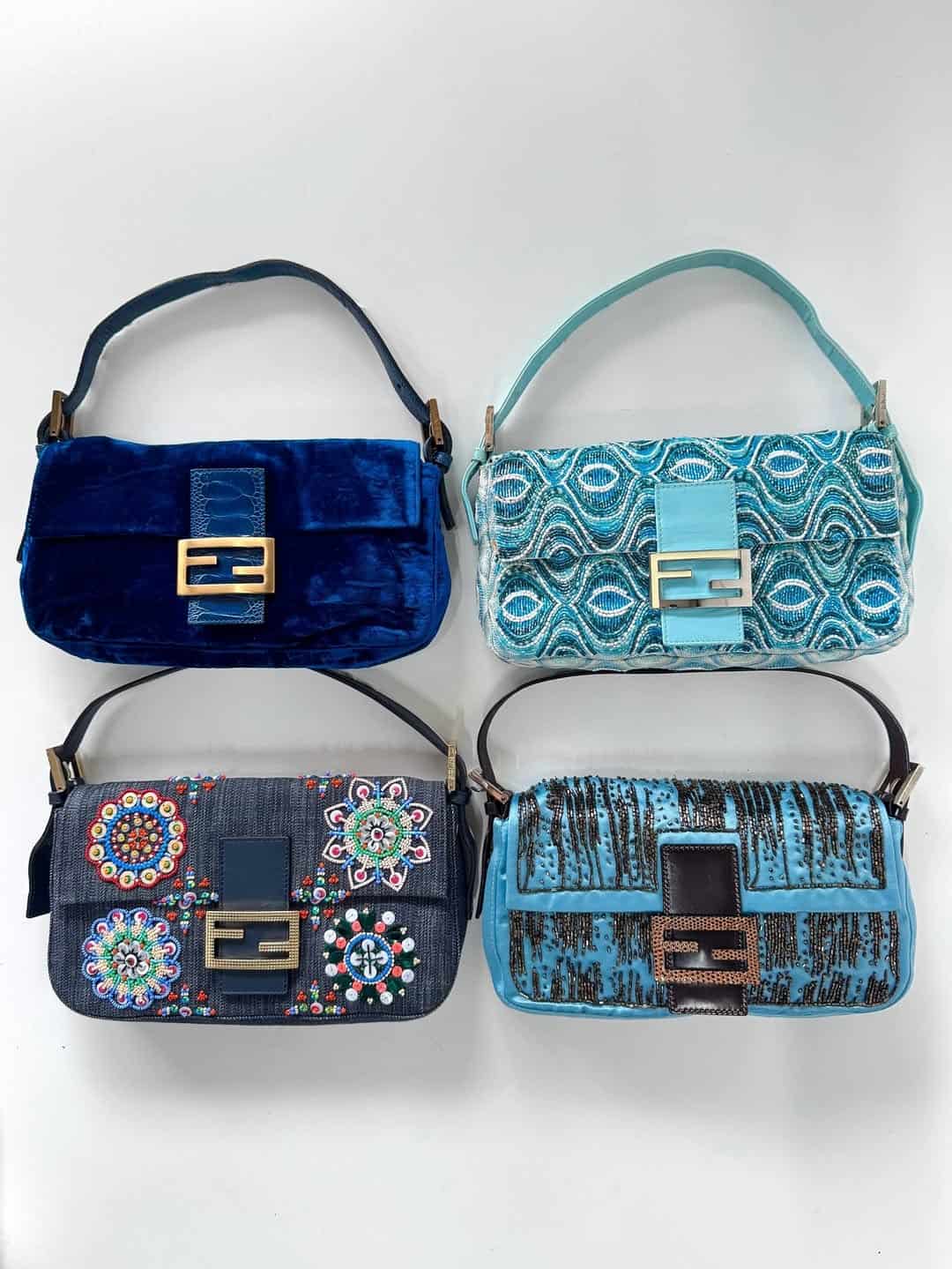
We sat down with Meg Ode, a co-founder of HIVE Preloved, to hear her unique perspective on the changing tides of the archive world and how we can better appreciate and preserve these special pieces.
The Cold Magazine (CM): Tell us a little bit about HIVE’s origins and what inspired you to go into archive resale.
HIVE (H): Before launching HIVE Preloved, we were a peer-to-peer luxury fashion rental platform. During our time running the rental business, we realised that so many incredible luxury items in Japan were sleeping in people’s wardrobes in excellent condition.
After a few years, the business was facing some difficulties, so we started selling items sourced from Japan on platforms like Vestiaire Collective with a very low budget. We mostly offered classic pieces like vintage Céline bags and Gucci Jackie styles. At first, our goal was just to generate enough cash to keep the rental business running, but we soon realised there was so much more potential and enjoyment in resale after seeing the demand and excitement from international buyers. This discovery led us to officially launch our own site in May 2024 and pivot away from the rental model.
CM: Where did the name HIVE come from?
The name HIVE is inspired by a beehive, as a place where creatives from all walks of life gather to share their unique styles and strengths. It was originally named during our rental days, envisioned as a “HIVE” where people could exchange items from their own wardrobes and share inspiration.
Also, it is said that if bees went extinct, the majority of the world’s ecosystems would collapse. We believe fashion is its own delicate ecosystem. We kept the name because it perfectly describes our global community of individuals who act as protectors of fashion history. By circulating these pieces, we can ensure that incredible craftsmanship can be given a new, circular life.
CM: When curating, what excites you the most? What do you look for?
H: The hunt is certainly where the adrenaline starts, but the real excitement comes from finding pieces that are personally inspiring, those moments where your heart truly moves. In Japanese, we describe it as kokoroodoru – the heart dances.
We look for a specific aesthetic that feels fresh and relevant even decades after its original release. Our guiding principle is simple: we only source pieces we would love to feature on our site. In that sense, we don’t view it as inventory management; it feels much more like curating and collecting individual works of art.
CM: Favorite piece of vintage you’ve ever sourced, tell us the story!
H: A memorable piece for us was the green double-cut velvet Fendi Baguette from the Fondazione Lisio collaboration. We affectionately called it the ‘Melon Baguette’ because of its appearance. We sourced it here in Japan in the very early days of our business, when we were just starting to explore the world of Baguettes. At the time, we knew it was a limited edition, but we completely underestimated the demand; we priced it and sold it very low. Seeing it resold by the buyer afterward for a much higher price was a real eye-opener. That experience became our learning curve and our focus on treating these iconic bags with respect.
CM: The return to vintage and archival pieces has been visible across social media in recent years. As curators, how do you explain this shift?
H: In a world where everyone has easier access to the same fashion trends, I think the pendulum is swinging back towards individuality. What we see through our customers is that people are finding ways to build their own style by mixing unique vintage designs with the trends that are accessible right now. Archival fashion allows people to stand out with something that isn’t just a fast purchase, but something that still feels modern and allows for true self-expression.
CM: What do you think drives the growing interest in pre-loved pieces, is it more of an aesthetic or cultural shift?
H: I think it’s a beautiful intersection of both. Aesthetically, we have been seeing a strong wave of nostalgia for the shapes and textures of the 90s and 2000s. Culturally, I think there is a shift towards people wanting to find their own individuality, as mentioned above. In an era where so much of fashion is instantly accessible and mass-produced, the ‘pre-loved’ world offers a way to find something unique and own a piece that you can’t find anywhere else.
CM: What does the future of HIVE look like to you?H: To be honest, we rarely look too far into the future, as the journey so far has been so rapid and we’ve been focused on keeping up with that momentum. However, the one thing we are certain of is our commitment to building our global community of people who truly enjoy style and archival pieces. We want HIVE to become a trusted gateway for individuals around the world to access the unique pieces found here in Japan—whether through our online platform or through offline spaces. Our goal is to simply keep connecting these pre-loved treasures with the people who will love them next—it’s our way of putting the love back into pre-loved.