
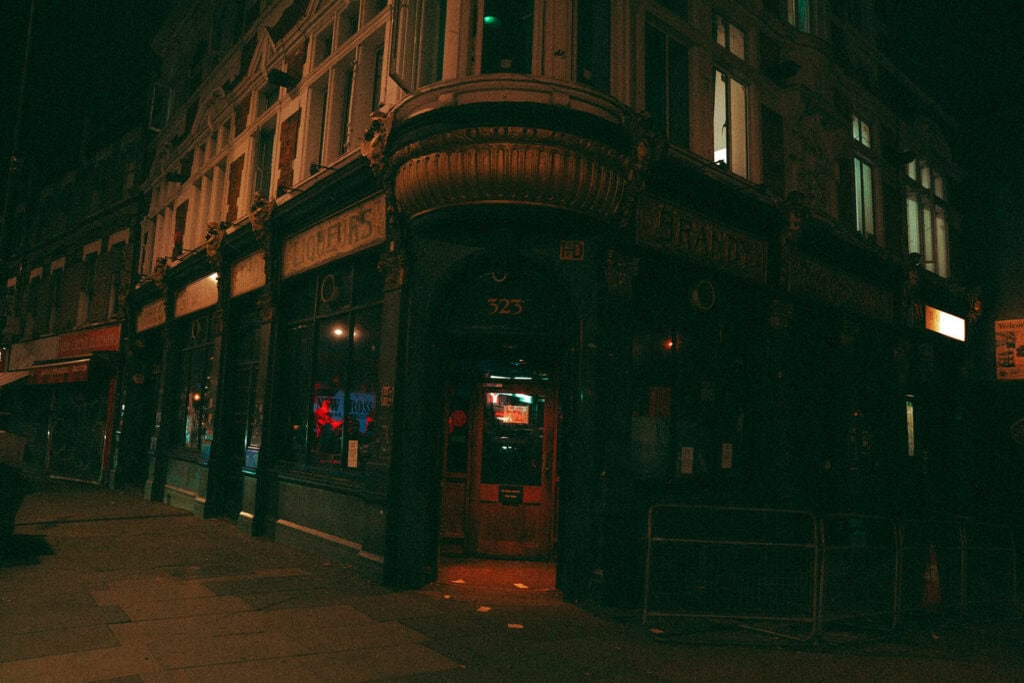
The independent music venue is, it can seem, an endangered species. I won’t bore you with the details, which are seemingly better trodden than England’s dancefloors: the hundreds of pubs, clubs and music joints forced to shutter up under the long shadows of austerity, lockdowns and arts-industry cuts; Britain’s monastic youth who would rather buy a gym membership than grab a pint. The list goes on.
Maybe it’s also because artists don’t need venues anymore. Who does when fame’s freshest vector is short-format videos that can be recorded then sent global from home? But music, especially live music, will always be an analogue affair, best experienced with physical instruments and on physical formats in physical spaces. Because music is just that: physical. It is visceral, felt and embodied. It is best experienced in packed rooms surrounded by people and bodies who love the sounds playing like religion.
For those reasons, The Cold Magazine has partnered with Independent Venue Week to spotlight six of its favourite grassroots music venues in the UK.
The Windmill, Brixton
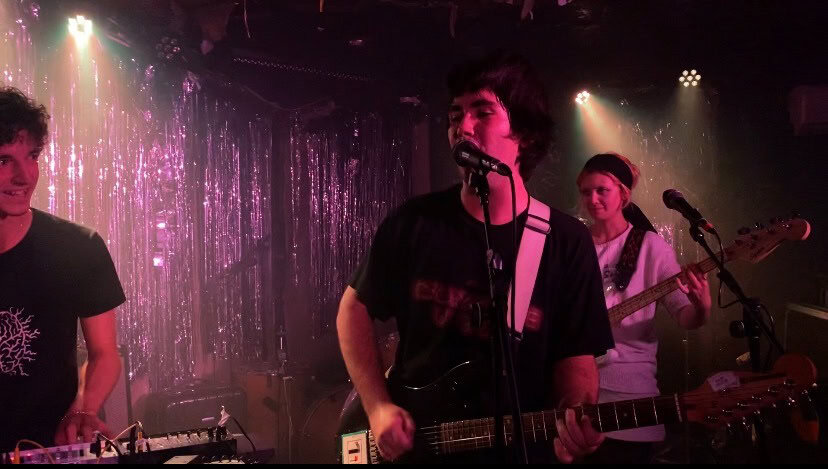
My love story with The Windmill, one of the UK’s most ardently mythologised venues, started when I was 16 and still living with my parents in rural northern England. There, in between revising for GCSEs, I would watch videos of Black Country, New Road – then still a tiny, avant-garde outfit only fresh out their Theme from Failure days – performing their unreleased back catalogues to raucous crowds of dozens beneath the Windmill’s dogged roof. Even then, I knew this was something special.
Few venues can brag birthing a music scene. The Brixton Windmill, though, can feasibly claim that it helped to shape one of the most influential musical subcultures of the last fifteen years. Inside its 150-capacity walls, bands such as black midi, Black Country, New Road, Squid, Goat Girl and Dry Cleaning coagulated an experimental post-punk whose surrealist sound worlds became synonymous with South London and the venue that formed them: the legendary “Windmill scene”.
Ten years on from its glory years and the scene’s influence is still tangible in the success of rock outfits like Fontaines D.C. (who have played the Windmill a number of times) and the eccentric sound of Cameron Winter’s Geese. Meanwhile, the Windmill is still churning out the next generation of underground talent, welcoming Wigan’s wunderkid TTSSFU, recently selected by British Vogue as one of England’s rising rock stars, for Independent Venue Week 2026. (Jude Jones, managing editor, @jude_j0nes2002).
The Cavern Club, Liverpool
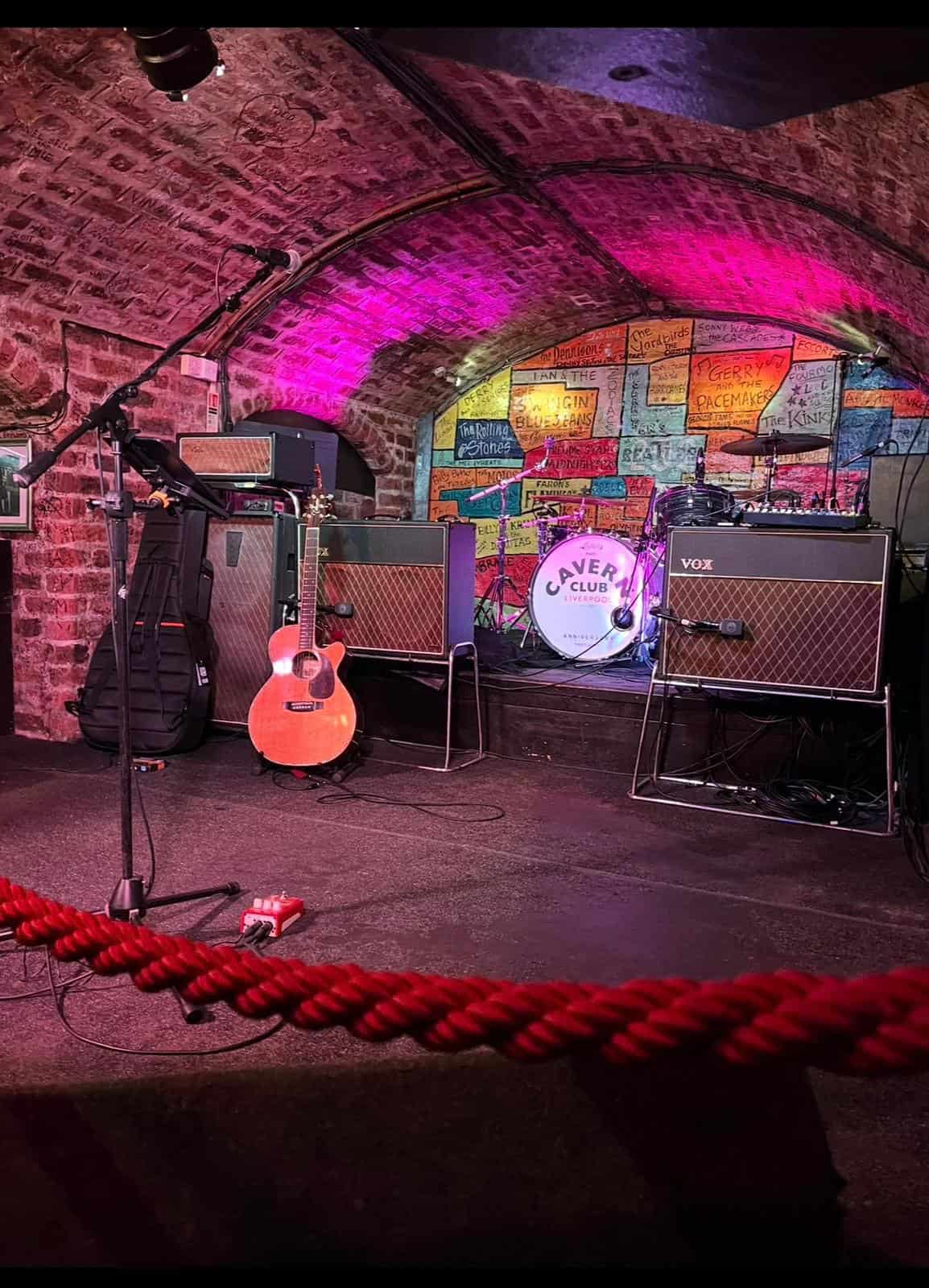
The Cavern Club doesn’t need much of an introduction. Tucked beneath Mathew Street in Liverpool, its low brick arches have carried seven decades of British music, from Merseybeat’s first rumblings to pre‑breakthrough sets by bands who would later change the shape of British guitar music.
Of course, the ghosts are loud. From The Beatles’ first show in 1961 to Arctic Monkeys testing material pre‑breakthrough in 2005, the walls have absorbed decades of ambition. You don’t just learn about music history here but participate in it, pint in hand, sweat on your back, grin on your face.
The Cavern has been able to stay alive not just for its legacy but for its continuity, as its music keeps folding different generations into the same room. I’ve stood shoulder to shoulder with tourists seeing it for the first time, seasoned locals treating it like a second living room, and, most memorably, watched my nana and her sisters dance beneath those brick arches well into their seventies and eighties. Women who once came here when they were young, moving again to live music in the same space, decades later. (Roisin Teeling, music writer, @roisinteeling)
MOTH Club, Hackney Central
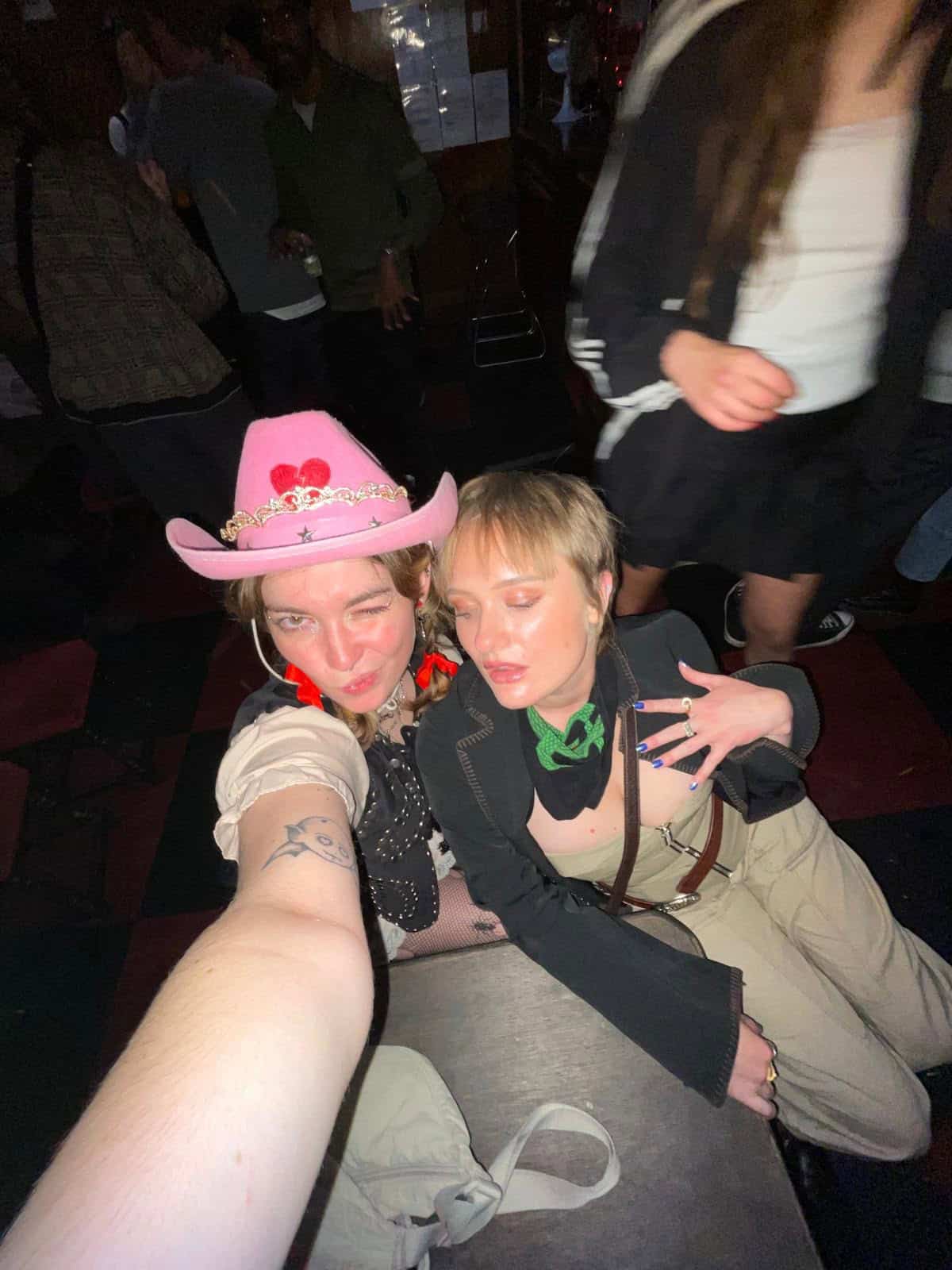
On London’s Valette Street you’ll find one of the city’s most iconic nightlife spots: MOTH Club. This venue has a way of leaving an impression. Whether it’s the baby pink bathrooms, unique events where guests always dress to theme, glitter ceilings, or the inevitable drunken trips to the photobooth, there’s nothing quite like this place. The ex-servicemen’s members’ club turns into every music lover’s haven for gigs and community events as nightfall shrouds East London. I’ve witnessed many bands take the stage for unforgettable nights of indie, rock, and alternative music, all taking place in front of the giant “MOTH” draped in metallic streamers which hangs along the back wall.
Before MOTH Club, I’ve seldom seen dancers move like their lives depended on it to disco. But when it comes to their monthly Dancing In The Dark 80s nights, they’ll undoubtedly deliver. I can also say there’s very few times where dancing on stage to Ke$ha in bright pink crocs feels appropriate, but there’s no better excuse than MOTH’s For The Love Of Pop event.
Like many other iconic venues across London, they’ve fallen victim to an unforeseeable future due to threats from property developers (RIP Corsica Studios). Despite this, the community around this inimitable space fights on, with many efforts to fundraise and draw awareness to the unfortunate situation. This grassroots venue has managed to stay afloat due to the long-time support of fans, dancers, and musicians across London and beyond. If you’ve never been, you’d surely regret it if you lost the chance. (Lauren Bulla, art & culture editor, @smhlorn)
SOUP, Northern Quarter, Manchester
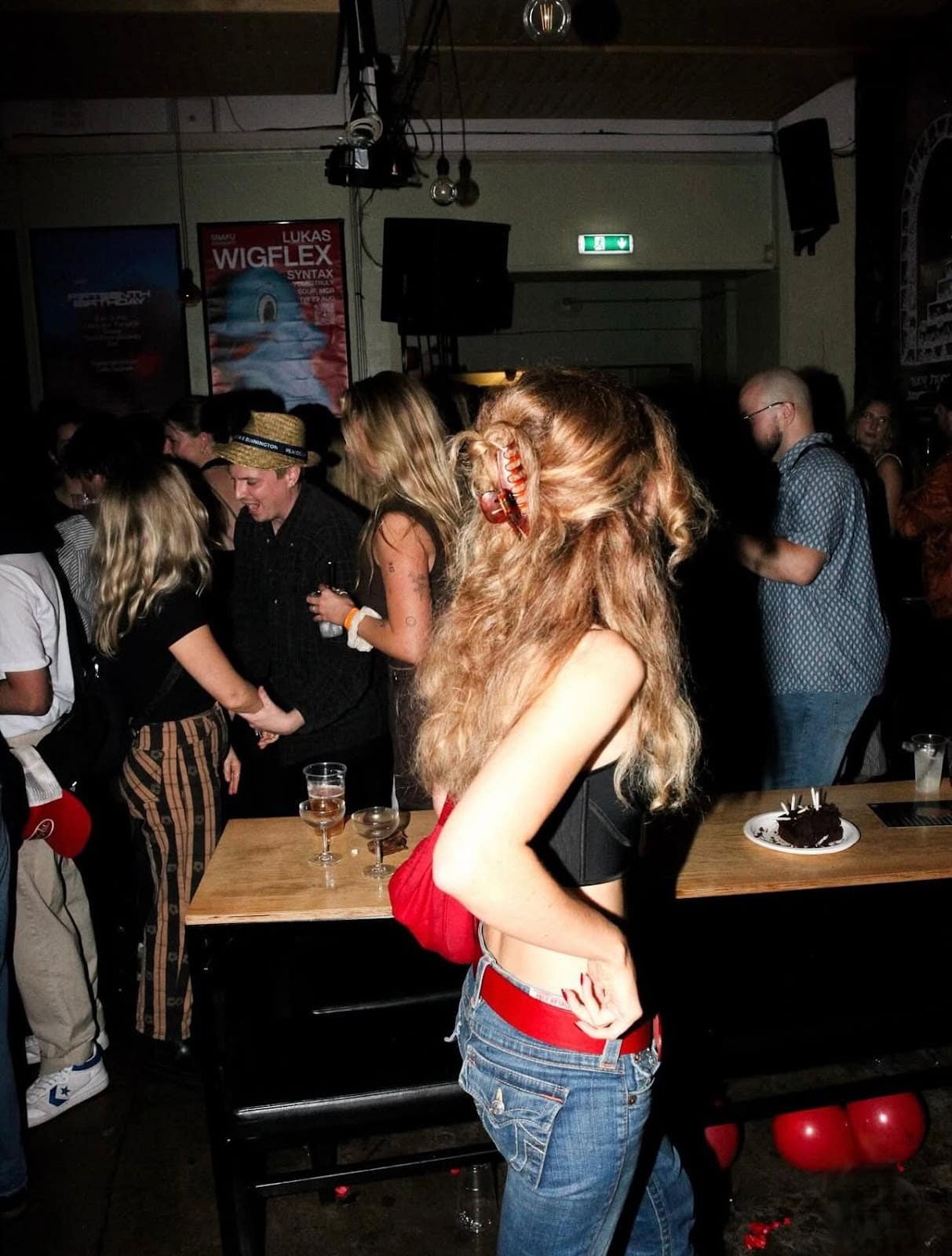
On Spear Street, just off the constant churn of the Northern Quarter, SOUP has settled into the city as something reliable and understatedly vital. Formerly known as Soup Kitchen, it has been part of Manchester’s musical landscape since 2010, growing alongside the area without ever smoothing out its edges: unfussy, open and comfortable in its own skin.
During the day, the upstairs serves as a relaxed bar – easy drinks, people drifting in and out. Fast forward to the nighttime and it’s downstairs opens. Here, SOUP truly comes alive.
The basement is low, dark and heavy with sound, more like a packed house party than a standard club. For 11 years it hosted Swing Ting there, a night that broke genres and expectations, moving effortlessly between Afro-bashment, dancehall, hip-hop and garage, reflecting the city’s diverse creative community. There was nowhere else like it in central Manchester.
Despite Swing Ting ending in 2022, the approach hasn’t changed. Programming remains adventurous, spanning techno, experimental club nights and live shows, all with tickets kept affordable and the focus on music rather than hype. The basement is sweaty, intense, intimate; a room where the distance between artist and audience disappears, demanding presence and rewarding it fully.
In a city where nightlife is increasingly filtered through brand deals and inflated door prices, SOUP stands as proof that substance still cuts through. Its ethos remains simple: keep tickets affordable, give space to local artists and book international acts for their ideas rather than their names. (Rosie Callaghan, fashion & culture writer and founder of Gone Norf Mag, @rosie.callaa)
The New Cross Inn, Lewisham
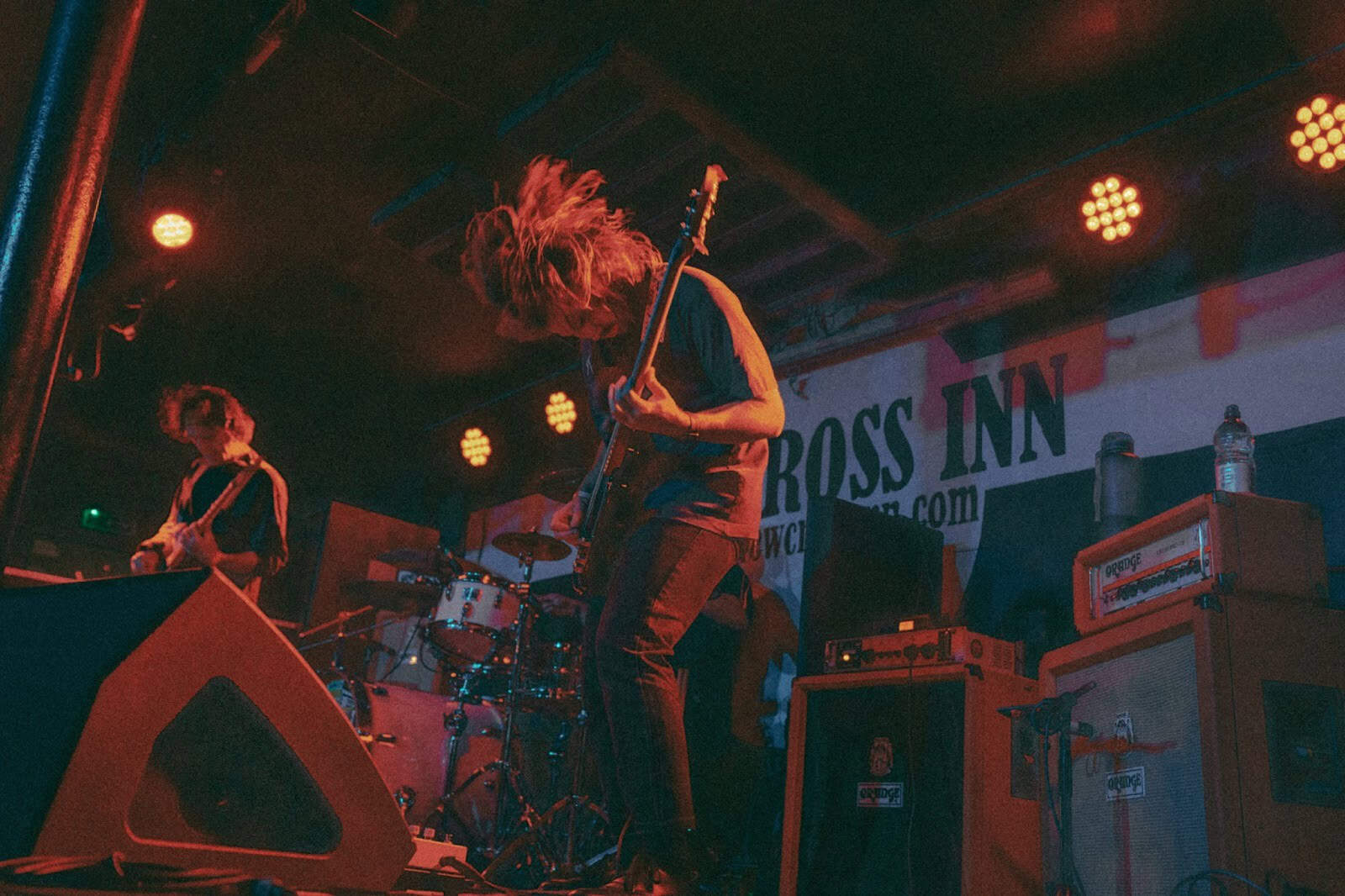
Everyone has to start somewhere. I was lucky enough to start at The New Cross Inn.
Starting in a new city isn’t easy, and finding your people in that city can be just as daunting, so when I found The New Cross Inn, it felt like a breath of fresh air. This is a place where bands and artists start their journey to greatness. A place you go to find diamonds in the rough. I was shooting stills for an ambient shoegaze band, Wildernesses, in my first photo gig since moving to London, but there was such a comfort in being there. The leather seats, open wooden floor plan and raised stage wove a tale of endurance. This place has seen some great turnouts. I spent some time looking into the place and found out the venue has seen 400 years of rhythm, bass and riffs, starting as a pub in the 1800s and slowly transitioning into an alternative music venue in the 2000s.
These days it is somewhat of a christening for alt and heavy bands to play there, as well as artists who have a love for the underground community. Their stage has been graced by acts such as Basement, Loathe, Moscow Death Brigade, Pete Doherty and The Story So Far. You can still find it on the corner of New Cross Road where it will hopefully be standing another 400 years from now. They have bands playing just about every day of the week. (Benjamin Fraser, music writer, @dream__wav)
World Headquarters, Newcastle-upon-Tyne
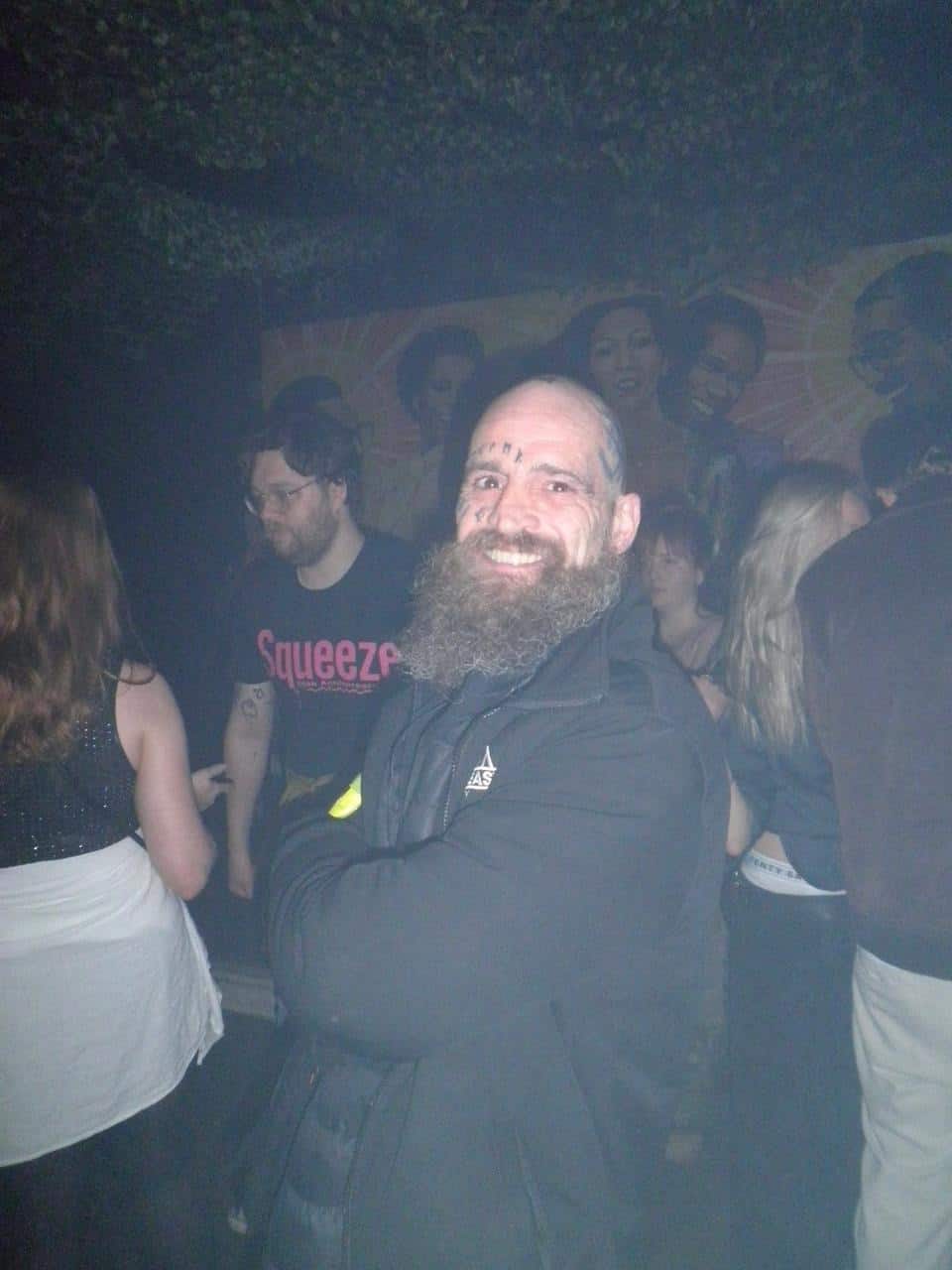
World Headquarters, or Worldies, is, and has always been, the heart of the music scene in Newcastle. Tucked away on the edge of the city centre in an unsuspecting building unit, this two floor utopia filled with iconic murals and staggering lineups pumps the beat of Newcastle’s heart.
Built in the 90s as a safe haven from mainstream club culture and racial violence in the city, this club created a new space for outsiders who had nowhere to go in the North East. Having housed the greats, from their up-and-coming eras to their prime, Worldies is known for its ever-growing range of genres hosted; you could see just about anyone and everyone there and probably have the best night of your life.
The club’s artwork, lineups, and commitment to hosting frequent free parties, are all a part of its wider philosophy: culture over branding and community over profit.
A favourite memory from this iconic venue has to be seeing Bakey headline on St Patrick’s Day in 2024. I have never seen that amount of energy from a crowd in such a small room, he had the bass shaking my insides through the floor. It is still the best DJ set I’ve ever seen, and one that could only have happened in World Headquarters. (Olivia Fee, music writer, @oliviajosephinefee)