Parties cannot just be parties anymore. They have to become brands or platforms or merchandise in order to survive. And yet Inferno continues to burn brightly.
Inferno has been running for over a decade and it is London’s longest running queer art rave, created by Lewis G. Burton, an intersex, trans and queer artist, producer and founding member of London Trans Pride.
The Red Rave in February was intended to be Inferno’s last hurrah. For a long time, Lewis was the one holding everything together, from creative direction and production to the emotional labour of maintaining the space. Instead, it gave them space to rethink the project. Inferno is now evolving into a more sustainable model, with Lewis stepping back while still helping guide its direction. They added: “It’s beautiful to see the next generation step into Inferno, particularly at a time when it’s so financially difficult to start something like this.”
I arrive at the Red Rave grinning, sloppy and sideways, already slightly buzzed off a red BuzzBall and waving at beautifully adorned friends. I am wearing one my best outfits yet with adorable satin black horns from Delights! It feels important to say that I looked fabulous, to mark the effort, to honour the ritual of becoming. Friday night kicks open the weekend like the wooden doors of a saloon, and together we gather at The Colour Factory to mark this special occasion.
Upstairs it is bouncy, eclectic, and almost pop. Downstairs it is darker, heavier, a red haze. The structure has always been built on this contrast. Lewis tells me the original concept was inspired by Dante’s Inferno, but also by Disco Inferno.
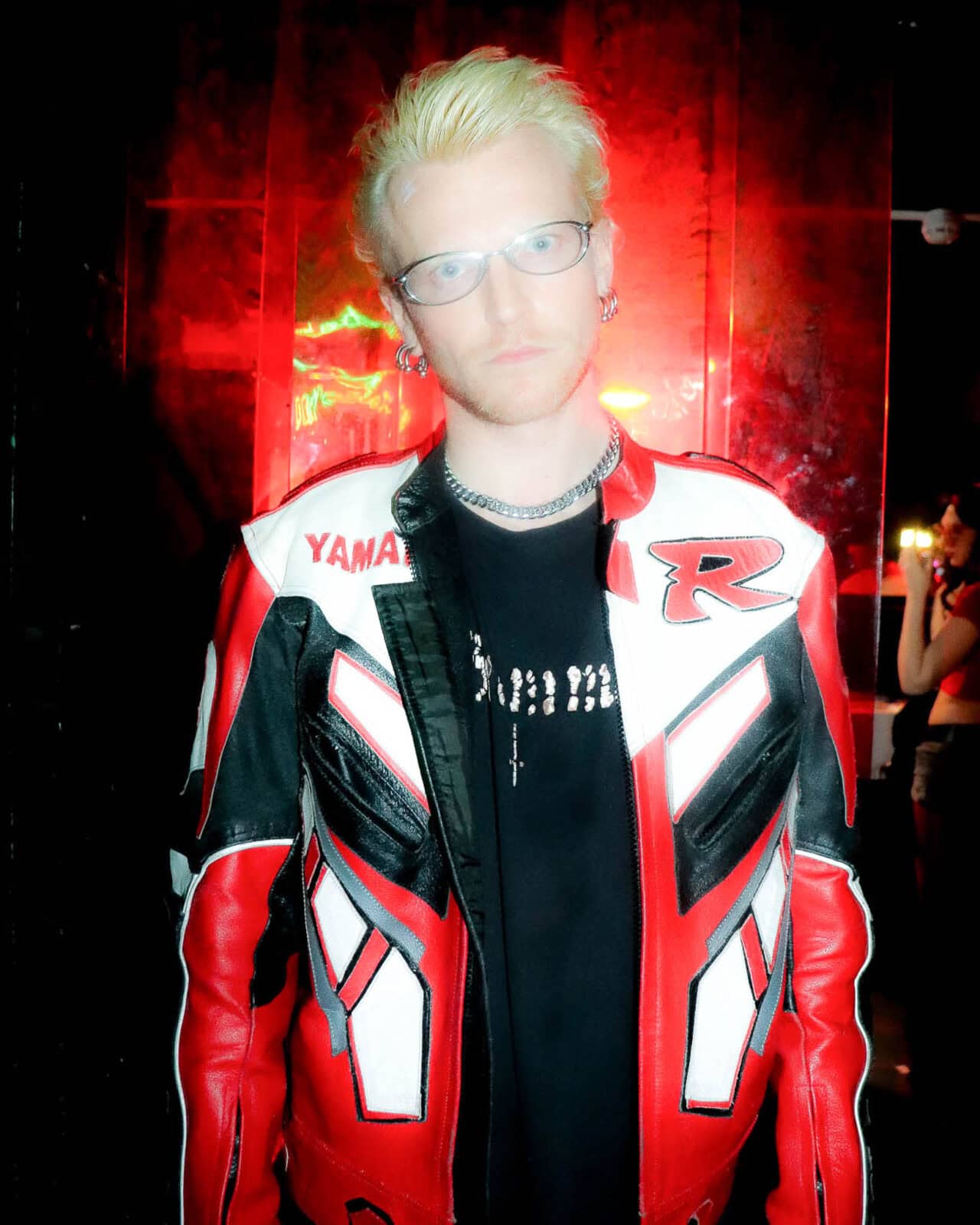
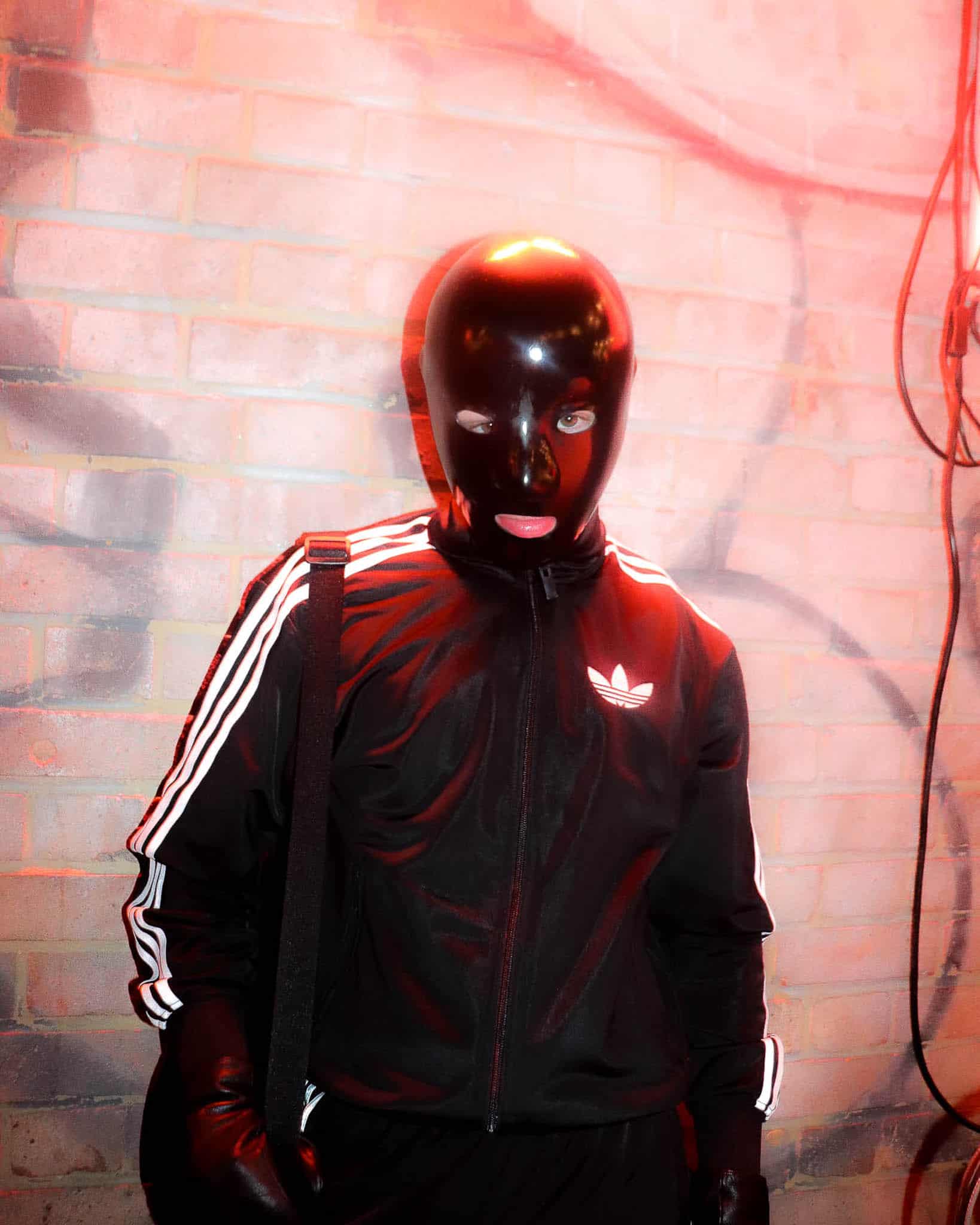
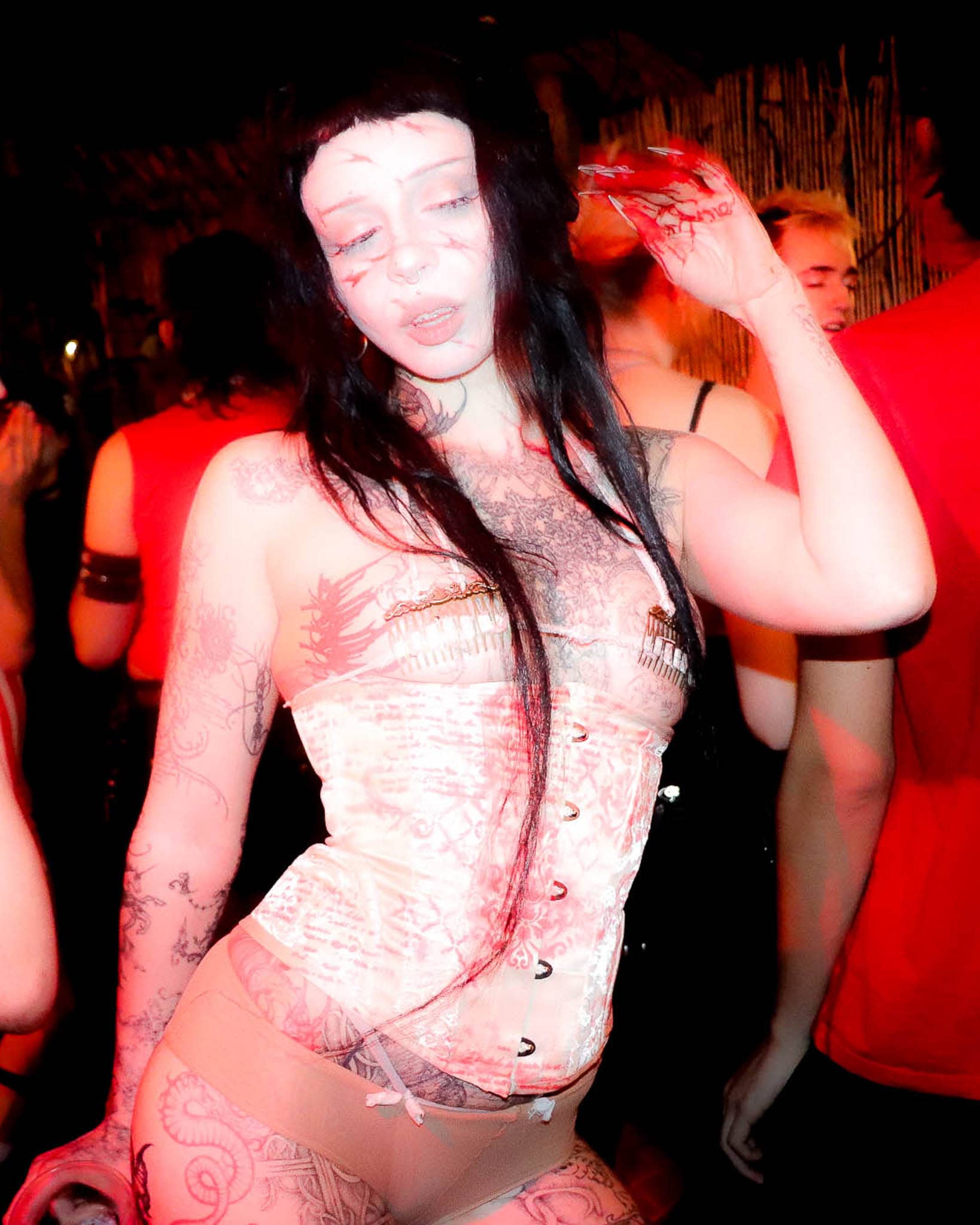
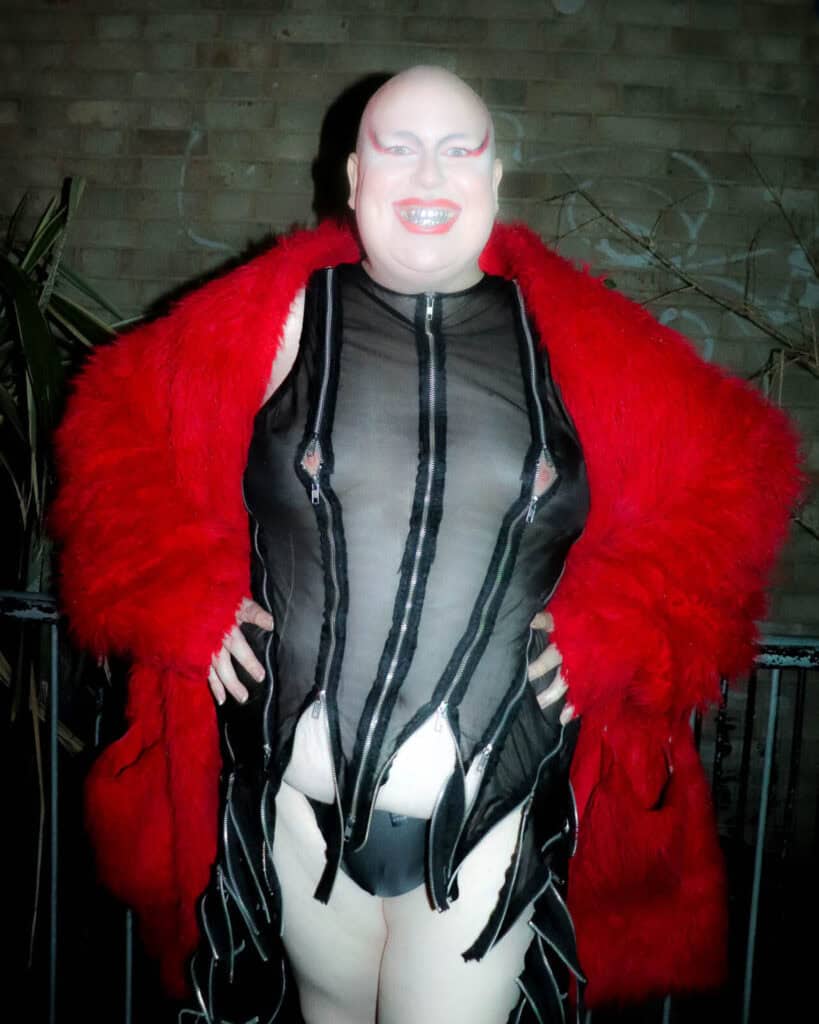
Outside, myself and the Cold photographer Bekah, brave the throng of spikes and red leather to ask the people why they are here.
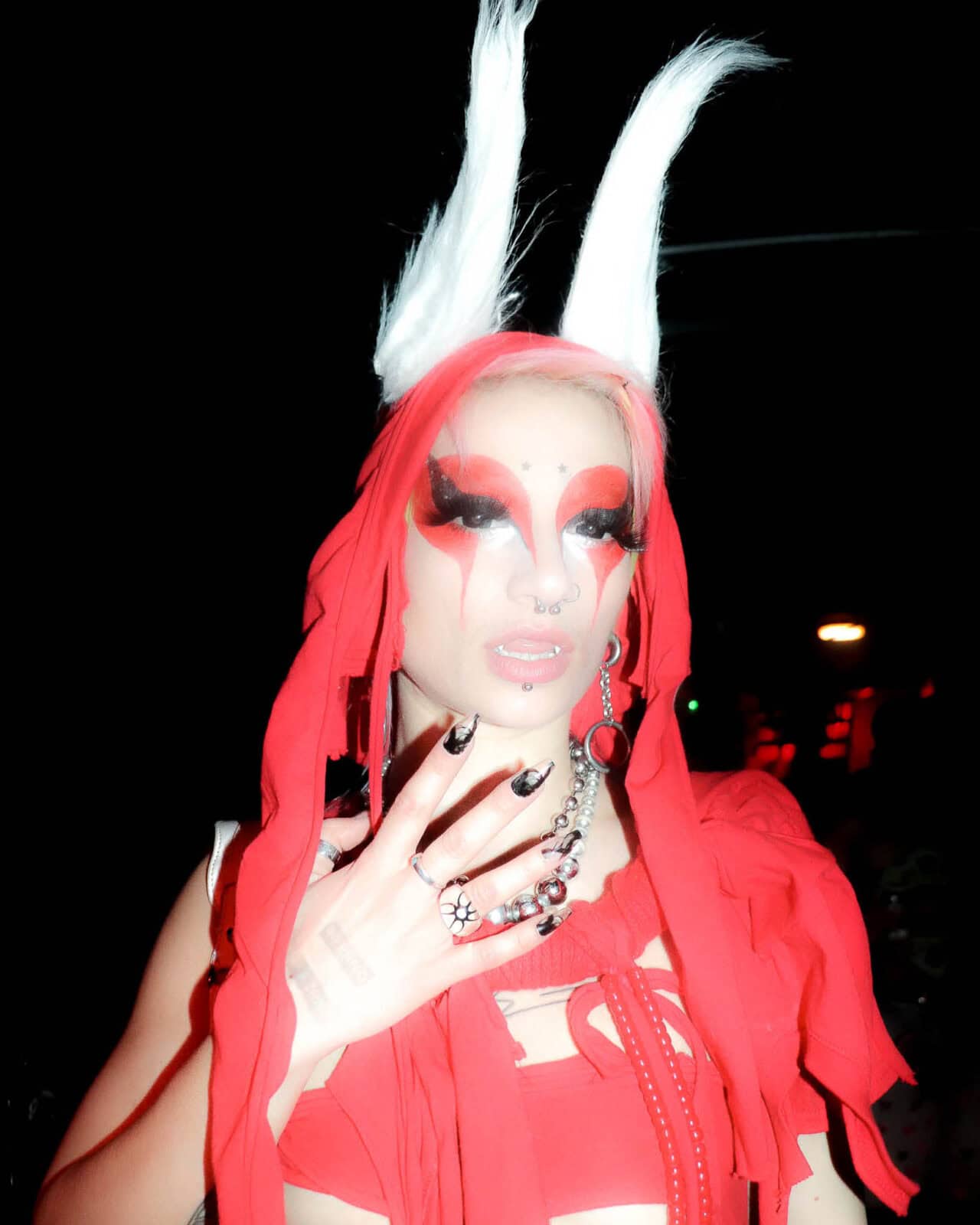
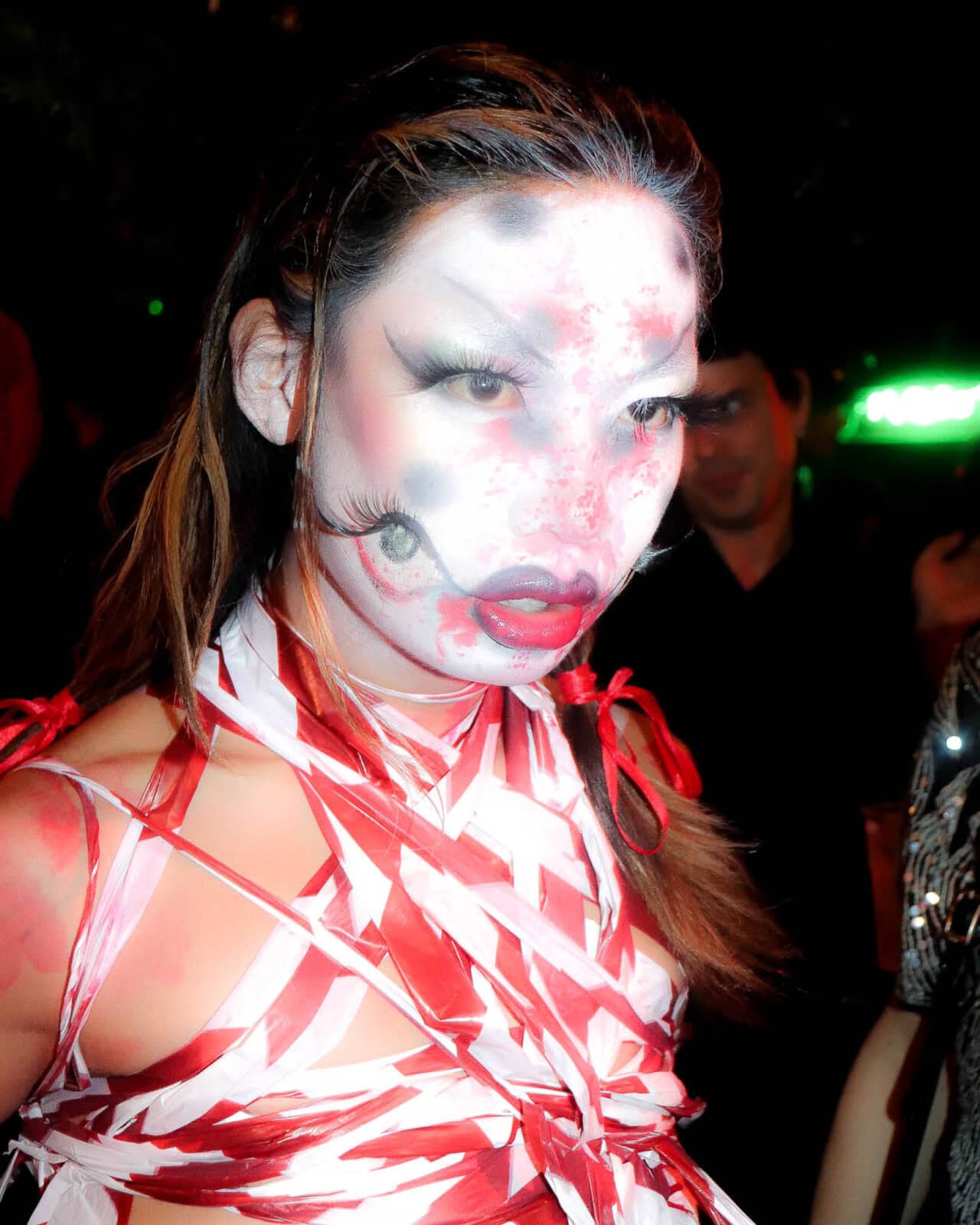
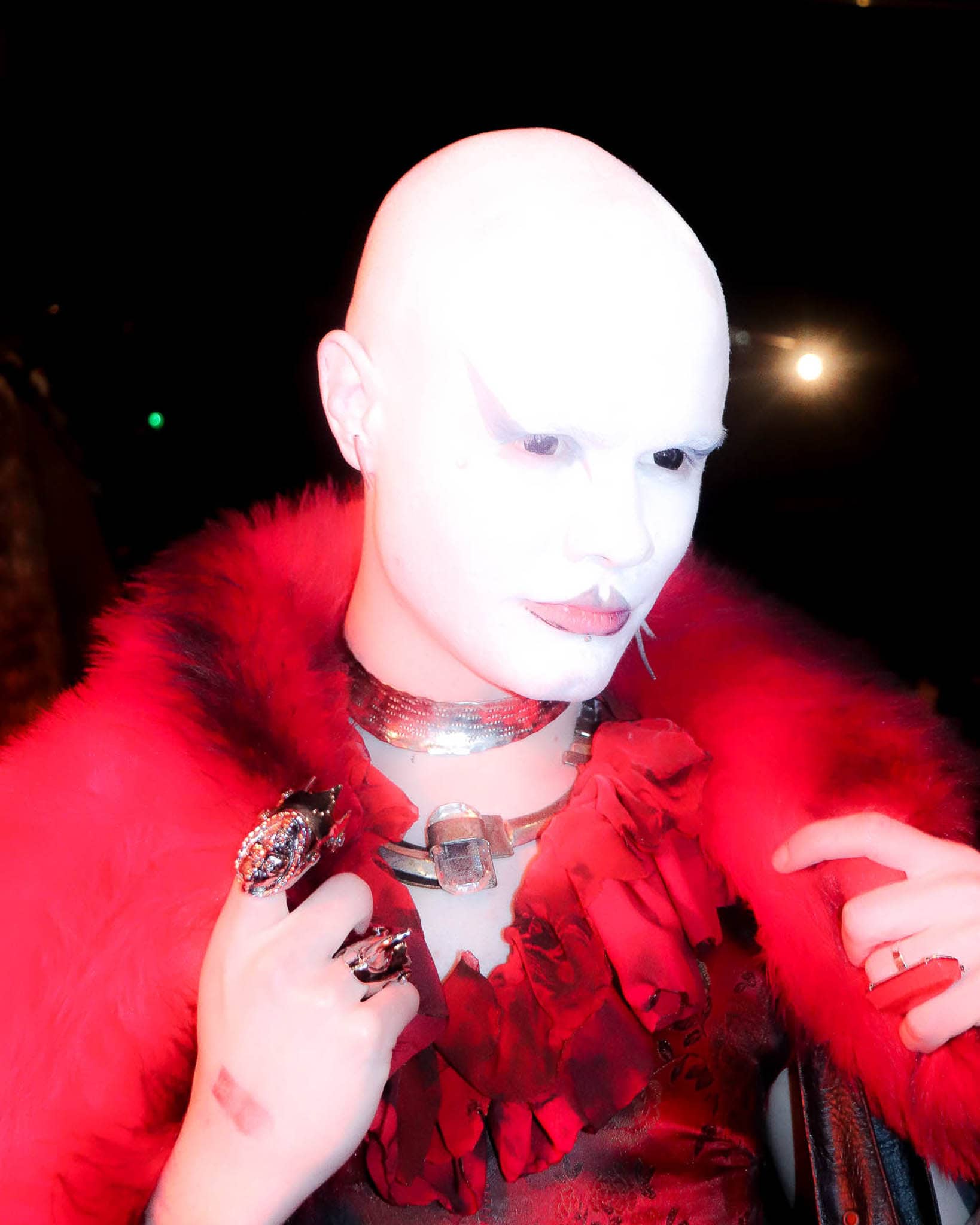
“For inspiration. To see versions of myself, and my truth, through other people.”
“Why the fuck not? Why not be red and naked?”
“To dance, to sweat, to let ourselves be free, to be puss!”
“For the queer baddies.”
“It’s a playground. I came here to have fun.”
“Well, it’s kinda gay. I had to be here,” Theo says very matter-of-factly.
We laugh. But soon the answers take a serious tone.
Someone tells me they are carrying grief with them tonight. That the community holds you, and bounces you back up like a trampoline. Someone else says it is here where they first learned to be visible. Another says they wrote about Inferno in their dissertation about queer nightlife. And a towering model, swaying in the breeze, fresh from LFW, tells me they have just finished a show with sixteen handmade looks and all the emotional wreckage that comes with it, and that tonight is the only place that feels like a return to normal.
Lewis says they hear stories like this constantly. “People are coming for permission,” they tell me, “but also for something much deeper than that. A space where they can exist outside the expectations placed on them in the world. Somewhere they can experiment with who they are, how they look, how they move, how they connect with others and be witnessed in that.”
Nightlife, they explain, has long played this role. “From Molly houses through to club kid culture, through to the Black and queer roots of techno and house, these spaces have always been about survival, connection and expression. Inferno sits within that lineage.”
“We started at Dalston Superstore in 2015,” they tell me. “Upstairs was pop, disco, R&B heaven with drag queens dancing on the bar. Downstairs was industrial techno, performance art, something darker and more experimental. You could move between those two worlds in one night.” At the time, they say, queer techno spaces were rare. “We were going to straight techno spaces and getting harassed for how we looked, so bringing that energy back into a queer space felt radical.”
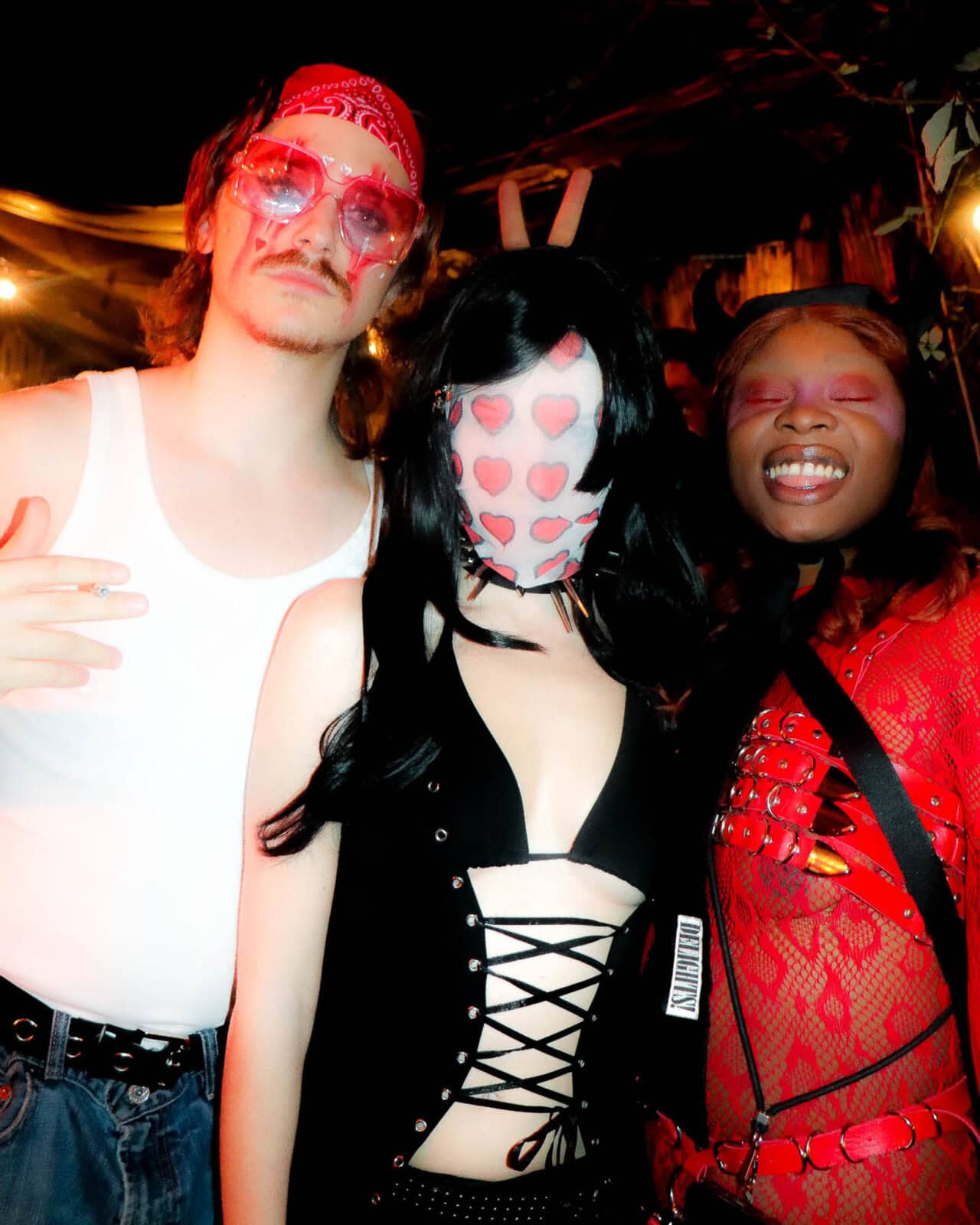
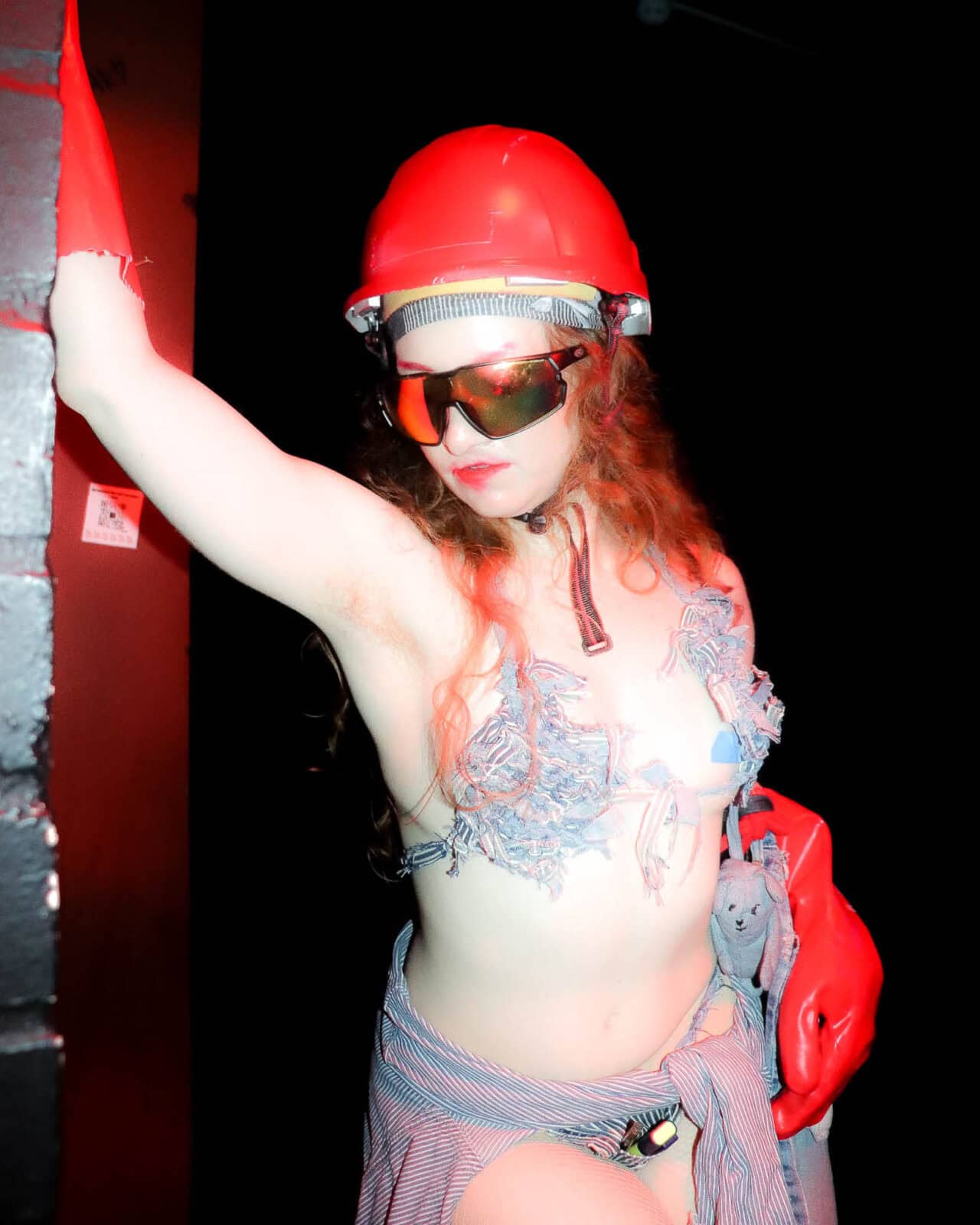
People are dressed like they are the entertainment. Clowns. A hot Furby. Layers of white paint, and bejewelled makeup that took two and a half hours to finish. There is something about Inferno that lets contradiction sit. It lets us pretend to be clowns while knowing we have always been the clowns. It is both silly and necessary.
Lewis says when the night is working and is at its best, the signs are subtle. “It’s not one big thing,” they explain. “It’s small signals, like how people are moving, how present they are with each other. The energy in the smoking area, the way strangers are connecting. You can feel when people have dropped their guard.”
At 3.46am I use the toilet for the first time all evening and as I squat I realise I have spent the entire time just saying hello to old friends and new ones. This too is part of the function of Inferno. Not just dancing but witnessing, and being witnessed in return.
“I’ve seen so many people come through Inferno and change over time,” Lewis tells me. “They become more confident, more embodied, more themselves. People fall in love, people find their chosen family, people realise who they are.”
Previously I have written about how climbing rent prices and controlling property developers are ruining Soho nightlife. The same can be seen across East London. Lewis agrees that the landscape is shifting: “Financially, socially, politically – everything is more challenging now,” they say. “Venue costs are higher, spaces are closing, and it’s becoming harder for new promoters to even enter the scene.”
Before I lose myself to the dance, I ask one last question to Parma Ham, founder of Wraith Club who is looking terrifyingly cool by the bar. I ask for one word for Inferno:
“Important.”
They pause, then add: “Whatever happens next, these spaces need to continue.”
Eleven years. That kind of longevity in London is not accidental. We need meeting points like this. Places where you can arrive half formed and leave a little more yourself.
The next chapter for Inferno begins with the Red Summer: a series of Saturday daytime parties at The Distillery on 27th June, 25th July, 29th August and 26th September, before returning to Friday night parties from October.