
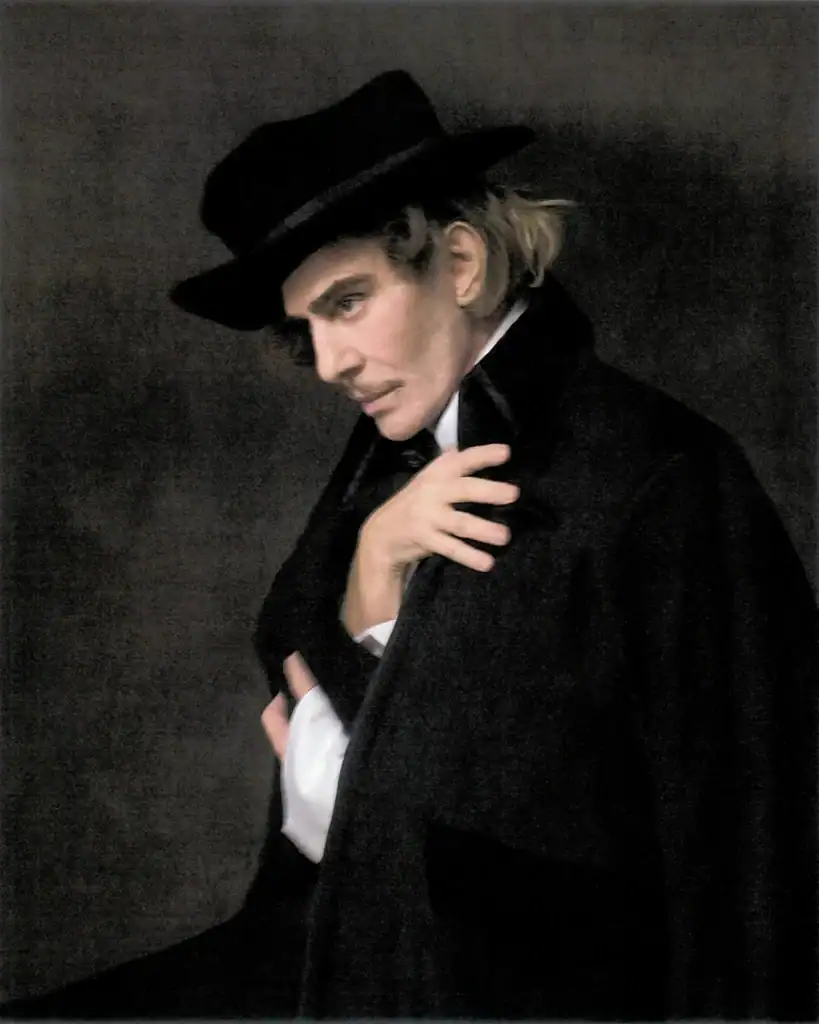
John Galliano, the mad genius of fashion, has returned after leaving Maison Margiela in 2024, where he reigned for a decade. Galliano staged a comeback few could have imagined, especially after the scandal of 2011, when antisemitic remarks led to his dismissal from both Dior and his own label. During his Maison Margiela era, he achieved something remarkable: redemption in the public eye. And now, speculation about his next move has ended. On March 17th, he returned… with Zara.
And who better than the designer once labeled “problematic” to spark debate? Just mentioning Zara – the fast-fashion giant – sets off alarm bells. Why would John Galliano, the epitome of couture and luxury fashion, align with a company known for copying designs and mass production?
But Zara’s strategy is clear. The brand has long been repositioning itself, gradually adopting the codes of high-fashion: collaborating with top designers, upgrading stores, subtly raising prices, and delivering increasingly ambitious campaigns—such as the one released to announce the collaboration, lensed by Szilveszter Makó, who also photographed the eerie Halloween 2025 campaign.
From Zara’s side, the reasoning behind the partnership is clear: a broader strategy to bring in top creative talent. Even the announcement date—right after Paris Fashion Week—places Zara in the luxury conversation. And the collaboration isn’t a one-off capsule; Galliano will work with them for two years, reimagining old designs from their archive with a “couture sensibility”, and sold at mass-market prices. Sounds fine at first. But, after this statement, we might wonder: what, exactly, constitutes Zara’s “archive”—a term typically reserved for houses with a defined heritage and a clear design evolution? What can truly be attributed to Zara? And how much of its aesthetic is genuinely its own, rather than borrowed from high-fashion brands?
On the other hand, we critique Zara and fast fashion—but who doesn’t own at least one Zara piece? Some see this partnership as a way to bring fashion closer to the public. Yet it raises bigger questions: what is fashion, really? Is it flashy campaigns, trends, and fast, cheap designs? Or is it quality, artistry, and a curated vision? Perhaps Zara will earn more serious attention when its high-fashion image extends beyond photography and top designer collaborations to quality, sustainability, and fair working conditions.
But what about Galliano’s side—the one long associated with “true” fashion, couture, and craftsmanship? What does this partnership signify for luxury and established designers? His partnership with a fast-fashion brand is loud, but not the first. Clare Waight Keller, former Givenchy creative director, now leads Uniqlo; Zac Posen is at GAP. The line between luxury and fast fashion blurs daily; not just in designs or campaigns, but in the contradictions of quality, pricing, and ethics.
Consumers are increasingly skeptical: a 2024 survey found that nearly 77 % of luxury shoppers believe prices have inflated and quality declined, with many buying less as a result.Meanwhile, established houses have faced scrutiny over labour practices: Armani was fined by Italian regulators for misleading ethical claims that contrasted with poor working conditions in its supply chain, and Loro Piana was placed under judicial administration following worker exploitation allegations. Industry assessments also show many luxury brands lag in transparency and labour protections, raising questions about ethical standards across supply chains. All of this, paired with the fact that many fashion professionals face extreme pressure and high expectations that contribute to burnout, dilutes fashion’s façade of glamour.
In a landscape where the line between luxury and accessibility is increasingly blurred, the partnership between Galliano and Zara is surprising, but not entirely unexpected. It may feel like a disappointing moment for fashion lovers; yet it forces a necessary debate.