
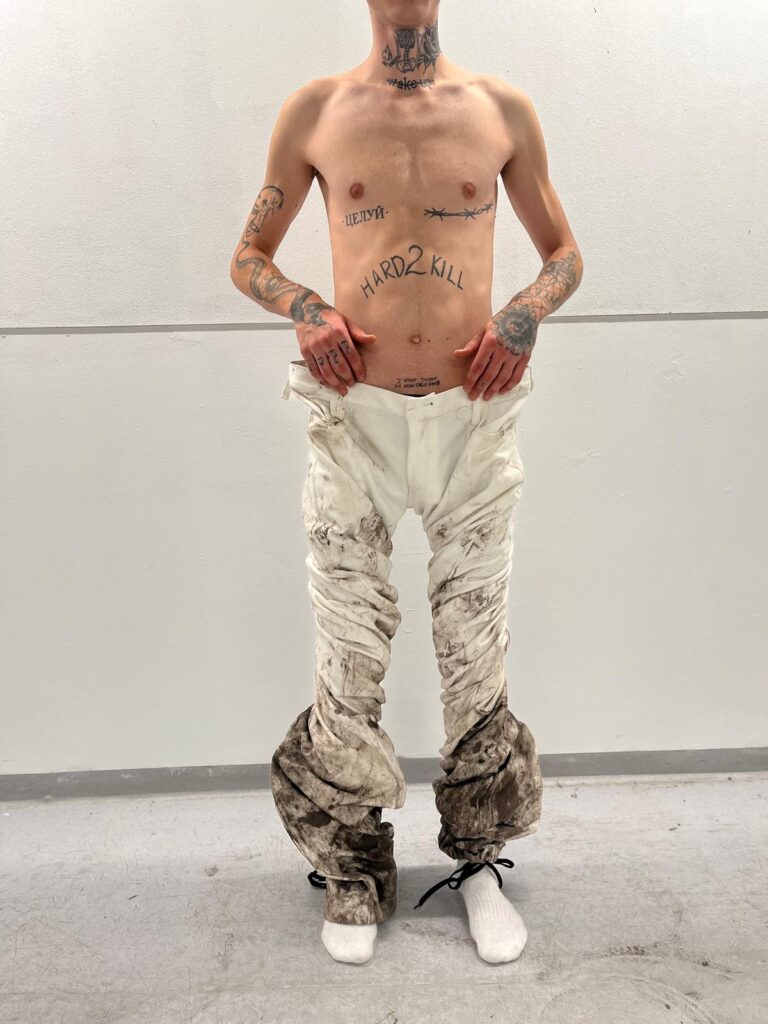
In refusing distance lies an inherent courage. At a moment when fashion promotes constant reinvention, Kalina Dorożyńska practices return – bringing theatre and expressive exaggeration to her nostalgic post-communist inspirations. Her craft circles back to the staircases, courtyards, interiors and gestures of her upbringing, returning again and again to Toruń, Poland, each time with a clearer eye.
Dorożyńska does not approach her references from a safe observational distance. She stays within them, returning in order to re-observe, and then re-contextualise. She deftly implements humour, and a bold combination of grotesque detail and ornamental excess to present these intimate stories with empathy.
She confronts the realities of her past through irony, finding the levity within the heaviness. We spoke about small towns, big feelings, and what becomes visible only after you leave.
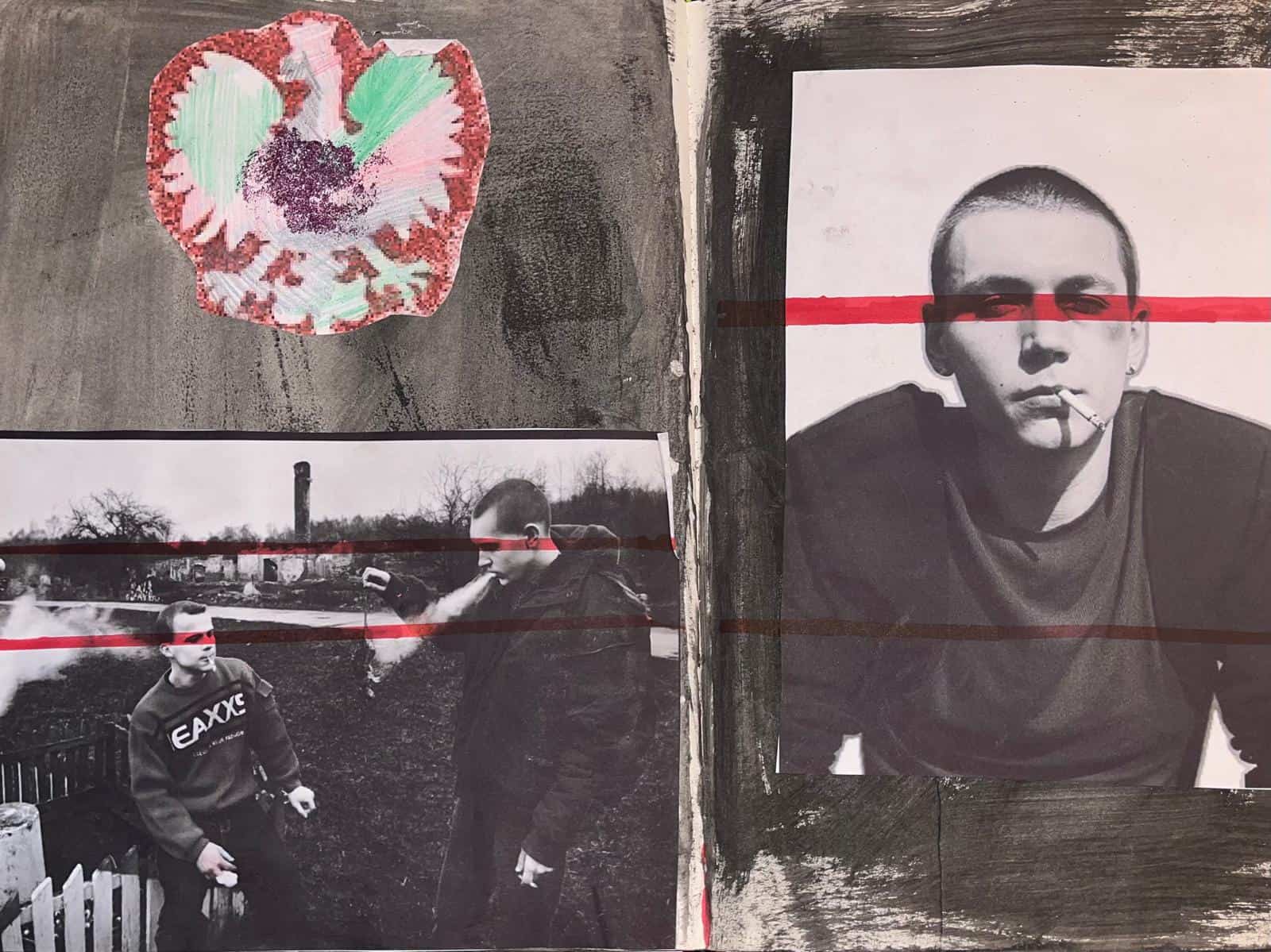
The Cold Magazine (CM): Many people try to escape where they come from, while you keep returning to Toruń and to very local codes. What keeps pulling you back?
Kalina Dorożyńska (KD): I keep returning to Toruń because over time I began to understand how unique a small town really is. Every small town has its own micro-world – its own language, rituals, distinctive characters and daily folklore. It was only after gaining distance and living in Warsaw for a few years that I could see it clearly.
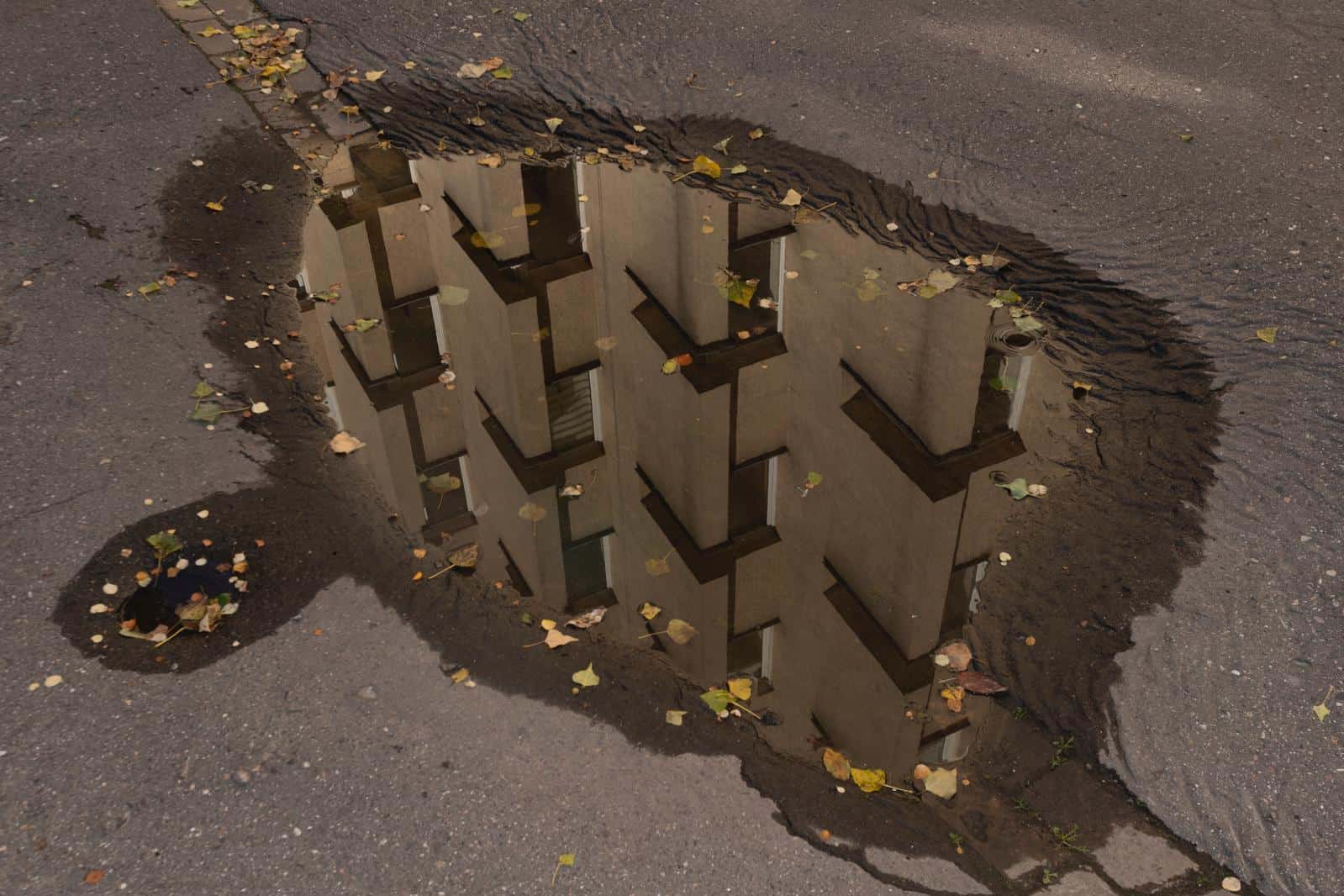
What once felt completely normal to me as part of the Toruń lifestyle now often appears almost absurd – and that absurdity fascinates me. Toruń has a very rich everyday folklore. It is shaped by strong personalities and local environments: outspoken older women who always have something to say, very specific “types” of people, small scenes unfolding in staircases and courtyards. There is something raw and authentic about it that I find deeply inspiring.
The city carries a particular kind of energy. It balances seriousness with exaggeration, nostalgia with a sense of the grotesque. In a small town everything feels more visible, more intense. Every place holds a story, and ordinary moments easily turn into anecdotes.
I return not necessarily for something new, but to re-experience familiar situations from a different perspective. I change, my viewpoint changes, but the local folklore and everyday absurdity remain an endless source of inspiration for me.
CM: You’ve said you are drawn to humour, exaggeration and the absurd. When does something “funny” become serious in the making process?
KD: I think it becomes serious the moment you truly confront reality – when you experience it firsthand. A good example is my collection inspired by hooligans. From the outside, their attempts at emulating masculinity are easily ridiculed and seem quite absurd. But when you know their stories personally, when you grow up around people like that, you begin to understand them on a much deeper level.
I absolutely did not want to mock or ridicule the protagonists of my story. I’m not interested in irony directed against them. My intention was to tell their story – to show their world from close up, with empathy, even if I use exaggeration or aesthetic excess as tools.
In every story I try to find a layer of lightness. Even if the subject appears heavy or sad, I’m drawn to its ironic or slightly grotesque dimension. In difficult environments – for example, post communism housing. Humor does not take away seriousness; it helps to process it.
CM: What object from a Polish living room would best summarise your work?
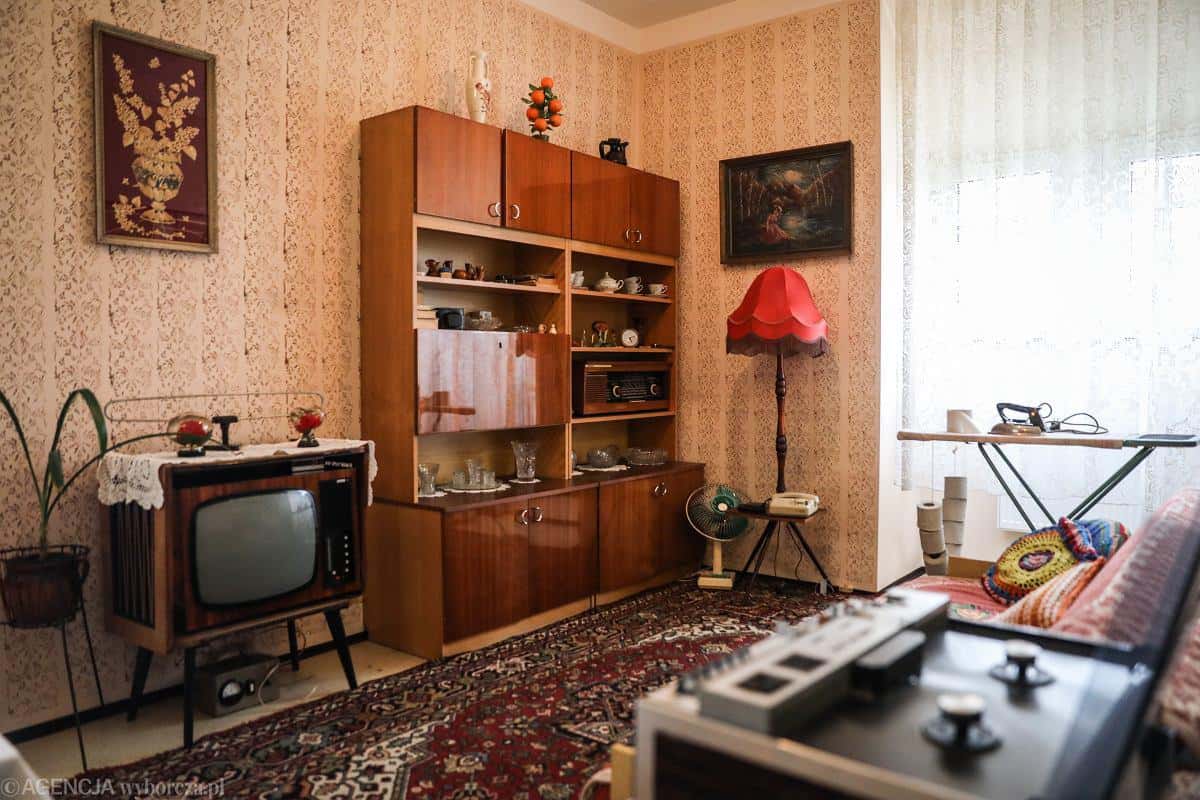
KD: I would say a fringed lamp from the PRL era. Very decorative, often velvety, saturated with ornamentation – designed to attract attention, dominate the space and almost perform theatrically within an interior. Today, many people would probably describe it as kitsch, unnecessary or excessive, because you could easily choose something simpler and more minimalist.
For me, it’s a perfect metaphor for my work. On the surface I deal with serious themes, but the form can be decorative, exaggerated, sometimes balancing on the edge of kitsch. That ornamental excess – like the fringes on the lamp – creates tension between the weight of the subject and aesthetic overstatement.
CM: What is a small detail in your garments that carries a big emotional weight for you?
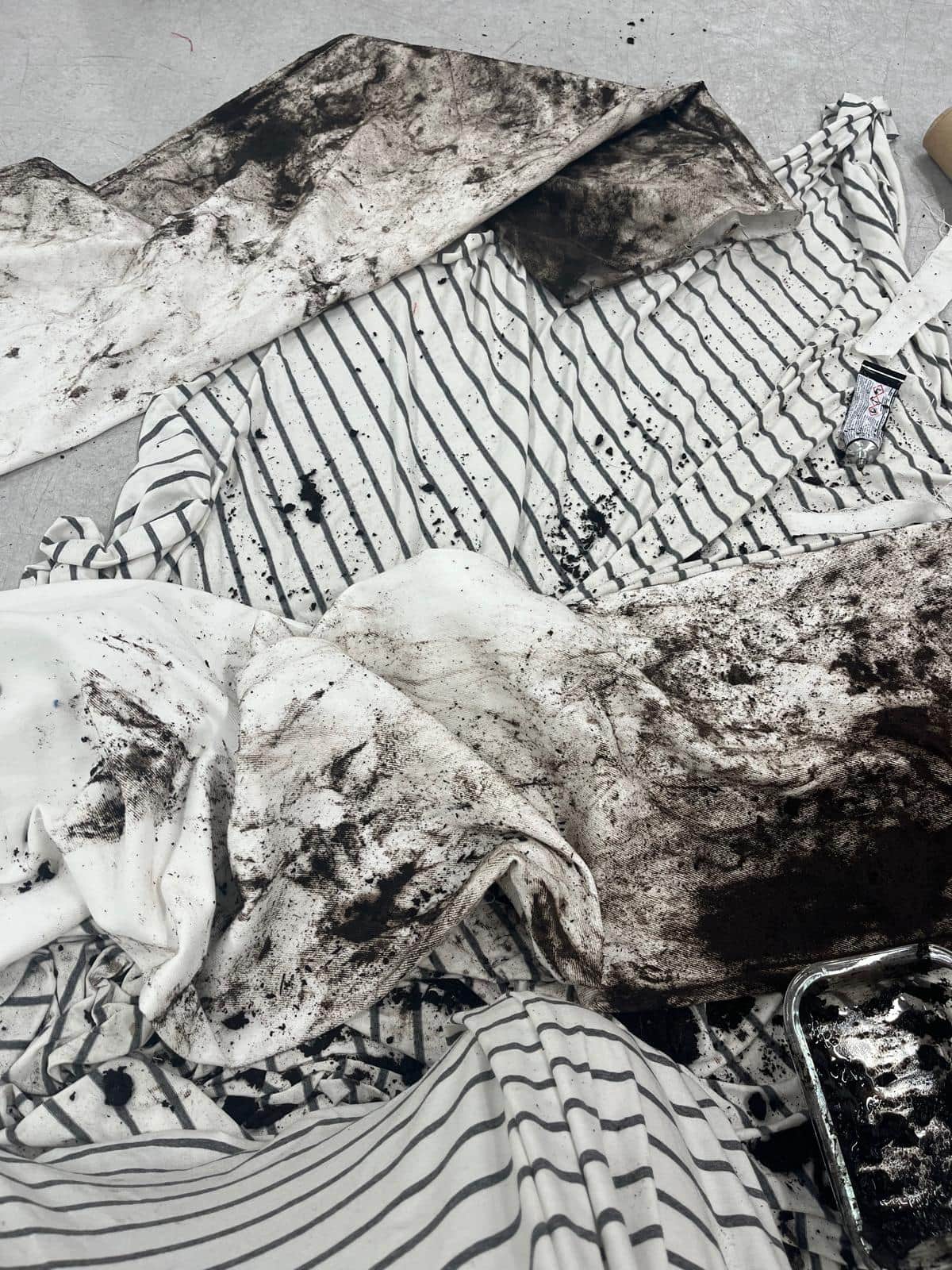
KD: Definitely mud. Patinating the garments with mud was a relatively simple gesture, but it completely transformed the character of the collection. I used natural mud mixed with a special adhesive. Some pieces were stained in a controlled way, while others were literally rolled in mud, allowing them to become dirty in a more organic, almost accidental manner.
Mud breaks the colours, creates gradients and reveals new tones – and it looks different on every fabric. It’s a strong visual accent, but also a symbolic one. I was inspired by street fights and so-called football hooligan clashes, where bodies wrestle and roll on the ground. The mud becomes a trace of that energy – of brutality, tension, but also of physical truth.
CM: What’s next for Kalina Dorożyńska?
KD: I would like to pursue a master’s degree outside of Poland. I still feel the need to learn, to explore new technologies and to deepen my artistic sensitivity. For me, studying is a space of freedom – a moment where you can experiment without compromise.
It’s a time to go wild creatively before entering a more structured professional reality, with specific briefs, expectations and aesthetic frameworks. I want to take risks, make mistakes, test my limits and simply have fun. This feels like the right moment for boldness and intensity – to create without calculation, driven purely by the need for expression.