
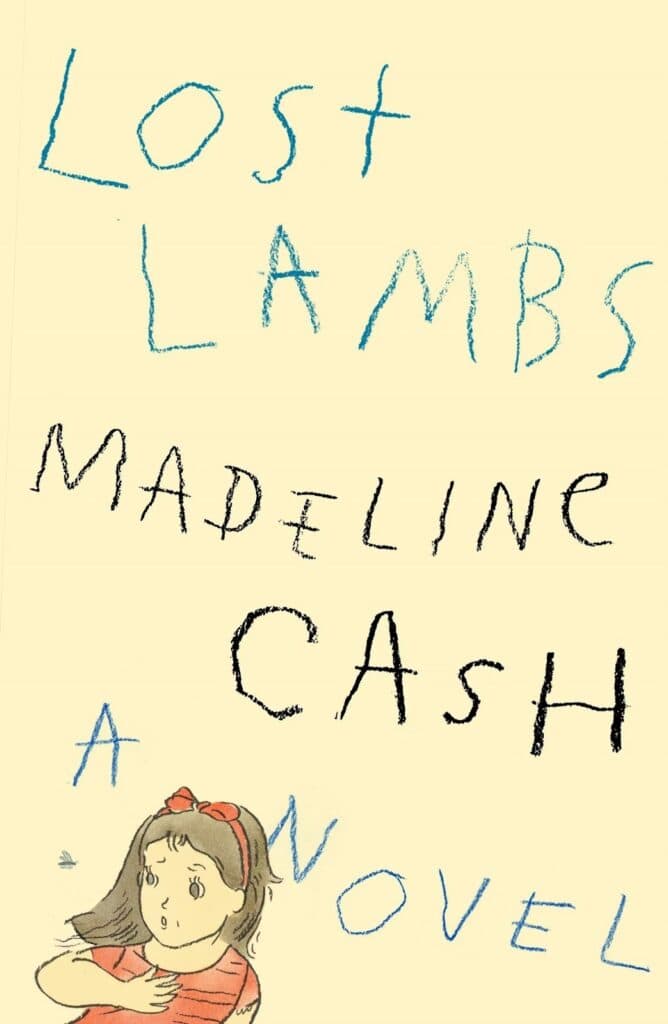
Earnestness comes easily to the characters populating the colourful pages of Madeline Cash’s sparkling debut Lost Lambs. Speaking to and from a generation that prides itself on contradiction, Cash skewers the ouroboric logic of Gen-Z dogma. This is a cohort reportedly having the least sex ever, craving intimacy and connection, despite being permanently plugged in. Everything they’ve been fed is a lie, and the cost of living an irony-pilled life has finally come back to bite them in the tail. The nuclear family is dead, god is nowhere in sight, and sinister tech billionaires pull nefarious strings. No, this isn’t a sweeping generalisation. It’s precisely where our story begins.
Cash questions what truly matters to the modern-day familial unit using the members of the Flynn family: dad Bud is a cog in the machine, playing second fiddle to his wife, Catherine Flynn’s, bisexual and bohemian impulses (she wants an open relationship). He does, of course, find solace in the paisley powdered bosom of Miss Winkle, moderator of the church’s Lost Lambs initiative, while Catherine lives a life adjacent to the Cool Girl monologue from Gone Girl, alternating her affections between a Georgia O’Keefe vagina painting male neighbour and hot sexy plumber (who is – gasp! A woman!).

The Flynn daughters are in desperate need of parental guidance (and a fully stocked fridge, to be honest). Left to their own devices, they are wild, wanton children living out their own subplots who, at times, feel as if they’ve stepped straight out of the chorus of a Lana del Rey song. Eldest Abigail longs for autonomy, clings to youthful beauty, dates a man nicknamed “War Crimes Wes” and sneaks into tech billionaire parties.
Middle child Louise steals the family laptop to chat to her terrorist boyfriend (whose curt responses inspire bursts of affection in Louise amidst the odd bomb recipe, of course) and youngest Harper, sharp, well versed in every language ever, is spurred on by curiosity, conspiracy and her in-built suspicion of the world.
What follows is a slap dash comedy peppered with various truths and alternating points of view, painting a portrait of this family and their shenanigans that results in a butterfly effect that rings through the entire town. There is a real heart to the story, prodded along by Cash’s singular voice. At its heart, the novel performs a deep understanding of the push-and-pull dynamics of coming of age, and offers a real recollection for what it’s like to be young and full of promise and vigor.
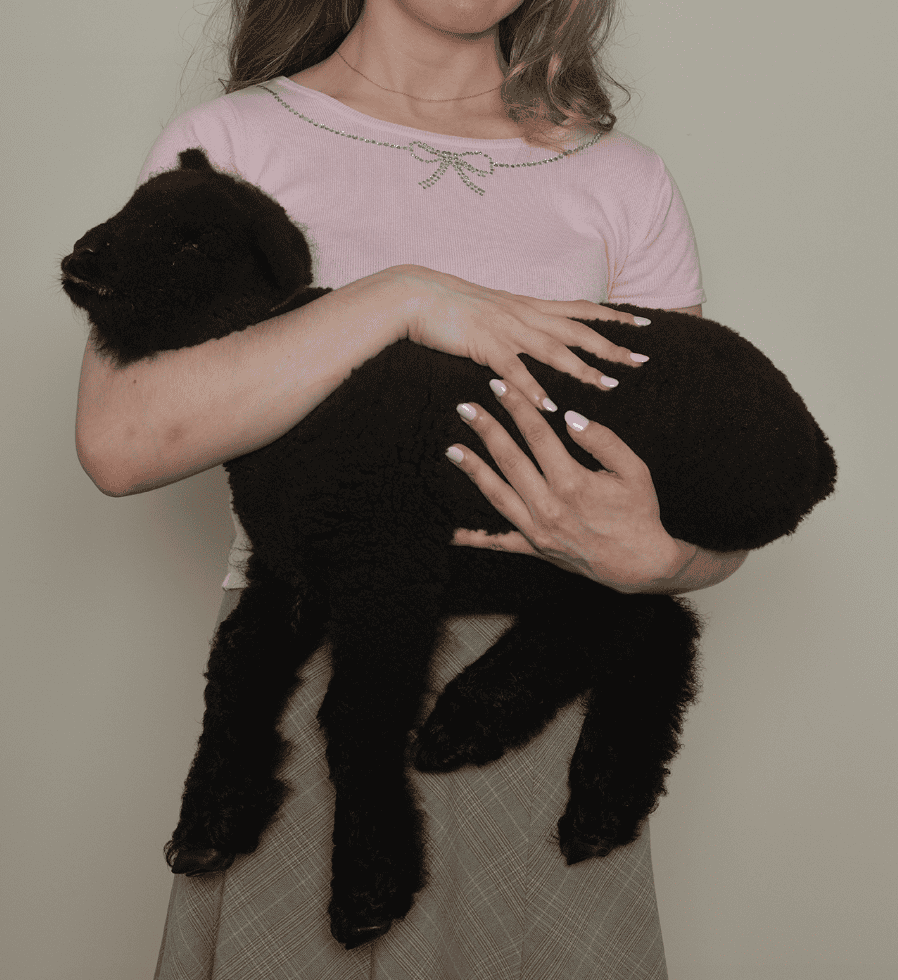
Lost Lambs argues that cold cynicism is a dead end. In Cash’s multiverse, goodness cannot be engineered through moral purity or online correctness. To embody the goodness in the world, you must embrace the contradiction. There is simply no other way to be. In Lost Lambs, rolling with the punches means ending your mischievous hijinks with a chain restaurant style sit-down dinner with your family and close friends, where the warmth radiating off you is so infectious, that passersby can’t help but join in. Cash’s debut suggests that sincerity, far from naïveté, may be the most radical posture available. In a culture addicted to detachment, Lost Lambs makes a persuasive case for earnestness, however embarrassing, being a form of resistance.