
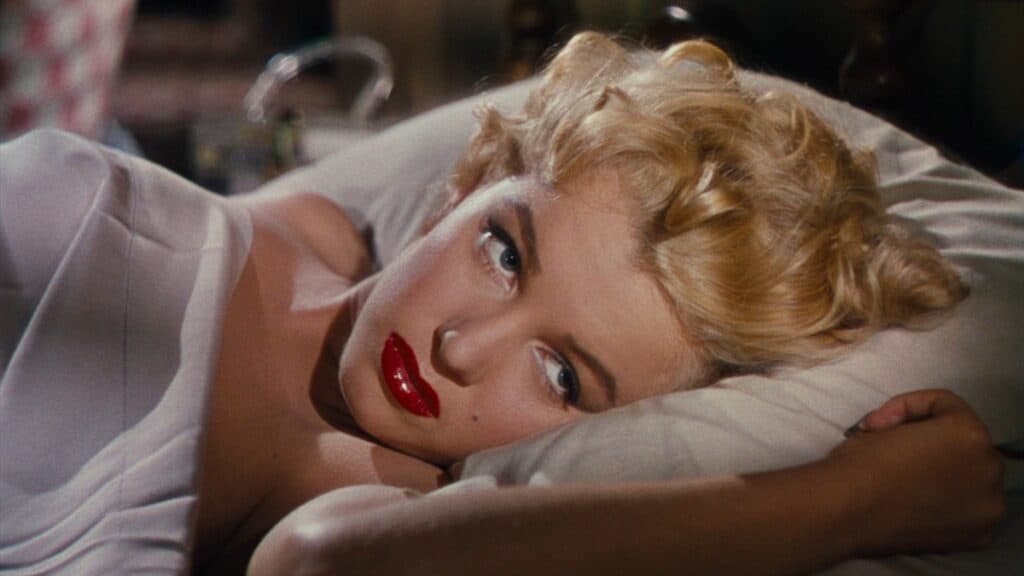
“Every god is created to be eaten”, declares philosopher Edgar Morin in his 1957 book on the Hollywood celebrity-machine, The Stars. Just as Christians consume the bread-body of Christ, so too, Morin argues, do the faithful followers of celebrities seek to “possess, manipulate, and mentally digest the total image of the idol”.
If to be a “god” is to be eaten, then no god/star has been more digested, consumed, and cannibalised than Marilyn Monroe. One hundred years since her birth, Marilyn Monroe remains, as Alissa Bennett puts it, “one of America’s most enduring cultural fetishes”, a tantalisingly elusive, deliciously contradictory figure whose influence we continue to dissect and debate nearly a century later.
Initially, we devoured her image – see the legendary skirt scene from The Seven-Year Itch, or Andy Warhol’s iconic Marilyn Diptych (created in 1962 shortly after Monroe died by suicide). These are reflective of an age in which celebrities remained just out of reach, where stars’ public personas were carefully curated by the Hollywood studio system into perfect, two-dimensional, easily digestible images. Marilyn Monroe as the blonde-haired, breathy-voiced sex symbol.
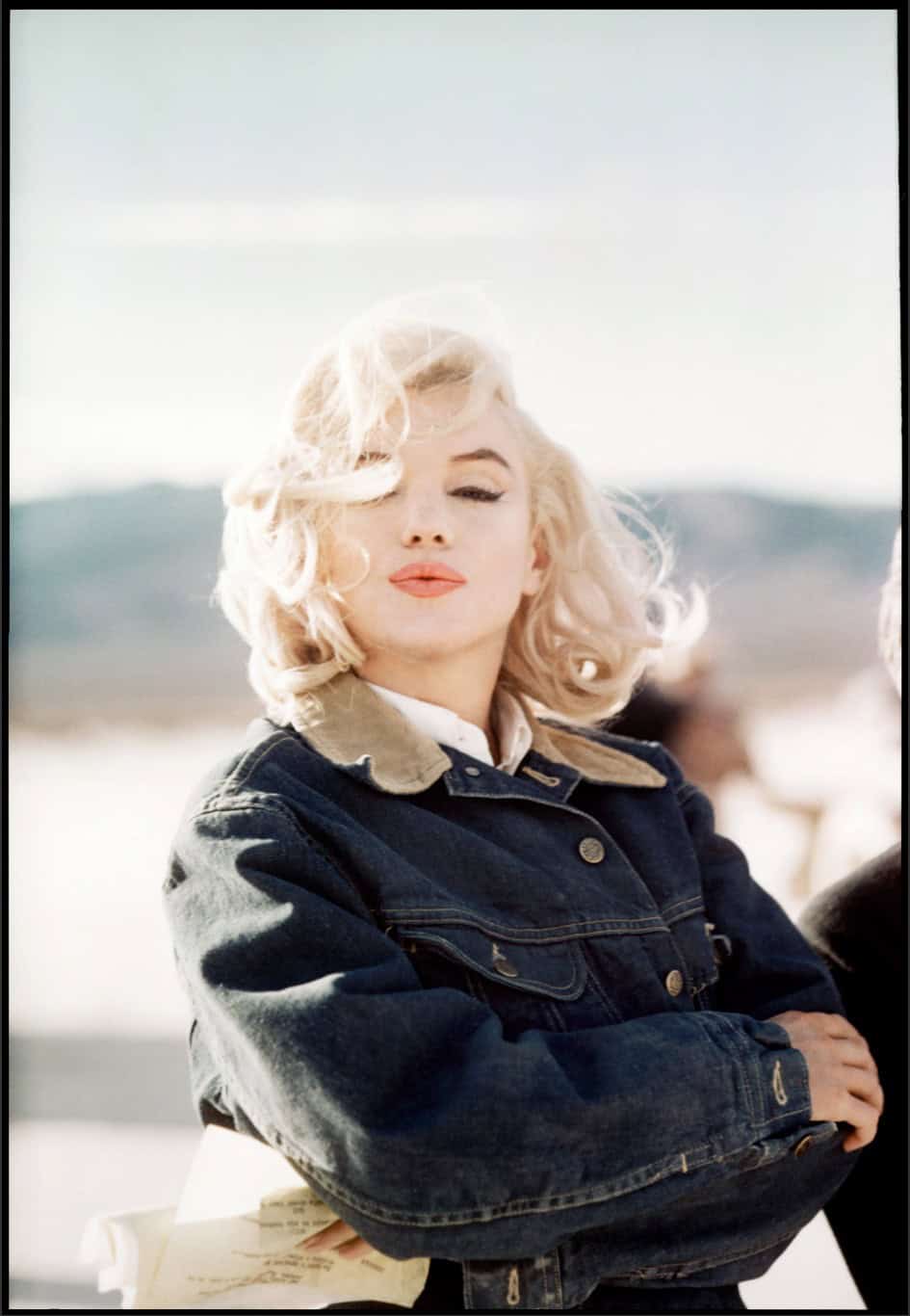
Later – in the era of US Weekly and sleazy paparazzi – we peered behind the Technicolor curtain and consumed the (true?) story of Norma Jeane, the woman behind the Marilyn Monroe persona, resulting in books like Antony Summer’s biography Goddess (1985) and Joyce Carol Oates’ novel Blonde (2000). Marilyn Monroe: she’s a mess, just like us!
And what does our consumption of Marilyn Monroe look like today? Yes, we still obsess over Monroe’s iconic image and her tragic story, but in our social media age we are not simply content to ‘mentally digest’ our celebrity-gods, as Edgar Morin put it. Instead, a common refrain we hear today when talking about our idols is ‘do I want them or do I want to be them’? Whether it’s ardently following Hailey Bieber’s makeup routines or reading the same books as Jacob Elordi or getting the exact breast augmentation as Kylie Jenner (“445 cc, moderate profile, half under the muscle!!! Silicone!!! Garth Fisher!!! Hope this helps lol.” ), it is not enough to simply consume our celebrities through carefully styled publicity photos or unauthorised biographies or sleazy tabloids. Now, in our social media age where access to celebrities is constant (and supposedly authentic), we want to digest them entirely, to become them, cannibalising their bodies and laying them over our own.
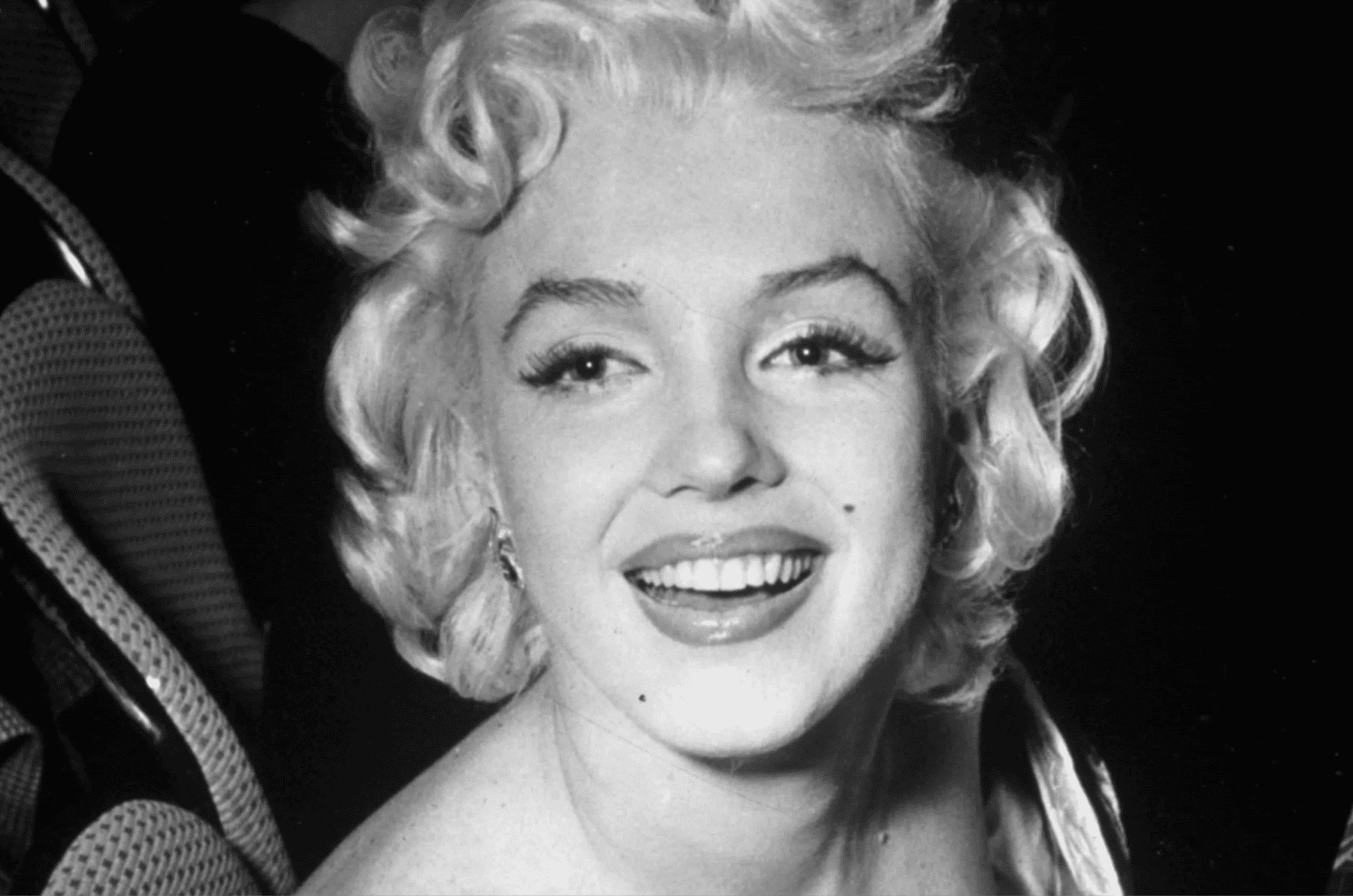
Despite having lived decades before the advent of the internet age, Marilyn Monroe is still subject to this modern celebrity-worship at its most extreme. See Kim Kardashian’s decision to wear the original dress Monroe wore in 1962, at the 2022 Met Gala. Speaking to Vogue, Kardashian revealed that Monroe’s dress initially didn’t fit her; she thus embarked on a diet that reduced her down to Monroe’s measurements until the dress fit like a glove. “I wanted to cry tears of joy when it went up,” Kardashian exclaimed, experiencing euphoria as she donned Monroe’s dress, her body and the body of Hollywood’s greatest sex symbol becoming one. Kim Kardashian’s Met Gala look represents the epitome of modern celebrity worship; just as she transforms into Monroe, so too do young women replicate the Kar-Jenner family’s outfits and hairstyles and cosmetic surgeries, becoming near-reproductions of the celebrities they idolise.
Smaller influencers likewise express their worship of Monroe by becoming her. Jasmine Chiswell is just one of many Marilyn Monroe aficionados who amassed a following for her uncanny recreation of Monroe’s starlet looks, and ultimately went so far as to buy Monroe’s house in Burbank. As with Kardashian, the worship of Monroe is once again total possession, to not just understand Monroe, but to be her, to live in her house as her. It is telling, though, that fans typically only embody a certain version of Monroe – ironically, the very same “sexy idiot persona” (as described by Phillipa Snow in her book Trophy Lives) that oppressed and constrained Monroe throughout her life.
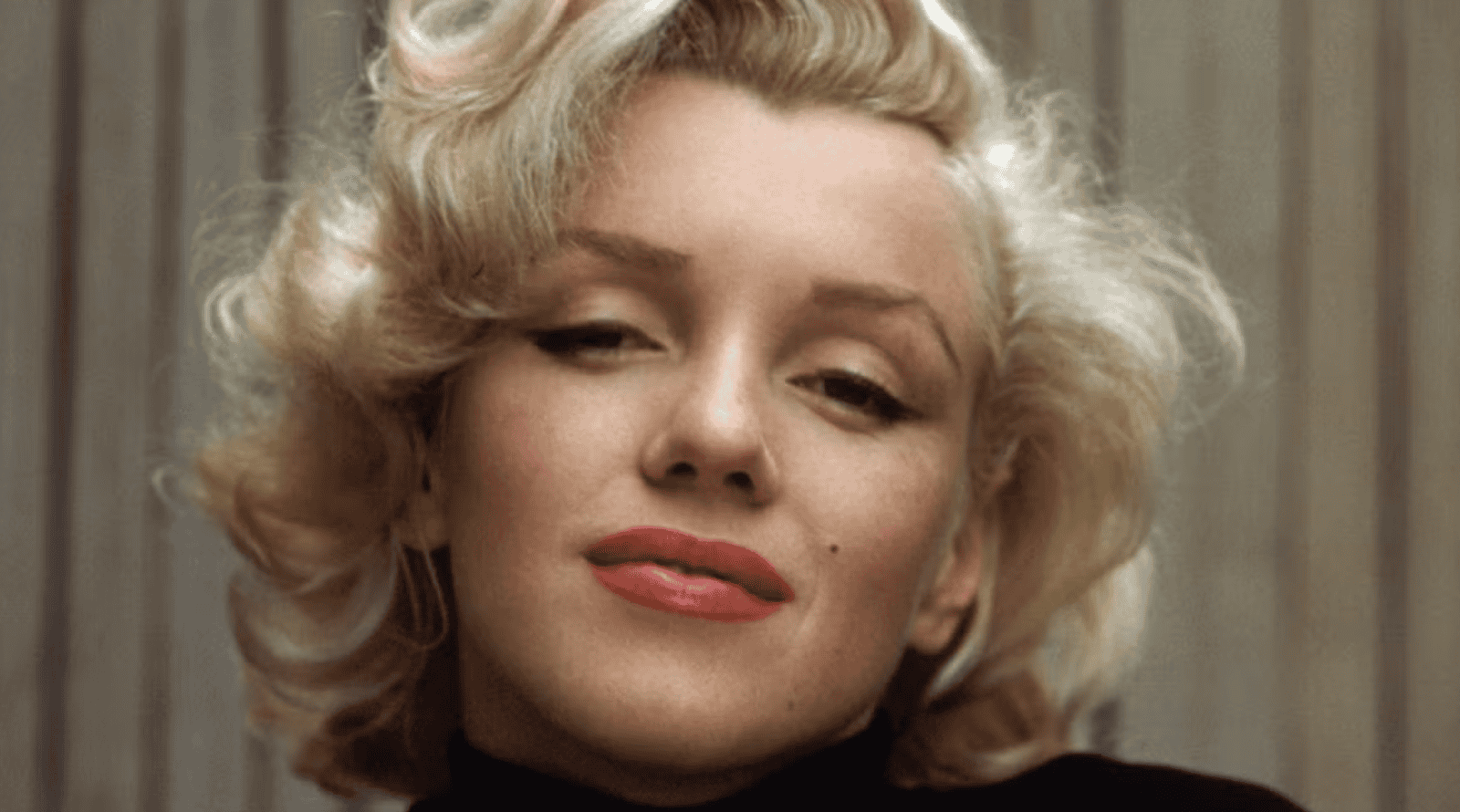
A century since her birth, Marilyn Monroe has become a cultural cornerstone, a figure against which we can observe society’s changing relationships to the cult of celebrity. Though not all of us are obsessed with Monroe to the same degree as Chiswell or Kardashian, we nevertheless possess the same desire to digest and become our idols as they do. Brands like Kim Kardashian’s SKIMS and Hailey Bieber’s Rhode achieve multimillion-dollar success; lifestyle publications like Dua Lipa’s Service95 amass significant cultural clout; and curated events by stars like Harry Styles gain widespread attention because they offer us an opportunity to emulate our idols through consumption, to feel as if we can not only admire them from afar, but become them.
Through the extreme embodiment of Marilyn Monroe and our wider consumerist celebrity culture, we can see clearly Edgar Morin’s observation that ‘the star is a total item of merchandise: there is not an inch of her body, not a shred of her soul, not a memory of her life that cannot be thrown on the market.’


