After stints in major cities like Melbourne, Sydney and Perth, Australia’s CLOSER festival makes its European debut this summer on the outskirts of a town of fewer than 35,000 people, at the geographic heart of the Balkan peninsula.
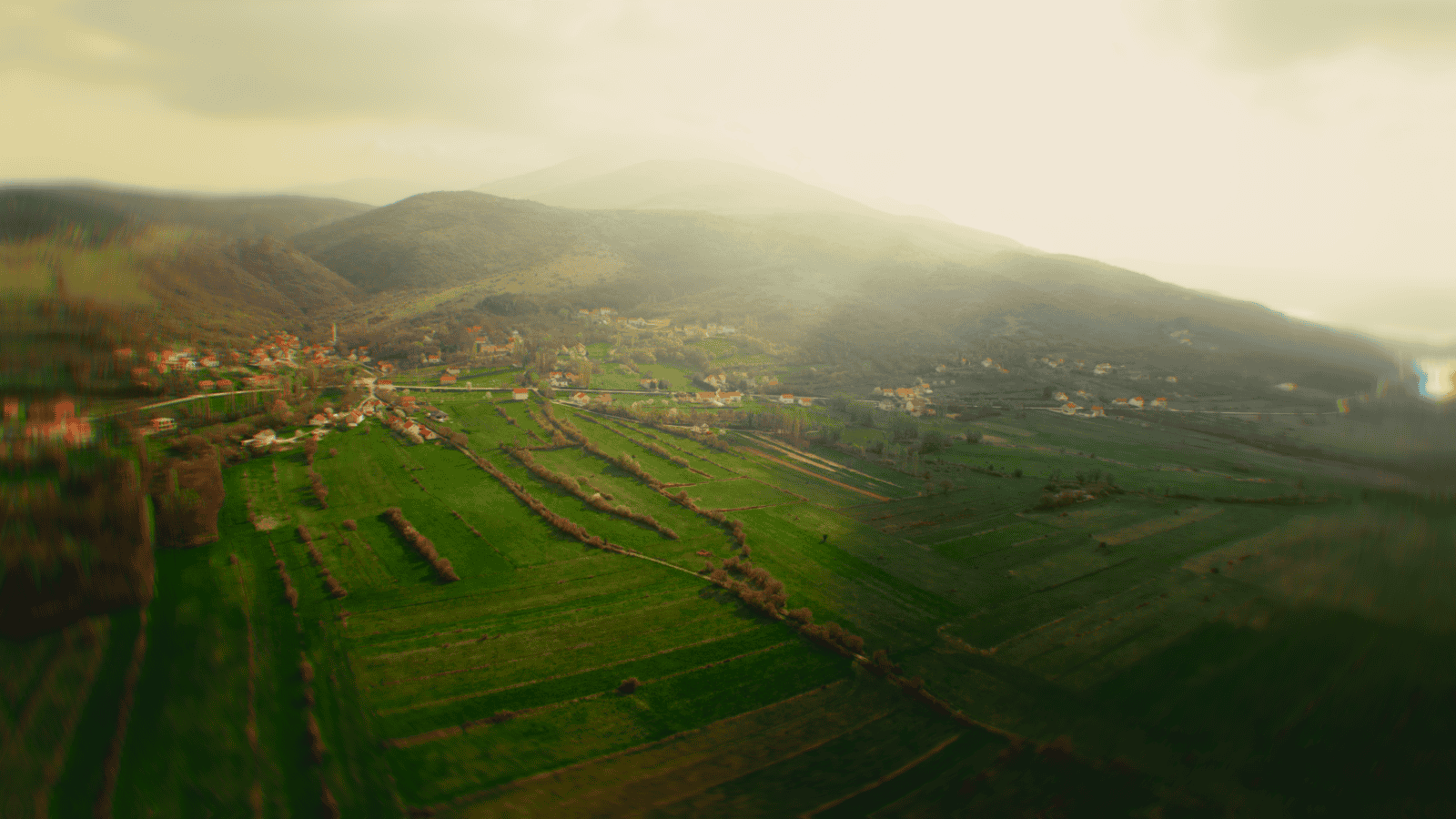
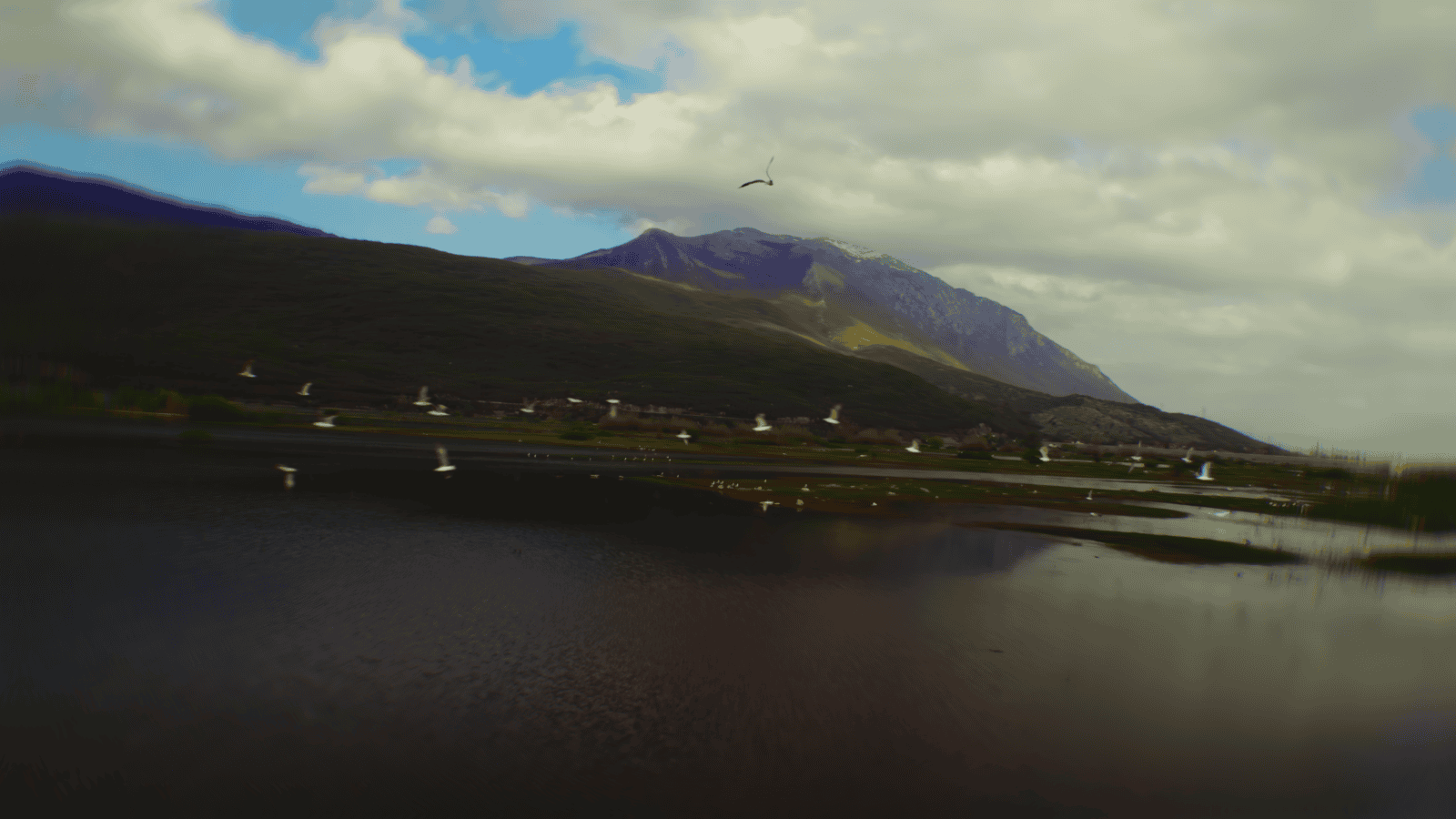
Between the 24th and 26th of July, around 5,000 people will camp alongside one of Europe’s largest man-made lakes, in Livno, Bosnia and Herzegovina. Surrounded by mountain ranges and relative quiet, they will spend their days sipping strong Bosnian coffee served in its century-old traditional way, dipping in the lake, working through Bosnia’s layered and diverse culinary tradition and driving past wild horses. The backdrop of it all, of course, is music: with over forty performers across two stages, the experience is designed to feel complete.
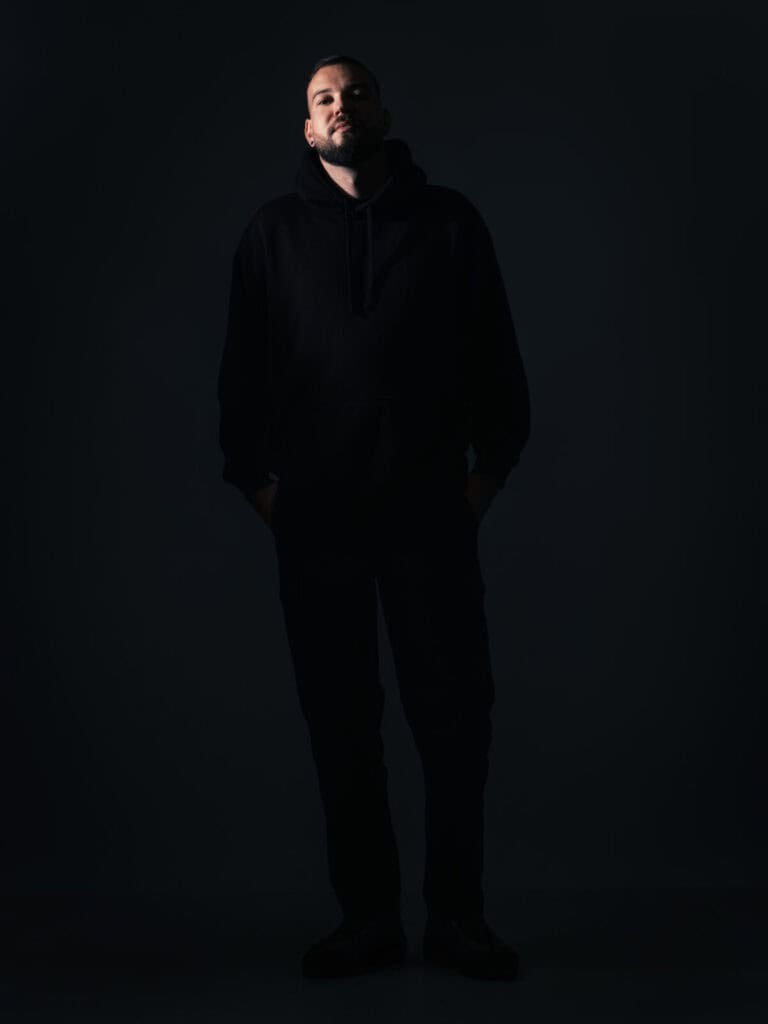
Livno is neither a capital city nor a typical festival hub. It is a small place to slow down in, and the family hometown of SPEZ (Marko Sperac), founder of CLOSER and owner of Warg Records. SPEZ came up through Melbourne’s underground scene, spending long nights in clubs watching DJs play, paying attention to how rooms moved, how sound built, how people disappeared into it. That early curiosity eventually became CLOSER, a series of stripped-back techno nights born from a feeling that the local circuit was drifting from what made those spaces worth being in.
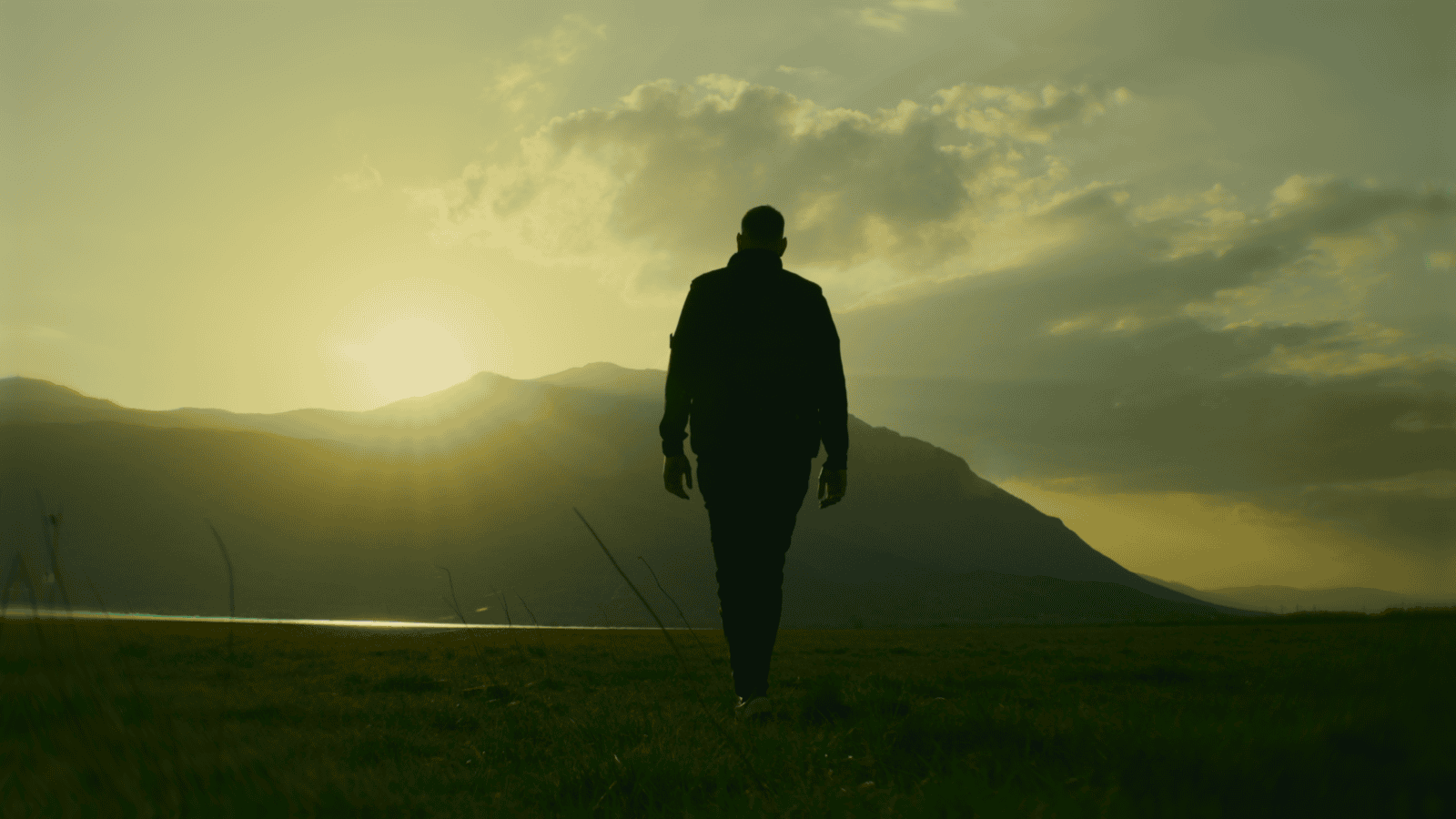
Ahead of its European debut, we spoke to SPEZ about the early days of the project, what it means to bring it back to where his family is from, and how a sense of community continues to shape every decision he makes.
The Cold Magazine (CM): Hey Marko, thanks for taking the time to speak with us. For those just discovering you, can you take us back to the beginning, how you first got into music, what shaped your sound early on, and how your journey as an artist eventually led to founding Warg Records and CLOSER?
SPEZ (S): I used to play a lot of video games and stumbled across all kinds of electronic music during my teenage years. There was one club specifically in Melbourne called Two Floors Up that was recognised for playing a unique style and that led me to visit the institution that it was when I turned 18. Many of my friends weren’t into that genre of music so I used to attend on my own watching DJ’s play for hours. I then decided I wanted to start DJing myself. After a few years I wanted to push the techno scene in Melbourne and host events of a European standard purely focussed around techno. Many nights around town wouldn’t do this as the scene is small and to pull numbers they would offer a variety of genres in the same night.
CM: CLOSER started in Australia, what was missing in the scene there that made you want to build something of your own?
S: There weren’t festivals around town that focused on proper techno and only booked techno artists. There of course were festivals orientated around the sound but not purely focussed on it. A lot of promoters in Australia would always push the commercial side too, however my focus was the underground.
CM: As both an artist and a curator, how do those two perspectives shape the way you approach building a festival?
S: I try to build a festival to fit my version of techno’s musical identity without being too niche as sometimes personal preference can be counterproductive for big productions. Like anything music is a matter of preference and it’s important to cater to a broader market, especially when targeting a larger audience.
CM: The name CLOSER feels intentional, what does it represent to you, both musically and culturally?
S: It’s simple… It’s a lot about bringing people CLOSER to techno and bringing the community together.
CM: Bringing CLOSER to Europe is a big step! Congrats! Why Bosnia specifically?
S: My family are Croats from Herzeg-Bosnia and since I started my music career I wanted to always host something in my hometown of Livno due to its beautiful scenery and location.
CM: Bosnia isn’t an obvious or saturated festival destination, what drew you to it, and what potential did you see there?
S: Bosnia is known for its beautiful mountain ranges and scenery. There are also no festivals of this style left in the Balkans. I thought it was important to bring something to my hometown.
CM: How important was it for you to build something in a place that hasn’t historically hosted large scale techno festivals?
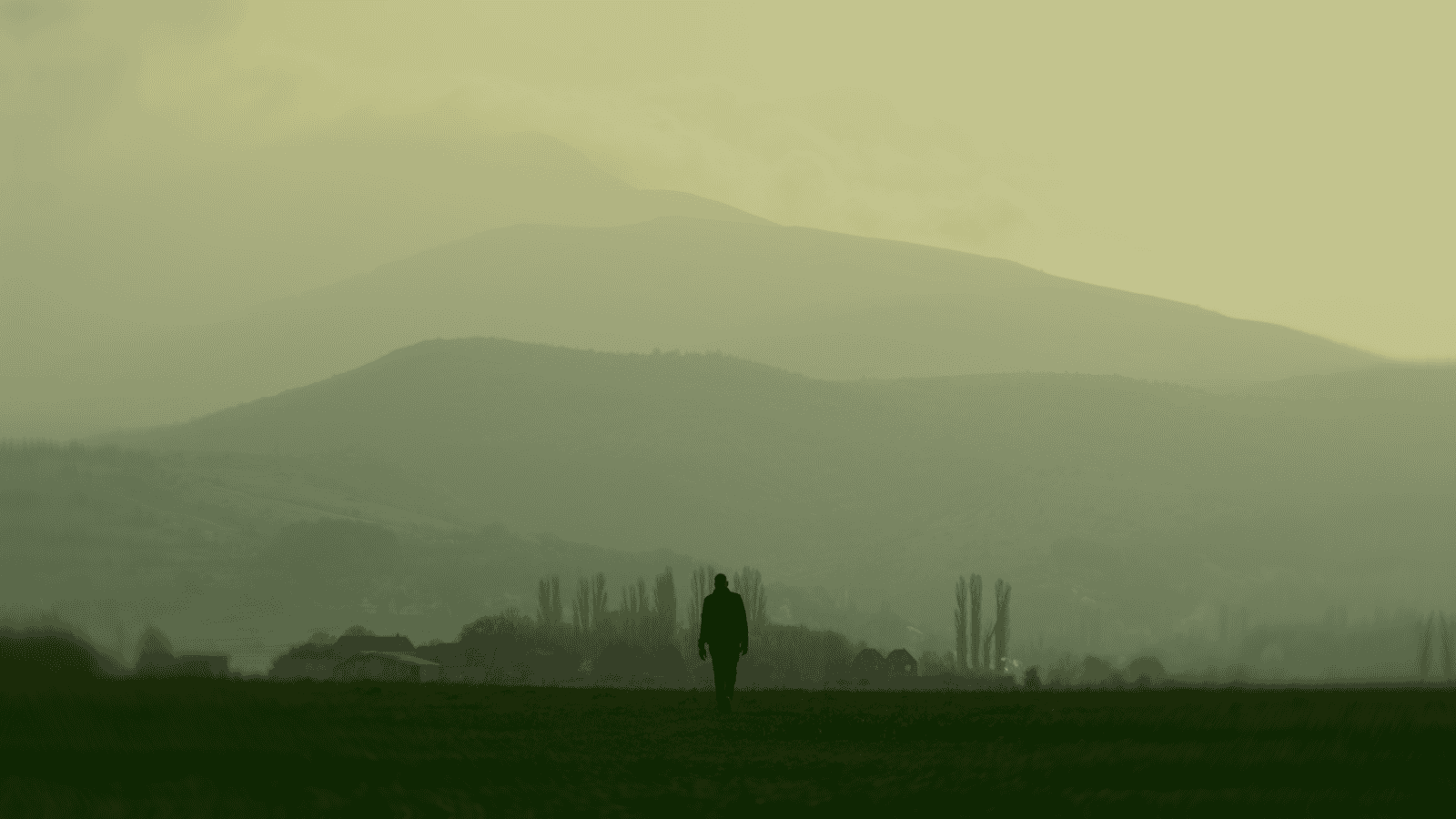
S: Very important. People don’t often get to see the magic and beauty of the scenery that surrounds Livno. The festival will offer views of mountain ranges, right beside Europe’s biggest man made lake.
CM: Do you see this as just an expansion, or as a completely new chapter for CLOSER?
S: I see it as both. The brand is definitely expanding but the expansion is taking place in a new chapter.
CM: The setting sounds incredible, a site by a lake, surrounded by mountains, how did you come across the location in Livno?
S: I drive past the location more than once a week and my mind is always thinking about music, events, releases. It came to mind that if I was ever going to do something in Livno it would be at this location.
CM: How much does the environment influence the overall experience you’re trying to create?
S: Rather than the festival only offering music we want to culturally educate our audience with what the Balkans has to offer. History, food, coffee and even local beverages. It’s all important whilst being situated in a beautiful location that has never been used before.
CM: There’s something really intentional about creating chill-out moments at CLOSER, like the lakeside areas and the “Ritam Kahve” concept which translates to “Rhythm of Coffee” and will include serving coffee on site. Can you talk about why it’s important to slow things down and offer these moments beyond the dancefloor for festival-goers?
S: I’m sure all festival goers know the exhaustion that awaits them after a big night and we want to cater for those moments of fatigue by offering a space where people can cool down by going for a swim, eating some local food or trying Bosnian coffee made the traditional way.
CM: The nearby mountains with wild horses are such a unique feature of the festival site. We’ve heard attendees will even be able to go on quad bike excursions to see them up close. How do natural elements like these shape the identity of CLOSER and the experience you’re curating for the audience?
S: Yes, we plan on offering guests the chance to book in tour packages with local agencies to see the magic of the wild horses on the Cincar mountain which is about a 45 drive from the town centre.
CM: The lineup brings together some of the most respected names in techno alongside emerging artists, what’s your approach to balancing legacy acts with new talent?
S: Working with emerging artists is something that is very important to me. I know what it’s like to try and get some recognition and always try to help fellow artists who are talented or doing something unique. I think it’s important to have a mix otherwise you’re not really building something organic.
CM: How closely does the lineup reflect your personal taste versus what you think the audience wants?
S: The lineup is very much aligned to my personal taste but I also think we have offered a large variety of artists so there is definitely something for everyone.
CM: The CLOSER stage focuses more on up-and-coming artists and label takeovers, why was that important for you to include?
S: It’s nice to work with other labels as there are so many great imprints out there. I think a large event such as a festival should always try to recognise the effort labels go through to build our scene.
CM: In a landscape where festivals can sometimes feel quite commercial or formulaic, how do you protect the integrity of what you’re building?
S: We are trying to integrate underground techno into an event offering a cultural and environmental experience.
CM: What does “community” mean to you in the context of CLOSER?
S: People who have the same passion for music whilst maintaining respect for people of all backgrounds, religions and orientations,
CM: What have been some of the biggest challenges in bringing a project like this to life in a new country?
S: There are many challenges… I think the biggest one is always knowing the legalities that surround running events like this but also getting the right suppliers that can execute the build of the site at a high level.
CM: Has anything about building the festival in Bosnia surprised you?
S: Yes, how much easier it is to get things done when compared to Australia.
CM: On a personal level, what does this moment represent for you, launching CLOSER in Europe?
S: This is a super exciting and almost unbelievable moment for me. Running a festival of this scale has always been a dream of mine, but being able to do it in my hometown where my family have lived for generations in one of the most beautiful spots is something I will never forget or take for granted.
CM: Do you feel like this is the beginning of something bigger for Warg and your wider vision?
S: Definitely. I think this is the moment I’ve been working towards the last 11 years of my musical career. I feel the hard work and stress of running events outside of this has all compounded and is starting to pay off.