
A pan-Mediterranean restaurant elicits eye rolls from food critics. Menus that are formed of white-washed stereotypes signifies a callous laziness, a get-out-of-jail clause for when fingers of ‘inauthenticity’ are inevitably pointed.
Ed Sheeran’s restaurant is a fantastic example of this. It serves Heinz spaghetti hoops – ahem, sorry, penne alla vodka – fried chicken and apple crumble, more reminiscent of drizzly summer school dinners than tastes of the Algarve.
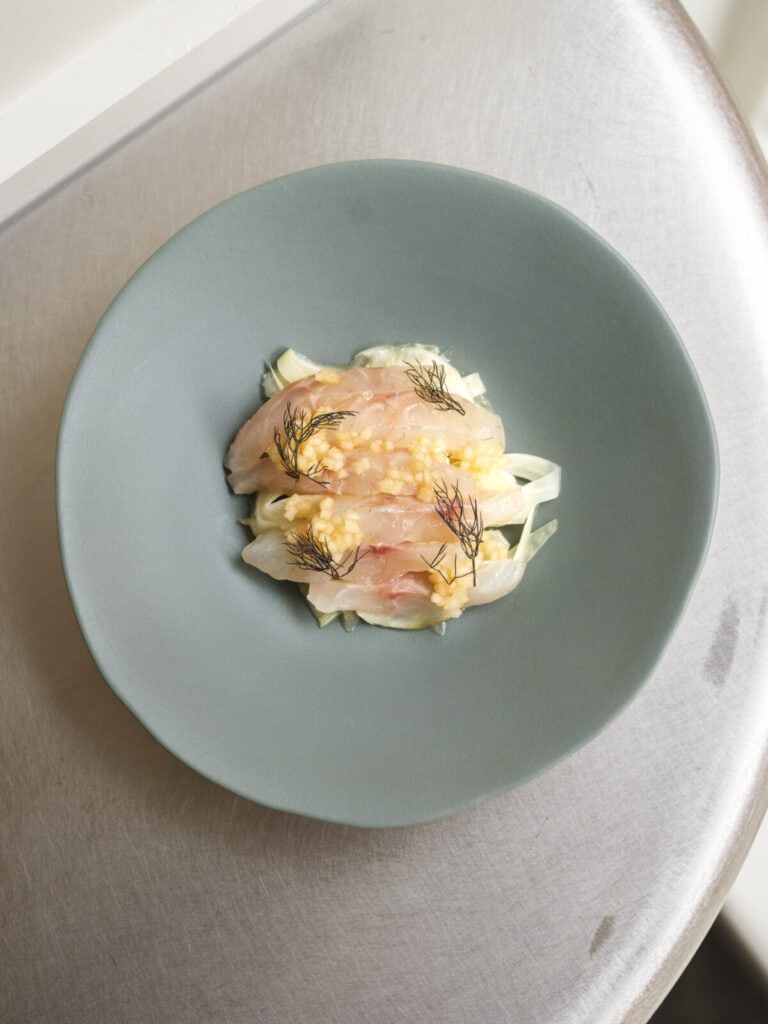
Maset, located in Marylebone, describes itself as French Mediterranean. When you think of Provence Côte d’Azur, ratatouille and Salade Niçoise may come to mind. So, when I see pan con tomate, seambream crudo, salsa verde, I inhale a sharp breath. Is Maset simply an Ed Sheeran in disguise, a lick of paint over a styrofoam wedding cake?
This question is answered by my waiter and General Manager, Sotir. The French Mediterranean, I am told, isn’t about coq au vin or beurre blanc. Its proximity to Italy and Spain, and its large North African population, means its cuisine finds flavour in olive oils, fresh herbs and nuts.
Google ‘Best French Restaurants in London’ and you’ll find ample offerings of duck confit alongside images of beret-clad chefs cackling over goblets of Burgundy. The precedent established by Le Gavroche – heralded as setting the Michelin scene for French dining in London during the 1980s – is steeped in a history of classism: as restaurants replaced taverns in the 19th century, the upper middle-classes sought to emulate the fine dining of the French, along with all its white linen and candelabras. French restaurants became a place to flaunt wealth, to be seen.
Maset offers none of this. Even its waiters, donning garments you might expect to find in a scene from The White Lotus, shrug off the stuffy shirt-and-tie shackles restaurateurs are so fond of making their staff wear.
Maset’s multicultural menu is no less French than that of La Gavroche’s – rather, it reminds us that food should always be served without borders. The oysters I enjoy are sourced from the Irish town of Carlingford, served with rhubarb-pink cubes of mignonette. The croquettes are filled with bouillabaisse, a delightful mix between the deep-fried crunch we all associate with Spanish tapas and the soft, fragrant taste of the fish stew found in Marseille. The panisse – crisp, fluffy fingers served with an anchoïade spread – appears classically French, but a quick Google and you’ll find it was brought to France by Italian labourers who needed fuelling with something cheap for their long factory days.
The notion that French food must be made from expensive ingredients, foie gras and black truffles, is an echo from France’s post-revolution gastro scene, wherein a high number of royal chefs set up public restaurants after their bosses had been guillotined. France’s growing middle class could now have a taste of what the aristocracy had previously enjoyed.
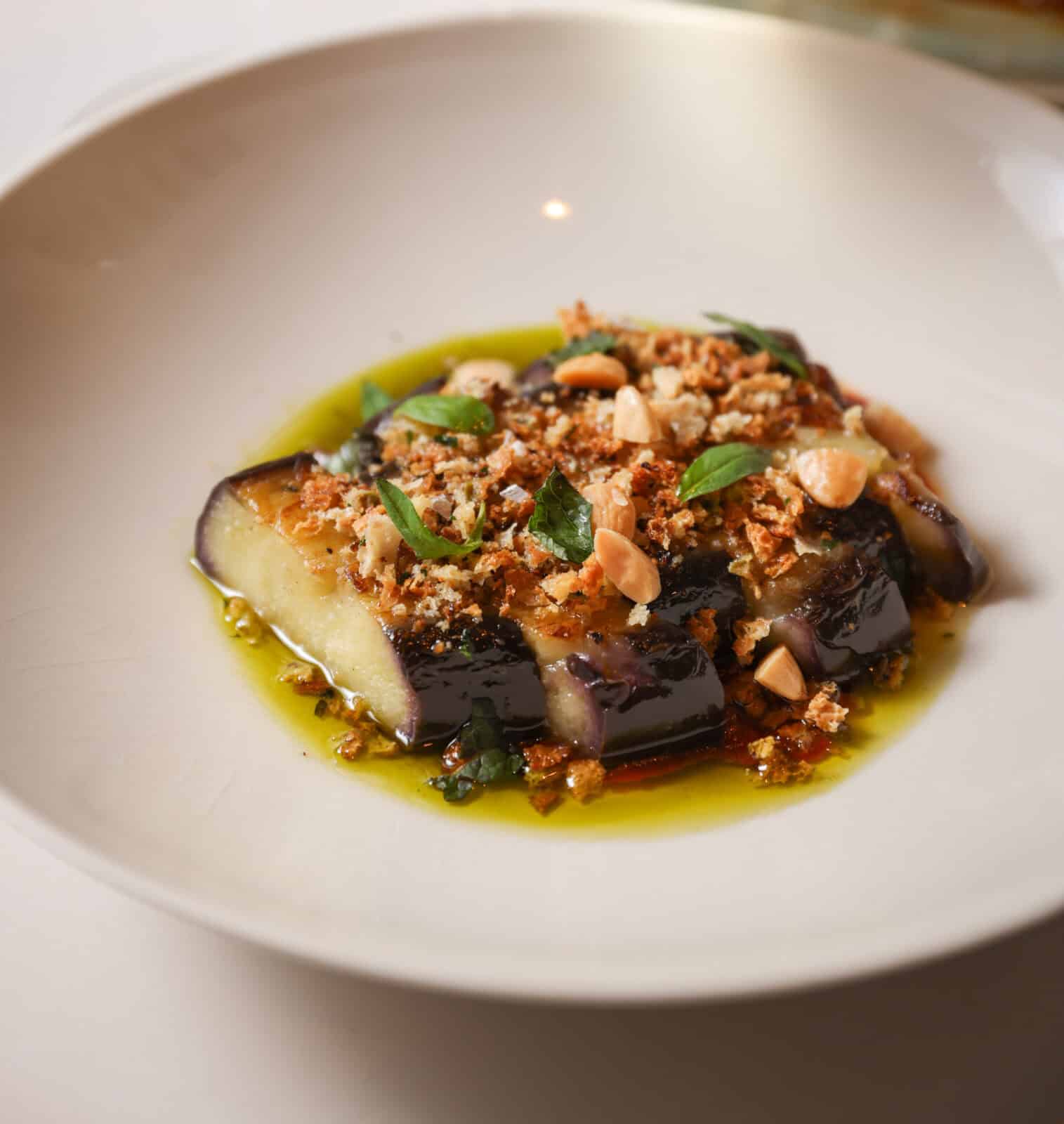
But to view this way of eating as indicative of French cuisine isn’t just dated – it’s also disappointingly stereotyped. Frog’s legs and butter are only a small part of an expansive cuisine. As Sotir informs me, Southern French cuisine prefers olive oil over butter. It explains why my linguine – bright green through and through – is so light, silky and fresh, the dough made in-house with spinach as its base.
Maset has clearly put a lot of research into its menu. The thought has paid off. The wine list arrives with its own delights; the blanc de noirs, a white wine made from red grapes, is particularly remarkable, and the champagne – Champagne Eric Taillet from Baslieux-sous-Châtillon – is so good that the gentlemen next to me overhears and orders a glass.
My dessert can only be described as phenomenal. A simple-looking sweet fugasse with ice cream arrives. For those who don’t know, fugasse is traditionally a savoury, dry flatbread. Despite looking like a chunk of focaccia, it was more akin to a light syrup sponge, delicately sweetened with warm orange blossom syrup and topped with vanilla ice cream.
Maset has every small detail ironed out. Despite only opening in November, it steads itself as one of the best restaurants in Marylebone. It is a reminder of the joys of eating with an open mind, to cast off pretences of traditionalism, to eat your way across cultures. That is the true essence of French cuisine.