
Embracing Ambiguity and the ‘Richness of Uncertainty’: Perediza’s founder on ‘The Grey Issue’
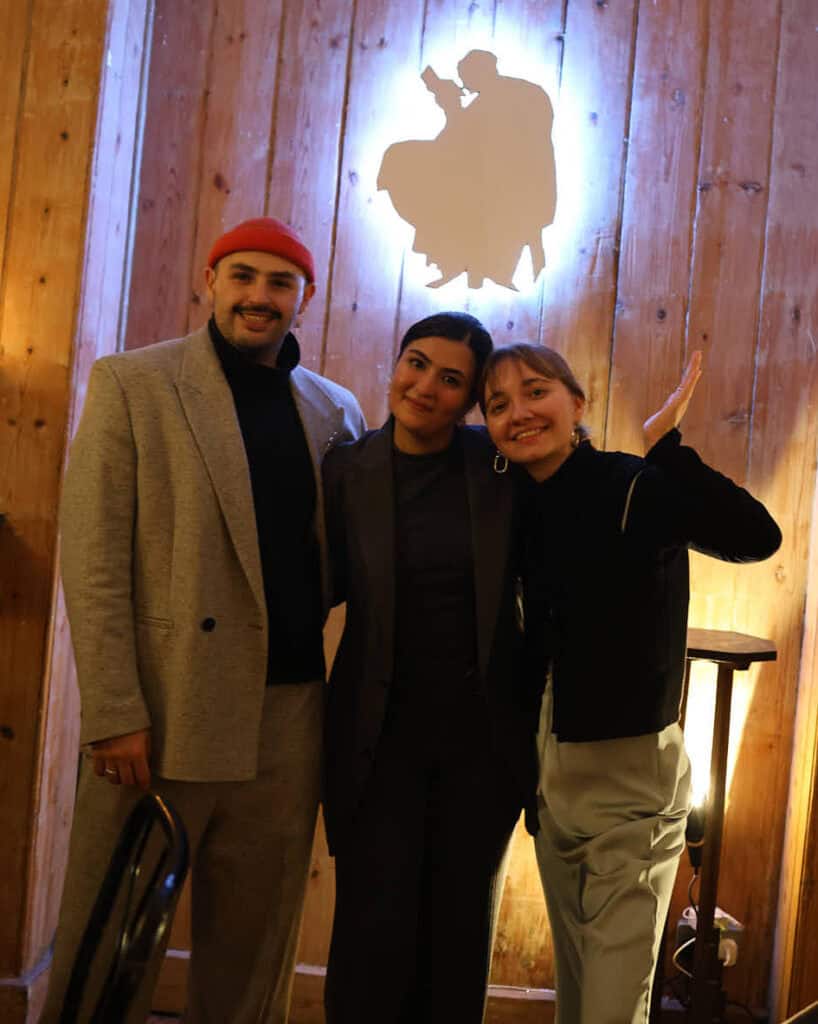
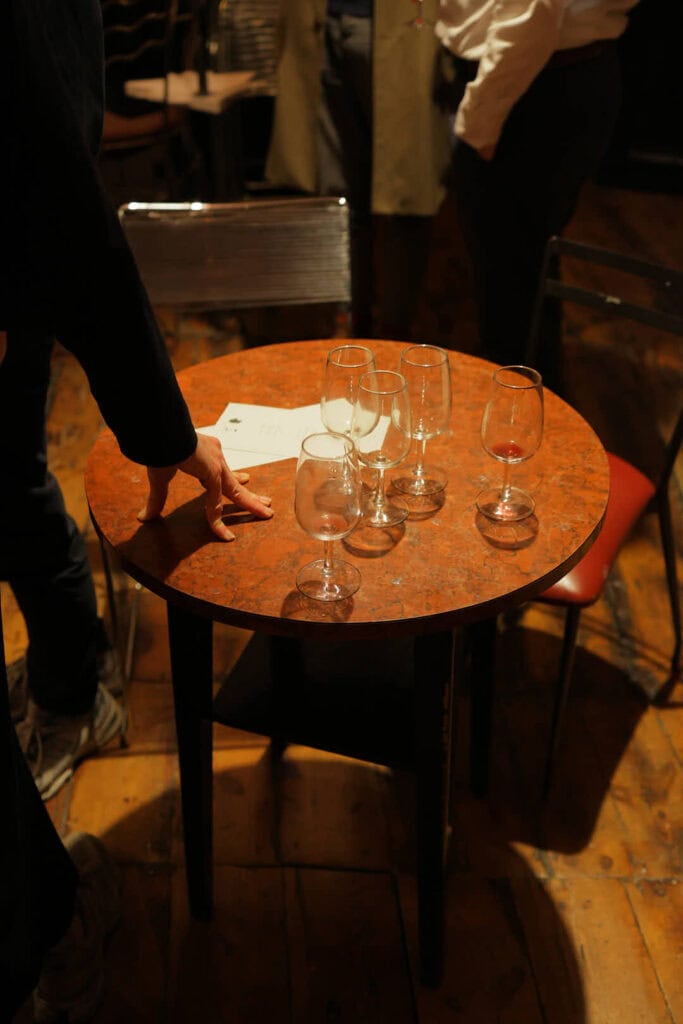
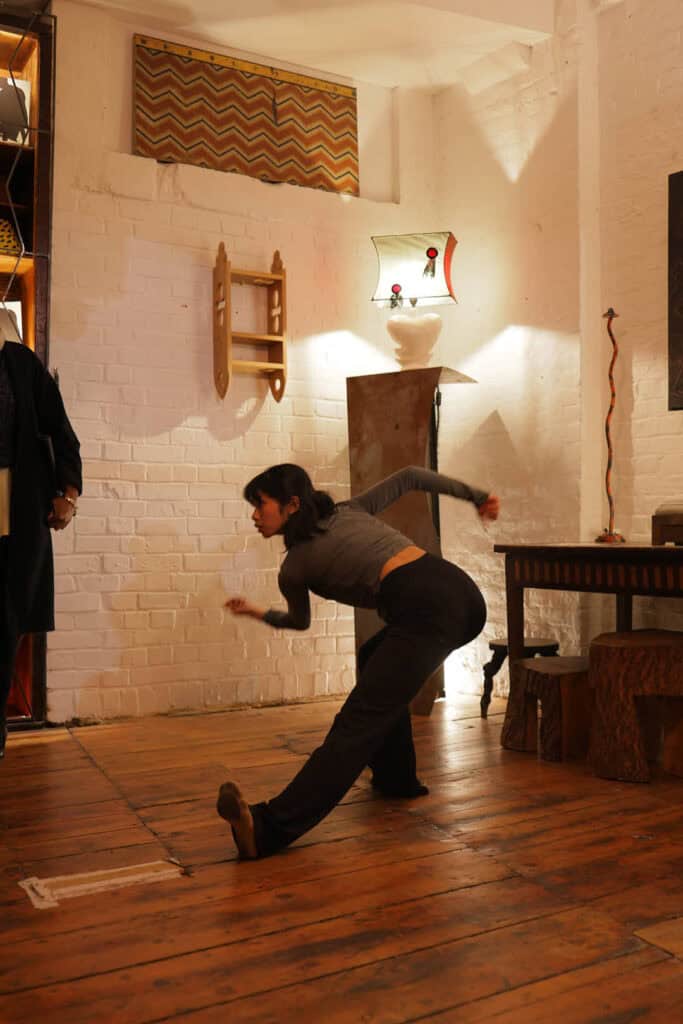
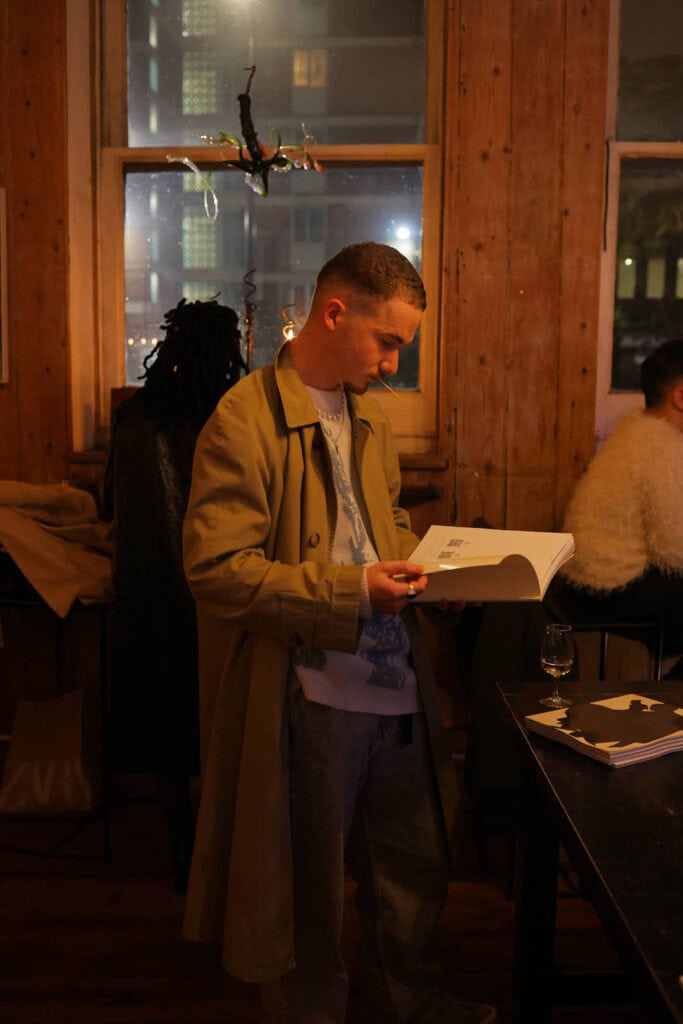
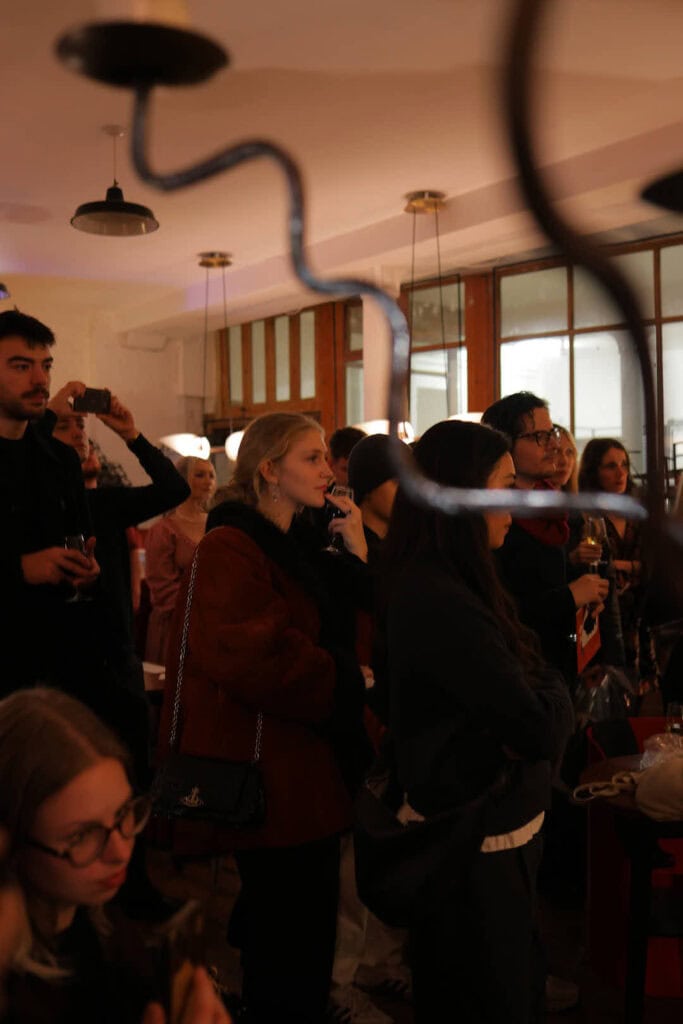
Back in November, Perediza celebrated the launch of its third issue, The Grey Issue, at Lant Street Wine, a Borough institution since 1986. The evening brought together writers, artists, and creatives over wine and canapés; a contemporary dance performance by Jasmine Ghifari set the tone for the night, embodying the theme of ambiguity that defines this latest edition.
Founded by Aryana Arian in 2022, Perediza is a media platform and magazine that critiques and questions society through four pillars: art, climate, style, and life. Each issue revolves around a theme that emerges organically from its contributors’ reflections. This time, The Grey Issue explores uncertainty and the spaces between extremes, embracing the complexity of modern life.
In this interview, Arian delves into the magazine’s origins, its evolving mission, and the creative vision behind this latest release.
P: What is Perediza and what inspired its creation?
A: I founded Perediza in 2022 in Copenhagen. It started as a project that was mainly inspired by my curriculum at Bard College Berlin, where students from different fields debated philosophy, economics and art. Those discussions were some of the most interesting things I have ever experienced, so I wanted to create a non-academic, but still intellectually engaging, platform that made these discussions accessible to everyone. It was initially a solo project but it has since grown, moving to London for our second and third issues, where we are now based.
P: You mentioned that the magazine aims to make writing accessible while still being intellectually stimulating – how do you bridge the two?
A: This is interesting because it is a key debate in philosophy – should language be simplified or should people adapt to complex writing? We don’t dumb down intellectual essays, we just ensure they remain understandable. If a piece is overly academic or vague, we work closely with the writer to refine it. Equally, we support first-time writers and those without academic backgrounds, offering guidance to help them articulate their ideas more effectively.
P: One of the four main pillars of Perediza is Art, and I remember your logo being inspired by art. Can you talk about its origins and connection to the art world?
A: The logo comes from Michelangelo’s Sistine Chapel, specifically The Persian Sibyl. She is an ancient prophetess, an old woman foretelling the coming of Jesus – I was drawn to this figure because, as a Persian myself, I was surprised I had never heard of her. In the painting we can’t really see her face, she is crouched down, looking at her book. This sense of mystery is what I wanted to capture for Perediza’s logo; to me, she represents a symbol of curiosity which parallels our generation’s desire to shape the future. I love its ambiguity – some see the logo as two figures dancing, others as a vase – just like art, it invites interpretation and I love that it doesn’t offer one clear answer. The aspect of being a curious human being is what makes you a Perediza reader, and it really is only curious people who pick this magazine up, because there is essentially nothing on it apart from this big dark silhouette.
P: As we can see, Perediza tends to focus more on intellectual role models than celebrities. How do you select voices that you think will effectively guide a young audience?
A: Our selection is based on whether someone’s perspective can challenge and inspire others to rethink their approach to life. We’ve covered everything from CO2 emissions in planes to personal, introspective reflections like eating an orange in the shower, which explores intentionality in everyday life. It’s not about changing the world, it’s about showing how small, intentional changes can impact larger life choices. Our goal is never to prioritise fame or followers, but rather to showcase individuals whose ideas or actions drive you to rethink how you approach life. I think ultimately we look for voices that prompt deeper reflection. It’s all about questioning.
P: The latest issue, ‘The Grey Issue’, explores the richness of uncertainty. What inspired this theme and what do you hope readers will gain from navigating these ambiguous spaces?
A: The colour of each issue is decided at the end, based on the ‘collective consciousness’ of that year. In this issue, we saw a lot of personal reflections, particularly about how our experiences shape our understanding of the world, and a lot of themes focus on ambiguity, For example, one article critiques the glamorisation of air travel, pointing out the contradiction between its luxurious image and the harm it causes to the planet. These themes led me to think about how we live in a space between the clear-cut extremes of black and white, and so grey seemed like the perfect colour to represent this ambiguity. Life is about navigating this middle ground, and I hope readers will embrace the grey and recognise the value in uncertainty, reflecting on the subtle complexities in their own lives.
P: The issue touches on urgent topics, like air travel and material sourcing. How do you balance these serious topics with a sense of hope and resilience?
A: Perediza comes from an ancient Persian word for “paradise”, symbolising a hope for a better future. I always encourage contributors to end on a hopeful note. Many climate change articles are quite depressing, but I believe this focus on despair is counterproductive. It’s like the tragic theatre of Aristotle – meant to distract and leave people feeling helpless. The idea should be about inspiring action instead. In the air travel article, we asked the writer to include practical solutions like choosing train travel or staycations, offering tangible ways readers can make a difference.
P: A theme I noticed throughout the issue is identity and societal pressure, particularly in the Life section. What do you think are some of the biggest pressures facing young people today, and how can Perediza help navigate these challenges?
A: This is my favourite section because it’s about understanding and bettering ourselves; we used it to explore our generation’s struggles in a way that encourages learning and self-reflection.
The Necessity of Loving Fully explores the aftermath of a breakup and questions the value of love in a world that often discourages vulnerability. The piece contrasts with modern-day relationship discourses, where online conversations tend to focus on rigid standards and divisive narratives about men and women. Instead, the article takes a more philosophical approach, showing how love has always been the fundamental force that drives humanity. Rather than getting caught up in arbitrary dating “rules,” it suggests that embracing love in its entirety can be a transformative experience, encouraging readers to reflect on love’s importance.
Insecurity by Design explores the origins of beauty standards and how they have been shaped by different cultures throughout history. In Western traditions, the Greeks believed in an ideal human form, which led to the obsession with proportions, eventually influencing everything from Renaissance art to modern fashion and cosmetic surgery. Over time, as colonialism extended Western ideals globally, these beauty standards replaced the more symbolic and spiritual concepts of beauty that once existed in many Eastern cultures. In ancient Egypt, for instance, makeup wasn’t about looking pretty—it was a symbol of power and status. Cleopatra’s eyeliner wasn’t just for aesthetics; it was a way to show technological advancement, wealth, and a connection to the gods. In many Eastern societies, beauty was tied to morality or spiritual significance rather than physical traits. A person was considered beautiful because of their virtue, wisdom, or connection to cultural symbols like gold or religious iconography. This contrast is especially personal to me as someone of Persian descent. My country has the highest rate of nose jobs in the world, and I grew up questioning why so many people felt the need to change their appearance. Historically, Persian noses were seen as a mark of strength and identity, yet today, many feel pressured to conform to a Westernised beauty standard. Writing this article was a way for me to challenge that and encourage others to rethink where their insecurities come from.
That’s what the Life section of Perediza is about—questioning the origins of the standards we take for granted and offering new ways to see ourselves. We give readers the tools to challenge societal pressures and reclaim their own narratives.
P: What challenges have you and your team faced in building Perediza, and how have you overcome them?
A: One of the biggest challenges has been financial sustainability. We’ve been fortunate to sell out every issue, which allows us to reinvest in printing the next one, but securing consistent funding remains an ongoing effort. Another major challenge was gaining recognition and legitimacy in the media landscape. When we first started, getting our name out there and being taken seriously was difficult. We overcame this by focusing on strong branding, ensuring our messaging, design, and social media presence were cohesive. Accreditation by Frieze and London Fashion Week was a turning point, helping establish Perediza as a respected publication.
P: What are your long-term aspirations for Perediza?
A: This year, we’re launching something new—Perediza Studios, a creative agency. Many people admire our branding and values, so we saw an opportunity to offer creative and writing services while financially sustaining ourselves and supporting London’s creative community.
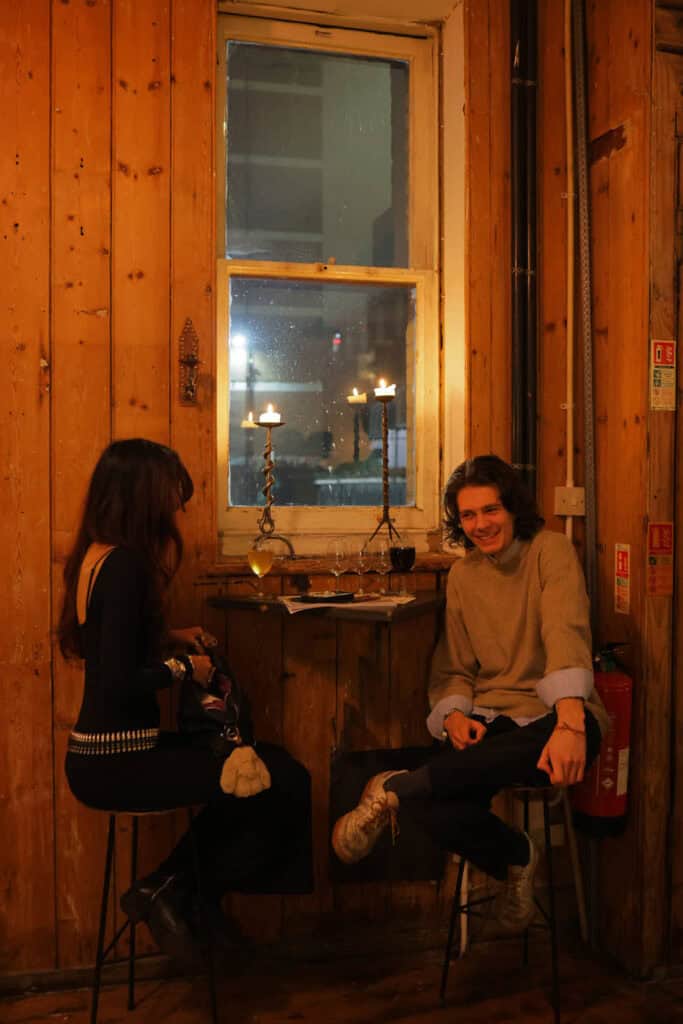
With ‘The Grey Issue’, Perediza challenges readers to embrace uncertainty, rethink societal constructs, and engage in meaningful discourse. The intimate gathering at Lant Street wine bar, brimming with intellectuals and critical minds, was not just a celebration of a new issue but a reflection of the community Perediza has built—one that is unafraid to question, critique, and imagine a different future.


