
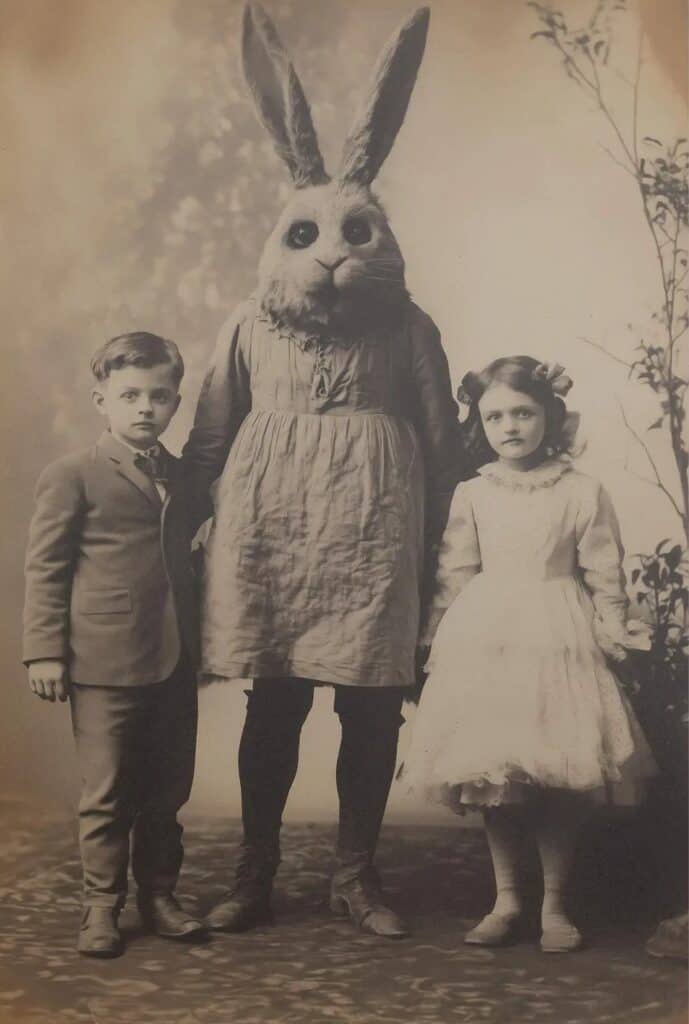
Welcome back big guy (the Easter Bunny, that is). It’s Easter Sunday and that means Cadbury mini eggs, overpriced hot cross bun coffees, and receiving AI bunny gifs from every auntie in your contact list.
But, in 2026, the bunny might just be undergoing a rebrand. In the book world, rabbits are no longer the pastel icons they once were, relegated to the children’s section. Psychological thrillers and horror novels are increasingly using bunny imagery in their titles and cover art to signify themes of madness, wildness, and thwarted innocence.
For a different kind of Easter break, check out these 10 creepers:
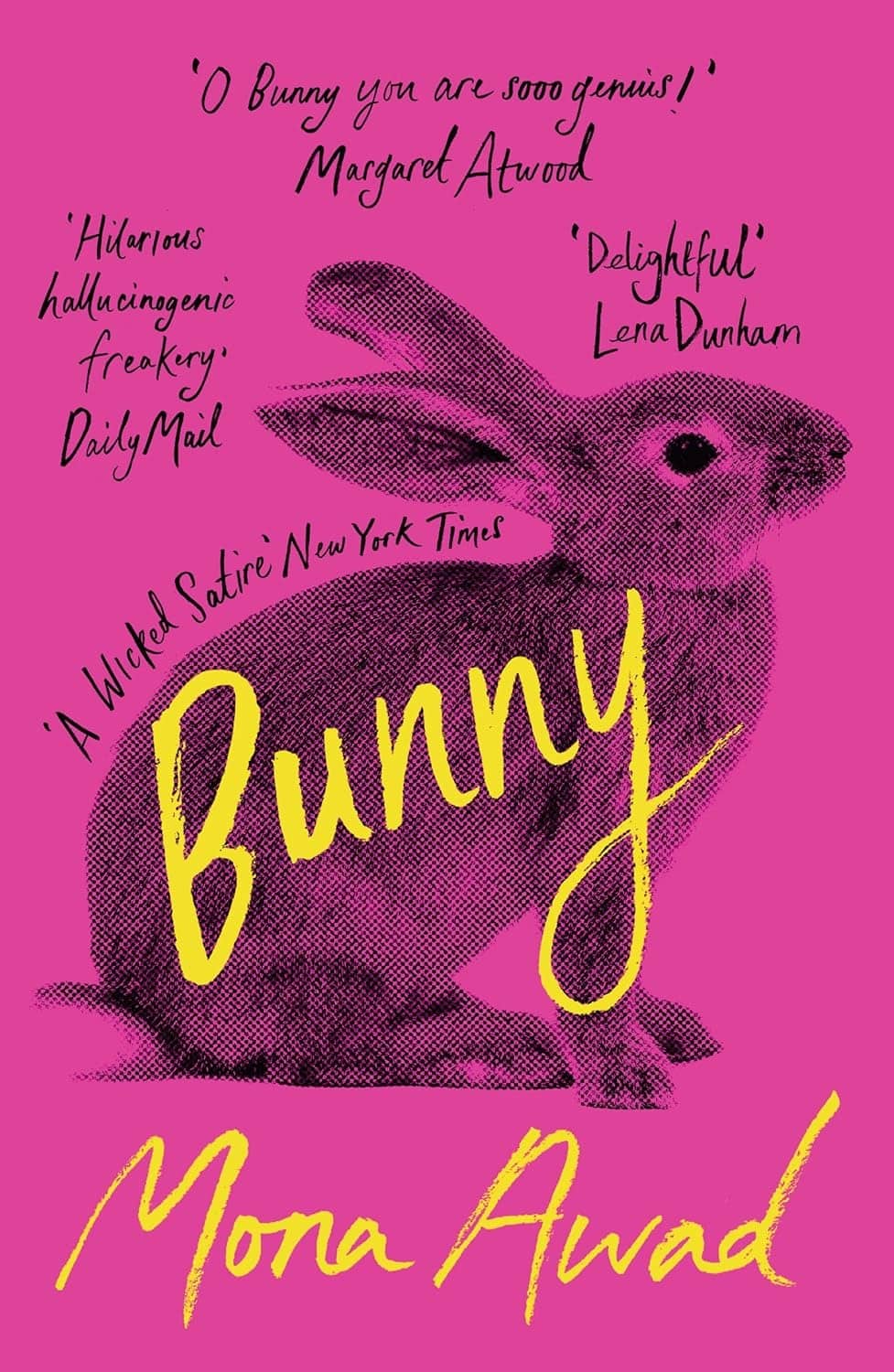
1. Bunny by Mona Award
The setting of this horror novel will send shivers down any writer’s spine: a New England MFA Creative Writing programme. Samantha, our leading lady, is in her final year of the programme and is just getting over a disastrous relationship with her thesis advisor when she becomes sucked into the orbit of the Bunnies: a girlish, tight-knit group of students whose cult-like ways will change the course of her life. Expect to be surprised, a bit disgusted, and suddenly suspicious of every roadside hare you see after reading this.
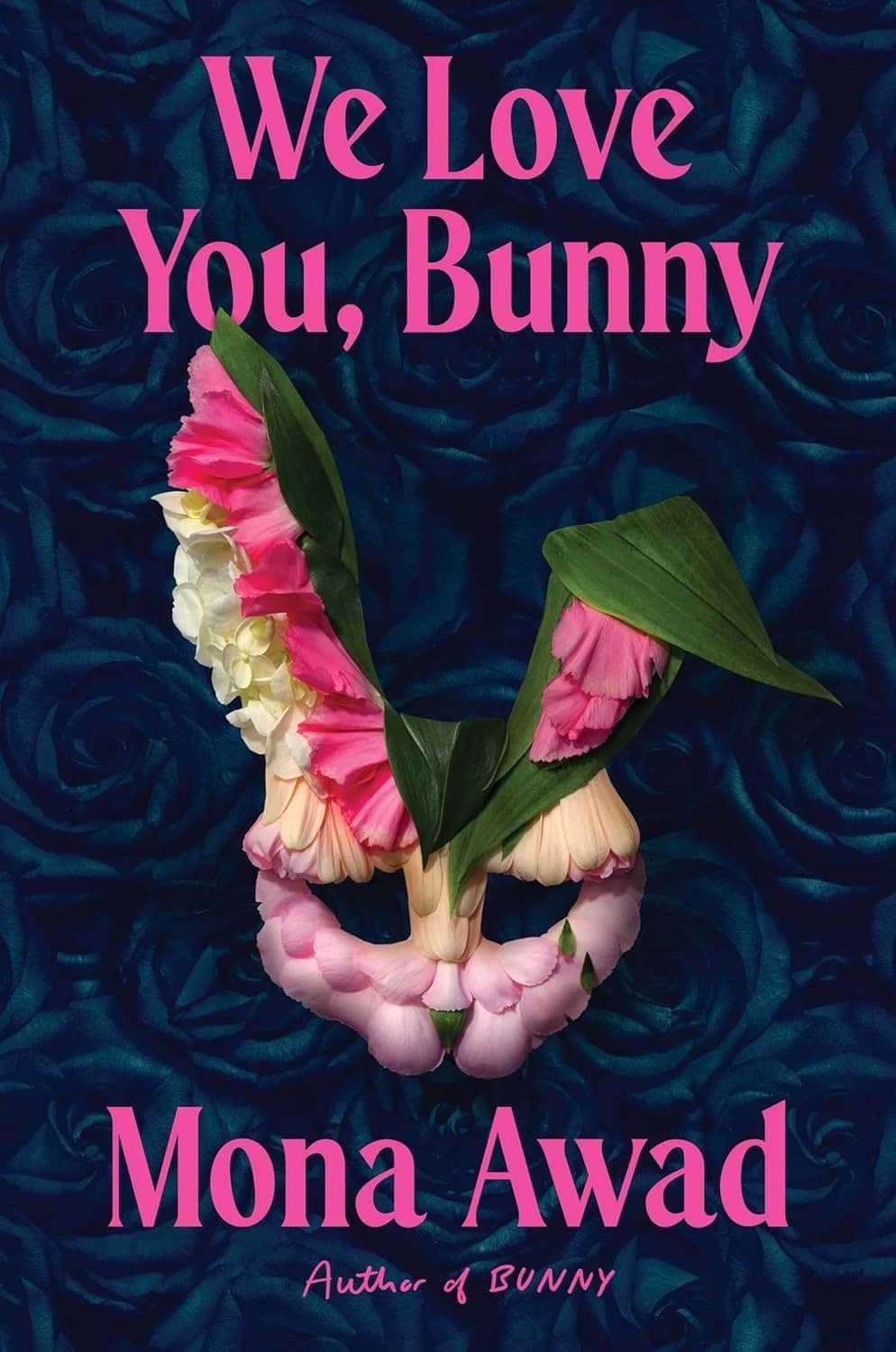
2. We Love You, Bunny by Mona Awad
The follow-up to Awad’s Bunny, this darkly comic sequel dives deeper into the lore of the Bunnies and follows Samantha, now a bestselling author, as she is kidnapped by her old clique while in the middle of a book tour. Bound and gagged and with nowhere to go, it’s now time for Samantha to hear the Bunnies’ side of the story. This book is Frankenstein meets Heathers, and offers sorority-gone-slasher vibes that make it a necessary addition to the genre of the campus novel.
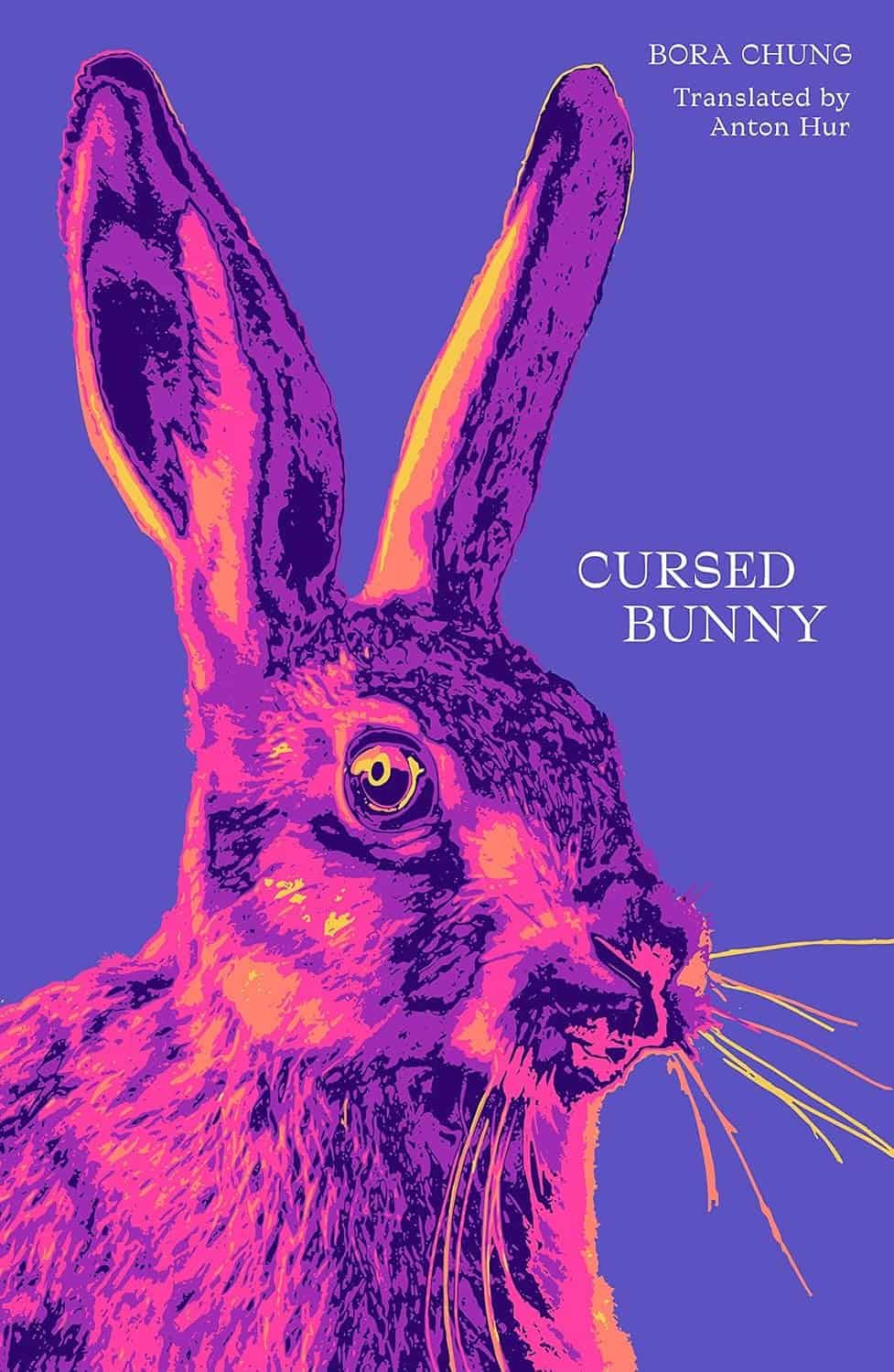
3. Cursed Bunny by Bora Chung
If Mini Eggs are your Easter treat of choice, then the mini stories in Cursed Bunny by Korean author Bora Chung, will be right up your alley. Blending the iconic symbolism of magical realism with the dark tenor of horror and science fiction, Chung’s 10 short stories include ghosts, an obsessive landlord, and one particularly creepy bunny-shaped lamp. Revealing the real evils behind patriarchy and capitalism, these are the perfect bedtime stories for those who see literature not as a form of escapism, but as a clarifying force.
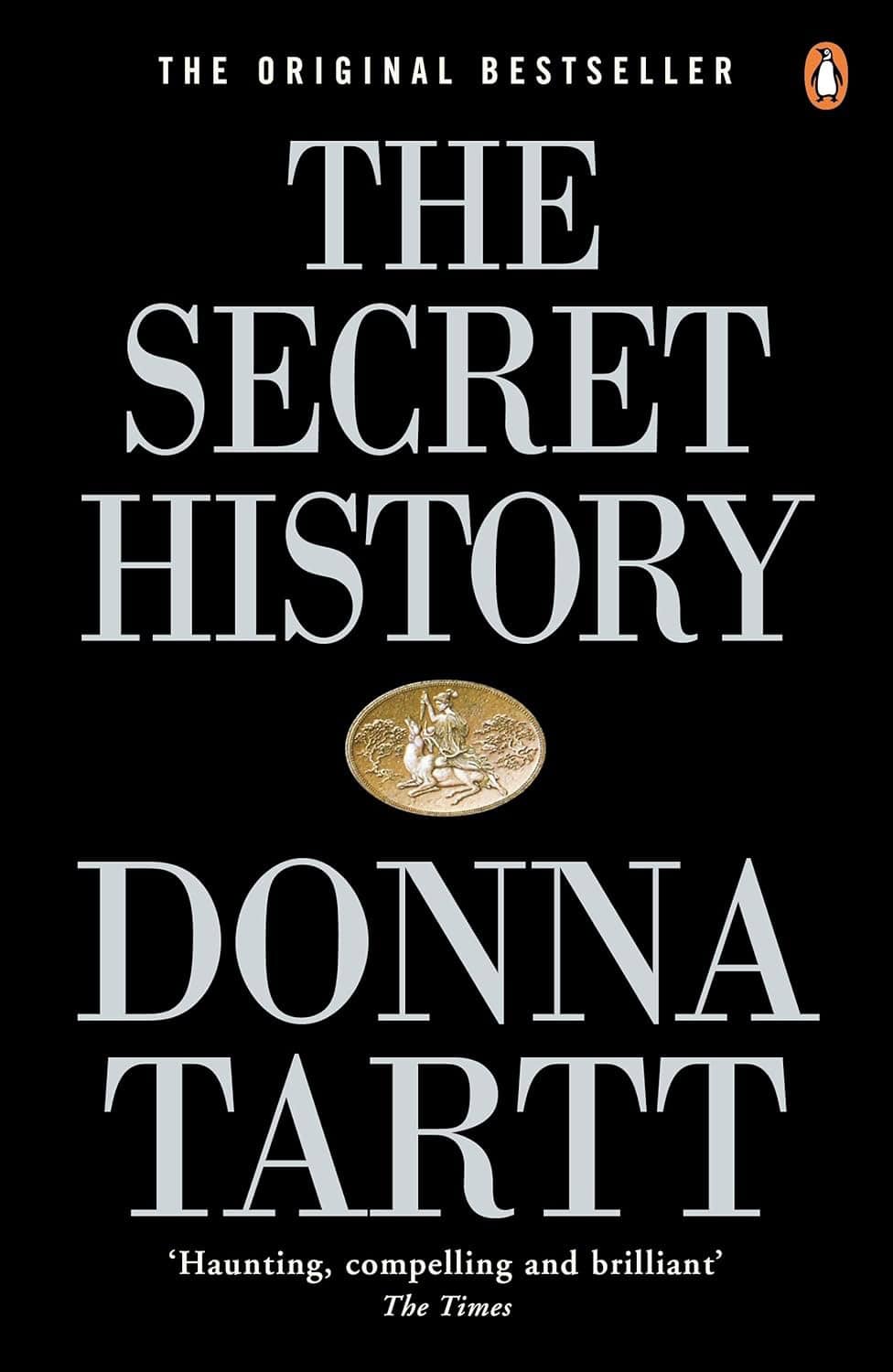
4. The Secret History by Donna Tartt
You know her, you love her. This is Tartt at her tartiest. Although neither rabbits, hares, nor any other bunny affiliate feature on the cover of this dark academia holy text, the inciting incident of the Secret History is, of course, the murder of a character called Bunny. (Don’t worry, that’s not a spoiler). Edmund “Bunny” Corcoran is harelike in name and piggish in attitude; bigoted, spoiled, and quick to blackmail, Bunny is an integral part of the set at Hampden College, and will forever mean something altogether un-fuzzy and un-cute to fans of The Secret History. Even if you haven’t read the novel yet, surely you’ll be familiar with the croaking audiobook snippet that haunts many a reader’s TikTok algorithm: “The snow in the mountains was melting and Bunny had been dead for several weeks before we came to understand the gravity of our situation.”
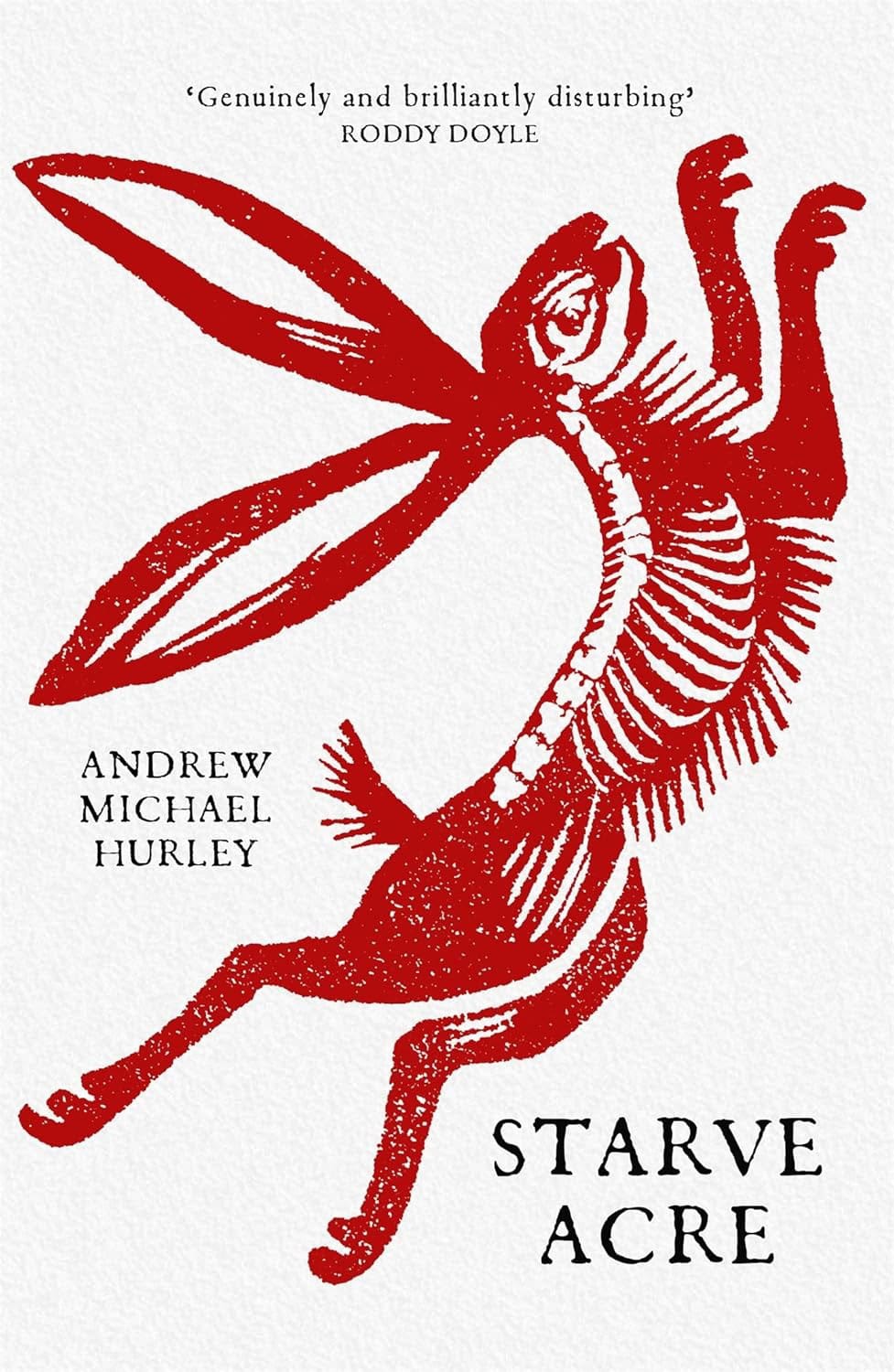
5. Starve Acre by Andrew Michael Hurley
Set in the rural Yorkshire Dales, this folk-horror novel is an exploration of grief, guilt, and fatherhood. When the novel opens, the worst thing possible has happened. Richard and Juliette Willoughby’s son, Ewan, has suddenly died at the age of five. Starve Acre, their inherited farmhouse, once the representation of a new beginning for the family, is now haunted by memories of their little boy’s laughter. As Richard tries to distract himself from his grief by searching for a legendary oak tree, said to be located somewhere in the Dales, he stumbles upon the tale of Jack Grey, a malevolent, ancient rabbit-like creature who may hold the secret to Ewan’s death. Atmospheric, deadly, and steeped in English folklore, this horror novel is the perfect antithesis of the cosy bunny tales you might remember from childhood, and descriptions of Jack Grey will have you sleeping with the lights on.
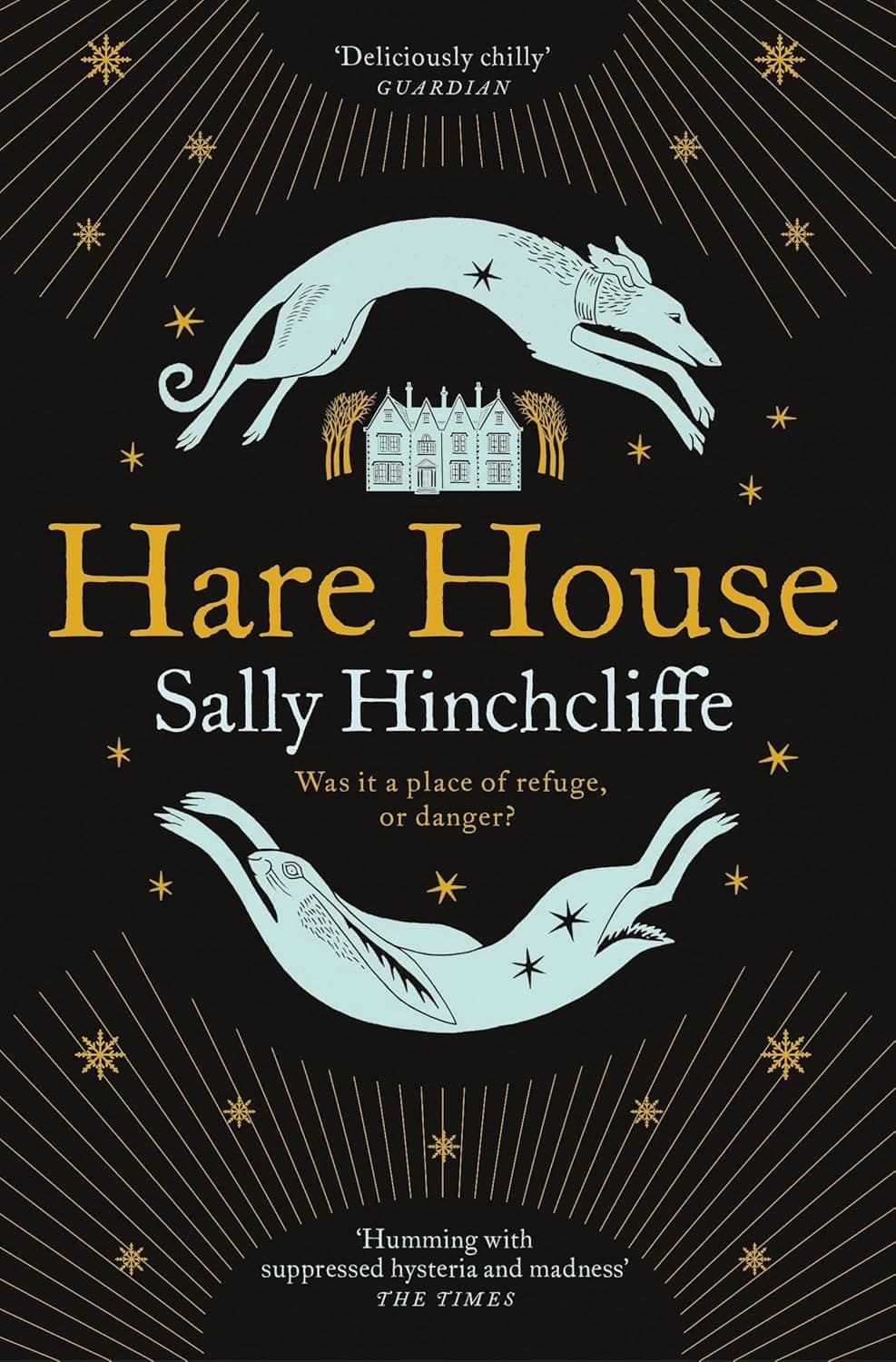
6. Hare House by Sally Hinchcliffe
For fans of Rebecca and Shirley Jackson, Hare House will become a firm favourite. The story begins with our unnamed narrator fleeing London for a rural and rugged area of Scotland. She has just left her job at a prestigious all-girls school under mysterious circumstances, and is seeking a new beginning. She finds just that in a cottage located on the isolated estate, Hare House. As she cycles through the narrow, drowned lanes of southwest Scotland, and ingratiates herself with the locals, tales of witchcraft and some (of course) spooky hares begin to creep into our protagonist’s life, leaving her with one ultimate question: Can someone be a witch without even knowing it?
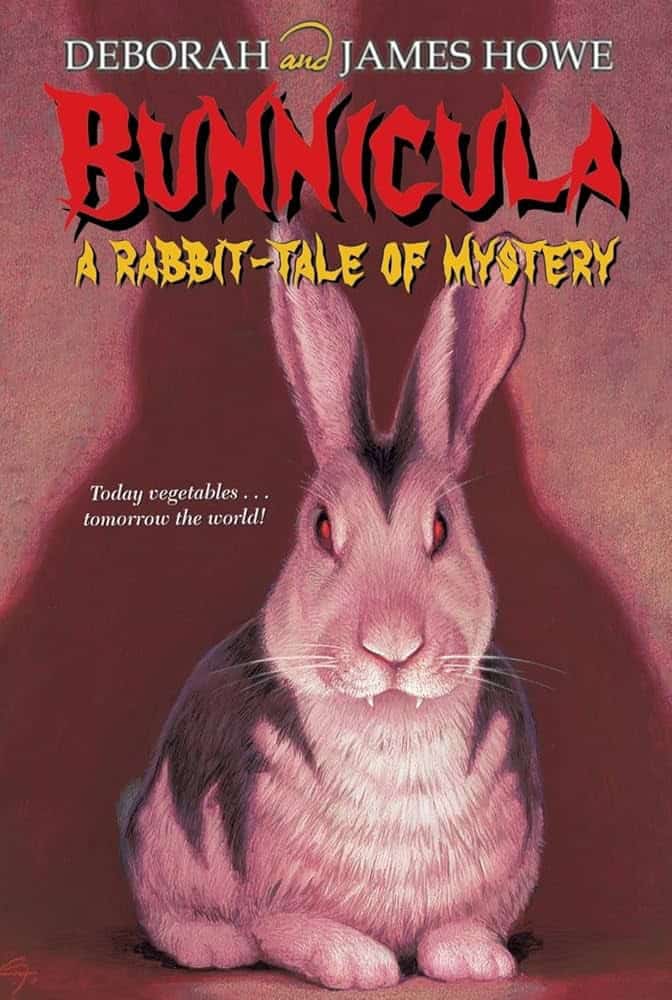
7. Bunnicula: A Rabbit-Tale of Mystery by Deborah and James Howe
This is technically a children’s novel, but it’s amassed such a loving cult following that we would be remiss not to include Bunnicula on this list. With all the grainy, cosy appeal of a 70s or 80s paperback, this Goosebumps-like tale focuses on brothers, Pete and Toby, who find a rabbit at their local theatre with a note tied around his neck written in an ancient dialect. With two tiny fangs and a black pattern on his back that looks eerily like a cape, this bunny might just be more than the boys bargained for.
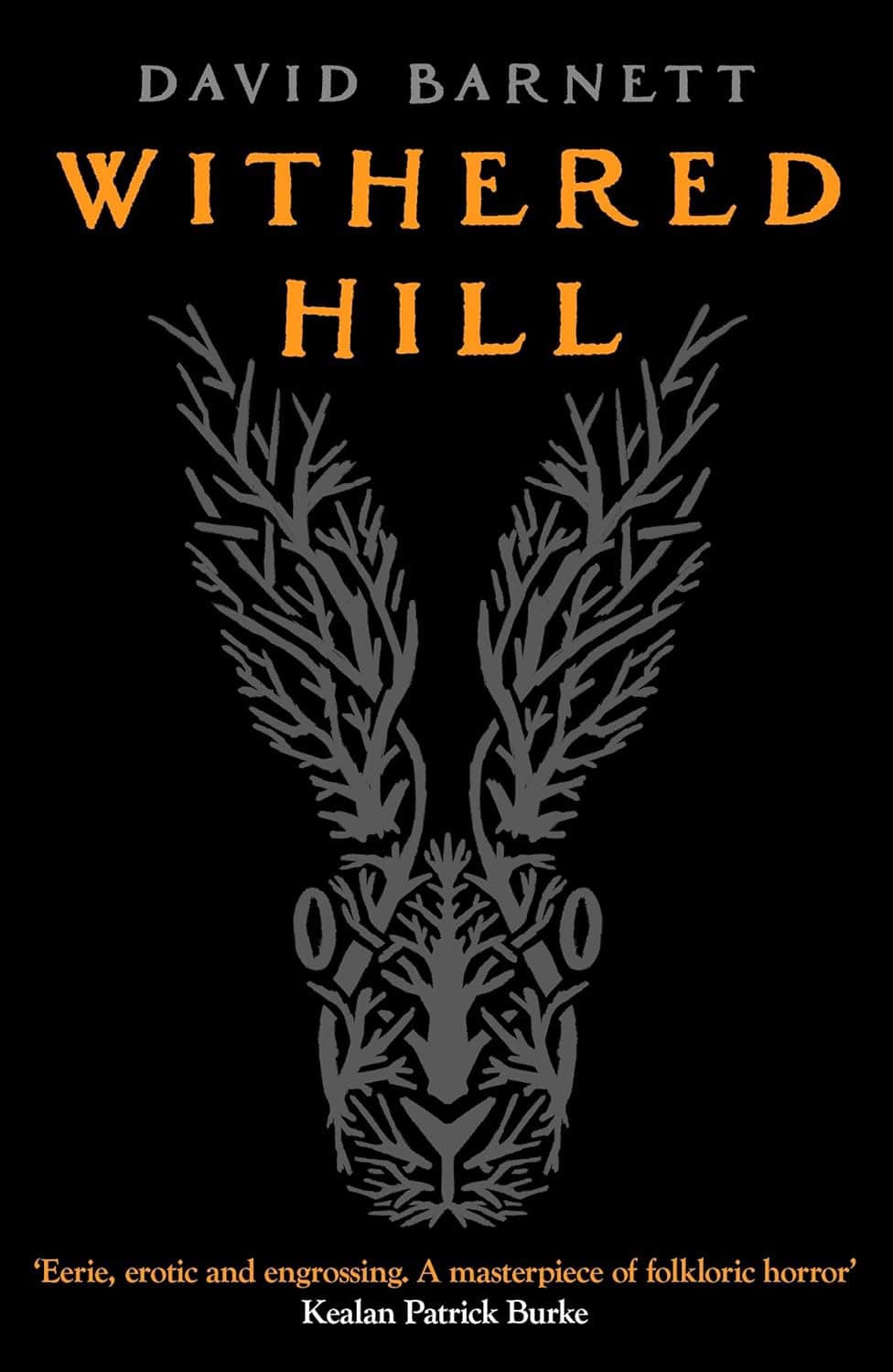
8. Withered Hill by David Barnett
A year ago Sophie appeared in the remote village of Withered Hill, naked, alone, and with no memory of who she is. Adopted by the locals, Sophie finds herself trapped in a strange, cult-like community where life is defined by pagan traditions and a strict vow of secrecy. With flashes of Sophie’s busy life in London before her appearance in Withered Hill, this novel is part horror tale, part detective narrative, and the reader is the one who must put together the clues to discover how Sophie’s time in the village came to be, and figure out how she could ever possibly escape.
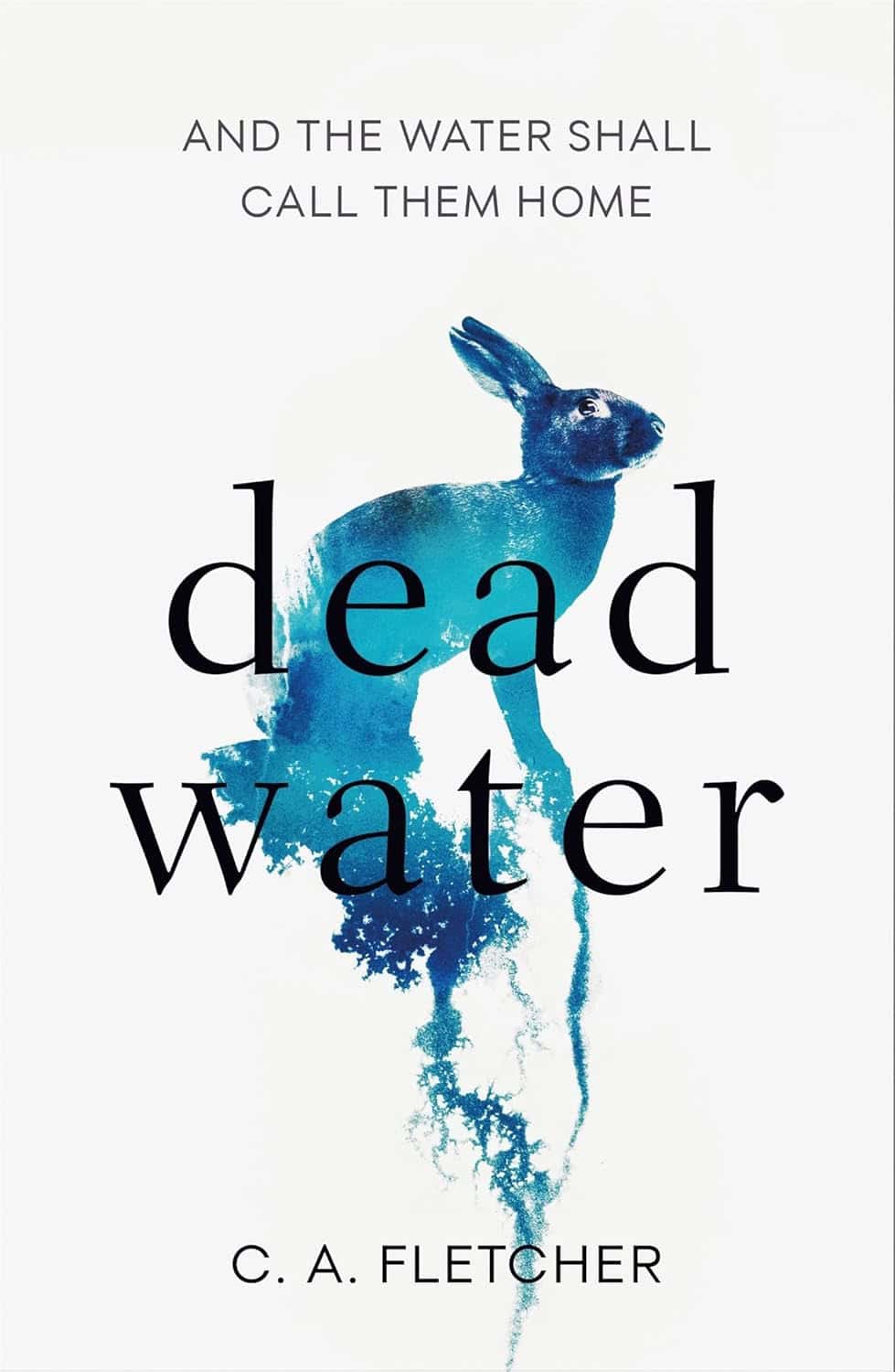
9. Dead Water by C.A. Fletcher
Once again, this creepy bunny tale takes us to the wilds of Scotland, where a water-borne disease reveals long-simmering tensions between the villagers. Rumours abound about where this illness has come from, some say it’s born from a shellfish farm, others say it’s an ancient curse. But when the island’s ferry service fails, hysteria breaks out, and what was once an idyllic coastal community becomes hell on earth. A slow-burn folk-horror, this Scottish apocalypse story will leave you sideyeing your neighbours and looking over your shoulder.
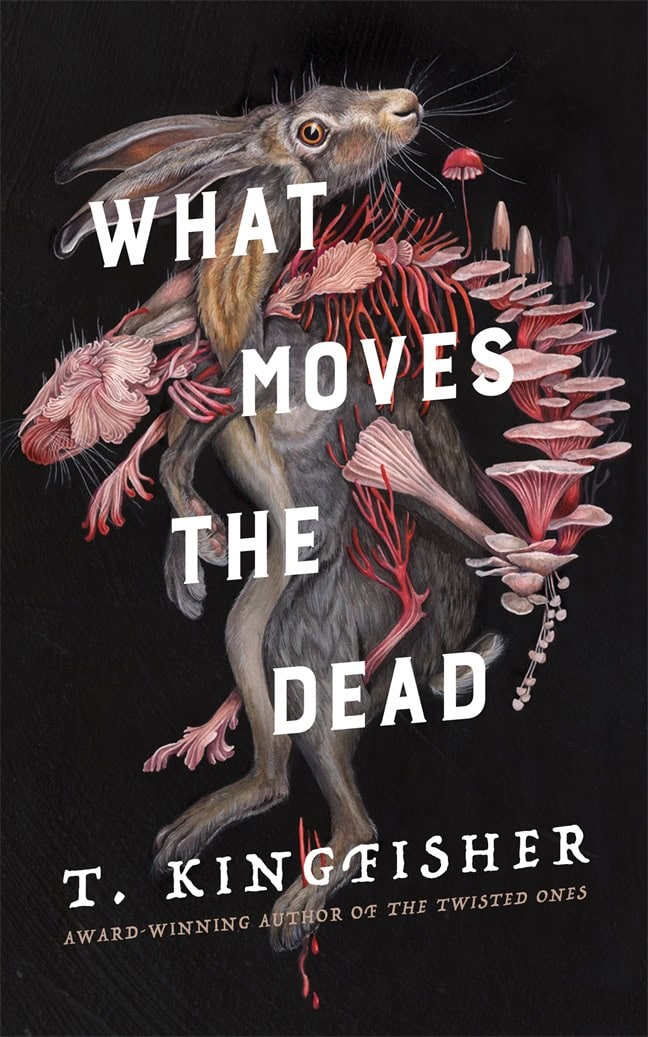
10. What Moves the Dead by T. Kingfisher
This novella is a retelling of Poe’s iconic “The Fall of the House of Husher,” but with more horrific flair. When Alex Easton, a retired soldier, receives word that their childhood friend Madeline Usher is dying, they race to the ancestral home of the Ushers to say goodbye. Far from a comfortable resting place, the Usher’s family home is a tangled thicket of fungal growths, wildlife, topped off with a putrid lake. With the help of a British mycologist and a baffled doctor, Alex must figure out what’s really going on here, and what’s really ailing Madeline.