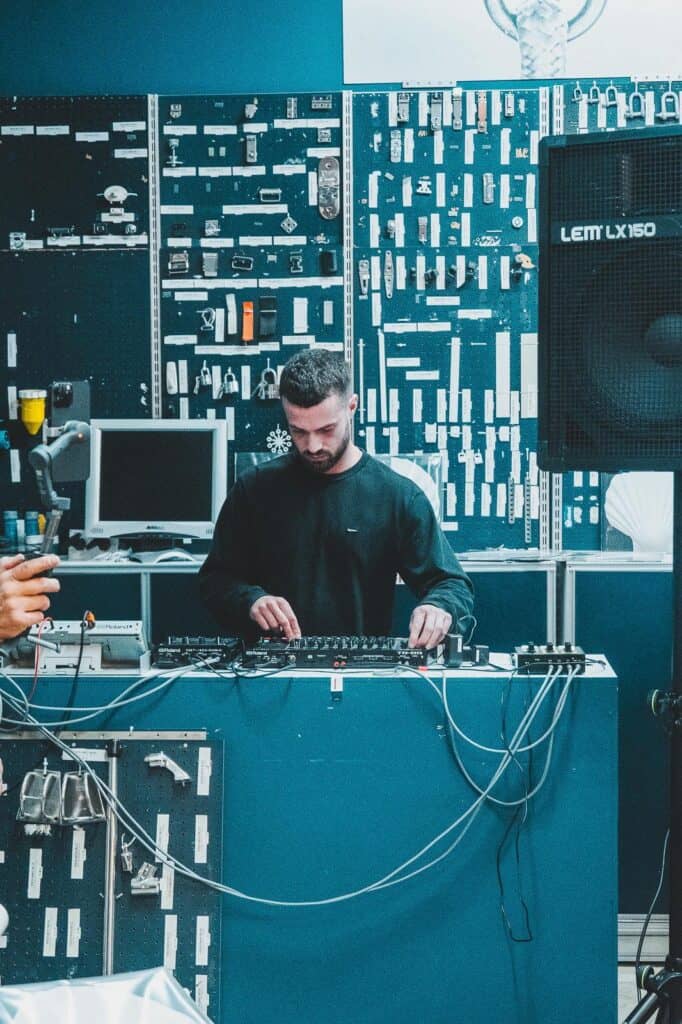
A pop and electronic music producer, RIVA has moved through the Italian mainstream with high-profile collaborations, from Crookers to Mahmood, from Gué to the MYSS KETA project. The latter he co-founded while also building a career as a sound designer and composer for some of the leading international fashion brands, including Versace, Missoni, GCDS, and Valentino.
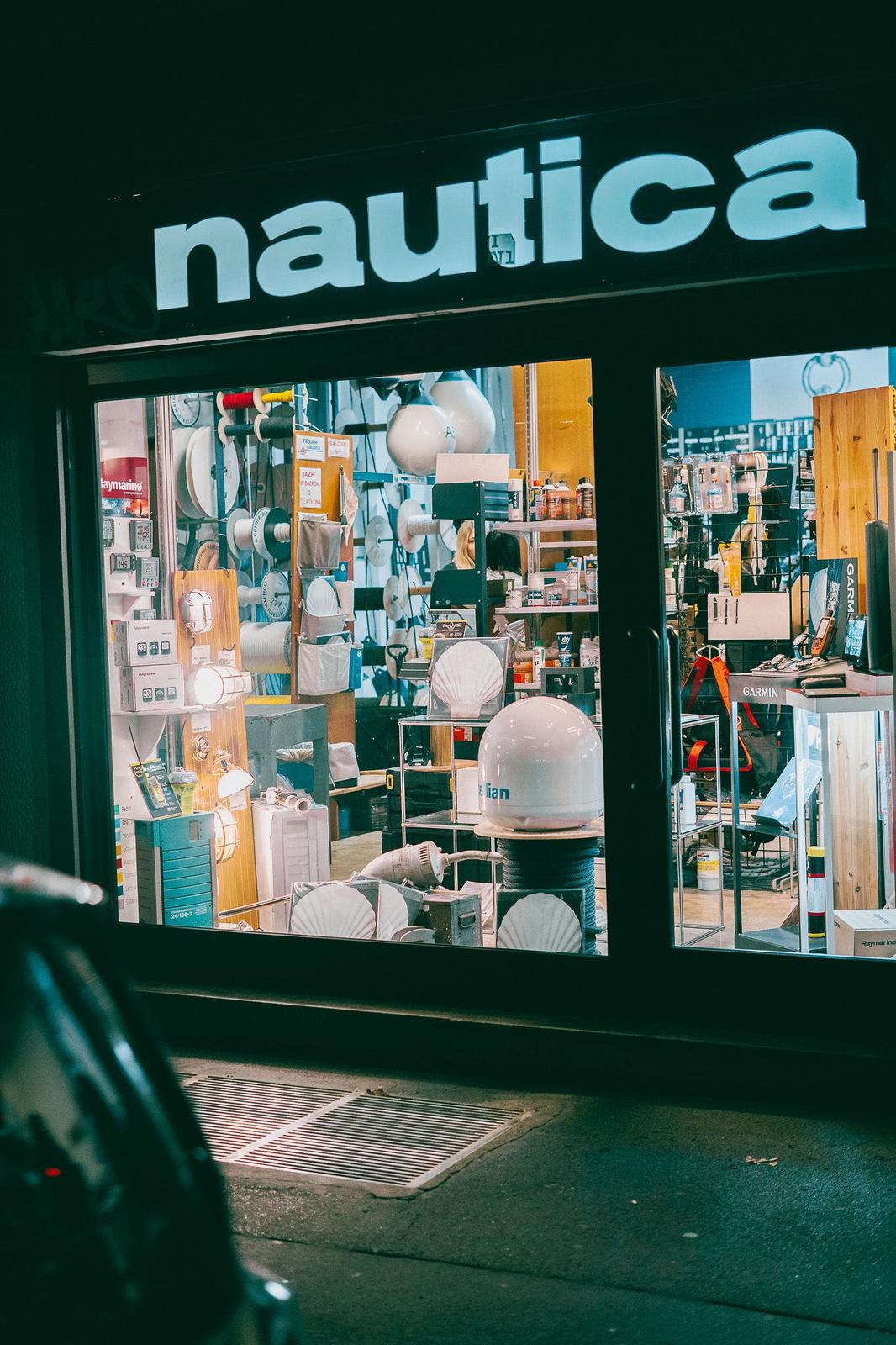
When I found out that RIVA would present his latest album, L’amante infelice, inside Équipe Nautica – a nautical equipment shop in the centre of Milan – I had one of those reactions that oscillates between skepticism and fascination. It’s the kind of idea that either fails completely or works far too well.
L’amante infelice is an album inspired by the work of Alberto Moravia, an Italian novelist known for his intense explorations of sex and social alienation. (Moravia’s 1954 novel Il disprezzo was reborn by French director Jean-Luc Godard as the film Le Mépris, an odyssian film about a failing marriage – and starring Brigitte Bardot in one of her best performances).
RIVA absorbs Moravia’s obsession with incommunicability, with desire that stumbles, with the impossibility of ever truly coinciding with the other. It is not a record that offers itself as a reassuring experience. It prefers friction over adhesion.
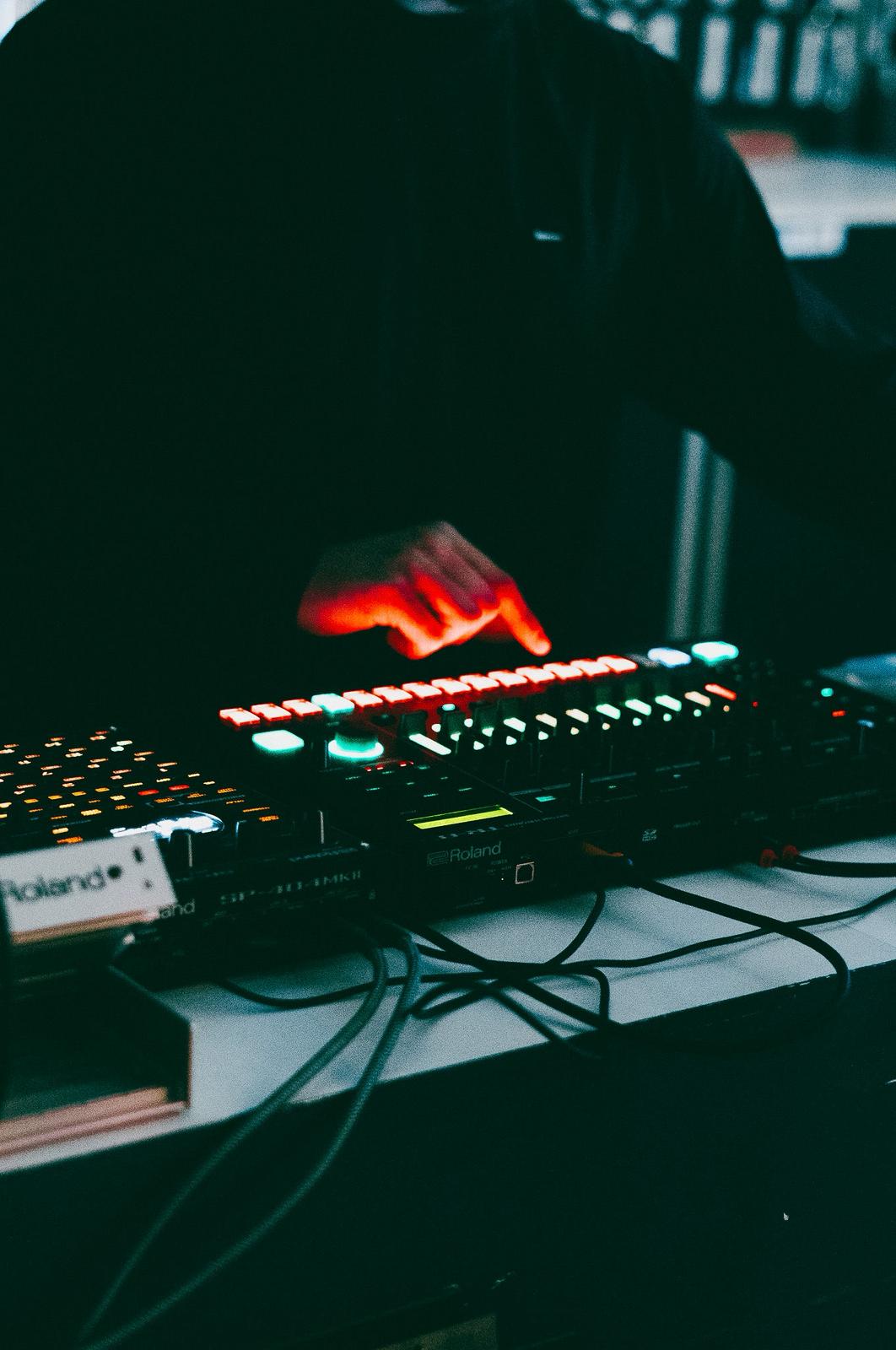
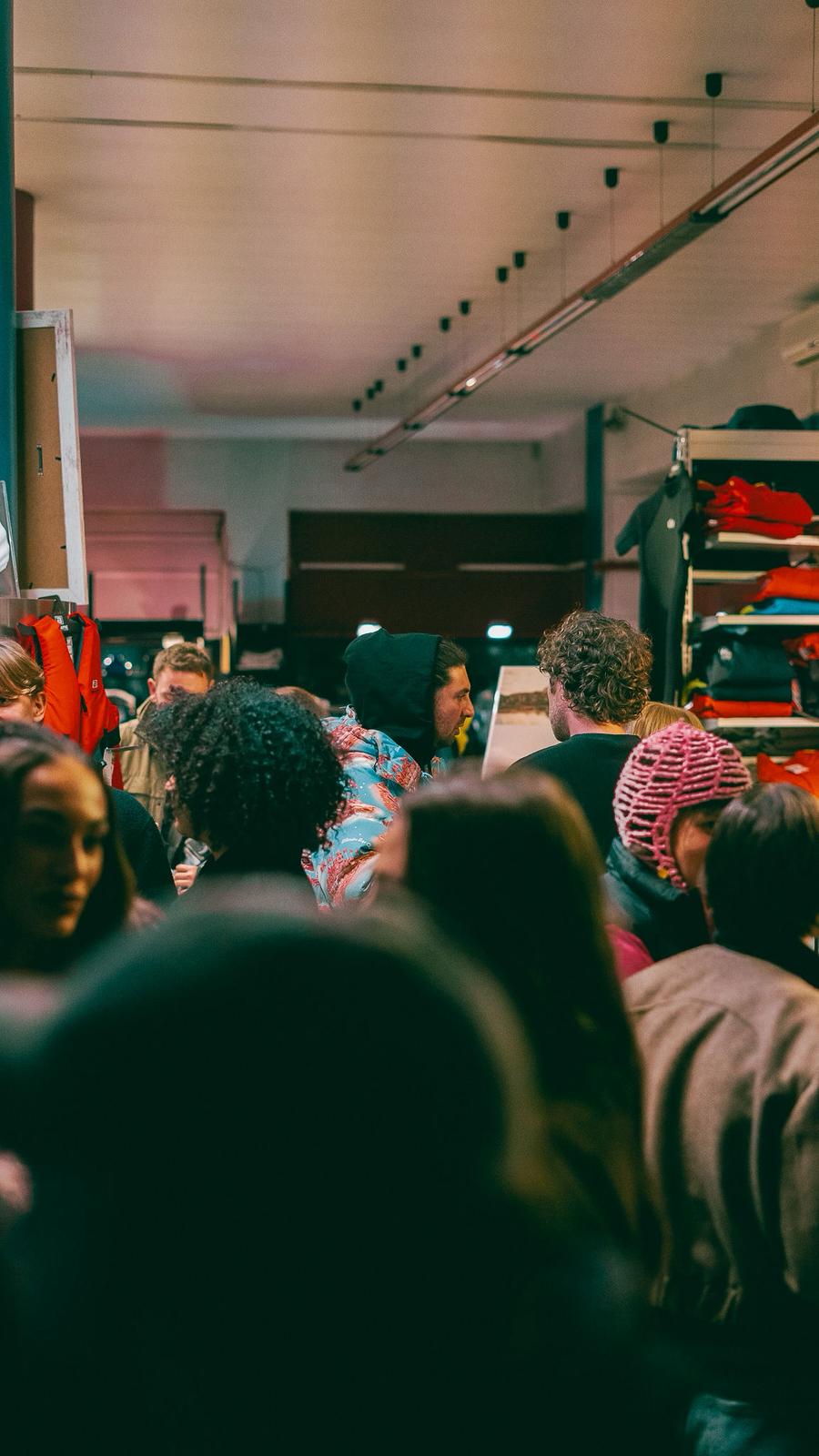
Listening to the album in a technical, functional place so distant from the canonical musical imaginary created a subtle yet powerful short circuit. Équipe Nautica is not a venue, not a listening bar, not a so-called “hybrid space.” It is a real shop: ropes, life jackets, tools designed for those who actually cross the sea, not for those who use it as a metaphor. And yet, for a record that speaks of sonic and introspective navigation, of emotional oceans, drifts, waiting, and silence, the context turned out to be surprisingly coherent.
From this choice comes the conversation with RIVA: a dialogue that moves through the genesis of L’amante infelice, his relationship with Moravia, navigation, analog sound as a form of friction, and the pleasure of placing things exactly where, in theory, they should not be.
The Cold Magazine (CM): Why present L’amante infelice at Équipe Nautica, between Via Santa Croce and Via Calatafimi, in the center of Milan? What made you think a nautical equipment shop could be the right place for this listening experience?
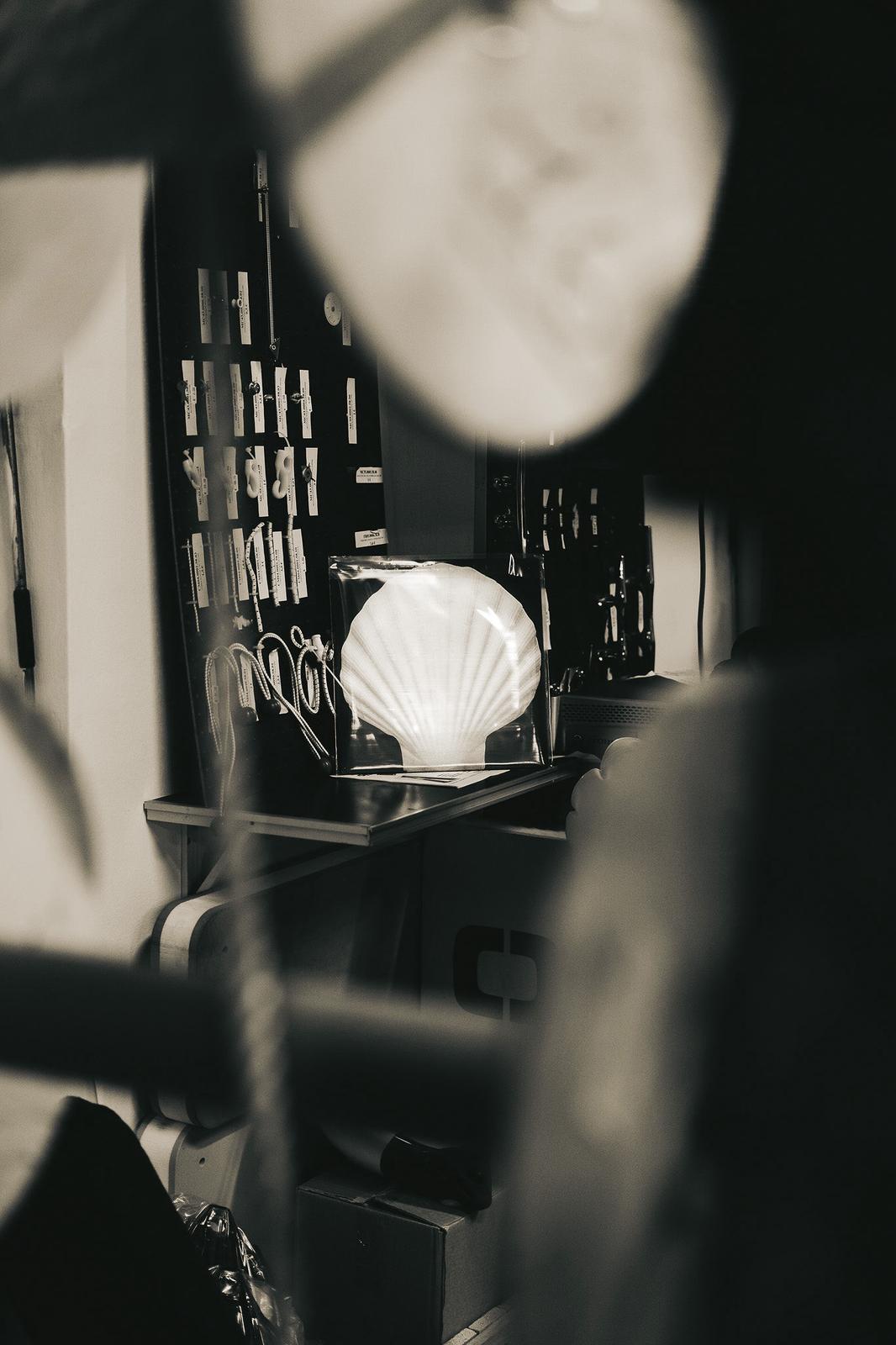
RIVA: The record explores the theme of sonic and introspective navigation. I was inspired, among other things, by Bernard Moitessier, from whom I later “returned” to Moravia. There is talk of navigation and oceans. The cover is a shell, and there are various navigational landscapes: stormy seas, calm dawns, boat parties. Associating it with a place connected to sailing felt natural.
CM: Équipe Nautica is a functional space, far from the musical world. What kind of experience were you looking for between an album inspired by Moravia and such an everyday place?
RIVA: When Enrico Molteni from La Tempesta, the independent record label, and I focused on presenting it in a space linked to navigation, it was the first place that came to mind. I often pass by it, and it has always called to me in a sort of “magical” way. It also conveyed very well the retro taste of the book and the record. Walking into that shop already meant stepping out of the usual urban context.
CM: How important is working with disorientation as a condition for deeper listening?
RIVA: I have always had an artistic approach strongly oriented toward disorientation and confusion. I think this is very visible in the project M¥SS KETA, to which I dedicate a large part of my life. There is a Chinese saying that goes: in water that is too clear, there are no fish to catch.
CM: You chose to record L’amante infelice entirely on tape. Was this a technical decision, an aesthetic one, or a form of resistance to the excessive cleanliness of digital sound? Tell me about the process behind this choice.
RIVA: I genuinely feel pleasure when listening back to sounds that are saturated or damaged by passing through tape. I started by playing around, running any sound through it. Then, because one channel of the recorder was broken, I had to pass left and right alternately through the same channel and reunite them later in the digital audio workstation. This created a series of accidental and unexpected effects.
CM: Moravia often works around incomunicability and the impossibility of truly coinciding with the other. Do you think the formal deconstruction of the record is also a way of putting the very idea of musical communication into crisis?
RIVA: I definitely have iconoclastic ambitions when it comes to the rigidity of structure and the way records are packaged. There is an obsession with giving every recording the same product form, boxing and labeling them in order to make them more digestible. I liked the idea of trying to destroy this logic a bit, even though I think I could have dared more.
CM: You’ve described L’amante infelice as an anarchic, freeform project. Is presenting it outside a traditional venue a natural extension of this attitude?
RIVA: I was seeing videos on TikTok of DJ sets happening in kitchens or during gender-affirming surgeries. I wanted to move in that direction. By now it’s such a widespread attitude that it almost feels like the new traditional venue. Even in Milan there are many realities that use spaces meant for other purposes: restaurants, Chinese shops for electronic music events.
CM: “If, while navigating, the stormy sea carries you away,” you sing in “VI.” Traveling by sea implies waiting, silence, concentration. How does this metaphor resonate with the themes of love, desire, and frustration that run through the album?
RIVA: “Navigating, navigating” would be the literal translation of cruising, battuage. So it was a way of saying that if we find ourselves within the vastness of a navigation, it was destiny.
CM: The record features contributions from other artists, yet it remains strongly unified.
How did you work on the boundary between openness and control, between collaboration and authorial solitude?
RIVA: They were friends, or people who happened to pass by the studio. I felt that maybe something was needed in a specific track, and I knew they could help. The same goes for the imagery. They are all people I care about deeply and who were able to give me a hand. I thank them all.