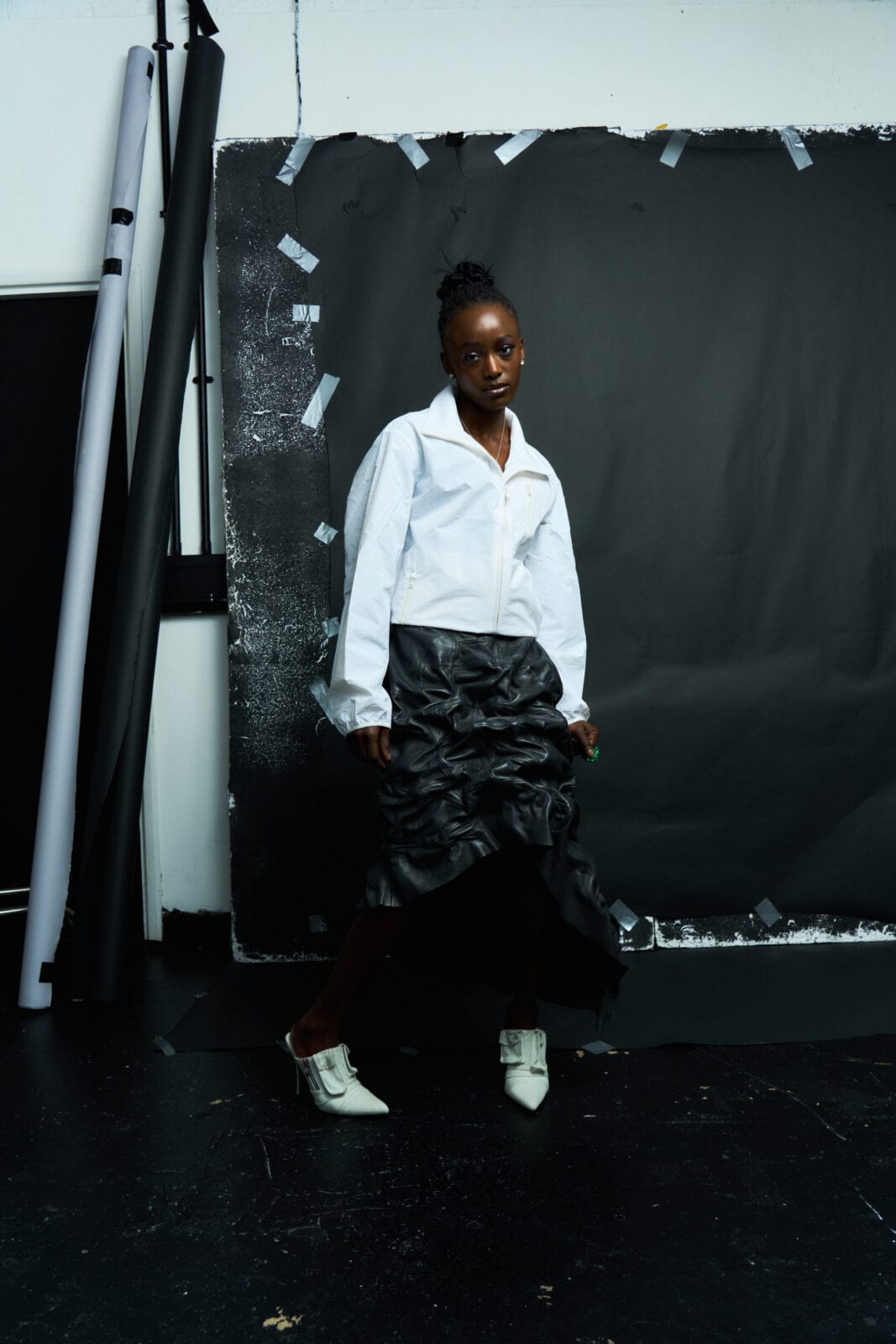
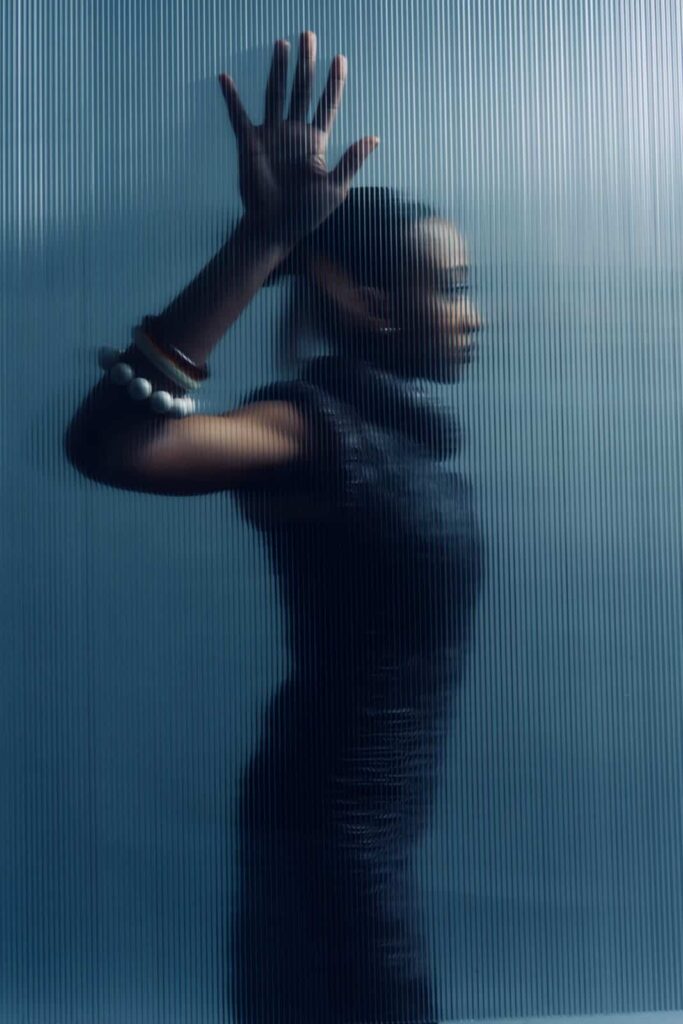
Fashion is witnessing a resurgence in sculptural aesthetics. The origins of this movement can be traced back to the likes of Elsa Schiaparelli, whose work echoed the sentiments of the contemporary surrealist movement during the long twentieth century. Brought back to the fore in the 1980s by Comme des Garçon’s asymmetry and Issey Miyake’s use of pleats to manipulate statue-like forms, sculpturalism cemented itself as a realm in which the industry’s greats could demonstrate their excellence.
In the modern fashion world, this movement can be observed in shows such as Hodakova SS26 and Abodi Transylvania’s The Chronicles collection, 2026. This return sees fabrics draped and molded to the body in abstract ways, becoming wearable art. Techniques move away from traditional tailoring and instead place emphasis on draping as practice.
Emerging on this scene is up and coming designer Salma Tahir. Based in London, Tahir studied fashion design at Ravensbourne University and is establishing her practice in three dimensional disciplines. Tahir’s designs are sculpted through leather molding and texture to create a conceptual narrative that runs throughout the collections. Experimentation is deliberately integrated throughout Tahir’s process, which contributes to the collections’ distinctive fluidity and avant-garde form.
Ahead of London Fashion Week, we sat down with Salma Tahir to discuss her practice as it relates to the current fashion climate, how she generates new ideas, her process and what resonates with her as a designer and artist. Tahir’s work will be featured in the EMERGE List AW26 Runway in collaboration with the Cold Magazine at art’otel London Hoxton on 19th/20th February.
The Cold Magazine (CM) : How would you describe your brand’s identity, and what ideas or values sit at its core?
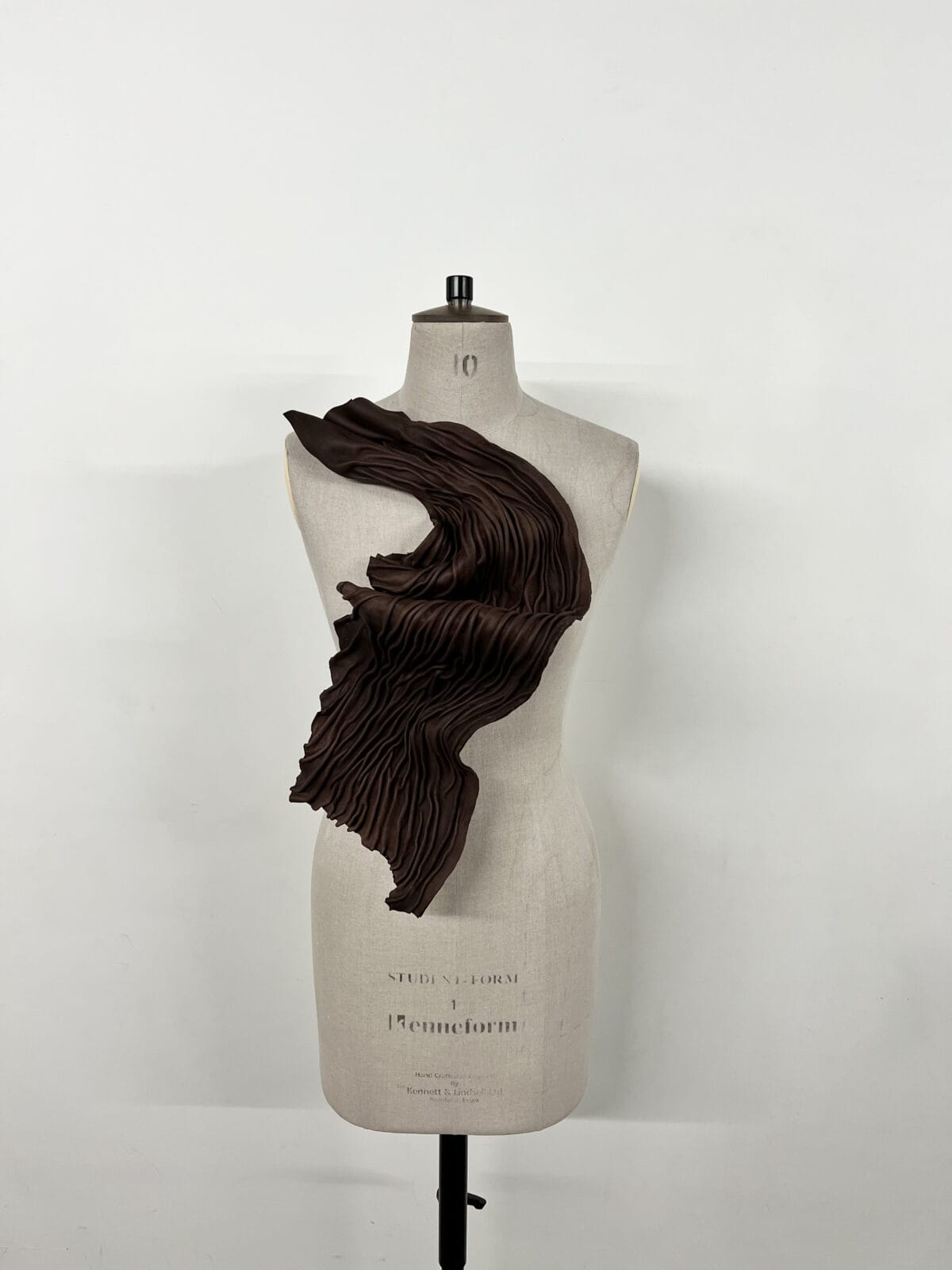
SALMA TAHIR (ST): My work is rooted in art and the three dimensional, I have always been interested in how garments are built and their shaping of the body which lead me onto sculptural thinking. My brand’s identity is about pushing boundaries and translating unconventional ideas whilst balancing the conceptual story telling. I value precision and craftsmanship as well. I like taking time and detailing the mold. My design is based around leather molding and the values I
prioritise are paying attention to every detail, having intention with every design but letting the work tell for itself.
CM: What references or influences are currently shaping your work, both within and outside of fashion?
ST: I would say art installations and performance sculpture as well as architecture.
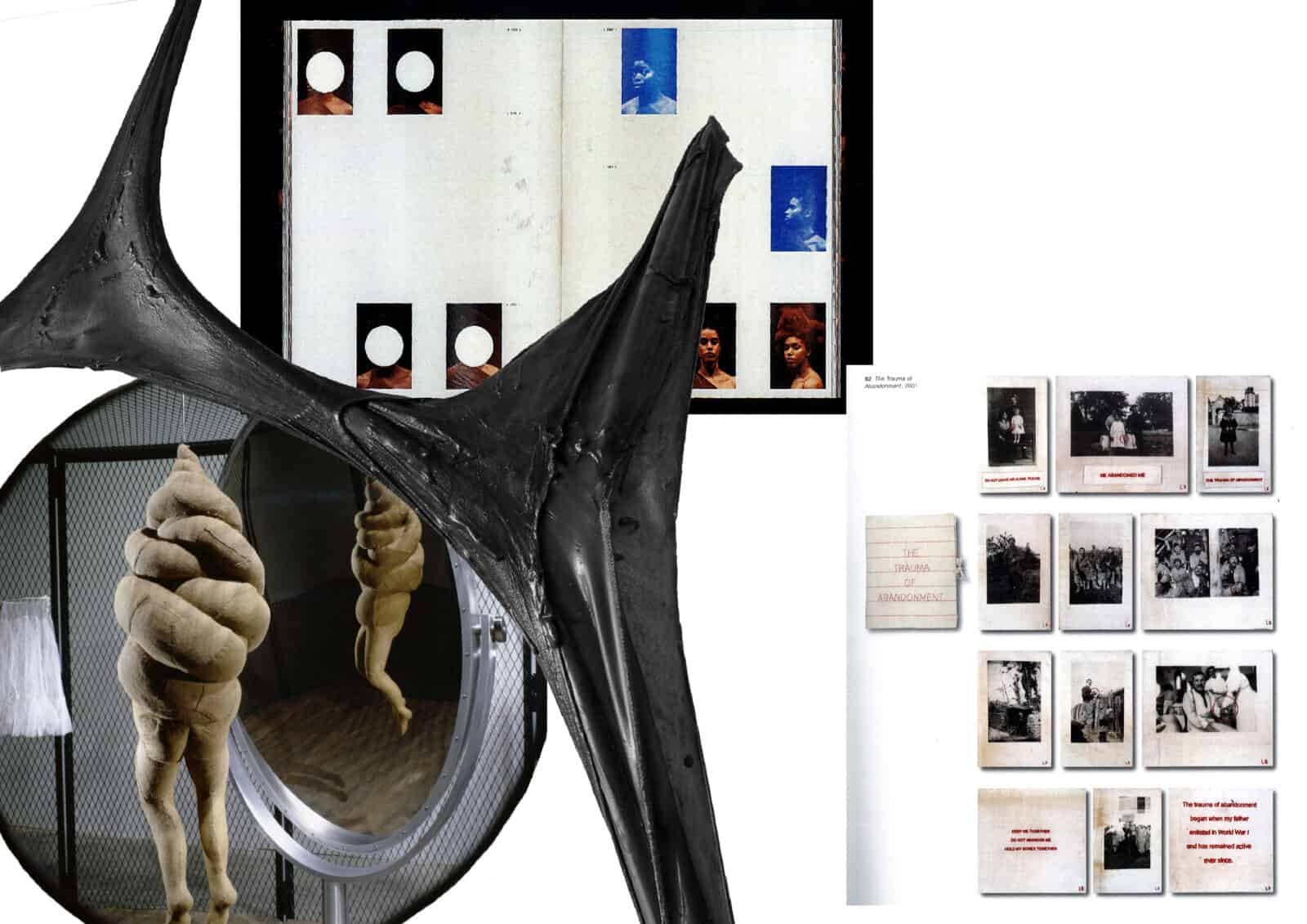
CM: Thinking about architecture as an influence, would you describe your work as post humanist?
ST: I’d say there is a sprinkle of post-humanism.
CM: What does your design process look like from initial concept to final piece?
ST: For me, more so because my work is textural based, it starts from form rather than sketch. But it depends what I’m working on. Usually I play with draping and testing materials, allowing the fabric to dictate the possibilities. Physical experimentation plays a big role.
CM: How would you describe your current collection, and how does it build on or depart from your previous work?
ST: It’s a development from previous work, but this time it has more depth and exploration and experimentation. I’ve been experimenting with tension but trying to be more controlled unlike in previous work.
CM: What informed the techniques, colour palette and material choices within this collection?
ST: It all started by me experimenting with leather. Leather is a technical material and I was very much curious to see how I could add texture to it. I wanted to see how I could make it more three dimensional rather than a flat surface. I looked a lot at Louise Bourgeoise and how she works with different materials and that’s kind of how I started doing leather molding. All the leather molding I was seeing didn’t have the fluidity I wanted. In terms of colour, there is tonal variation but I mostly use texture to carry the narrative and have a focus
CM: How does your brand allow you to express your creative vision more fully?
ST: I guess because it is mine so I can do whatever I want to do like prioritising process, experimentation and integrity of my work. Without having to feel like I’m chasing something else.
ST: I try to think of the body as an active presence rather than just an after thought. I’m referencing sculpture, but I’m still designing with movement in mind. It challenges me to have the garment be a sculptural form without causing discomfort. However the sketch looks, I still have to pattern cut [ laughs] so still have to think about wearability.
CM: What parts of the making process do you find most challenging and what other challenges have you faced as an emerging designer?
ST: Definitely say the pattern making aspect of it, you have to think about proportion without compromising on the fit. Other challenges, I would say visibility and sometimes resources because the materials I am working with (leather) are expensive.
CM: Over the coming years, how do you see your practice evolving?
ST: I think as time evolves there is going to be more material innovation, I still want to push this forward whilst maintaining wearability. Also how technology could also play a part in it without losing the intimacy of the making process.