

As consumers’ appetites for pre-loved fashion grow, new resale stores are popping up quicker and quicker, hungry for fresh clientele to dig through their racks of treasures. Any Brick Lane regular knows how frequently new shops move in and out of old storefronts. While hundreds of debut sellers fight for a share of the market, one pre-loved shop has maintained its position as a titan in London’s resale scene for fifty years. Nestled in a quaint spot in Chelsea Green, Sign of the Times has provided London’s most savvy resale clients with an expansive archive of vintage and luxury pieces for fifty years to date.
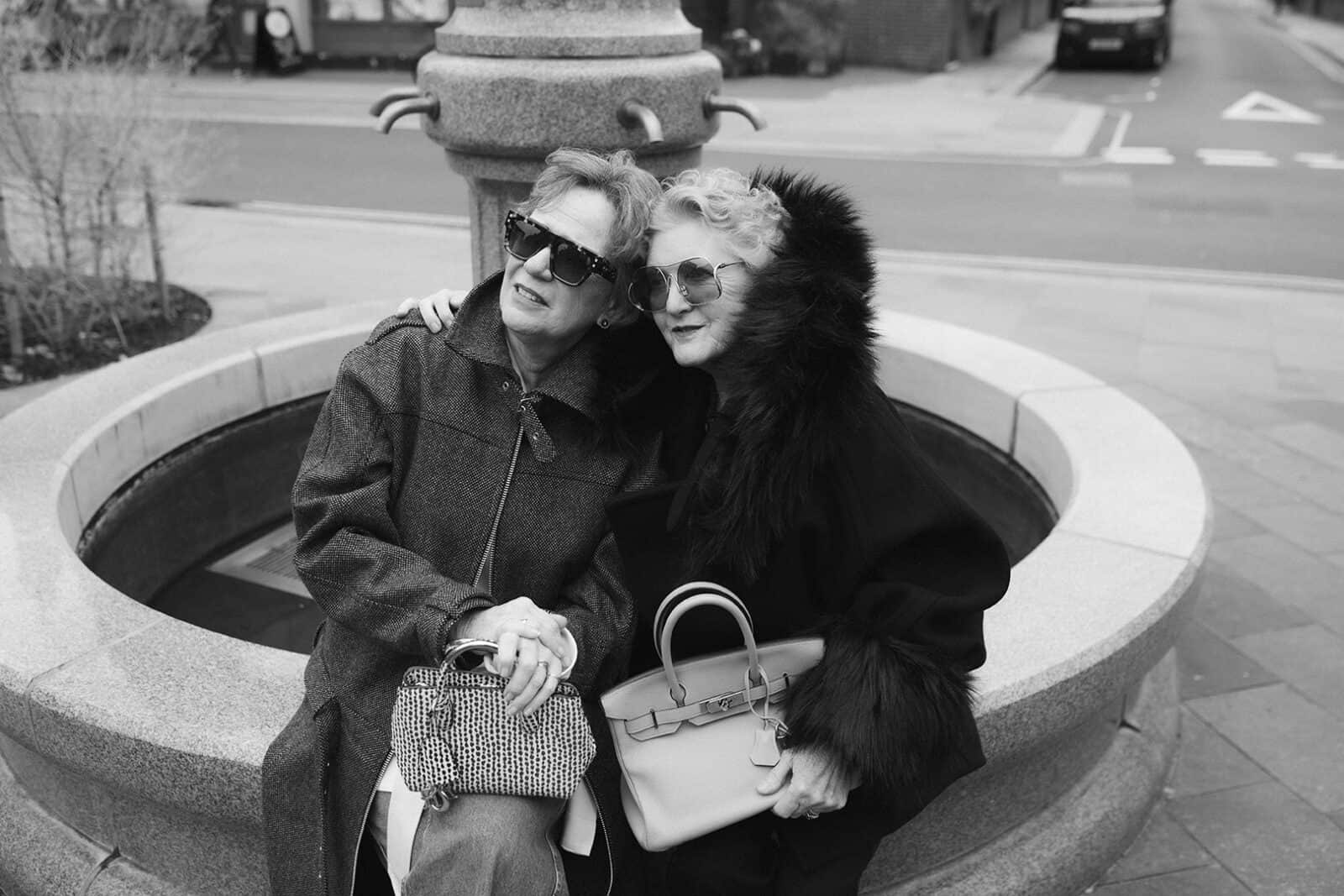
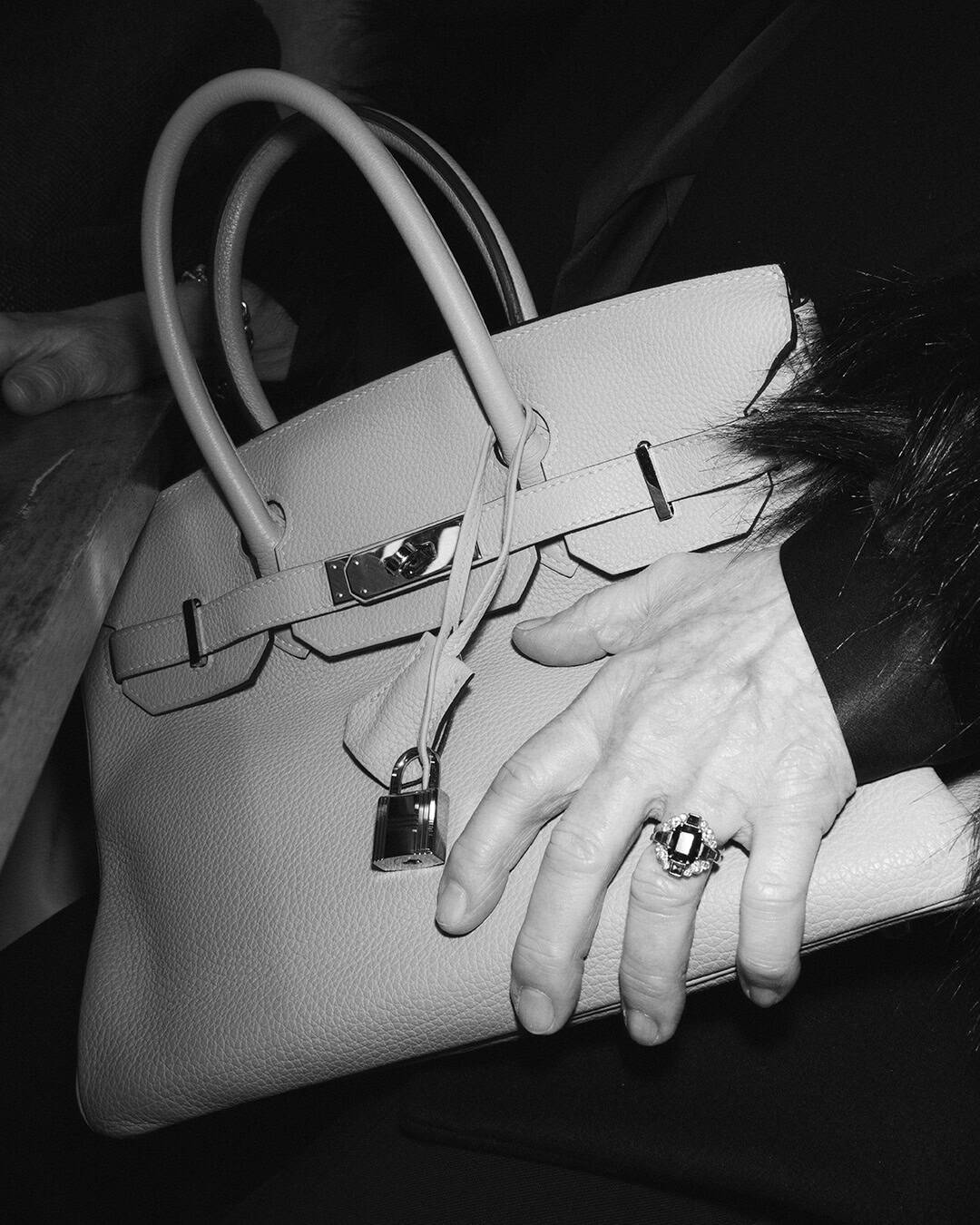
Since 1976, curators at Sign of the Times have handpicked pieces with intention and care, building upon an impressive archive of thousands of garments. From an off-the-runway McQueen coat to coveted Birkins, Sign of the Times has grown a massive collection of pieces that attracts clients from around the globe, from stylists to collectors. Beyond its Chelsea storefront, Sign of the Times has become a behemoth in the global resale market, operating in over 40 countries and collaborating with several major retail brands like Farfetch and Selfridges.
With the speed at which trend-cycles turn over, Sign of the Times is a refreshing reminder that passionate preservation and thoughtful curation can stand the test of time. Sign’s powerhouse CEO and ‘re-founder’, Antonia Johnstone, is carrying the torch of the brand’s original owners, protecting the legacy of a benchmark name in the resale space. Instead of feeding the demands of a fast-fashion-heavy world, Johnstone is intently focused on giving a new-generation of shoppers the same euphoria she felt as a fashion-loving uni student diving through racks of pre-loved wears.
So how has Sign of the Times managed to maintain such a legacy, and where are they headed next? I spoke with Antonia Johnstone about carrying on and evolving the brand’s story in a rapidly shifting fashion sphere.
The Cold Magazine (CM): So, how did Sign of the Times begin? Give us a little history.
Antonia Johnstone (AJ): Sign of the Times first opened its doors on Chelsea Green in 1976, initially handling the buying and selling of second-hand luxury for celebrities in the day. It became famous in the area for finding the most in-demand pieces.
My own connection to resale actually began when I was at university in Bath. At the end of my road, there was a tiny second-hand store that sold high street pieces at prices students could afford. It meant I could afford brands like Topshop and Warehouse that would normally have been out of reach. I loved the thrill of finding something special and giving it another life, and that experience really sparked my interest in the world of circular fashion.
After university, I always knew that luxury resale was the space I wanted to be in, and in 2019, I had the opportunity to acquire Sign of the Times. I already had work experience at Sign of the Times prior, so this was a real full-circle moment. Taking on a business with such incredible heritage felt very special, and our focus since then has been continuing to grow it for a new generation of clients, while staying true to what has always made it special.
CM: With 50 years of running a “circular luxury” shop, how have you seen the vintage and archival space evolve over time?
AJ: I personally have only owned Sign for 6 years; however, the biggest shift has been how people view second-hand fashion. When Sign first opened, customers would often say they’d “never tell anyone that they bought this second-hand!” Resale was often seen as a practical way to sell pieces or shop more cost-effectively.
Today, there is a much deeper appreciation for vintage and archival pieces. People now recognise the craftsmanship, history, and individuality that older pieces hold. There is also far more awareness around sustainability and consumption. Clients are increasingly thoughtful about how they buy, what they invest in, and pieces they will use for years to come.
It feels like now the industry has caught up with something that Sign has believed in from the very beginning: that luxury fashion should have a long life beyond just one owner.
CM: Follow-up question: How has Sign of the Times adapted and grown with the modern era of resale?
AJ: Resale has become a global conversation, and we’ve adapted by expanding beyond the physical store while still keeping the personal, curated experience that makes Sign special.
Today, we buy and sell from over 40 countries worldwide, have three physical trading locations in London, and also work with partners such as Farfetch and John Lewis to support their preloved initiatives. We have our online site with over 5000 pieces listed. At the same time, our Chelsea boutique remains incredibly important. Being able to see and experience pieces in person is something clients still really value when shopping pre-loved. For us, it has always been about balancing that heritage and trust, a modern way of discovering and shopping for fashion.
CM: I’m sure there are more than a few pieces that come to mind, but can you recall your favourite jackpot find of all time?
AJ: Over the years, there have been some extraordinary pieces that have passed through Sign’s doors, but the one that feels most personal to me is my amazing green Gucci suit that I bought just after the Covid lockdowns. I had only recently acquired the business, and navigating that period was incredibly challenging. Finding that suit felt like a small celebration of getting through it. It was also a piece I would never normally have been able to afford new, which is exactly what makes luxury resale so exciting. Each piece has a story behind it, and that one will always hold a lot of meaning for me.
CM: When sourcing for the modern client, what do you look for? What stands out to you in a piece?
AJ: Our clients mainly look for unique pieces. They actually have the resources to shop new, so they come to us to find unique pieces or pieces they missed out on the first time around.
For that reason, I am always drawn to designs that have a certain character, something iconic, slightly unexpected, or simply incredibly well executed. The pieces that resonate most with clients tend to be those that feel timeless, but still personal.
Ultimately, we are always thinking about whether a piece is something someone will still love and reach for years to come, or if not, that it will retain value when it is sold.
CM: In your opinion, how does the pre-loved market maintain such a strong presence in such a fast-paced, ever-shifting fashion sphere?
AJ: In some respects, preloved moves even faster as we have new products arriving every single day. It is a way for people to get the fix of a “fast-paced fashion world” without the financial impact or unsustainable footprint.
Regardless of the speed at which fashion moves, beautifully made pieces tend to transcend those cycles. A well-designed bag or jacket from ten or twenty years ago can feel just as relevant today.
I also think people are becoming much more conscious about how they consume fashion. Buying something that already exists is often a more thoughtful choice, and it allows you to own something with history behind it. In many ways, resale reminds us that great design doesn’t have to be temporary.
CM: In the time that you have been running Sign of the Times, is there a particular memory that you cherish most?
AJ: For me, it is all about Sign’s incredible team and my advisors. It truly is a privilege to work alongside such hard-working, dedicated, and visionary people. There are always highs and lows in every journey, but it’s the people you take on that journey that make it. A recent high was a huge order placed by a very big retailer – it was a milestone that we all celebrated together. Further back than that, naturally acquiring Sign with the financial backing of two incredible women. It’s always about the people.
CM: If you could change something about the way the non-circular part of the fashion sphere operates, what would it be?
AJ: It would be awesome to have more transparency through the supply chain. I really hope that digital product passports are adopted in an effective way for this. I think there is something about sharing how and where something was made that can empower the consumer to make educated decisions when they purchase.
CM: On a personal level, what drives you to search for interesting pre-loved pieces? Where does such a passion come from?
AJ: For me, it has always been the thrill of the find. There is something incredibly exciting about discovering a piece that you know someone will fall in love with.
I remember feeling this when I first discovered resale myself and realised you could find something beautiful that might otherwise feel out of reach.
Every time I am in-store and see a client experience that feeling, it refills my energy tank to spread more of that wonder in the world.