
We live in the age of the influencer, where the right face can sell almost anything, but that is being challenged by the rising pursuit of anonymity occurring across popular culture. Headwear has regularly been a resistance marker, think berets worn by the Black Panthers, or tams worn by Rastafarians. In 2026, our resistance headwear is the balaclava, and what we are resisting is as much cultural as it is political.
When grime pioneer JME said “I’ve got a black ski mask, but I don’t ski” on his 2015 track ‘Man don’t Care’, I wonder if he knew that he was setting the next biggest fashion trend in UK streetwear. Grime had long established its uniform as the black tracksuit, but it wasn’t until 2016, when the genre’s younger cousin, Drill, took over the scene, that the black balaclava became popular. As the defining look of Drill artists like SL and K Trap, the balaclava was inescapable, trickling through lyrics, music videos, and quickly down to its fanbase.
For some, the balaclava provided practical identity protection against police surveillance, but for the rest, it was an alter ego. Like the Parker jacket for the Mods, it marked its wearers as part of a counterculture group.
Its key function was to provoke. Due to its association with criminality and purposeful identity concealment, the balaclava is inherently threatening, and its popularization in the UK rap scene was intentional. Its wearers took the negative stereotypes held against young Black men and doubled down on the image in an act of radical protest. There is a powerful irony behind the black track suit, black balaclava combination; therefore, it is unsurprising that this image was used in both Kanye West’s and Stormzy’s BRIT Award performances in 2015 and 2018. When you reclaim the image, you repossess power.
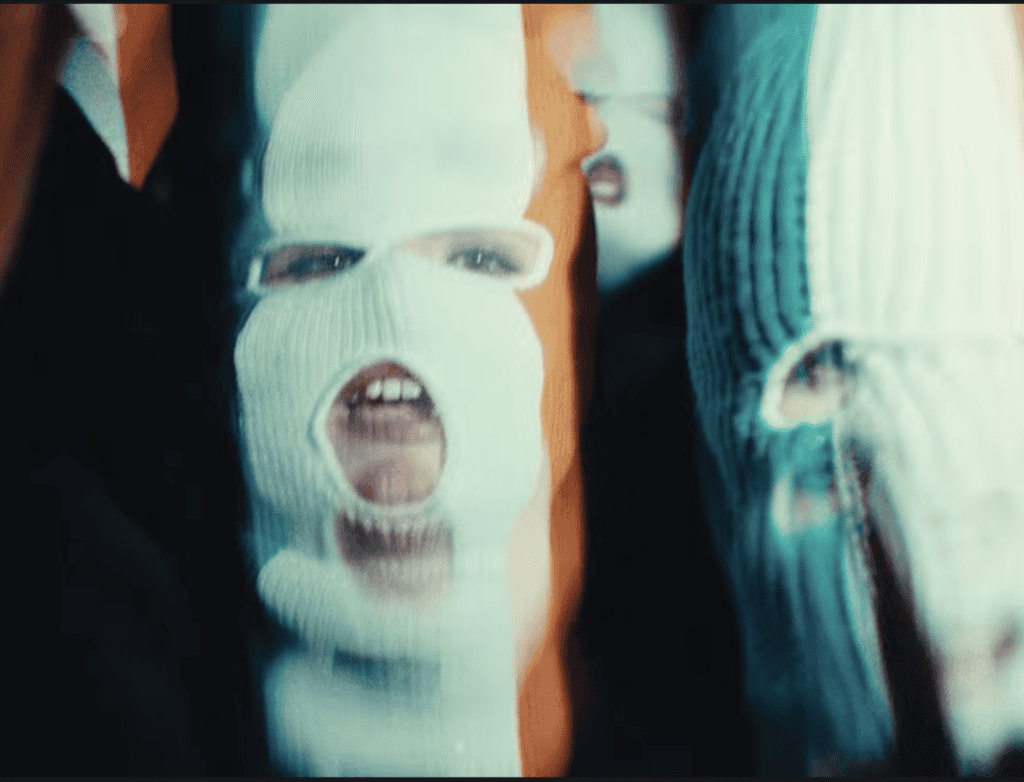
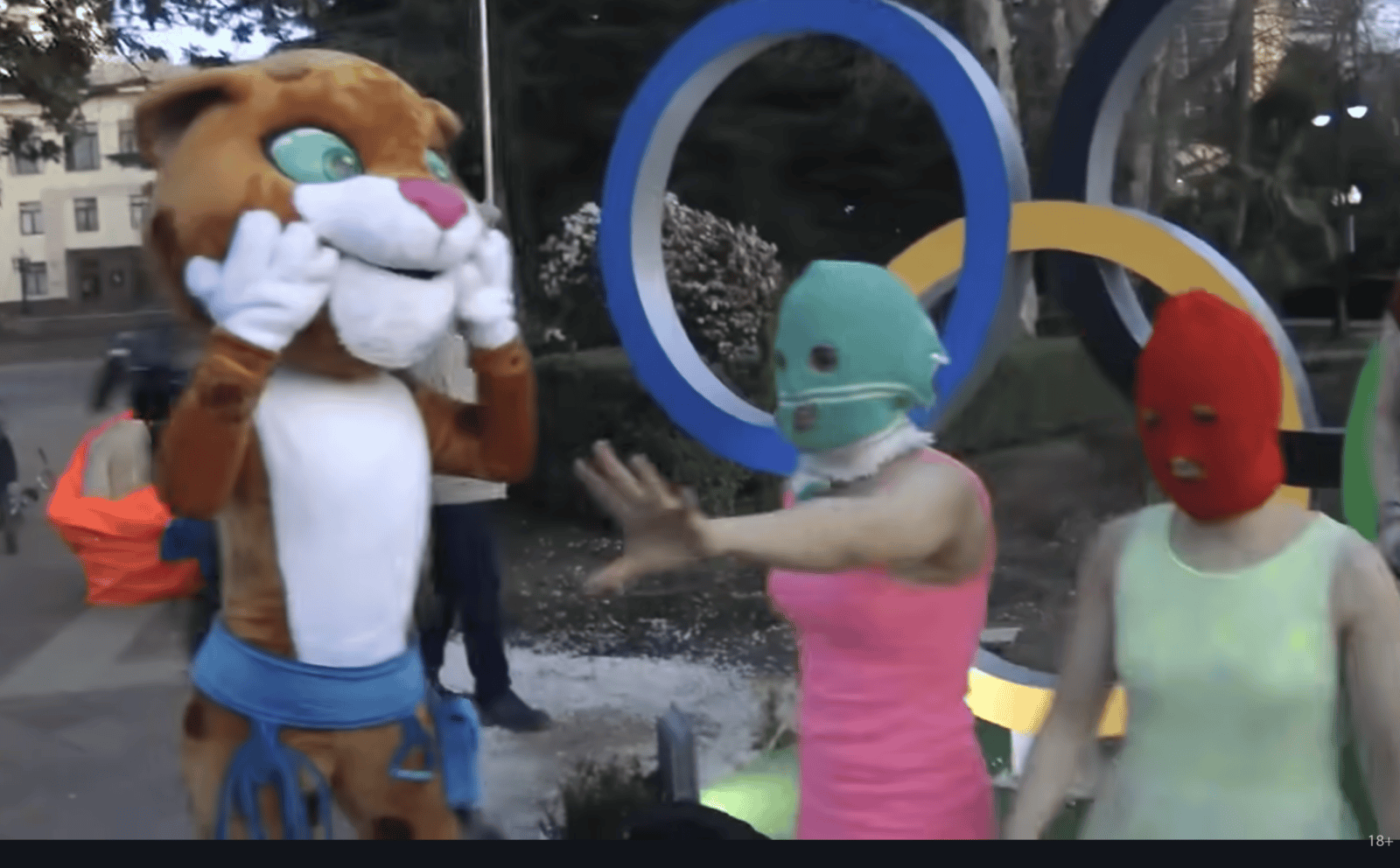
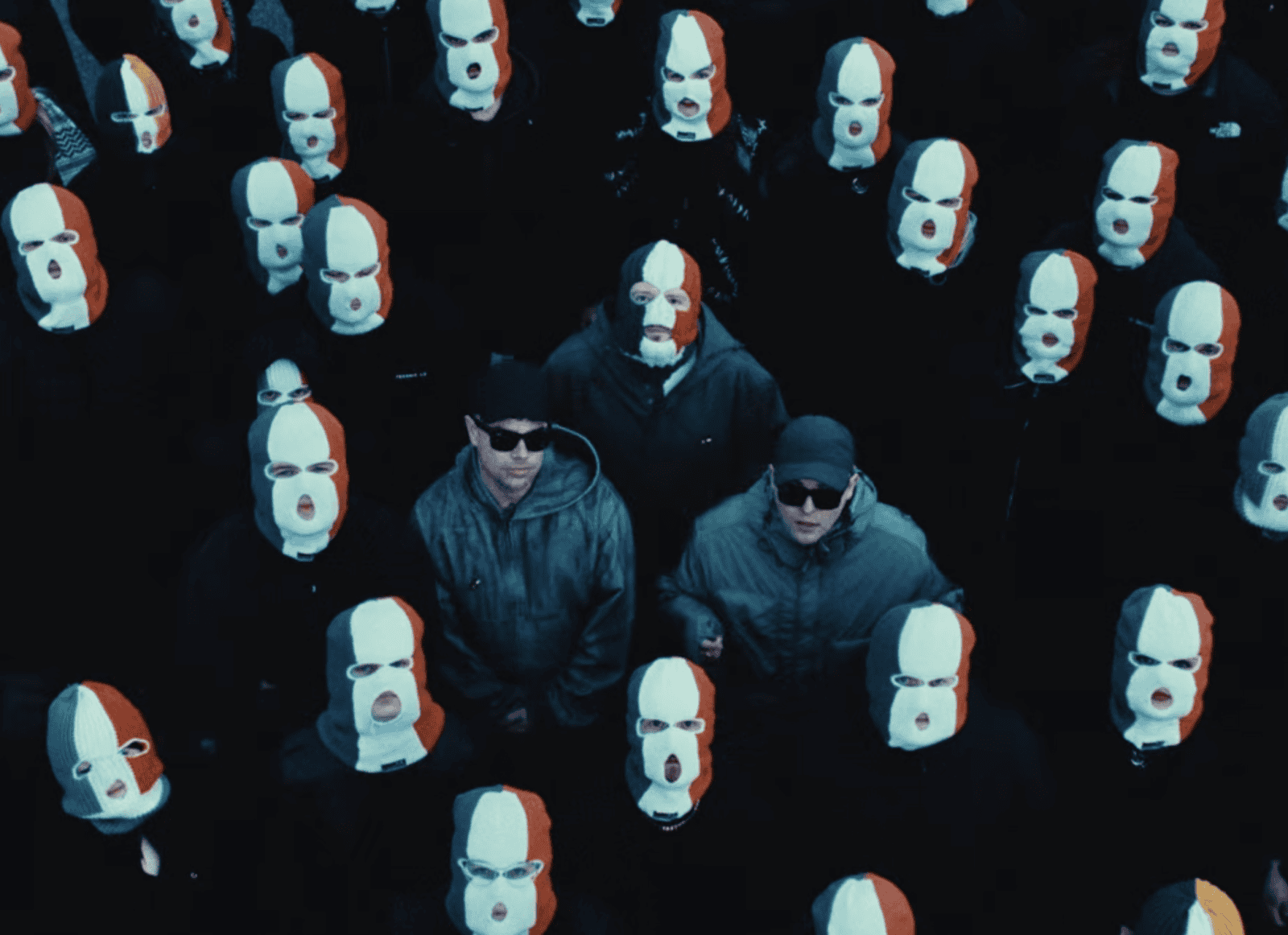
We can see this ironic use of the balaclava appear again in music more recently, by the Irish hip hop trio Kneecap. Inspired by the likes of Pussy Riot, Kneecap’s signature Irish flag ski mask was first donned by the group’s DJ as a way to perform without getting penalised by the school where he was teaching. Now it has become a symbol of the group’s political rhetoric as a satirical nod to the balaclavas worn by the IRA, positioning them as challengers of the status quo.
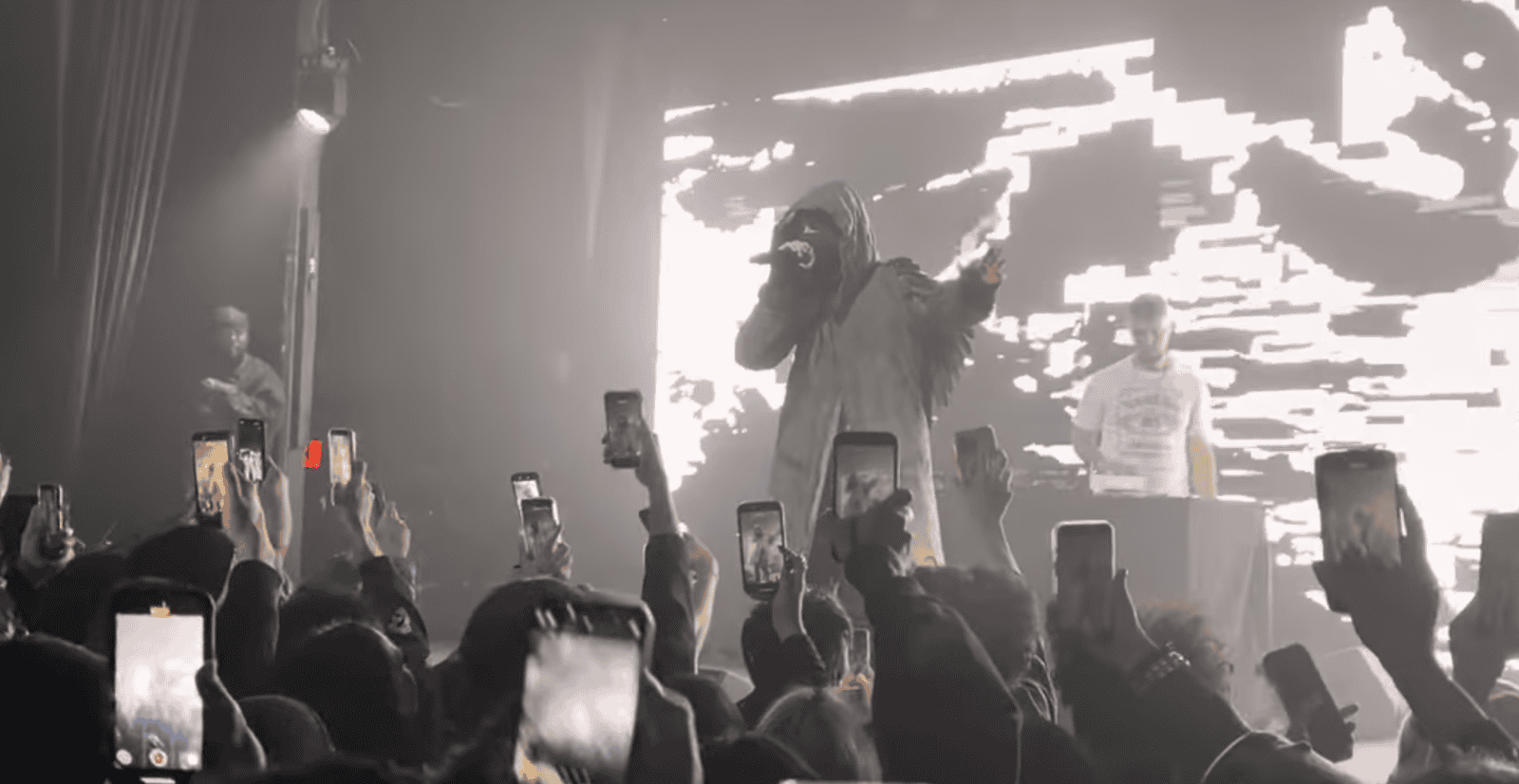
Just when we thought the balaclava was reaching peak oversaturation in the UK rap scene, it was given a new significance with the emergence of underground rapper EsDeeKid. The Liverpudlian musician has yet to be seen in public without his face covering, not as an aversion to criminal surveillance, but rather social surveillance enforced by the general public. As many have done in the past, he is proving that you can still harbour a cult following without showing your face, making anonymity part of the brand, allure, and overall edginess.
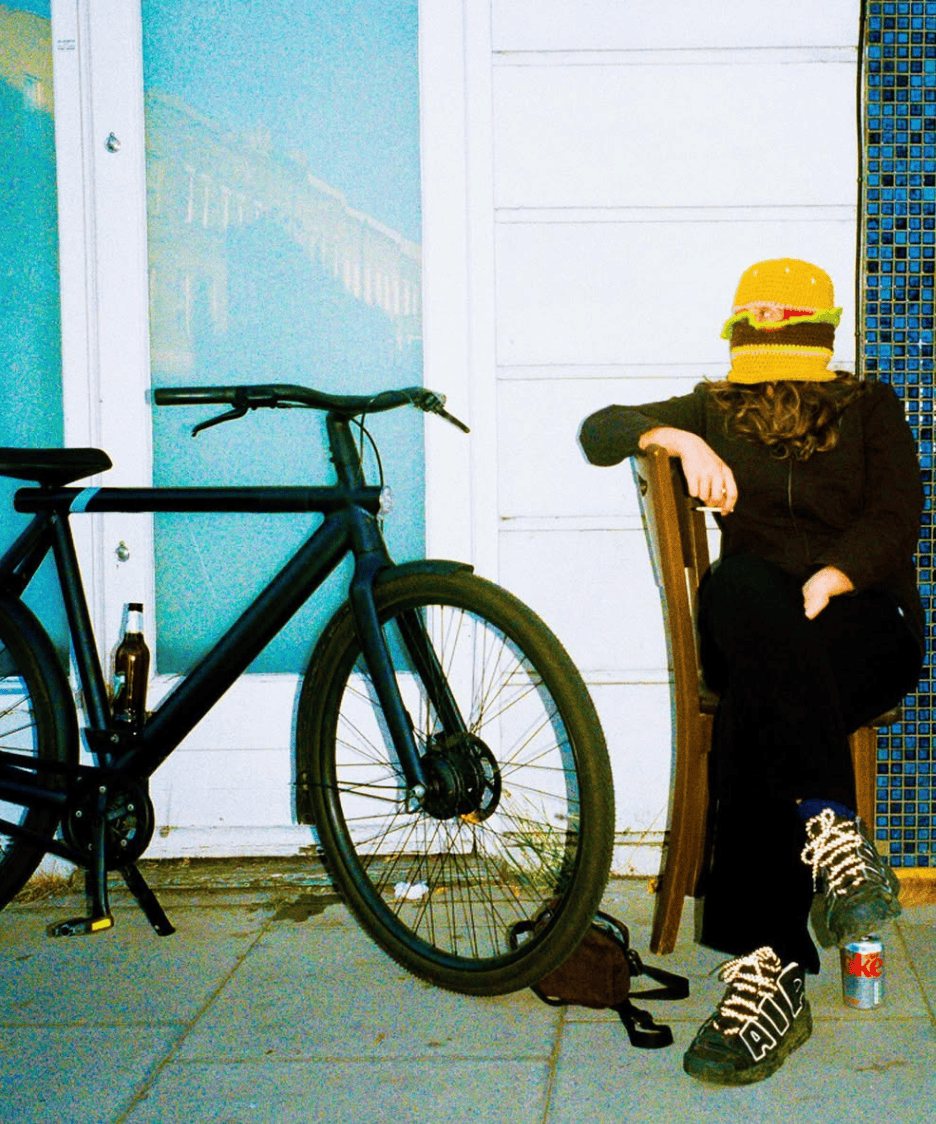
Fame was once desirable, but after having witnessed it repeatedly eat up and spit out celebrities, in 2026, it is a liability. For many artists, the only way to maintain creative liberty is through anonymity, with the most famous example of this being the graffiti artist Banksy. We are witnessing this approach being adopted across creative disciplines, from the podcaster Blindboy with his plastic bag ski mask to the food writer, the Slutty Chef, with her crocheted burger bally. It is this signature anonymity that has allowed their content to remain authentic.
This conflict between the importance of celebrity vs art is also being battled out on the runway. Gucci’s FW26 ready-to-wear Milan show sided with the dying power of celebrity. With the garments overshadowed by the famous faces wearing them, the show felt gimmicky and lacked confidence in the pieces themselves. Sure, Fakemink looked cool in sagging skinny jeans and a bum bag, but put that on anyone else, and it falls flat.
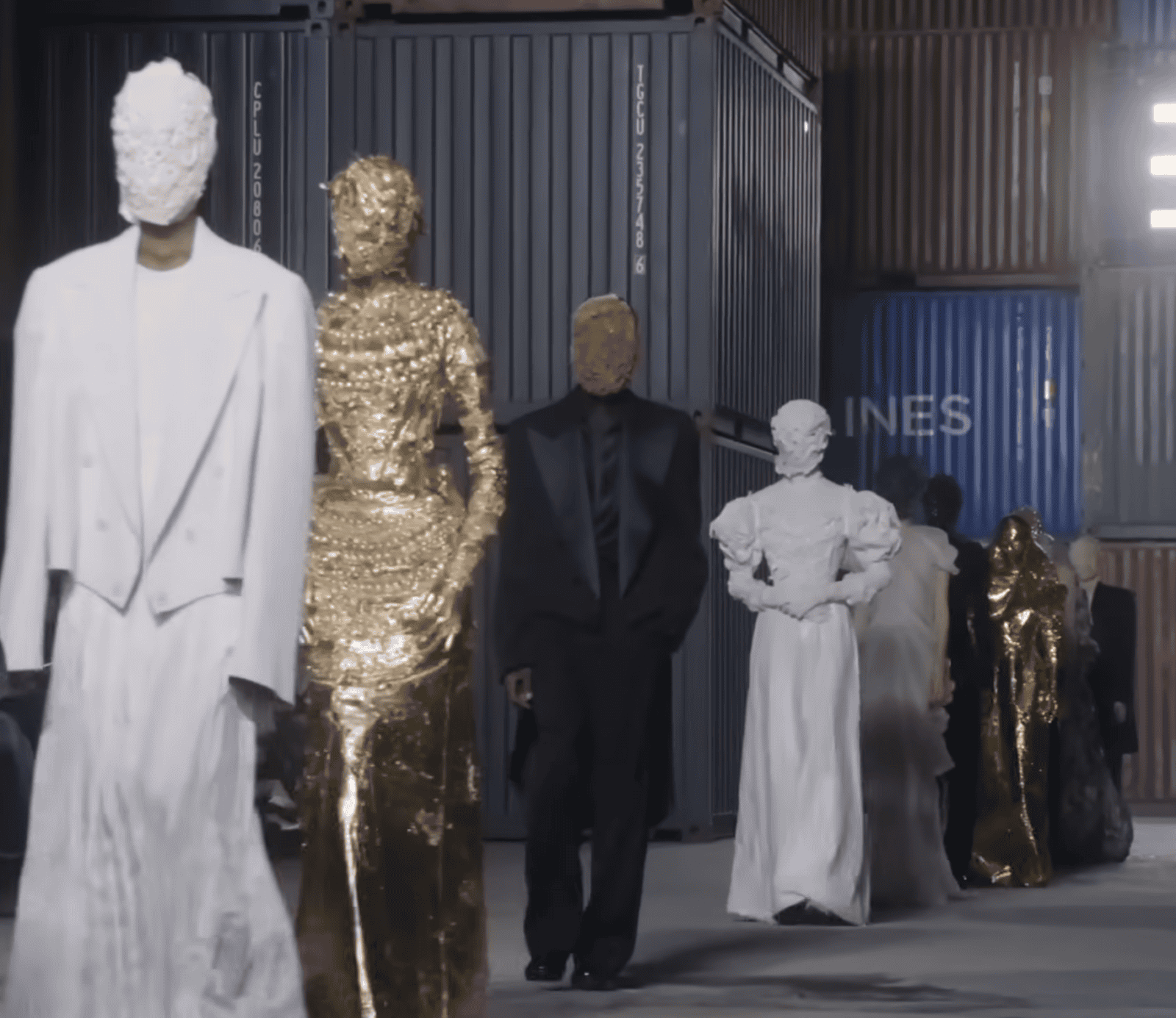
In contrast, Maison Margiela’s recent FW26 show in Shanghai once again used decorative masks to fully conceal the model’s identity. By removing the distraction of celebrity appearances, the audience was fully immersed in the garments and theatre of the collection. Post-show online discourse focused on material, craftsmanship, and even the sound quality of the porcelain garments, showing how artistry reclaims centre stage with the removal of celebrity.
For over a decade, the balaclava has operated as a political tool and symbol against authority, but has since evolved to signify a rejection of the commodification of our own faces. Each new appearance of this headwear protests the culture of surveillance and influence that we have become complacent towards. Its continued use threatens to topple the pedestal that celebrities and influencers have sat on for years, moving back to a culture that places value on the creation instead of its creator.


