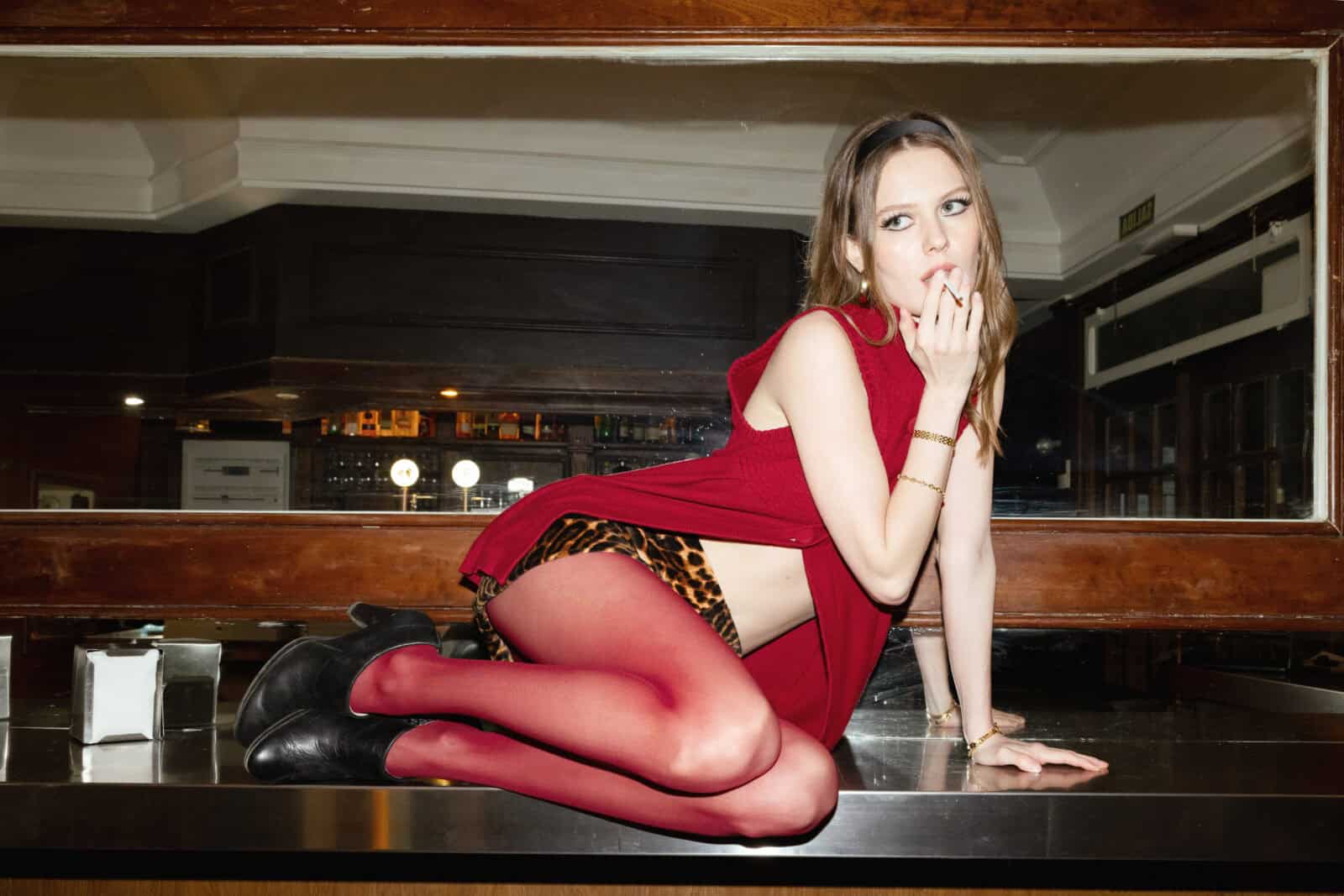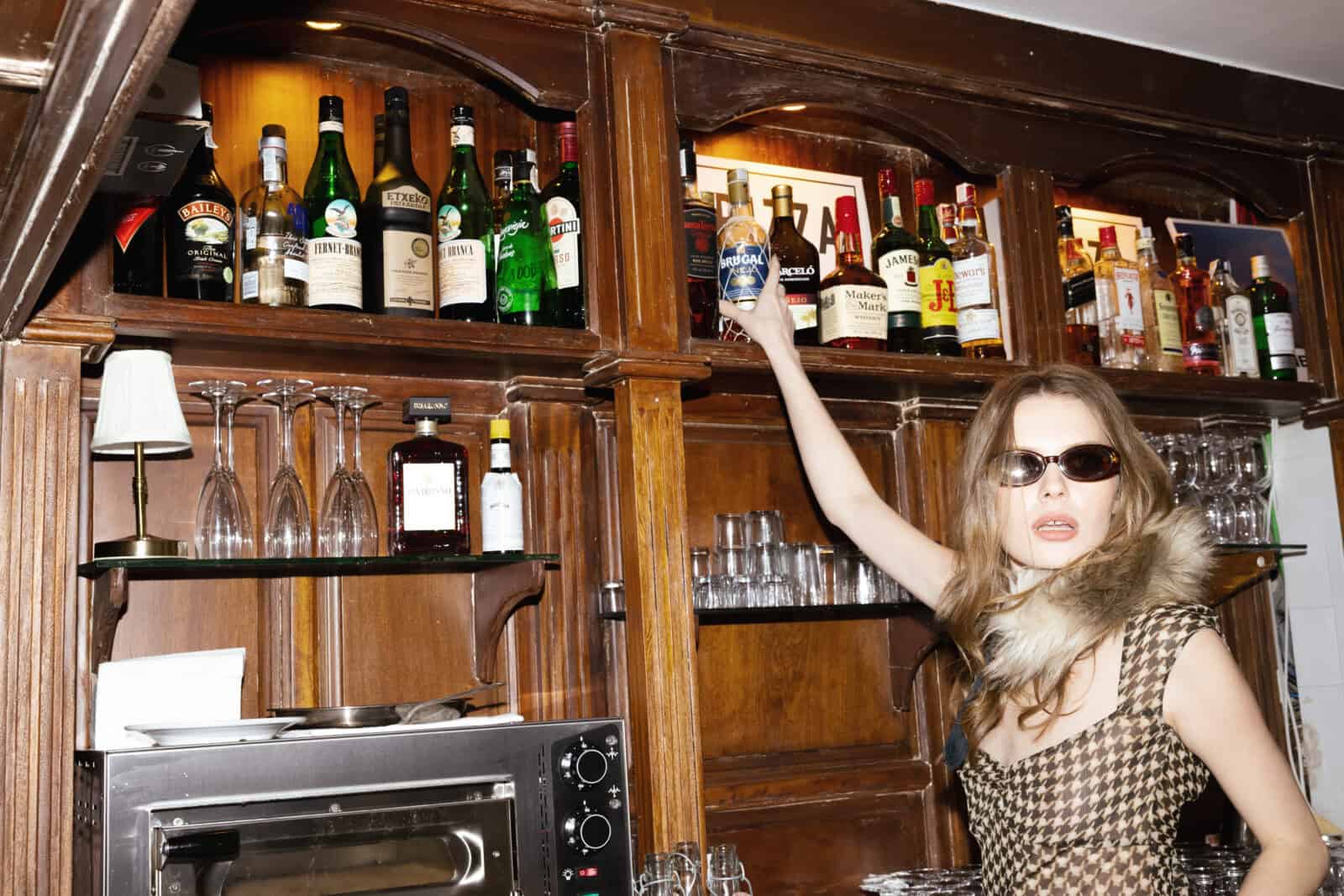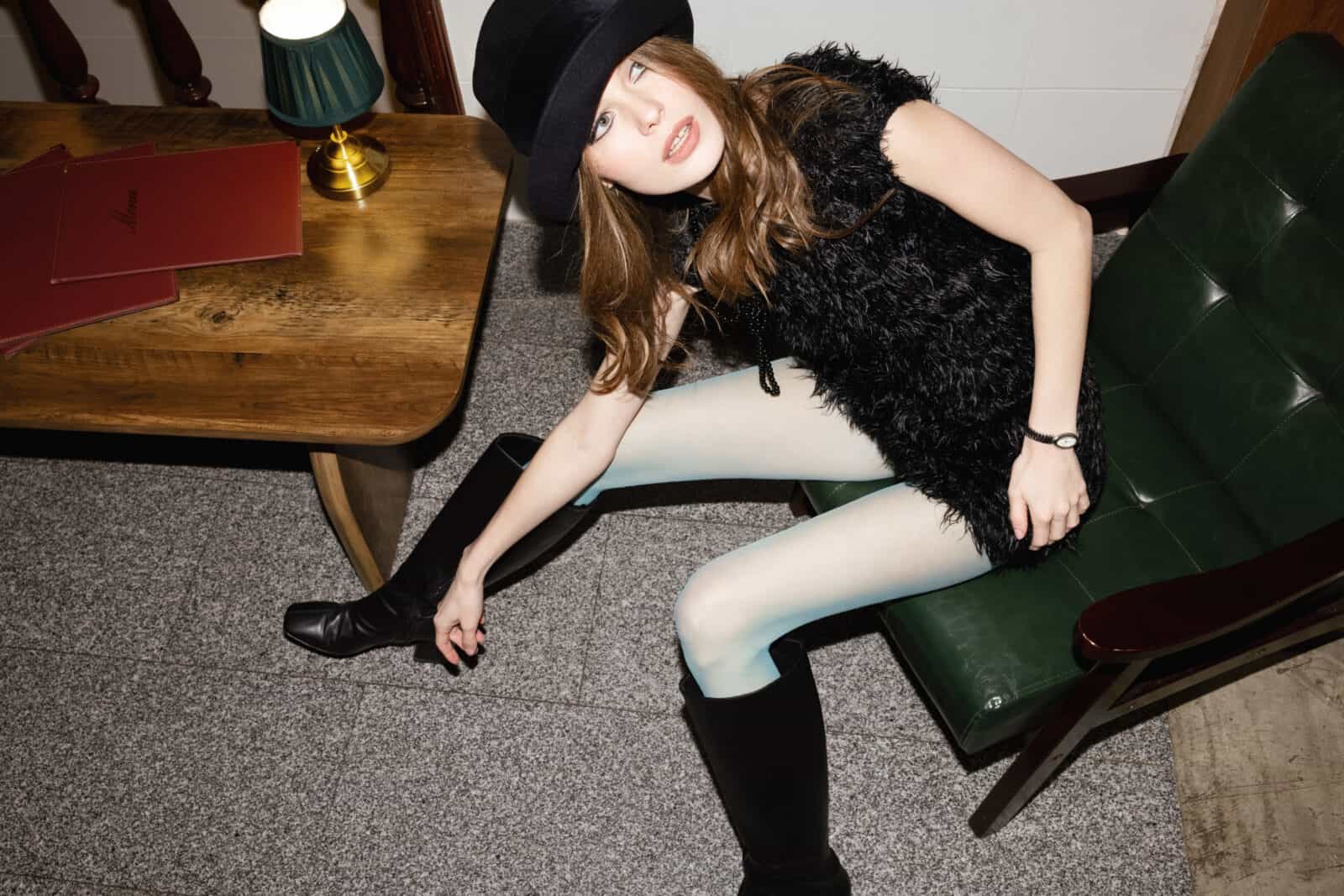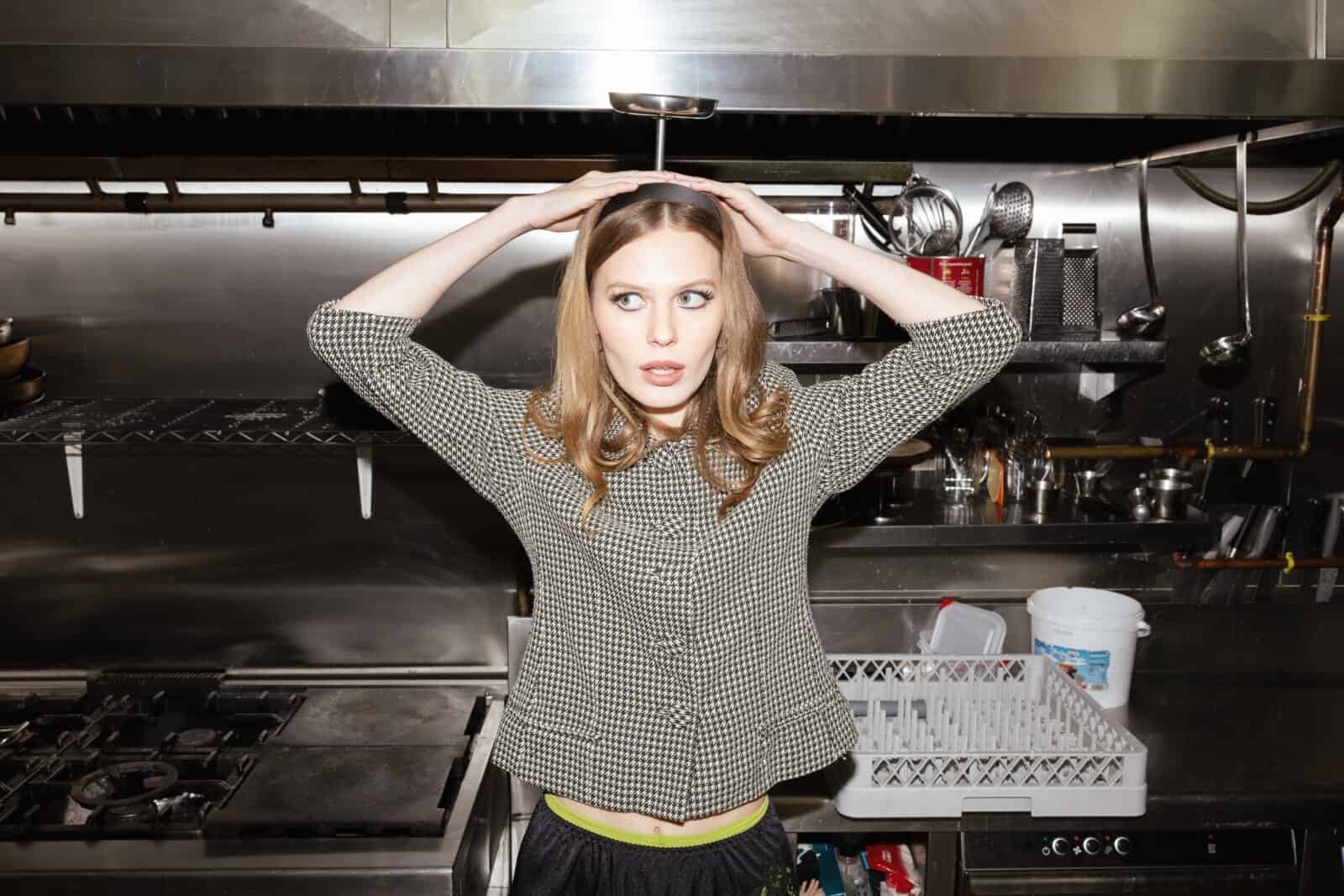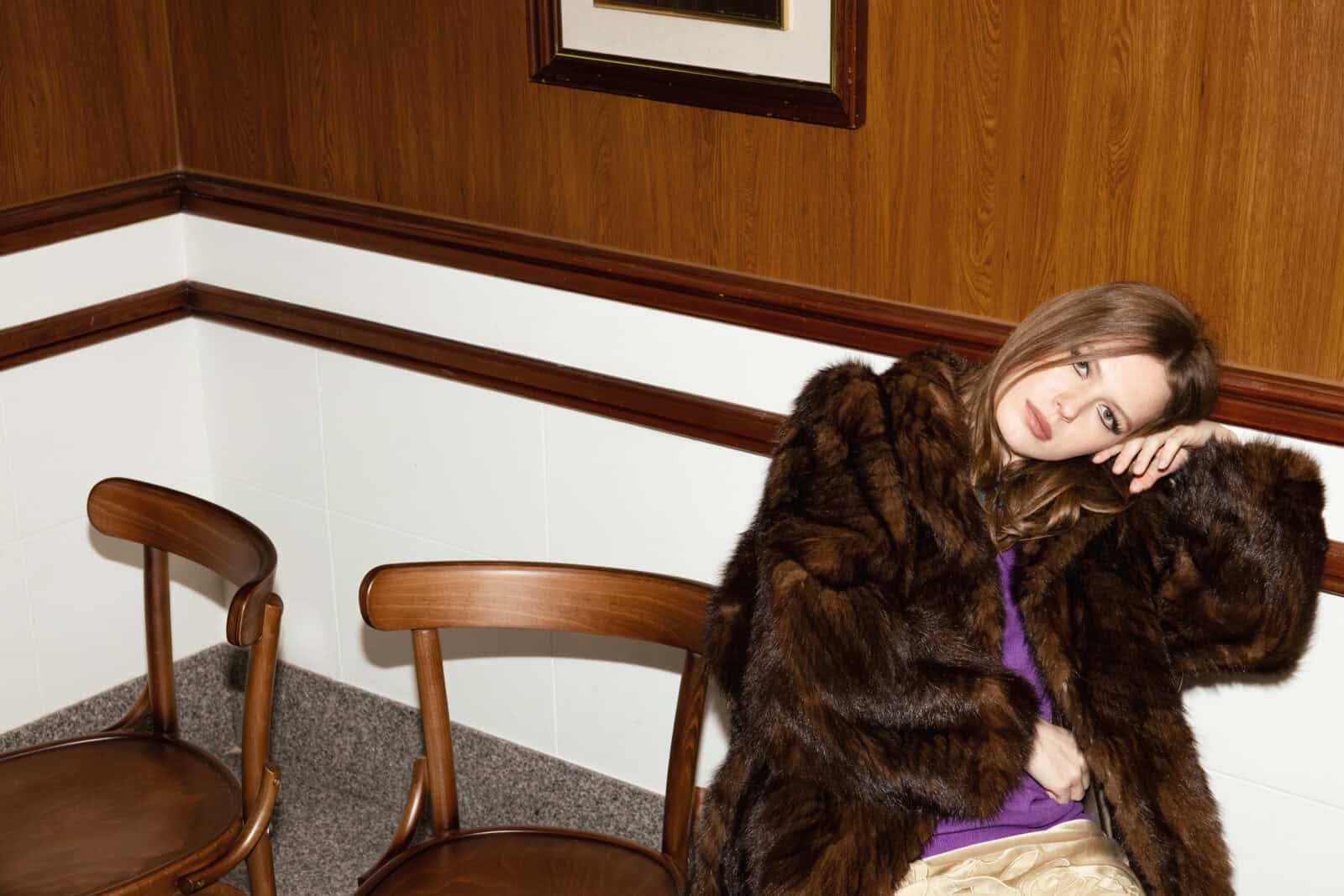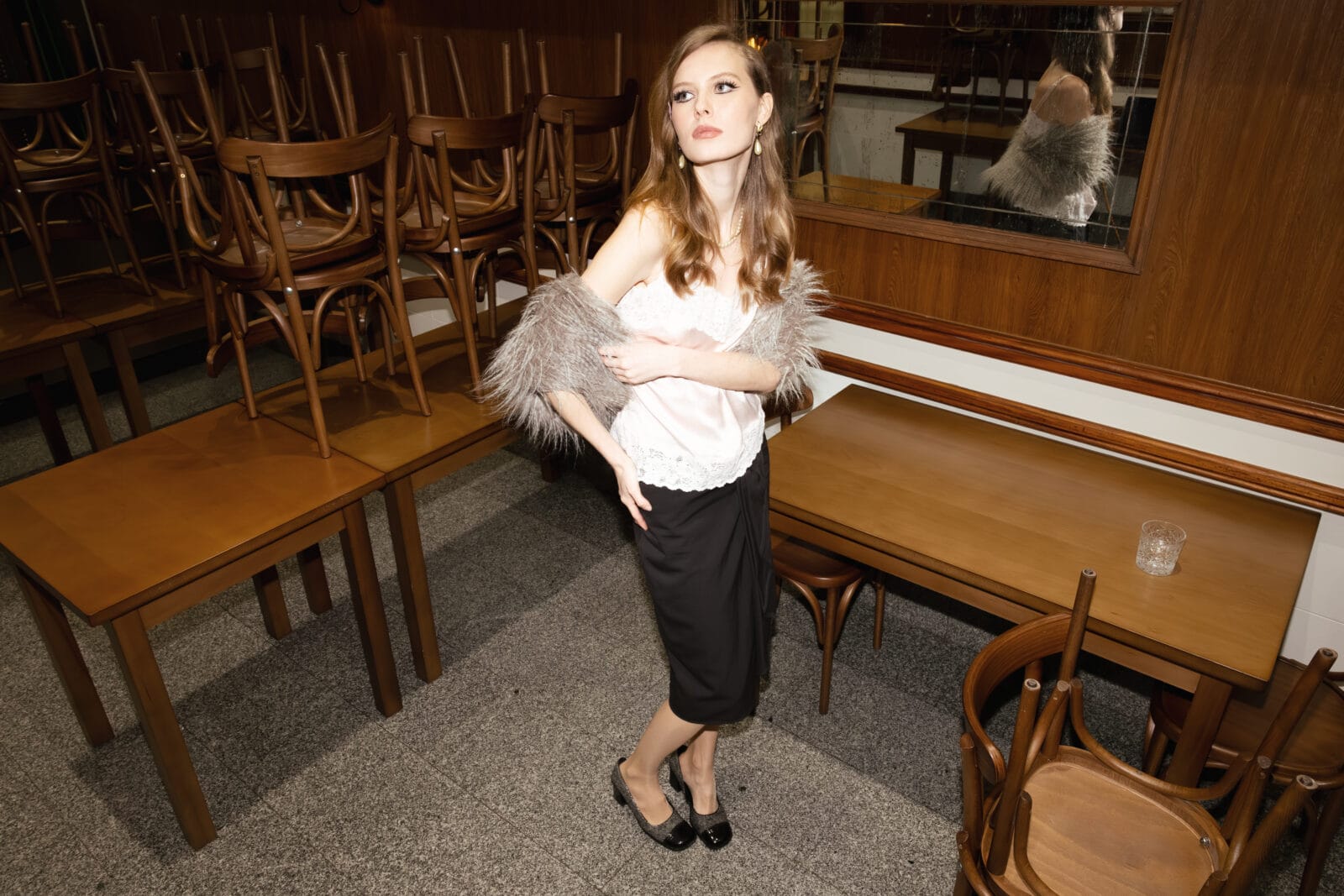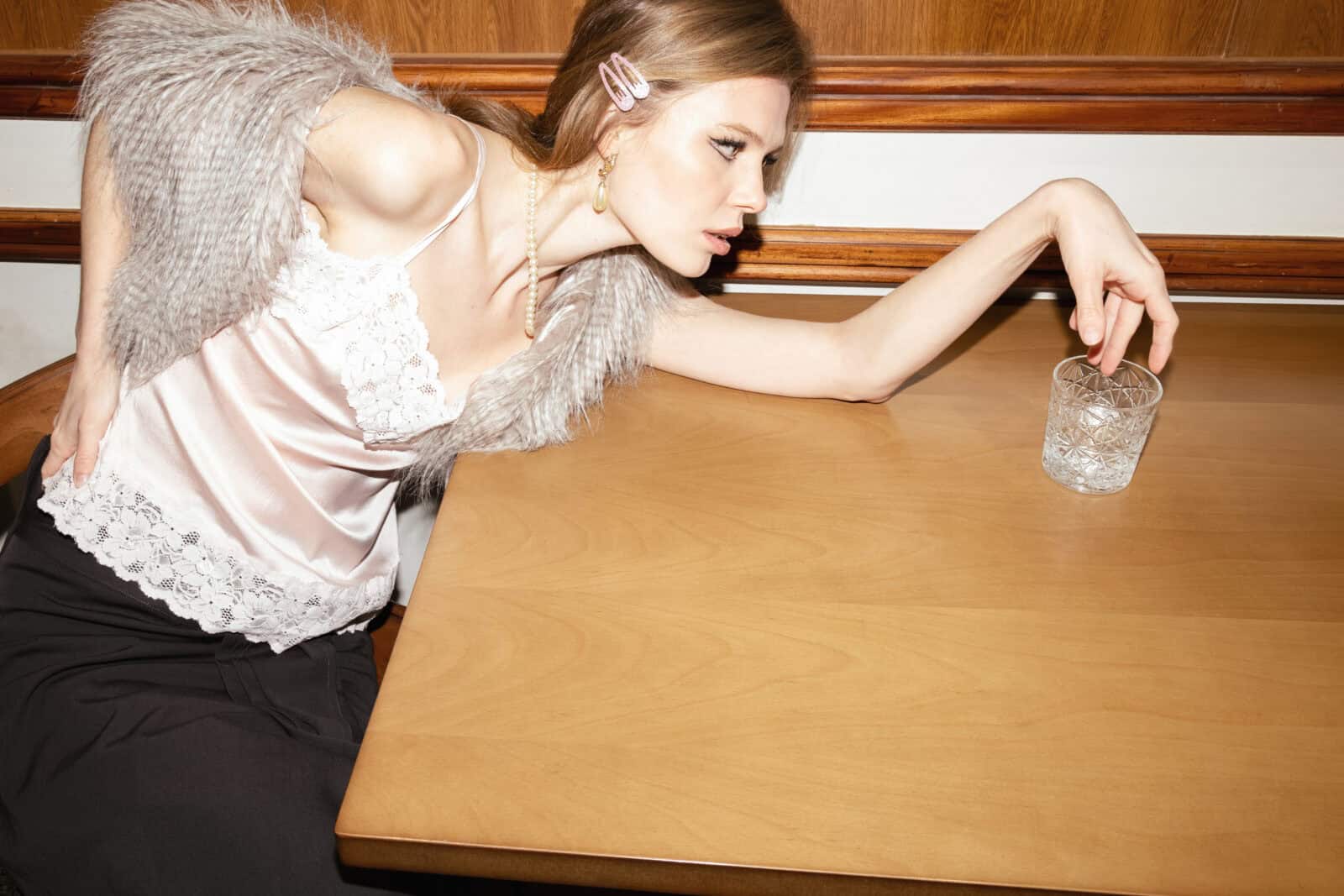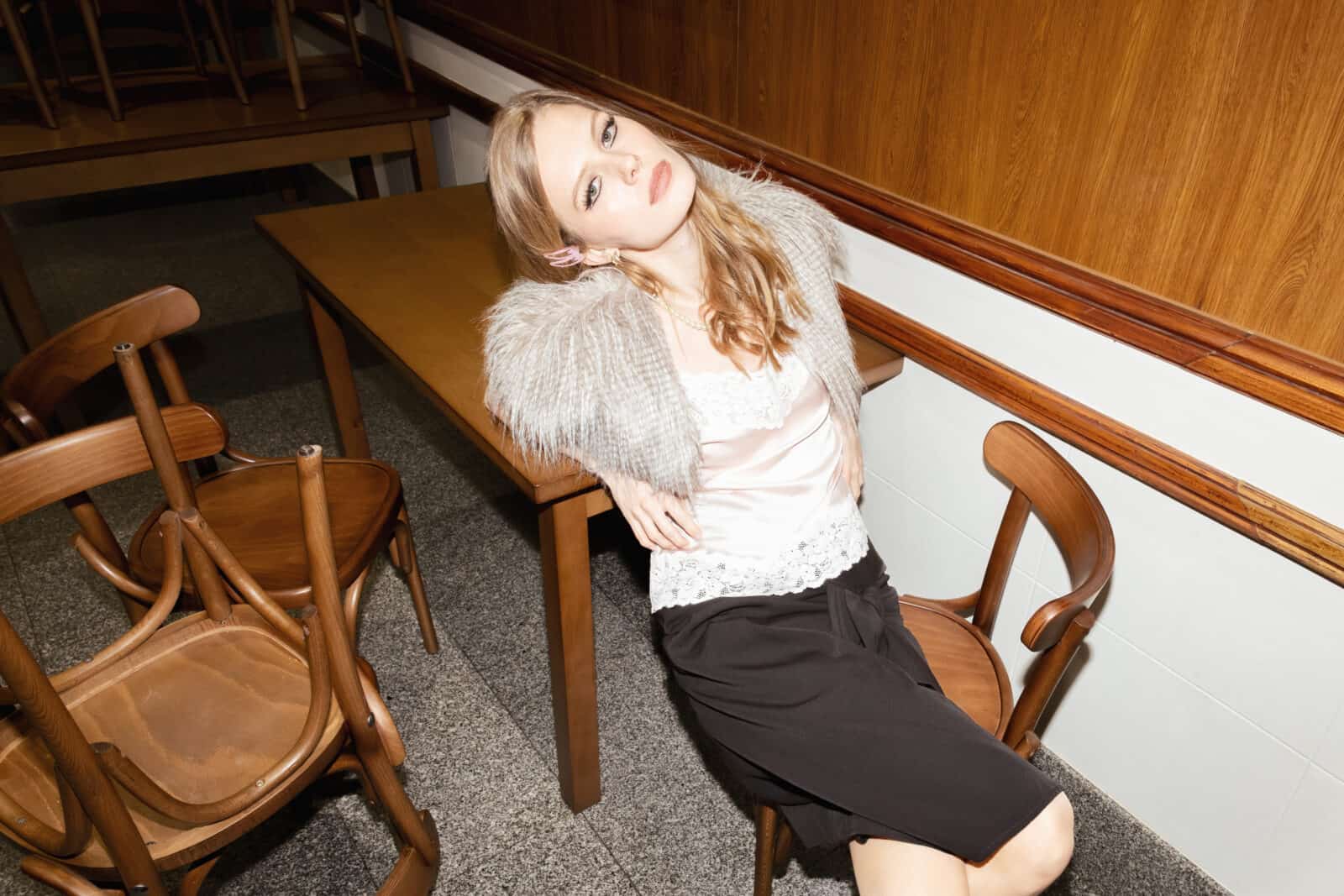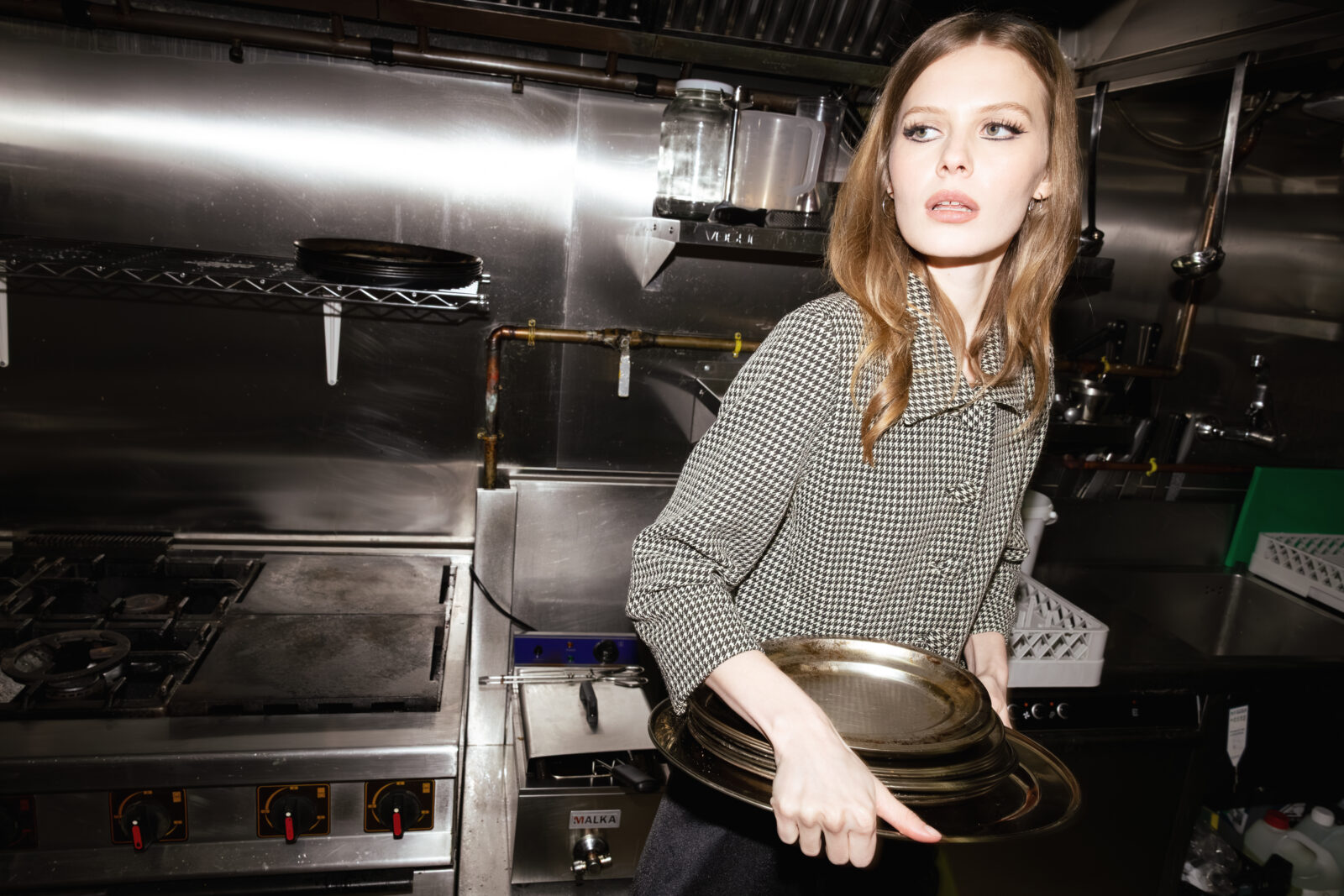

Polina represents a woman who moves through life with a quiet sense of authorship over who she is.
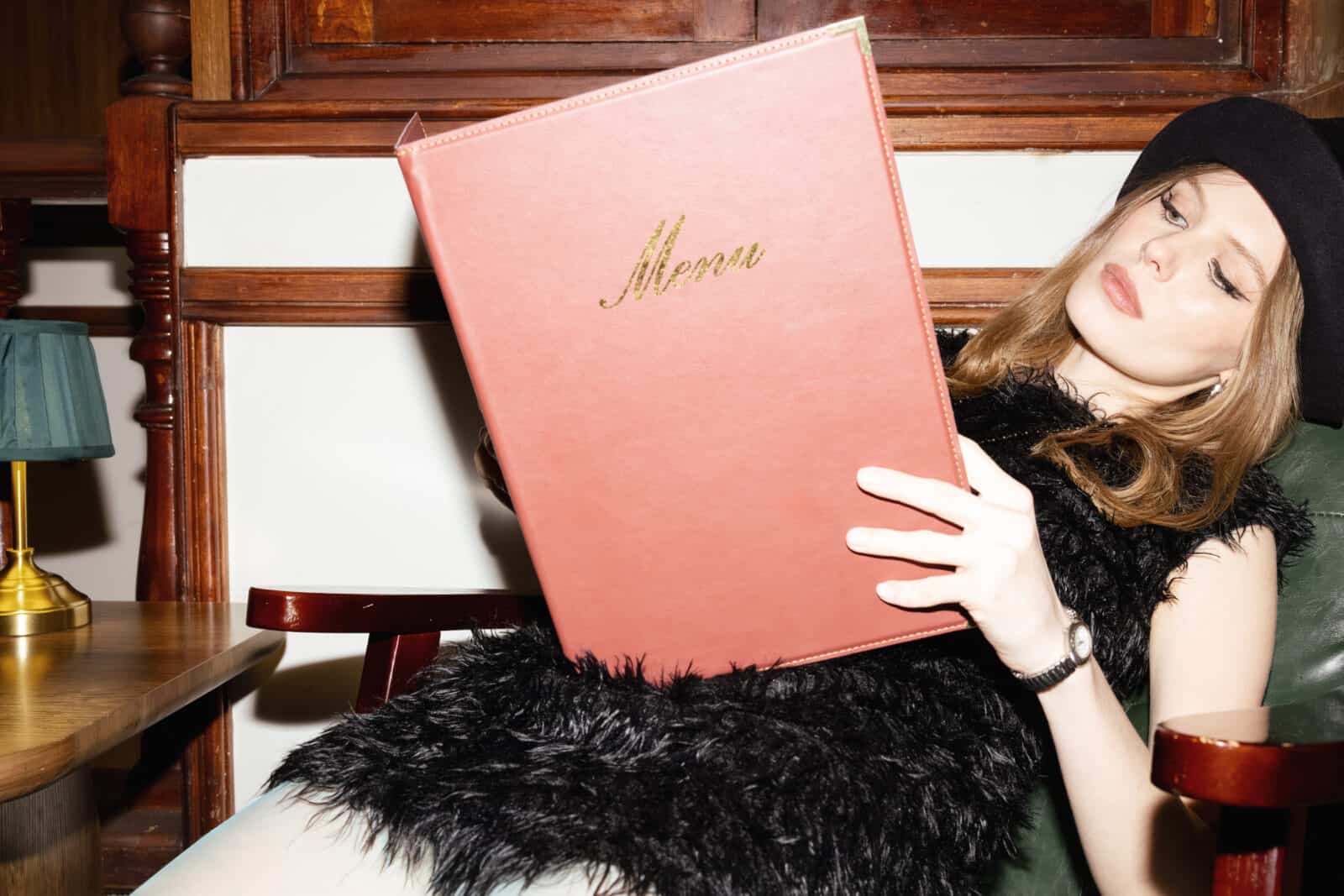
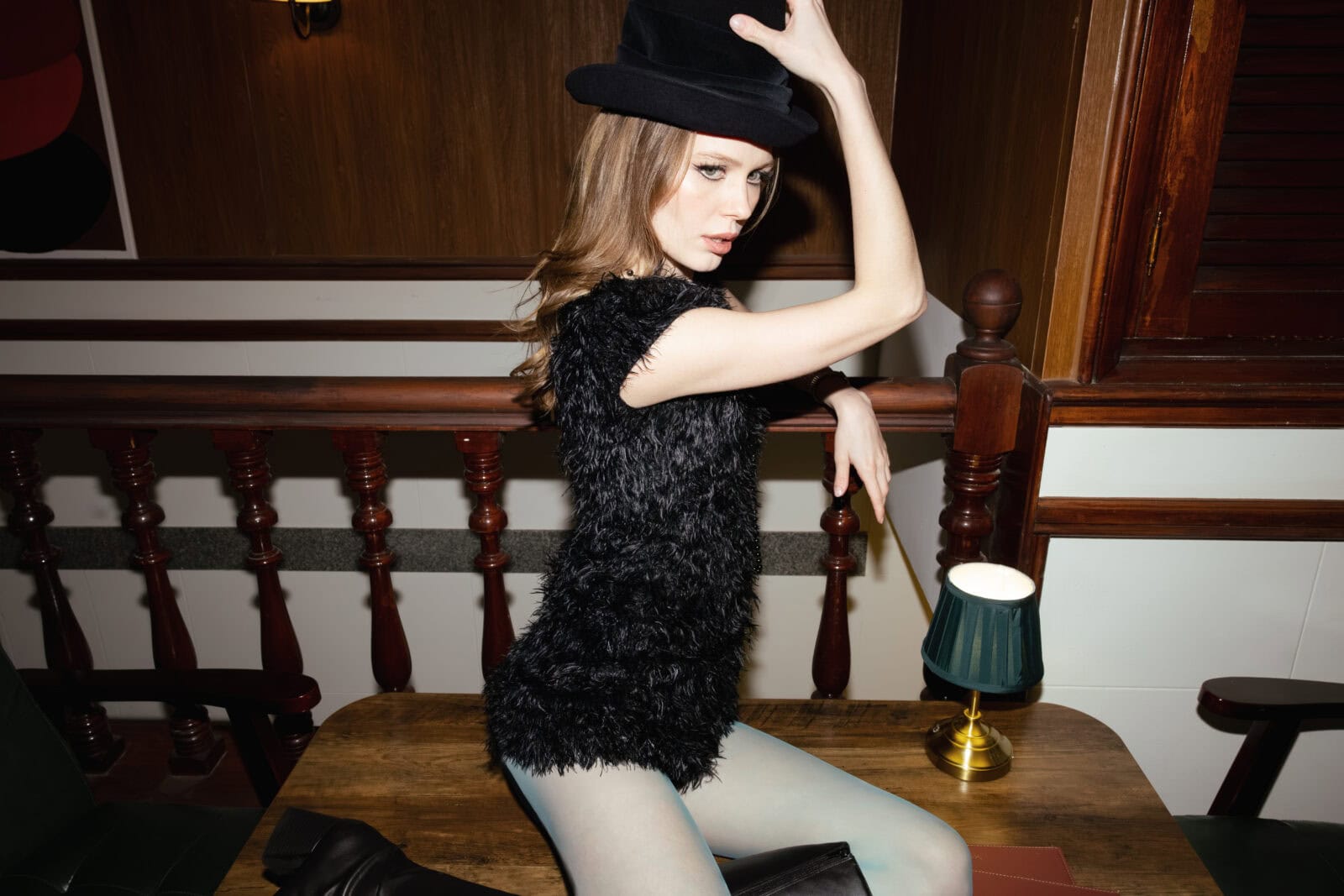
In this story, the restaurant becomes a metaphor for existence itself — a space she inhabits with intention, where presence is never accidental and every detail feels considered.
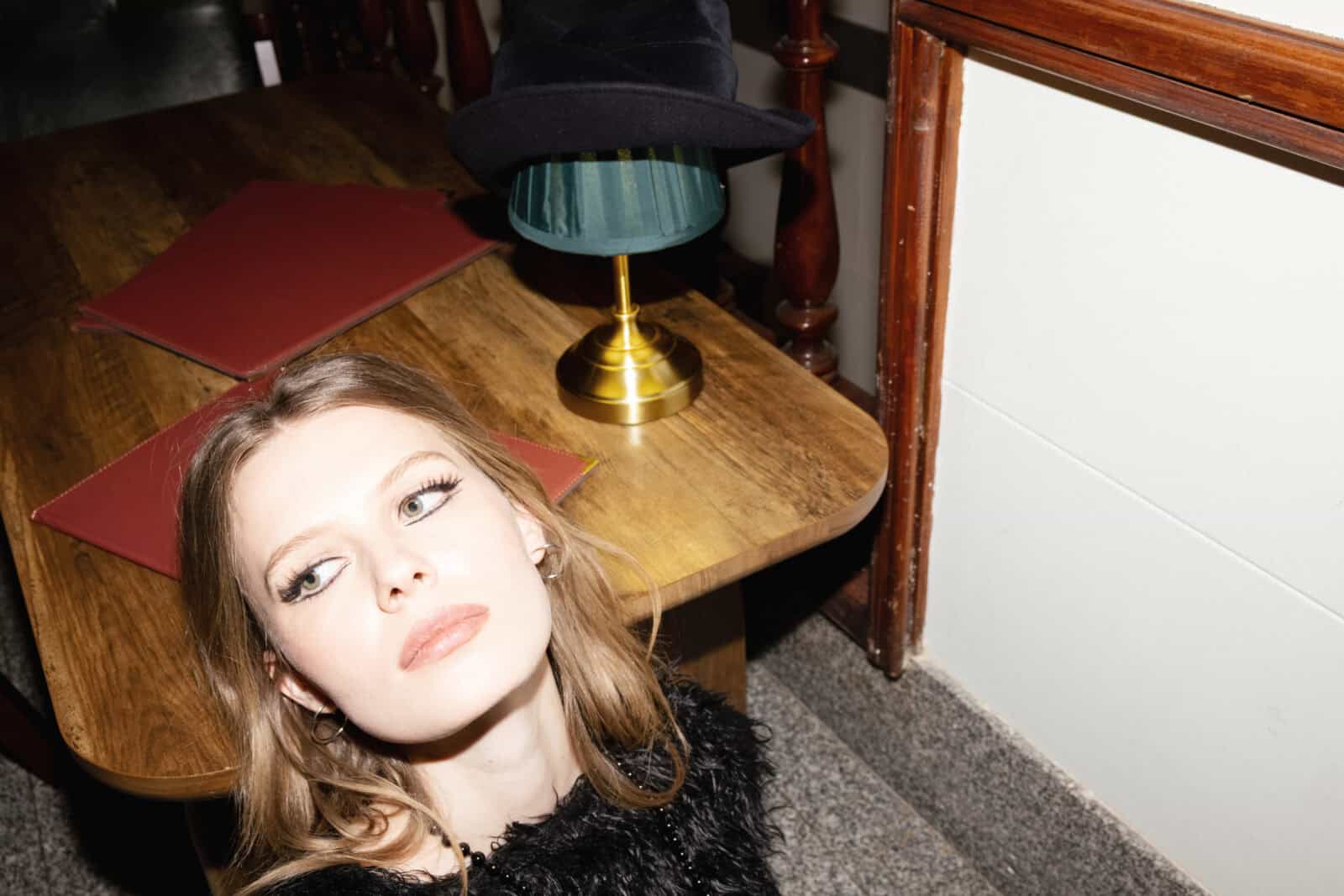
To be the owner is not to control who walks through the door, but to decide how the space feels, how it looks, and how it holds her. Even on the quietest nights, when no one is there to witness it, she maintains the atmosphere, the composure, the sense of self. Because, like in life, the true act of ownership lies in not abandoning yourself; it is in tending to your own presence with the same care you offer the world.
This story explores the idea of ownership not as possession, but as self-authorship.
Polina is not portrayed as someone who controls everything around her, but as a woman who takes responsibility for how she inhabits her own life. The restaurant works as a visual and symbolic extension of her inner world: its atmosphere reflects her emotional state, its aesthetic mirrors the image she chooses to present, and its maintenance becomes a metaphor for self-care and self-respect.
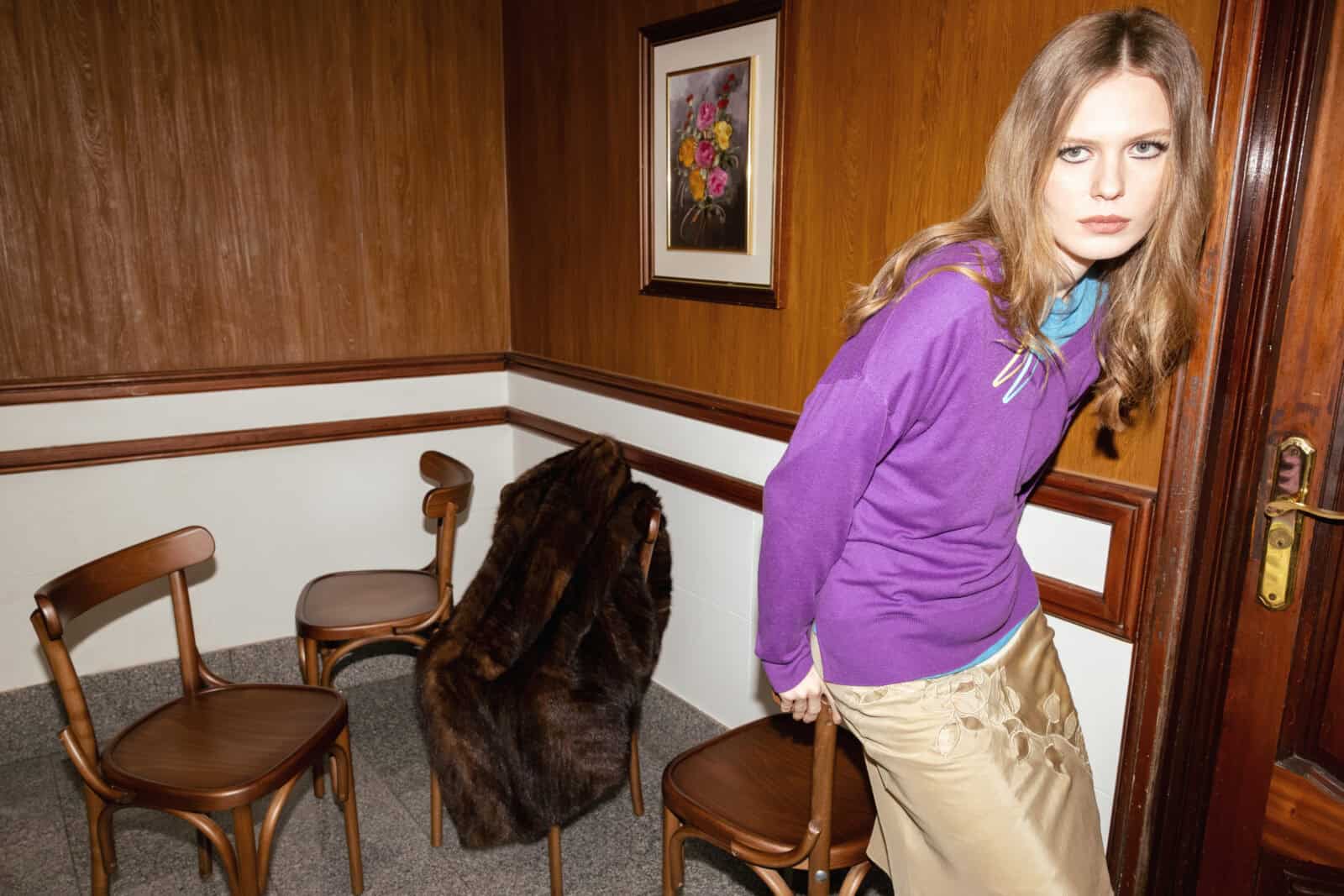
The presence of a door, of imagined guests coming and going, subtly suggests the transient nature of relationships and external circumstances. What remains constant is her commitment to herself. Even in solitude, she sustains her presence, her composure, and her sense of self, reinforcing the idea that true ownership lies in not abandoning who you are, even when no one is watching.