
London’s underground nightlife is morphing. As independent venues disappear, with more than a quarter of late-night venues in the UK having closed since 2020, the foggy dancefloors that remain carry a different weight.
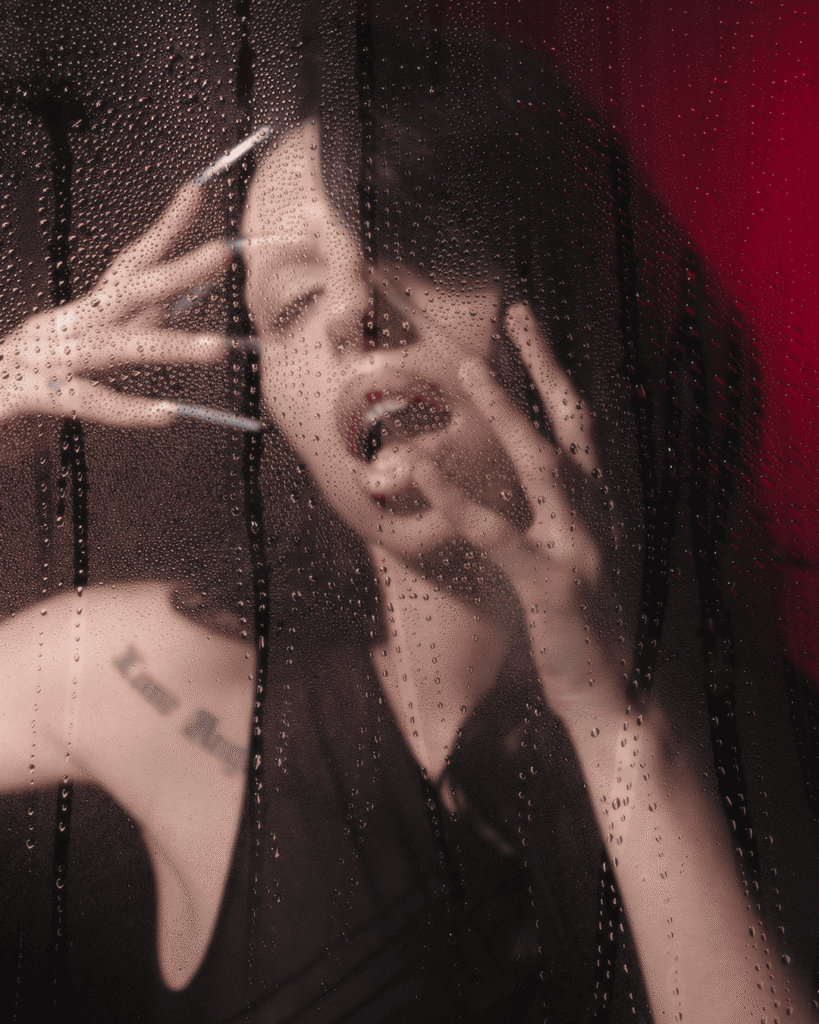
This project brings together Cold’s chosen party collectives: Opia, Riposte, Bonanza, HOWL, Necropolis, Deptford Northern Soul Club and Joyride. Photographed with Purple Button Production in scaled-back, portrait-led imagery, it centres the trailblazers of nightlife culture, tracing how each collective sustains its scene under fragile conditions.
A sweetness lay in the shoot’s in-between moments, as hands sorted through piles of bedazzled cowboy hats, borrowed nail glue passed from one stranger to another and someone scoured the room for scissors. In these gestures lived a gentler truth about nightlife culture: beneath the fun is a shared instinct towards care and community integral to each collective’s personal ethos.
Riposte

Riposte is a community-led queer art-rave project founded in 2012 and based in London since 2018 that blends nightlife and performance into a space built for connection as well as dancing.
Who are you, and what do you do?
Featured is Cosmic Caz, Artist Liaison at Riposte. Questions are answered alongside Eden Topall-Rabanes, Riposte’s founder and curator.
What does your collective’s name really mean or represent to you?
Riposte is a French word meaning a quick and witty answer, a comeback. It’s our response to what’s happening around us. To governments trying to silence or erase us and a society that can be actively harmful. These events are a way of pushing back using art, camp, satire, activism and care.
Who is this for?
It’s for queer babes who want a bit more than just a dance floor or party. It’s not for people looking to dominate a space or treat it as disposable. If you’re not interested in care and collective joy, it probably isn’t for you.
What is this about for you, really?
Creating a space where you don’t have to be high to have a good time. It’s a rave, but one with many entry points.
What does the future of nightlife look like to you?
It has to be more intentional. Fewer faceless nights just selling tickets and more community-led spaces that prioritise care and accessibility.
What’s misunderstood about your work?
People assume it’s just a party. What’s misunderstood is how much labour and intention is behind it. It’s not just putting people in a room with loud music. The work doesn’t end when the night does.
Opia

Opia was founded in 2024 by Bambi Dyboski and Bautista Botto-Barilli. It’s known for staging concept-driven events that blend underground aesthetics and humour with fashion and performance, creating editorial-like creative worlds that platform contemporary queer counterculture.
Who are you, and what do you do?
I’m Bambi Dyboski, co-founder of Opia.
What’s misunderstood about your work?
We’re not nightlife-first, fashion-first or media-first – we’re concept-first.
What is this about for you, really?
Reclaiming the queer underground that’s so often mirrored back by the mainstream without actually including us. We wanted to see our crowd walking runways and stunting on billboards, so we created our own. Our DIY approach has become our strength, and it’s so inspiring to see our divas featured in magazines, working with brands and having our point of view celebrated.
What would be lost if spaces like this disappeared from London?
We need to keep these spaces in the hands of the community, not corporate entities. The most insane art I’ve ever seen has been at 3am at a rave. The gaggiest looks, the best DJ’s – we need to keep investing in these spaces to keep this alive.
Why now?
Our community has always built worlds in the darkness of sweaty basements, but the tension feels sharper now. Queer aesthetics are celebrated in the media while our rights are simultaneously being challenged, and beloved queer venues continue to close. It’s more important than ever to ensure our stories are told by us, not repackaged and sold back to us.
Joyride

Joyride is a London-based queer play party that merges club culture with consent-led spaces for intimacy, positioning pleasure and safety as central to its programming rather than peripheral to it.
Who are you, and what do you do?
I’m MJ Fox, co-founder of Joyride.
What is this about for you, really?
Building the world I want to see where sex culture is celebrated, legitimised and held in the same regard as any other form of creative expression.
Who is this for?
Queer, sexually explorative music lovers. We have a strict dress-code to co-create the energy with the dancers. Anyone who violates the guidelines or party’s ethos isn’t welcome.
What would be lost if spaces like this disappeared from London?
There’d be riots in the streets. London has one of the most thriving scenes for sex nightlife in the world.
What does your collective’s name really mean or represent to you?
A Joyride is a ride for pleasure. It’s also word-play. In Ireland, where I’m from, riding can mean having sex or being sexy. In essence, it represents playfulness and ferality, the contradiction we hold.
What’s misunderstood about your events?
People often think everyone’s having sex at the sex party, which is absolutely not the case. Many come just to enjoy the music or meet like-minded people.
Bonanza

Bonanza is a queer-led, rodeo-inspired club night launched in 2023, bringing together line dancing, camp country aesthetics and FLINTA-centred community celebration within the nightlife scene.
Who are you, and what do you do?
I’m Sophie Ward, curator and founder of Bonanza.
What is this about for you, really?
Bonanza is about community. One of the main reasons I started it was for my girlfriend Rach and I to meet more sapphic friends. We live in North London and would always see queer couples walking down the street, but didn’t know any of them.
Who is this for?
It began as a queer event and I quite frankly expected a lot of gay guys in leather chaps, which I welcomed. But I think lesbians love the country aesthetic because there’s freedom to play with gender, whether masc with a bolo tie and shirt, or a high femme ultra-mini skirt and cowboy boots (me!).
Why now?
With what’s happening in the US, reclaiming country in queer spaces feels especially powerful… and deeply camp. Country and western are often framed as heteronormative and conservative, but there’s a growing queer rodeo movement too – like Stud Country and the International Gay Rodeo Association in the US to Queer Country and Strut in the UK.
What’s misunderstood about your event?
Some expect “authentic” country music. We do play Johnny Cash and Dolly Parton, especially early on in the mingling stage, but our main ethos is “country without the o”. Alongside CMAT and Cowboy Carter, don’t be surprised to hear COBRAH or Charli XCX on the dancefloor!
Deptford Northern Soul Club

Deptford Northern Soul Club is a London soul night founded in 2016 by Will Foot and Lewis Henderson. It’s celebrated for reviving Northern Soul: a dance movement that emerged in Northern England in the early 1970s as an offshoot of the Mod youth culture, inspired by 1960s American soul music.
Who are you, and what do you do?
I’m Will Foot, co-founder of Deptford Northern Soul Club.
What is this about for you, really?
Community. Some people have been coming since it started 10 years ago. Some found love and settled down, so come less often. Others just turned 18 and are looking for their people and place in the world. Some are 58 and want to get back into Northern Soul.
Who is this for?
Truly everyone. Dancers, listeners, drinkers, collectors. Nobody is unwelcome, no matter age or background.
What’s the feeling you want people to leave your events with?
That wonderful feeling you can only get from dancing all night long with your friends, covered in sweat, hunting for cheesy chips and an afters.
HOWL

Who are you, and what do you do?
I’m Samuel Douek, founder of HOWL.
What is this about for you, really?
At its heart, HOWL is a platform for pleasure. We’re known for queer raves with inclusive darkrooms and our award-winning lube, but the real mission is dismantling shame and placing pleasure proudly in the public realm where it belongs.
What does your collective’s name mean to you?
HOWL takes its name from the eponymous poem by Allen Ginsberg, a piece of work that became a cultural battleground in the 1950s for its explicit references to homosexuality, drugs and counterculture.
When Howl was put on trial for obscenity, it became a fight over whose voices were allowed to exist publicly. And when the poem won, it didn’t just vindicate the work, it opened the door for the cultural and sexual revolutions of the 1960s.
Why now?
We’re living through intense cultural polarity: rising conservatism alongside a sexual-wellness revolution. People are questioning norms, craving community and demanding intimacy without shame. A project like HOWL couldn’t have existed five years ago, but now the world is shifting – this is exactly the moment to be loud, bold and unapologetic.
What would be lost if spaces like this disappeared from London?
Sex culture, rave culture and queer joy would be pushed back into the shadows.
Necropolis

Necropolis is a London alternative electronic music festival founded by DJ Arrosa in 2023, known for immersive events at unusual venues such as East London churches, blending genres like industrial techno, EBM and darkwave with a gothic twist.
Who are you, and what do you do?
I’m Arrosa, founder, curator and resident DJ of Necropolis Festival. I created it to sustain the goth subculture, especially since it originated here in the UK.
What is this about for you, really?
It started from a dream: I wanted to DJ in a church. Finding one with a graveyard outside, I knew it was right.
Why now?
After years of isolation, losing spaces, and general cultural burnout, there’s a real hunger for something meaningful again. People want more than just a night out, they want to actually feel something.
What does your collective’s name mean to you?
It came from a childhood game, there’s a town called Necropolis, meaning “city of the dead.” Finding the church, it just clicked.
What’s the feeling you want people to leave your events with?
A moment you can’t fully explain: a rush of euphoria, totally otherworldly, something that lingers for weeks and makes you want to come back again.


