
Fashion is one of the most powerful art forms when articulated properly, but over recent years it feels as though the meaning behind fashion shows has been lost. Countless hours go into a single season, with subtle details woven into every garment – yet all those messages are lost to impatience. Guest lists are filled with new names in fashion, many of whom don’t appreciate the theatrics of a performance and so it is whittled down to a few hurried minutes of overlooked artistry. A collection is merely a vessel for the designer to tell a story. Without it, the clothes lose their power. That’s what made Haider Ackermann’s second show for Tom Ford so striking, it proved that fashion can still reclaim its purpose.
It’s rare for a designer to deliver not only an extraordinary collection but also an equally unforgettable show. In recent seasons, collections have gravitated toward excess in an effort to stand out. Ready-to-wear is more couture than counter. Ackermann, however, presented a collection that people will be eager to claim by designing an elevated take on everyday clothing, without relying on excess. Kate Moss sipping a martini front row, male models trailing just behind the women, and a finale of smoke with David Bowie’s Heroes brought sex, desire, and intimacy back to Tom Ford.
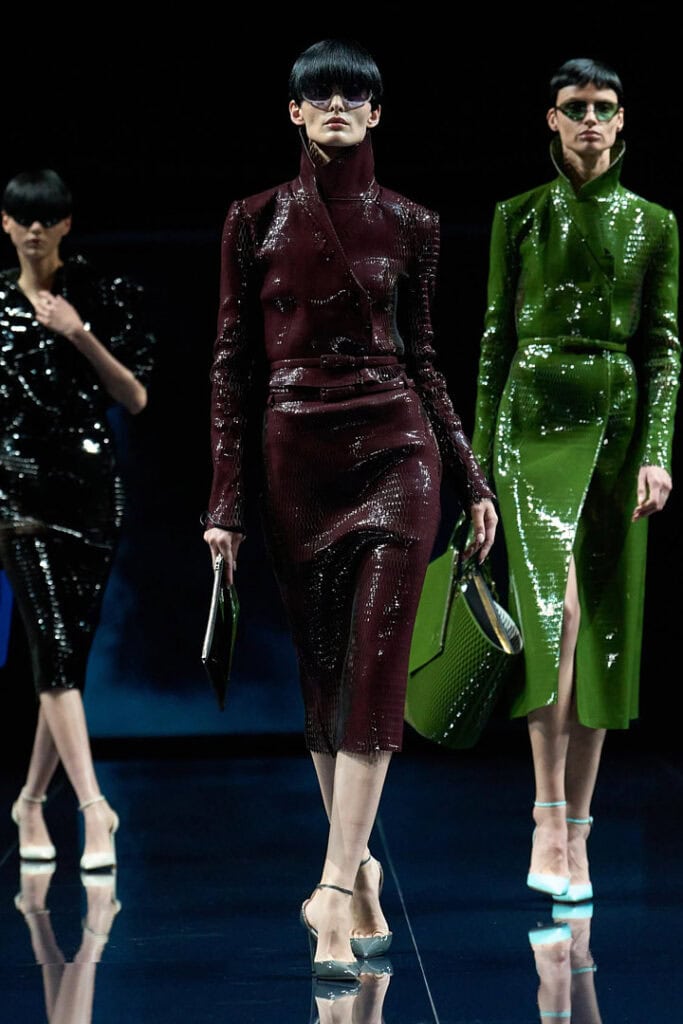
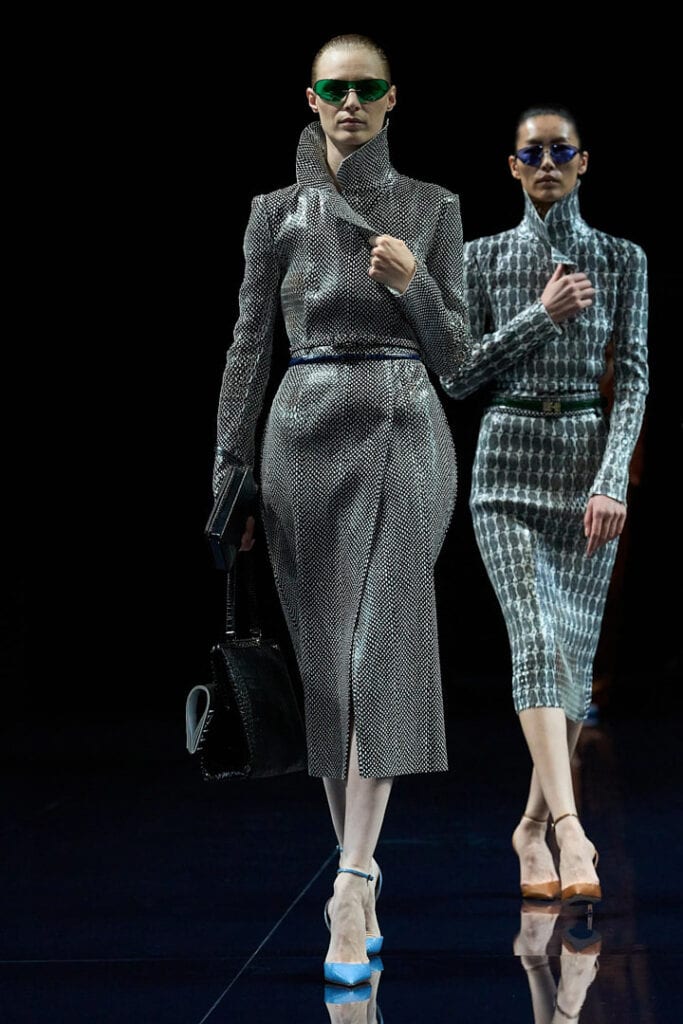
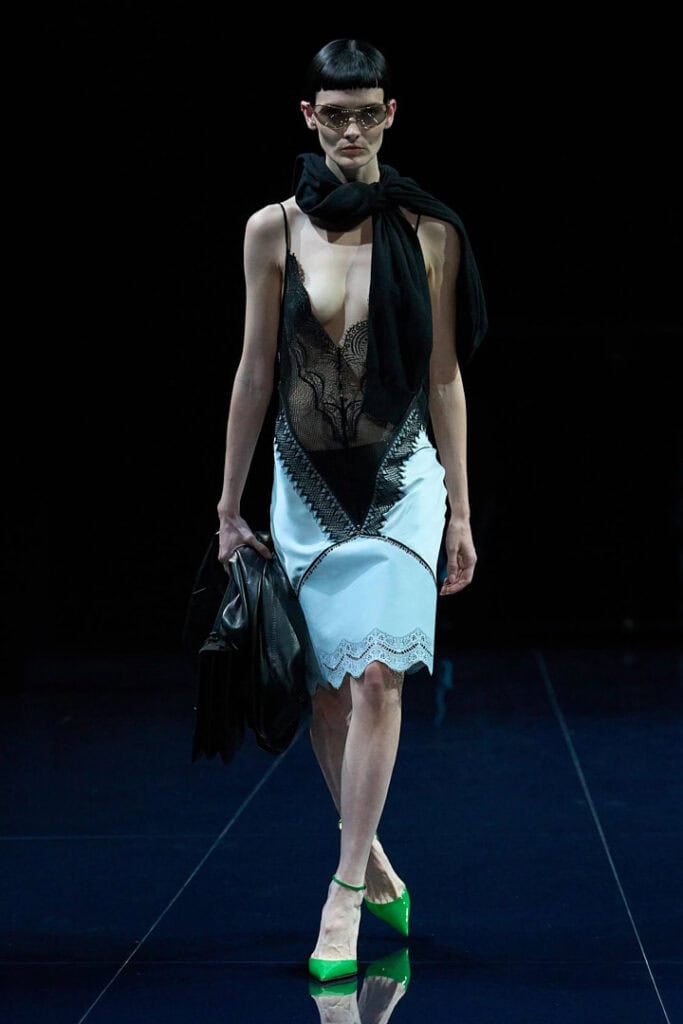
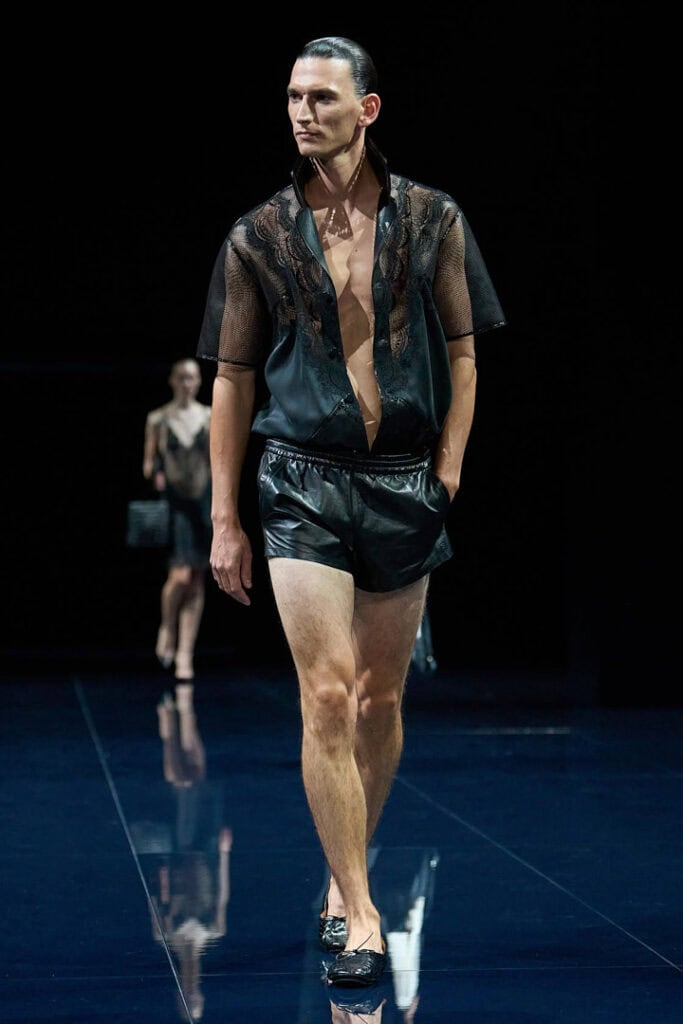
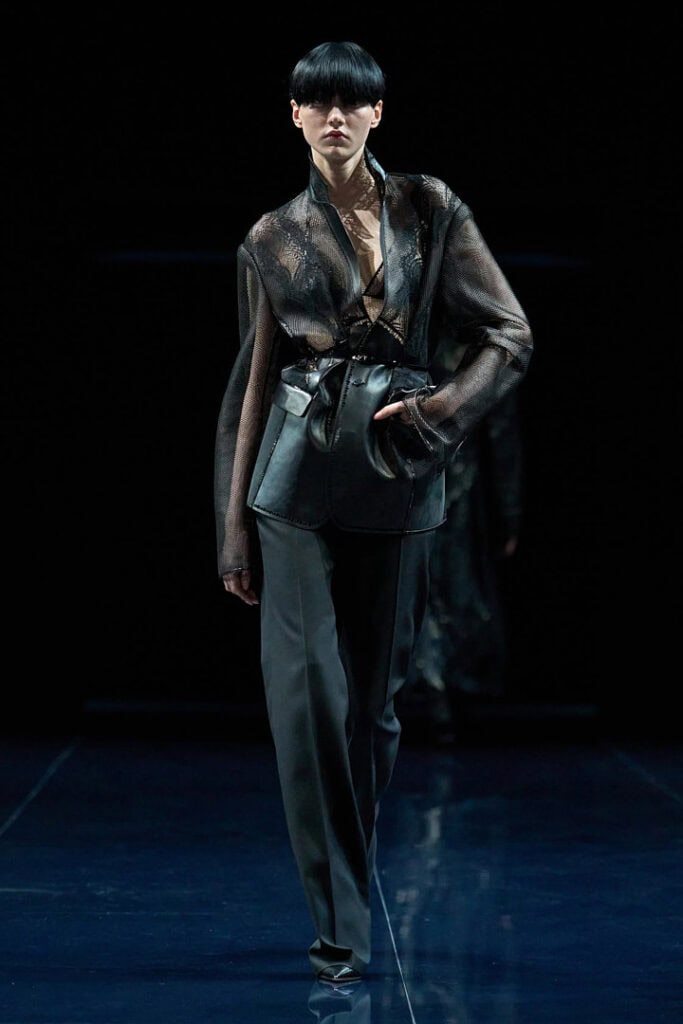
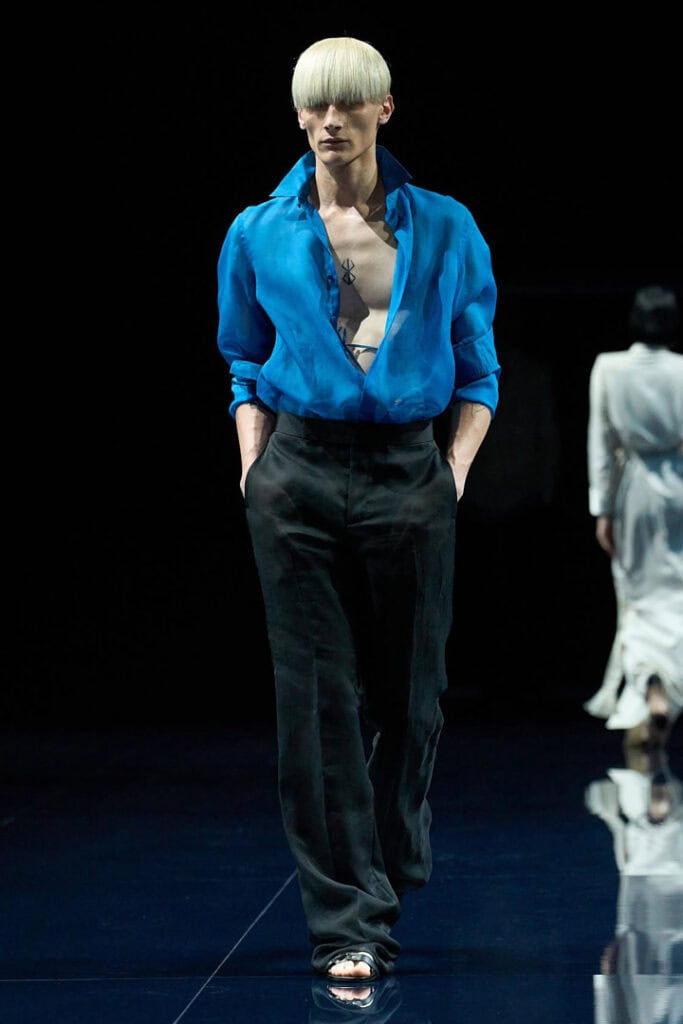
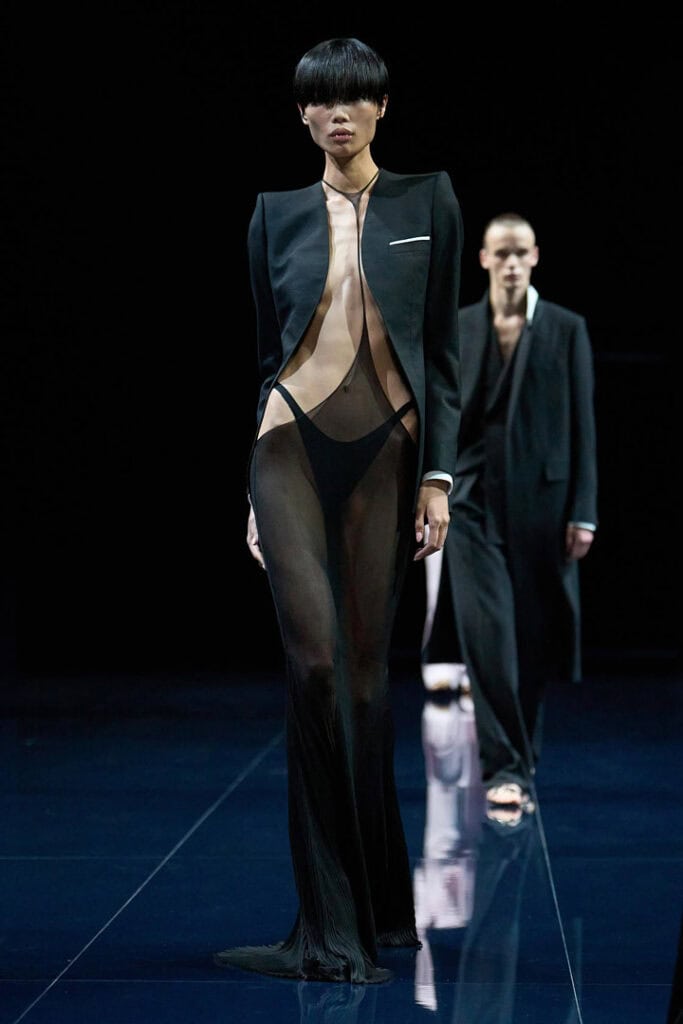
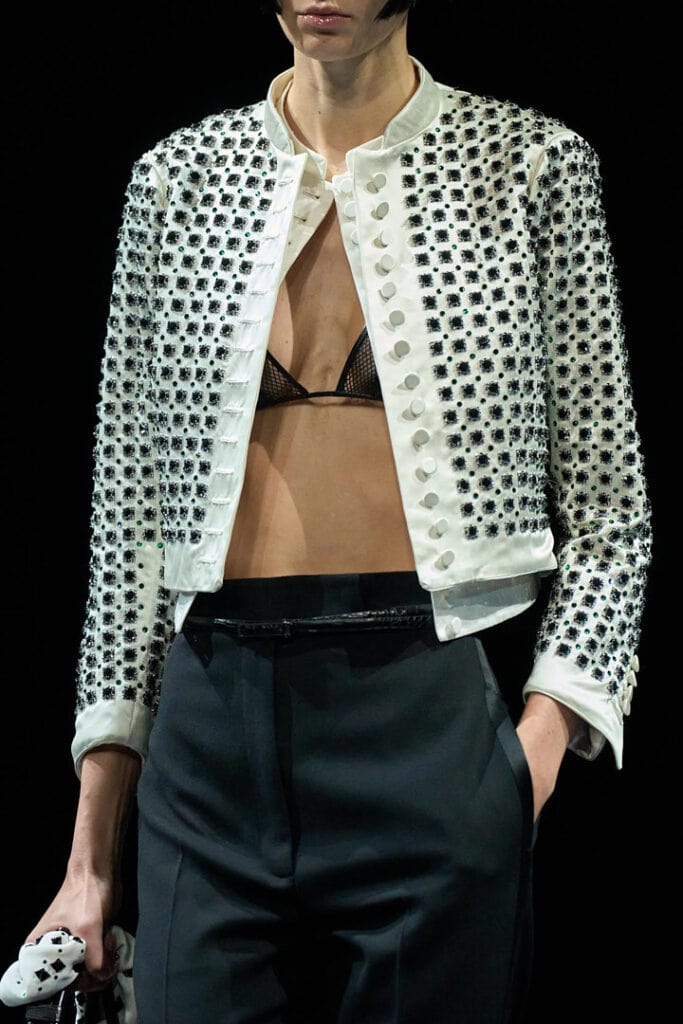
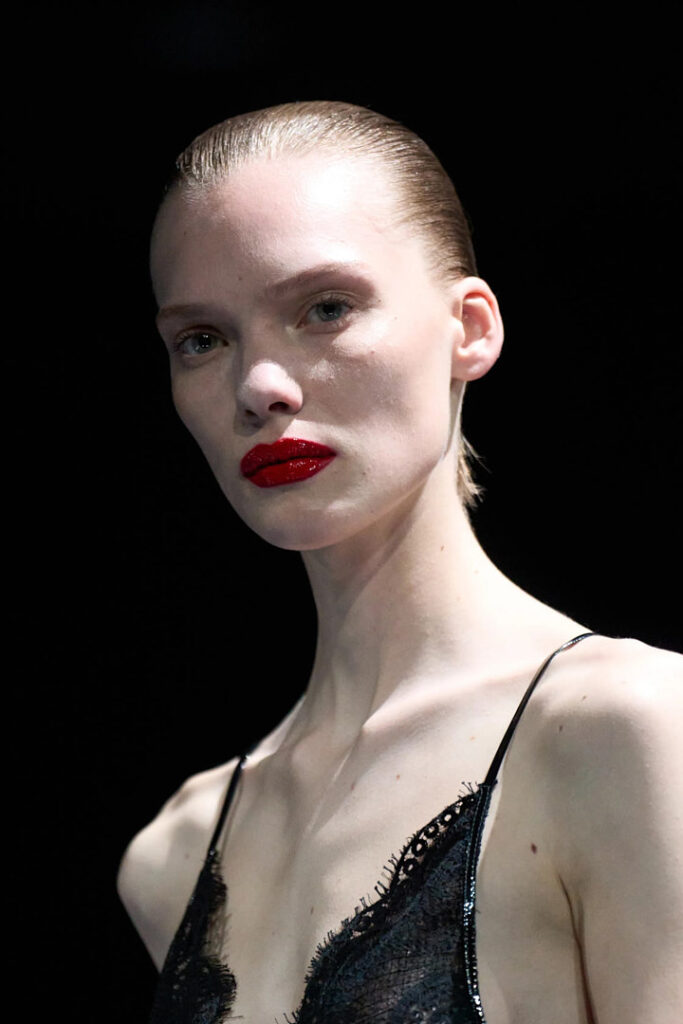
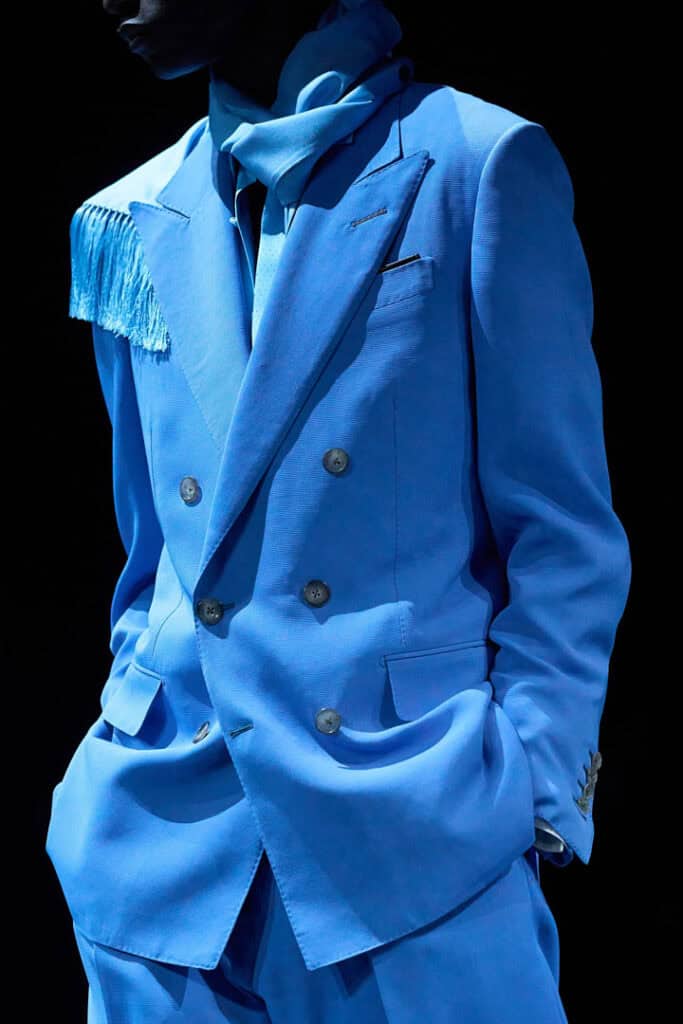
Ackermann’s vision unfolded on a sultry stage: a black room with a mirrored base, where models descended a fog-laced runway in poised elegance. Three models emerged into the light to open the show, an echo of striking power in coordinating sleek trench coats and sharp black bobs. Stolen glances between models, frantic eyes, looks that yearned for forbidden desire. Models struck a synchrony not seen since the legendary supermodel moments of the ’90s. These moments blurred the line between performance and reality, amplifying the show’s atmosphere of intimacy and tension. Men in women’s blouses and shorts, slick coats and black sunglasses, satin gowns gliding down the runway next to sheer, open-back dresses and black thongs. Every look carried the pulse of intimacy, leaving the collection suspended between elegance and provocation.
It is hard to describe exactly what feelings this show evoked, only that it feels like hope. The show was reminiscent of fashion’s glory days, the ‘90s to early 2000s. An era where set design and performance were prioritised as much as the collection. In the midst of a restless society, the only real form of expression we have is art. Ackermann has brought hope for the future of fashion, with a statement that intention will not be lost in the frenzy. If other designers take note, fashion may once again embrace the balance of storytelling, performance, and design that gives it lasting power.