
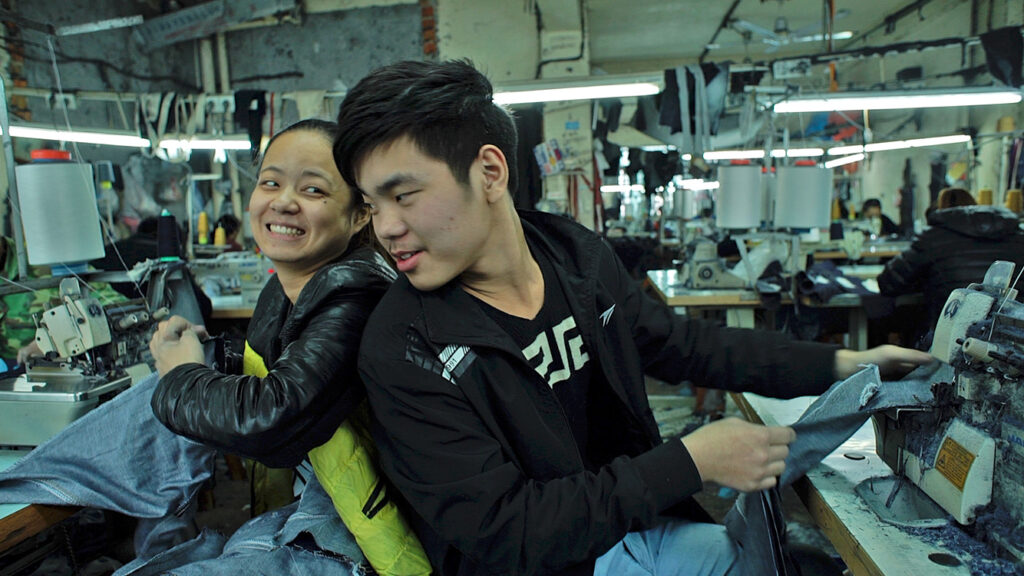
Documentarian Wang Bing does little with haste. Naming his ten-hour epic trilogy was a decision he went back and forth on before finalizing: qīngchūn, or in English, “Youth.” Though Wang has made it clear he is “not particularly interested in politics,” he is cognisant of the ideological weight that the phrase carries. “For the past 100 years when used in literature, it has a connotation of revolutions,” he explained at the 2024 New York Film Festival, “aligned with the communist ideology of the revolutionary spirit.” The subtitles Spring, Hard Times, and Homecoming were chosen in contrast with this politically charged phrase, reflecting, to Wang, the “truth” of the subjects in their “down-to-earth” resonances.
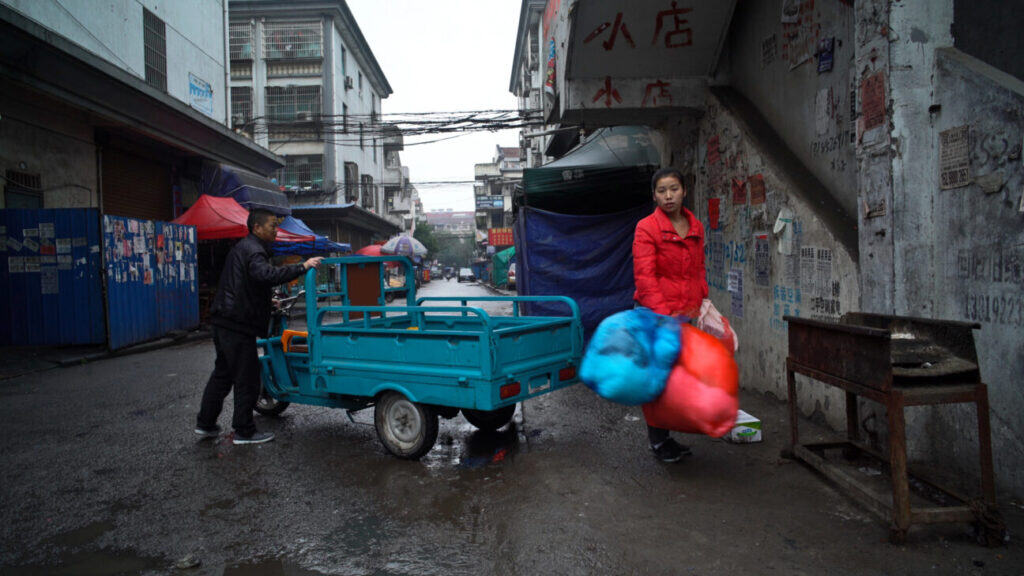
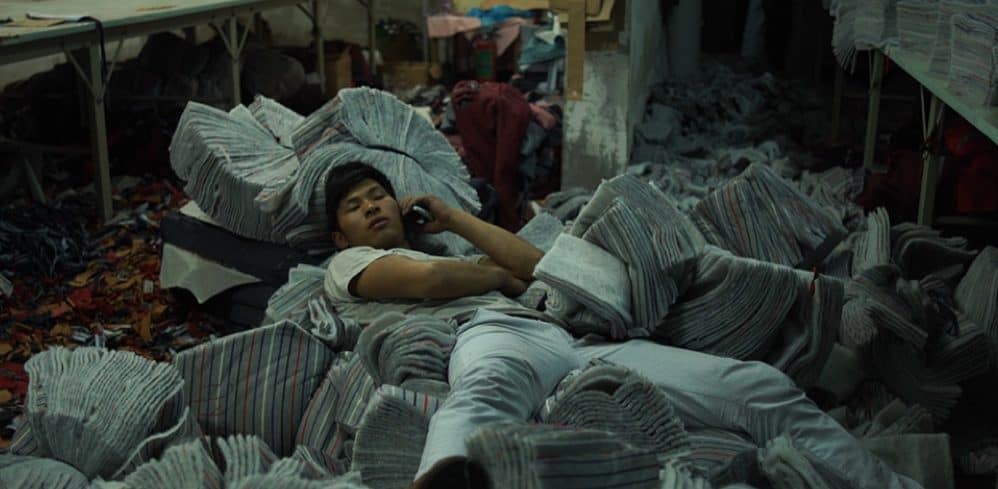
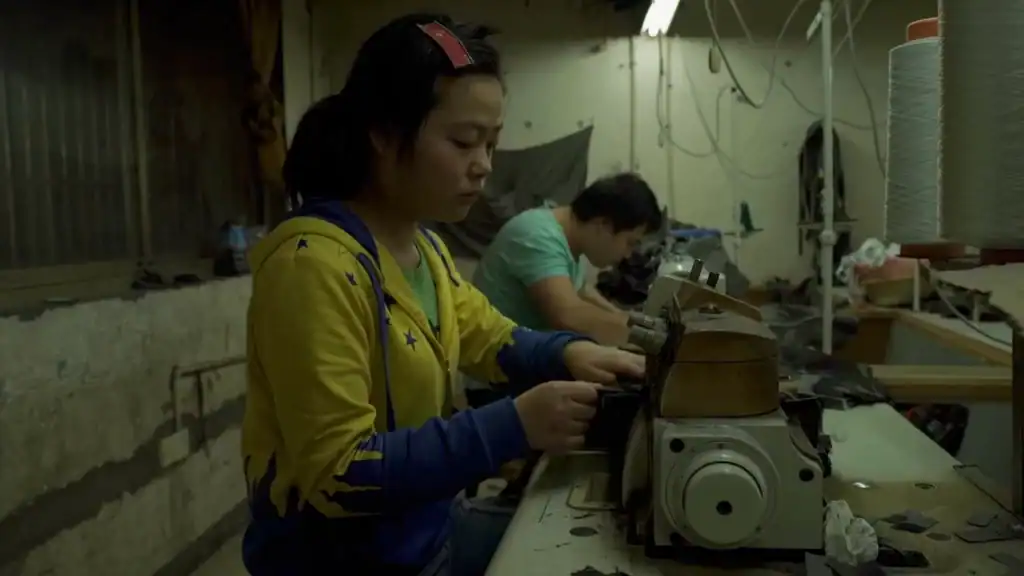
Of course, Youth carries its own connotations in English. Youth is rebellion, freedom, innocence and a precious commodity that, to many, seems to vanish all too soon. Screened in the UK for the first time in full at the Institute of Contemporary Arts, I was struck by the dissonance of a middle-class, highbrow London audience and how they might receive the images of youth that Wang captures across the three films. Shot between 2014 and 2019, the trilogy follows the lives of migrant workers in Zhili, a town in Huzhou City around 148 km from Shanghai. One of the largest centres for children’s garment manufacturing in the world, the town’s estimated 18,000 workshops employ around 300,000 machinists, most of whom come from rural provinces. Over 15-hour shifts, their piecework returns them low wages and they sleep in cramped dormitories with their personal effects piled around them. A majority of them, in Youth at least, are around 17-20; some of them are as young as 15. Are we seeing here a youth wasted, squandered under fluorescent lights and constant rattle of sewing machines?
The screening marked the closing weekend of Youths, a programme that aimed not only to interrogate the construct of youth across times and geographies but to explore community as a point of refuge in “tense or oppressive social or political contexts.” Across gangs, night workers, students and runaways, each entry touched on the scaffolding of meaning and identity that social groups provide. And this is the core focus of Youth: the relationships that form and flourish, wither or endure in gruelling conditions along the stretch of Zhili workshops named, with a terrible irony, “Happiness Road.”
What comment, if any, is Wang making about youth in developing this piece? Those familiar with his work will know that his 22-strong filmography largely resists the school of documentary that seeks to shape a story in the production process. For Wang, the role of the filmmaker is to observe and chronicle, never to intervene, and let existing stories rise to the surface. The only evidence of the director’s hand comes in the editing process, in what he chooses to show us out of the 26,000 hours of footage recorded.
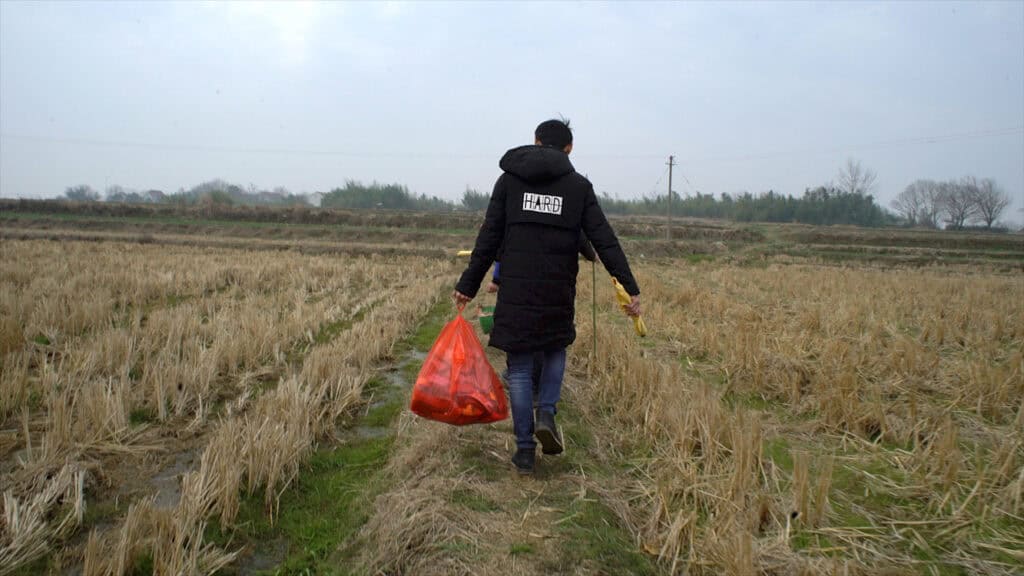
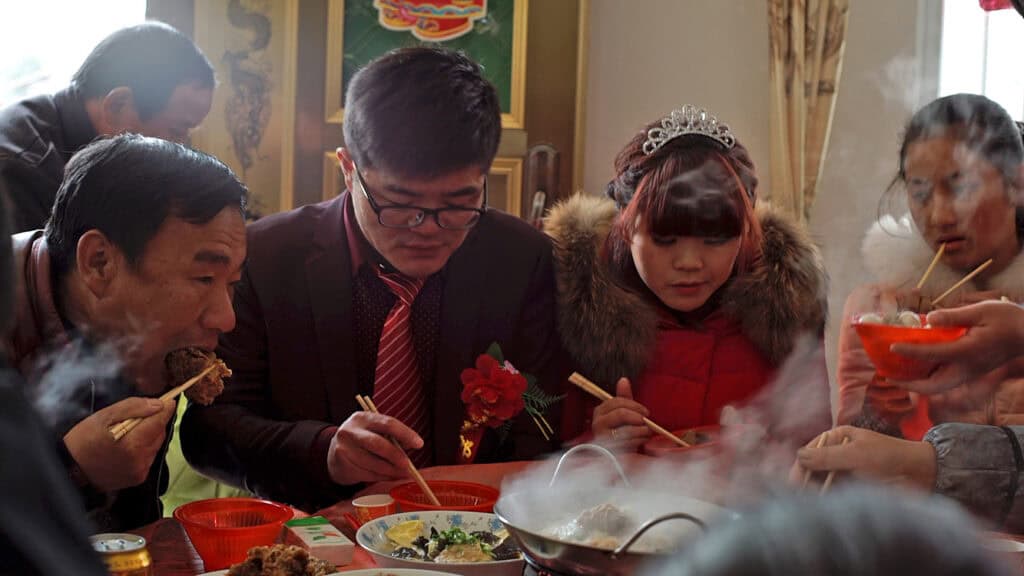
It’s clear that his interest lies in Zhili as a sociological phenomenon, a patchwork of individuals whose threads intersect, entangle and drop away. In Spring and Hard Times, we flit between small stories at 20 to 30 minute intervals which create a curiously anonymising effect, making it easy to lose track of narratives with little conclusion to the troubles and arguments that arise. There is endless footage of labour, including 16-year-old girls cutting bunting-threads of a fabric with robotic precision and mesmerising dexterity. Homecoming takes a closer look at a selection of extended families, taking us out of the city and into the rural communities that serve as a metonym for the hometowns of all the migrant workers we’ve seen so far. After the visually close scenes of cluttered workshops, tight industrial roads and spartan bedrooms, the mountainous backdrops of this film are breathtaking, even dizzying in their expansiveness.
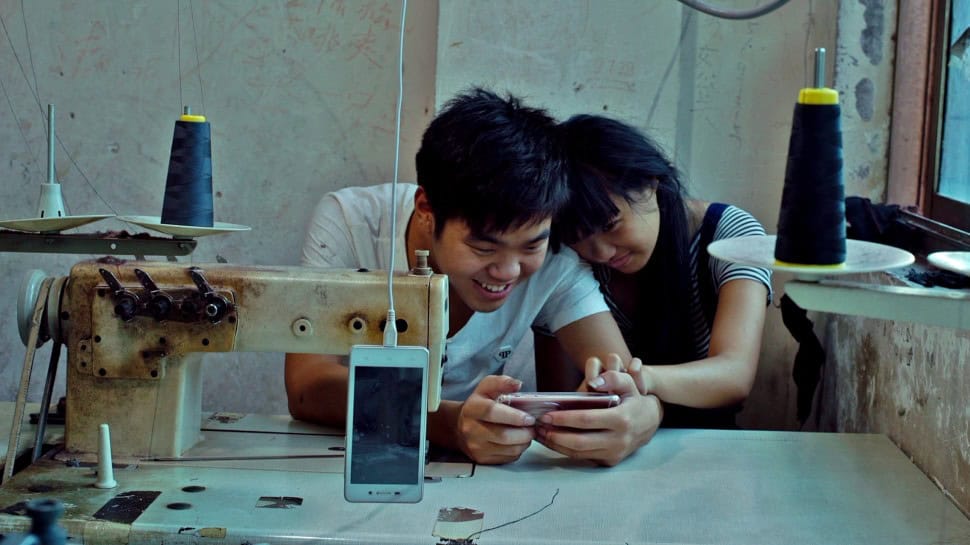
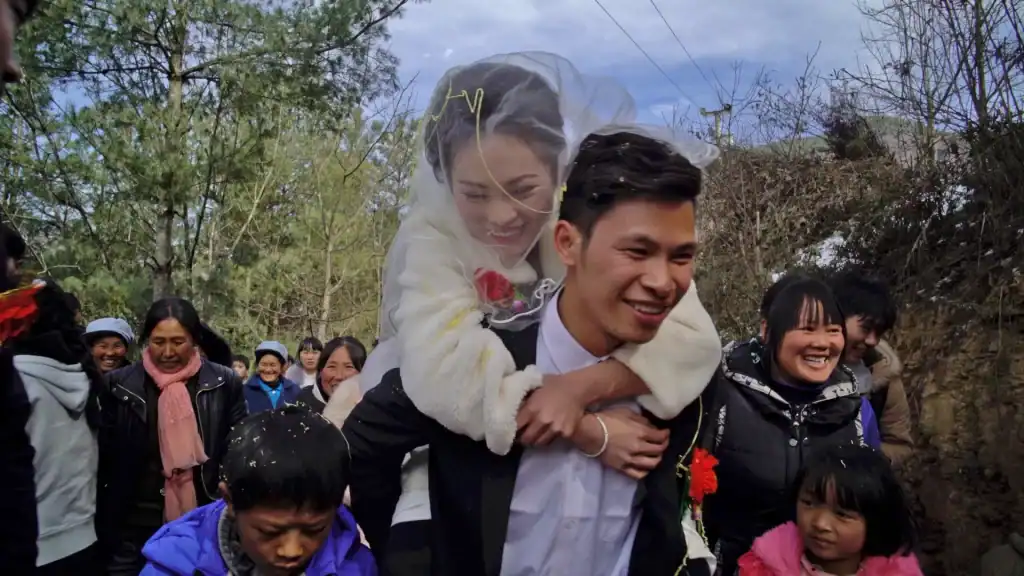
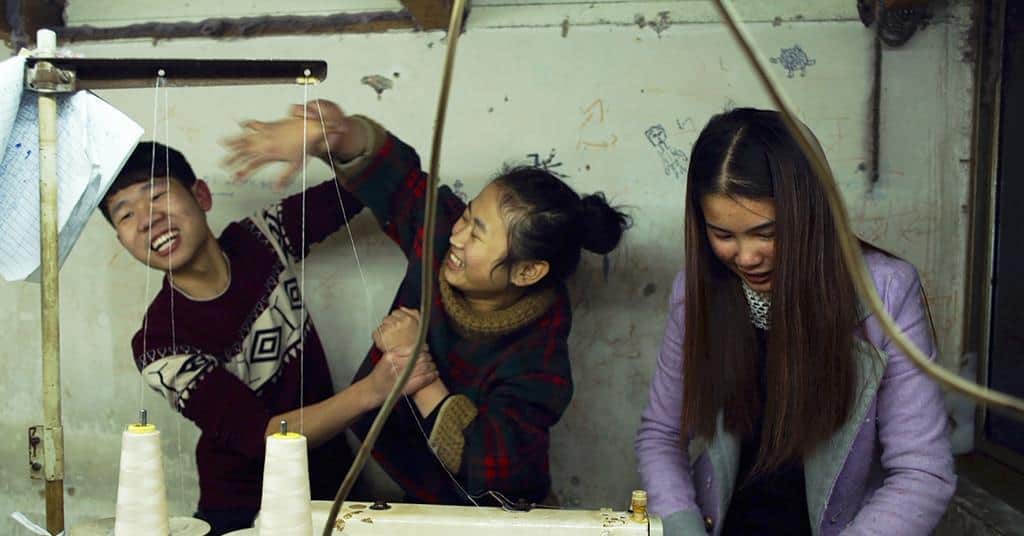
All the ingredients are here for unrelenting bleakness. But in the hands of a director obsessively concerned with presenting his subjects without comment and as objectively as possible, there is much more to it than that. He shows the joy that persists in these circumstances, not to offer the viewer relief but because it is there to record.
Through the long days, workers banter, flirt and prank each other. They show each other funny videos on their phones; they don’t make their beds; they sing along to pop songs; they fall in love, have children of their own. This might not be exactly the adolescence that many in the ICA’s screening room would have known, but there are elements that resonate. We start to understand why Zhili’s workshops, oppressive as they are, might be an attractive prospect for these youths. The wild-west economic structure allows an element of control: the more pieces they make, the more they are paid. They can live apart from their families in a way that is not only freeing but relatively lucrative – in Homecoming one couple bickers over whether to work in a sister-in-law’s business, only to conclude that the pay would be even lower. Amongst hours of footage where bodies become machine-like in their repetition, there are images of play and disruption, time-wasting, rest, and mistakes. It’s clear that this trilogy is the crowning jewel of a programme concerned with the very core of what it means to be young, a masterpiece of humanity in the most unlikely of circumstances.