
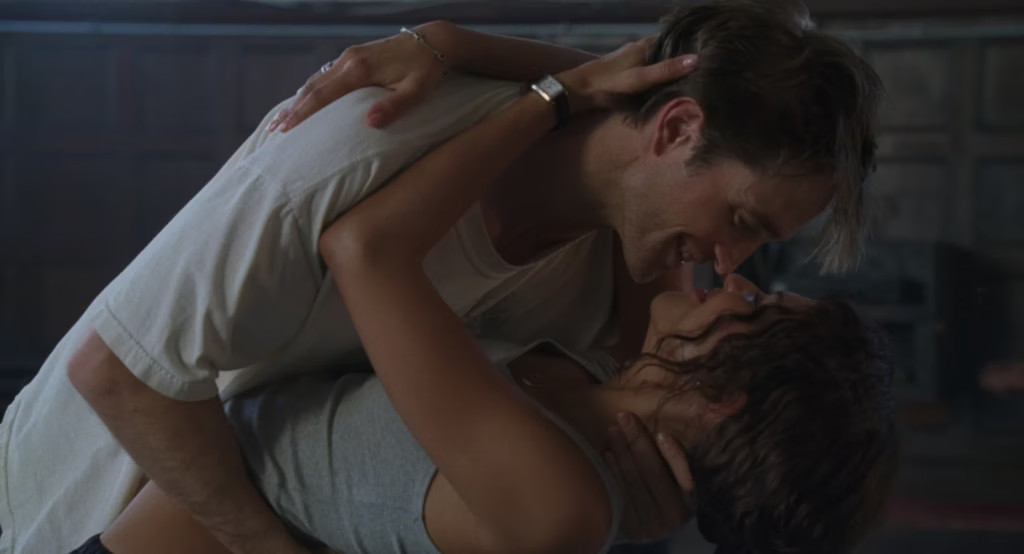
Coffee shop meet-cutes, witty banter, British boys in glasses: Kristoffer Borgli’s The Drama calls us back to the golden age of the romantic comedy. Visually, everything is as it seems. Millennial lovebirds Emma and Charlie, played by Zendaya and Robert Pattinson, are a perfect-match – attractive, charming and erudite, but relatable nonetheless. Their chemistry is palpable and lived-in – at times it’s easier to imagine watching their romance from the banister of a staircase or peeking behind a wall than from a seat in the cinema.
The picture-perfect apartment the couple shares in Boston and their mutually established friendship group might even make the audience forget the couple is riding the stress of an approaching wedding. All is as it seems with menu tastings, dance lessons, and wedding vow draughting until Emma unearths a secret that shakes the very foundations of her relationship with Charlie and unsettles their upcoming nuptials. Following his fiancee’s drunken and disturbing confession, Charlie is left riddled with incessant violent scenarios about his future with Emma and the moral plight of accepting her distressing history.
With an intense and thorough marketing campaign by A24 and a star-studded cast, The Drama has easily been one of the most anticipated films of the year. Not only that, it is a marital drama which is a class of filmmaking that historically has been critically acclaimed and beloved by audiences. The genre is a unique timecapsule of a generation’s attitude towards nuptials, so with the popularity and draw of The Drama, what is the current state of Gen-Z’s attitude towards matrimony?
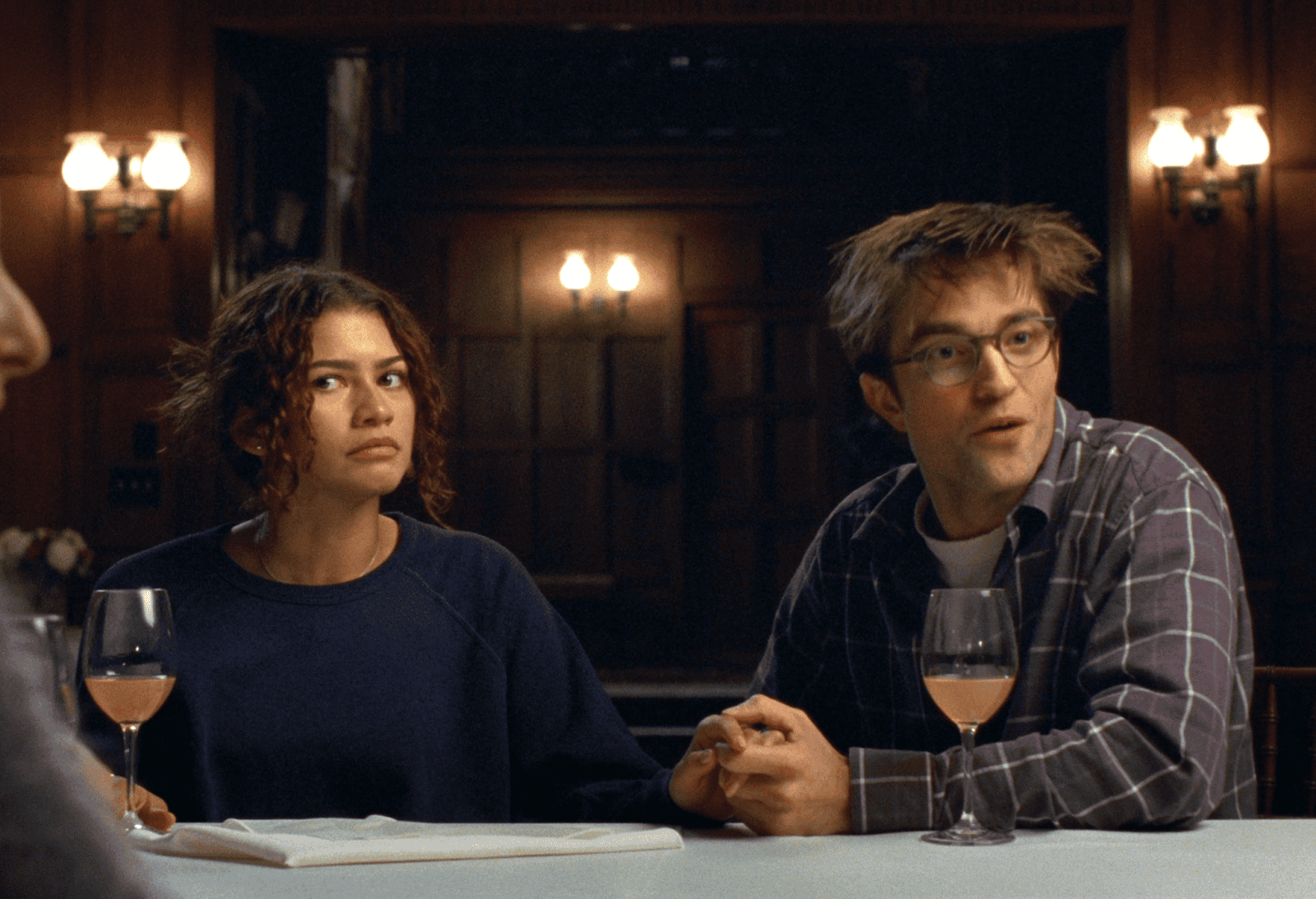
Despite the pretext and aesthetic of a late-nineties Richard Curtis production, Borgli’s film tackles a wildly different aspect of romance, delving headfirst into the anxieties and misgivings that materialise with marriage. The film examines the ethics of messy love and the selfish and often ego-centric compromises people will make to affirm their relationships. At what point do the actions of our partners become inexcusable and at what point do they indict us by association?
Emma’s confession isn’t done in the privacy of her relationship, it occurs within her and Charlie’s inner-circle after being asked, “what’s the worst thing you’ve ever done?” Their close friends bear witness to her indefensible admission and thus inflict an increased sense of contempt and conviction upon an intimate moment that wouldn’t otherwise have been there. Had her secret been revealed solely to her fiancee, perhaps the chaos that ensued would not have been as drastic.
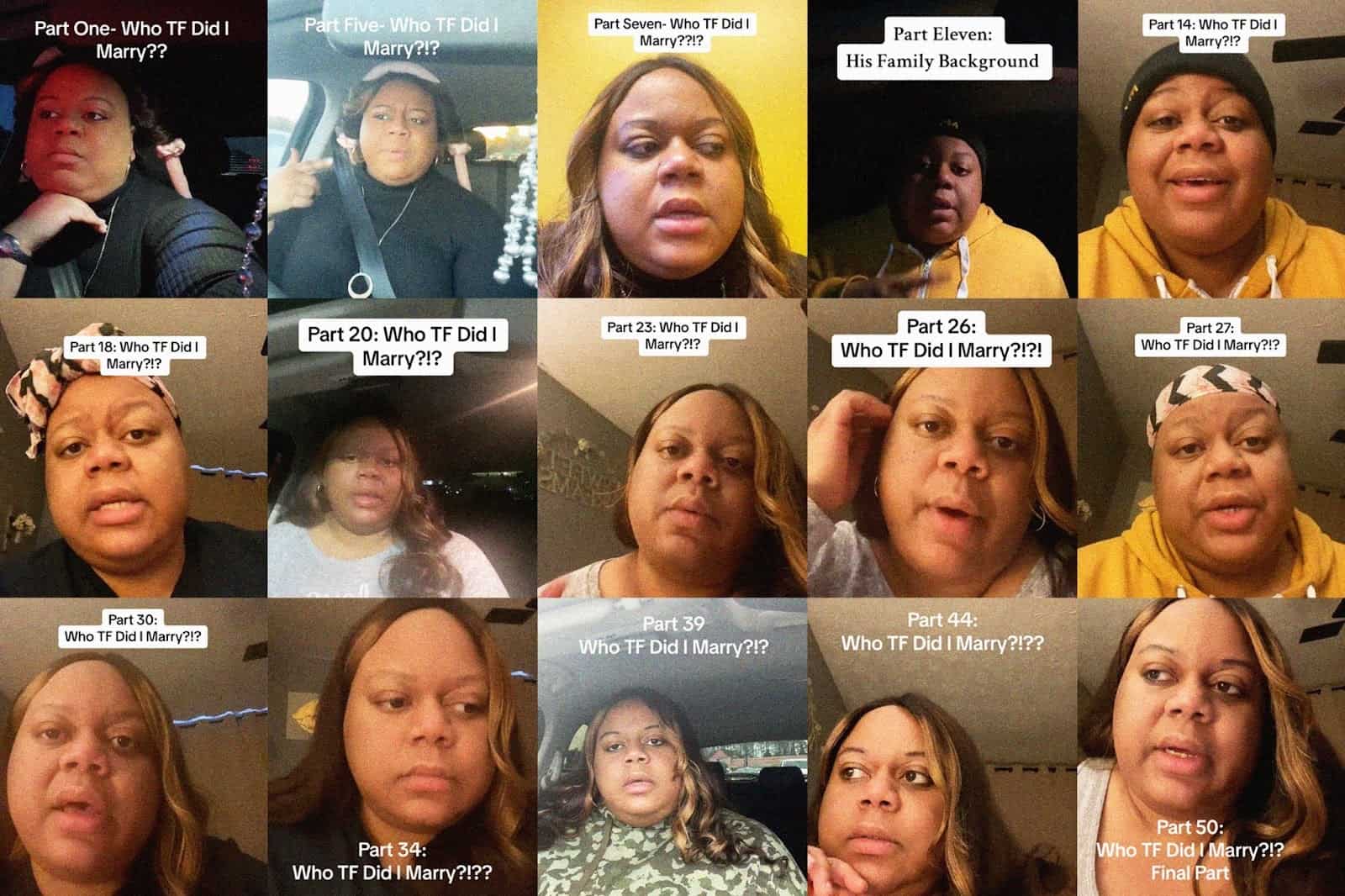
In staging the admission amongst a group of friends instead of the seclusion of the relationship, Borgli addresses the social politics of modern relationships. In the age of cancel culture and the disposable architecture of online dating, people are quick to judge others in black and white terms or more accurately, red and green flags. Perhaps we’ve all grown accustomed to the finger-pointing morality play of the internet, The Drama argues, and opinions can lack necessary nuance and context that is borne from intimate moments and personal history. When is a mistake a thing of the past, and when is it a cancellable offense? Are we all to end up making a 50-part Tik Tok series à la ‘Who TF Did I Marry’?
The film observes and accomplishes this phenomenon by the anxiety Charlie feels when expanding upon Emma’s confession with his friend Rachel, played by Alana Haim. He tells white lies to abate the actions of his fiancee, knowing that he can hardly justify them himself. In desperation, he also begins to pose hypothetical situations that mirror his own and begs for advice from other acquaintances.
Still, while there are intense moments of a potential relationship rupture, the intimacy shared between the couple seems to keep them tied together like rope to a gallows.
In this context, it is no mystery that the marriage plot has been and remains to be so captivating to filmgoers as a way to meditate on the age-old plight of matrimony. They offer an escape from the realities of our current dating landscape and remind us that love can be both comfortable and chaotic. Their popularity amongst audiences also derives from the promised drama and big names these films bring. Meryl Streep and Dustin Hoffman in Kramer vs. Kramer (1979), Scarlett Johansson and Adam Driver in Marriage Story (2019), and now Zendaya and Robert Pattinson in The Drama. These are all great actors of their times, film stars who represent the generation of Hollywood they inhabit.
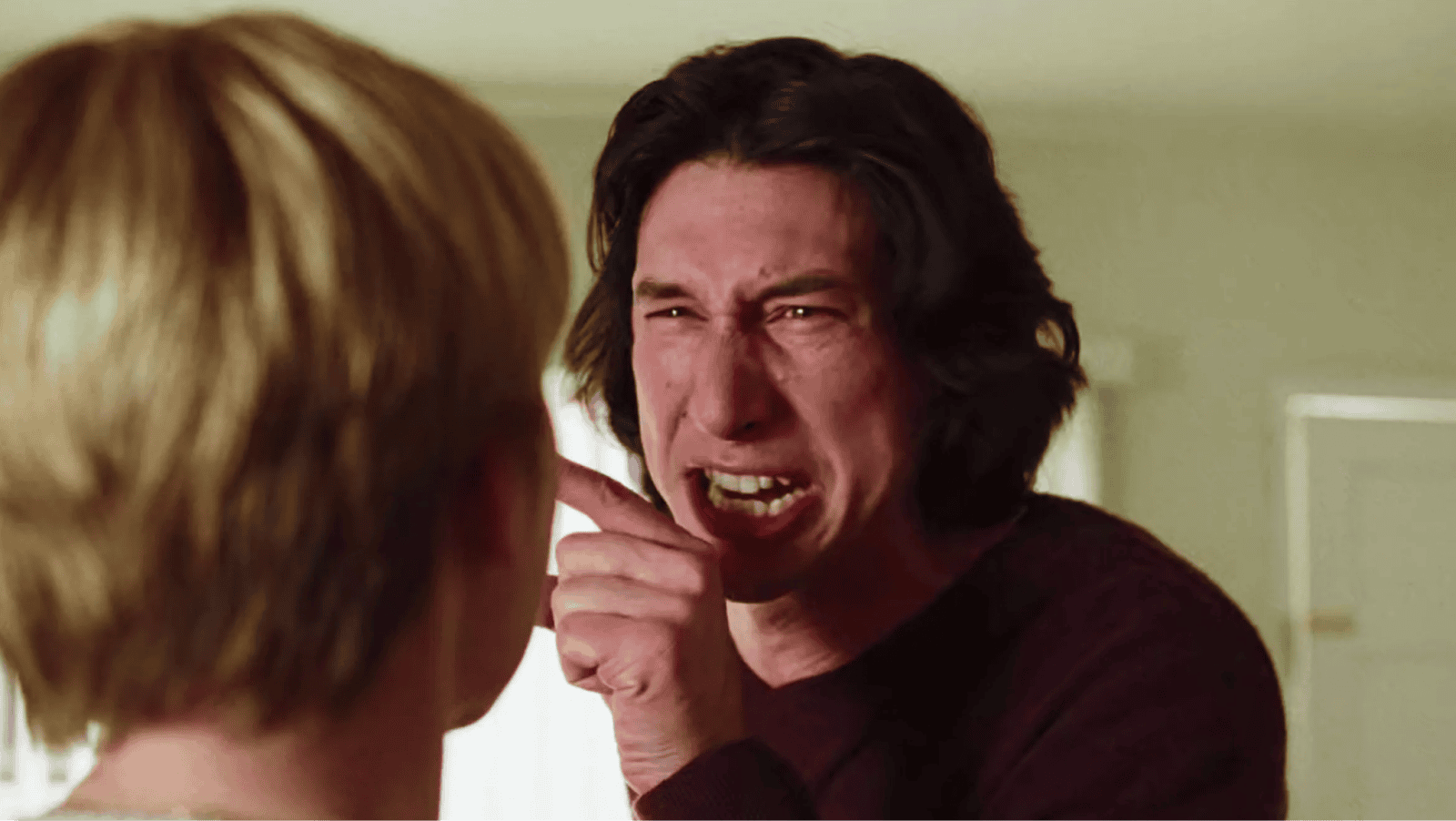
Likewise, the marital drama is so revered and successful not merely because of the frequently acclaimed performances and clever writing they produce, but because they often encapsulate a generation’s sentiment towards matrimony. The Philadelphia Story (1940), Kramer vs. Kramer, and Marriage Story are perhaps some of the best surveys of contemporary attitudes towards marriage and divorce. Each film reflects the anxieties of a particular age and what people are willing to suffer in the name of love. What are the social perceptions of a divorced man? A divorced woman? What does it mean when someone decides to leave, and what does it mean if both people are at fault? Is marriage a prison, do we have to sacrifice ourselves to be good wives and husbands?
If the marital drama is in fact a summation of a society’s attitude towards love and relationships, The Drama tells us that the current sentiment towards matrimony is to stick it out no matter the chaos and contempt. At a moment when commitment and compromise in the age of dating apps and virtual connection has never been so complicated, Charlie and Emma are devoted to making their love work instead of succumbing to the grim statistics of modern divorce and detachment. We can imagine that the couple would rather sustain an uncomfortable and rough marriage than return to the dating market.
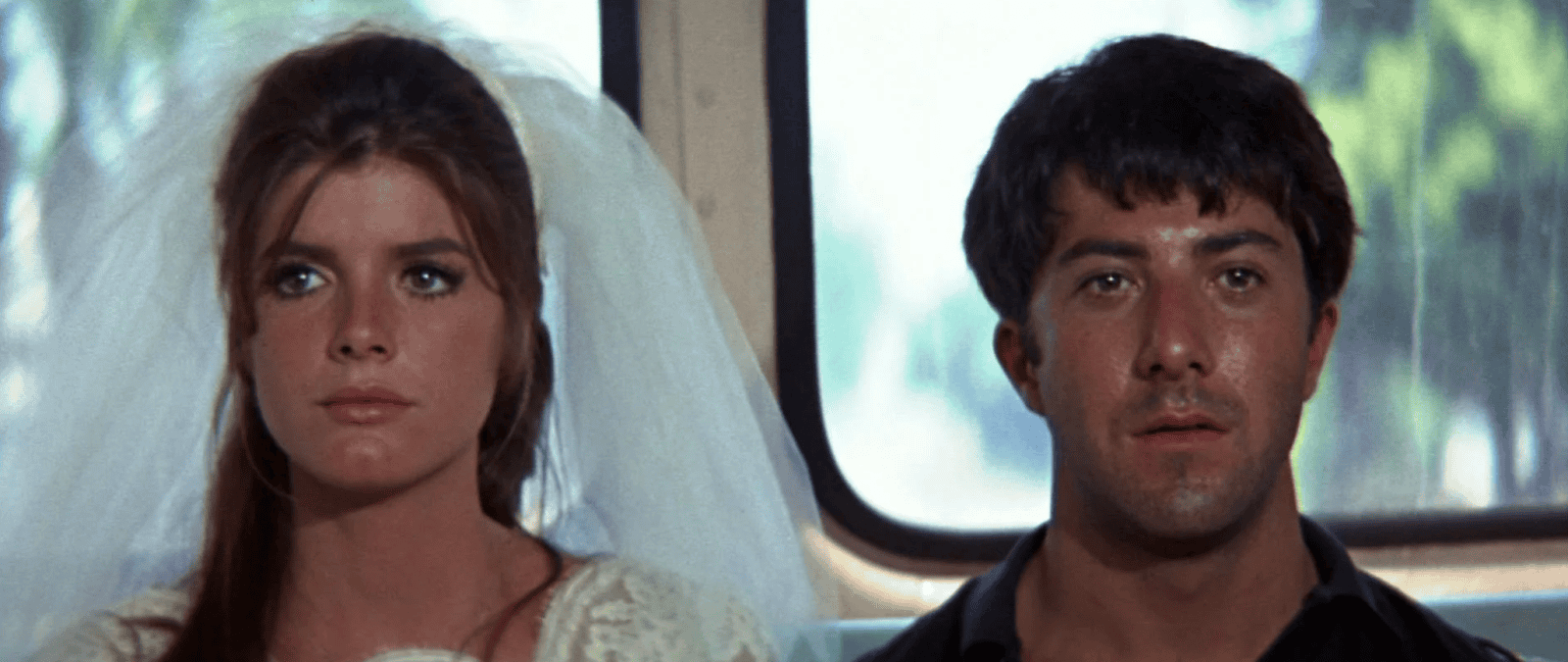
More than the aforementioned dramas, Borgli’s film seems to find closer camaraderie with the likes of Mike Nichols 1967 film, The Graduate. Dustin Hoffman’s Benjamin Braddock graduates from college and returns to his California suburb where he finds himself in an affair with the older Mrs. Robinson, only to be married to her daughter by the end of the film. The iconic final scene shows Braddock and his new wife Elaine sitting in the back of a bus having just been married. Surrounded by the faces of strangers and a puddle of white tulle from Elaine’s dress, Hoffman’s face transitions from one of joy and adrenaline to that of quick realisation and remorse. Unlike the other films in the marital canon, there is no divorce, only the acknowledgement that his life and marriage has been doomed before it even had the chance to begin. Much like the state we find Charlie and Emma in near the close of the film.
While aligned with the palpable regret at the ending of The Graduate, Borgli’s film instead offers a gleam of hope towards the state of modern relationships. After the chaos of Emma and Charlie’s wedding, they find themselves at their beloved neighborhood diner covered in blood and tears, reintroducing themselves to each other with acceptance and love over cheeseburgers and sodas. Perhaps marriage is chaotic and imperfect, but the companionship and commitment it affords is worth the labour, humiliation, and sacrifice.