There was once a time when streetwear ruled the world. An outfit wasn’t worth putting on if there wasn’t a BAPE or Palace piece involved, and Emily Oberg built a career off interviewing the freaks queuing outside Supreme every week.
For many – including myself – who got much of their early fashion education from The Basement Facebook group, this time will likely bring back fond memories of our early forays into the world of fashion (and the shocking outfits that went along with it). But streetwear is still very much alive, as it was long before the hypebeasts decided to care about it.
The evolution of streetwear in recent years has seen it shed its more garish elements (The Supreme x North Face puffer jackets and matching puffer pants come to mind) in favour of a more considered approach. Across the pond, brands like Aimé Leon Dore continue to drive hype with their more understated take on the genre, and it is no different this side of the Atlantic.
Emporium is a Dublin-based brand founded by Charlie Proctor Quigley and Robbie Figeon Kavanagh. Beginning as an ‘emporium’ for local designers and brands they loved, the pair quickly began making merch – which sold out almost instantly.
The community ethos that launched the early iterations of Emporium has remained central to the brand’s outlook. Having spent those days pulling together references from the ‘golden era’ of streetwear for their local community, they continue to remain a central pillar of it. Despite their now global reach – with stockists around the world, shows at Paris Fashion Week, and pop-ups in New York – you can still find them almost everyday in their flagship Dublin store.
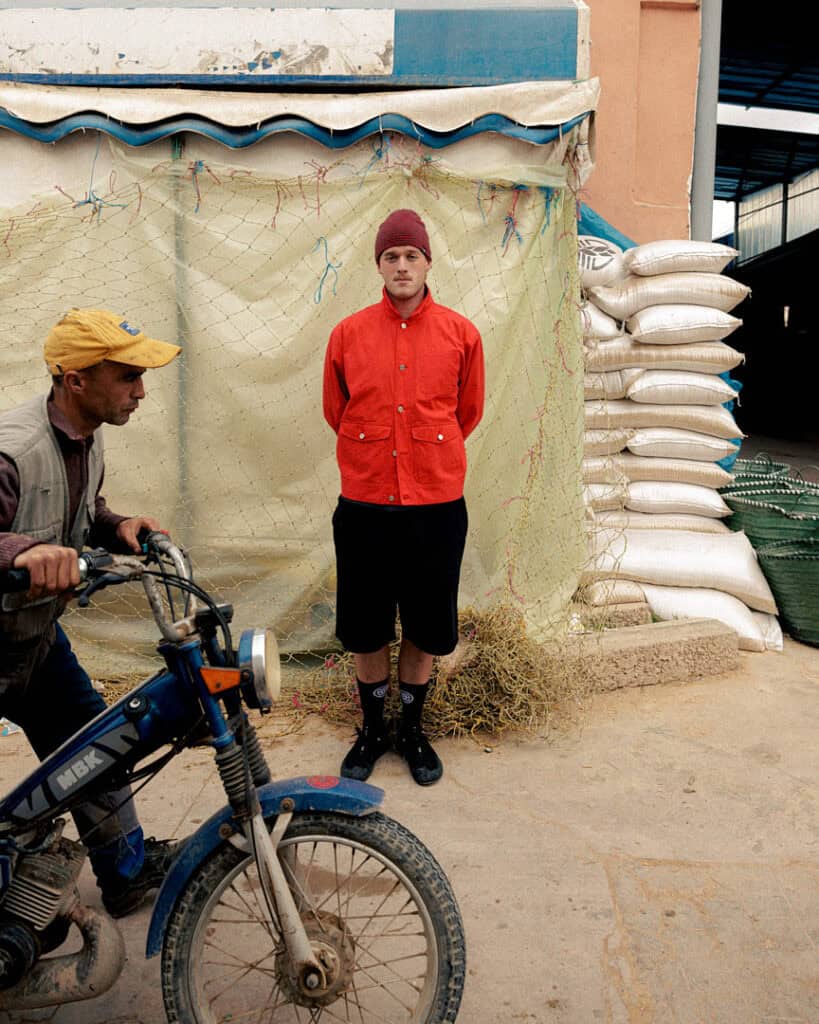
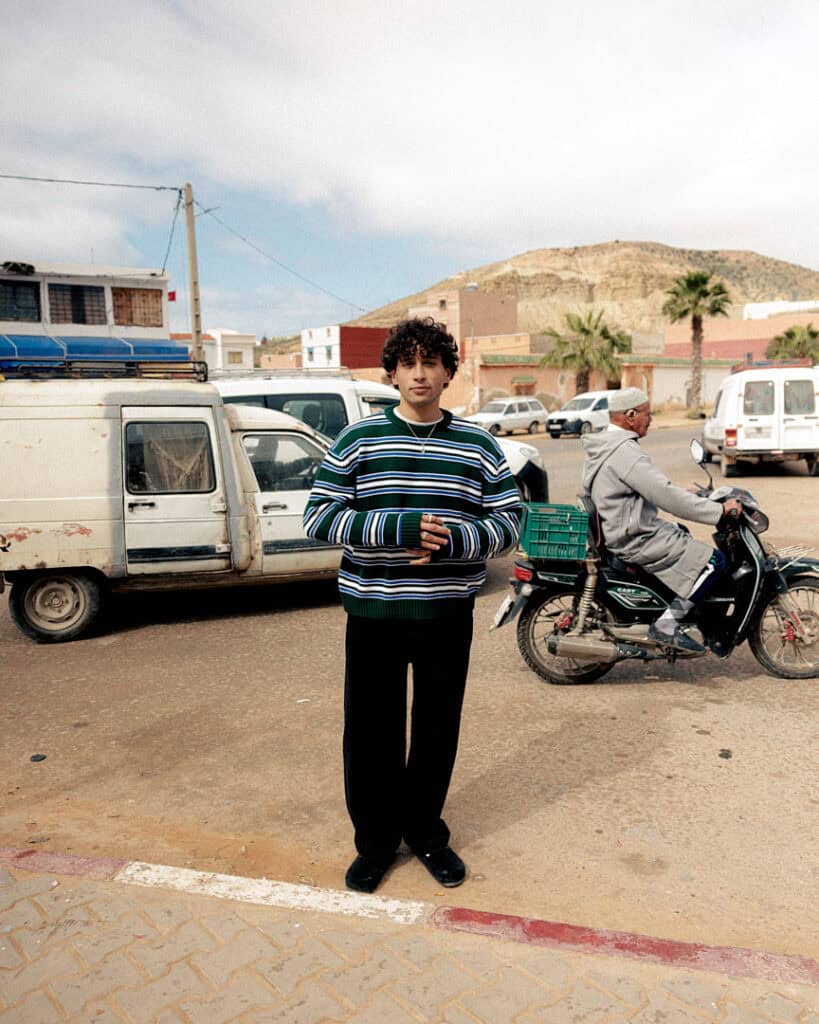
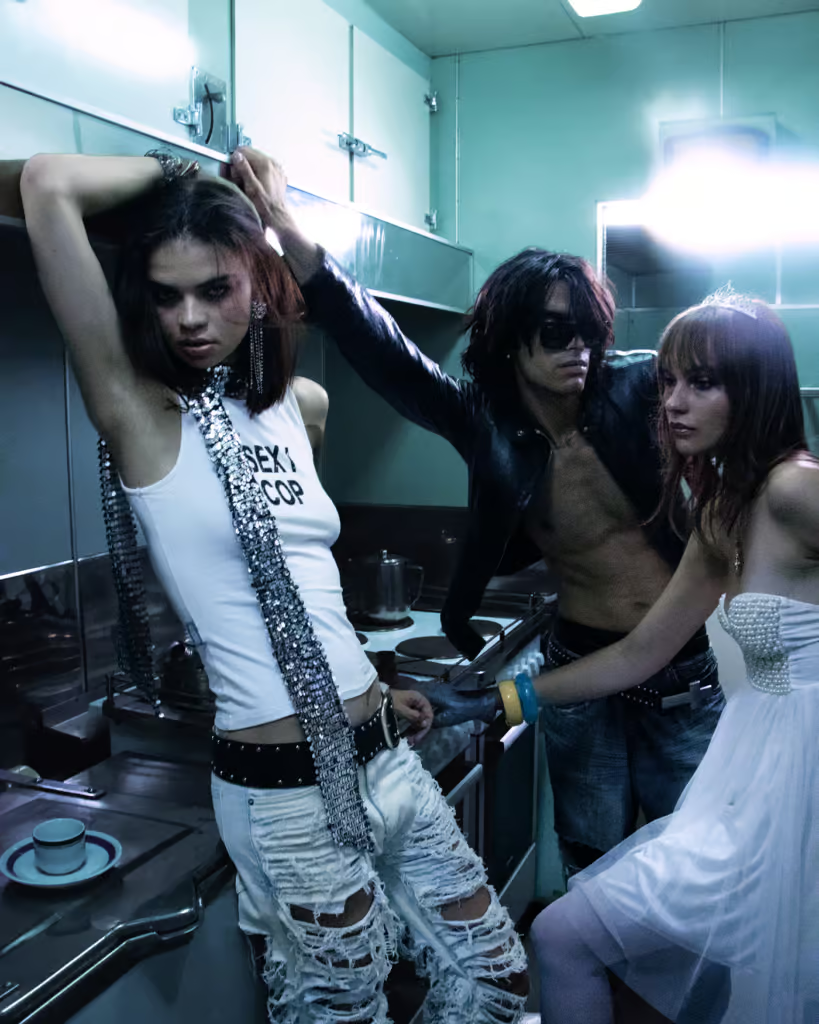
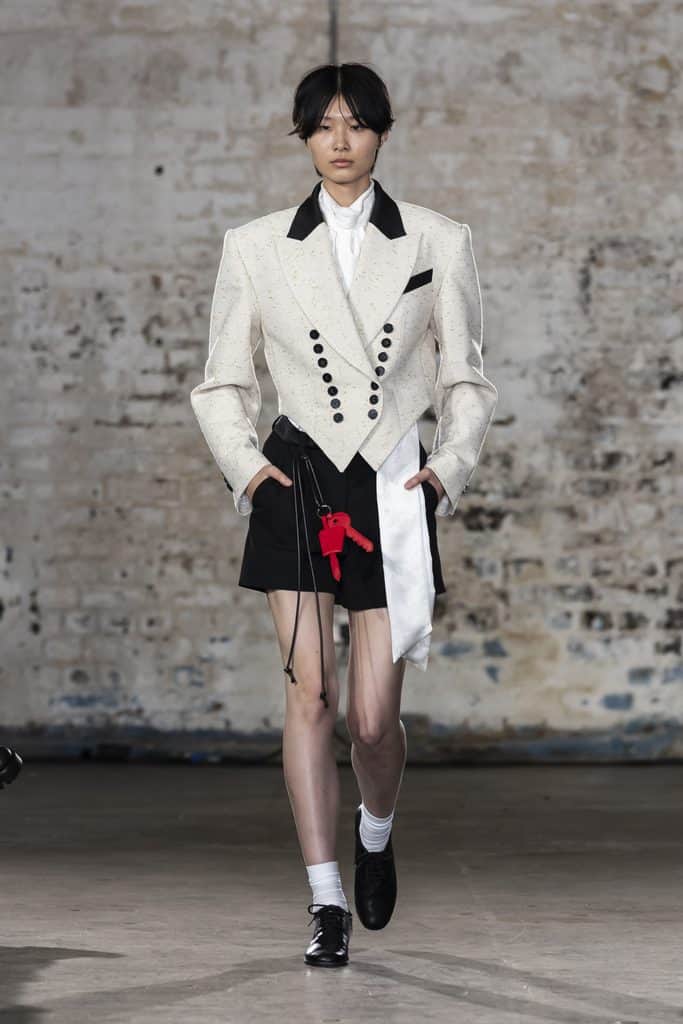
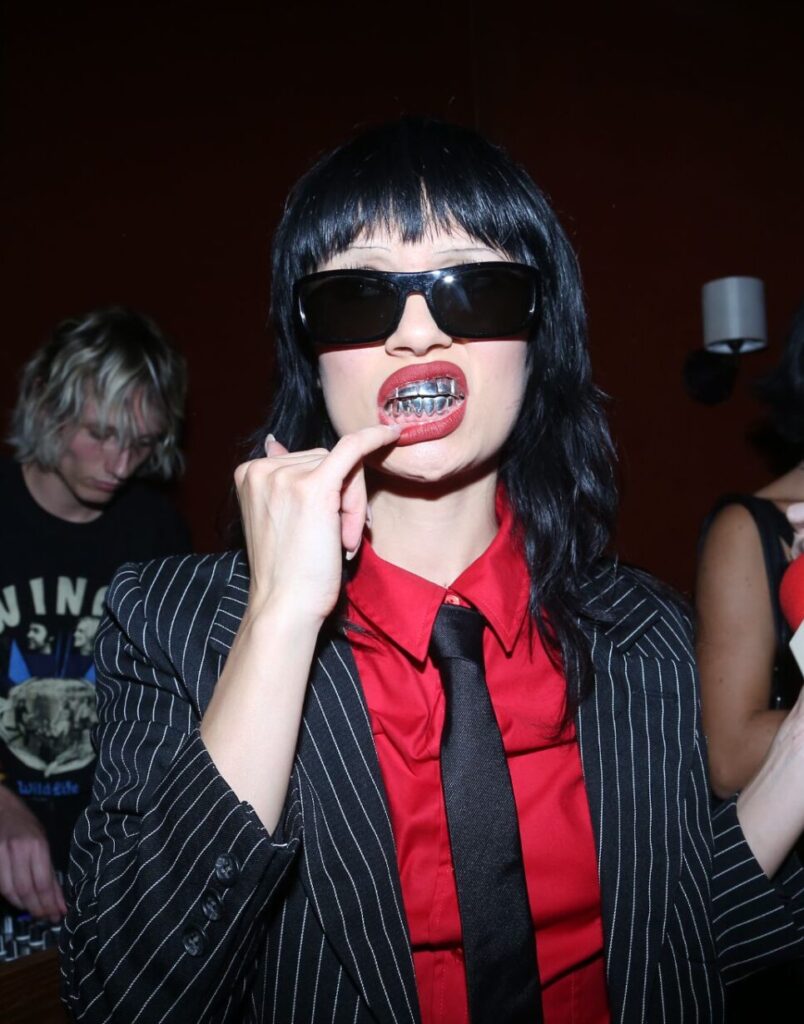
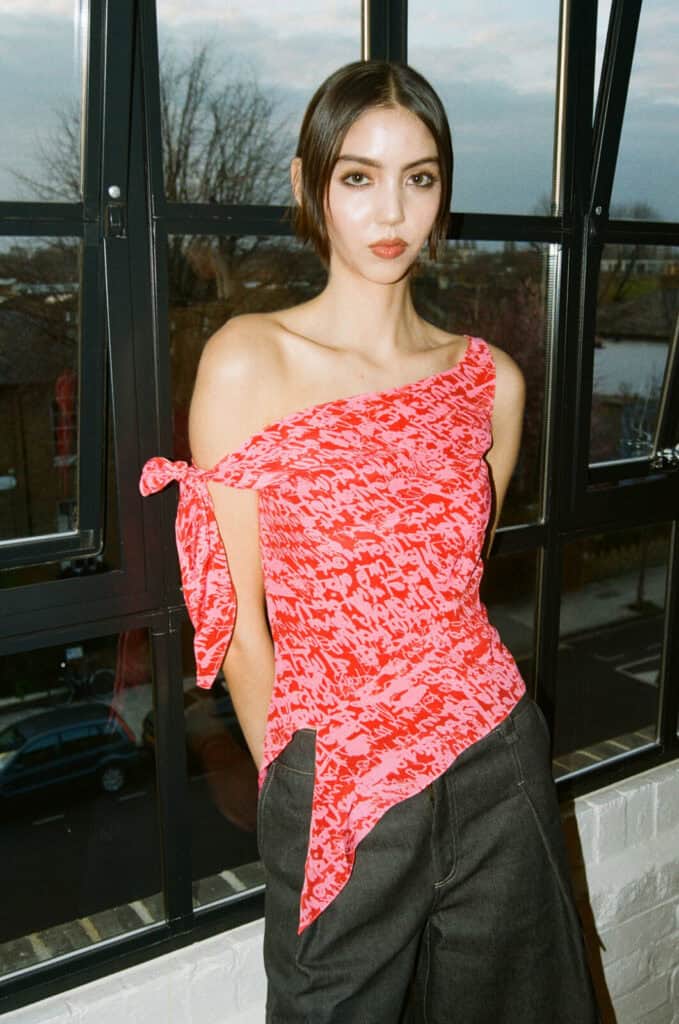
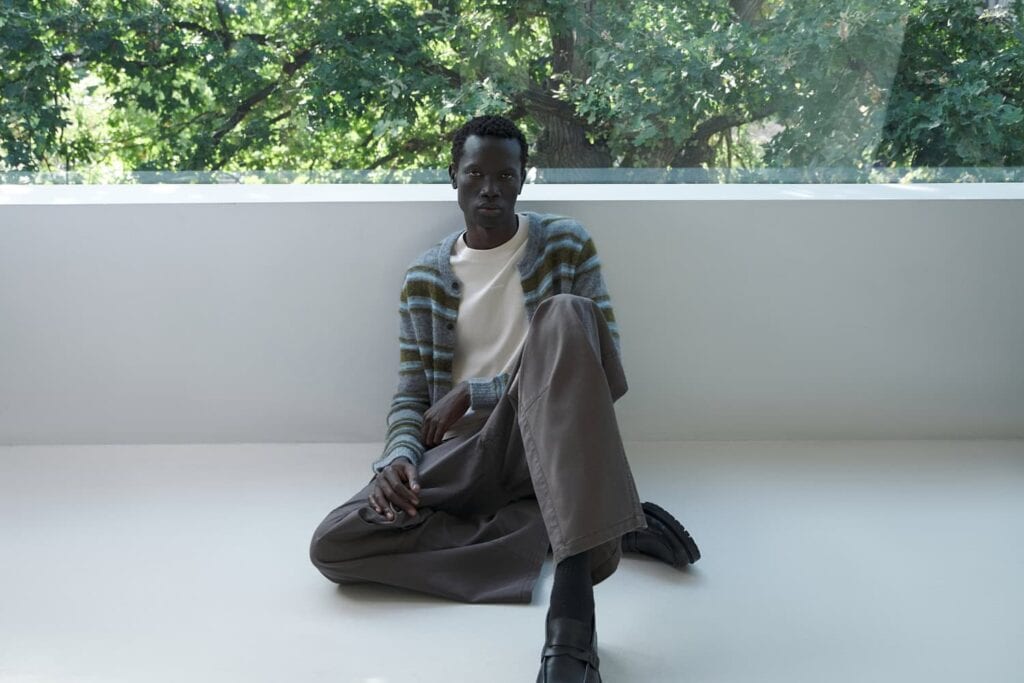
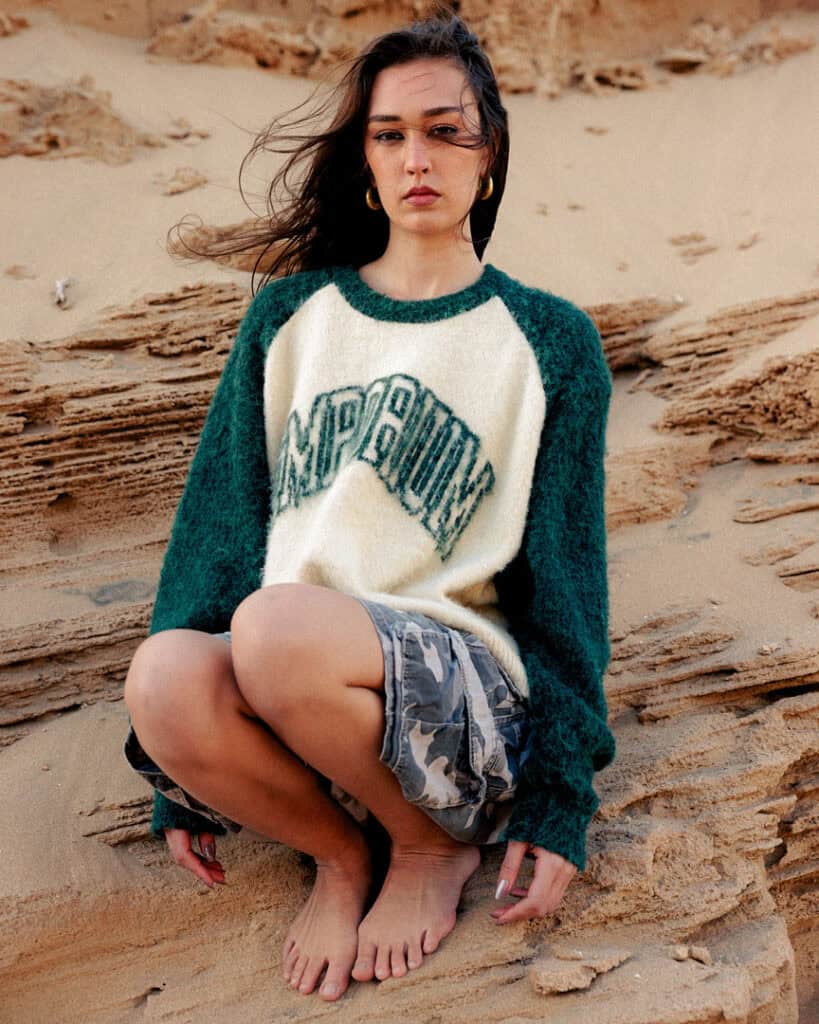
Their next drop plays into their background as curators, pulling their inspiration from pieces that have stood the test of time and reinterpreting them through their distinct lens. Whether it is Polo Ralph Lauren madras shirting, traditional fisherman knits, or Japanese streetwear graphics, everything comes together into a cohesive and contemporary collection.
Ahead of this SS26 launch, we sat down with Charlie and Robbie to talk early success, global growth, and hitting the beach in Morocco.
The Cold Magazine (CM): How has your starting point – as a marketplace for other brands – affected the way you approach your own work? Do you feel it has had a big impact on your design process?
Emporium (E): It kind of established who we were from a really early stage, literally since before we even made clothes, we’ve been culture led, a community brand.
In terms of the design process, we’ve always leaned on the ends of fashion that we grew up on, pulling from the pool of references and bringing them together for our community.
CM: I read that your first drop sold out that day. At the time did you see Emporium growing the way it has? Did you always feel you had the support base to expand globally or has that evolved over time?
E: Those were early times, back in the ‘golden era’ of streetwear, with Virgil Abloh teaching everyone about DIY branding and how to screenprint a tee.
Back then we never knew that Emporium would grow the way it has, we like to say that things just got really out of hand, but it’s been crazy to see the brand start to spread across the globe from Dublin.
CM: You have recently had some really standout wins. What was the biggest lesson you took from those moments and what lessons do you think you learnt early on that led you to this kind of international success?
E: To keep being ambitious, keep pushing. Every time we’ve had the chance to do something like PFW or New York it’s been a chance to step outside of ourselves for a second and just take it all in.
CM: The SS26 collection pulls from a wide range of references. How do you balance these global influences whilst trying to make something that still feels distinctly you?
E: I think the biggest thing for us this year is pursuing what we really love, acting as curators, bringing together all the references that have had an impact on us. We’re reinterpreting things that drew us into fashion, through our own lens.
CM: What drew you to Morocco for the shoot? And how did it shape the collection?
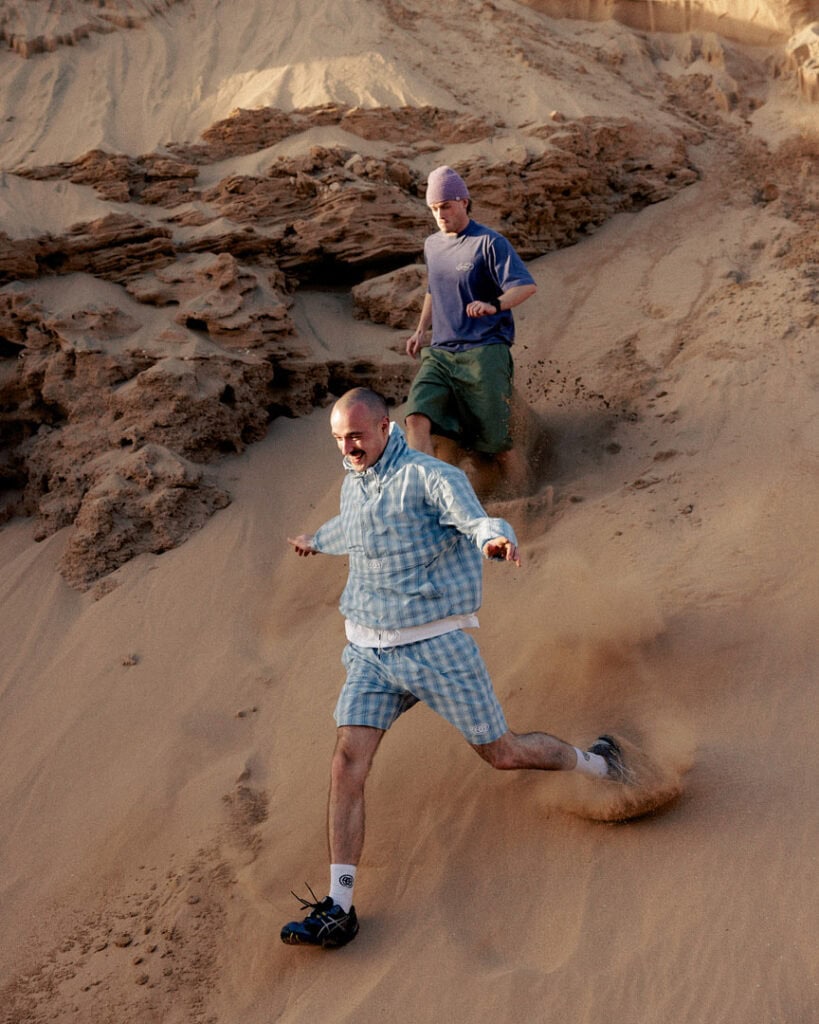
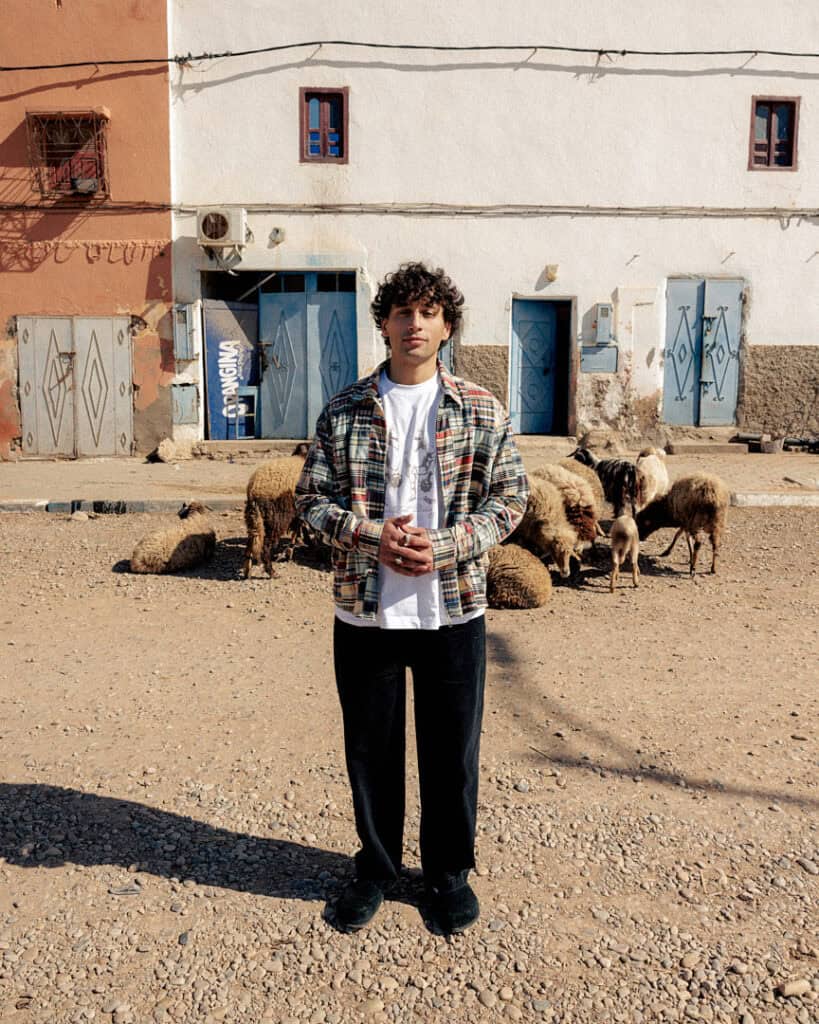
E: Full disclosure, Morocco seemed like a good time. It was. We wanted to bring a bunch of our friends out there and hit the beach.
CM: Starting as a pop-up in Dublin and now having stockists spread across the world, how do you maintain that local spirit whilst expanding? How does it affect how you design and operate?
E: The store helps to keep us grounded in who we are and where we’re from. You can catch us either in our Dublin flagship store, or in our secret studio with the homie Khaki Kid, pretty much everyday working. It’s a privilege to get to be around our community on a daily basis, and I think that connection is tangible in what we do.
CM: Despite some amazing high profile collaborations, homegrown relationships still seem to be at the forefront of your ethos. How important is it for you to nurture these links? And despite your global reach, how important is it for the brand to maintain a distinctly Irish identity?
E: A streetwear brand is a representative of its city, when I think of London I think of Palace, when I think of New York it’s Supreme, growing up in this culture we wanted to be that for Dublin. We take pride in the scene we come from, and working with friends from across that scene always feels right.
CM: Irish fashion – or at least Irish people in the industry – have had unbelievable success in recent years. Do you feel a responsibility to continue this and present a particular Irish perspective? Or does that not factor into your process much?
E: The whole scene here has been bubbling for a while, from fashion through to music and art, so it’s inspiring to see the attention it’s started to get.
We want the next generation’s favorite artist, musician and brands to be home grown, and that’s definitely something that motivates us.
CM: Looking back at the early days of the brand, what has surprised you most about your journey so far?
E: That this whole thing started with 35 t-shirts that we got printed in North Strand. Dreams.