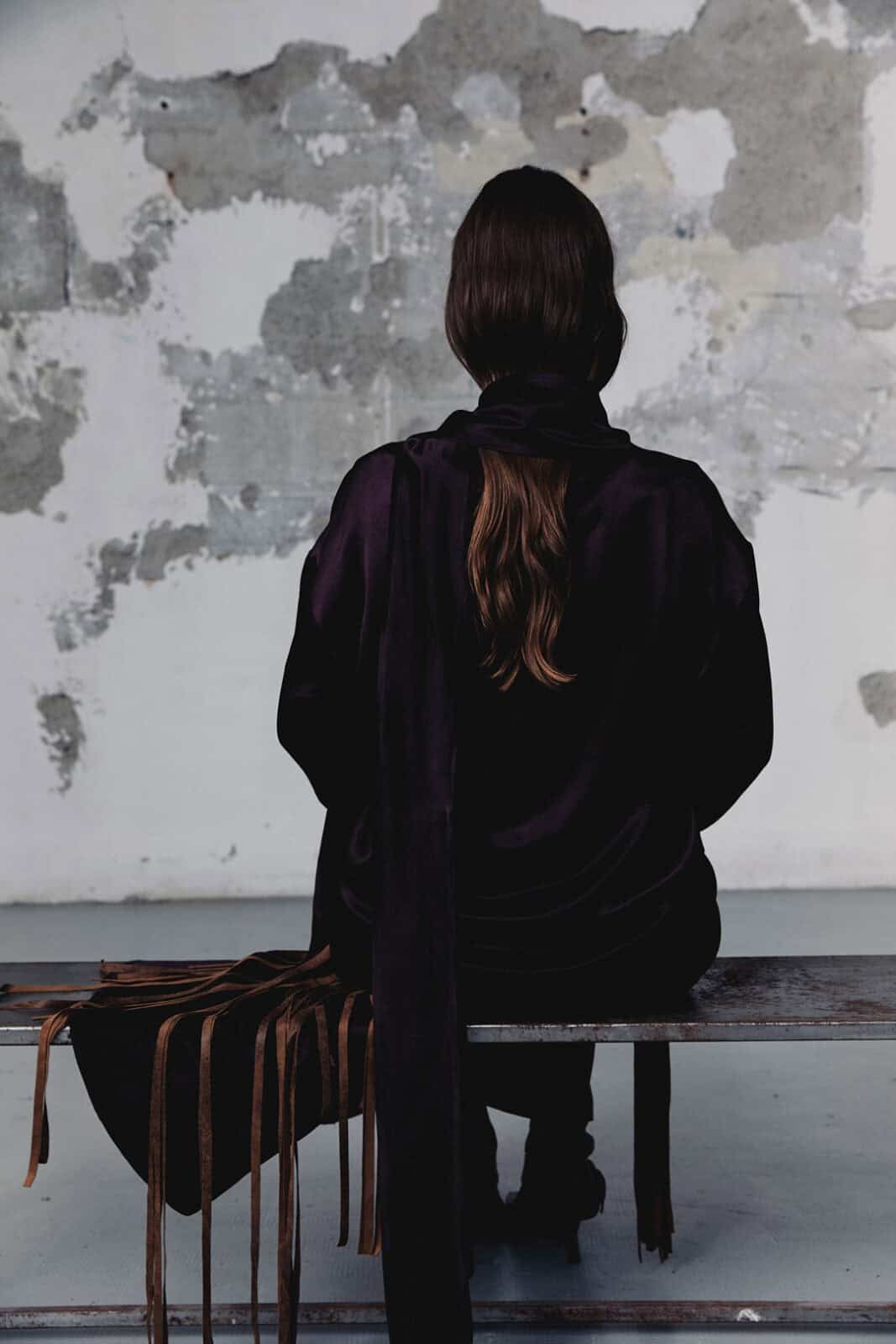
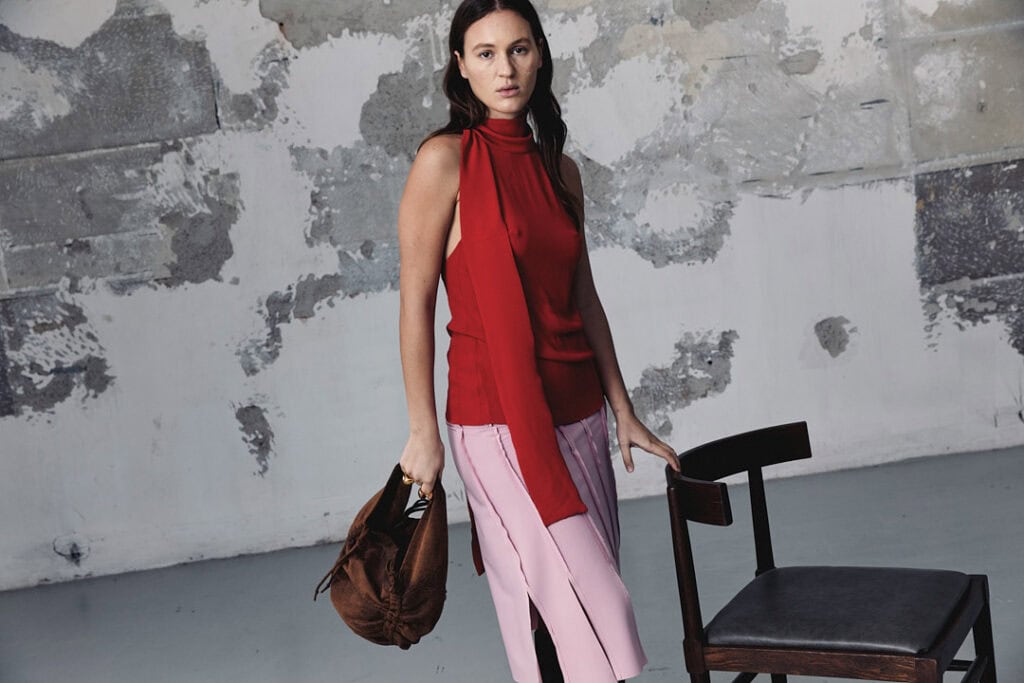
During Milan Fashion Week, the brand Saelf presented its Autumn Winter 2026/27 collection through a project that moved beyond the traditional runway format, unfolding instead as an installation-based narrative. Nessuna forma basta (No Form Is Enough), the new collection conceived by founder and creative director Giulia Spitaleri, was unveiled at Fondazione Sozzani through an event that intertwined fashion, installation, and performance, building a visual and symbolic journey around family memory.
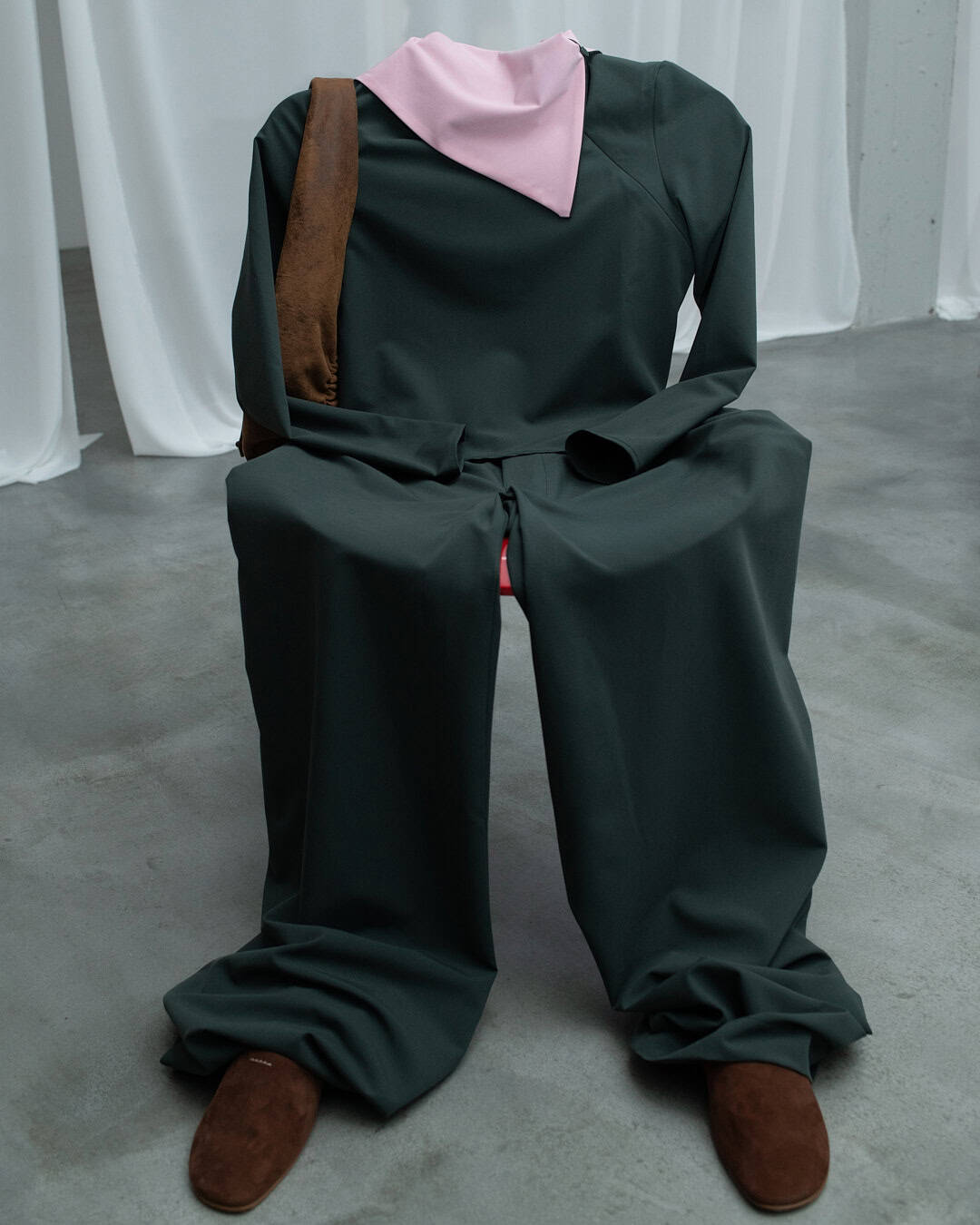
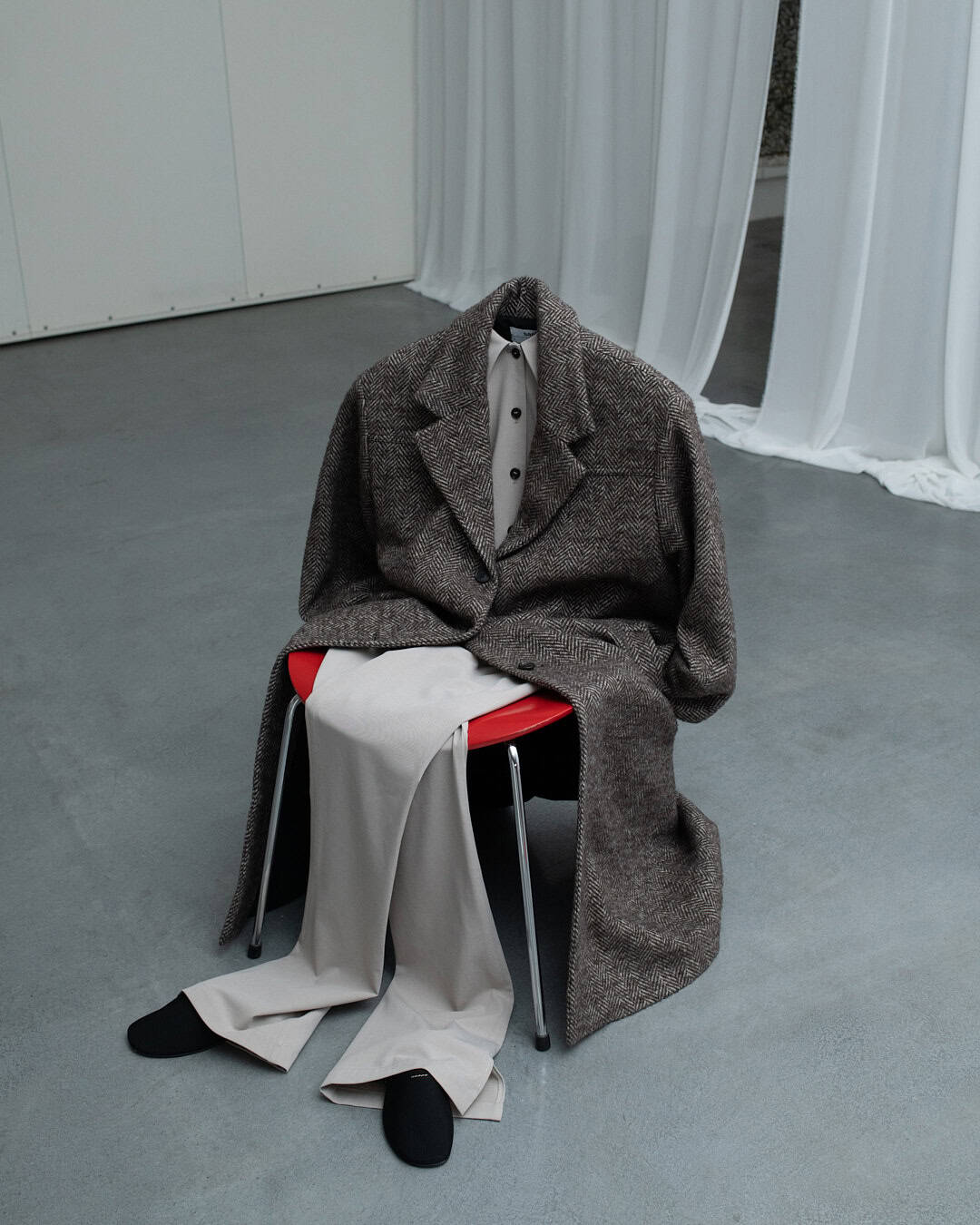
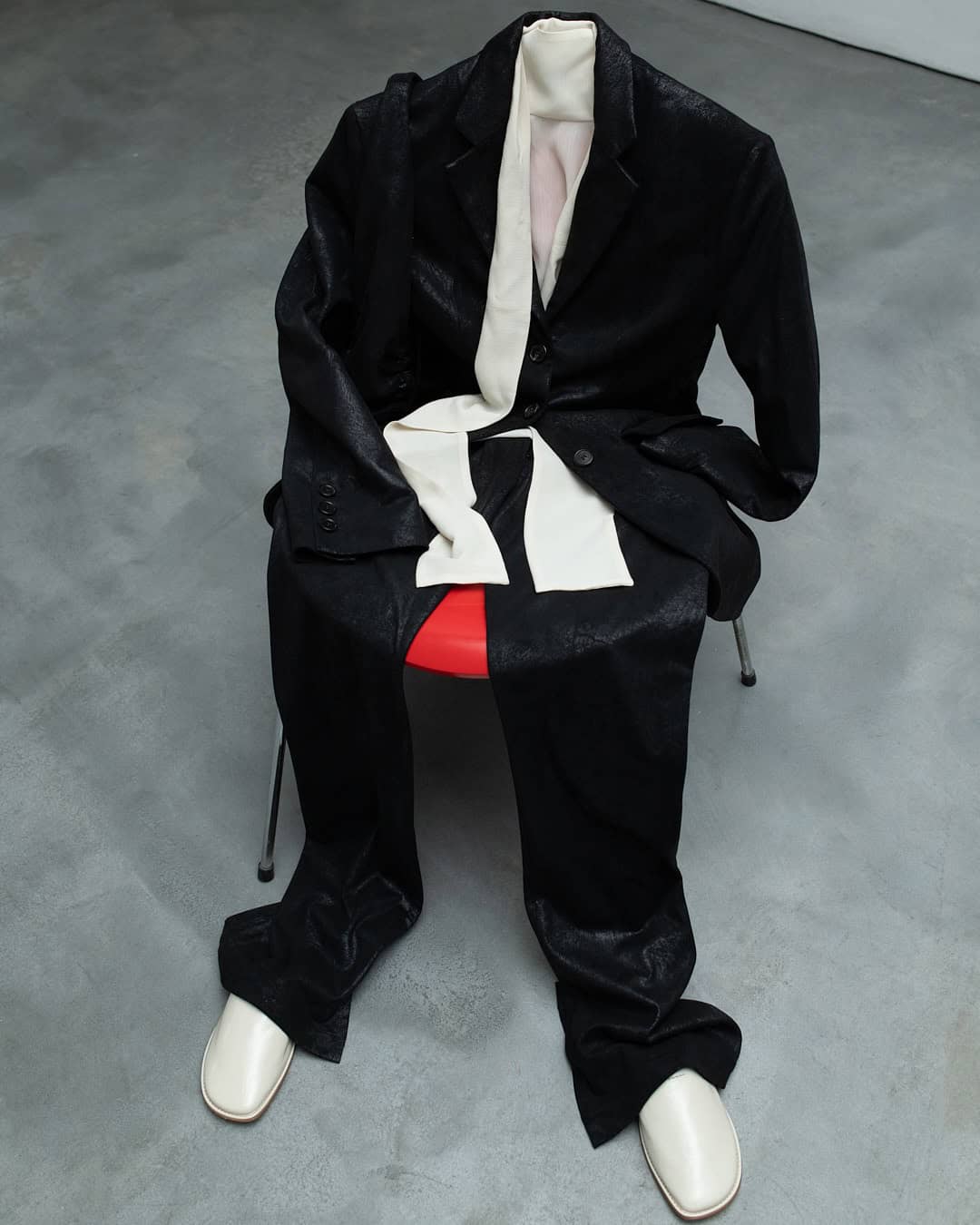
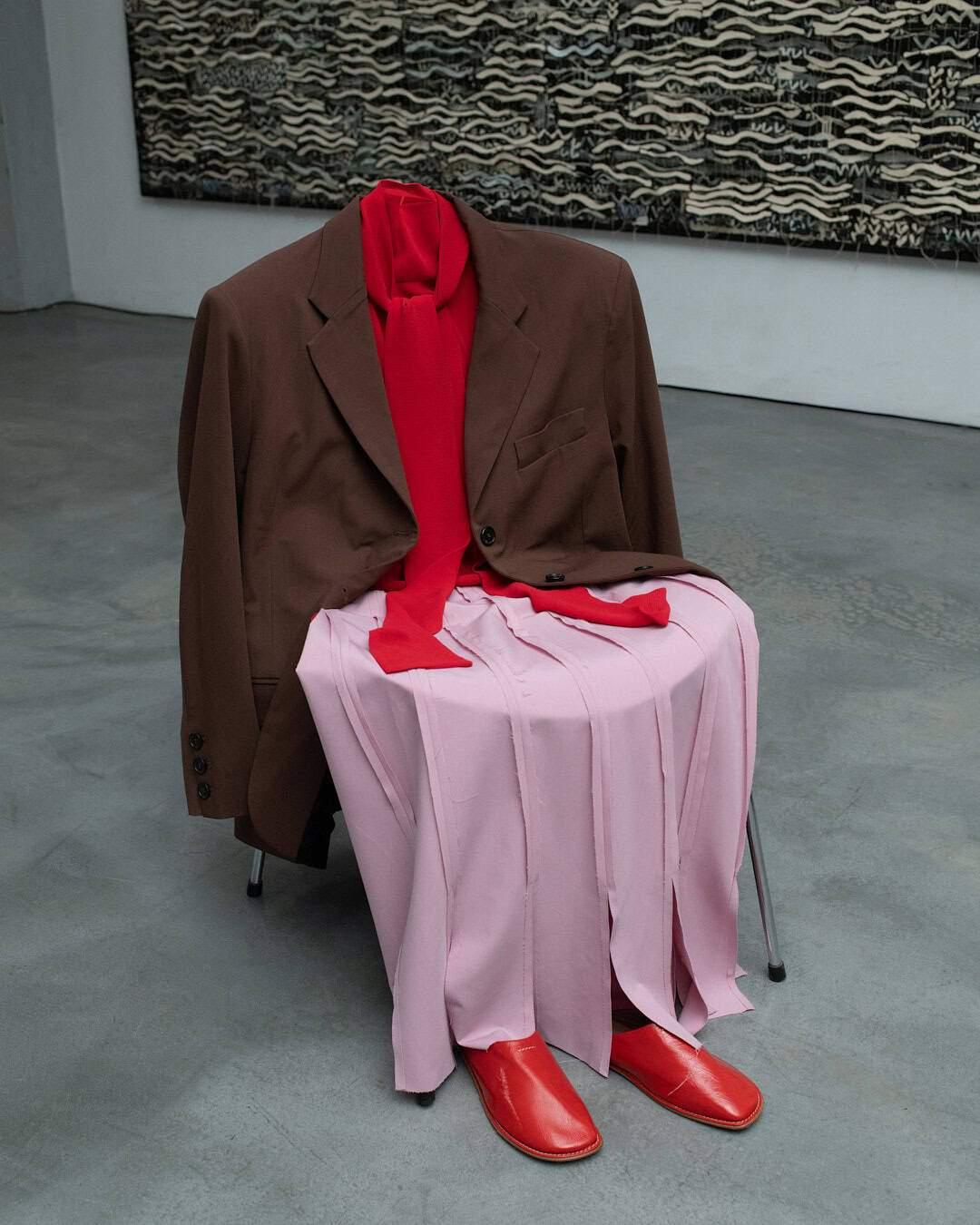
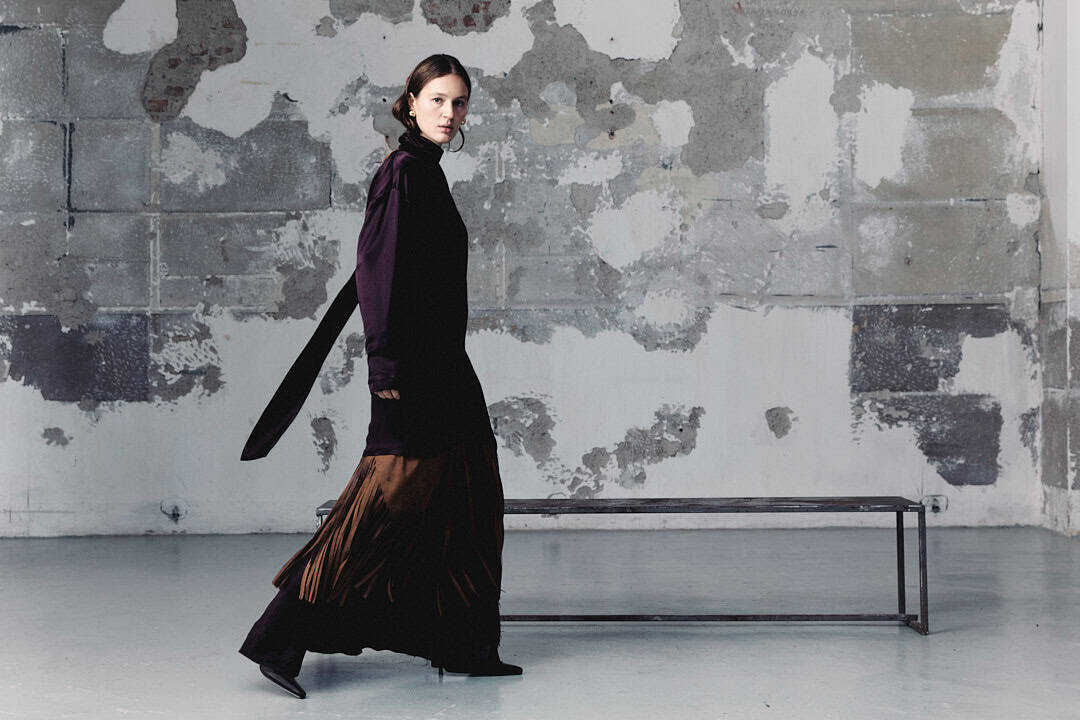
For the first time, the brand’s work openly draws on the personal history of its founder. The collection emerges from a reinterpretation of Giulia Spitaleri’s Sicilian roots, shaped by domestic memories, family photographs, inherited gestures and everyday rituals. Collective harvests, countryside gatherings and women wrapped in aprons and shawls form a visual vocabulary that runs throughout the collection, grounding Saelf’s aesthetic research in a personal and cultural archive. Within this framework, garments reinterpret familiar domestic elements. Long aprons and shawl-like silhouettes appear in layered constructions, while the abitino, a small piece of red fabric traditionally sewn inside garments to ward off the evil eye, becomes a discreet but recurring detail.
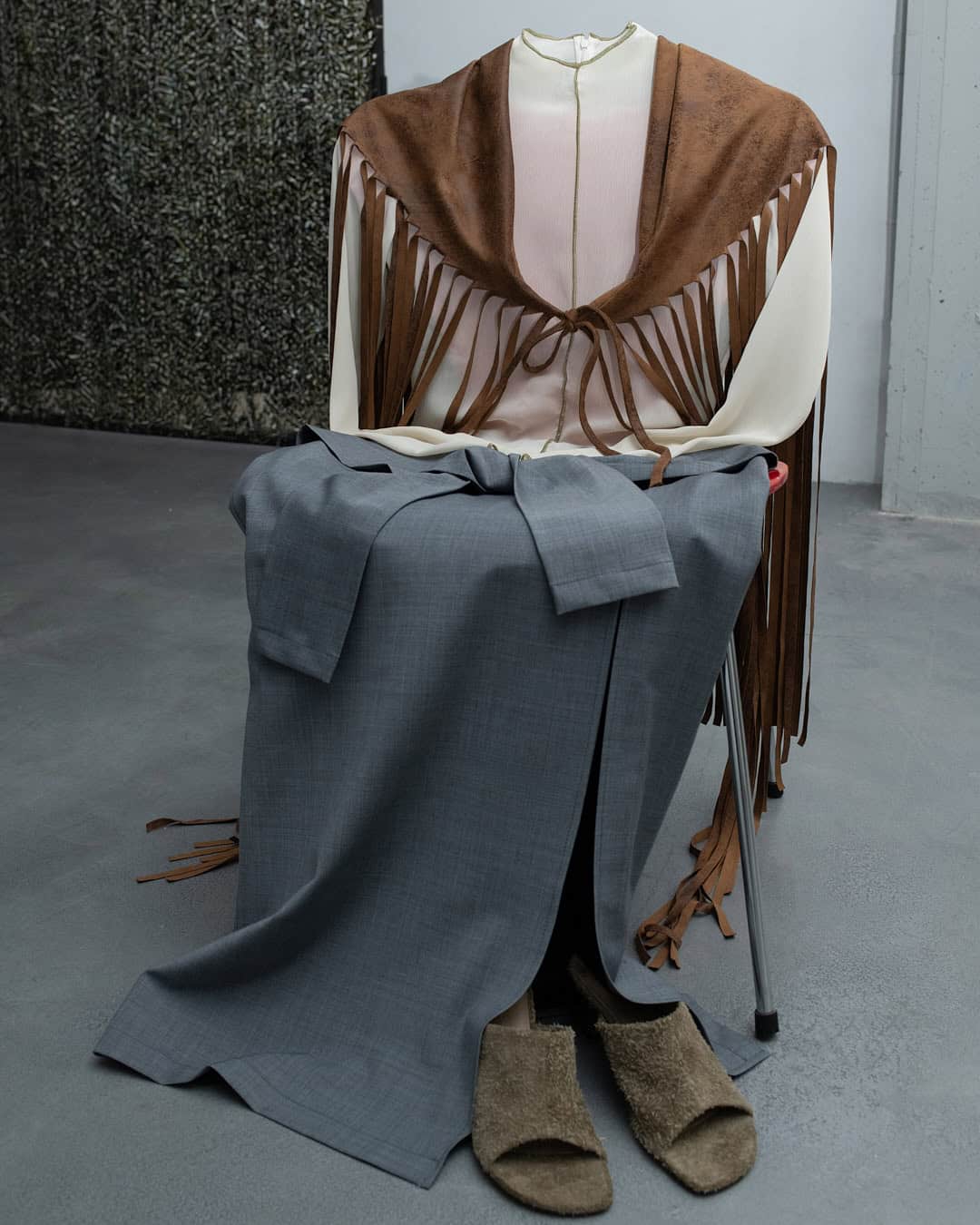
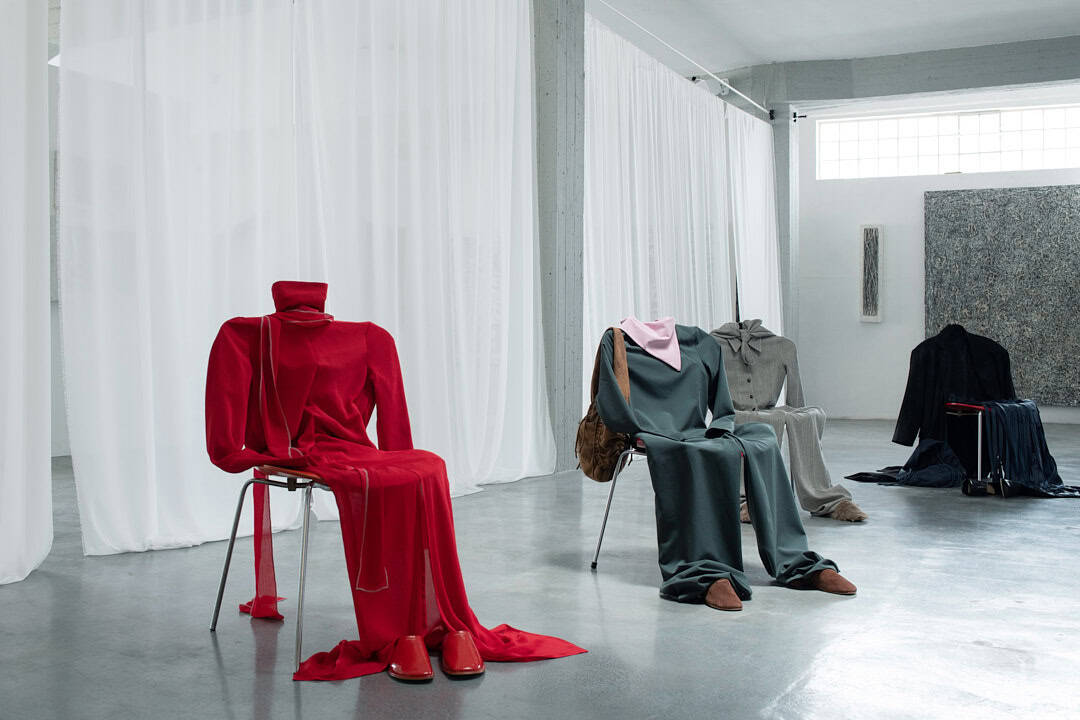
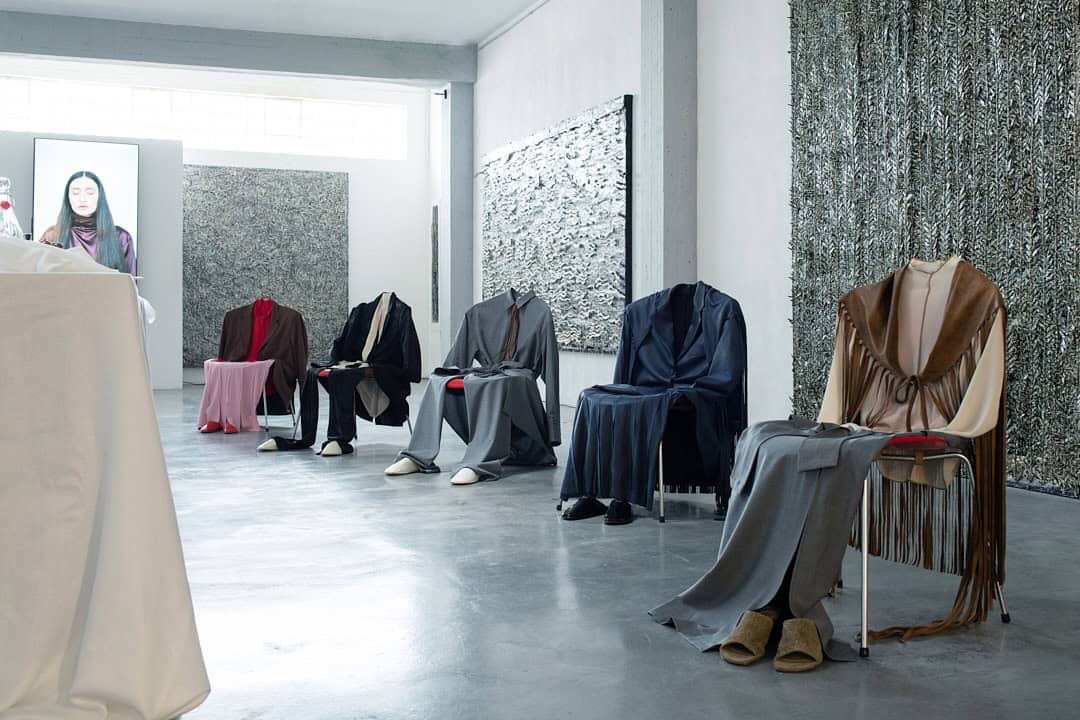
These references are translated into a contemporary vocabulary of layering and deconstruction, where protective and symbolic gestures are embedded within the structure of the clothes. The presentation of the collection was conceived as an immersive experience. At the center of the space stood a long table, fully set yet already consumed, evoking the aftermath of a family lunch. Around it, ten female figures, identified through small nameplates describing their habits and personalities, suggested the presence of family members: Aunt Maria, Grandma Nunzia, Aunt Carmela.

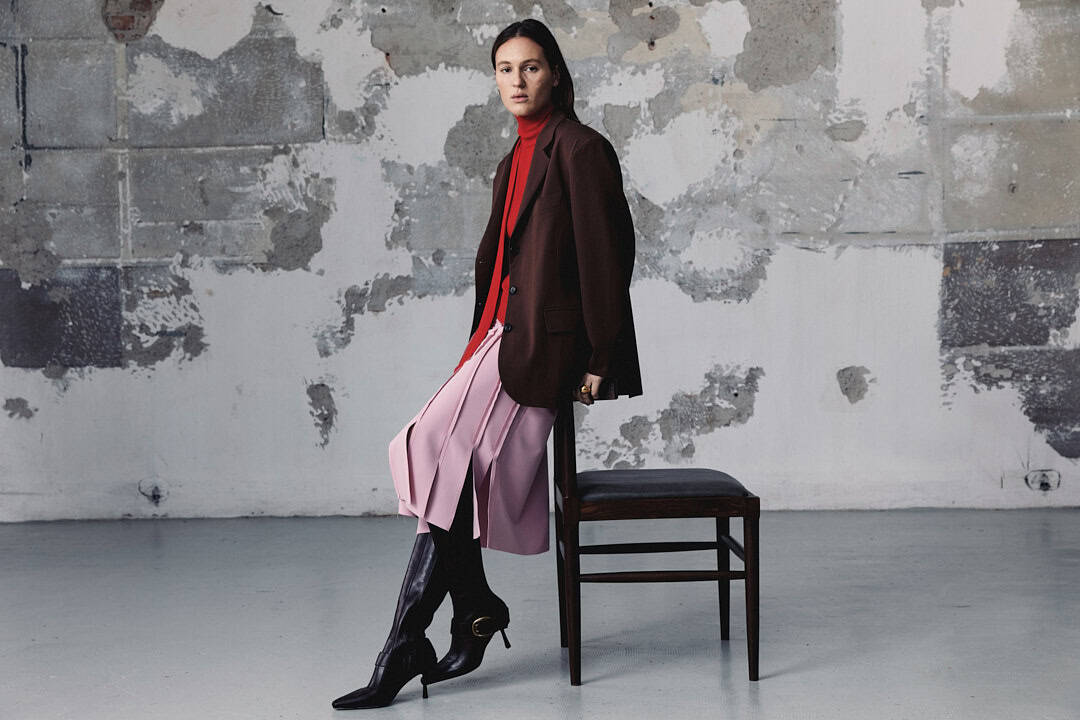
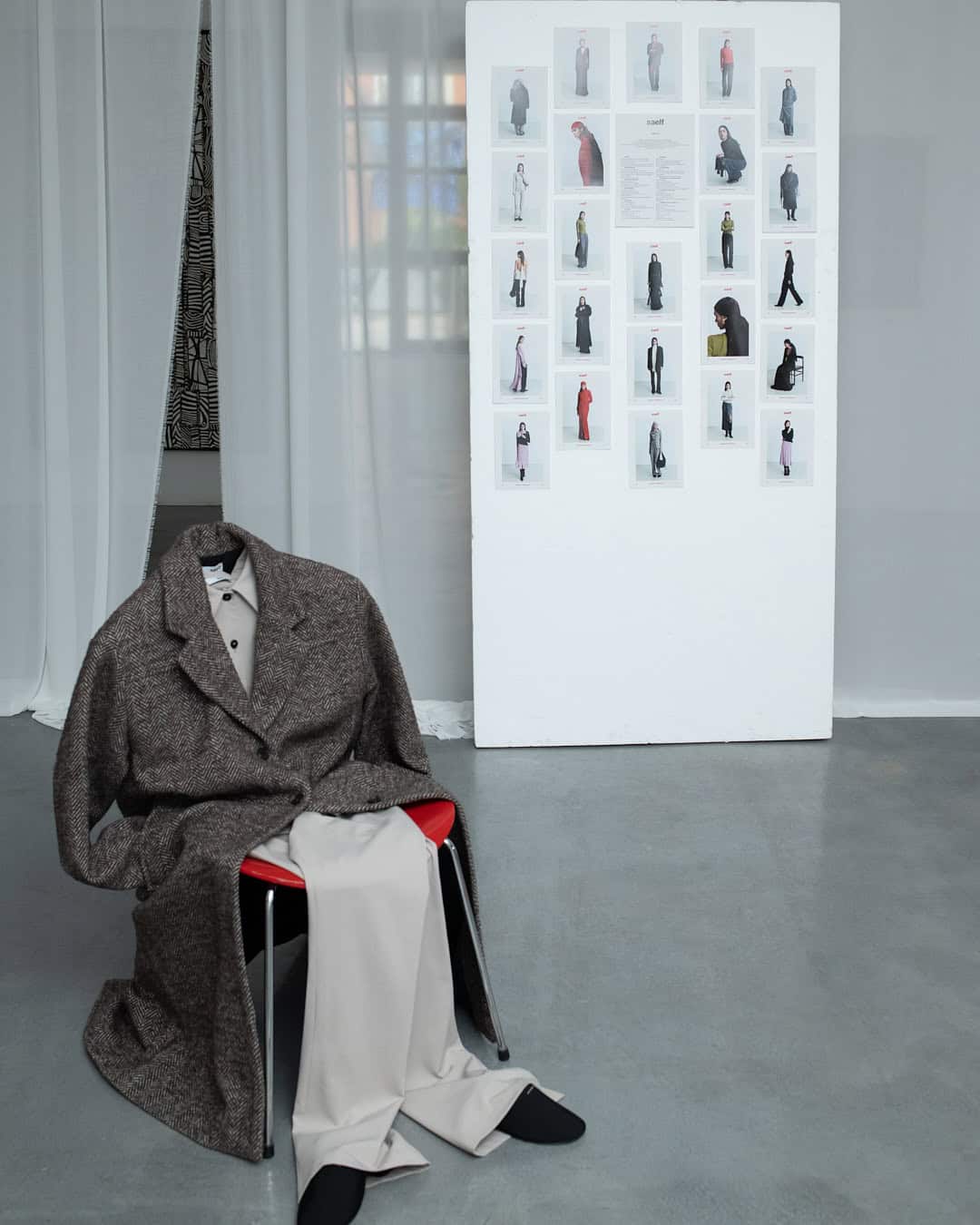
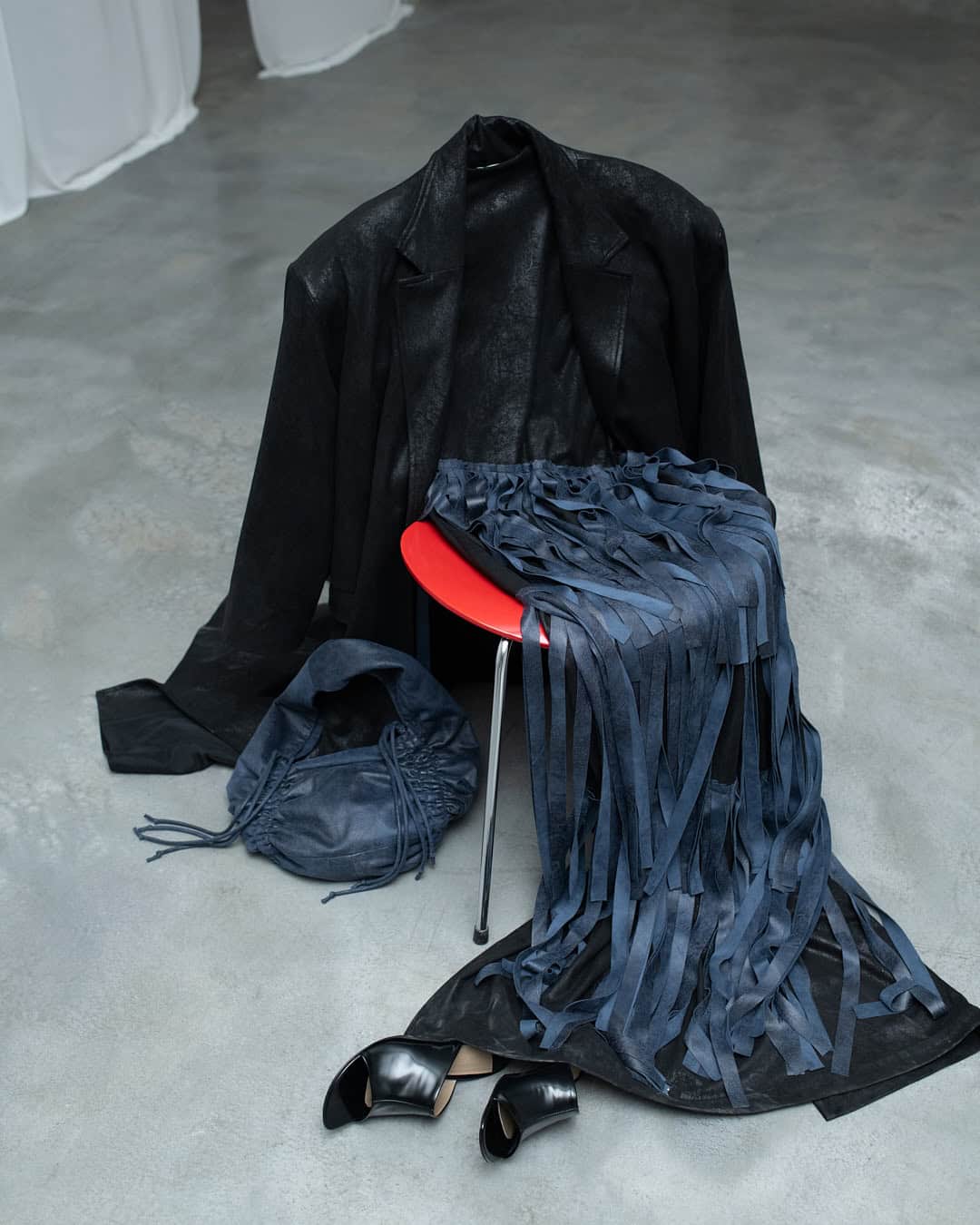
The chairs surrounding the table held the garments of the collection, arranged as if the women had just stepped away, leaving their clothes behind as quiet traces of their presence. The installation, developed in collaboration with Le Mat Studio, unfolded through a layered arrangement of objects: family photographs, Sicilian playing cards, plates, trays and bowls drawn from the studio’s archive. Among them appeared a dish containing water and oil, referencing a traditional ritual used to protect against the evil eye. The mise en place, constructed through a dialogue between archival objects and personal memories, reinforced the convivial and symbolic dimension at the core of the project. While this domestic setting activates an autobiographical dimension, it inevitably recalls the Tableaux-pièges of Daniel Spoerri. Beginning in the 1960s, Spoerri fixed tables after meals, dirty plates, glasses, leftover food transforming the convivial moment into a temporal trap.
In Nessuna forma basta, the table similarly becomes a narrative device, yet with a different intention: rather than preserving the residue of a meal, it reconstructs a constellation of family presences. The table functions less as a trap than as a device of evocation, where garments, objects and gestures reactivate an absent scene. Completing the installation is the performance Medusa by artist Giuditta Vettese, who explores the Sicilian folk practice of affascinu, associated with protection from the evil eye. Through video and an intense focus on facial expression, Vettese embodies the Gorgon across multiple historical representations, seductress, threatening figure, and ambiguous presence, transforming the myth into a reflection on the power and ambivalence of the female gaze.