
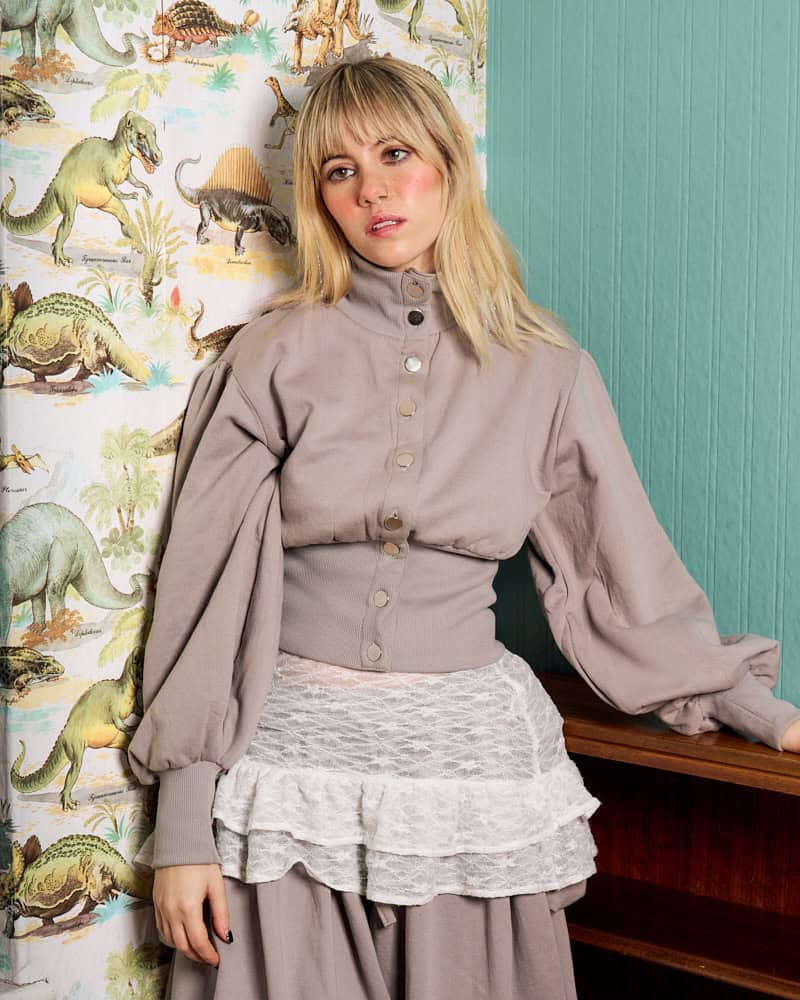
“I try not to compare myself to anyone,” Izadora Hodges says. “I’m in my own bubble, doing my own thing. I don’t really have a set expectation of where I want it to be. I just want to keep creating and see where it goes.”
This confession by the 22 year old designer does not feel at all rehearsed. If anything, she sounds slightly unsure as she says it, like she’s still mulling with the idea in real time. It makes sense when you look at ARODAZI. The brand does not feel overly positioned or tightly polished. It feels more instinctive than that. More refreshing.

We are meant to be speaking over Microsoft Teams on a quiet Friday afternoon, but like most things involving technology, that does not go to plan. The audio cuts in and out for a few seconds before dropping completely. Izadora Hodges, founder of cult brand ARODAZI, laughs and mouths it always happens, then sends over her number.
Hodges is easy to talk to. There is no awkwardness, no sense that she is trying to say the right thing or package the brand in a certain way. She is clearly a people person, which probably explains why ARODAZI feels so authentically rooted in community.
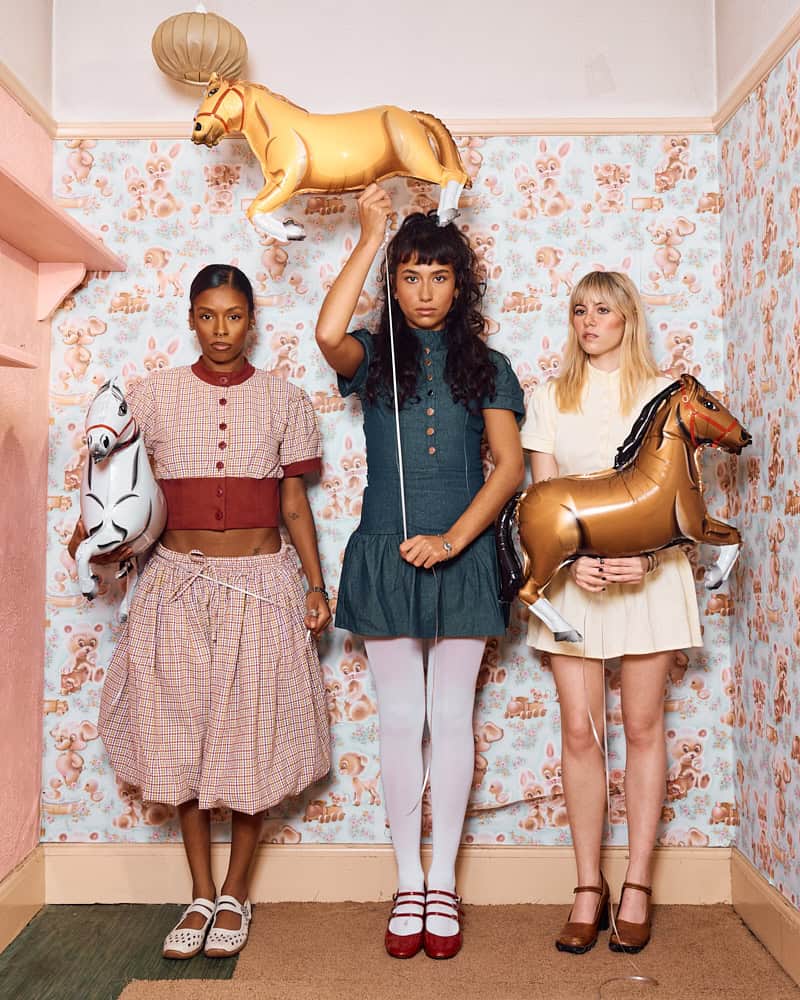
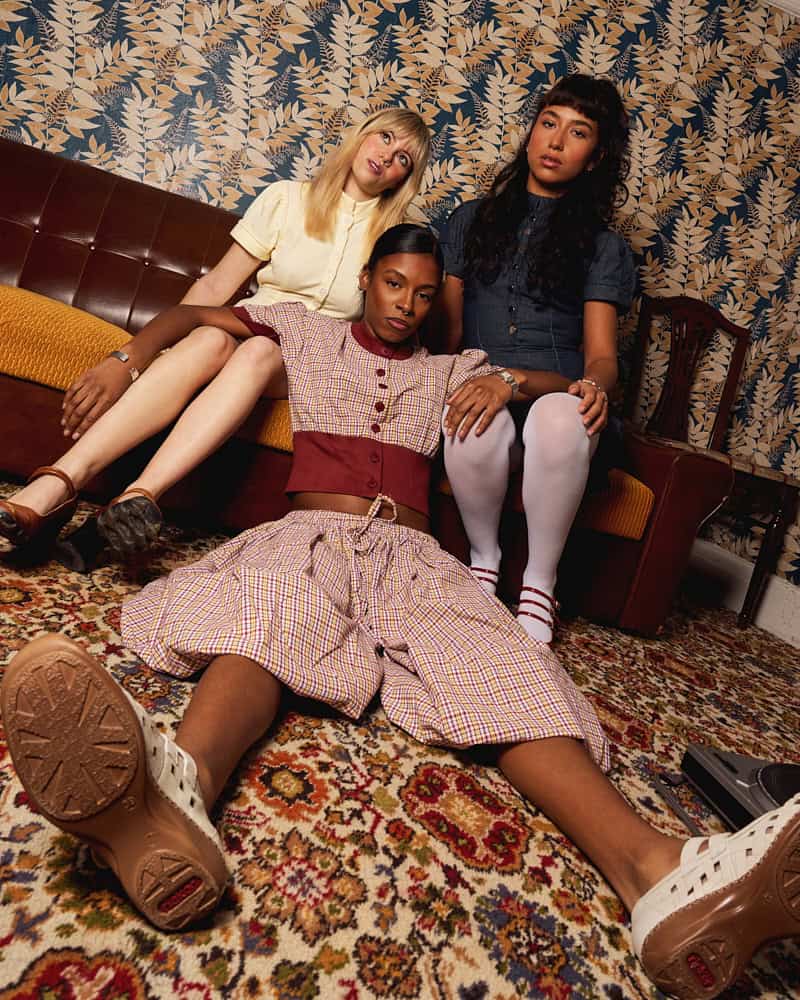
Her Spring 2026 collection is built around that. Each piece is named after someone in her life: friends, people she has grown up with, people she works with.
“With the Churra skirt, my friend Keturah just loves skirts,” she says. “She grew up in a traveller family, and her mum always wore these amazing, flamboyant outfits. I wanted to take a piece of that into the design.”
Hodges talks about her latest collection like she is talking about people, not products. Every piece has a personality and a characteristic, shaped by the community she holds so close to her.
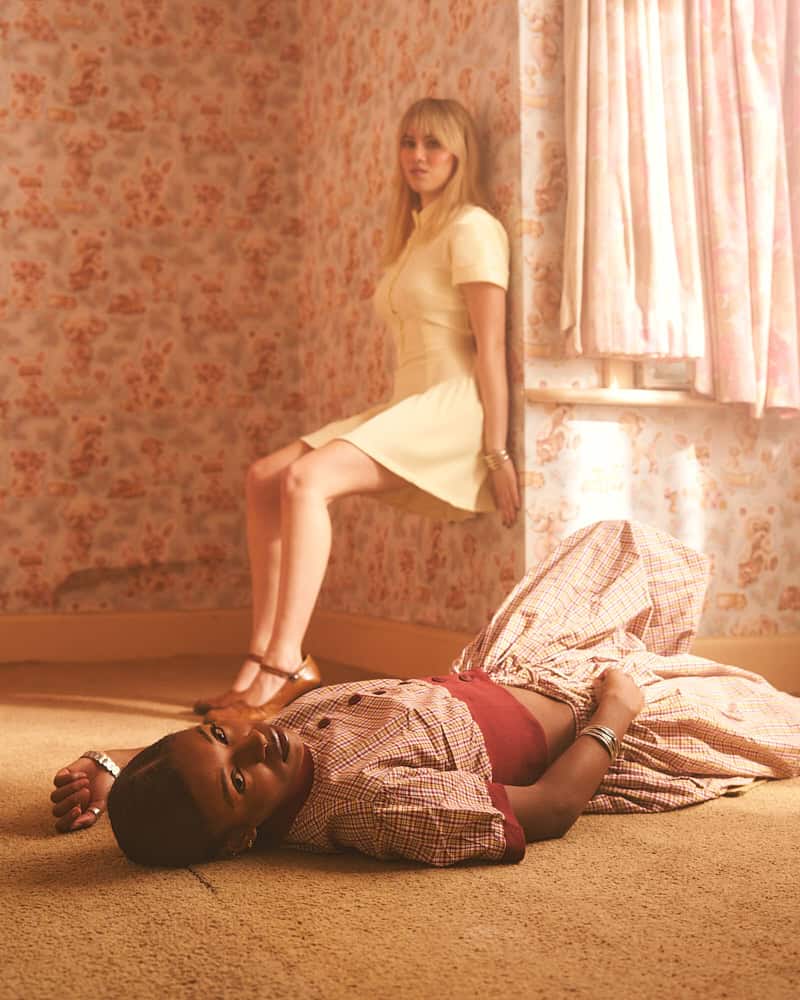
The Jasi jacket comes from her friend Jasmine, who dresses almost entirely for comfort. “She just wants to be comfy the whole time,” she says. “So I wanted it to feel oversized, slouchy, easy.”
The Moffie coat is named after Claire Moffat, a fire performer. “It’s something you throw on before and after you perform, when you’re hiding,” she says. “Then you take it off and you are this whole other character.”
When she gets to the Linca blouse, named after Caitlin, she laughs slightly. “It is like business at the front, party at the back. That is exactly what she’s like.”
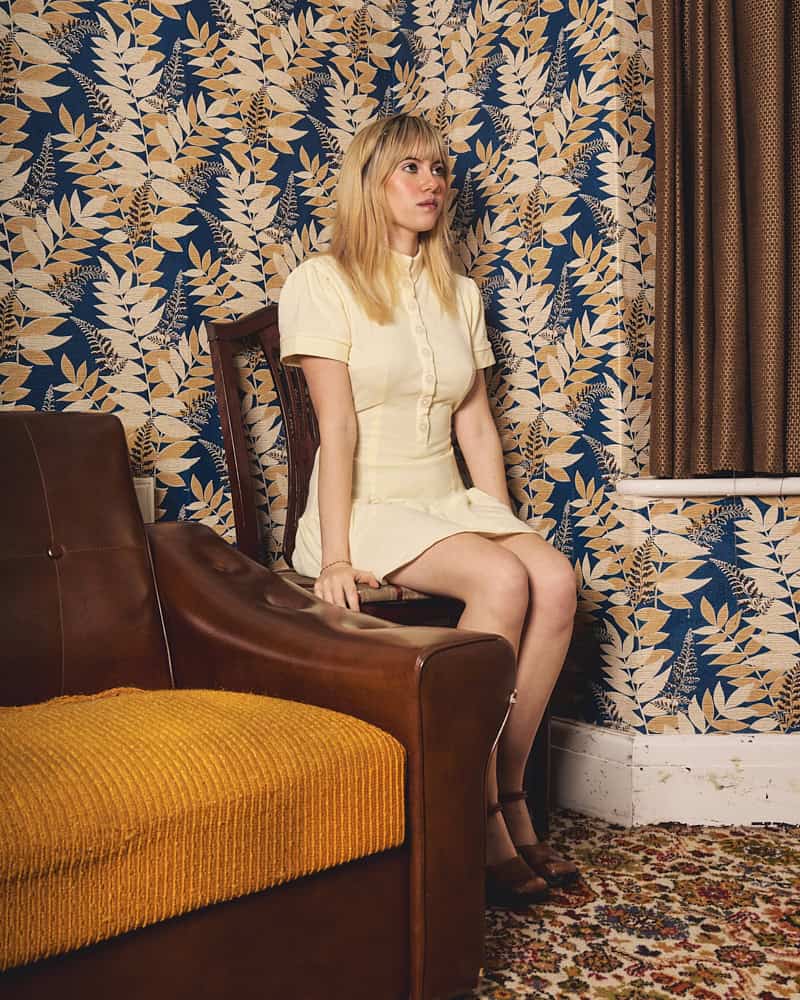
As we talk, I get the sense that Hodges sees design differently to other labels within the London fashion landscape. She is not remotely interested in wider trends, and instead focuses on how to make ARODAZI a brand that she can be proud of.
“I stay in my own lane,” she explains. “I don’t really look at what the industry is doing. I just want to keep the ethics and morals that the brand stands by. I want everyone to feel like they can be involved in ARODAZI.”
Accessibility comes up a few times across our conversation, showing up in the smaller design decisions – the way pieces sit on the body, the fact that some are more fitted and others are looser, the fact that nothing feels locked into one way of being worn. You get the sense that Hodges is thinking about different people as she designs, even if she does not say it directly. You can see it straight away on her website and Instagram. The same pieces move between plus size and straight size models, which still is not as common as it should be. She also reposts her customers a lot, showcasing the many different ways her garments can be styled. Community is the heart of the brand.
Part of this community involves India. The designer spent many summers there as a child – her uncle is a Bollywood actor and her mother is involved in the events space. It is here that she first fell in love with the country.
“The way women express femininity through colour and print really stayed with me,” she gushes. “It’s something I have always admired.”
During a gap year, Hodge visited the country again, this time alone. Running out of money and with a return flight booked, the then teenager drew up some design sketches.
“I had £300 left in my account. I met someone with a factory, and made around 20 skirts,” the designer explains. “I brought them back in two suitcases and sold them online. They sold out straight away. That is when I realised I had something.”
Hodges still produces everything there now, working with small, family-run manufacturers she has known for years. When she talks about them, it sounds less like a business decision and more like a continuation of relationships that have been nurtured with care.
“I have developed really close relationships with them. We even go out to dinner together,” she says. “I want to support smaller businesses rather than big corporations.”
This ethos may explain why her clothing has become so popular so quickly. In summer 2025 she was featured in British Vogue and it is not unusual to see her cult Oshi trousers sold out on her website and spotted in ‘cool girl’ spots like Hackney.
“The other day I was in East London and saw three different people wearing ARODAZI,” she recalls. “That was really cool. I had to take a step back and think, people are actually wearing my clothes.”
Taking a step back is something she admits she is still learning, but it has helped her understand that she can slow down.
“I have so many ideas in my mind.” She admits candidly to me. “But the identity of the brand is a slow and ever changing journey.”
For now, the designer is focused on what comes next, continuing to build around the people who shaped it in the first place.
“I want people to be able to feel as much themselves as they can be. There’s an element of pride in bringing people together like that.”


