
We may once have gotten our news through broadsheet newspapers, carefully curated by teams of people. But today, we watch decade-defining events unfold in real time, live through camera lenses all over the world. This shift has helped define our generation through digital self-documentation on Instagram, YouTube, and other forms of social media, placing us in an era where everyone has access to broadcasting themselves. In a time of increasing censorship and controlled narratives, this ability makes it more important than ever to document our own experiences.
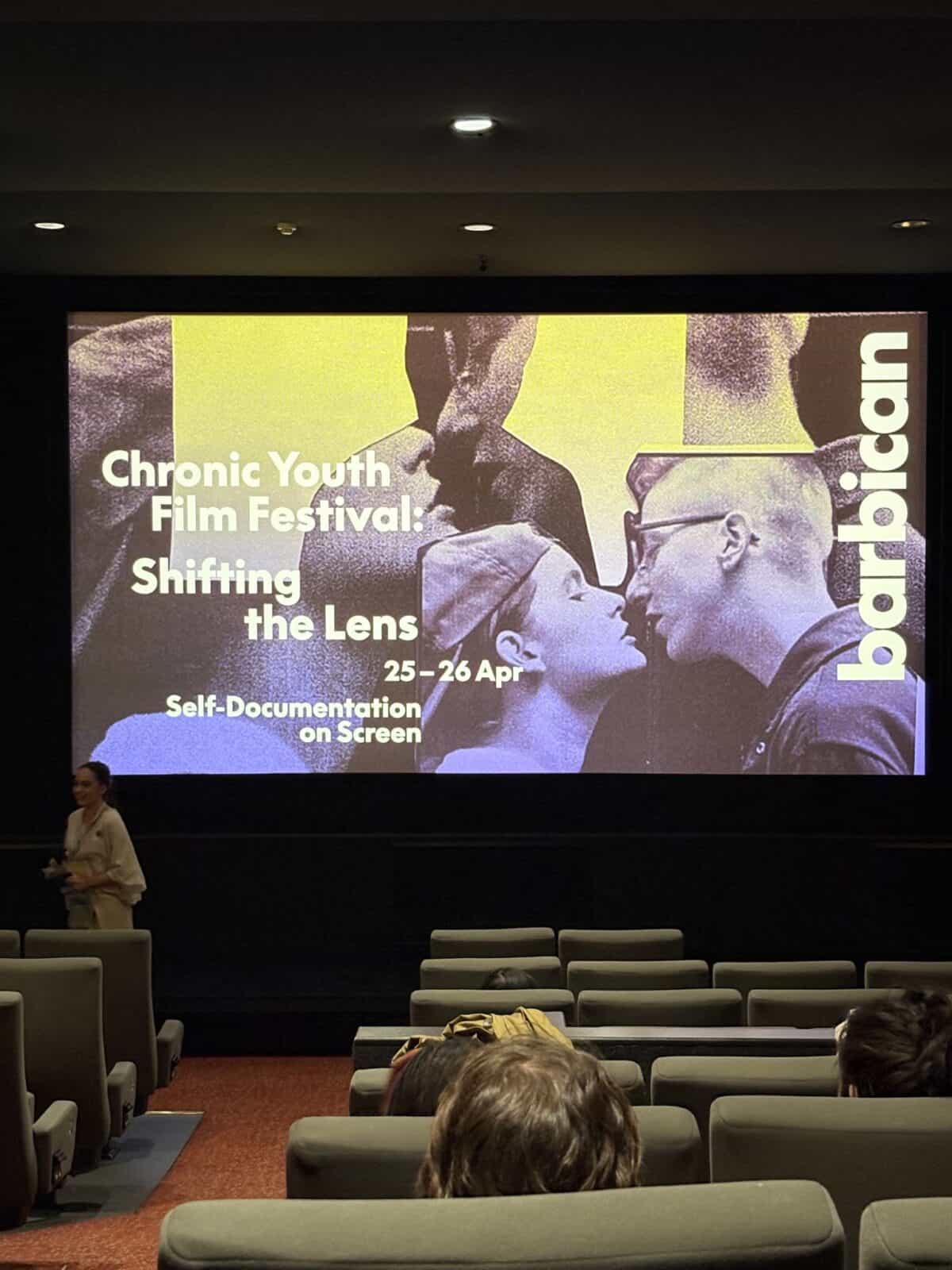
The shifting power of self-documentation is what this year’s Barbican Chronic Youth Festival sought to investigate. Held over a warm spring weekend, the event felt as refreshing as the weather itself, driven by the energy of the 20 young creatives behind the festival. Together, they curated a selection of short and full-length films, united by a shared commitment to authentic storytelling.
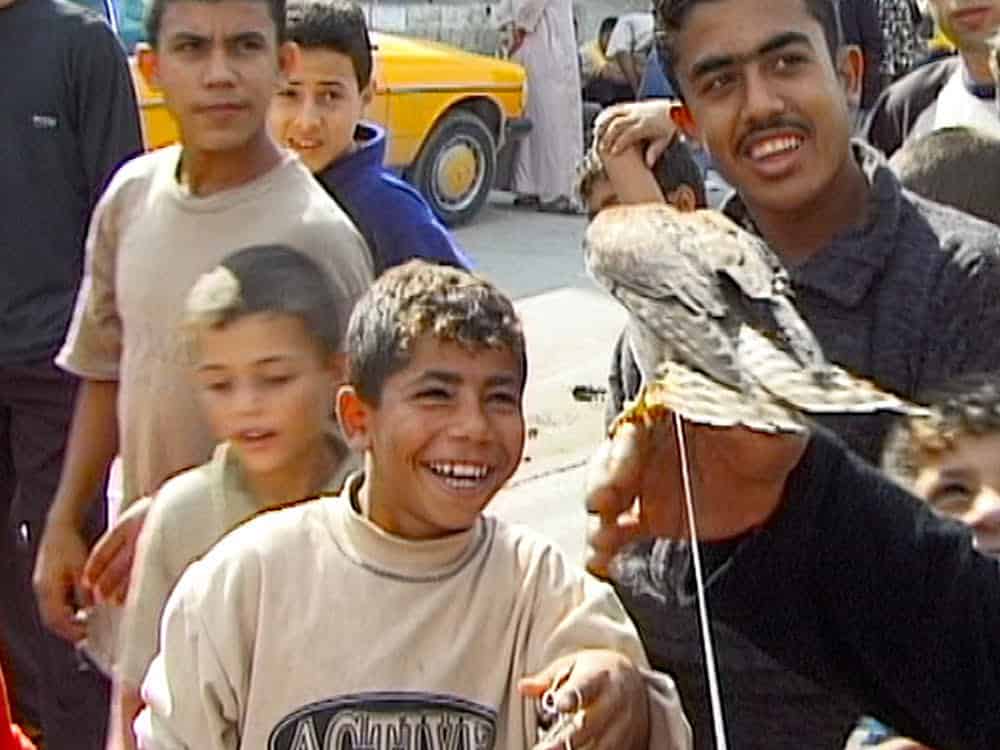
The festival opened with With Hasan in Gaza (2001), directed by Palestinian filmmaker and visual artist Kamal Aljafari. Nominated for a Golden Leopard at the Locarno Film Festival, the film is composed entirely of found footage recorded onto three MiniDV tapes that hadn’t seen the light of day since 2001. It wasn’t until their rediscovery by Aljafari, in August 2024, that the footage was seen again. Aljafari was insistent on keeping it exactly as he found it – raw and uncut, acting as a mouthpiece for the people involved, informed solely by the context of the events that came both before and after it was shot. It feels fitting, for a weekend dedicated to amplifying untold narratives, that such a rarely heard one would open the festival.
The film begins mid-scene, as Aljafari searches for a friend he met in juvenile prison in the late 1980s, during the First Intifada in Palestine. He is accompanied by local tour guide Hasan Elboubou as they travel from north to south, passing through cities such as Jabalia, Gaza City, Rafah, and Khan Younis – places once filled with vitality, now marked by the massacres of recent years. As the duo wind their way through Palestine’s roads, the footage offers a glimpse into its heart and soul: brimming cafés, luscious beaches, and children and families glowing with a kind of youthful joy.
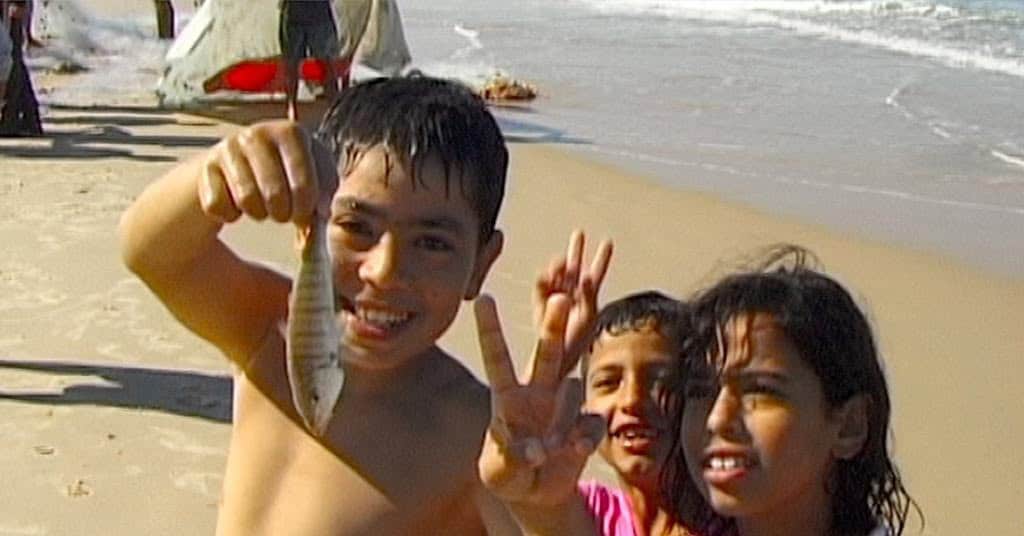
At one point, Hasan questions Aljafari about his intentions for the footage, fearing possible persecution should Israeli officials discover it. Aljafari replies that “nobody will see it for a long time”. Though said ironically at the time, nobody did see the footage – not until it was rediscovered 24 years later. Aljafari describes the film as something he “never made”; it was the atrocities that followed which ultimately shaped its meaning.
Writing in the Barbican’s festival zine, programmer Milica reiterates this perspective, suggesting that “the footage hangs in retrospect, with ordinary scenes reframed by what has since been lost” – echoing, as cited in the zine, Stuart Hall’s 1977 theory of representation, in which he argued that “media does not reflect reality but constructs it.”
Following the festival’s opening section was the Shorts Programme, a line-up of films curated by eight of the young film programmers, linked by the theme of Liminal Traces. Each film was selected to amplify underrepresented voices and narratives through documentary as a genre, as well as through the practice of archiving one’s own history.
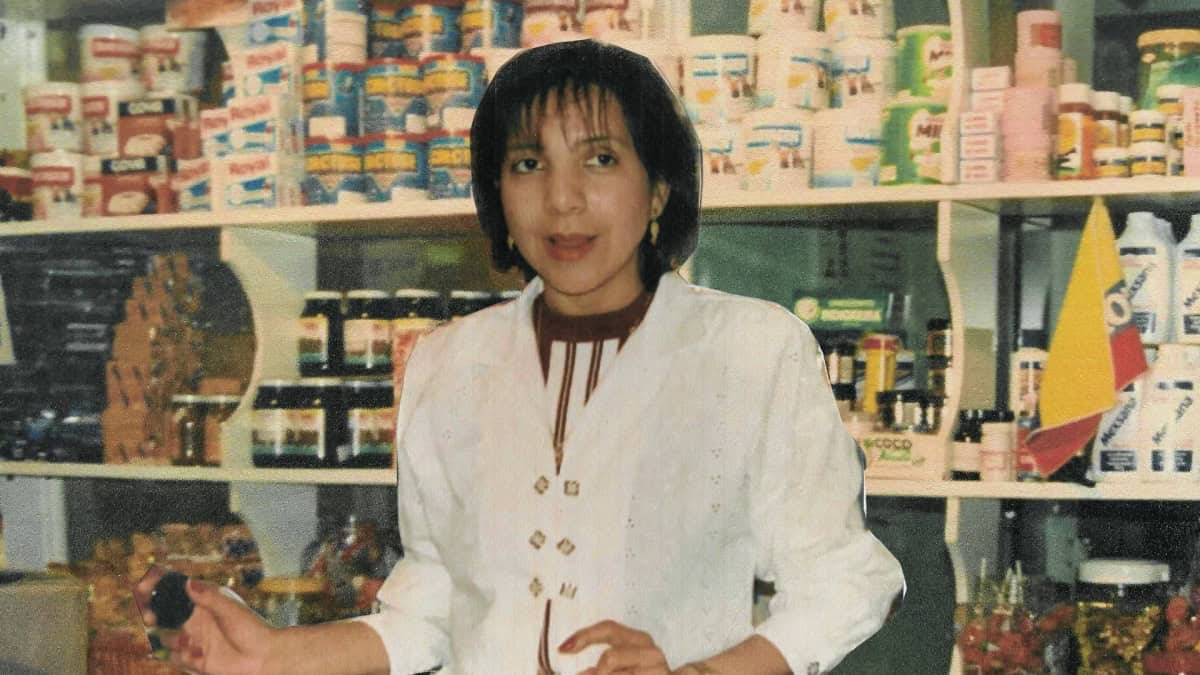
Some films, such as Elephant Families (2025), explored this theme through gentrification, investigating the demolition of the iconic shopping centre in Elephant and Castle – once a space home to Latin American immigrant families, now the building site of expensive high-rises. As the audience bears witness to the shopkeepers’ anecdotes and memories, a new narrative, infused hope and community, emerges.
Similarly, films like Two Black Boys in Paradise (2025) – a short based on the poem of the same name by Dean Atta – explore these themes through the lens of a queer Black love story. The film, which follows two men grappling with their love for one another alongside their own journeys towards self-acceptance, considers how creating our own “safe spaces” and “paradises” can help us resist prejudice, with our communities illuminating what truly matters. It is through exploring these themes, programmer Liz Tollemache argues, that we can “directly resist the controlling forces that limit our exposure to the truth.”
The festival continued on Sunday with Fifth Cinema (2018) by Nguyen Trinh Thi, a visual essay-style film that utilises found footage, film stills, and static imagery. Within it, Nguyen explores Māori filmmaker Barry Barclay’s lecture on “fourth cinema”, which sought to reject the structural framework of first, second, and third cinema – all of which depict Indigenous populations through a colonial, Western lens.
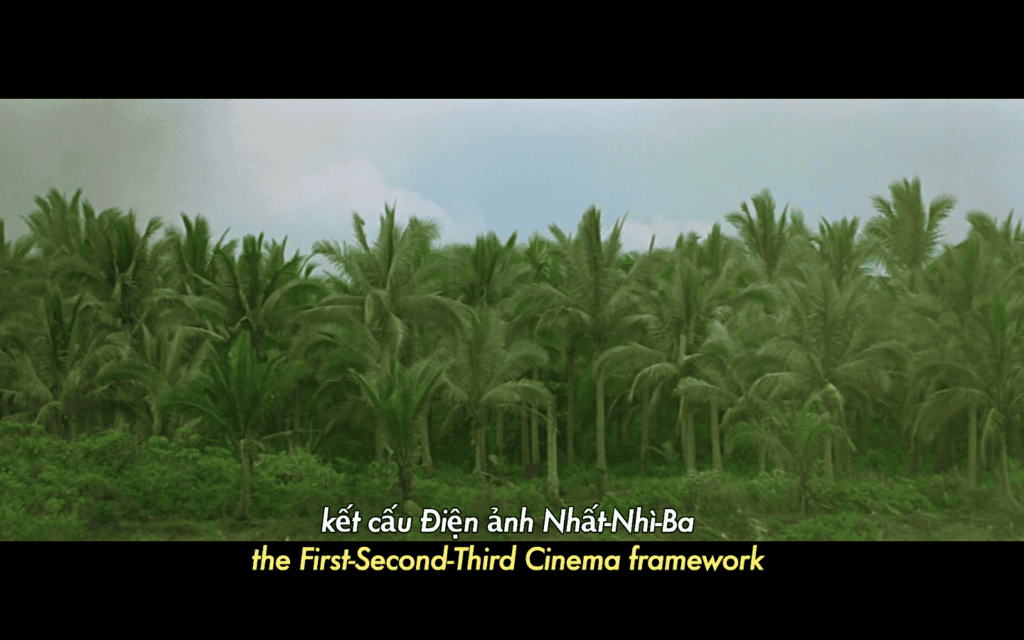
Nguyen uses different forms of media – including YouTube clips, home videos of her daughter, and news footage – to guide audiences through the limitations of an industry that cannot truly work with the people it portrays. She juxtaposes footage of her daughter with images of Vietnamese women seen through the eyes of colonial “ship officers”, a comparison that encourages the viewer to consider how our perceptions of culture have been shaped by oppressors.
On her website, Nguyen Trinh Thi acknowledges that she herself is subconsciously influenced by these depictions of Indigenous groups, admitting that she believes “we’re unfortunately governed universally by structures of power, dominance, and patriarchy.”
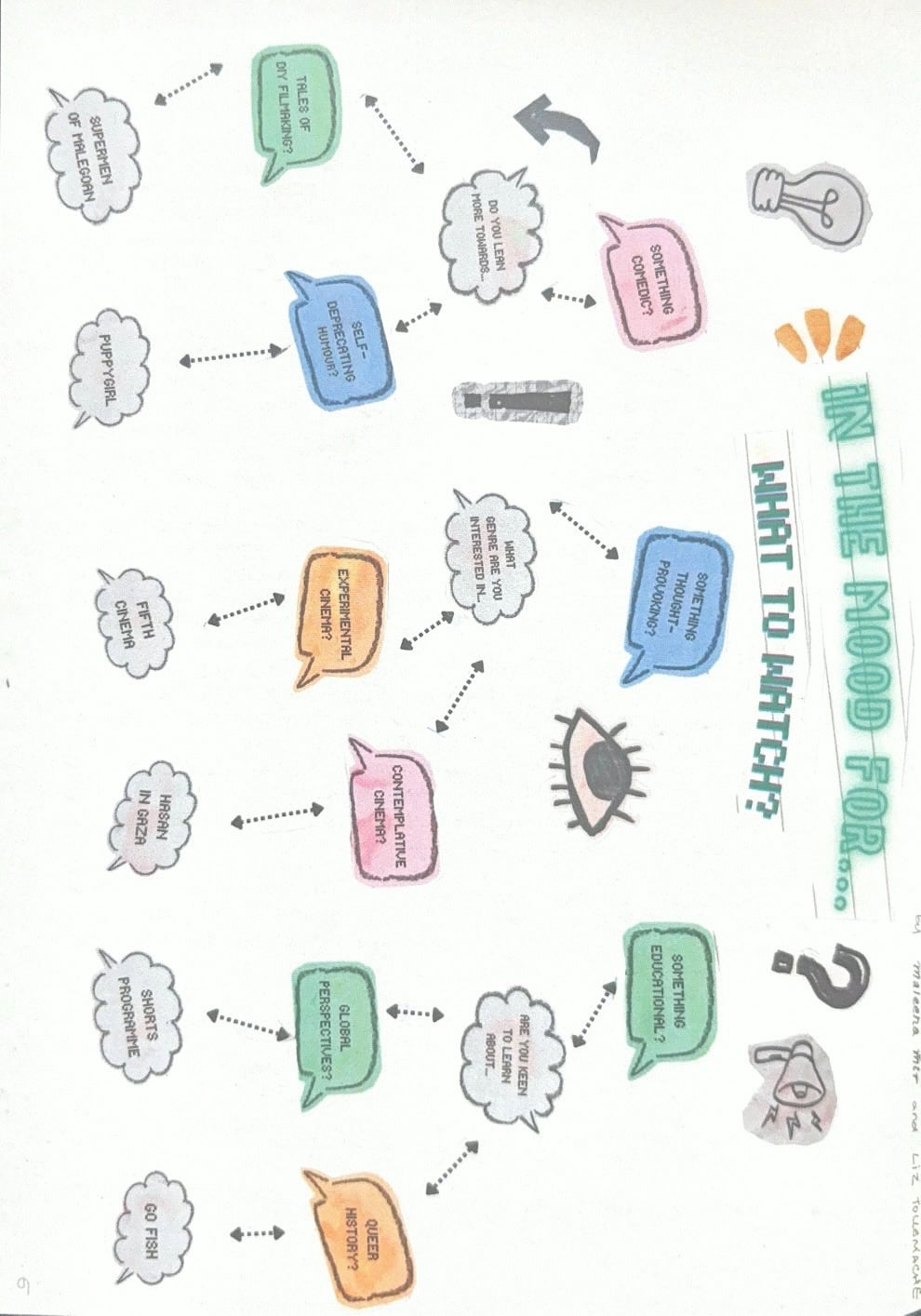
As the festival drew to a close late on Sunday evening, an energised atmosphere flowed among audience members and programmers alike. Through its programme of films, workshops, and talks centred on self-documentation and the reclamation of narratives, the festival challenged audiences to consider who is telling these stories – and how that, in turn, shapes the stories themselves.
As Tollemache poignantly wrote in the Shorts section of the festival’s zine, these films “reiterate the need to reject our reliance on the dominant Western gaze to inform us of someone’s lived experiences, and engage more global perspectives.” It is through sustained engagement with this kind of cinema that we begin to actively learn new perspectives and unlearn our own prejudices.


