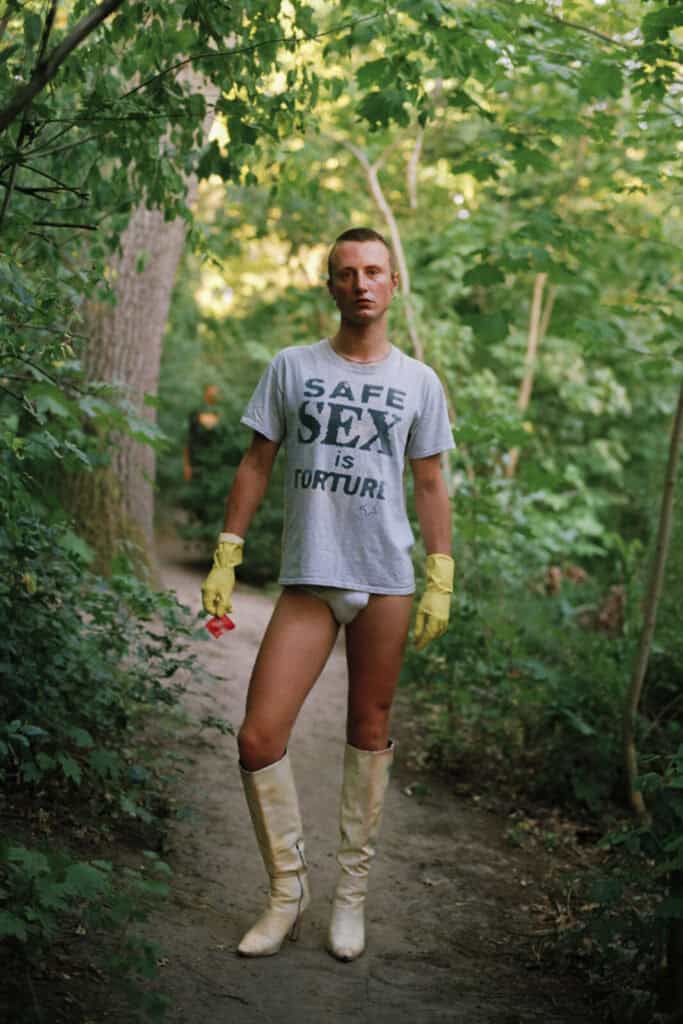
Cruising is a crash course in compassion, says Jack Scollard, co-founder of queer nightlife and publishing powerhouse SMUT Press. “On apps, you can filter who you’re looking for,” they explain. “But when you’re cruising, you might hook up with somebody who falls outside of what you thought you desired.” Cruising, they say, opens possibilities; it teaches us to treat strangers with a new sort of kindness.
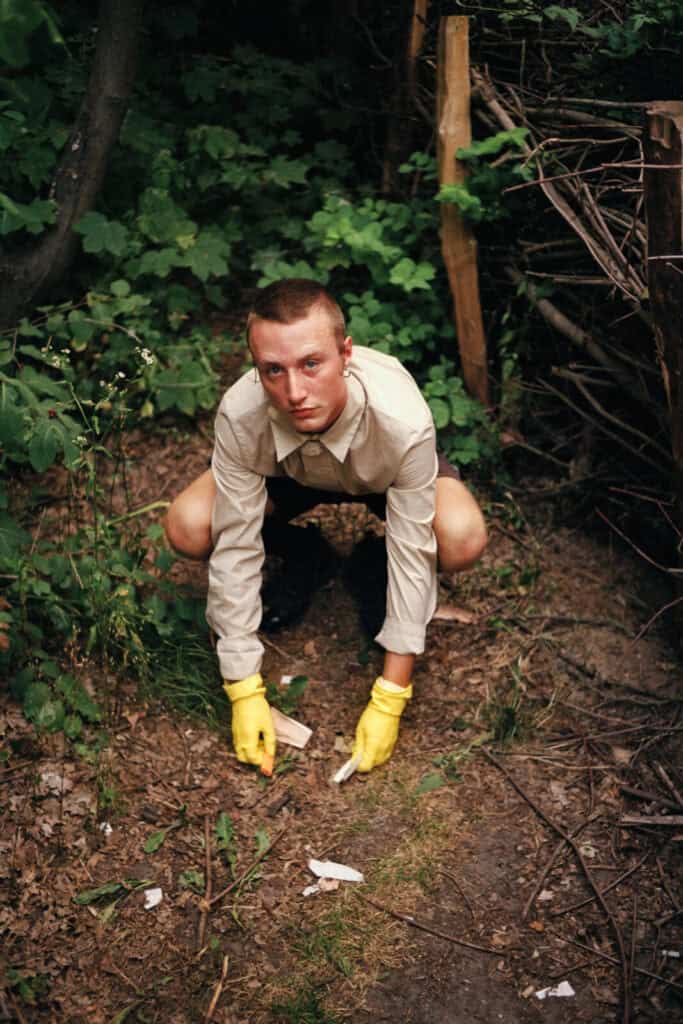
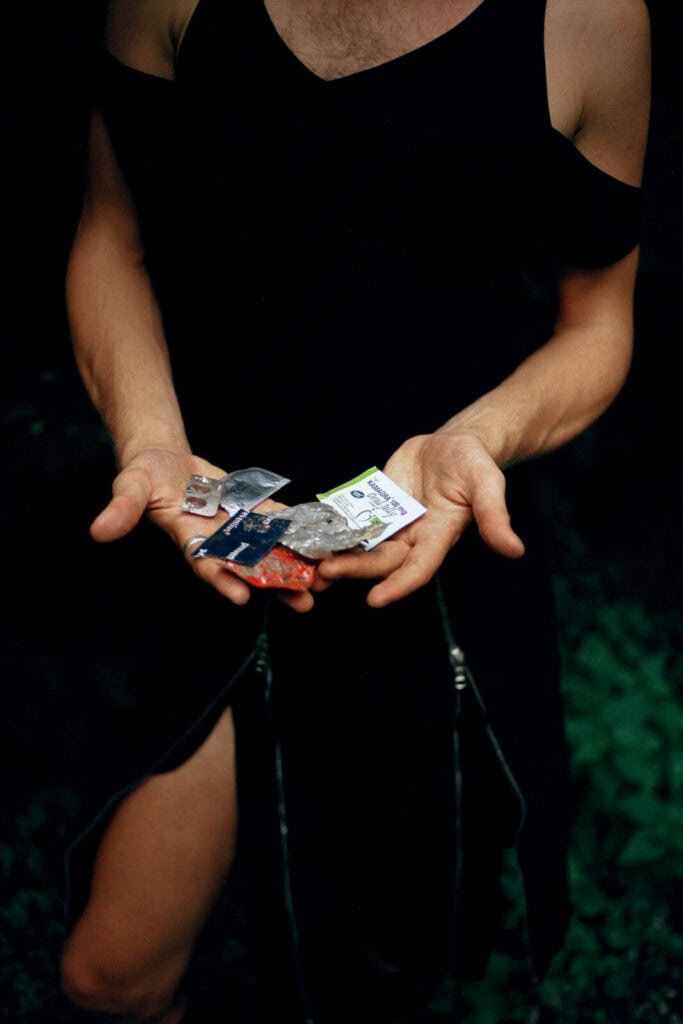
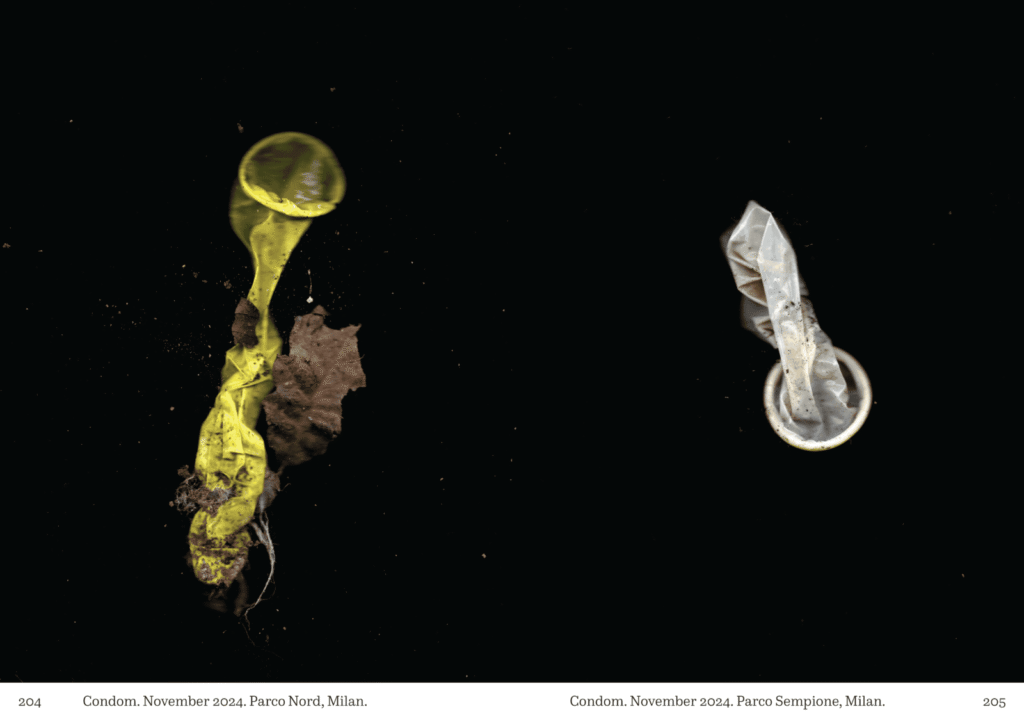
Jack is also the architect of the archival art project Cruising Archaeology, which preserves sexual detritus recovered from cruising grounds around Europe. Objects ranging from used condoms to poppers to PrEP packets, sex toys to jockstraps are dutifully collected (a job they prefer without gloves), catalogued then scanned and uploaded to an Instagram reliquary of erotic artefacts. Started humorously in 2023, the project has, in the course of the interceding three years, ballooned into lectures at UCL and Birkbeck, a gallery exhibition (ongoing at London’s Studio Voltaire) and a book series.
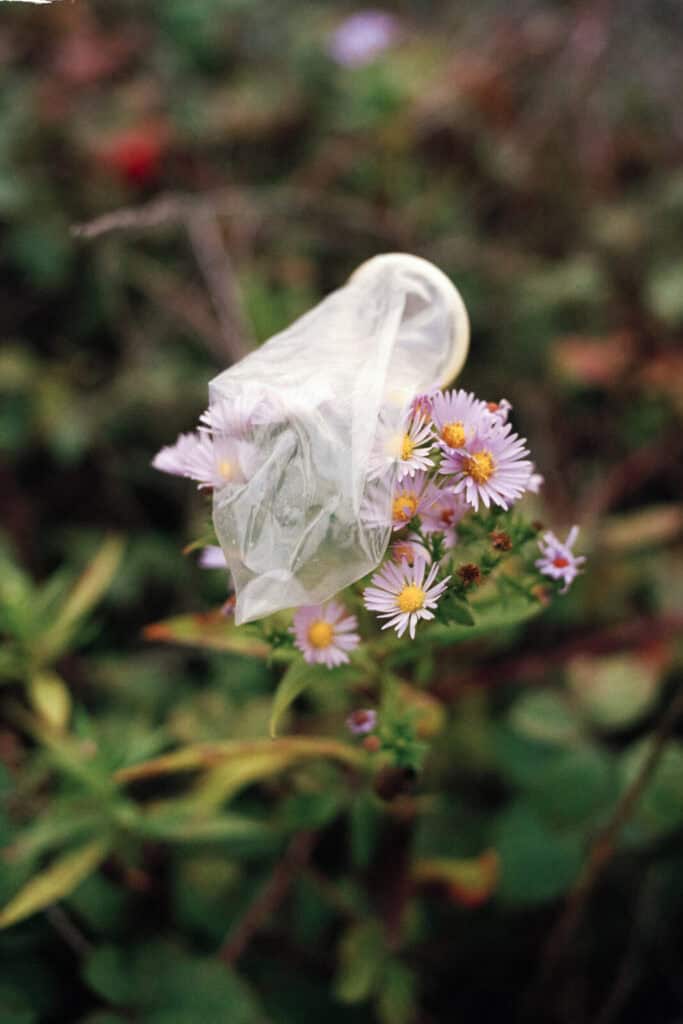
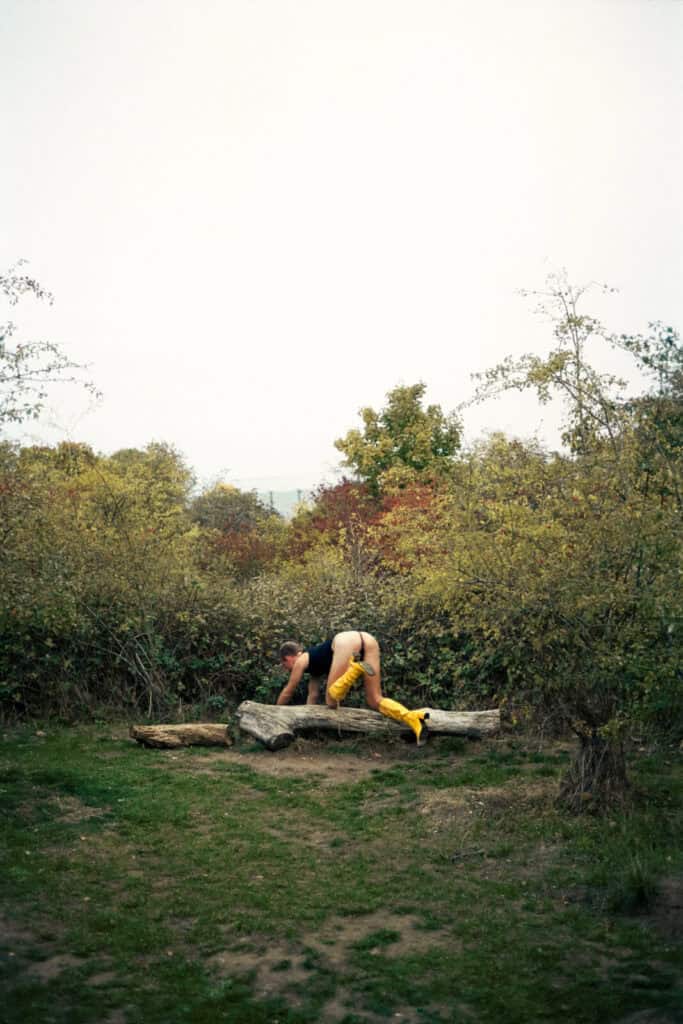
The most recent of these books, Cruising Archaeology: Eurotrash, compiles over 150 objects from Jack’s archive, collected from cities around Europe. It also engages eruditely with cruising history and politics, featuring gonzo essays and interviews on consent and ethical cruising, on its overlooked lesbian contexts and the practice’s hazy roots. “Faggots fuck as empires crumble,” writes João Florêncio, a professor of gender studies at Linköping University, Sweden, in his contribution, “faggots fuck in the ruins of empires.”
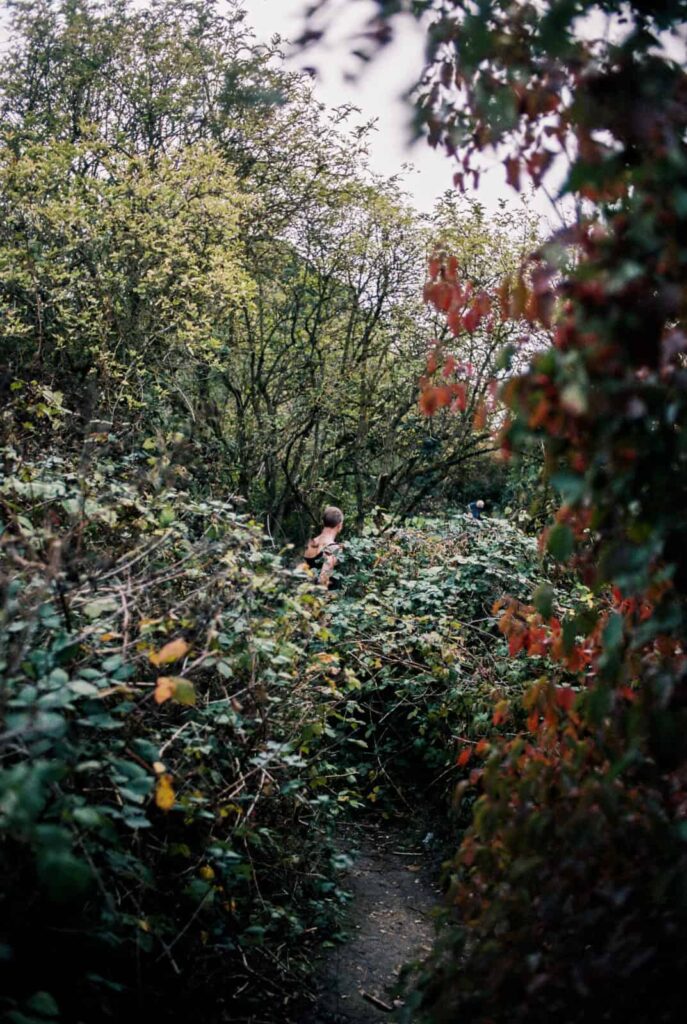
Cruising is a practice of contested origins and etymologies. It is generally agreed to date to at least the 18th century, when gay Georgians roamed parks, coffee houses and ‘molly houses’ (taverns for gay clientele, a kind of proto-gay bar) to find companionship outside the state’s repressive, homo-hostile eye. Yet it is also with the eye that cruising – a term that, contrary to misconception, refers not to the act of outdoor sex itself, but the exchanging of glances that precedes it, “the seeking a partner, the wandering around,” says Jack – happens. It is a visual practice that straddles a paradoxical space between what is seen and what is not, private act and public space.
When I meet Jack outside SMUT Press’ studio in Hackney, our encounter also starts with an exchange of glances. They arrive by bike on a sun-heavy day to the small rectangle of dirt and concrete fronting the graffitied building. That small, contained patch looks almost like a cruising space itself, the dusty ground blanketed by a duff of cigarette butts, emptied drinks can and the single pit of a plum. We’d never met before, and Jack had changed their haircut from the photos I’d googled beforehand, so recognition wasn’t instant. “Are you Jude?”, they ask; I confirm with a “you must be Jack” and the adjoining pleasantries.
Inside the studio – which, in two weeks’ time, will be demolished to make way for a housing development – it looks like a deranged lab. Recent finds are stacked in piles of sandwich bags; the tables are powdered with plaster dust and discarded moulds, offal from the aforementioned exhibition, in which Jack made casts of various objects and displayed them on mounds of soil from the cruising sites.
“Some were easy to cast,” they confide; the crackpipe, for example, wasn’t too bad. But others were more onerous: the Jesmonite resin they used couldn’t take the decumbent shapes and intricate details of 2D objects like condom wrappers or credit cards, so those had to be scrapped. A five-inch, black-rubber dildo took them weeks to reproduce as its wide, circular base only set glacially, in uneven spurts.
Jack often imagines the stories behind the objects they collect and occasionally cast. What happened to the wayward cruiser who left behind their IRA-TEX underwear on Limanakia, Athens’ gayest beach? Or the person who abandoned a single black Adidas sock? Certain objects can also speak to darker truths about contemporary gay life. Since the project started, Jack has noticed an increasing quantity of drug paraphernalia while out scavenging, which is why including an extensive conversation with Marc Svensson – founder of London LGBTQ+ support group You Are Loved – in the book was important.
“I received a lot of online pushback for including those,” Jack says, “people interpreting those images as glamorising drug use and chemsex.” But unprejudiced and objective representation is important, they say; “I document pleasure that people have in those spaces.”
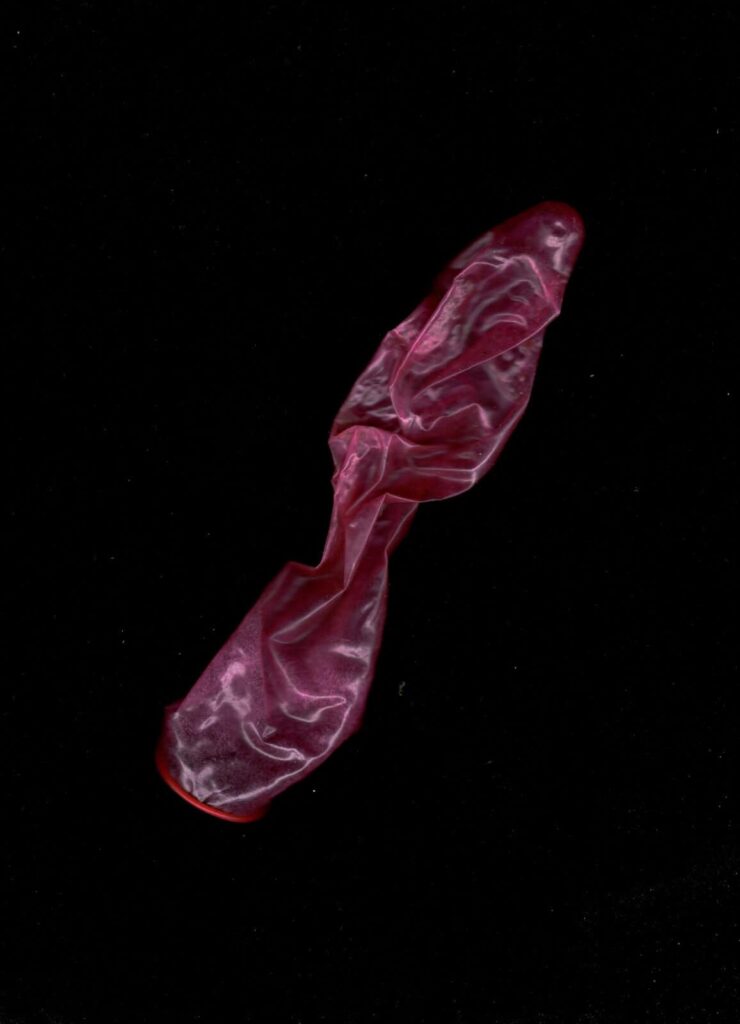
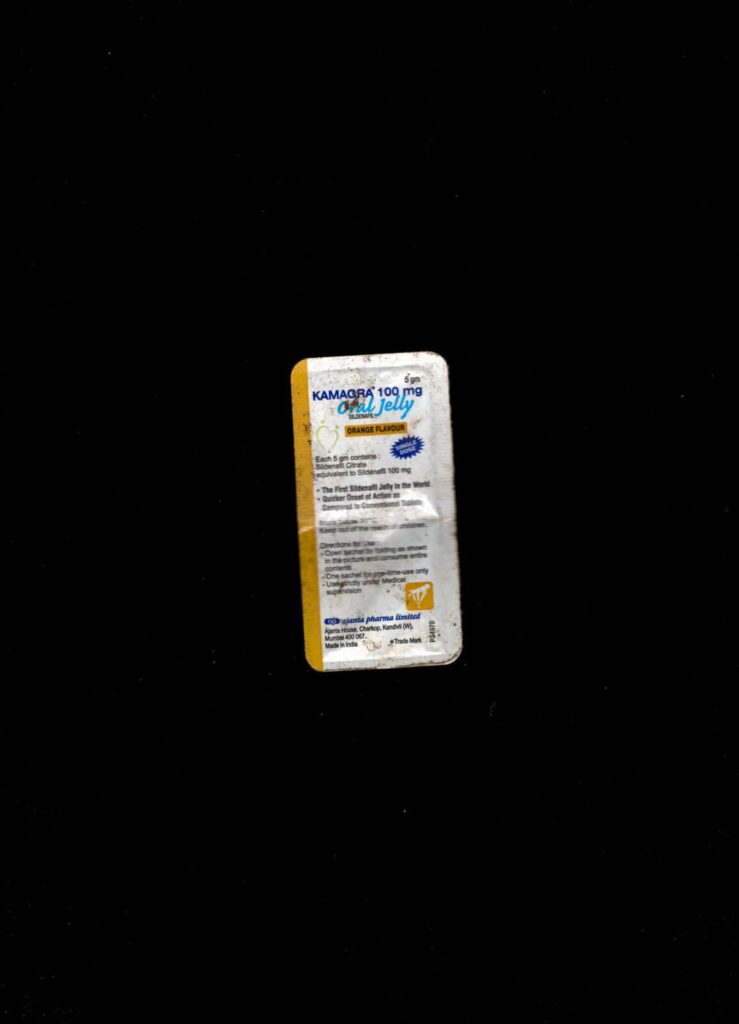
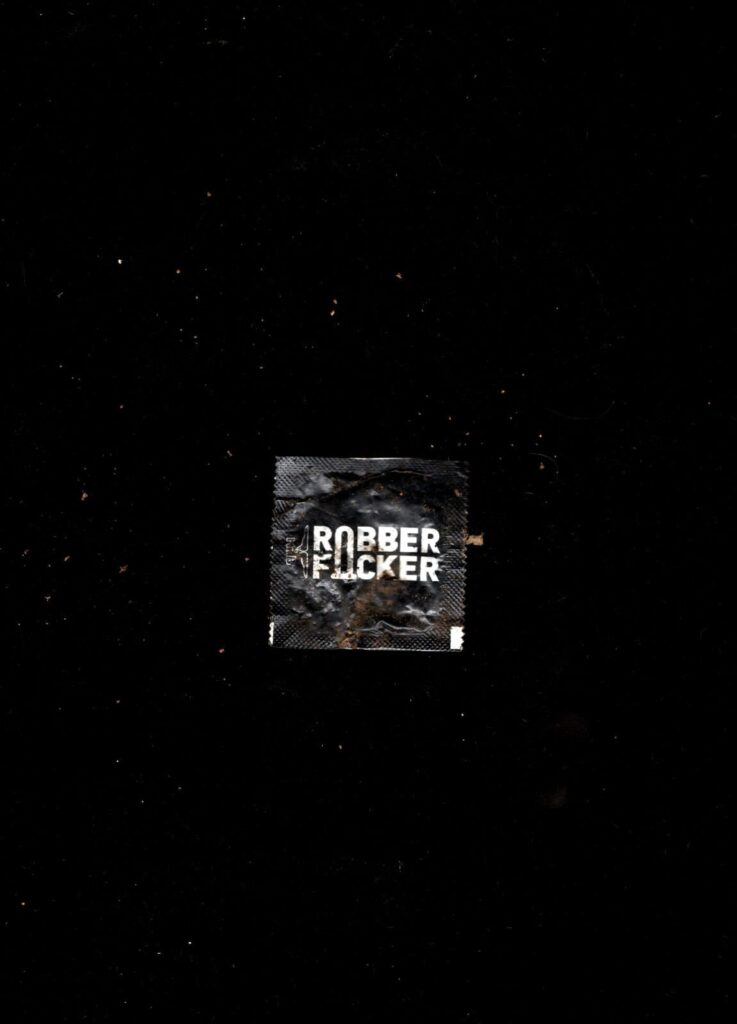
Of course, the documentation of pleasure is nothing new. The earliest known work of erotic literature, a cuneiform terracotta tablet inscribed with thirsty paeans to King Shu-Sin, predates the Iron Age, the extinction of the woolly mammoth and the invention of hieroglyphics. Gay writers, meanwhile, have recorded cruising since before the word was in common parlance. Oscar Wilde waxed poetic from prison about “feasting with panthers” in his De Profundis letters. Simeon Solomon, a 19th-century pre-Raphaelite who often painted same-sex lovers, was arrested for cottaging with a 60-year-old stableman in 1873.
But the advantage of Cruising Archaeology’s praxis is its anonymity, the almost haunted quality of objects abandoned by sylvan pleasure seekers, disappeared into the night without their faces ever glanced. This allows it to trump other mediums such as photography, which disturbs the necessary discretion in representing such a subcultural ritual. The book mentions an incident in New York Penn Station last October, when police arrested over 200 men in the building’s restroom, at least 20 of whom were subsequently handed over to ICE. It was one of the largest anti-cruising crackdowns in decades. “The same photograph you put in a gallery,” they warn, “might be the same one that appears in a courtroom.”
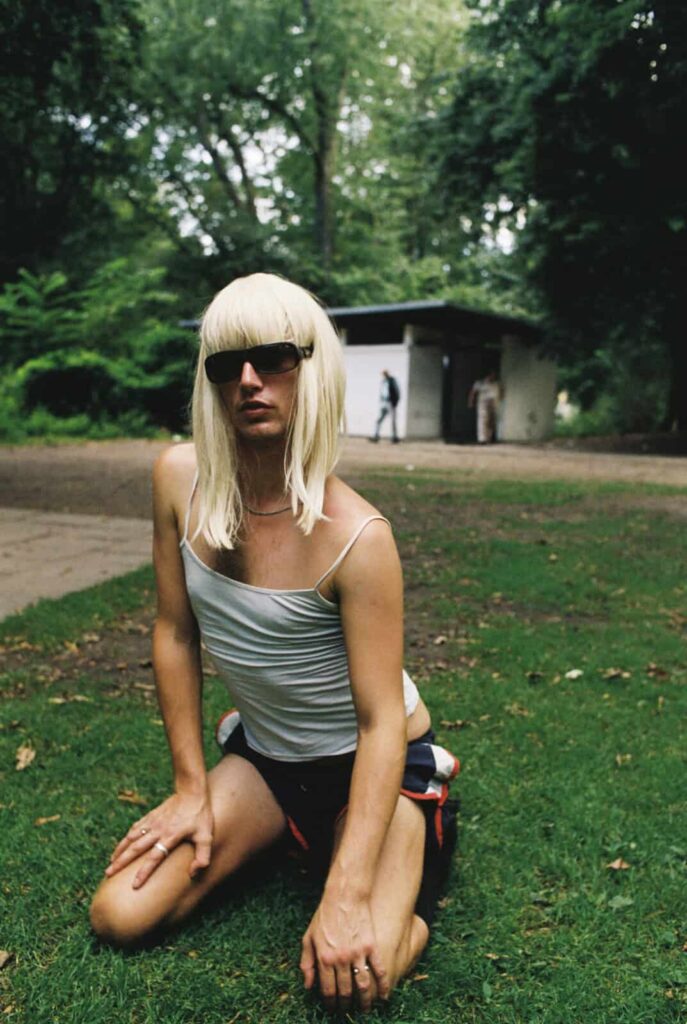
England had a different but similar incident last year, Jack adds. At Hampstead Heath, the historic London cruising ground complete with its own much gawked-about Fuck Tree, placards appeared in February 2025 telling would-be cruisers to “get a room”. In response, hundreds of queer people marched through the park in defiant, bacchanalian protest. Afterwards, somebody found somebody’s dentures in the park’s leaf litter and bestowed it to Jack.
Although Jack made a cast of the dentures, it didn’t make it to the Studio Voltaire exhibition. “It’s an interesting process to consider,” they say, “a cast of a dental implant cast.” There’s an intrigue to that whole process, almost akin to fossilisation. Making permanent transient and discarded trash (Jack says their job isn’t much different to that of a litter picker), turning sexual ephemera into tiny, Duchampian statuettes. Though, they clarify, they normally source all objects themselves, no submissions allowed; they worry people might send in frauds. “It’s important that the archive is authentic,” they say, “I really want to make sure that the objects are 100 per cent legit.”