

If you have recently walked the streets of Los Angeles or New York, you may have noticed cryptic, almost obsessive messages plastered across billboards and signed simply: Nikki. The campaign belongs to Obsession, the feature debut from 26-year-old filmmaker Curry Barker, an indie horror film that has become one of the year’s most talked-about horror releases. Made on a modest $750,000 budget, the film premiered at last year’s Toronto International Film Festival and became a festival favourite. Now, Obsession is receiving a worldwide theatrical release.
The plot follows Bear, who one day wishes for his crush Nikki to love him back. She does just that, and becomes dangerously obsessed with him; it seems to be a classic “be careful what you wish for” story. But Barker transforms the simple concept into a sharp exploration of desire and control. While there is an initial sadness in Bear’s longing to be loved, Obsession ultimately subverts the obsessive-romance narrative by revealing Nikki as the true victim of his wish. With only a few days since its release, the film has generated heated online discussion on men’s entitlement towards women’s bodies and attention.
Created by a team of emerging talent – including cinematographer Taylor Clemons, whom Barker describes as “one of the greats” – Obsession provides a glimpse into the newest generation of independent horror cinema. Barker first built an audience through acting, online content creation and comedy sketches, though longtime fans will know he is no stranger to horror. His previous short film Milk & Serial (2024) became a viral success despite its micro-budget origins. Now, with the backing of Blumhouse Productions, Barker’s unconventional background works to his advantage. He is already developing his next project, Anything But Ghosts, a supernatural horror film that reunites much of the same creative team behind Obsession.
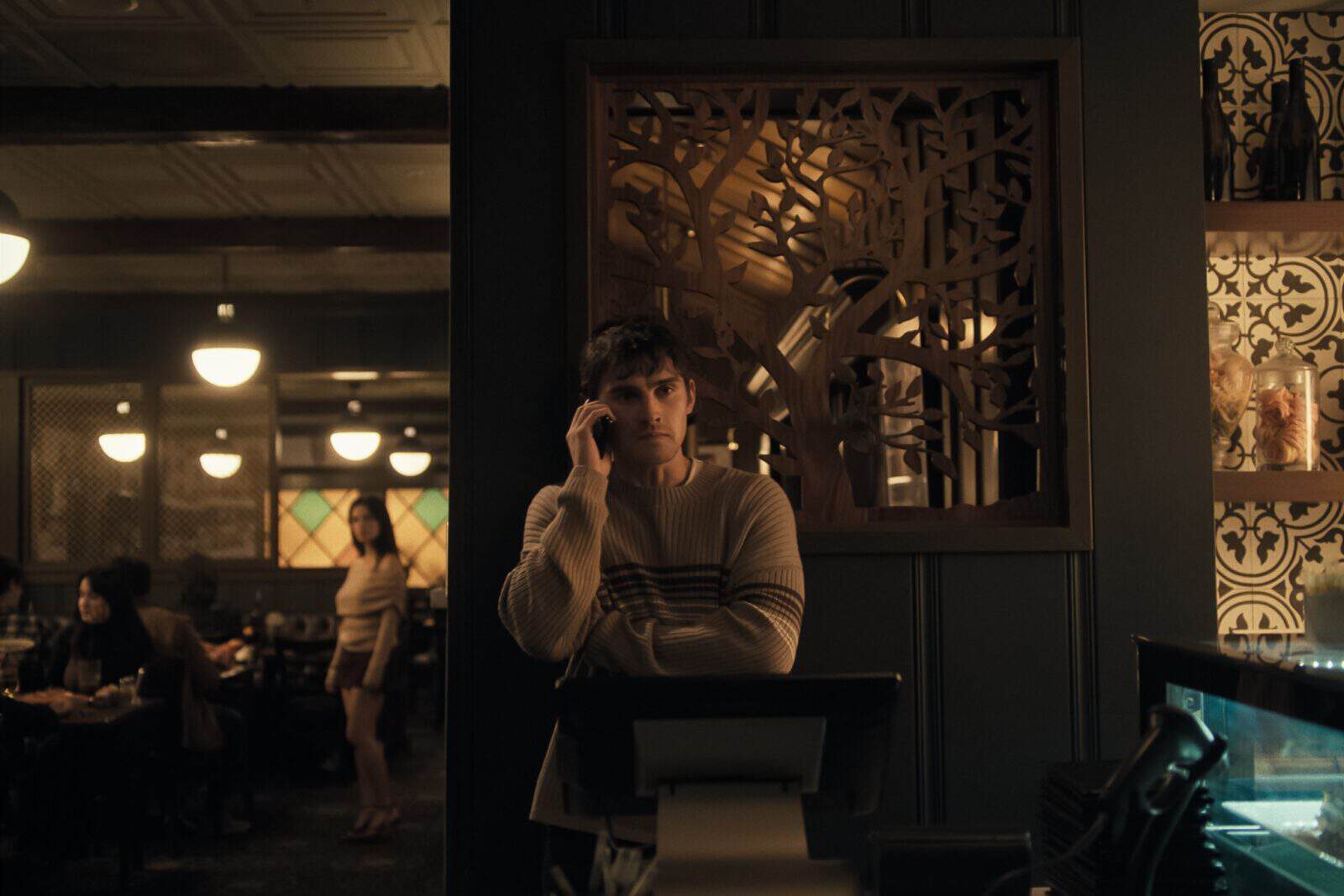
The Cold Magazine (CM): You come from an unusual background of acting and content creation – how do you think your background impacted the film?
Curry Barker (CB): I am an actor; I am starring in my next movie! I’m really passionate about it, but I think I’m just allergic to disingenuous dialogue. Any time something feels unnatural, or like characters are just taking turns speaking, I can’t help but keep fixing it until it feels real. I think that’s just in my DNA.
CM: How did you begin writing Obsession?
CB: It wasn’t my first time writing a feature, but I was still trying to figure out structure and my process as a writer. It definitely felt like a big step up — it was kind of daunting. It had been two years since Milk & Serial (2024), so I was kind of rusty when I got this opportunity.
I had to reanimate those filmmaker bones, put my director hat back on. On set, I quickly realised it was pretty much what I was doing for years, just with a slightly bigger budget. A lot of those nerves went away.
CM: One of the things that stood out to me the most was the balance between horror, comedy and jump scares. At one point, I almost jumped out of my seat whilst someone else in the theatre laughed. Was that an intentional component of the film?
CB: It’s funny to ask if it is intentional because it is, but it’s also not. I would be lying if I said that every time someone laughed I was like, “oh yeah I planned for that.” Everybody reacts differently, which I think is really fascinating. I think what people are reacting to is my writing style, which is very different.
The way I write my dialogue and let scenes unfold is kind of different from what we are used to. I think people laugh because they don’t expect a character to react in a certain way. It’s not like I was designing laughter, I was designing honesty. Sometimes what I think is a character’s honest reaction can be funny.
CM: What would be your message to a viewer going into the film, and then leaving?
CB: If it was up to me, I would say go in with no expectations. I have the most fun when I have no idea what I am about to watch. Do not watch the clips, don’t watch the trailer too many times – go in knowing as little as possible and let the movie take you on the journey.
Then afterwards, I would ask you to think about what you would do in that situation. What is the right answer when you are dealing with something that only has a few ways out? You can either stay or you can… I won’t spoil, but there’s only so much Bear could even do. It’s kind of like that “would you rather” game, where both outcomes are awful, but you still have to choose one. Honestly, I would love to spark conversation.
CM: You have such great chemistry with everyone on the team. What was the filming and editing process like?
CB: They really just let me do my thing. There was no pressure for this movie because we didn’t know what was going to happen. It wasn’t until TIFF that we found out we were going to have a worldwide theatrical release, so when I was editing this movie from my room, it was kind of on my time. I am a pretty fast editor anyway, and I usually become obsessed with it and can’t stop. They let me do my thing and I kind of just presented them with the tone, style and what I would want it to be. They were pretty accepting of that.
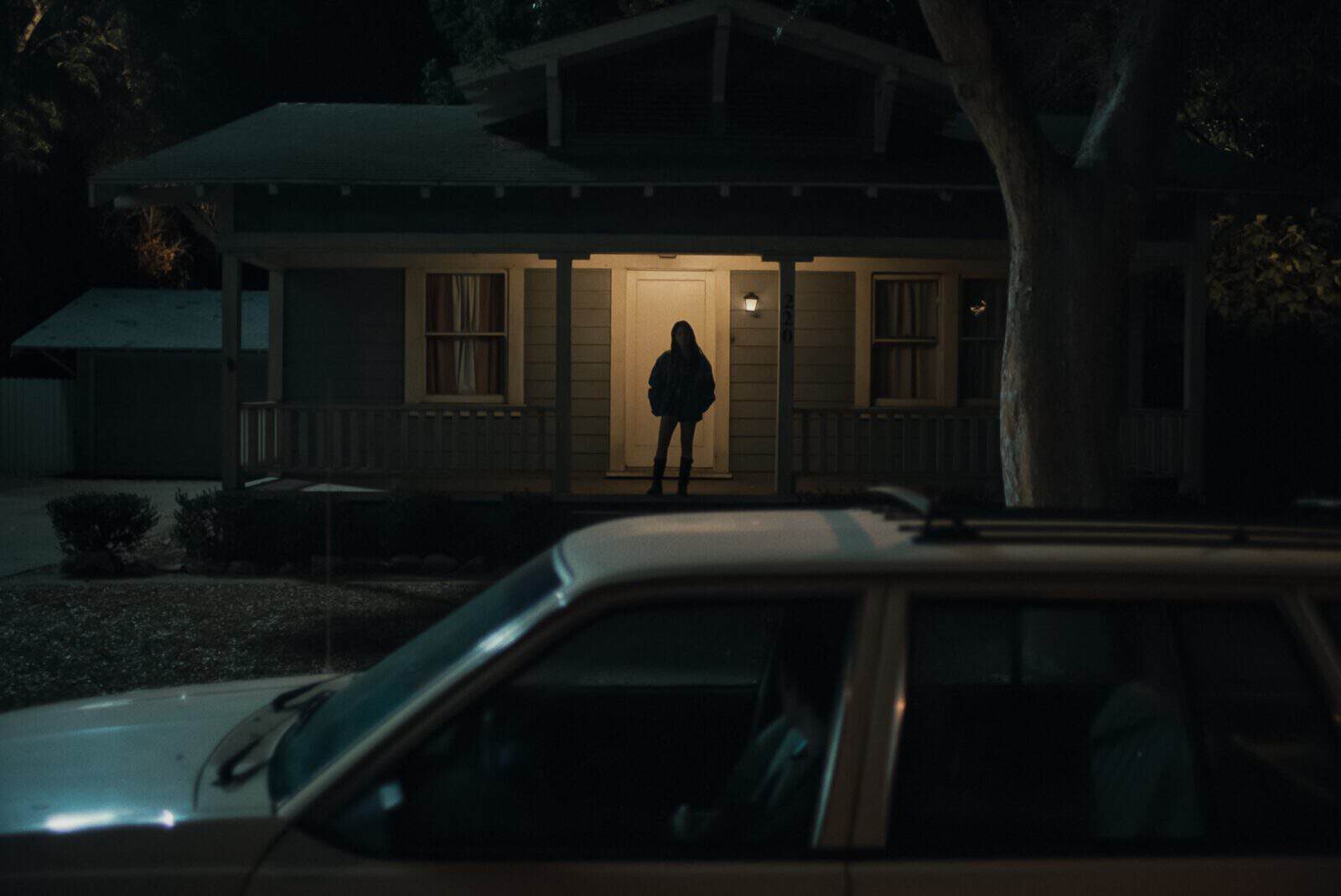
CM: I found Nikki’s facial expressions terrifying. Talk to me about the process of directing Inde Navarette.
CB: We watched a bunch of movies together. We even watched movies of specific examples of what not to do because I wanted to show her “this is the type of movie that we are not making” and then “this is the type of movie that we are making.” Showing her those references started painting a picture in her mind of what we are doing.
All of those faces and movements were specific. Sometimes she would say, “oh, you do it,” then I would do it. We kept it pretty light on set. I knew that if I was going to have her make a fool of herself in front of a bunch of people, then I would have to make a fool of myself too.
CM: Speaking about watching movies, which ones inspired the film and the performances?
CB: I would say the rawness of Dani in Mid-summer (2019). The Invisible Man (2020) was a big inspiration to me. Hereditary (2018)… Pearl (2022). Pearl was an interesting one, because she is obsessed with being a star and she would stop at nothing to become one.
CM: I was really struck by the lighting and music. Did those choices come early on or in the editing process?
CB: You can hear my music inspiration in some of my early short films. I have always had this voice with music. I found Rocky Burwell, who is just so talented – he is also composing my next movie. Even when he does rock or hip hop, there is darkness to his music. I made music as a kid, and I always tended to make creepy music. We wanted to tap into this dream-like, nightmarish, liminal type of space with the music – it’s kind of my vibe. We are doing the same thing for Anything But Ghosts. It was something that was very important to me from the get-go. I have an Obsession score and soundtrack playlist on Spotify. I make a playlist for every movie; if you looked up Curry Barker you would find them.
Same thing with lighting. Taylor Clemons is just such a fantastic cinematographer, I think he is going to be one of the greats. Sometimes explaining to a DP, who loves things to be beautiful, that I don’t want to see an actor’s face at all can be like, “what?”. He quickly understood what we were trying to do and worked with me on it.


