
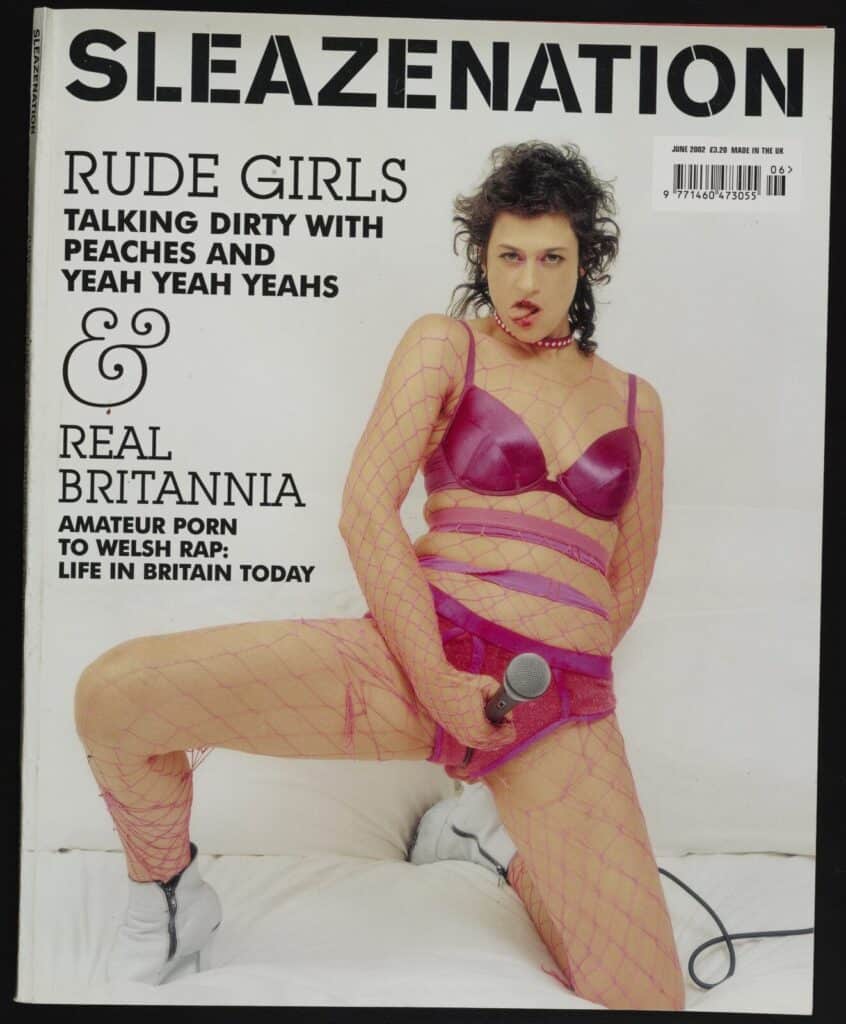
What began as a rebellious “post-drug culture” magazine handed out for free to clubbers in the 1990s has spun out into a world-first Museum of Youth Culture. Sleazenation, steeped in crude irony, shaped London’s sweaty underbelly from 1993–2003. The name was pinched from a buzzword splattered across the tabloids in a country rocked by corruption and obsessed with celebrity scandals. The mag was seen as Dazed’s rival and The Face’s slutty, unshowered brother – who was no less afraid to badmouth last night’s rock gig than run a competition to win sex with Snoop Dogg’s pornstars.
This Saturday, Sleazenation co-founder Jon Swinstead will open the doors of the world’s first museum of its kind. It’s born from his own grassroots photo archive which he started almost three decades ago, then it grew into a nationally recognised collection that narrates 100 years of youth culture. Now, it has a physical space with ephemera, a sound system and a youth club.
Sinking into a leather sofa with Swinstead, I ask him what’s catching his eye right now. “There’s an underbelly in London again, and it’s in queer parties,” he says, praising the freedom felt by today’s youth to shed binary conceptions of gender. Retro revivals, too, get a mention for how every comeback adds a new layer.
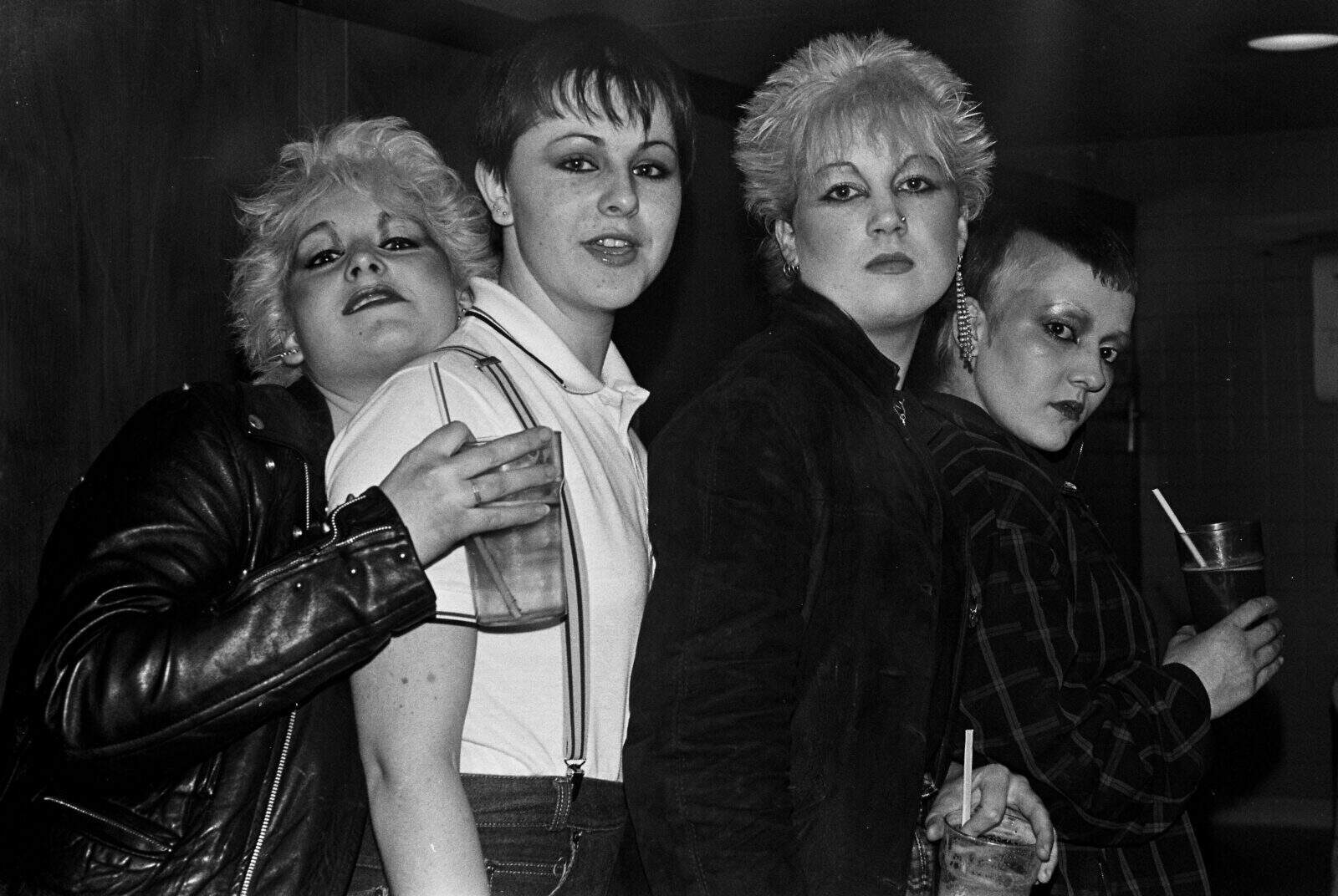
The real history of British life is in these photos, captured by everyday people in ordinary towns. Music is the rite of passage. In the museum, the journey starts with school uniforms, bunking off school and lying to your parents. Then there are emos typing “rawr”, Teddy boys in a suit and tie, skinhead girls cutting their hair short, punks with that stiff hairspray they don’t make anymore, breakdancers, mods, and British Asians sneaking off to bhangra day parties and returning home before curfew.
Why youth culture, not subculture, I ask? It’s because we were all young once, and everyone has an important story to tell about their youth. Subculture is more defined, intentional and niche with a self aware identity, says Swinstead. But young people are influenced by media, friends and now the internet without consciously registering it. “Growing up in the countryside, I was a kind of goth, but I didn’t know I was a goth. That’s youth culture.” Now 56, he admits he sometimes forgets he’s no longer 25 or 30 before catching sight of himself in the mirror.
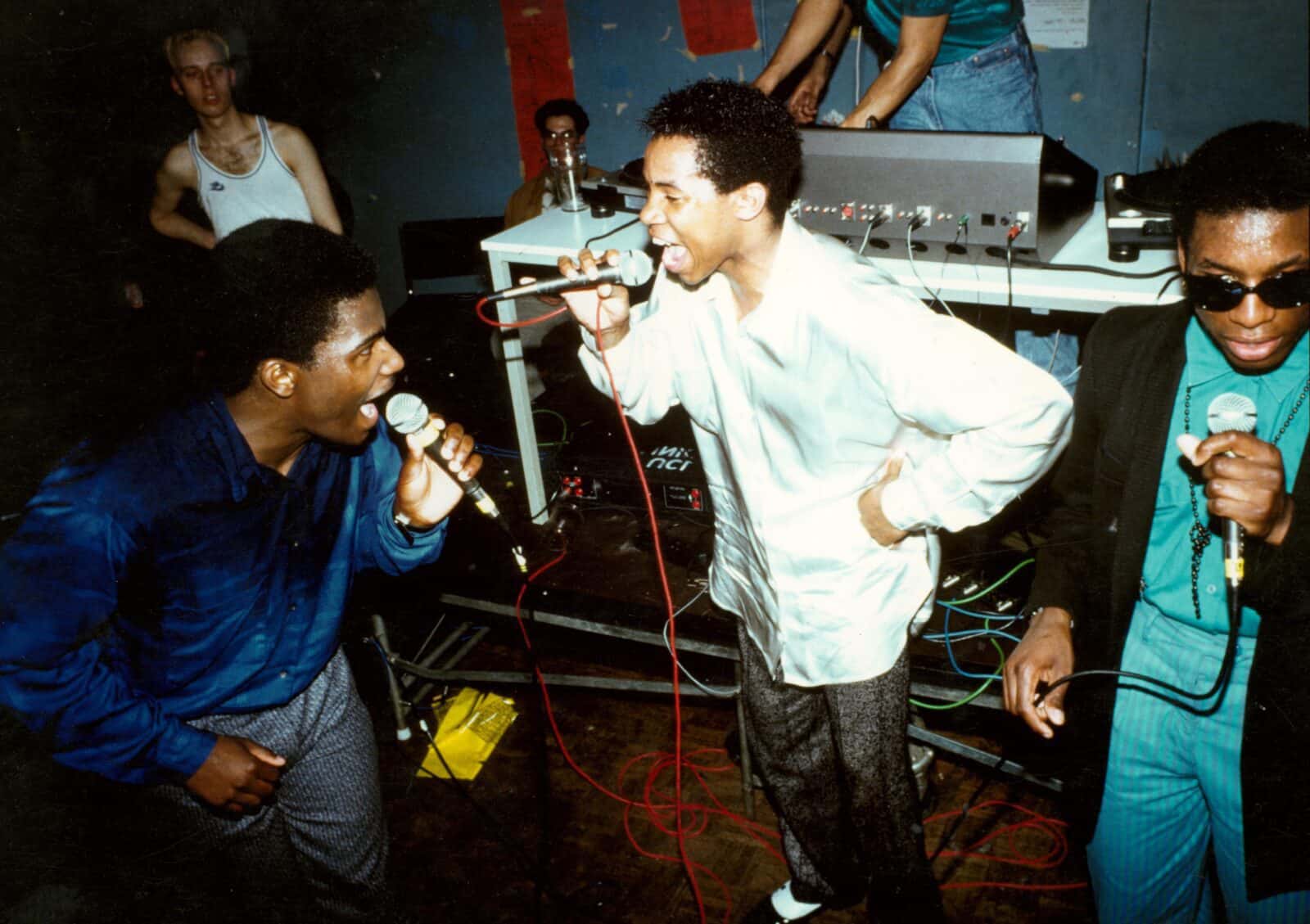
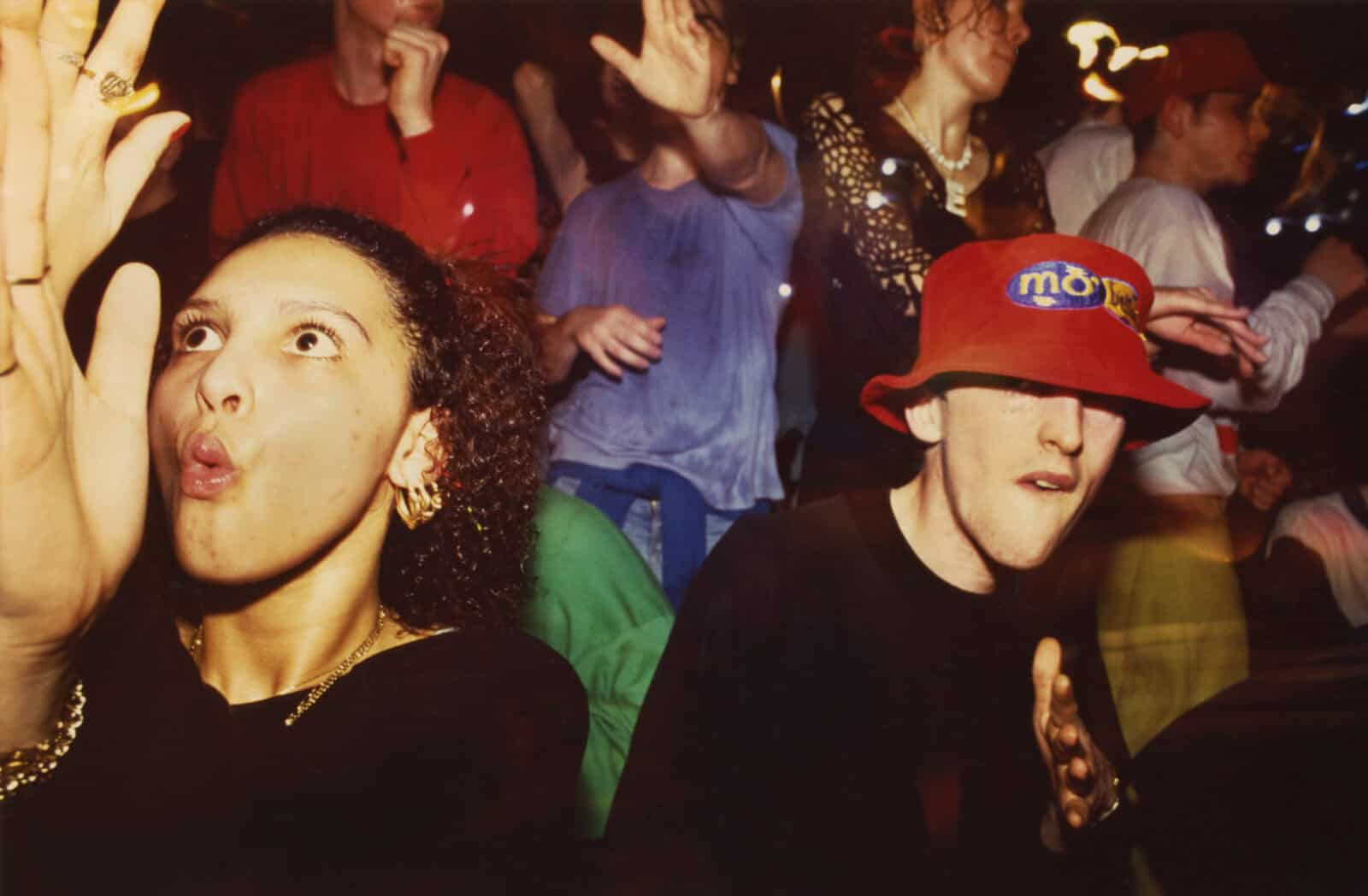
A free party artifact is in the basement: a red telephone box. Before mobile phones, these clandestine communication networks were pivotal to acid house culture. To throw off the police, organisers would keep the location secret until the last minute, when attendees would use a motorway public phone box to call dedicated hotlines. Sound system culture was brought to the UK from 1950s Jamaica by the Windrush generation. As a nod to the role it plays in this story, the museum is home to a custom-built sound system designed by the chair of Notting Hill Carnival.
The Museum of Youth Culture will be open to the public from June 20.
Moshpit at Evil Fest, Straight Edge festival at Camden Underworld, London 2000 © 59 Club


