Dream Meanings: How Ancient Symbols Shape Fashion, Culture, and the Unconscious
Dreams have never just belonged to sleep. Across centuries and continents, they’ve been trusted as messages, omens, warnings, or paths to understanding ourselves and the world around us. While today we might scroll through dream dictionaries after waking from something strange, the question remains timeless: what do our dreams mean?
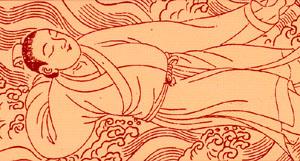
In ancient China, dreams weren’t abstract—they were diagnostic. A restless dream might indicate a disruption in your qi, the vital energy flowing through the body. The revered Zhou Gong Jie Meng, one of the earliest guides to dream meanings, mapped symbolic visions to real-life outcomes. A dragon in your dream? That could mean power or destiny. Water? Maybe emotional release—or a major life shift ahead.
Korean tradition takes a more prophetic angle. Dreams, or ggut, are still sometimes seen as signs of what’s to come. A pig in a dream suggests prosperity. A snake might foretell a challenge or betrayal. There’s even a tradition of “buying” a good dream—if someone tells you they dreamt of gold or childbirth, you might offer to purchase it from them, in hopes the luck transfers. Dreaming isn’t just internal in Korea—it’s something communal, shareable, and sacred.
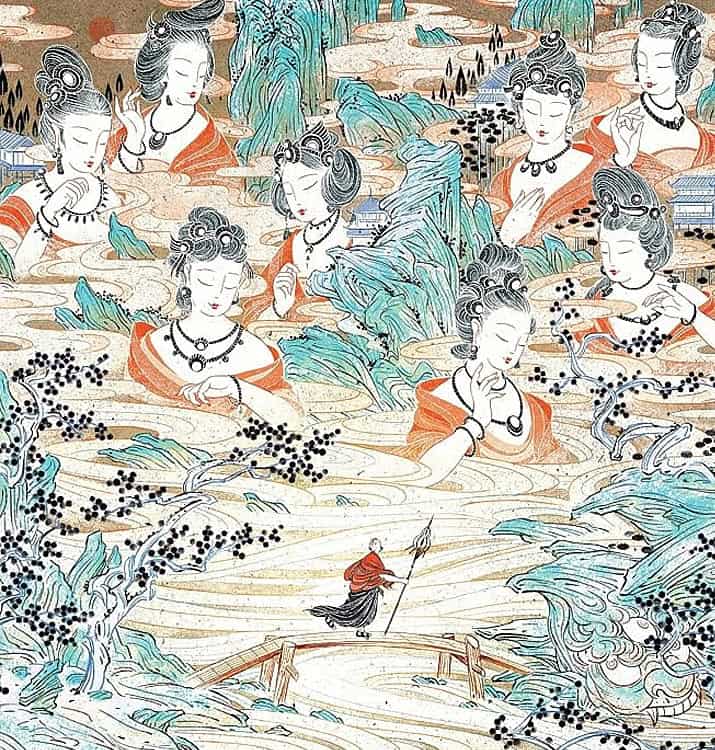
In India, dreams belong to a larger cosmological system. Ancient texts define them as one of three states of being: waking, dreaming, and deep sleep. But unlike in the West, dreams in Indian philosophy are not just products of the mind—they can carry karma, echo past lives, or serve as encounters with the divine. Seeing a god in a dream might mean you’re being called toward a spiritual path. Or reminded of one you’ve strayed from.
These cultural maps might seem wildly different, but all treat dreams with reverence. None of them reduce dreams to nonsense. They take them seriously, because dreams—no matter where you’re from—demand attention.
That same seriousness is what drew Carl Jung to them. For him, dreams weren’t puzzles with tidy answers. They were messages from the unconscious—sometimes cryptic, sometimes blunt, but always worth listening to. He believed they carried archetypes, universal images like the shadow, the child, the wise old man, the anima. These figures weren’t just symbols; they were parts of us, showing up in the dark, trying to be seen.
James Hillman took it further. He didn’t want to “decode” dreams—he wanted us to stay inside them. To treat them like myths or movies that don’t need to be solved, just felt. A nightmare wasn’t something to banish—it was an image to understand. Hillman asked us to live with our dreams, not wake up and forget.
And some people did exactly that. But not just in psychology.
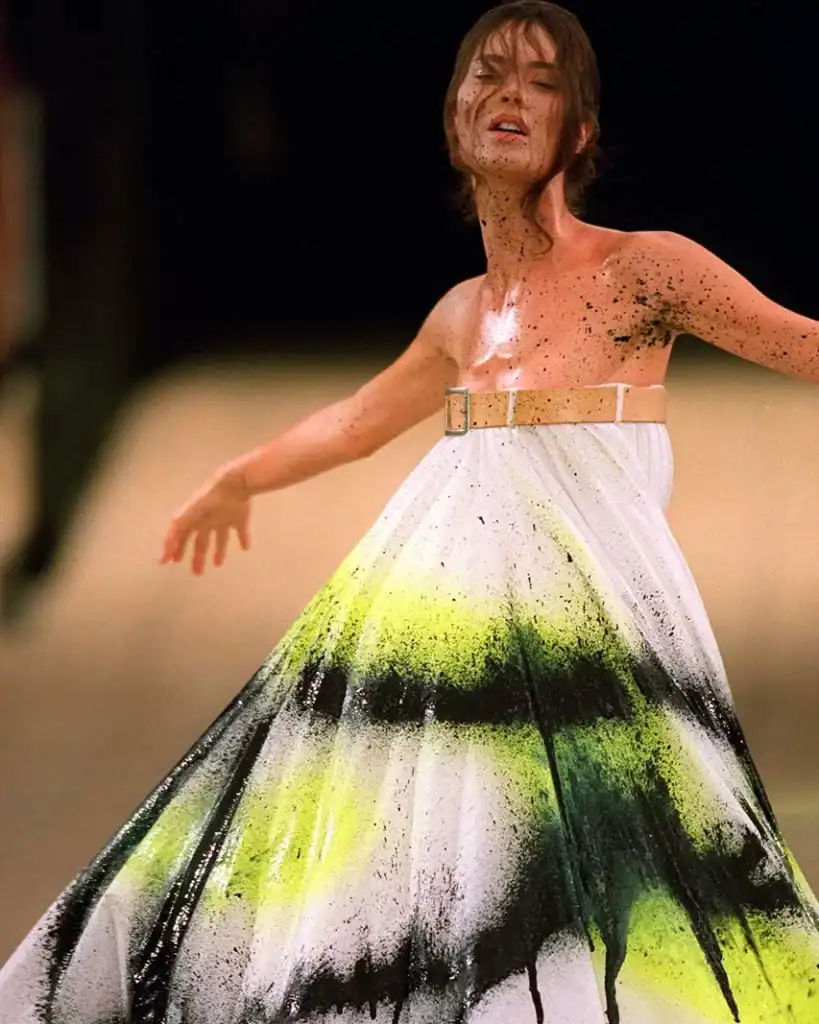
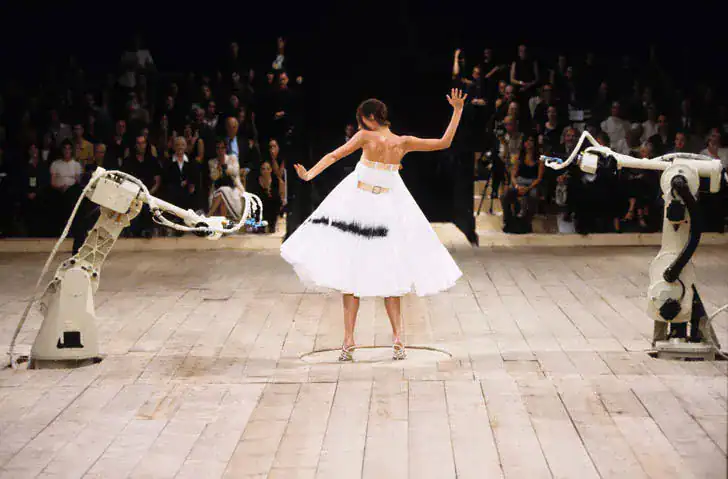
On the runway, designers like Alexander McQueen turned dreams—beautiful, violent, symbolic—into physical form. His Spring/Summer 1999 show is still talked about not because of the clothes, but because of what it did. Model Shalom Harlow stood on a rotating platform, wearing a blank white dress. Two robotic arms moved around her, spraying black and yellow paint onto the fabric while she spun, flinching. It wasn’t a runway show—it was a ritual. The machine and the body clashing in real time. Transformation, chaos, exposure. A dream, made public.
That same season, McQueen sent Aimee Mullins down the runway wearing hand-carved wooden prosthetics shaped like baroque angel wings. She didn’t walk—she floated. Her presence said more than words ever could: dreams reshape the body, and in doing so, reveal something truer than perfection.
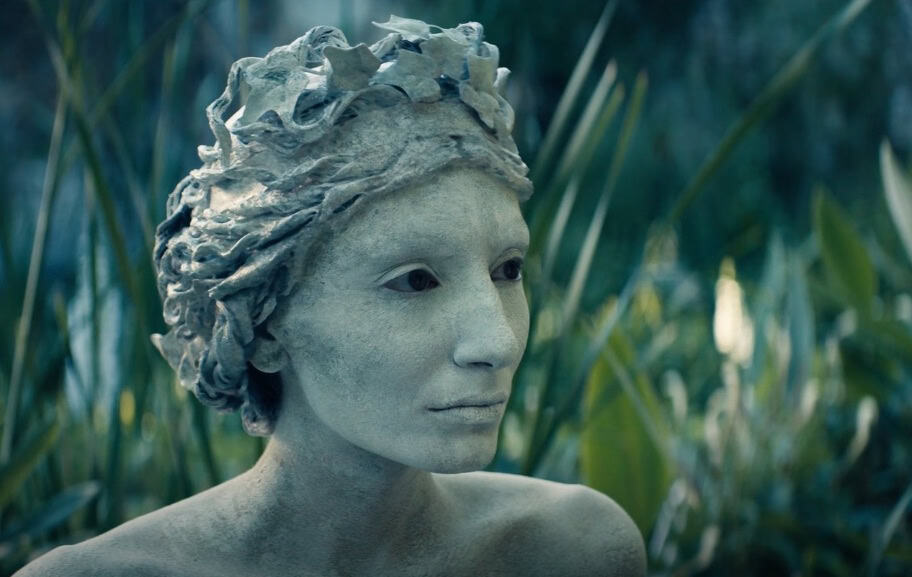
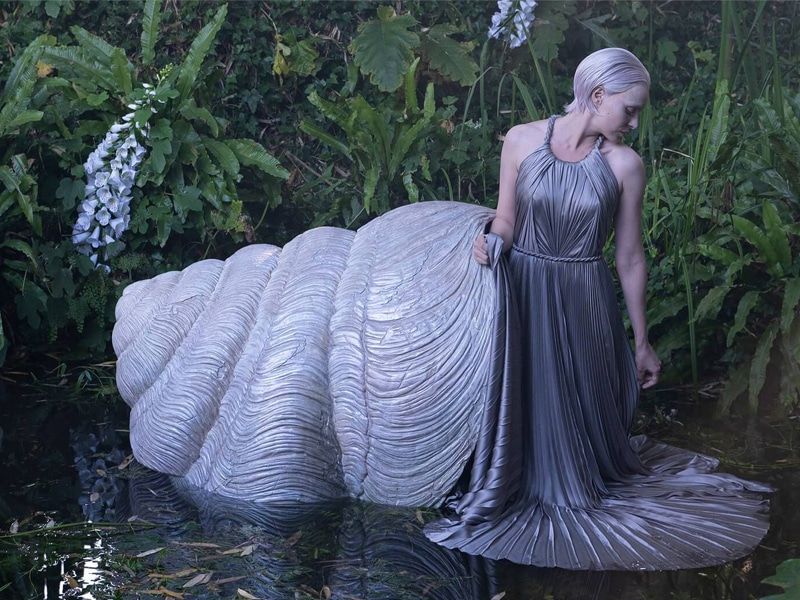
Years later, Dior would pick up that same dream-thread and carry it into cinema. Under the direction of Matteo Garrone, their 2020 haute couture campaign Le Mythe Dior reimagined fashion as myth. Miniature dresses were delivered to mythical creatures in a surreal forest—each one choosing the gown that reflected their essence. Nymphs, sirens, satyrs. No dialogue, no explanation. Just dream logic. Watching it feels like walking into a story you once dreamed, long ago, and almost forgot.
Dream meanings aren’t static. In China, a dragon means luck. In Korea, a pig does. In India, a god might show up to warn or awaken you. To Jung, it could be your shadow. To Hillman, it could be your soul. And on the runway, it might be spray paint, wings, silk.
But in every case, one truth remains: dreams point to something real—about who we are, what we fear, what we want, and what we’re still trying to become.