
Berlin’s SS27 Fashion Week is over, with haute couture designers making a successful splash. But Berlin is, after all, famous for its rave scenes and underground. Pockets of the weekender demonstrated that the alternative, independent fashion and DIY still possess an enduring capacity to survive.
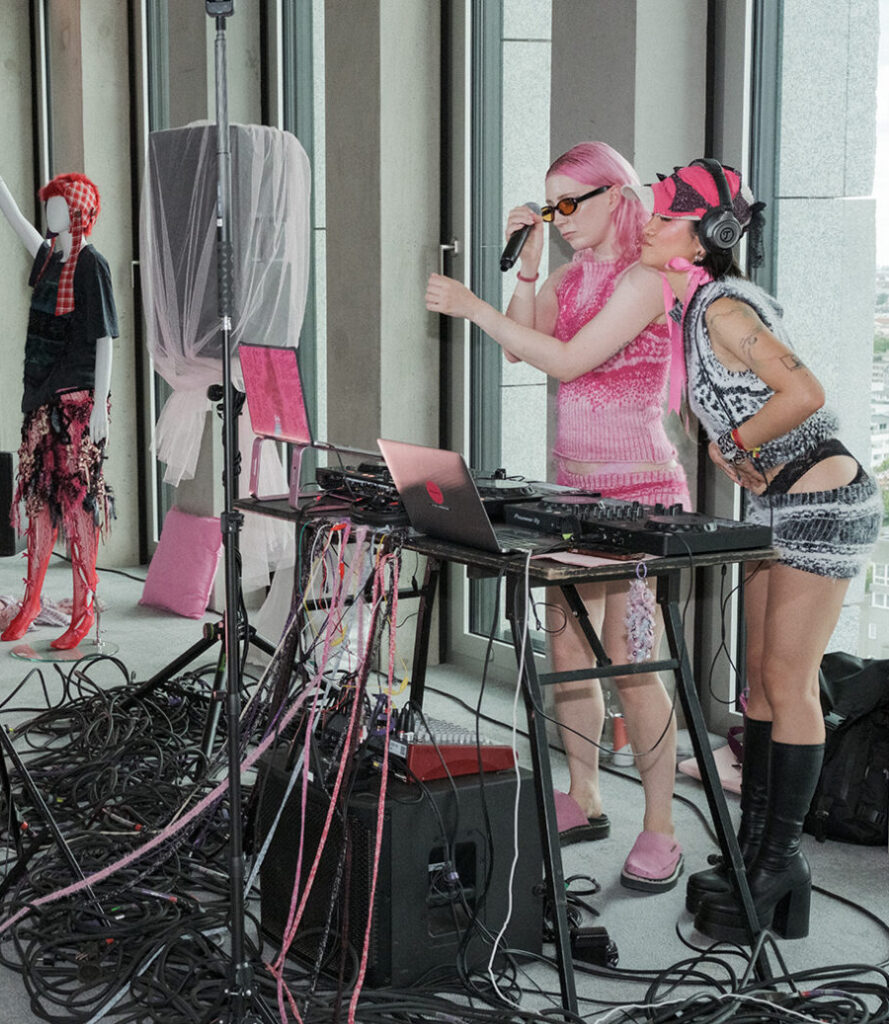
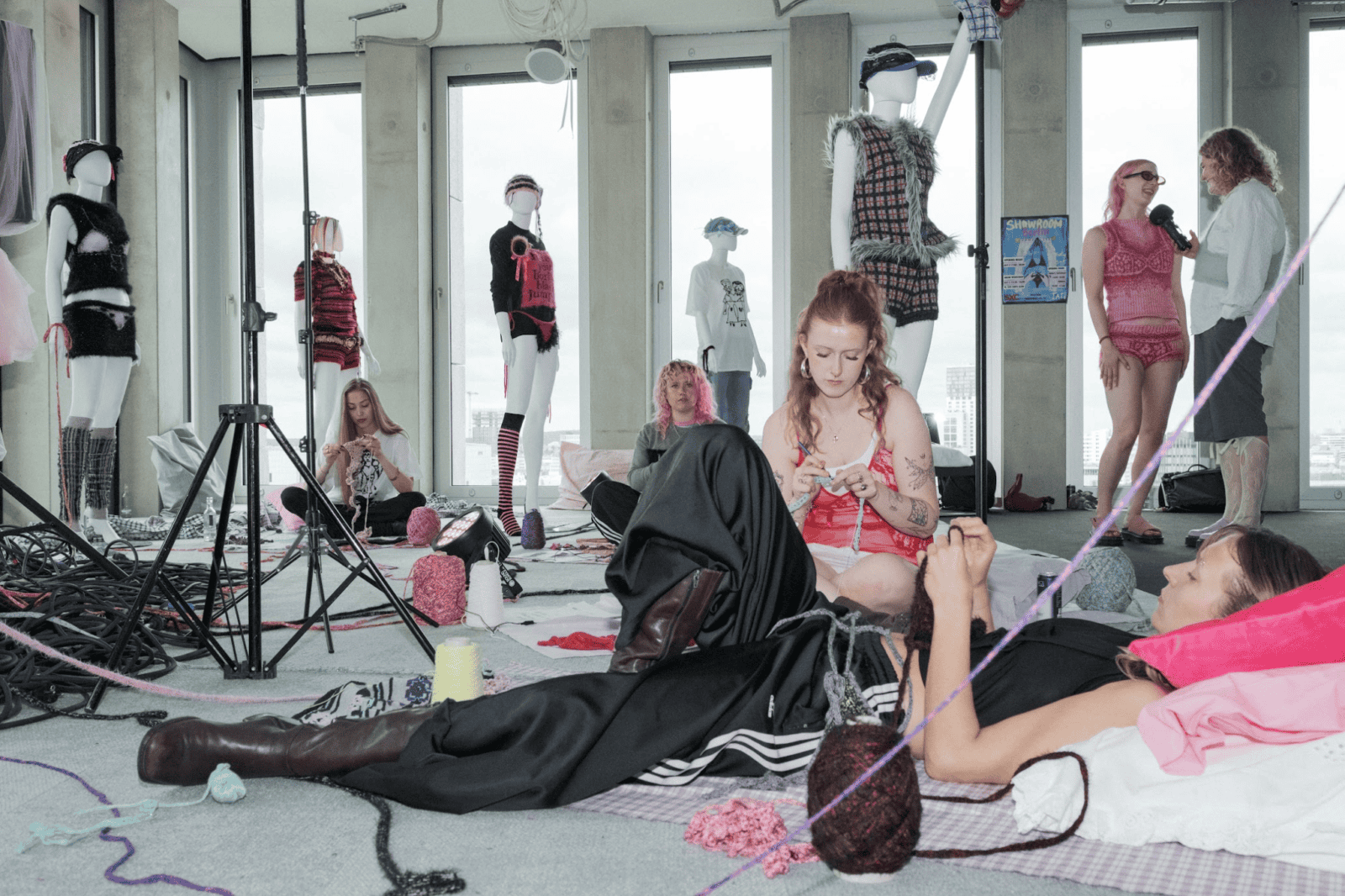
“Knitters don’t just sit at home – we do sick things,” says TATi’s founder, who named her SS26/27 collection “Knitting Is My Rave”. TATi works primarily with knitwear, creating punky, provocative and feminist pieces that disarm, but also offer connection. Tati was inspired by Berlin’s rave culture and spirit of togetherness.
“I am actually more a day raver than at night,” she tells me. “I don’t like late nights. We thought it would be great to combine the spirit of our knit studio – where we listen for example to FLOSS and many other punk feminist pop musicians – and meanwhile we knit.”
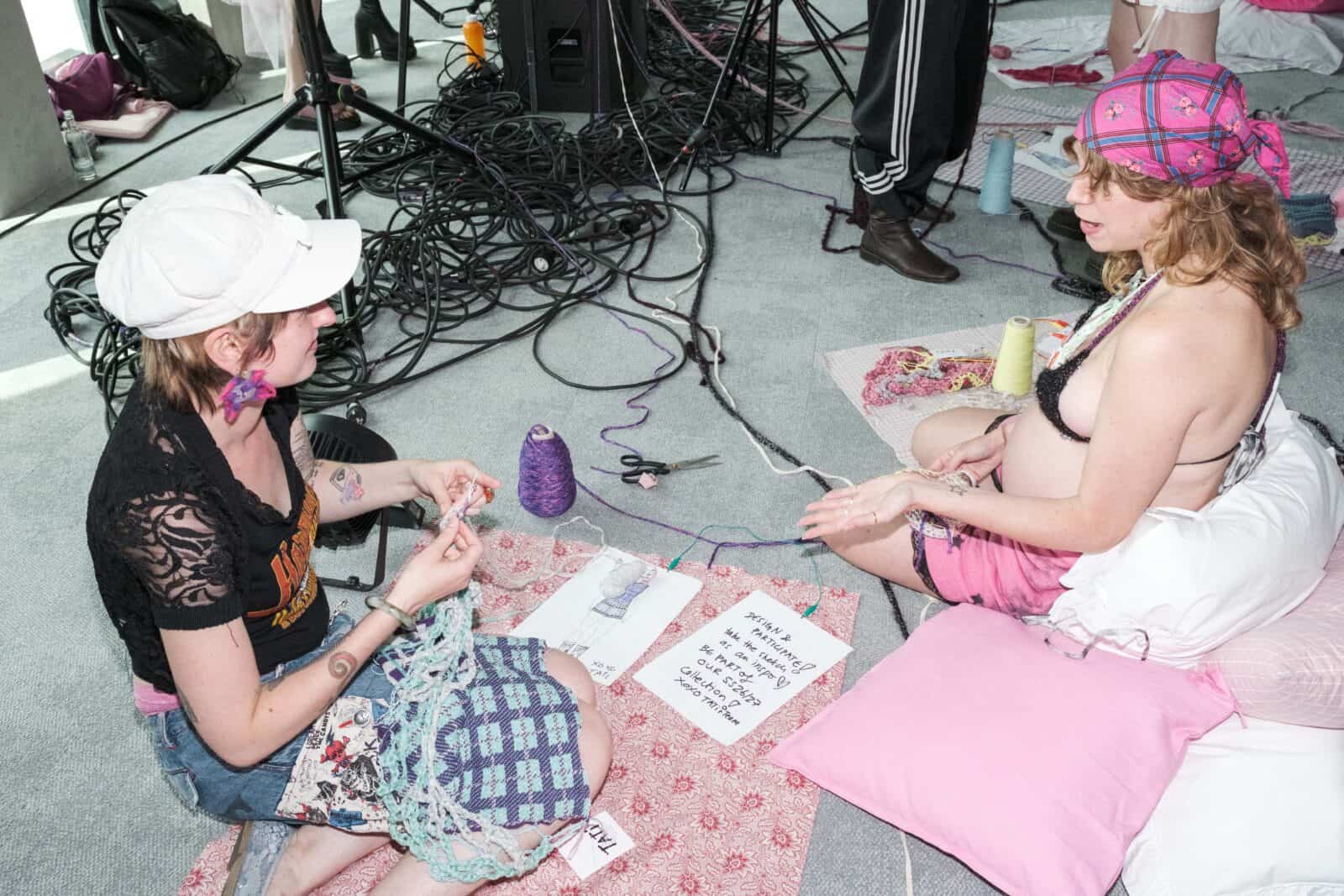
While she finds Fashion Week can be stressful, especially given the time pressure which contrasts with knitting’s slower rhythms, she acknowledges, “my favourite aspects are to meet new people, show them what we are doing, surprise them almost.”
TATi’s show glowed with lurid pink and glittery tops crafted from spidery yarn; spiky leg warmers and asymmetric, holey skirts. The stitches formed avant-garde silhouettes, with protest slogans hailing from queer and feminist movements. The models danced as they knitted their own pieces. FLOSS, whose songs centre on feminist rage and power, warmed up the audience and performed her songs. On the Sunday, sustainable textile artist Geo Knits Slow led a bikini-knitting workshop at SXC Showroom in Neukölln. There, participants learned how to make yarn from old T-shirts and knit a bikini out of it.
I found Helena Stölting’s brand years ago, while walking down a street in Neukölln filled with galleries. Intrigued by a pair of heels adorned with a slimy-textured, bright green slime, I was instantly hooked by her aesthetic aims and beautiful, grotesque clothes.
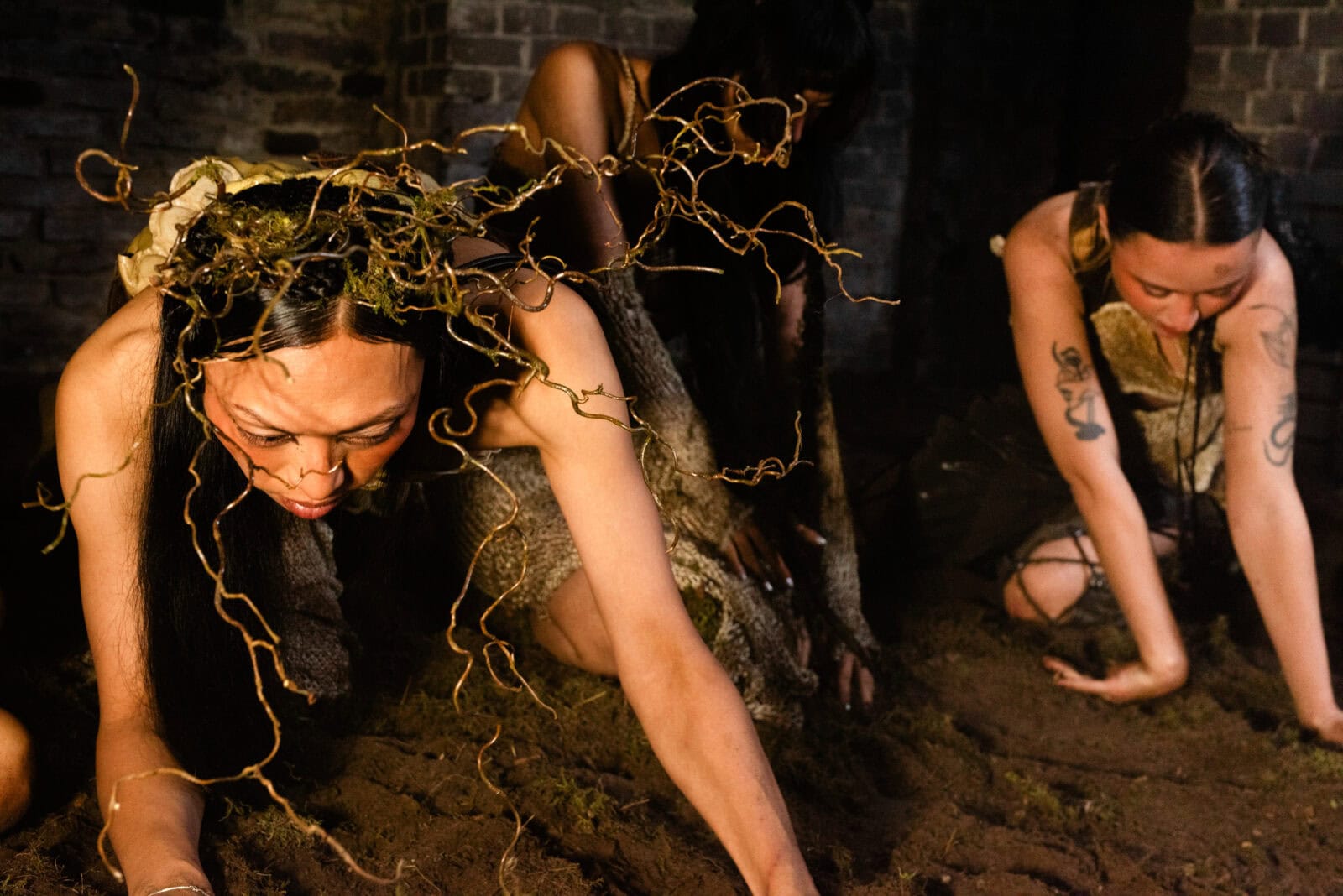
The show was held in the basement of her studio. Titled “I Love Dirt”, the collection marks a shift away from the more lurid tones of earlier collections, and with a cup of sludgy brown edible slime in hand, I descended into the dingy, damp cellar. The audience watched models writhe around in copious amounts of soil mixed with grass and stones. Brown and silvery stripes of leather sewn into shorts and skirts caught the dim lights and gleamed, while gossamer gold tops crafted from vintage knitting yarn sparkled as the models slowly and jerkily made their way to standing. A “broken jaw buckle”, a bone white irregular triangle with teeth, acted as a fastener. From a dress made from rosettes of glistening brown, copper and beige leather to mud-coloured leather trousers glimmered on another, themes of beauty in decay and uncertain territory abounded.
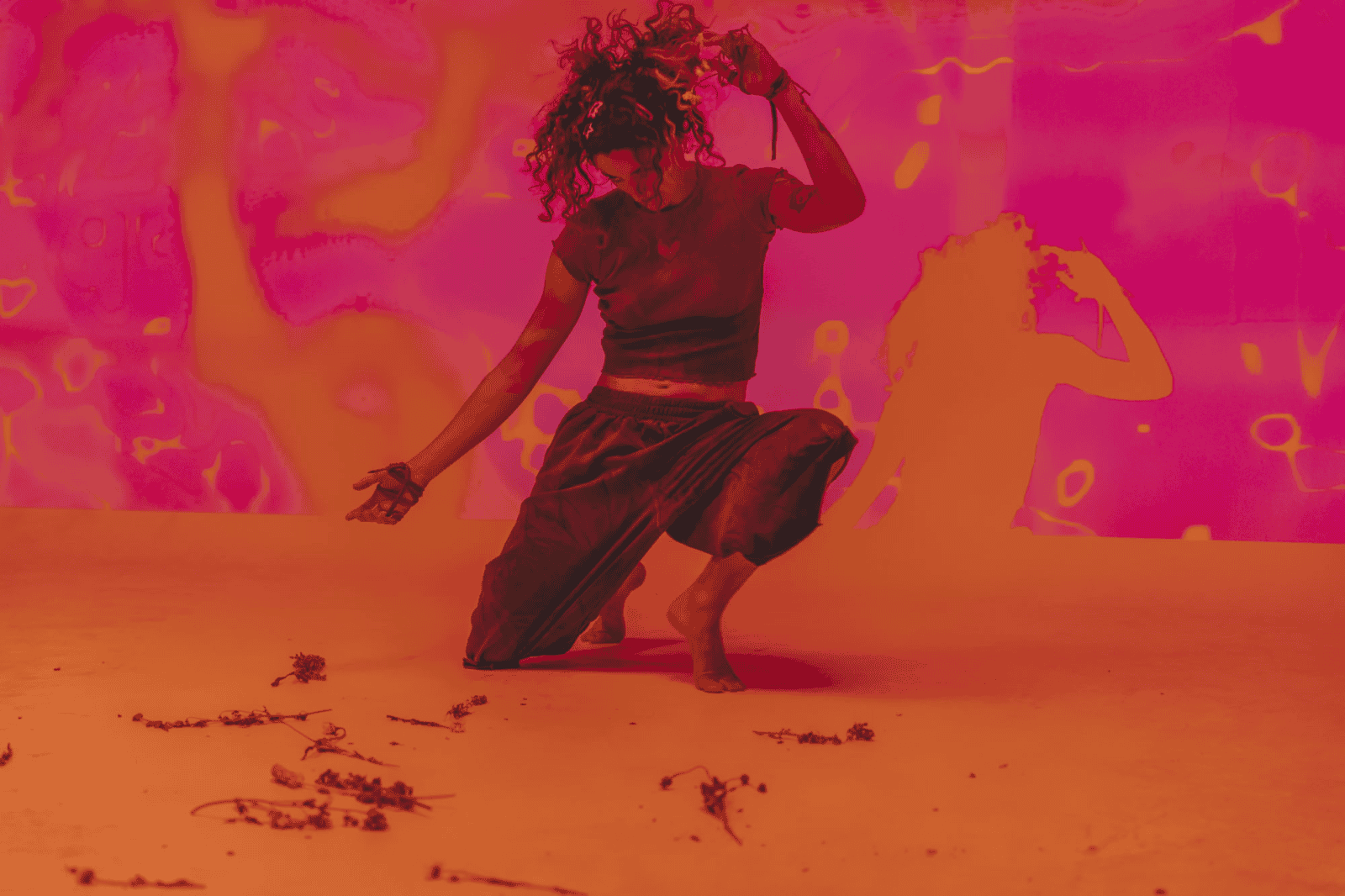
BBYAGA’s show took place in the avant-garde venue Studio dB, and was filled with drama, not just of the designer’s making. On arrival, I discovered that a power cut had occurred only a few hours prior. The stuff of nightmares for a designer about to put on her show, she managed to limit the delay to just over an hour, getting hold of a generator and serving drinks by candlelight until it was set up. Later, Zola, the brand owner, tells me: “as I’ve learnt after the show, someone cut out a €1000 piece of electricity cable with a saw – to sell it. So we ran the show on generator – a third, maybe half power.”
An impressive turnaround, the make-up artist used a headlamp to complete the looks. The show still landed: a sultry gaggle of gender non-conforming models strutted and danced across the stage to heavy dance music mixing grunge and glamour through sky-high heels and pleasers alongside among tattered trainers and knee-high boots.
Her work takes inspiration from the crone/witch figure Baba Yaga in Slavic folklore, and embraces the idea that “the more complex our self-perception becomes, the more skilful we become…at radically embracing the uncertainties and absurdities of the modern moment”. She tells me that “I always preferred to observe fashion in the wild. I practice it here in Berlin – at the parties, social gatherings, exhibition, afters…” She continues: “I’m not interested in what impression you want to make with your clothes. I’d much rather see what you express with it.”
I also spoke to Tessa, owner of fashion brand IVY Berlin who also runs Shop Radical. Due to host a catwalk event at Cassiopoeia during fashion week, she had to cancel after the news of Cassiopoeia’s eviction notice made the event uncertain. “It was incredibly frustrating and sad, as we were planning to use this show to highlight small designers hand sewing their pieces in their own studios, influenced by Berlins clubbing scene. These are the type of designers not featured on huge runways from the Fashion Week itself, these are creators pouring their life and soul into their pieces, these are the makers living in Berlin’s underground.”
She urges Berliners and visitors alike to “go to the bar around the corner that serves cocktails with homemade Bärlauch liqueur, go to the club that has the amazing sculptures in their courtyard, go to a local drag show, or buy an outfit from your favourite designer. The city only stays Berlin if we make it that way.”
This spotlight mentions just a couple of independent designers working against the grain of seasonal trends and mass production, but as Tessa suggests, the melting pot of visionaries and artists are vital to Berlin’s cultural legacy, even if you don’t always see them on the catwalk.


