
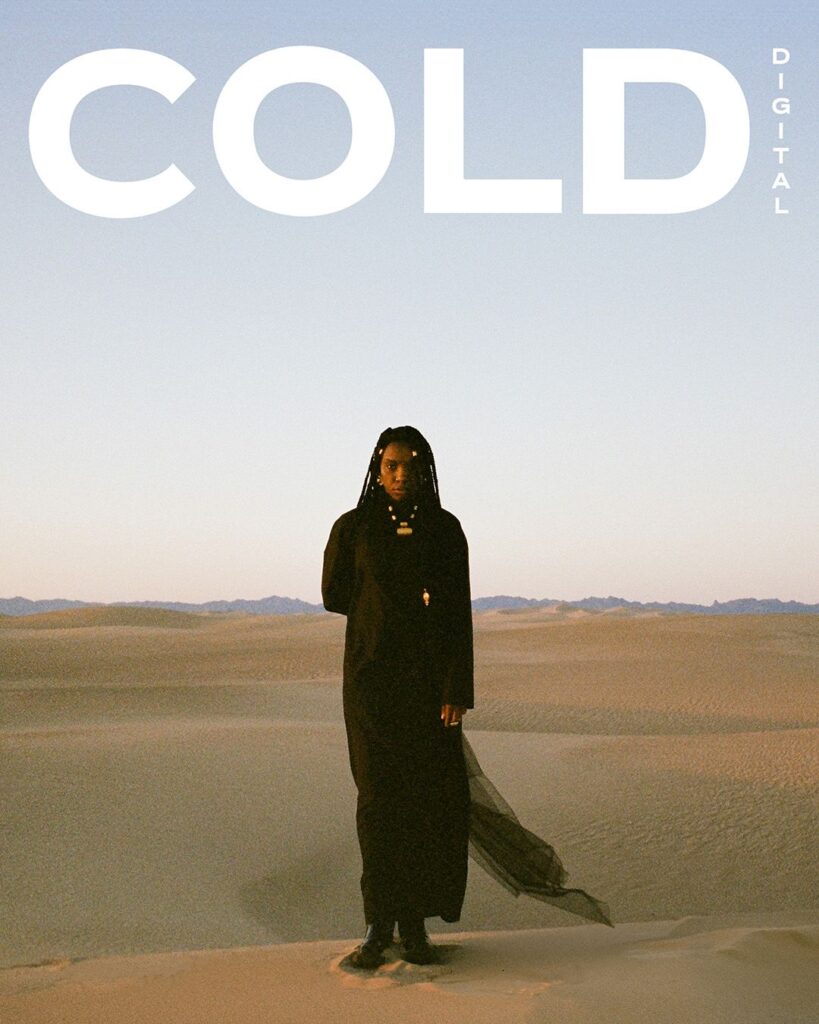
On January 22, 2026, American federal agents arrested the lawyer and activist Nekima Levy Armstrong. A vocal defender of human rights and an equally vocal opponent of ICE, Armstrong was accused of preventing free worship – a violation of the First Amendment – after organising a protest against Cities Church in St Paul, Minnesota, which had allegedly been collaborating with ICE on its deportation regime.
On January 23, the following day, the official White House X page posted a celebration of her apprehension, sharing a photo of forces escorting Armstrong from a St Paul courthouse in shackles. However, something about the photo wasn’t quite right. It had been manipulated with AI, artificially darkening Armstrong’s skin and turning her visage into a snotty, tear-wet grimace.
The incident shocked politicos and pundits, even those already hardened to the arbitrary cruelty of the Trump administration (three weeks earlier, ICE agents had assassinated the poet Renée Good in the streets of neighbouring Minneapolis; the next day, they would do the same to Alex Pretti, an intensive care nurse). However, the image was particularly disturbing for LA-based musician, activist and actor Dua Saleh, who grew up in Minneapolis; Armstrong, they explain, was “one of my mentors.”
Dua Saleh was born in Sudan to a father who worked for the United Nations, responding to the then-ongoing Second Sudanese Civil War, a conflict which had one of the largest civilian death tolls of the 20th century. Aged five, the same war forced their family to flee the country, floating them through refugee camps in Eritrea – a small east African country that borders Sudan – before they eventually arrived in St Paul. This means, Dua says, their outlook has always been political.
Their newest album, Of Earth & Wires, testifies to Dua’s congenital outspokenness. A mercurial, Afrofuturist sci-fi about two queer lovers who find themselves in a post-apocalyptic new world, the album alchemically blends genres as disparate as drum ‘n’ bass, screamo, trip-hop and Sudanese folk (Nubian singer Mohammed Wadi was a big influence) – and features American indie idol Bon Iver.
The album, they say, was inspired by the apocalypse they feel happening around them, both a global and personal level. With their hometown of Minneapolis essentially made a domestic battlefield by ICE colonisers and their birth country of Sudan thrown back into civil war, one which has led to genocidal violence against Black ethnic groups in the western provinces of Darfur, “it just felt like everything was crumbling around me.” “I think I just felt like my world was falling apart. I had actually lost a couple of family members as a result of the Sudanese War. I think about it, and my gut actually hurts.”
AI’s ascendance was another factor tugging at Dua’s mind as they recorded the album, conceptualised while they were filming the third season of Sex Education in Wales, where the play the character Cal. “I wish I could ignore AI. I don’t participate in it. But I still have to walk down the road and get scared by the little delivery robot thing,” they laugh [according to the Los Angeles Times, there are currently around 500 delivery robots roaming LA’s streets, operated by AI]. So too do they have to watch the White House tweeting AI-altered images of their mentor in cuffs, or videos of American drones raining fire on Iran, callously spliced between clips from Wii Sports Resort. “AI is the infrastructure for genocide right now,” they say, “and it’s like nobody’s talking about it.”
For all this poly-crisis, though, Of Earth & Wires doesn’t respond with linear anger or rage. The album is soft, folky and woozy, piecing together the crumbling world Dua sees – the grief, the loss, the hope that eventually things will get better – and builds with them a tower toward something transcendent. That’s why constructing the album around queer lovers and queer love and “all the cute shit”, they say, was important.
There’s a semi-famous quote from the queer Vietnamese-American author and poet Ocean Vuong. “Being queer saved my life, he says. “Often we see queerness as deprivation. But when I look at my life I saw that queerness demanded an alternative innovation from me… It made me curious; it made me ask, ‘Is this enough for me?’”. I paraphrase this for Dua and ask for their response. They balance what they say. They know that their queerness means they might never be able to return to Sudan, a country they fear “losing forever” (same-sex relationships were punishable by death in Sudan until 2020 and remain an imprisonable crime, although historians have noted various queer precolonial traditions in the country).
However, they say they are still grateful to have been born queer. “I think being queer made me more empathetic. It made me a better person: more analytical, more understanding, more willing to hear people’s stories.” It made them, they say, able to connect, in a way, with the whole world, a whole world that is suffering. Maybe, then, the end of the world that Dua sings on Of Earth & Wires about wouldn’t be too bad. Or, if not the total end of the world, then at least the end of the current world order. But what would a better world look like for Dua, I ask. “A more compassionate world. A kinder world,” they say, then hesitate. “I’m sorry, I don’t really know.”


