
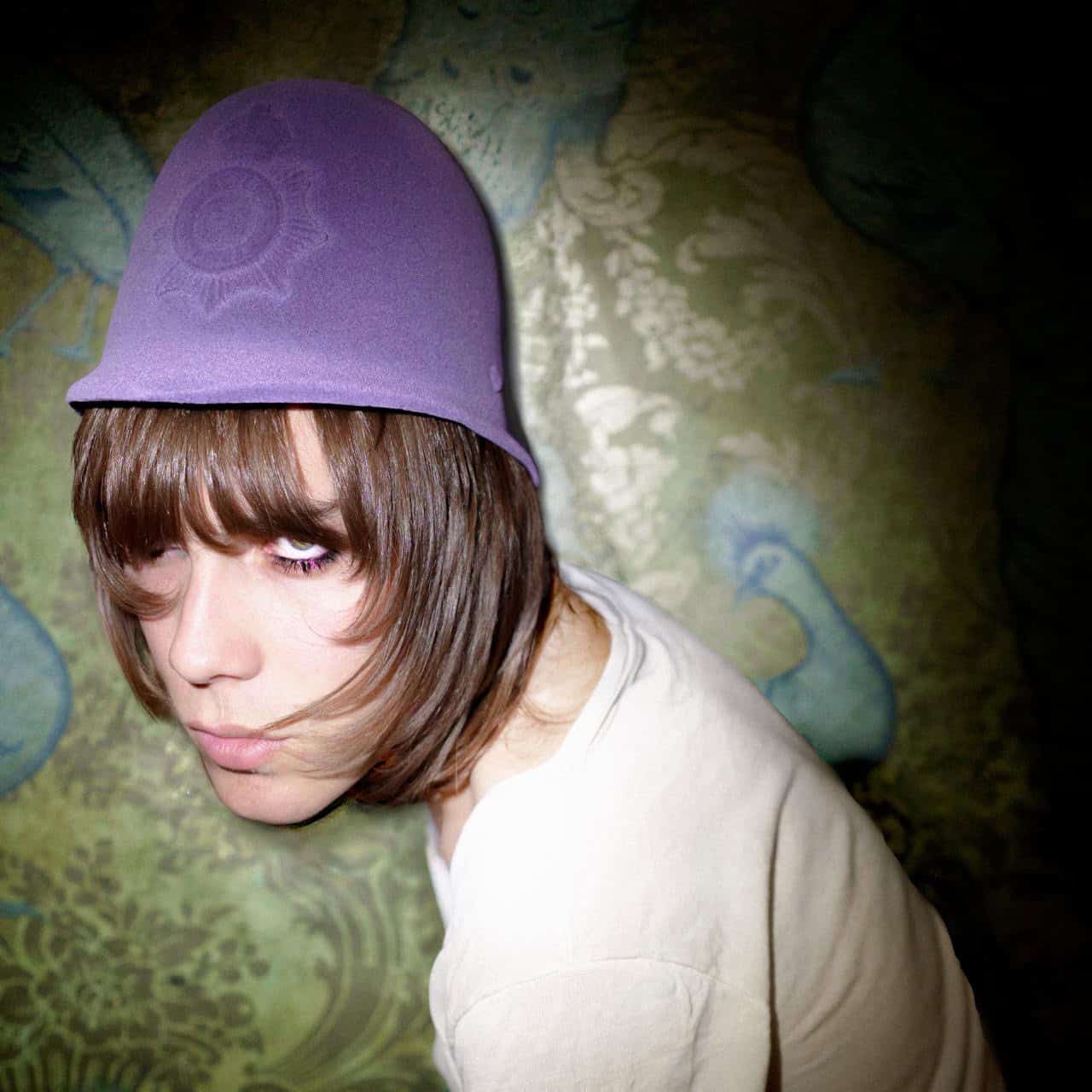
It’s ten in the morning at a studio in New York and there’s been absolutely no sleep. Anti-Camera is freestyling into a mic when four words come out of her: I love hotel. She doesn’t think much of it at first. In fact, it sits in a folder for months, waiting in line behind a title he’d already half-committed to – Leader – before he scraps that one too. He’d started picturing it as something closer to a cult leader than a bandleader, and that wasn’t the relationship to an audience she wanted. Hotel wins out instead. Partly because it’s glamorous, and if you even take one look at her, oh yes, she likes glamour. But surprisingly, it is also partly because of where he actually lives.
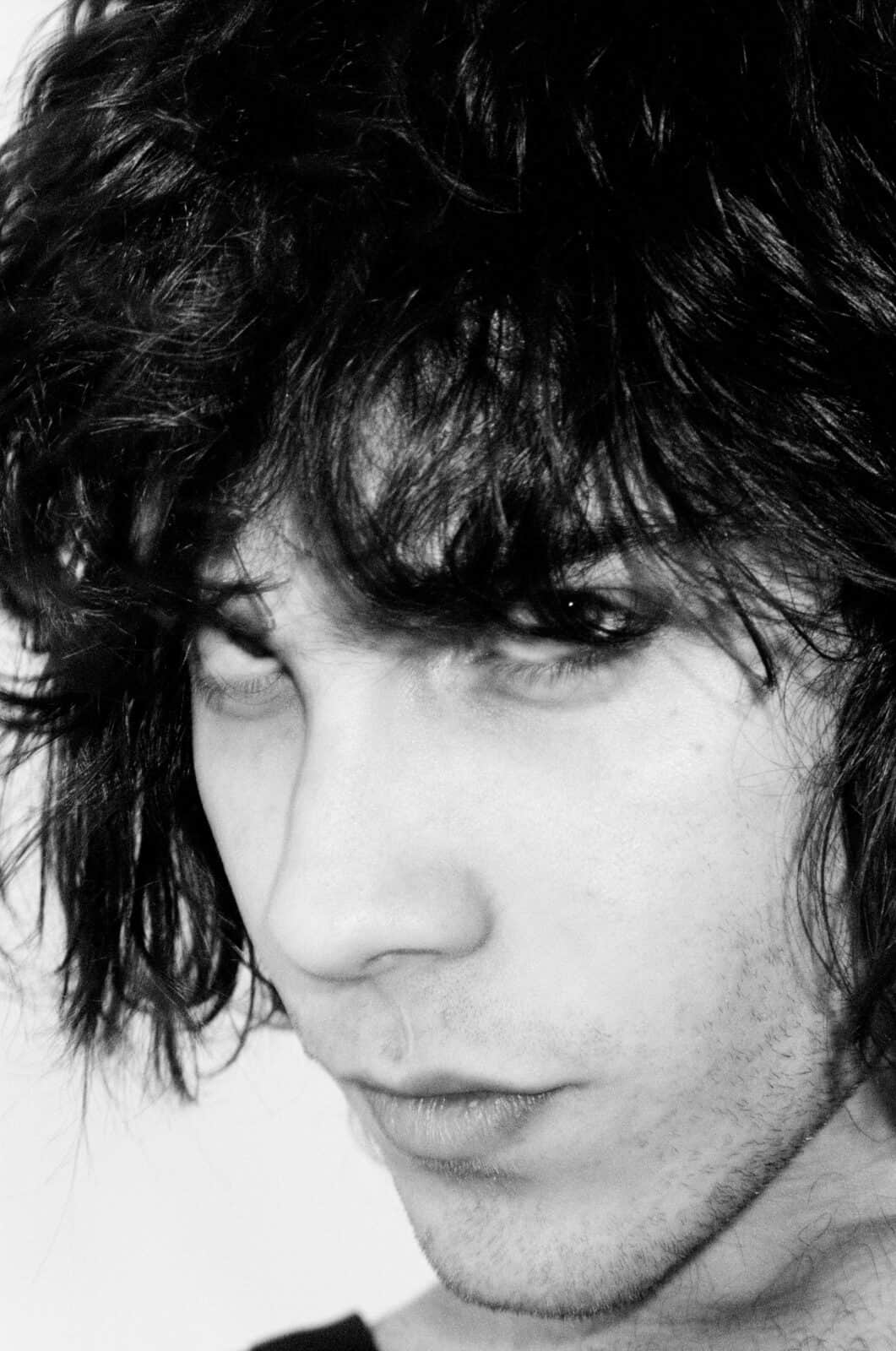
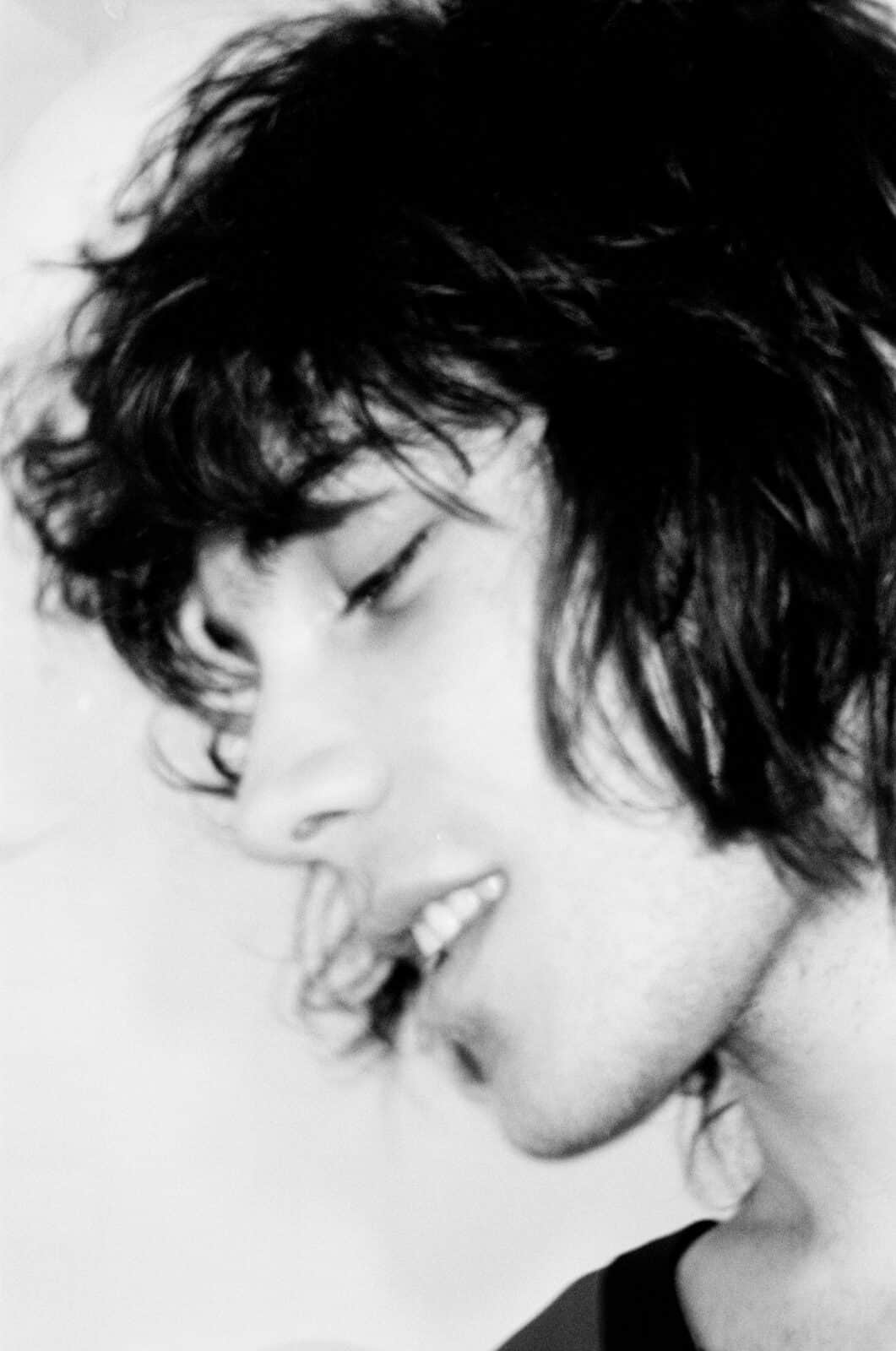
His flat is near the train tracks of King’s Cross, and it has been home to hundreds and hundreds of people over the past four years. New faces arrive most months, stay a while, and move on. Some of them turn out to be brilliant, working artists in film, music and fashion, and then they’re gone and someone else has the room. “There’s so much history in that house,” she says. “It’s messy and gross, but it’s a very lived in place. You go in the basement or the hallway and you find items people have left behind.”
This flat is the logic behind the EP, whether she set out to make it that way or not. A hotel is somewhere a lot of people happen to be briefly, without ever really touching each other’s lives. The record works the same way, with each song a room for a different person who’s passed through his, a guitarist he’s worked with, a friend who he could talk to, a man he shouldn’t have let in. Everyone gets a track, or a lyric, or just a trace of themselves left behind in one.
And that’s where the opening track comes in, aptly named I Love Hotel. There are twenty five voices on it, and some were pulled in for a single day at the Roundhouse, recorded one after another. Others sent voice notes in from wherever they happened to be at the time. Her grandmother is on there. So is her sister. Old friends from the Amalfi coast, people she barely knows but liked the sound of, whoever crossed her path while she was putting it together. “It’s just people who I think have beautiful voices,” she says. “It was just to capture a moment, really, and what surrounds me.” She shrugs off any attempt to pin down what it’s really supposed to mean beyond that. “I make music to immerse people into a world, into a dimension of what I like and what I find beautiful,” she says. “I like the audience to give its own meaning. I’m just doing what my impulse tells me to do.”
Anti-Camera’s surname is actually Camera, and the name he performs under isn’t some pointed statement against being watched. “I went through a time where I was definitely struggling with my gender expression, and my gender identity,” he says, “and I started calling myself Anti instead of Antonio. And it stuck with me. I’ve never changed it since.” He didn’t clock the double meaning until later, and even now he treats it as a happy accident rather than a plan. “There’s lots of meaning to anticamera here in Italy,” he says. “It means a room before a room. I like echo chambers, that type of thing. It’s a very political term, it has a lot of political affiliations. And I just really love the sound of it as well.”
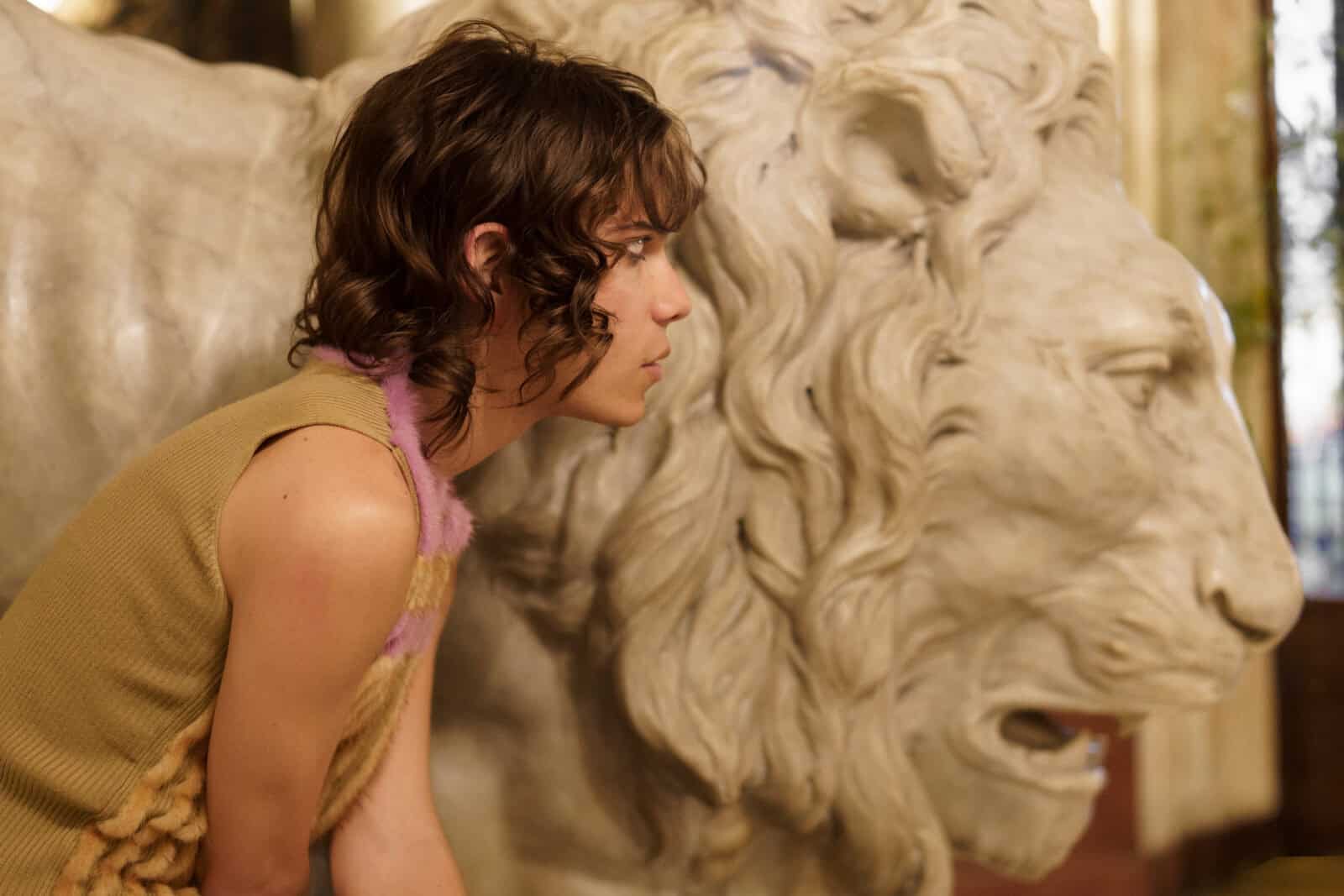
He arrived in London at seventeen with no clear plan beyond wanting to be seen, or heard, or both. Fashion came first, he modelled a little, styled a little, still does both for cash when he needs it. But performing was what changed things. “Once I did find that and I started performing, it shed a lot of those complications I had with the perception of myself, and how I was getting perceived,” he says.
Rome is where she’s from, Minori on the Amalfi coast is where her family is from, and London is where she’s actually lived her life since she was fifteen. Italy gives her “the eye for things, and the intention,” she says. “But London is where I experience.” Rome she describes as a city built on religion, cinema and history, and she likes to think her music carries something of that same weight. London is where she turned up alone at fifteen and had to build a whole life from nothing, “you meet so many people, you meet so many dickheads, you meet great people,” she says, laughing, clearly fond of all of it even now.
Most of the record is autobiographical in a way that catches you off guard. “Spin Like Brutal,” is the lead single and came out of a short and fairly bruising thing with someone he describes without much softening as an addict. He wrote the song the morning after meeting him, but he kept seeing him anyway. At some point he showed him the lyrics, including the line calling him a waste of a man, and the man apparently loved it, missing the point completely. “Are you listening to the lyrics,” he remembers thinking.
“Picky Pornstar” came out of a practice room with her guitarist Gilbert Belshaw, a riff the two of them fell upon and the song developed out from there, written around a new relationship and the trains that go past her window every few minutes. The closing track, “I shot myself in the foot today,” is about a creative partnership that didn’t survive, a collaborator she wrote lyrics with who isn’t credited on the record anymore. She doesn’t dwell on the specifics. “You should never rely a lot on someone,” she says. “It’s not fair on you or on them.”
He and his collaborators also pasted lyrics up around Dalston and outside King’s Cross station. Some were taken down by the council fairly quickly. He doesn’t seem especially bothered either way. “I don’t think it’s a big deal, especially in London,” he says. “If they don’t want it there, they can spend the money to cover it.”
She’s already started on a second EP and rattles off a long list of everyone she wants on it, her sister Lucrezia Camera, who shoots most of her visuals, her band, a producer called Harry Betts she’s hoping to bring in properly, and all this is before the first one’s even out. The EP itself was meant to come out on the first of August. A possible label deal has pushed that back, and she’s now guessing at December instead, though she’s careful not to say much more than that. Whatever comes out of it will apparently sound a little different to this one, though she’s quick to add it’ll still be recognisably hers.
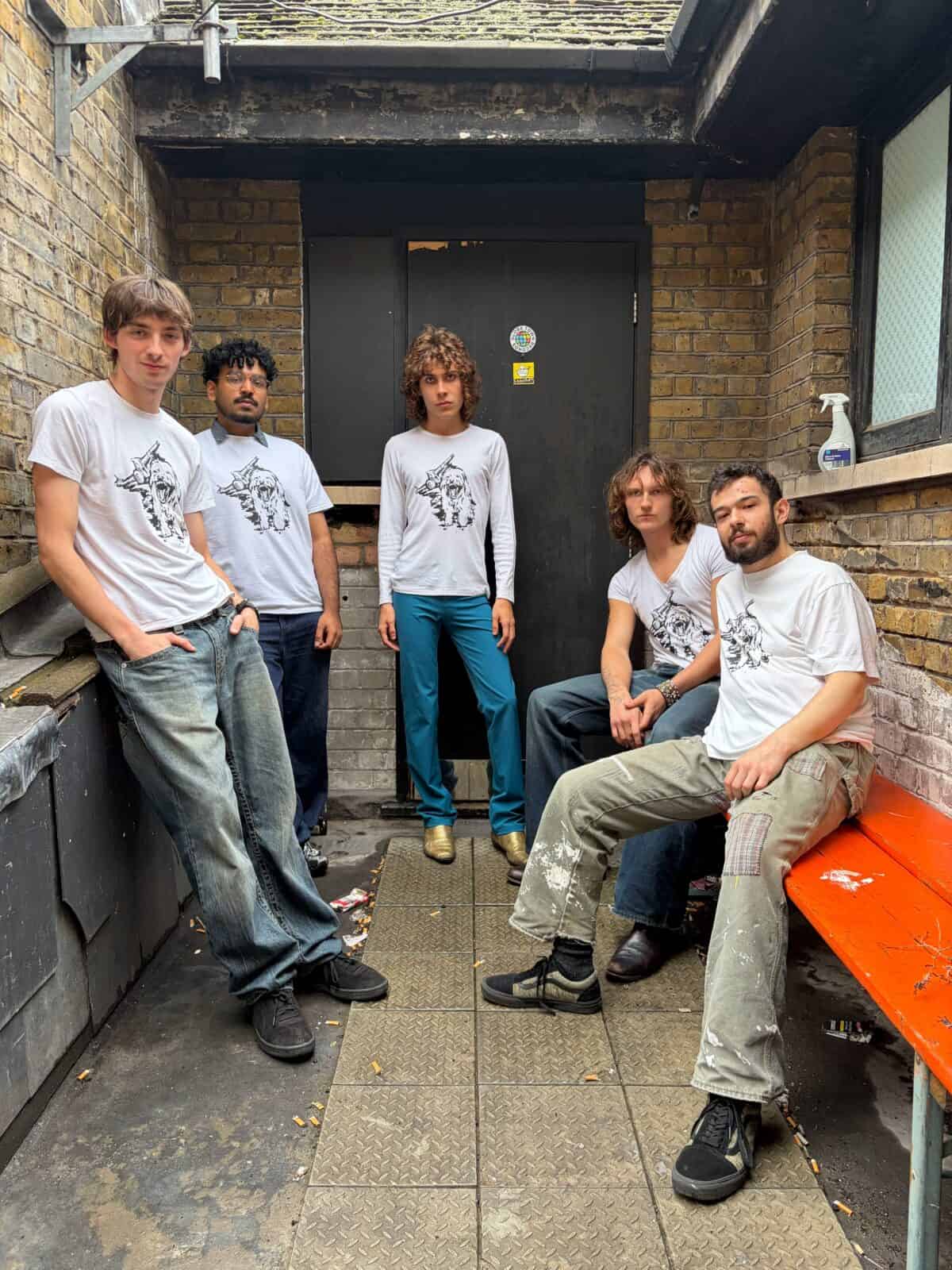
Before he goes, he tells me: “I love honesty.” It’s his favourite thing, he says, and more people should feel the same. So, I ask what’s next beyond the record and he doesn’t overthink it. “I will just keep living my fun bohemian lifestyle,” he says. “And I will just keep banging records out.”


