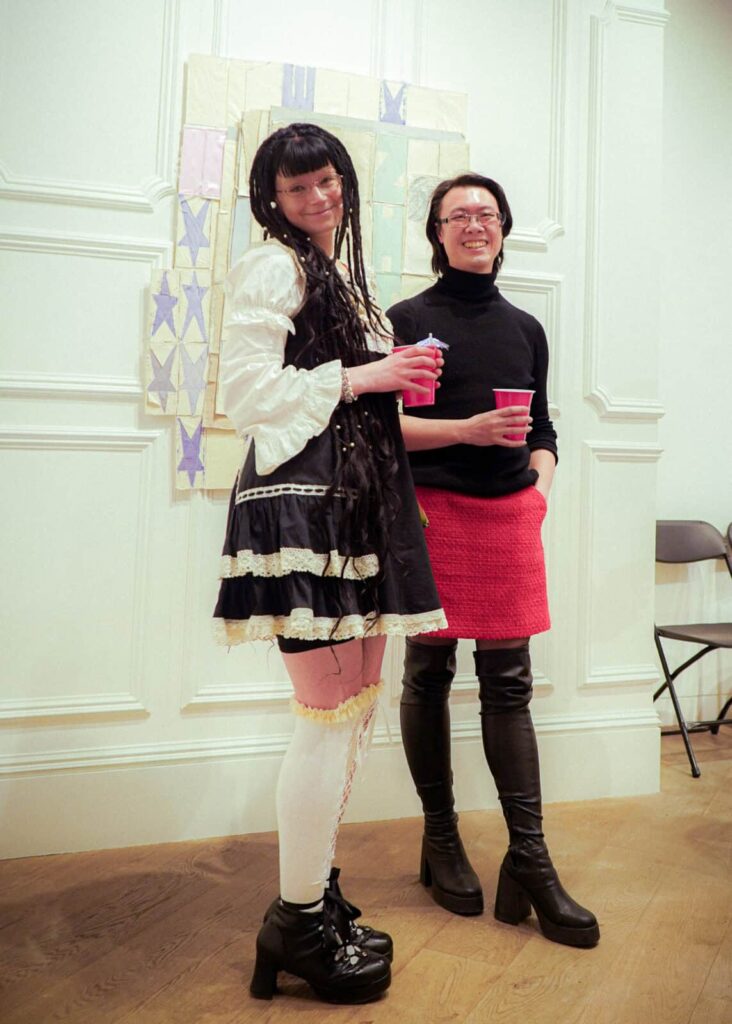
Internet Cafe was an exhibition curated by Juliet Wilson at Hypha Studios. The interdisciplinary show was open from January 30th until March 7th, and featured the conglomerate works of 16 different artists.
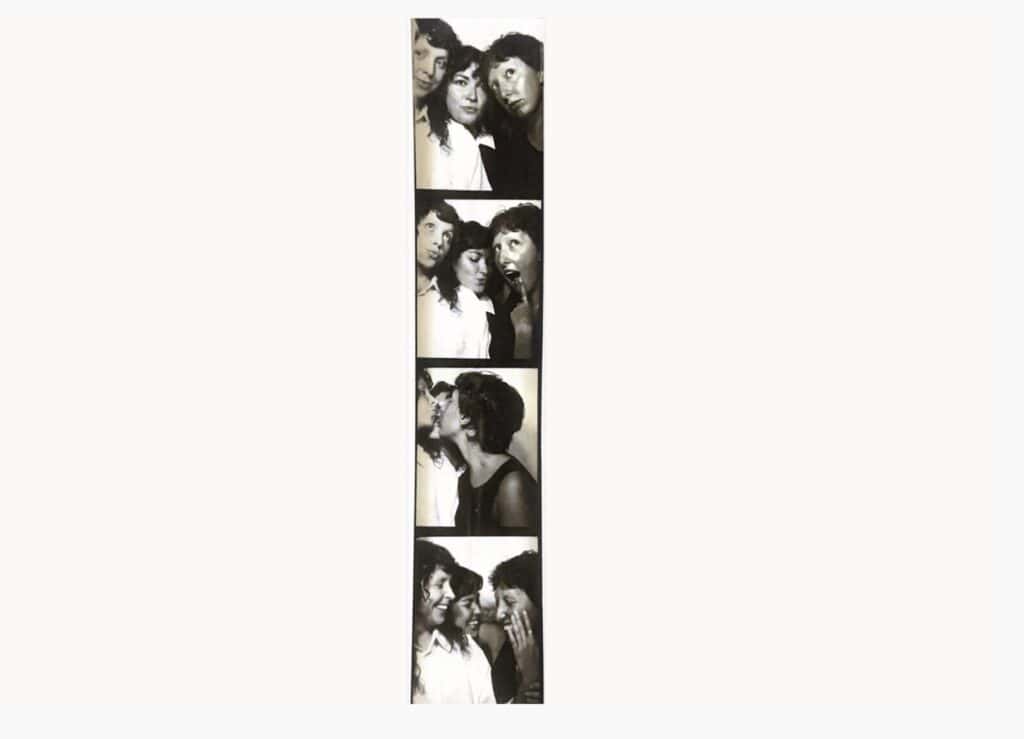
The show called into question our relationship with nostalgia and the impact of new technologies. Many handheld gadgets that we hadn’t realised would become emblematic of dying eras, have since shriveled in the shadow of social media and its harsh and seemingly unavoidable impact. As a result, we’ve now lost sight of the unique artefacts of our Y2K existence.
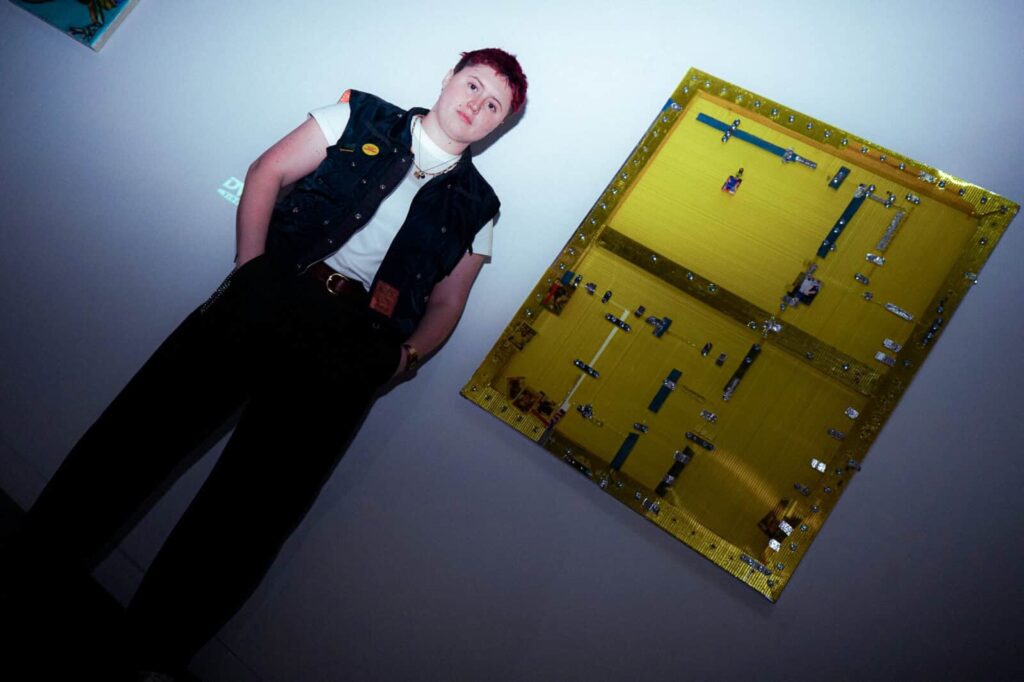
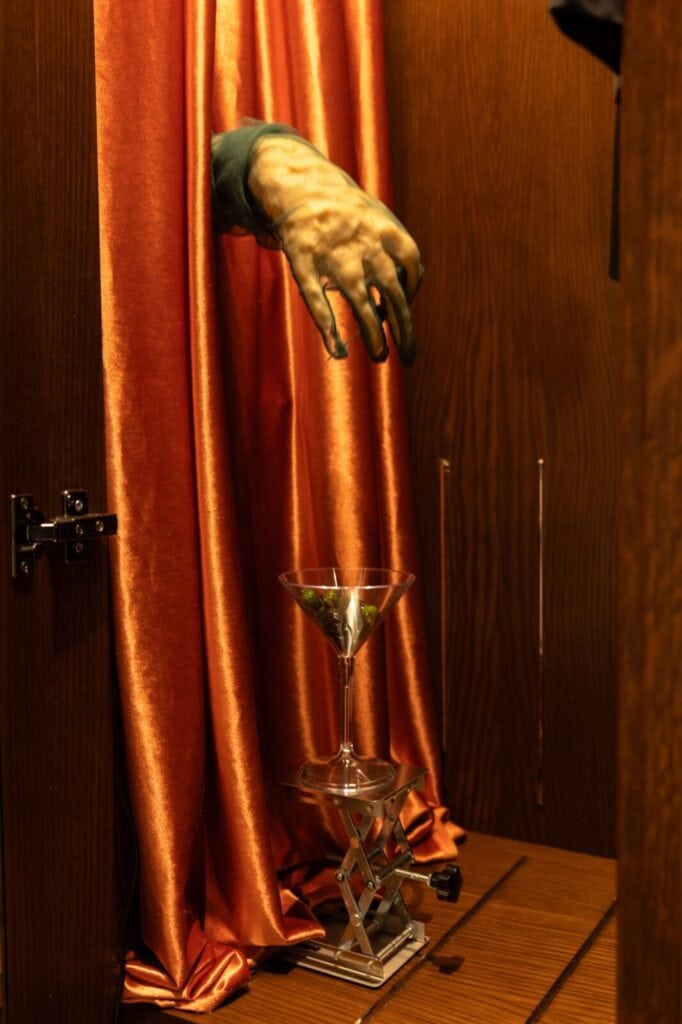
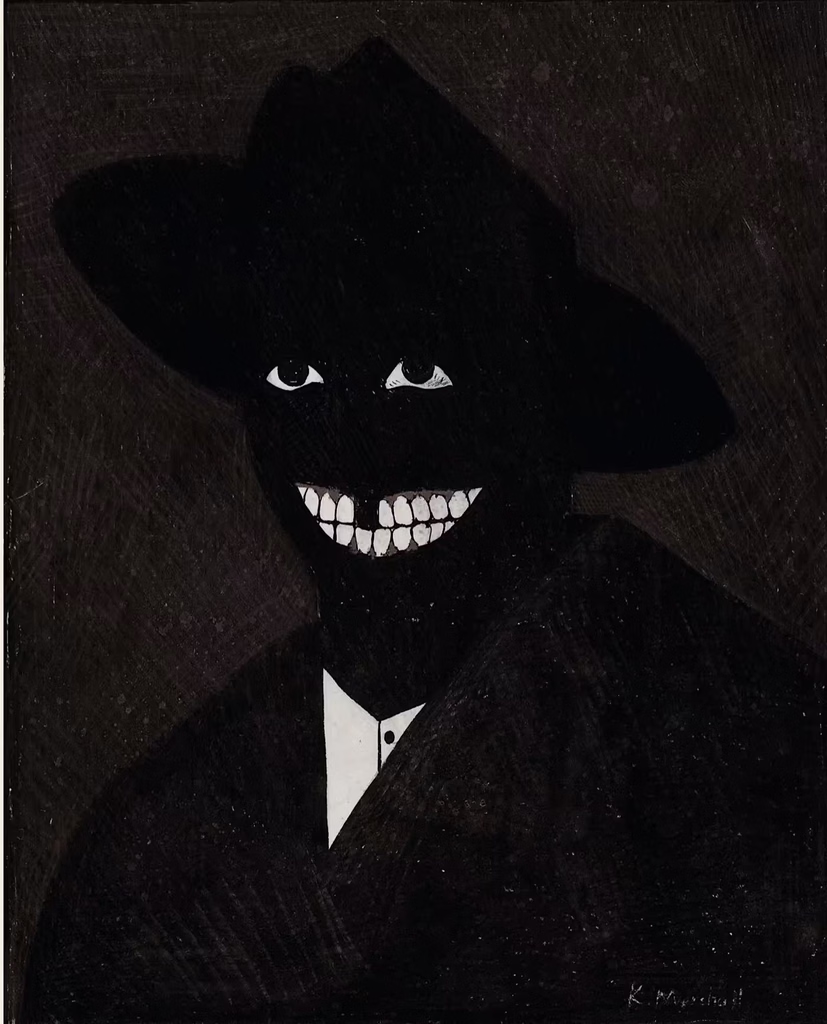
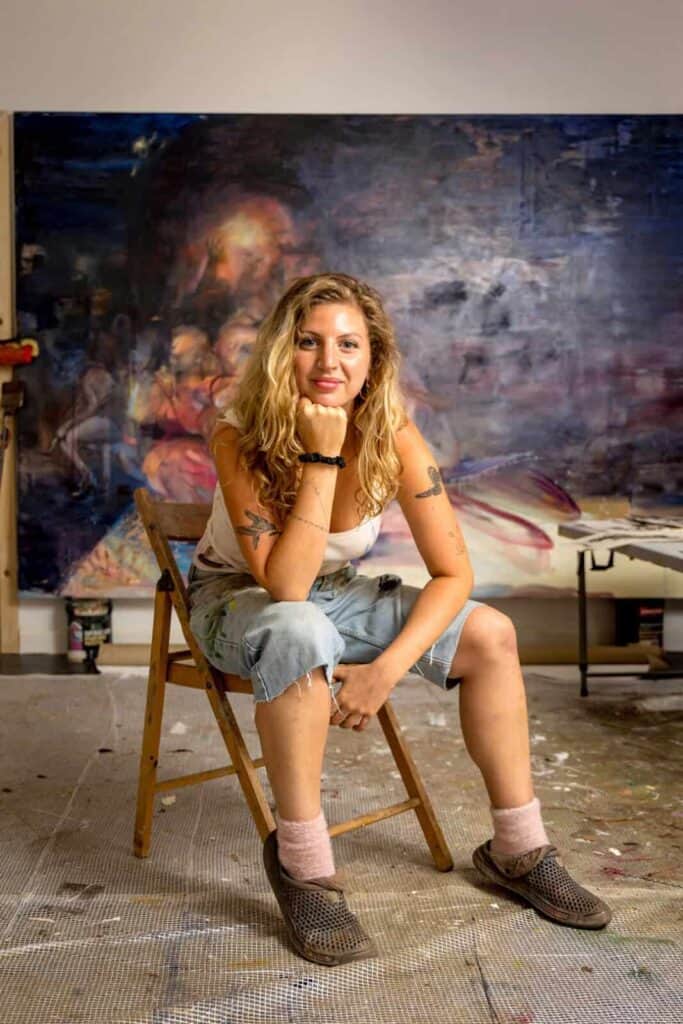
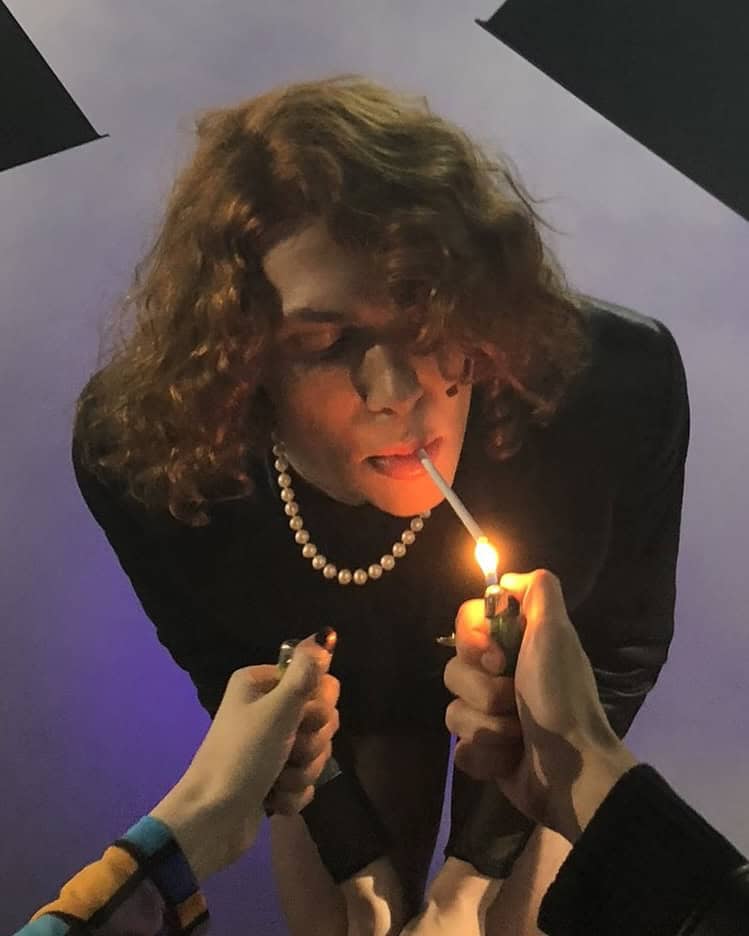
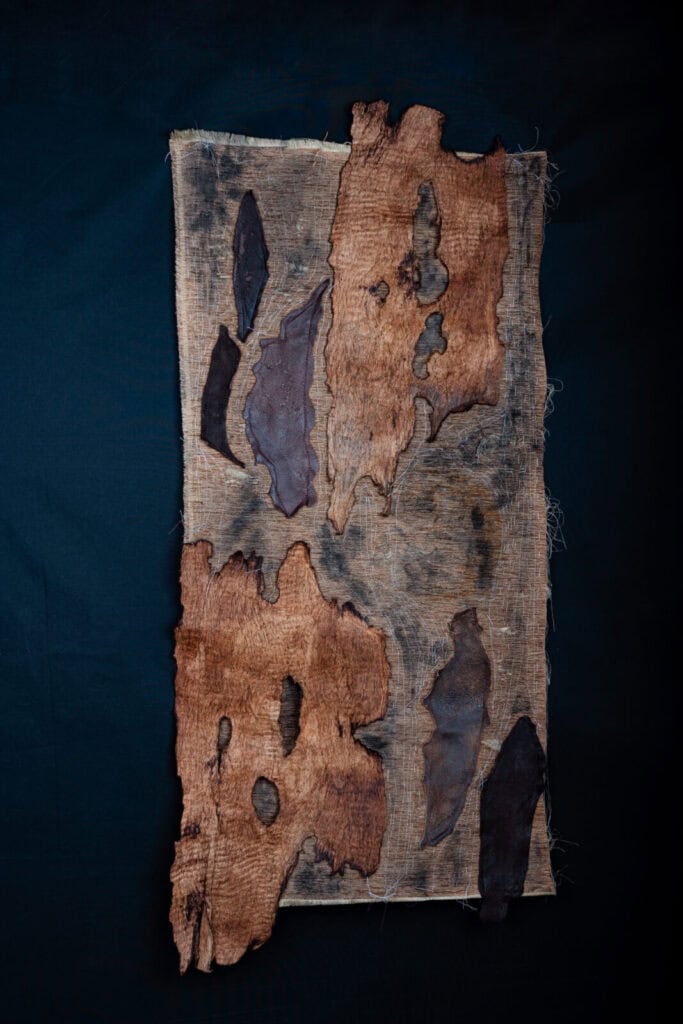
The curation of artworks included various styles and mediums, including contemporary paintings, drawing, sculpture, and installation. These works called upon audiences to question their own relationship with artefacts of our collective past and asked what their obsoleteness must mean for the trajectory of our new futures, ones inextricably dictated by our reliance on social media and The Internet.
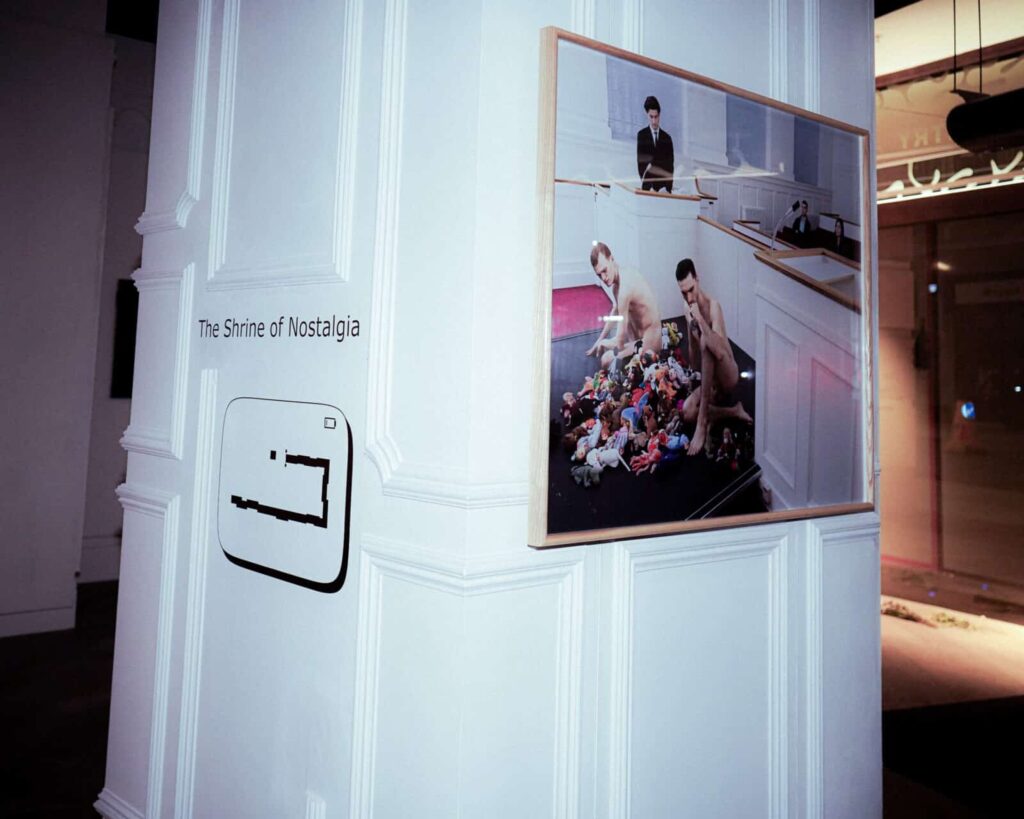
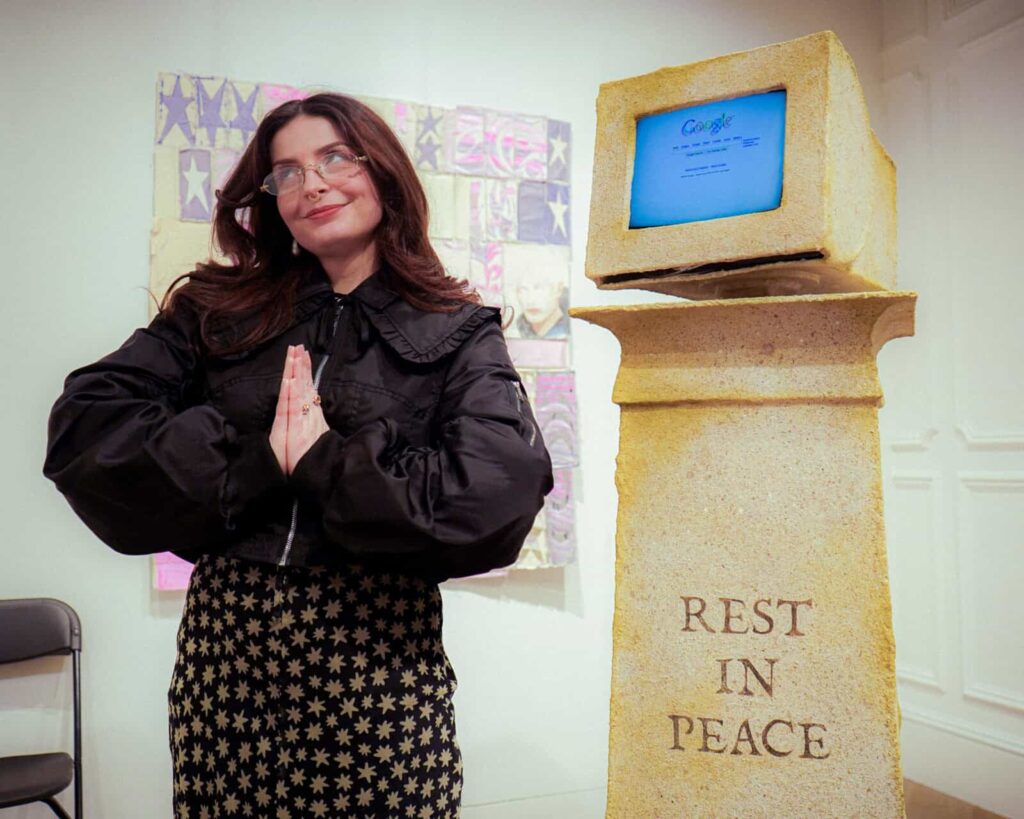
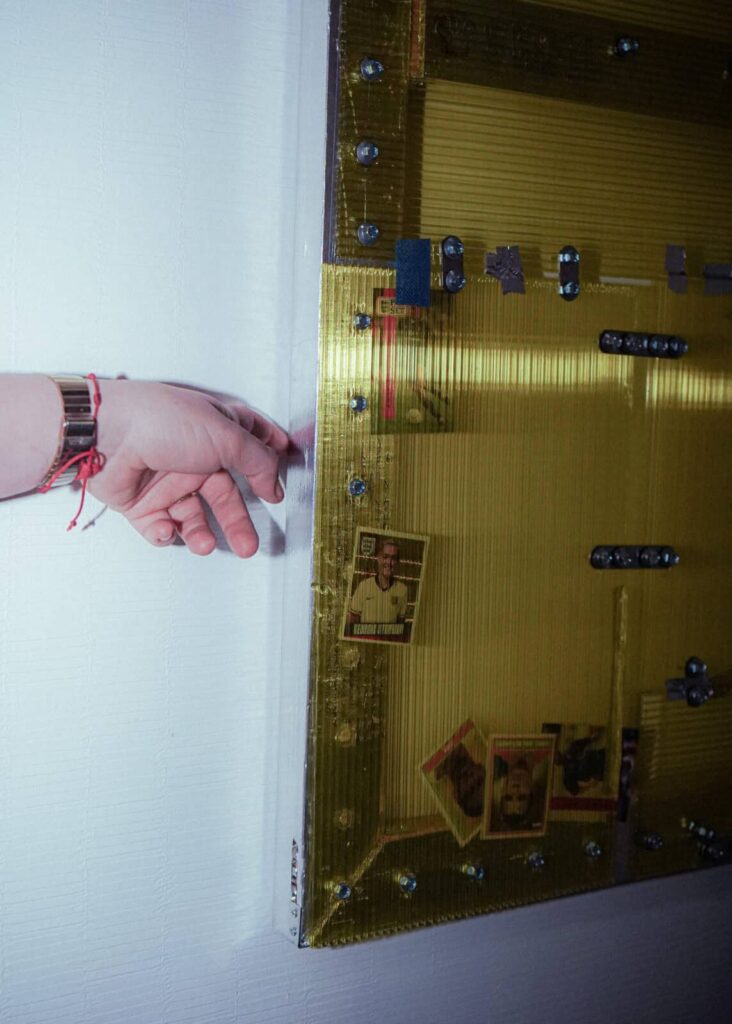
The exhibition not only featured original works that nodded to the lasting impact of a time before reels, “for you” pages, and Facebook marketplace, but also included a subsection entitled the “Shrine of Nostalgia.” This graveyard of authentic pre-2010 belongings aided in the memorialization of this technological age, showcasing the same artefacts that inspired much of the exhibition.
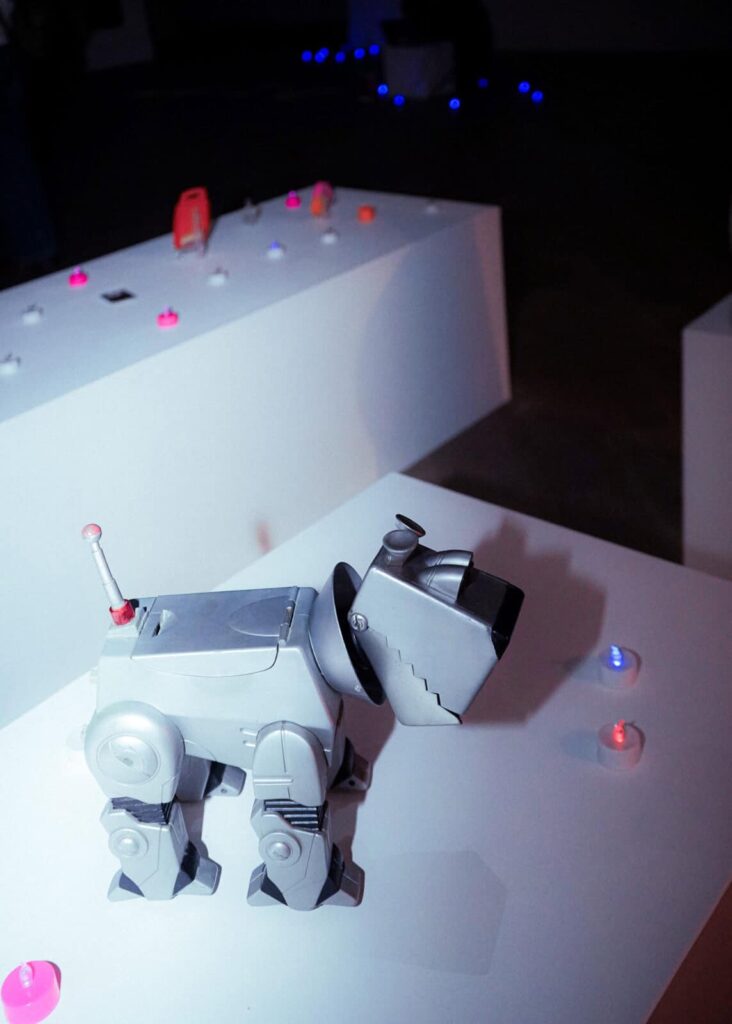
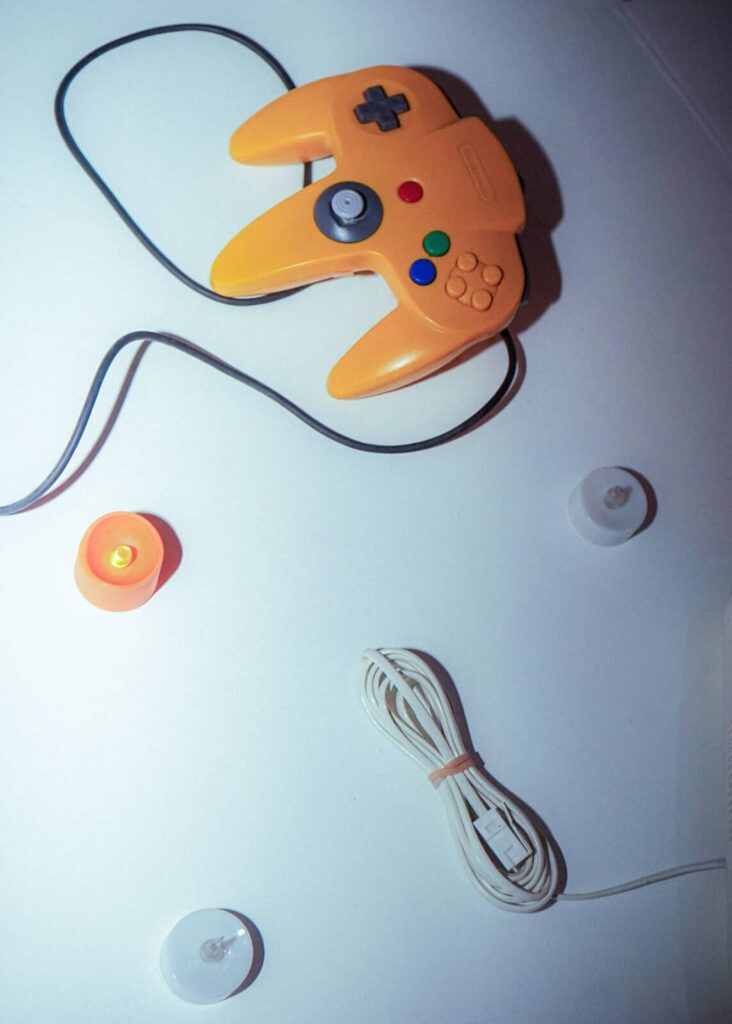
The artists on display included Honey Maker, Lily Bloom, Naomi Boiko-Stapleton, Charlie Chesterman, Eva Dixon, Olivia England, Archie Fooks-Smith, Elliot Fox, Harry Freegard, Sam Keelan, Max King, Sam King, Yuming Lu, Judy Maxwell-McNicol, Nell Mitchell, Faye Rita Robinson, and Georgia Semple.
In order to get a better understanding of this exhibition and her motivations and experience working on this wider project, we spoke briefly with curator Juliet Wilson. Read below to learn more about the exhibition’s closing party, Juliet’s favorite moment from the show, and upcoming projects to keep an eye out for.
The Cold Magazine (CM): How did it feel to close out the exhibition?
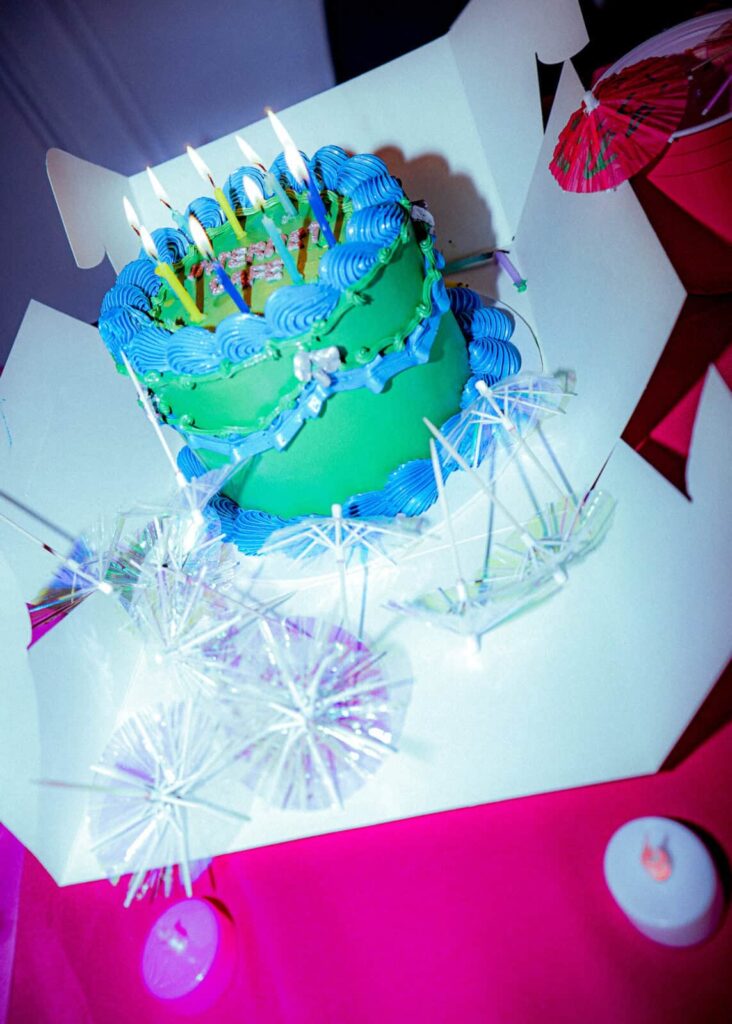
Juliet Wilson (JW): The Closing Party was INTERNET CAFE’s send-off: a vigil to Y2K internet and tech. The exhibition itself was a farewell with a big kiss and a soothing, back-rubbing hug to moments from the 2000s that quietly slipped away, like the Friday Night In that saw our final videotape rental.
It memorialised the moments we didn’t realise marked the end. Closing out the exhibition was somewhat an emotional one: INTERNET CAFE shone a pink neon light on the novelties of the early days of internet culture. Still, it recognised the state of the online world today: a far more complex space than we envisioned 20 years ago – something less harmless.
CM: Top three songs from your breakdown track list after the exhibition ended and it was time to pack it up?
JW: Sandstorm – Darude, Devil Mode – Yaeger, Internet Friends – Knife Party
CM: Favourite moment from the show?
JW: Having a live human face projected onto the wall during the Panel Talk was pretty fun; it felt like a Temu Black Mirror episode. Stephen Monteiro, author of Needy Media, joined us on Zoom from Montreal to elaborate on how notifications from the Tamagotchi strongly contributed towards the toxic relationship we have with our phones today.
Shoutout to Stephen for bringing our rambles on the panel back down to earth via his dense research into personal media devices: we needed him to rationalise the Zillennial’s experience on the family computer from The Sims 2 to more curious Google Searches.
CM: What’s your next curatorial project people should keep an eye out for?
JW: After this show, I will be taking a (short) break before curating the next one. My exhibitions are generally centred around popular culture, inspired by social themes, while blending in historical narratives – so you can probably expect that again.
They take on topical conversations that can be playfully applied while, at the same time, have deeper undertones: we are complex creatures, but a lot of the time we can have fun with that, too.