
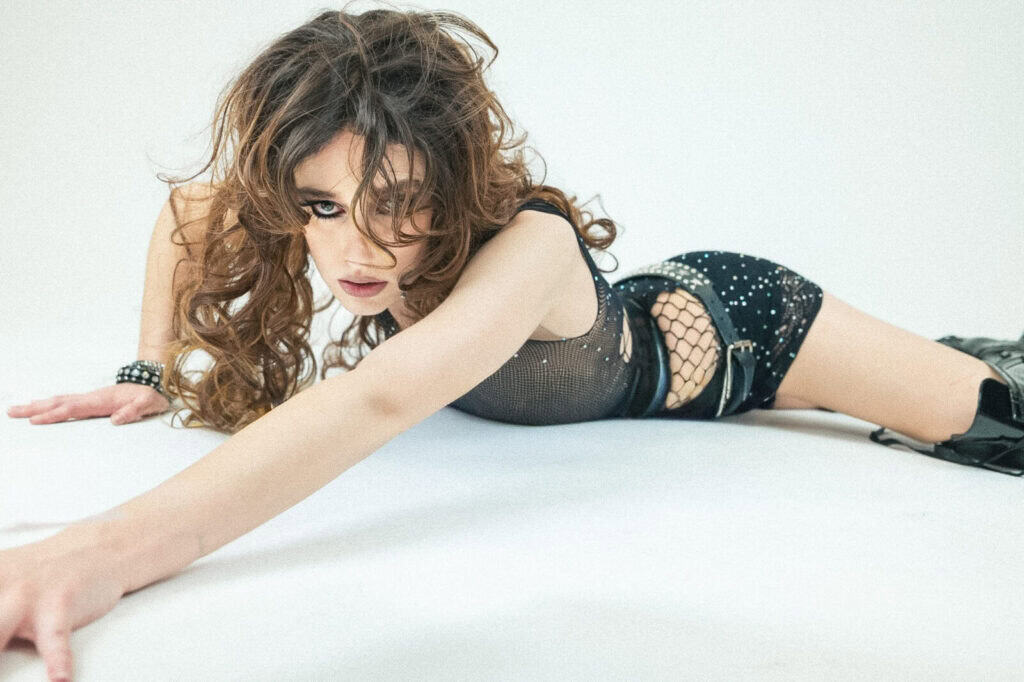
When Maryze moved to Hollywood from Montreal, she was told to lie about her age. Which meant an Instagram post celebrating her 34th birthday was seen as controversial:
“We’re all on different timelines ~ Call me a late bloomer, but it took me till my 30s to follow my dreams full throttle. And now they’re coming true?? Blessed this birthday & so much ahead.”
It was the kind of birthday post you might make without a second thought. Friends messaged to tell her she was brave, which still makes her laugh. “Why does that have to be brave?” she says.
Even so, the moment made her heart race a little when she hit post. The fact that it registered that way at all says a lot about the atmosphere women in pop have to navigate. “I never wanted to lie about my age,” she says. “But it gets so drilled into you that sometimes I’d catch myself doing it. Just shaving off two or three years and then feeling really weird and icky about it.”
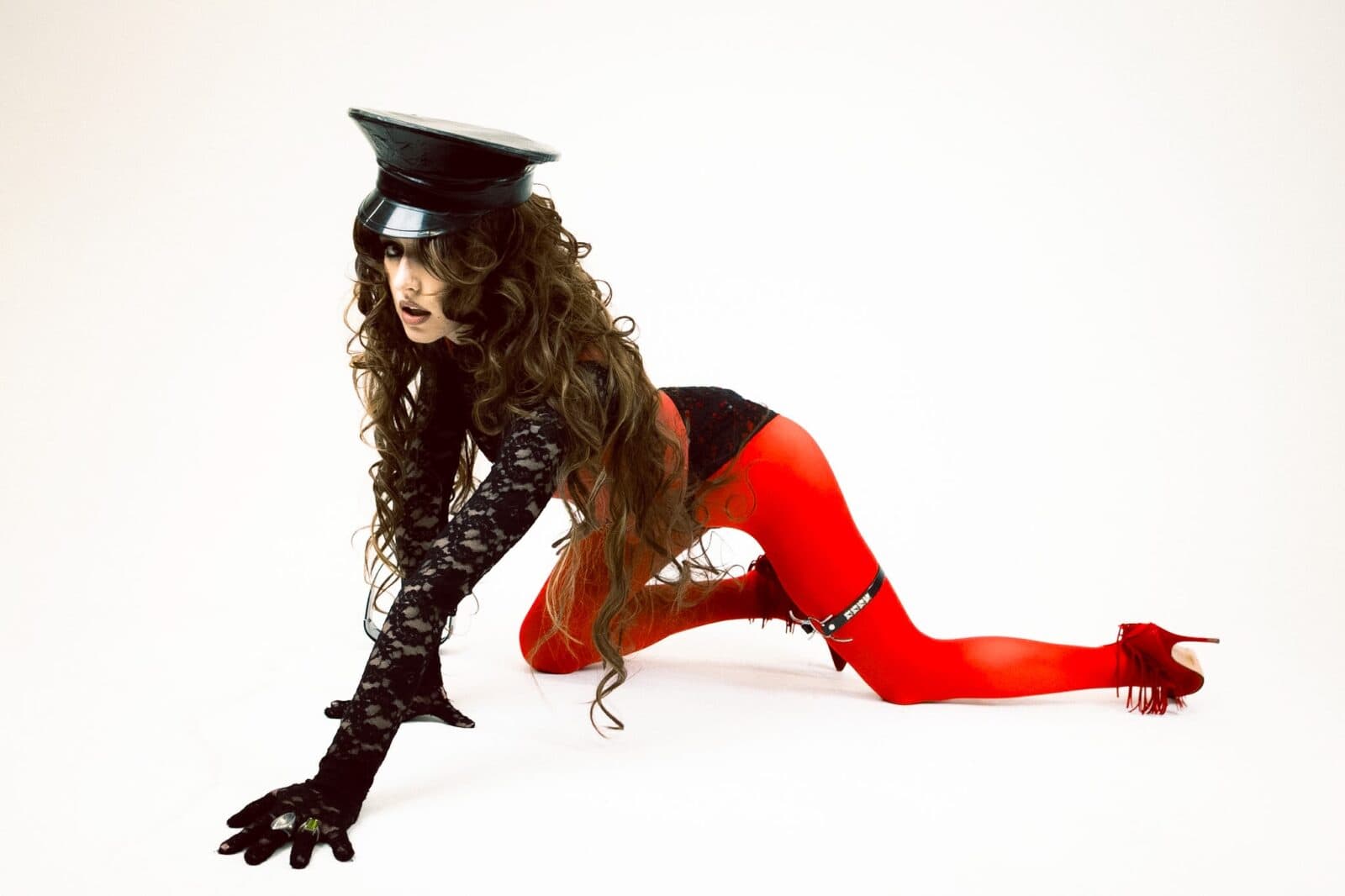
Age has always hung strangely over pop music. There’s an unspoken sense that artists, especially women, are supposed to be in the spotlight early, break through fast and stay suspended in some permanent state of youthful promise. Maryze is clear-eyed about how absurd that is. She’s been making music for more than a decade. Her new single Shy Prty Grl is out now, a glittery, sinister dancefloor spiral that gets louder and more unhinged the deeper you go.
Long before Los Angeles, before the sleek electro-pop and darker cinematic textures of her recent work, she was a teenager playing bass in high school and writing songs in her free time, already pulled toward something more dramatic.
At university, she joined an indie rock band made up of five guys – “an experience,” she says, laughing – and tried to sneak some pop theatricality into a scene that took its guitars very seriously. “I was obsessed with Panic! At The Disco,” she says. “I wanted the drama.”
That love of excess, atmosphere and big feeling never left her. She spent years immersed in Montreal’s scene, a place she still describes as creatively electric. DIY venues, art spaces and nightlife blur together there, the kind of environment where experimentation feels built into daily life.
But even in a city like that, certain hierarchies held. “There’s sometimes this vibe where girls making music – girls and gays – it’s seen as a little bit silly,” she says. “Like it doesn’t have artistic merit.”
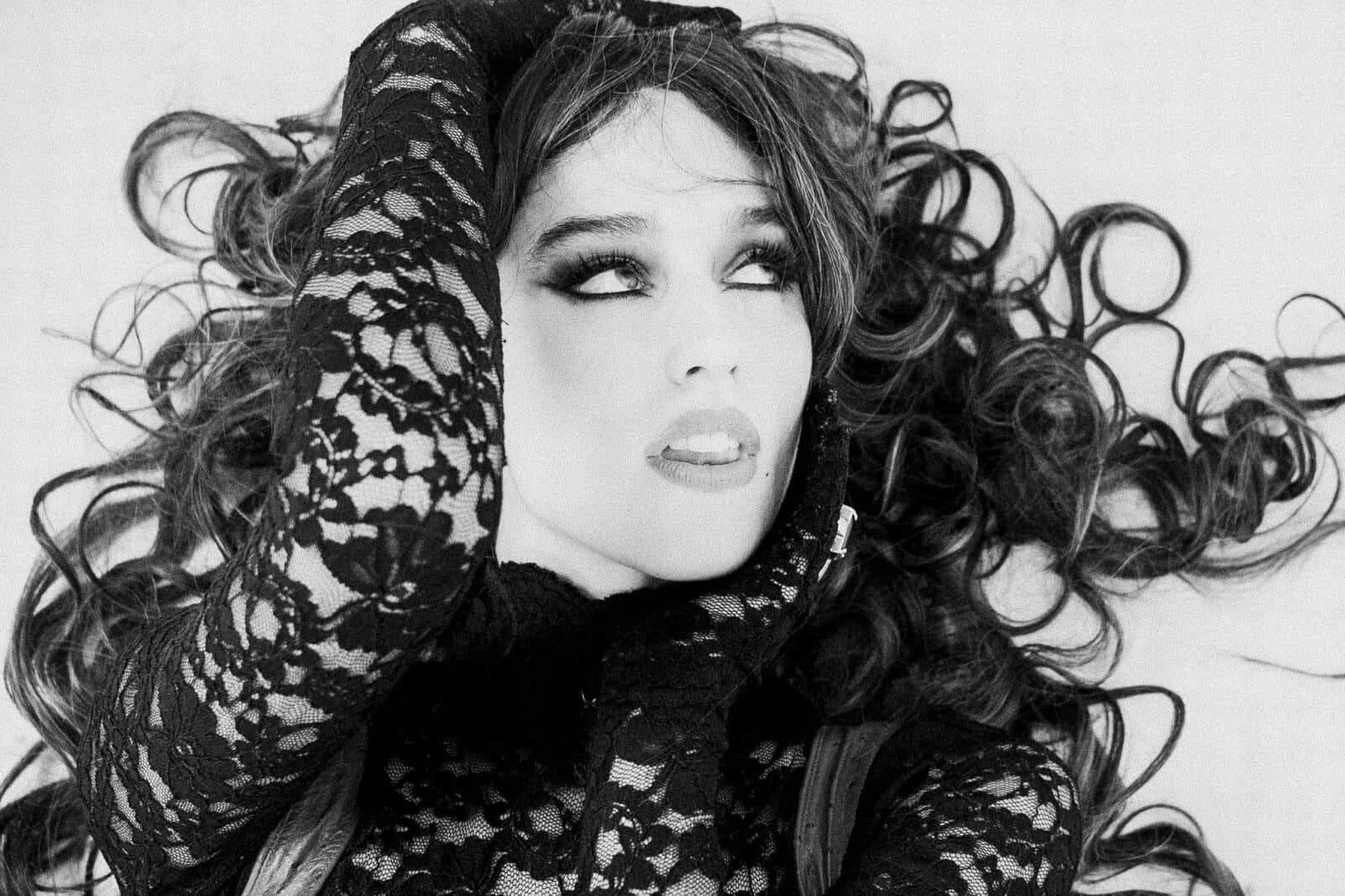
Los Angeles, somewhat unexpectedly, transformed that perspective. For all the clichés people project onto the city as a plastic entertainment machine, what she found there was a deeper respect for pop. “People here understand that writing a really good pop song is actually hard,” she says. “It’s a craft.”
That mattered more than it might sound. For years, Maryze had existed in the music industry’s least glamorous limbo, the perpetual “emerging artist”. It’s a label that can follow someone through an entire decade of serious work without ever quite resolving into something. Then, somewhere in the grind of it, there was a realisation.
“I got to a point where I was like, no, I’m really good at songwriting,” she says. It’s the kind of confidence women in the industry are rarely encouraged to state out loud. “I’ll ask for what I know is standard,” she says, of gigs and opportunities. “And people are surprised.”
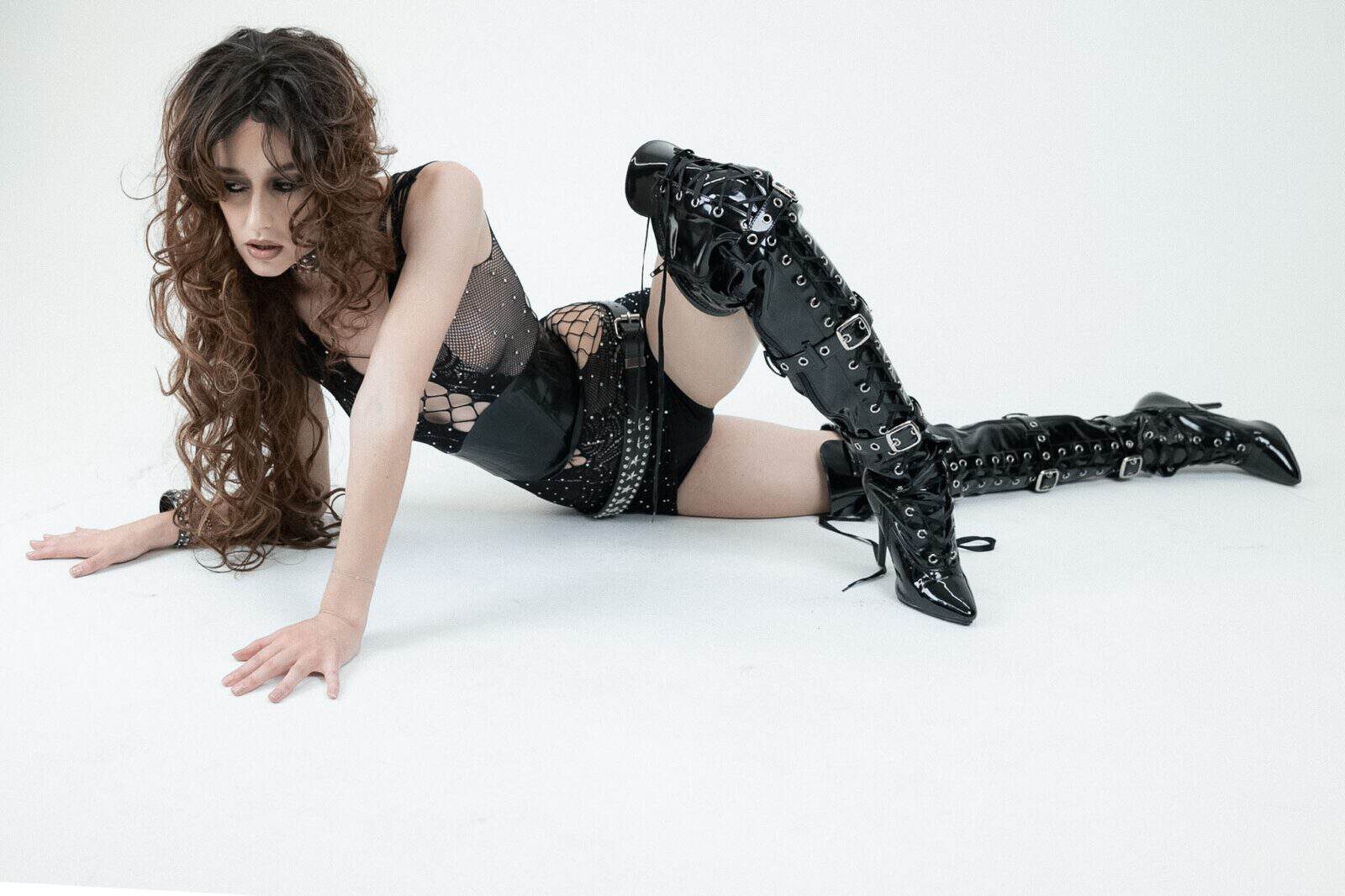
Maryze’s attraction to drama doesn’t end with pop. Horror is another major part of her artistic language, and she speaks about it with real affection. She consumes it across everything – films, books, TV – and one title she often returns to is It Follows (2014), the eerie cult favourite directed by David Robert Mitchell, for its slow-burn tension and synth score that lurks in your head long after the credits roll.
“It was one of the first modern horror films I saw where the soundtrack was stuck in my head afterwards,” she says. “The 80s did that really well with those iconic scores.”
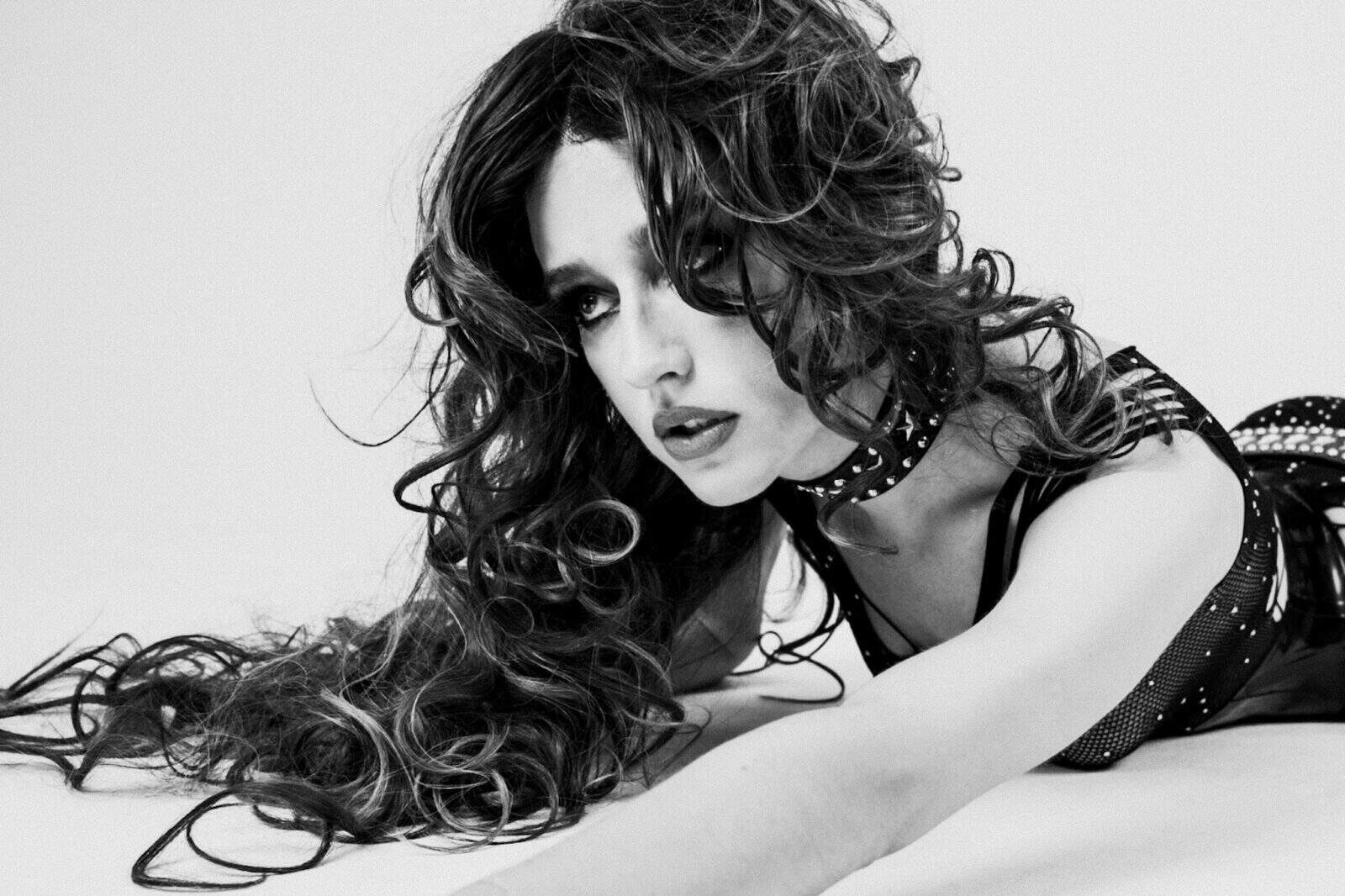
Horror gives artists a certain permission, she believes, to push things further and explore the body or other versions of themselves that might otherwise feel too extreme. “The melodrama of horror is very intriguing to me,” she says. “I love the campness of it and the permission that it gives artists to be over the top.”
That connection makes sense in her music, which moves easily between the fun of pop, darker textures and club-minded pulse without ever sounding boxed in by one mode. “I’d rather risk having too wide a sound than have every song sound the same,” she says.
Her songs often begin without a fully-formed concept, where a single line lodges itself in her mind. “I’ll write it down and then try to build a home around it,” she says. Sometimes it comes to her in that half-dreaming state before sleep, but it usually reveals itself when she stops trying to force it.
“The biggest thing,” she says, “is just letting yourself do what you know you’re capable of.”
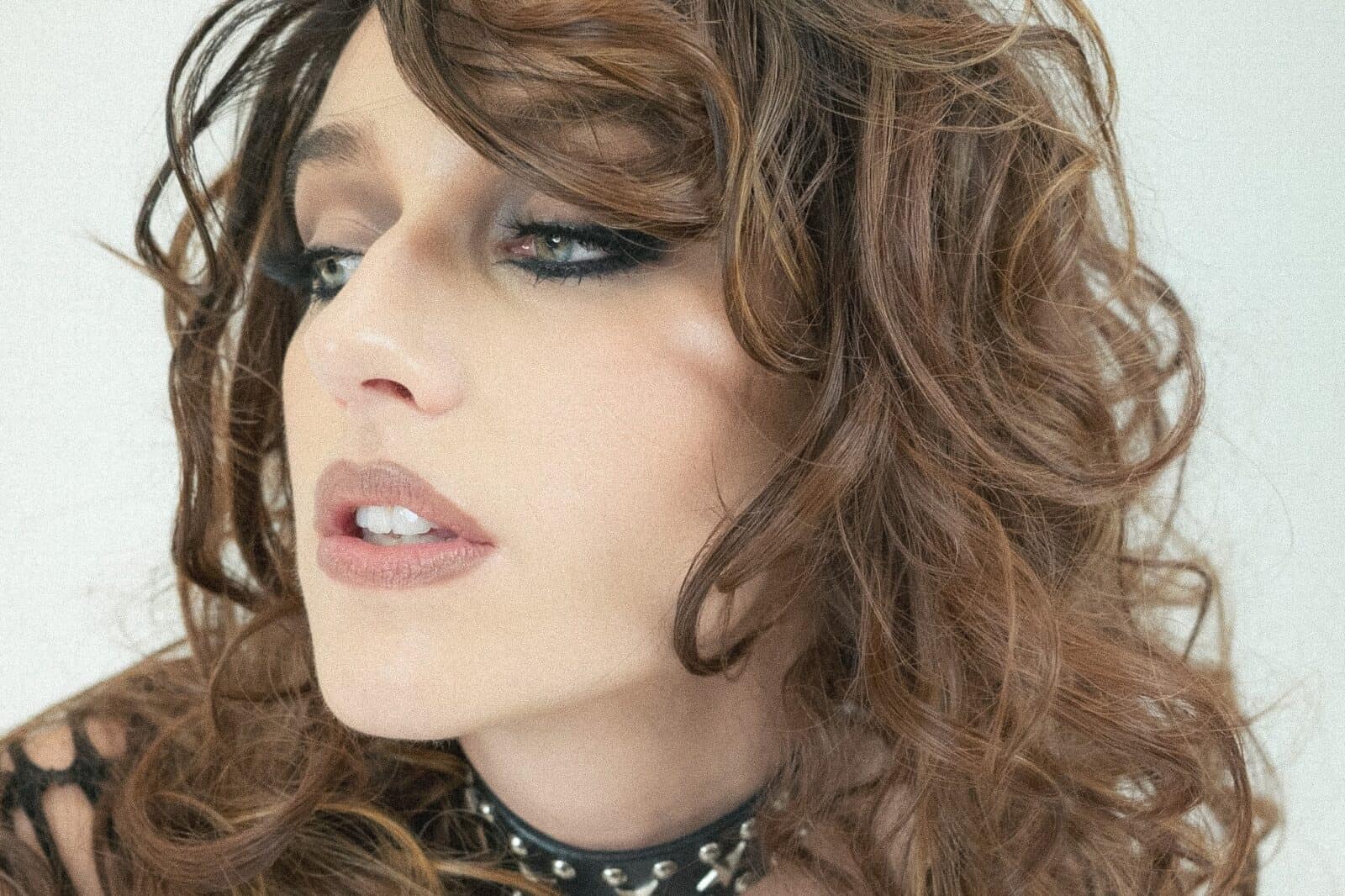
Maryze doesn’t sound especially interested in performing youth, or modesty, or gratitude for being underestimated. What shines through instead is an artist who knows exactly what she likes, what she’s built, and what she no longer feels any need to apologise for.