
I did not expect to see a queue in front of the Prince Charles Cinema (PCC) on a Thursday evening, but I guess anything can happen these days. Last week I stumbled upon the Music Video Preservation Society, which runs bi-monthly events showcasing music videos in a cinema. Tonight is their first event in the PCC, and I think I’ve just skipped part of the queue without meaning to. No one’s noticed.
In December 2025, MTV closed its remaining channels in Europe and the UK, officially ending the 24-hour music TV era that began in the 80s. Tonight I want to give the channel a proper send-off and appreciate the medium on the big screen.
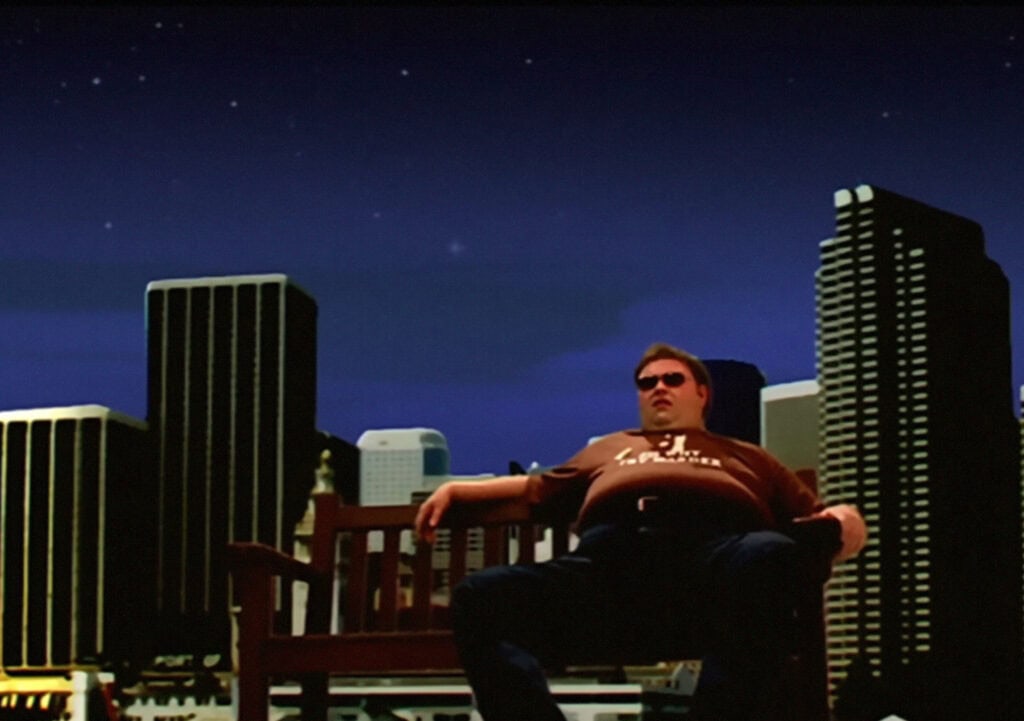
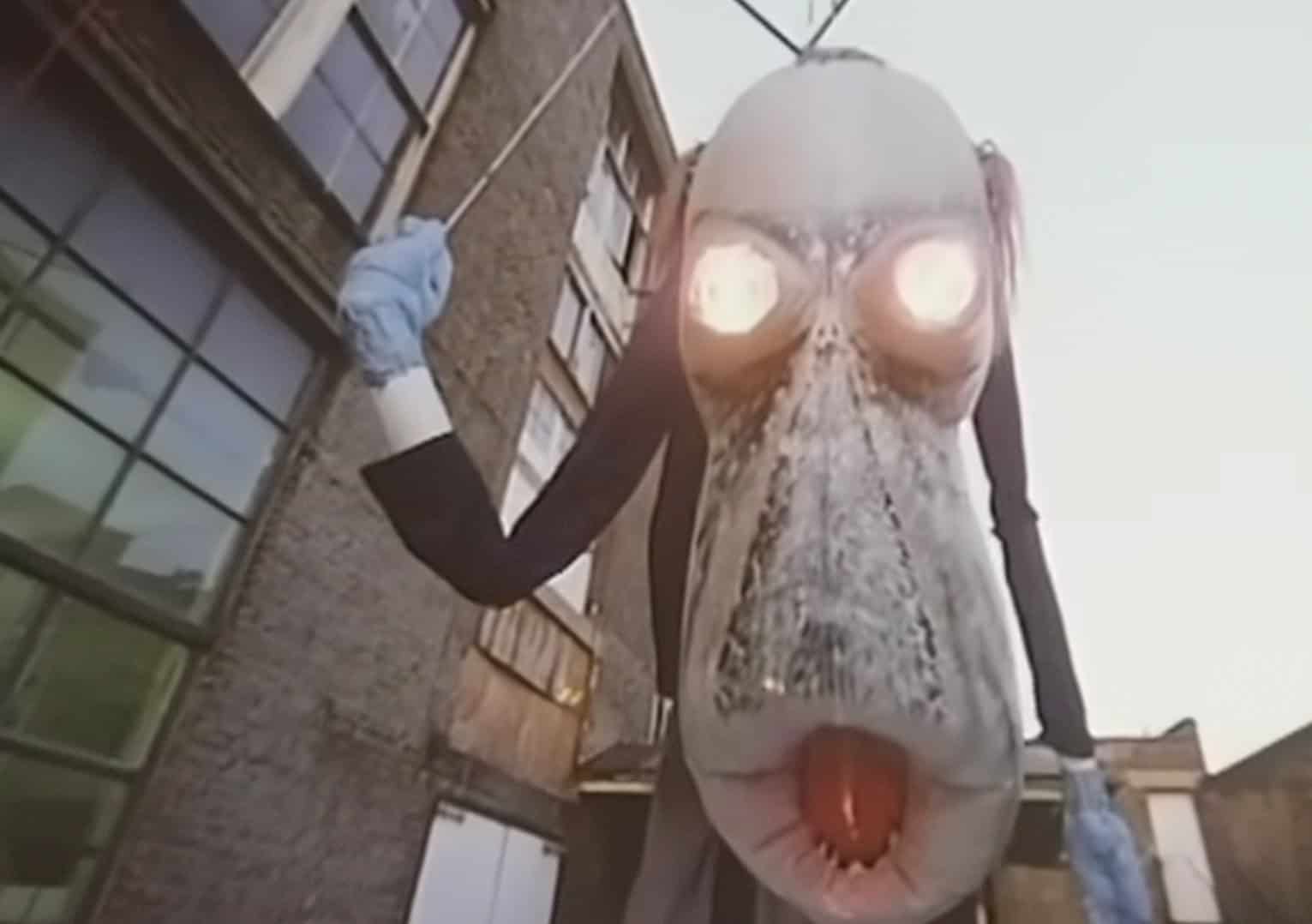
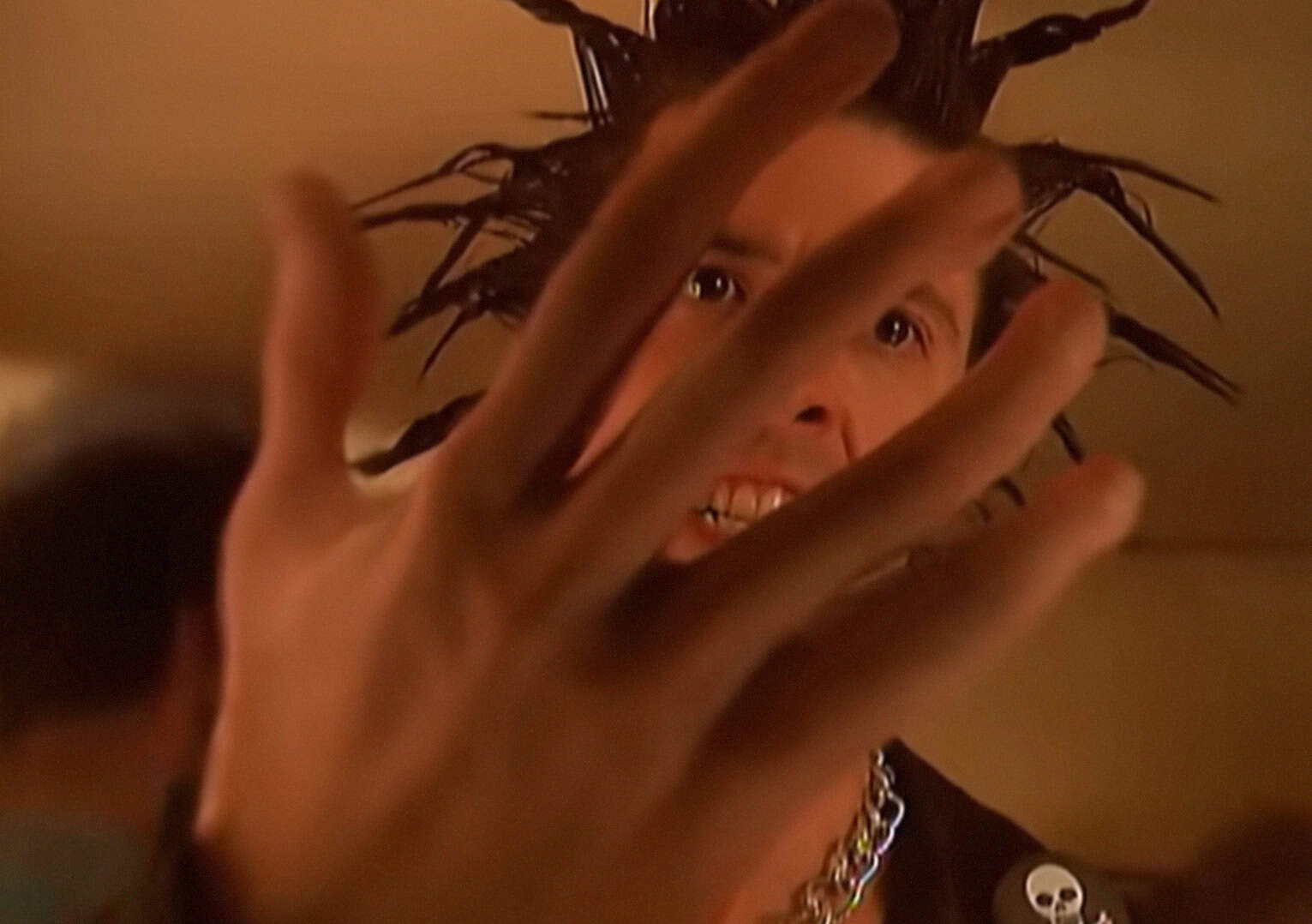
Anyone thinking of 24-hour music channels will have their own personal memories of the music videos they saw then (as a kid I was TERRIFIED of Pink Floyd’s ‘Another Brick in the Wall’). There are a few I want to see tonight and I want to give them a shout out. Fatboy Slim’s millenia-spanning epic ‘Right Here, Right Now’, Foo Fighters’ nightmarish but heartfelt ‘Everlong’, and Lady Gaga’s bold, sharp and sooo 2000s ‘Bad Romance’.
I still see this specific era of pre-streaming TV and music CDs as a bit of a gold rush for music videos. The sales pipeline felt a lot more straightforward: make a hit, make a music video, get showcased on TV and radio, sell CDs. You could then spend resources in a music video knowing it would unlock new channels of marketing for your songs. Part of the reason I’m here tonight is to reflect on this.
There will be two guest speakers tonight: Dominic Leung and Nick Goldsmith from Hammers & Tongs, a Behemoth of music video production in the 90s. You’ve probably seen and loved their work without knowing as they dominated the 24-hour music channels, collaborating with Blur, Coldplay, Vampire Weekend, Supergrass, and many more. They also directed Fatboy Slim’s ‘Right Here, Right Now’, so I’m hoping to see at least one of my wishes come true.
While queuing I got to chat to a few people, a mix of first-timers and regulars. I did wonder if people would dance (I know, looking back, this was a stupid idea) but I was given such a starstruck frown by the people I asked that this dream of mine quickly faded.
We are swiftly admitted into the downstairs screen of the PCC, whose weirdly curved floor makes it really hard to know where the good seats are. I quickly sit down and I can now see a lot of the crowd mingling or catching up. It feels like I’ve stepped into a very wholesome and passionate bubble and I’m excited for the show to start.
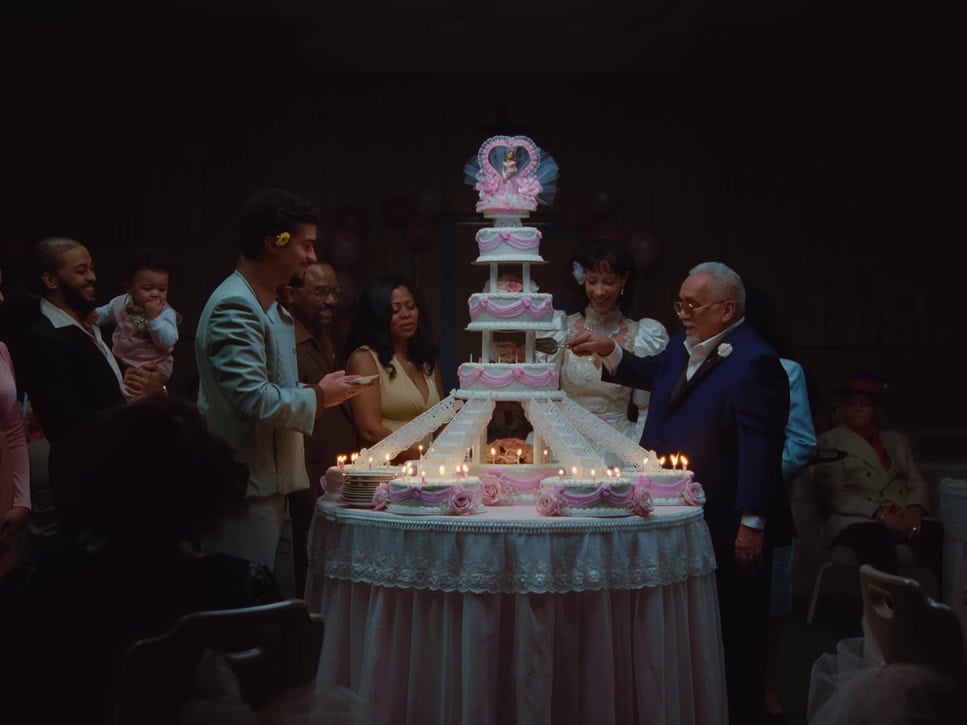
The lights dim and David Knight steps on stage, hosting the event and giving commentary in between the music videos showcased. And the first music video to screen ‘NUEVAYoL’ by Bad Bunny. Not along the old-school MTV vibes I was honestly expecting, but such a BLAST to see in a cinema. And that’s when I got it: The Music Video Preservation Society, as a platform, celebrates ALL music videos, and serves as a new channel to platform and maintain the medium.
It’s a museum; it explores the art, both old, and new. You get to see insane back-to-back music video showcases with added context thanks to David’s commentary, as a celebration of the medium’s whole existence. I did not expect seeing ‘Tamale’ by Tyler, The Creator followed with ‘Linger’ by the Cranberries and, in the span of 40 minutes (the first half of the event), we jumped through three decades of music videos, from Sonic Youth to Harry Styles.
Inspired is a lacking word to describe how I felt after watching such a range of concepts and creative voices. It also challenged what I believe a music video must be or look like. Most importantly, I saw the passion put into music videos today, even though 24-hour music TV doesn’t exist anymore. I think we’re in good hands!
The second half of the event brought Nick and Dominic on stage to go over their prolific music video production career. It was fascinating to hear about how a group of Graphic Design students from Central St. Martins ended up directing for Fatboy Slim and Coldplay. It was a privilege to go over their work and see how it evolved alongside technological breakthroughs in the field of VFX.
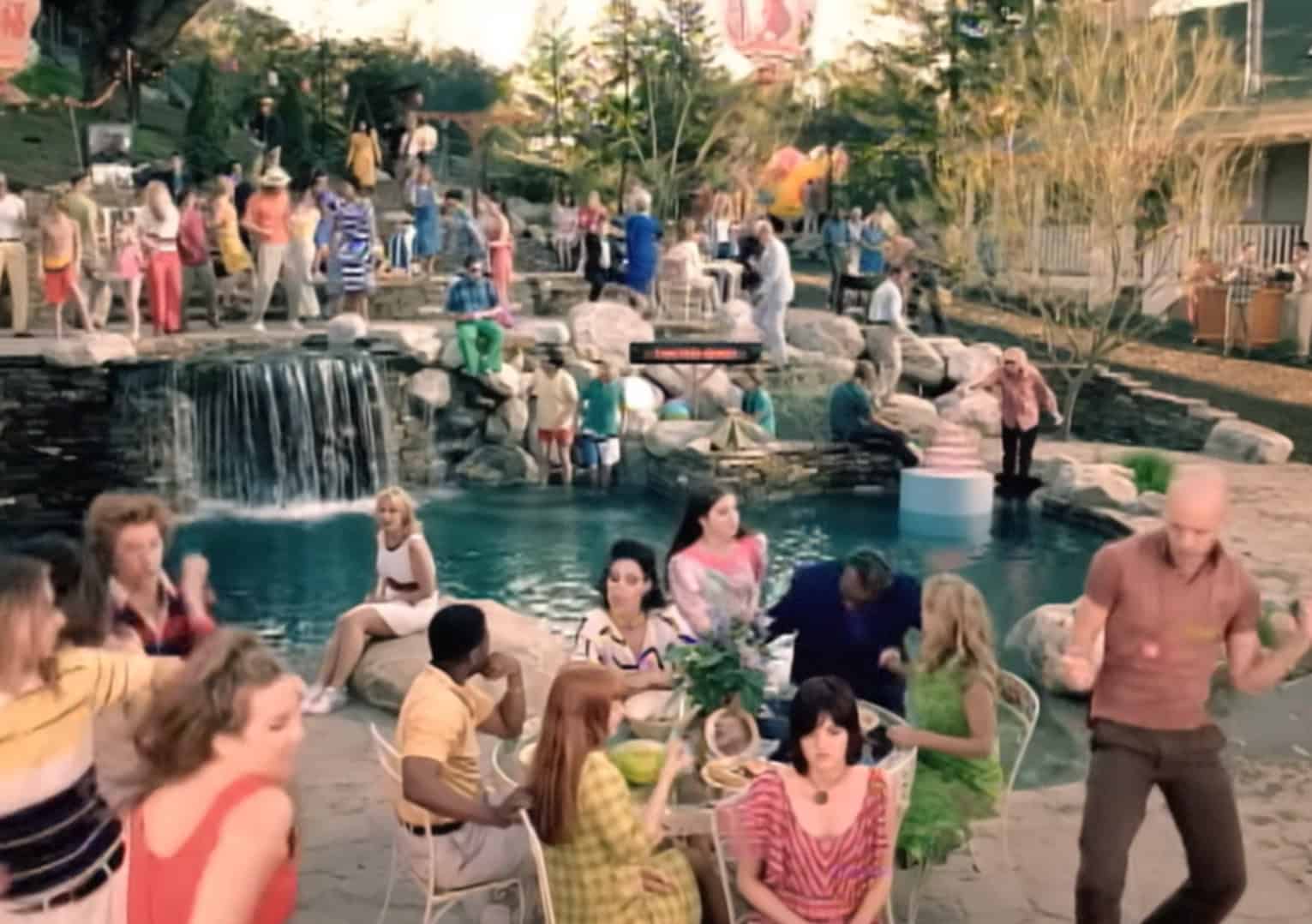
Honourable mention to their R.E.M. – ‘Imitation of Life’ music video. I’ve got a headache just thinking about how they managed to turn a 20-second video clip into a music video simply by looping it. Genuinely. Check it out. We also got to watch ‘Right Here, Right Now’, so one of my predictions was correct. I left the event satisfied (except for the fact we didn’t dance at all).
So, is today’s music video industry very different from MTV’s golden era? While the means injected by labels into music videos may be very different from twenty years ago (save for surefire investments into superstars), the entry cost of making music videos has also drastically decreased. Prosumer cameras and laptop VFX go a long way.
Labels are moving differently, but these new constraints are opportunities for new creatives to execute high-concepts at low cost. Basically, like then, you’ve got to be smart about it, you’ve got to be willing to experiment, and you’ve got to be consistent. We remember the “good” music videos from then but there were as many “bad” ones.
There is not one single distribution channel for music videos anymore, which means there is less gatekeeping, less arbitrary censorship, and less of a need to cater to specific audiences. Don’t get me wrong I still think there’s similar issues today, like there always will be. My point is that I don’t think there’s necessarily “good old days” to be reminiscing about.
This new environment is fertile grounds for passionate artists to thrive, like then.
I still wanted to challenge these thoughts, so a week later I picked David Knight’s brain on the matter. David hosted the event and also runs Promonews and the UK Music Video Awards, two platforms celebrating the medium and its artists.
The Cold Magazine (CM): What is Music Video Preservation Society’s goal in today’s music video ecosystem?
David Knight (DK): The idea is to celebrate the format on the big screen, highlight its artistic and cultural value, talk to creatives involved in making them and, ultimately, show videos that people will really enjoy. It’s aiming to show the creativity that would justify its description as an artform, and the artistic vision of directors. But also to recognise how it can be a cultural force. By that I mean, the iconic videos that define the career of a pop star or a moment in time in pop culture. And usually I provide some context, including anecdotes, around the making of the work.
Each meeting of MVPS is a mixed bag – well, they have been so far. Any show may feature work from the past 50 years – or from even earlier – right up to the present day. It’s also about the current phase. The message is that music videos are still being made, still powerful and capable of stirring emotion.
CM: Do you believe a music video’s purpose has changed over the past twenty years?
DK: On one level, the purpose hasn’t changed; they’re made to promote an artist or band and a song. But how they are perceived probably has. As we’re now in the age of the doomscroll it has to adapt to or co-exist with the new way of consuming visual content. By the labels who commission them, it often becomes part of a suite of content – and regarded as the somewhat old-fashioned longform part.
But in a way that puts more focus on its strengths. The music video can engage a viewer like nothing else. And the power of engagement is arguably becoming more apparent as YouTube continues to evolve and is now a fixture on large screens, via TV apps, as well as small ones.
CM: How would you break down the business model surrounding music videos today?
DK: In the UK, the structure for the production of music videos has usually been based around the relationship between record labels and production companies. The latter come in different shapes and sizes but the main players have generally been companies that produce both TV commercials and music videos. The advertising work is where the money is made, the videos are where the companies develop new and up and coming talent to be the next generation of commercial directors. This model still exists, more or less, but there is more pressure on it than previously. That’s partly down to the financial pressures on commercial production, which make the subsidising of music video production less feasible or attractive for the companies. There are other factors too – including the increase in production of social media content, with lower production value, made by independent creators. Then there is the rise of the creative director role which is also down to the increasing independence of artists from labels and other factors.
CM: What are the new challenges faced by the music video Industry?
DK: Plenty of challenges! Music Videos are only part of an artist’s marketing arsenal now. Fewer mid range videos are being made is hard on the established world of music video production. And then there is AI – will labels be tempted to go down that route for cost reasons and reject human creativity?
Having said that the situation is constantly changing, makers of music videos are naturally resourceful, music continues to inspire directors, artists still want to make them, labels still need them for their music and I think they are the crucial element in developing artists in having long term careers. I don’t know if TikTok and Instagram are really where you develop artists. People today do watch YouTube on their TV, so there is definitely a place for Music Videos in today’s content space.
CM: Which music video director would you like to have as a guest?
DK: It’s a hard question. Very difficult to pick a single director as many have made major contributions to the format over the past five decades or more. I’ve been lucky enough to talk to quite a few of them
already – from Tim Pope in the very first show to Hammer & Tongs in the most recent. Really looking forward to welcoming Dawn Shadforth at the next one at the Mildmay Club. She has consistently made groundbreaking work while working with a range of artists including mainstream pop. We will be showing some iconic videos by Dawn!
But if I have to pick one director for the future I’ll say Anton Corbijn. Would love to show Anton’s work on the big screen and have him talk about it. But really, there are a lot of people I’d love to have at MVPS CM: – and not only directors. What about all those artists?
DK: Lastly and most importantly, do you know where the best seats are in the downstairs screen in the Prince Charles Cinema?
DK: I’m not sure. But the team at The PCC say that the best seats are the ones in the back.