

“You cannot cover fire with paper forever.” This single sentence encapsulates the entire philosophy of MYAT, the London-based label founded by the Burmese designer who is redefining femininity and tailoring at London Fashion Week. After studying at Central Saint Martins, Erica Myat translated her childhood memories among the textiles of Yangon and her family’s rigid traditional aesthetics into intimate and intentionally imperfect fashion. With her AW26 collection, Antechamber, she celebrates an unapologetic vulnerability that is no longer afraid of being judged. In the performance-led runway, visually directed by British-Persian film director Sayna Fardaraghi, we saw a figure cloaked in a voluminous white dress trapped inside a sculptural cell; distressed garments, worn masterfully by the models walking around her, toyed with themes of time and wear, moving from black and heavy wool to translucent and airy chiffon. In the final act, she breaks free from the structure, languidly stepping out in a climatic moment of release.
In this interview with Cold, Myat reveals the secrets behind the show, her inspirations rooted in Mughal attire and what it truly means for a girl to bloom in front of everyone’s eyes.
The Cold Magazine (CM): As a Burmese designer who trained at Central Saint Martins and is now building your own label in London, how has your personal background shaped the way you approach fashion and identity?
Erica Myat (EM): I didn’t realise it at the time, but Myanmar shaped my relationship with clothing heavily. Tailor-made clothing was more common than buying off the rack. Even school uniforms worked that way, schools would only specify the white and green colours, the teachers and students would go to local seamstresses to have them made. So although everyone wore the “same” uniform, each one was slightly different if you looked closely.
I went to fabric stores with my mother every month, started making my own dresses when I was young, and we even tailor made our pajamas. There was always an understanding that clothing was something you participated in creating, rather than choosing something fixed and predetermined. We put a little piece of ourselves into every garment we made. Small details mattered, where buttons begin, how long a sleeve should be, whether a collar exists at all.
That shaped the way I now approach ready-to-wear. I’m interested in how individuality can still exist within functional clothing. I like garments that leave room for the wearer to adjust and personalise them, especially within ready-to-wear, where mass manufacturing often removes that feeling of intimacy from clothing.
CM: Your AW26 show “Antechamber” felt like entering a psychological space. How did you begin building that world?
EM: Antechamber came from this idea of hiding and revealing. What parts of yourself are acceptable to show, and what do you keep hidden? It’s about being in a transitional phase, hesitating between two extremes, but knowing you eventually need to leave one behind. A lot of the collection explored creating space for yourself when the way you naturally exist or dress isn’t fully accepted where you come from.
CM: The collection explores being watched, but also wanting to disappear. What interested you in that emotional space?
EM: I grew up between Myanmar and Singapore, so the environment I was raised in was never strictly one culture. After leaving Myanmar at 13 and entering a school with students from around 86 nationalities, the idea that there was only one “correct” way of living or thinking disappeared very quickly. Identity started to feel much more layered and constantly morphing.
At the same time, I still came from a very traditional culture and family structure where there were much clearer expectations around how a woman should behave, dress, and exist. So while I was being exposed to all these different ways people allowed themselves to live, home itself remained unchanged.
I think a lot of the tension in the collection comes from that experience, trying to grow into yourself while existing inside a very tight fence of what you are allowed to be. You start questioning which parts of yourself are acceptable and which parts need to stay hidden.
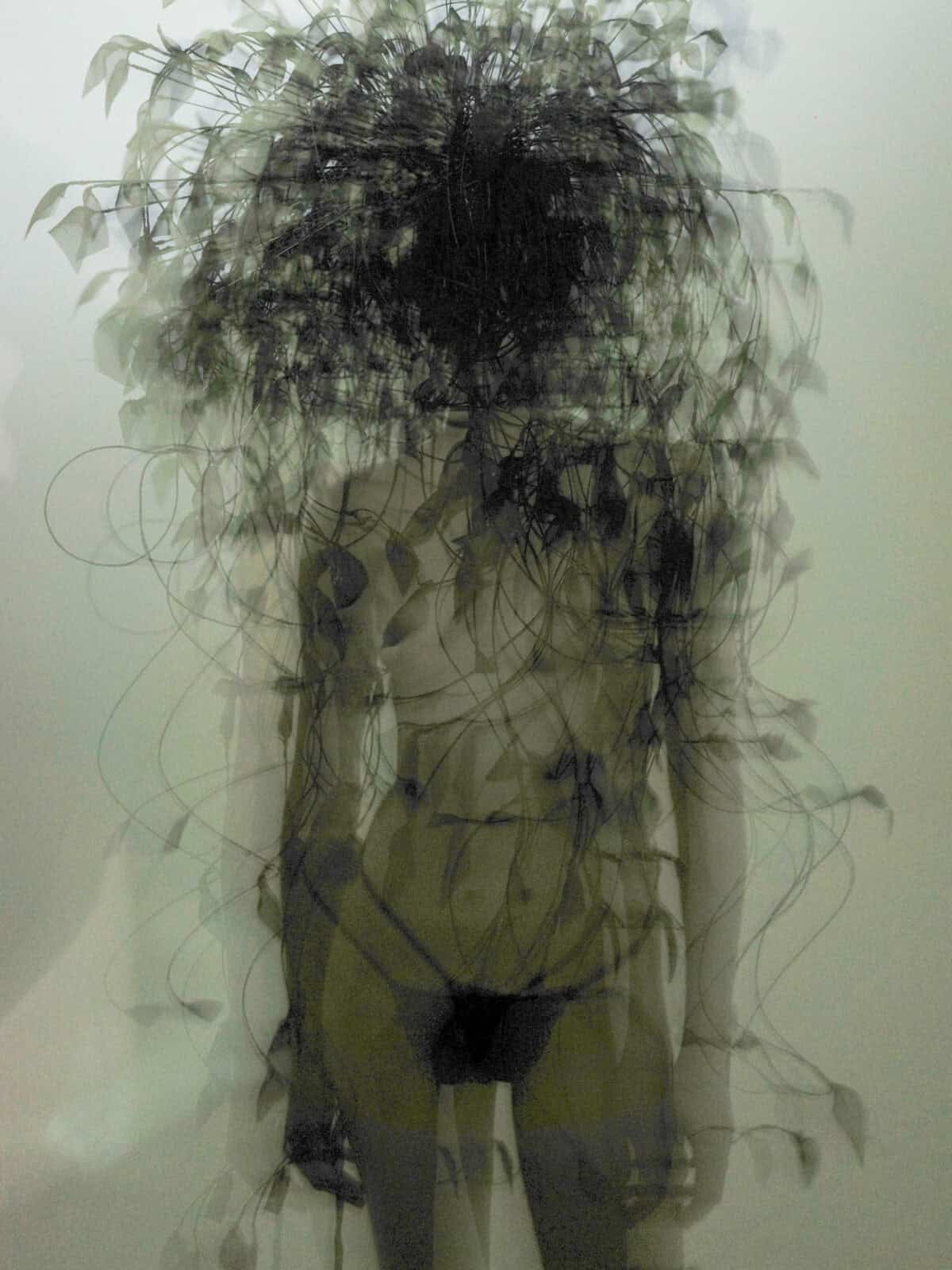
There’s a constant tension between wanting to be fully seen and understood, while also wanting to disappear before you are judged for it. I think that’s still a very universal experience, especially for women coming from strong traditional environments or more singular cultures.
CM: The show asked, “Who are you when no one is watching?” How did that question guide the collection?
EM: Most of the time, we dress with a goal, to create authority, comfort, distance. With Antechamber, I wanted to explore who we are underneath that performance, and how that private self could be translated into textile and silhouette. In a way, it’s clothing you can’t really hide behind.
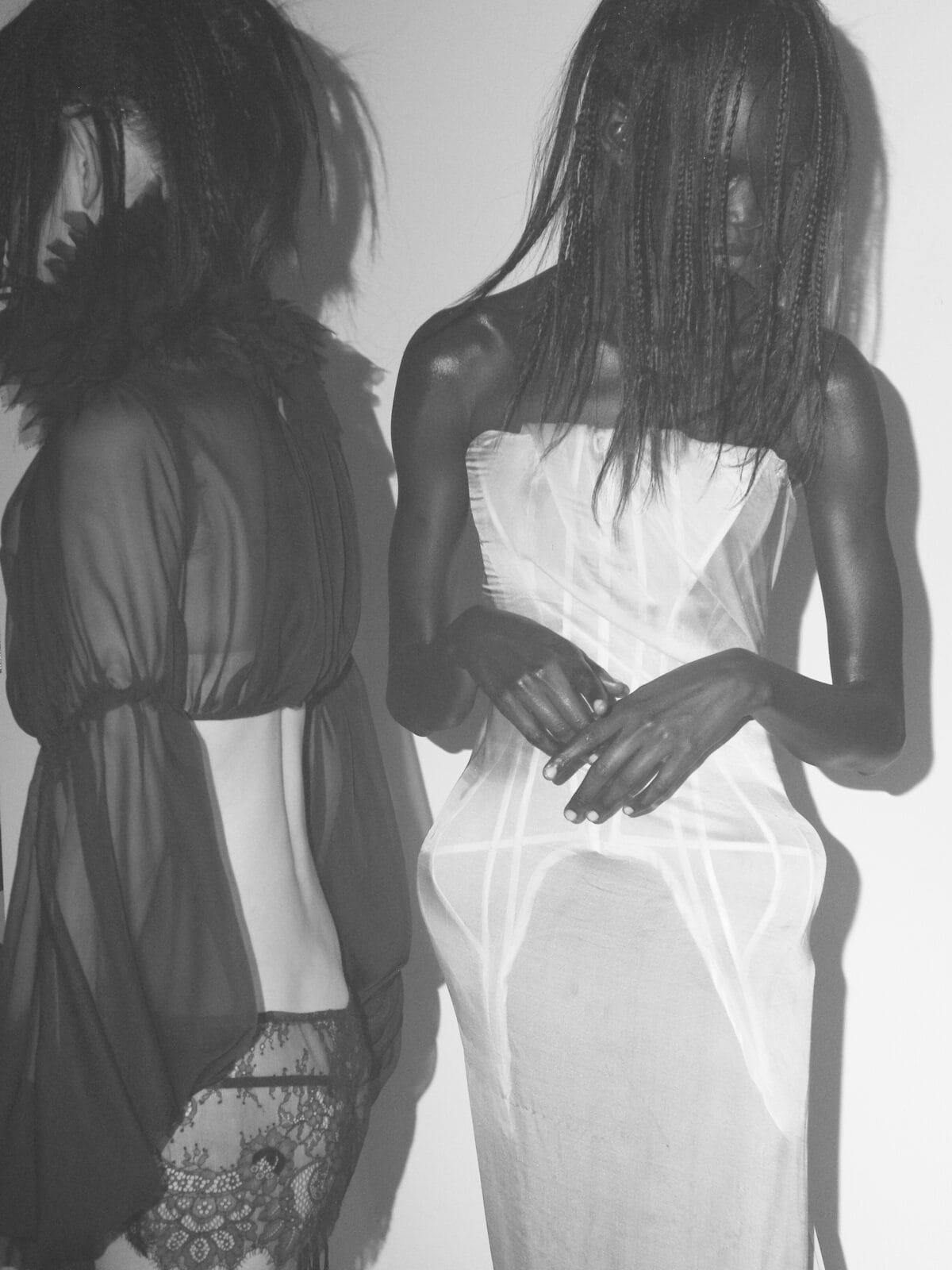
That’s why many of the garments expose areas of the body that would normally remain hidden. I wanted to take vulnerability and present it in a considered and beautiful way on the female body. Some looks could be seen as too revealing or risqué, but I’m not trying to shock people, I’m drawn to translucency because it doesn’t completely hide the body.
While researching, I became very interested in Indic systems of dress and Mughal clothing, particularly the translucent cotton jama. In Indic traditions, the body was seen as something that reflected the inner state of a person, so clothing often framed and revealed the body rather than hiding it completely. That balance between concealment and revelation became very influential to the collection.
CM: The sugar-glass structure at the centre of the show was such a striking image. What did it represent for you?
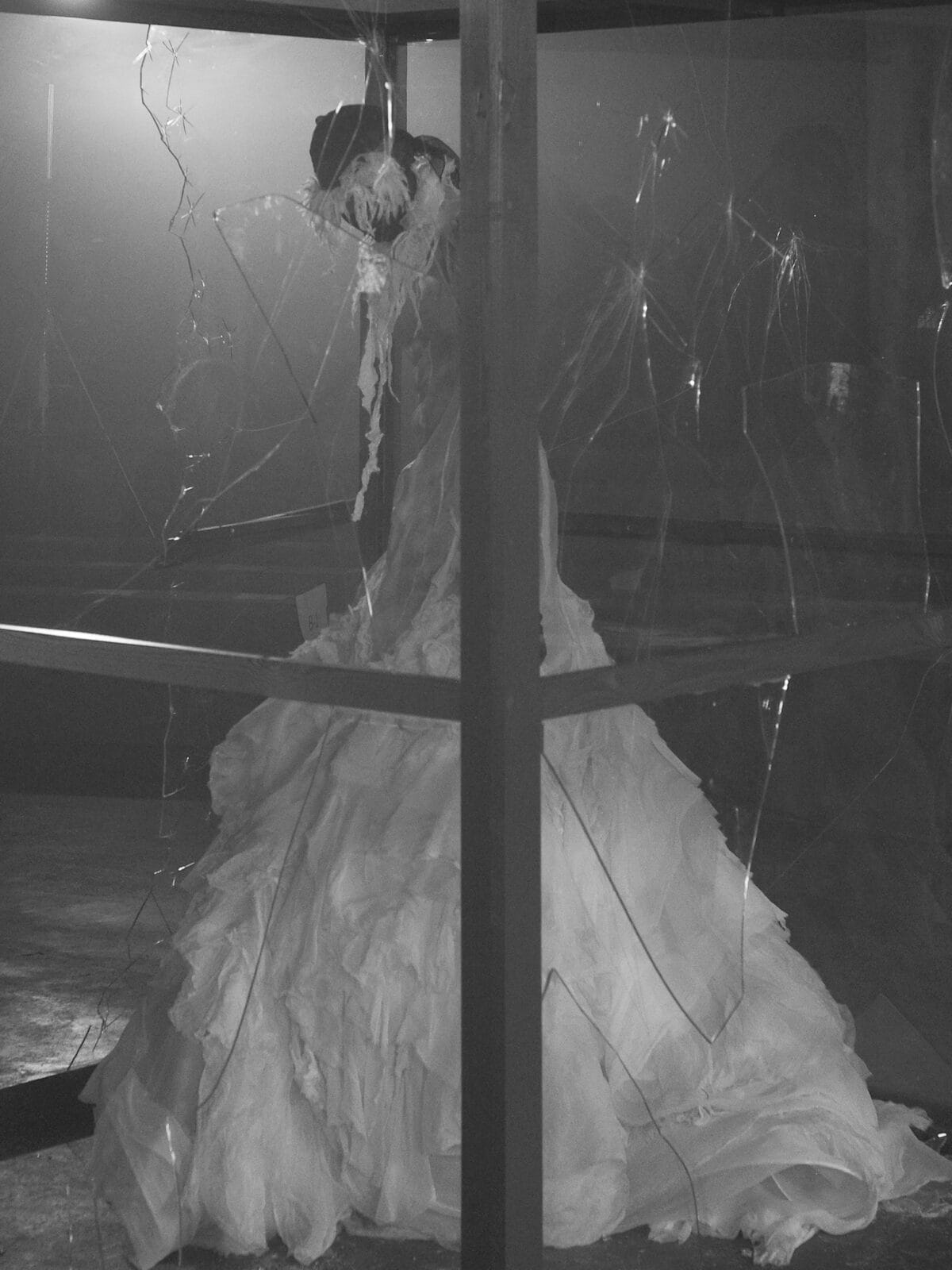
EM: The glass box was a panopticon. Even though you are enclosed, it’s transparent, every movement is visible. You are performing even in captivity.
That tension carried into the garments as well. I wanted the clothes to feel exposed, almost unfinished in places, disintegrating to reveal what’s underneath. Transparent layers, distressed textiles, exposed areas of the body, they all came from this idea that some things about yourself can never really stay hidden. You can’t cover fire with paper forever.
I’m not that interested in clothing designed to make someone become a “better” version of themselves through costume. I’m more interested in garments that reveal something about the person already wearing them.
CM: Many of the garments move between protection and exposure: heavy outerwear, sheer layers, distressed textures, restrictive shapes. How did you want the clothes to interact with the body?
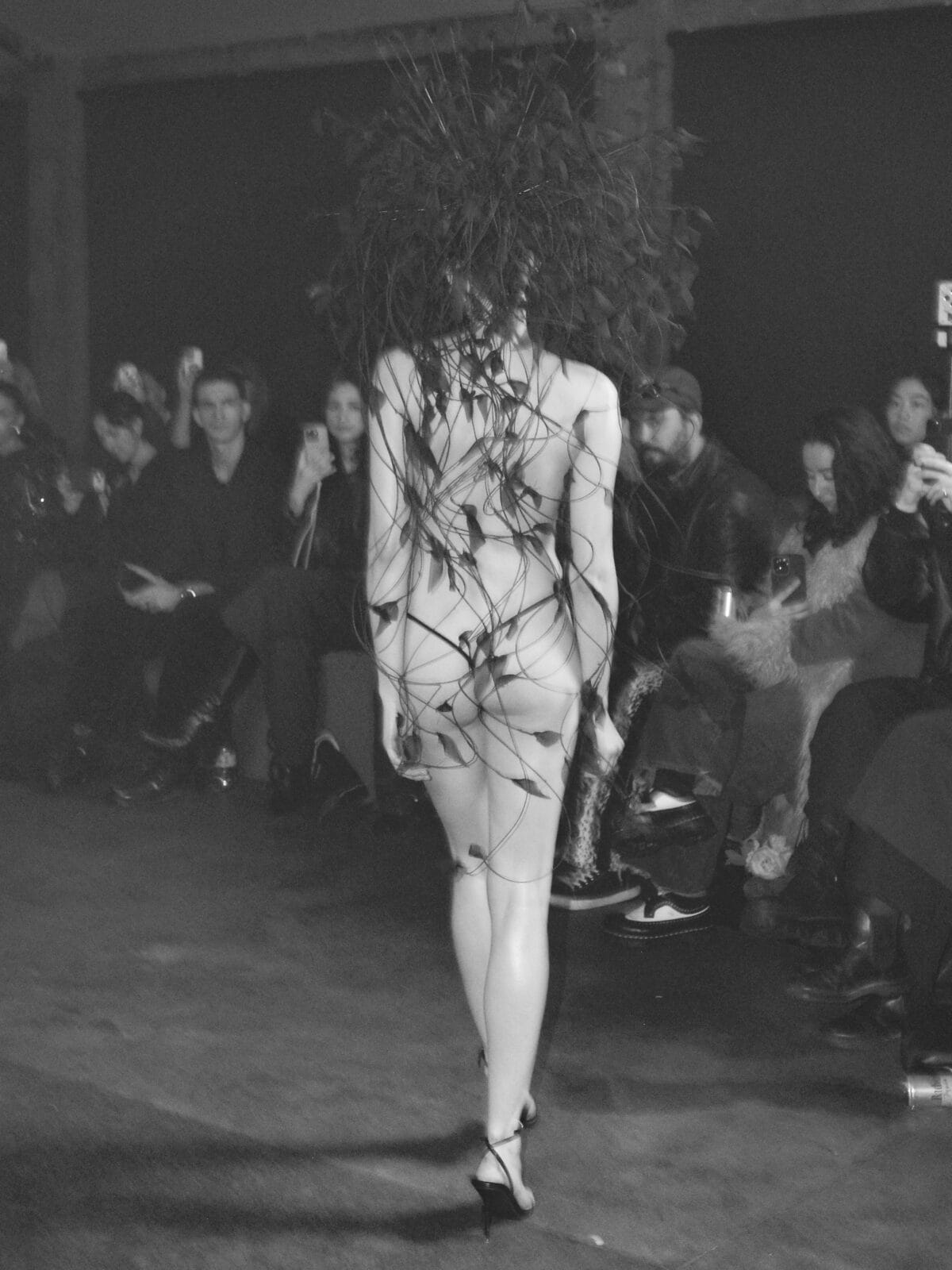
EM: I wanted the clothes to expose the body, but often in areas that wouldn’t typically be revealed. I became interested in changing how exposure is perceived. For example, a dress might look very modest from the front, but as the person walks past, you realise the entire bum is exposed. Or a look may have very sharp tailored sleeves and shoulders that feel structured and controlled, while the body itself is constructed entirely from sheer nude tulle.
I’m interested in that tension between polish and vulnerability. When you wear something with clean lines and tailoring, you naturally feel more composed and protected. But once transparency is introduced, the feeling becomes much more layered. You become aware of your body differently, and also aware of being perceived.
CM: There is a sense of femininity in the collection that feels vulnerable, but also instinctive and dangerous. How do you approach that balance?
EM: I want to enhance the female body and make the woman wearing the clothes feel beautiful. Never like a costume or like she is playing a character, but completely in her own skin.
I thought a lot about what actually makes a woman feel good in herself, not just visually, but emotionally. A lot of the collection explores exposure and revealing the body, but it never came from a place of creating sexual appeal for somebody else. When you can feel that someone is completely secure and sure of themselves, especially when they aren’t trying to perform or cater to expectations, it creates a natural sense of danger because you realise you can’t control them anymore.

CM: “Antechamber” seems to capture a moment of transformation, almost a threshold between girlhood, womanhood, fear and self-possession. Was that transition something you were consciously exploring?
EM: Yes, definitely. The collection came from that quiet question sitting in the darker corner of your mind: am I allowed to do this? Am I allowed to act like this if I am a girl?
If you look at the progression of the collection, it begins with heavier and more restrictive looks, dark colours, thick fabrics, heavy layering. At that stage, she is still hiding, still unsure, still testing the waters. Then gradually the garments begin to shed. Translucent fabrics are introduced, hints of colour start to emerge, the body becomes more exposed.
By the end, it finishes with the aged white silk gown made from countless metres of silk organza and chiffon. For me, that moment represents the girl fully blooming into herself. It feels like both a beginning and an unraveling at the same time.
I wanted to explore the journey of a girl slowly growing into a space where she is finally able to exist as herself.
CM: The finale felt incredibly cinematic, like a moment of rupture or release. What did you want the audience to feel in that final scene?
EM: I workshopped this idea of the box with my art director Sayna for many months before the show. It came from our own personal stories, and for me, it represented a new beginning. But at the same time, the performance was really just about a very human emotion. Freedom is such a deeply human need.
I never want to dictate exactly what the audience should feel while watching it. It matters more to me that people are able to see their own narrative within the performance. Everyone has experienced their own forms of restriction, fear, exposure, release, and transformation, and I wanted to leave space for those personal stories.
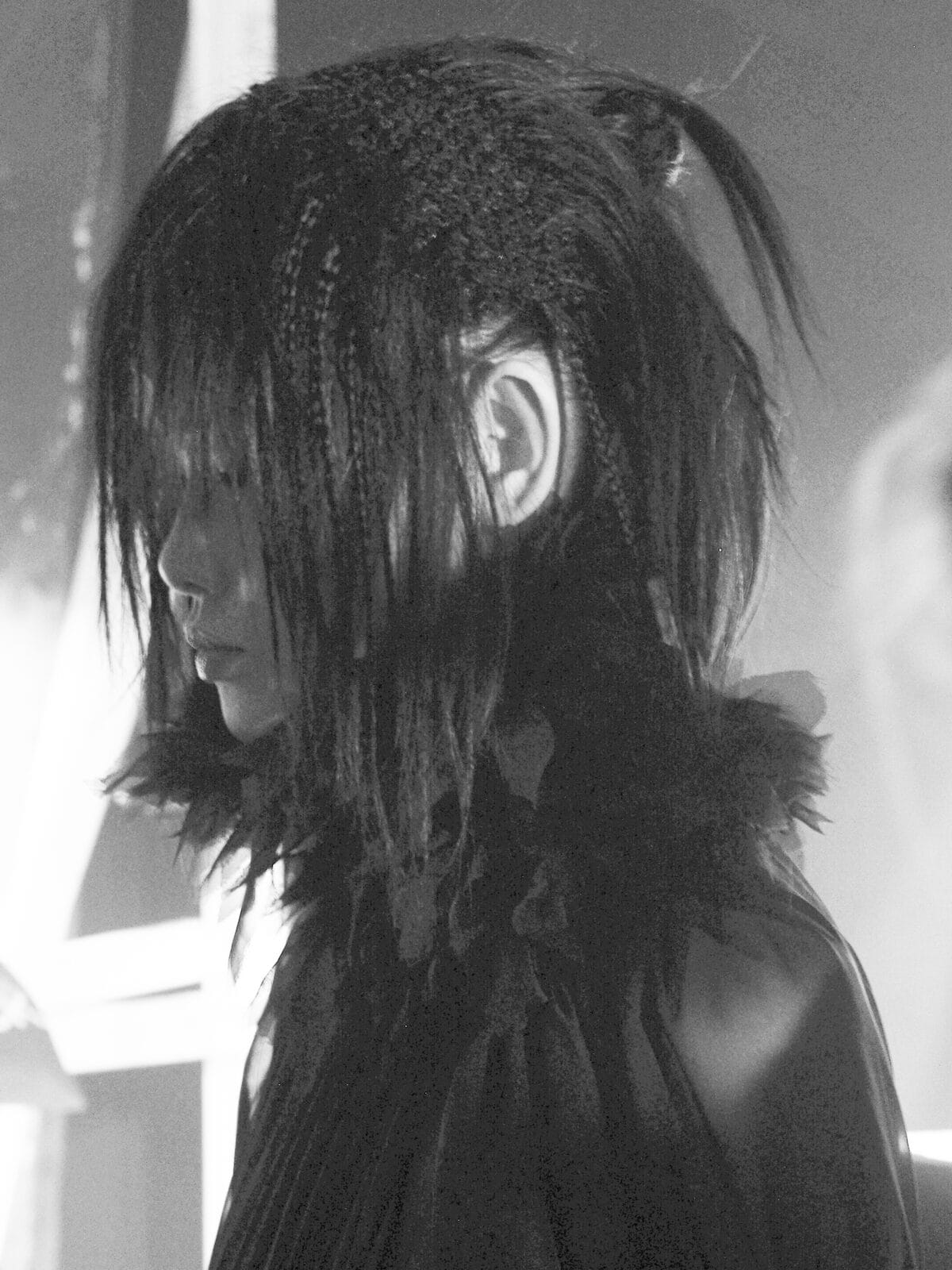
CM: Your work feels very character-driven, as if each garment belongs to someone with a private inner life. Do you design with a specific woman or persona in mind?
EM: To me, the MYAT girl is very specific. The garments are always designed for one girl, but at the same time, I think this girl exists in all of us.
She’s a little daring, a little unsure, messy sometimes. She can be a “cool girl”, but also deeply fragile. I’m interested in a girl who feels unfiltered, someone you look at and think, “she looks like she was crying last night,” rather than someone who always appears perfectly polished and put together.
They won’t necessarily look visually similar, but there’s a quiet intensity that connects them. For me, Ethel Cain is a MYAT girl, and so is Joan Didion.
CM: After such a powerful LFW debut, what feels most important for you to carry forward as MYAT evolves?
EM: I’ve always found translating emotions into something tangible very complicated, but that’s also what interests me most about fashion. I want to get deeper into the world I’m building, get my hands dirtier, push the motifs in my work further, and continue developing the strongest level of craft I can bring into the garments.
The most important thing for me is to create with intention and keep pushing how I can tell a story. That can be difficult sometimes when you also have people to pay and a business to sustain, but I never want practicality to completely flatten creativity. At the same time, I’m learning that being business literate isn’t the enemy of creativity, it’s necessary if you want to create without restrictions long term.
I’m still at a very early stage in my career, so I have a lot to learn and a lot to unlearn. But I hope I’ll always continue designing from a place of authenticity and contribute something meaningful through the work.


