
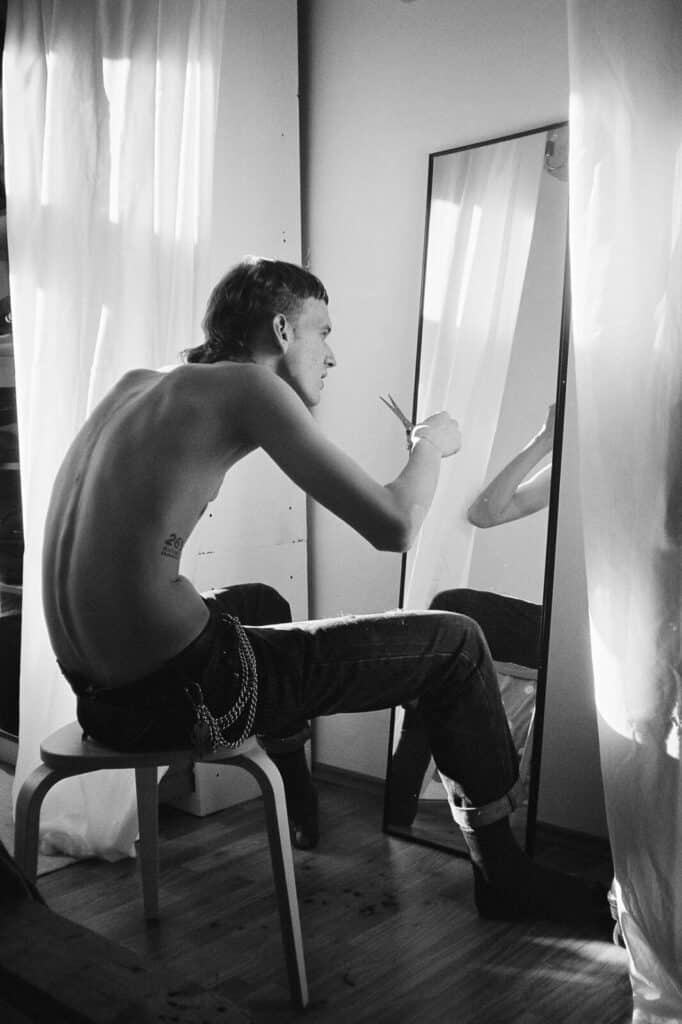
Karina Golisova captures a Europe that is both in transition and which has been left behind. Raised in Bratislava, Slovakia, before moving to Czechia, Golisova captures the music and squatting scenes of those cities – raw and alive – with an intimacy people outside those countries aren’t often shown. Documenting those worlds from within their ranks, Golisova makes models of her friends whose personal worlds and youth become stages for the political, speaking to a generation stymied by economic decline, Internet supremacy and the latter-day existentialism of 21st-century life. As her first-ever solo exhibition runs at miļość gallery in London, Golisova speaks to The Cold Magazine.
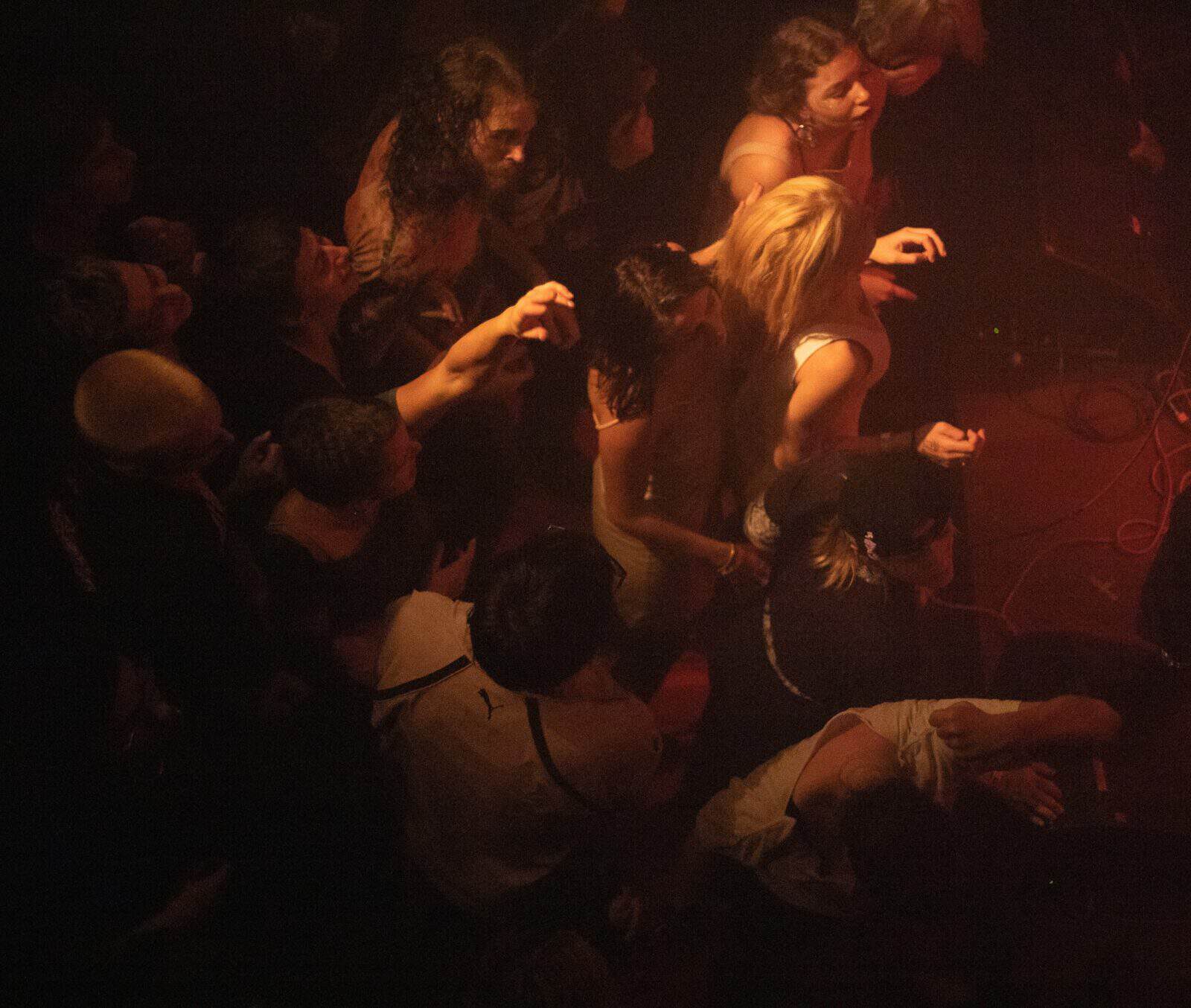
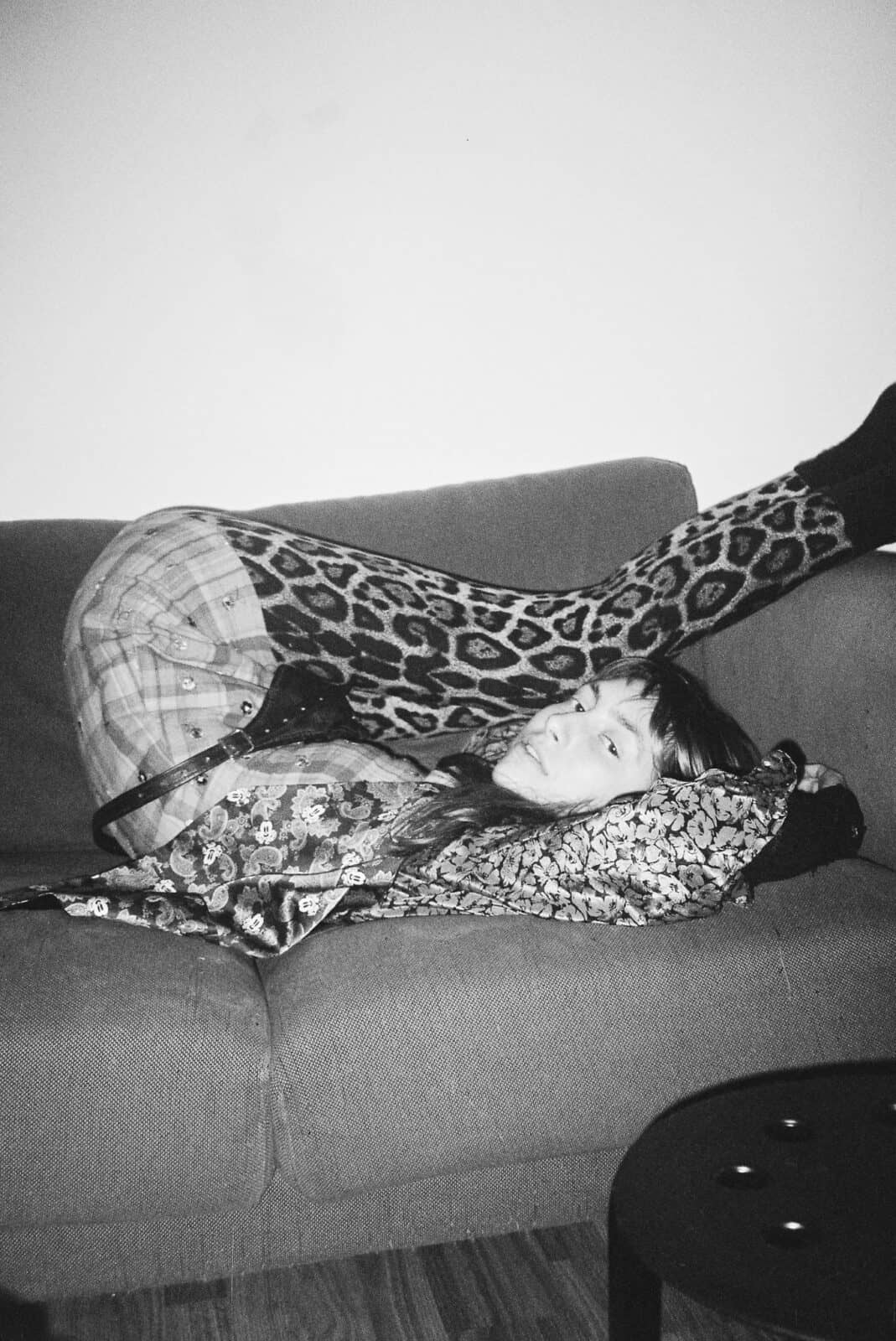
The Cold Magazine (CM): These photos are a sort of documentary of Central Europe’s punk scene. How did you come into that world?
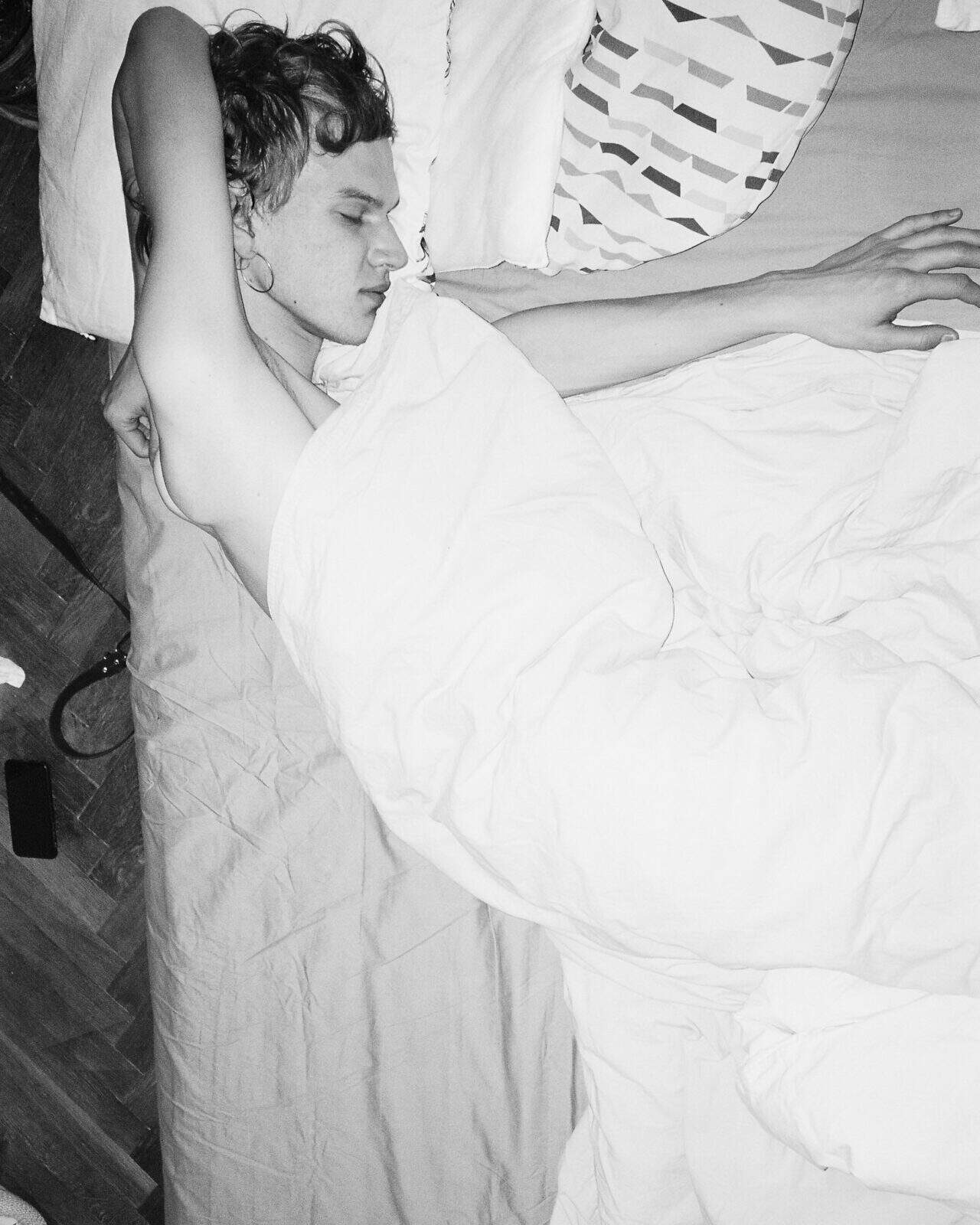
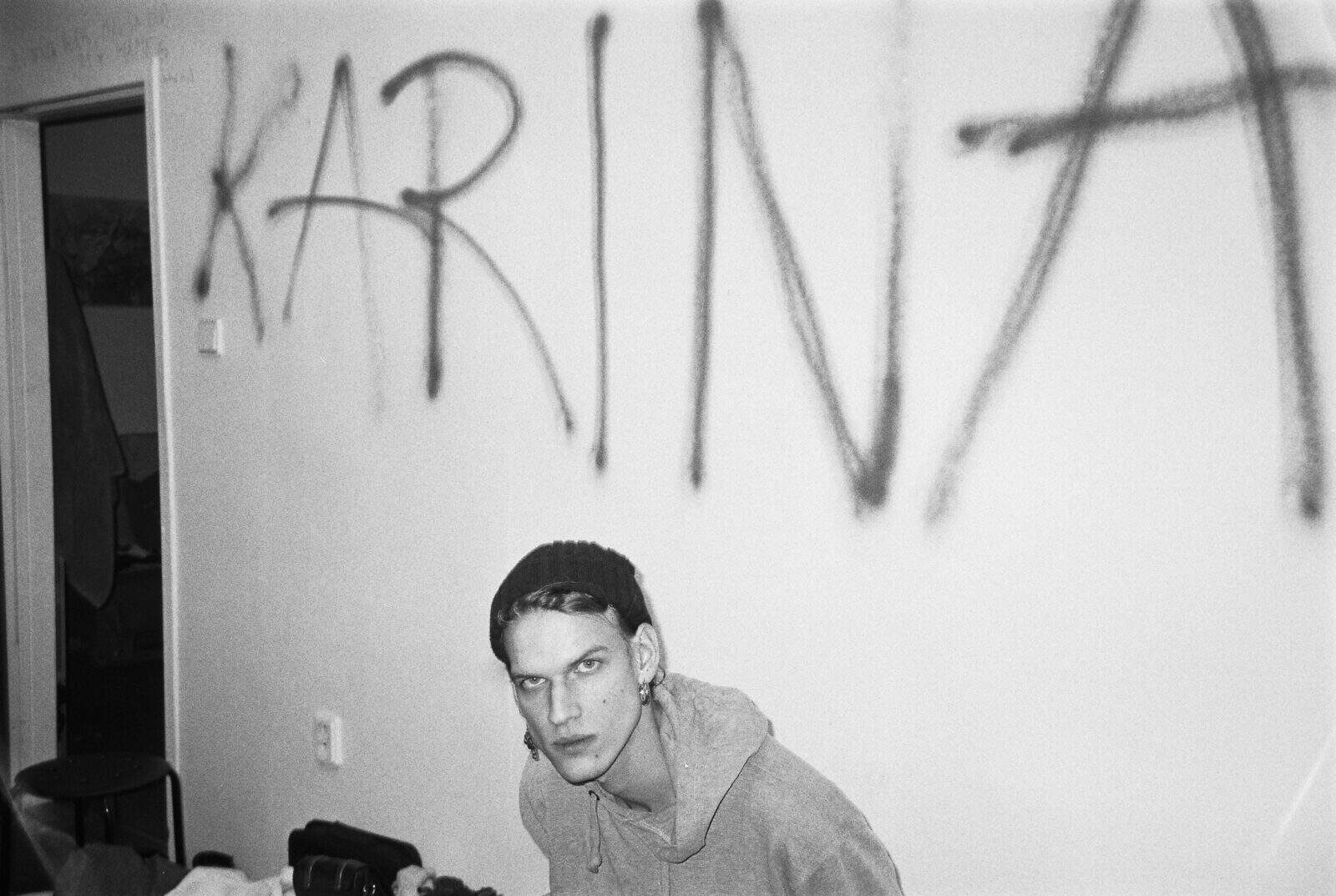
Karina Golisova (KG): In 2017, as a starting photographer, I discovered a community living in the run down office spaces of Košická 37 in Bratislava – musicians, artists, students and working people who lived for reasons both financial and political. I spent time there without any clear intention at first, and only later began photographing it all. Over time, it became clear that the community I was documenting had grown into a remarkably unique punk and artistic scene. It was one of the wildest but also most formative periods of my life, and it continues to influence my work today.
The building was eventually demolished and replaced by a new development. However, its spirit left a permanent mark on my practice. Since then I have been fascinated by images that capture friendship, protest, exhaustion, and resilience. That interests me far more than any label of “punk.”
KK: How would you describe Central Europe’s music scene? Why did you feel the need to document it?
KG: In Slovakia, a strong wave of music projects has emerged that reflects the political and social climate. They speak about anxiety about the future – endless scrolling, where we will live, how we will survive, generational frustration, and the feeling that the world around us is in a permanent state of crisis. There is irony, absurd humor, and at the same time an incredibly precise way of naming things.
Since it is all in Slovak, it feels very local and specific to our environment, but I also feel that the emotions are universally transferable. Many young people today face similar feelings regardless of where they live: uncertainty, burnout, and the need to belong somewhere. Perhaps our only hope lies in mutual support and building small parallel worlds where people can feel safe. I document these situations because I feel a need to preserve them. I am aware of their fragility and impermanence. Photography is both a way of communicating and a way of moving through the world while staying connected to what I experience. Who will do it if not me?
CM: Western Europe often has a quasi-exoticist fascination with life in former Eastern bloc countries, like Slovakia and Czechia. Why do you think that is?
KK: It is, of course, connected to a certain exoticisation of dirt and rawness. It is an environment where people do not whisper – they shout. And to some extent, that is true (haha).
CM: Are those countries fascinated by Western Europe in a similar way?
KK: I think that for many people in Eastern Europe, for a long time the West was a kind of projection, a place where things happen and where everything we desire can be found. This year I visited New York for the first time, and it felt extremely strange. I had never been there before, yet everything seemed almost too familiar. Pop culture is obviously responsible for that – we are raised on American films from an early age. At the same time, I suddenly found myself not knowing how to photograph the city. Looking at the images now, I feel that something is missing from them, as if they reveal more about what I failed to capture than about what I actually did.
CM: What is Bratislava like as a city? What is there to do there?
KK: Bratislava is small and great! My favorite places are Bar Axioma, Bar Next Apache, concerts in garages, the Pink Whale club on a boat, and the Brot bookstore.
CM: Did you want to be a photographer growing up?
KK: I think so, although I did not realise it at the time. I come from a small village in southern Slovakia and grew up far from any cultural scene. My mother was an amateur photographer. She photographed and filmed local events, funerals and everyday life in the village, and developed everything herself in a darkroom.
From around the age of five, I was obsessed with magazines full of pictures. I would cut them up and make collages in empty notebooks, creating my first zines filled with photos of Natalia Oreiro. Later, the rise of the internet shaped me profoundly, especially Tumblr. If I were teaching the history of photography, I would not begin with the camera obscura; I would begin with Tumblr! Most importantly, photography became a way for me to start conversations with people who I found interesting
CM: Whose work — photographic or otherwise — do you admire?
KK: I am deeply influenced by the work of Sophie Calle. I vividly remember her exhibition at the Musée Picasso in Paris. I felt as though I was entering her world – a world that is highly accessible and precise, yet beneath its apparent simplicity there is an extraordinary emotional intensity. It is one of the few exhibitions that remain physically stored in my memory so vividly that it is difficult for other experiences to replace it. My favorite work is Take Care of Yourself. I absolutely love it.
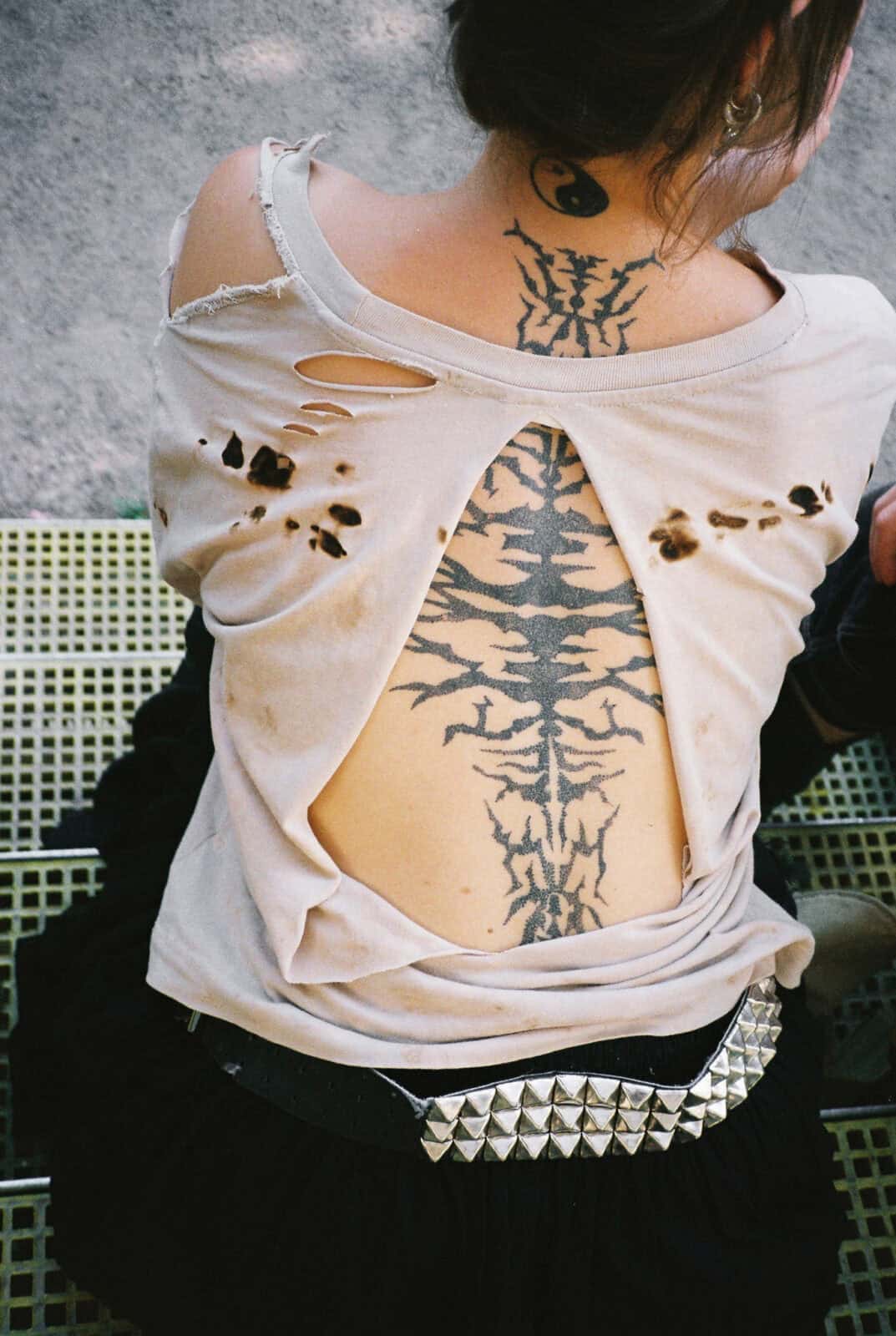
CM: The people you photograph are often unclothed, or not fully clothed, or are showing some part of their flesh. What draws you to the flesh?
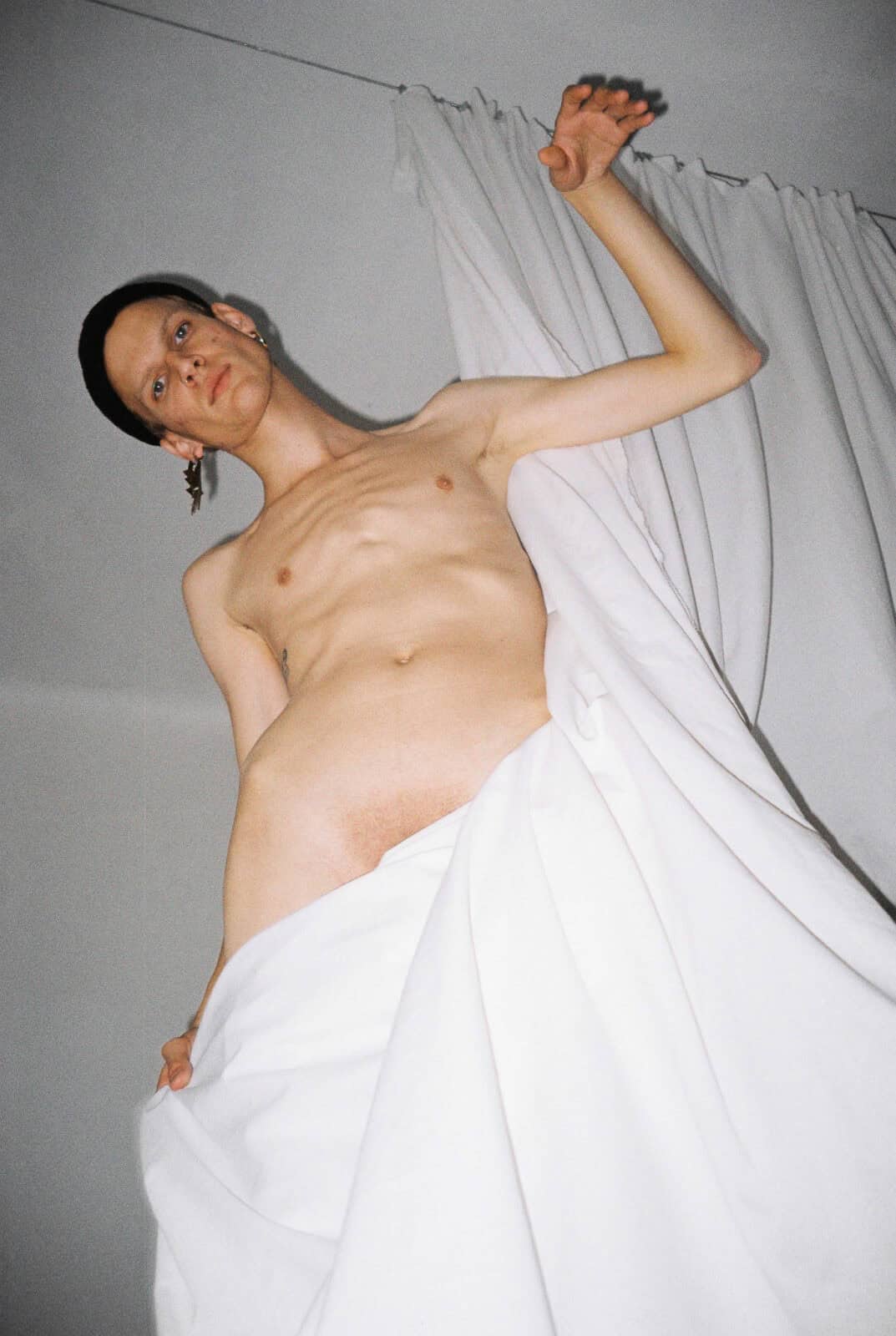
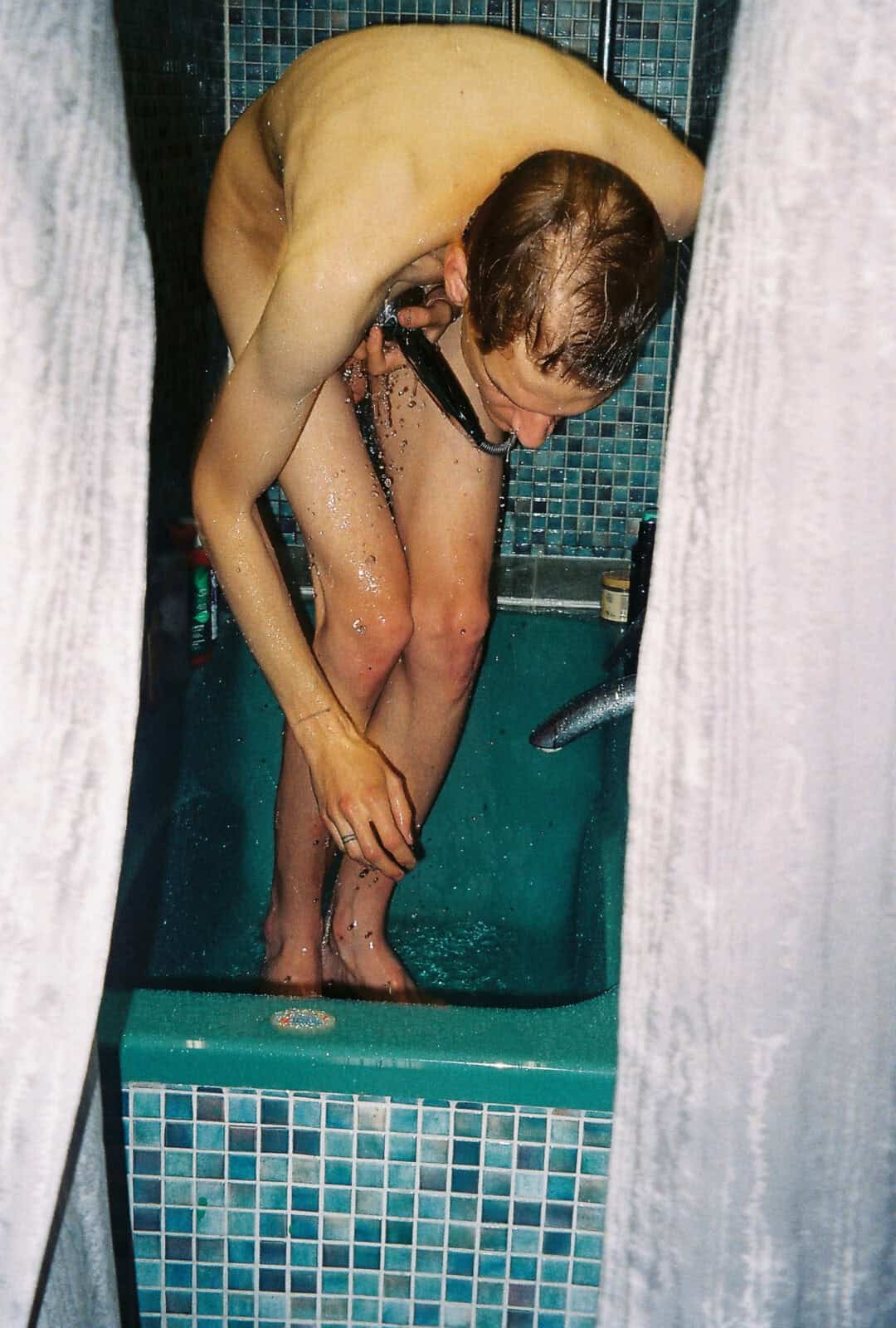
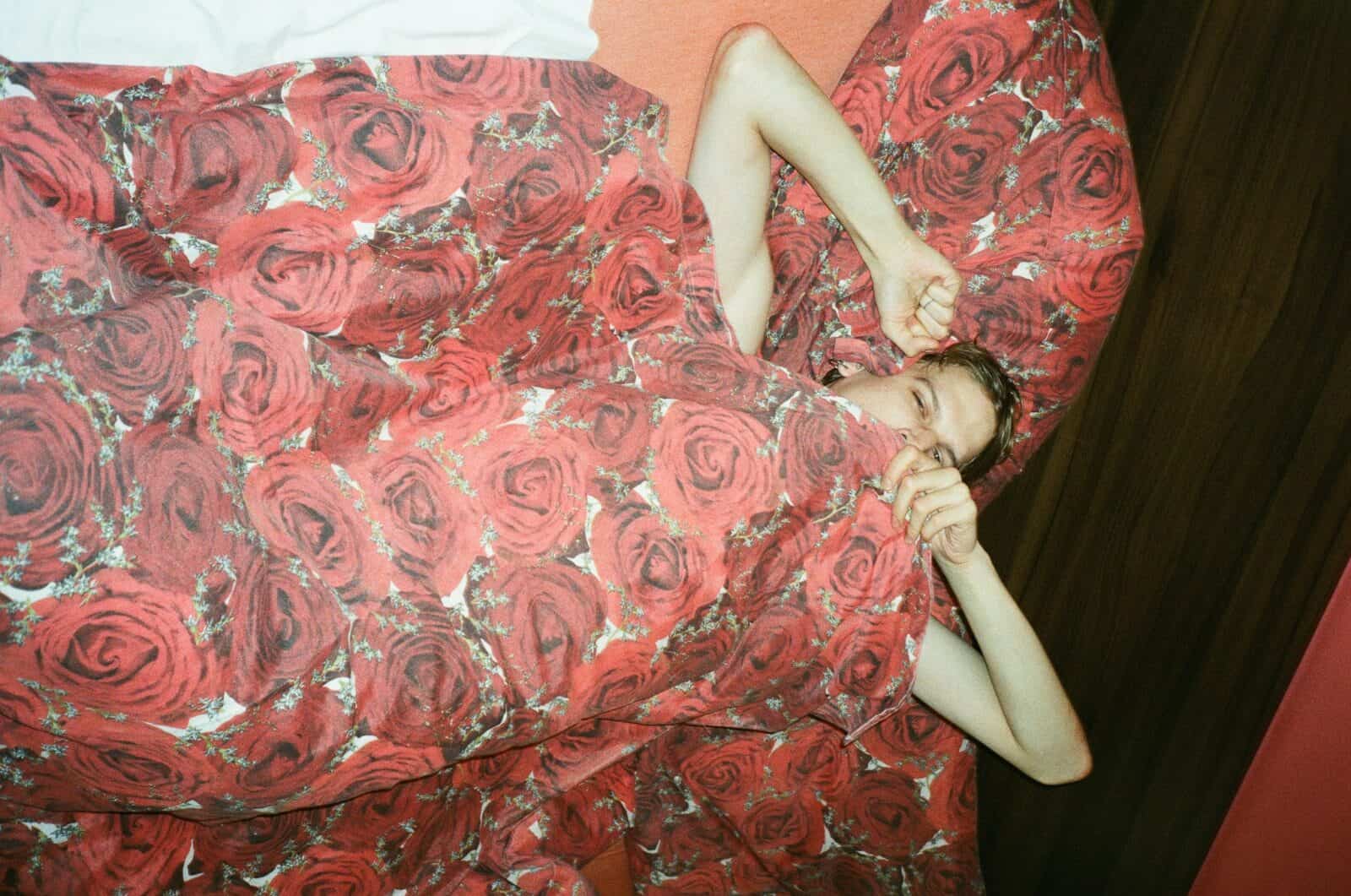
KK: In reality, I do not particularly like nudity in photographs. If it appears in my images, it is usually the result of chance – a moment when a piece of clothing slips off during a rapid movement, or when I accidentally capture someone in that state. What looks like nudity is actually movement. Movement is far more intimate to me than simple nakedness, in every sense of the word: the movement of the body, the movement of time, the process of a relationship.
CM: You studied textiles. How does this inform your work?
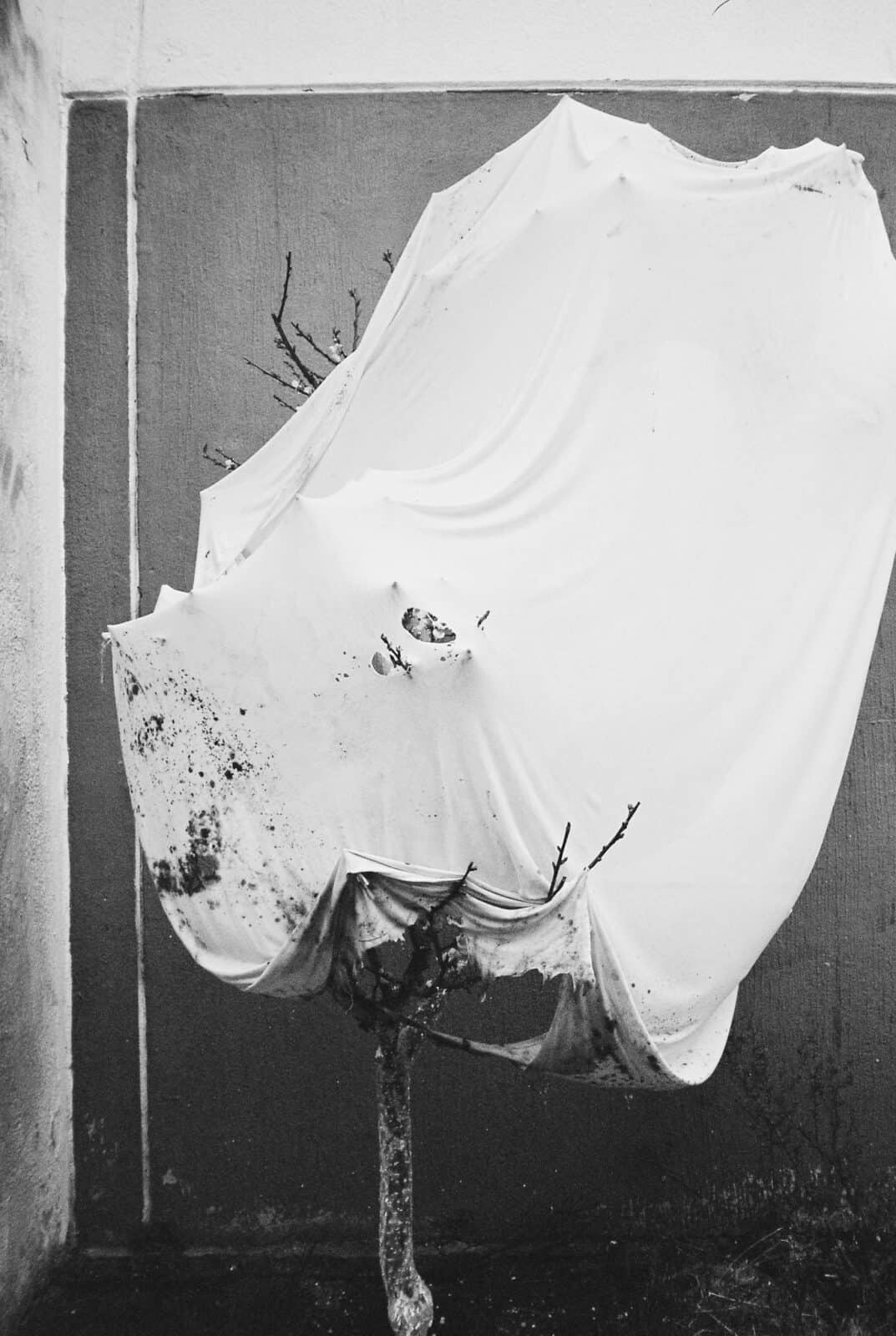
KK: I began studying textile design because I was not accepted into a photography programme. Yet I still devoted all my energy to photographing the sewing process. As a result, fashion never truly interested me as an end goal; rather, it became a byproduct of the environment I move through. For example, I am currently working on a project about the clothing of people who interest me. I approach these garments as an archive. I am fascinated by old T-shirts people cannot bring themselves to throw away: yellowed necklaces, kitschy pajamas, but also by clothes that circulate between friends; borrowed, exchanged, or quietly claimed as one’s own. I am interested in how clothing, and the things we cannot let go of, relate to memory and identity, and how traces of our relationships remain embedded in the fabric. I know that my photographs may sometimes be associated with a more traditional understanding of “fashion,” but that does not interest me at all.
CM: What is your favourite photograph you’ve ever seen?
KK: My favorite photograph is by the Czech photographer Václav Tvarůžka. It depicts a woman dragging a child attached to a wheeled suitcase across a bus station. It is an image that reminds me that the most radical photographs emerge from situations that most people do not even notice.Through the holes in your tee, I can see love shows at miļość gallery, London, until June 20


